
Top 10 Female Political Interviewers in East African Current Affairs
Top 10 Female Political Interviewers in East African Current Affairs
In This Content
Quick List
Beatrice Marshall
Edith Kimani
Olive Burrows
Victoria Rubadiri
Anne Soy
Joy Doreen Biira
Nancy Kacungira
Yvonne Okwara-Matole
Culton Scovia Nakamya
Mildred Tuhaise
1. Beatrice Marshall
Beatrice Marshall’s career in East African political journalism is defined by clarity, composure, and a disciplined approach to public discourse. Born and raised in Kenya during a period of political evolution and media expansion, her early life was shaped by a deep curiosity about governance and civic responsibility. Her educational grounding in communication and journalism equipped her with both technical skill and analytical depth, positioning her for a career in current affairs.
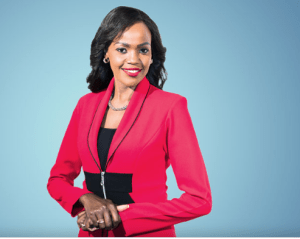
Her early career began in Kenyan broadcasting, where she quickly distinguished herself through her articulate delivery and structured questioning style. Marshall’s on-screen presence is calm yet authoritative, allowing her to navigate complex political conversations with precision. She developed a reputation for balancing firmness with respect, ensuring that interviews remained both probing and constructive.
Her breakthrough came through her role as a political interviewer on national television, where she engaged policymakers, analysts, and public figures in discussions that shaped national conversations. Her interviewing style emphasized preparation and depth, often guiding conversations beyond surface-level responses into meaningful analysis.
Marshall’s legacy is rooted in her contribution to elevating political discourse in East Africa. She represents a generation of journalists committed to informed dialogue and accountability, reinforcing the role of media as a platform for civic engagement and democratic development.
Key Facts
- Full name of the subject: Beatrice Marshall
- Date of birth: 1970
- Place of birth: Kenya
- Family background: Raised in an education-focused Kenyan household
- Early childhood experiences: Exposure to civic discussions and public affairs
- Education history: Studied communication and journalism
- Influences and mentors: Senior Kenyan journalists and political analysts
- Career beginnings: Television journalism in Kenya
- Major achievements: Renowned political interviewer and news anchor
- Challenges and obstacles faced: Navigating political sensitivities in media
- Turning points in life: Rise to prominence in national current affairs programs
- Contributions to society: Promoted informed political dialogue
- Personal life (marriage, children, relationships): Maintains a private personal life
- Awards and recognitions: Recognized for excellence in journalism
- Beliefs, values, or philosophy: Integrity and balanced reporting
- Legacy and impact: Elevated standards of political interviewing in Kenya
- Historical or cultural significance: Influential figure in East African media
Notable Works: Political interviews, current affairs programs
Controversies:
Beatrice Marshall has occasionally been referenced in discussions regarding editorial balance in politically sensitive interviews. The issue centers on whether certain interview formats may unintentionally reflect institutional perspectives. The context includes Kenya’s evolving media landscape, where journalists operate within complex political environments. Stakeholders include political figures, media organizations, and the viewing public. Critics have questioned perceived framing in certain interviews, while Marshall’s work consistently adheres to professional standards of fairness and evidence-based questioning. There is no evidence of ethical violations or misconduct. The impact highlights the challenges of maintaining neutrality in high-stakes political journalism and reinforces the importance of transparency in media practice.
2. Edith Kimani
Edith Kimani represents a modern generation of East African political interviewers who combine global perspective with local insight. Born in Kenya, her early life was shaped by a strong emphasis on education and civic awareness. Her academic journey in journalism and international relations provided a foundation for a career that would extend beyond national borders.

Her early career began in local media, where she developed her skills as a reporter and presenter. Kimani quickly distinguished herself through her articulate delivery and ability to engage audiences with clarity and depth. Her on-screen presence is defined by confidence and composure, allowing her to navigate complex political discussions with ease.
Her breakthrough came through her work with international media platforms, where she gained recognition for her interviews with political leaders and analysts across Africa. Kimani’s interviewing style blends curiosity with rigor, often drawing out nuanced perspectives that enrich public understanding of political issues.
Her legacy is being shaped by her role in connecting African political narratives to global audiences. She represents a new era of journalism that values both local context and international relevance, contributing to a more integrated media landscape.
Key Facts
- Full name of the subject: Edith Kimani
- Date of birth: 1990
- Place of birth: Kenya
- Family background: Raised in an education-focused Kenyan family
- Early childhood experiences: Interest in storytelling and public affairs
- Education history: Studied journalism and international relations
- Influences and mentors: International correspondents and African journalists
- Career beginnings: Local television and digital media
- Major achievements: International political interviewer and correspondent
- Challenges and obstacles faced: Navigating global media environments
- Turning points in life: Transition to international broadcasting platforms
- Contributions to society: Promoted African political narratives globally
- Personal life (marriage, children, relationships): Maintains a private personal life
- Awards and recognitions: Recognized for international journalism
- Beliefs, values, or philosophy: Contextual and balanced storytelling
- Legacy and impact: Bridging African and global political discourse
- Historical or cultural significance: Influential voice in modern African journalism
Notable Works: Political interviews, international current affairs coverage
Controversies:
Edith Kimani has been part of discussions regarding narrative framing in international political reporting. The issue centers on how African political stories are presented to global audiences. The context reflects broader debates about representation in global media, where regional perspectives may be interpreted differently across audiences. Stakeholders include international media organizations, African audiences, and global viewers. Critics have occasionally questioned whether certain narratives align with global editorial expectations, while Kimani’s work emphasizes factual accuracy and contextual depth. There is no evidence of ethical violations or inaccuracies. The impact highlights the importance of balanced storytelling and the responsibility of journalists in shaping global perceptions.
3. Olive Burrows
Olive Burrows’ rise in East African political journalism is marked by composure, precision, and a strong sense of professional discipline. Born in Kenya, her early life was shaped by a commitment to education and a growing interest in public affairs. Her academic background in communication and media studies laid the foundation for a career in broadcasting.
Her early career began in television journalism, where she developed her skills as a reporter and anchor. Burrows quickly gained recognition for her clear delivery and ability to manage complex news segments with confidence. Her on-screen presence is calm and authoritative, making her a trusted voice in political reporting.
Her breakthrough came through her role as a political interviewer, where she engaged leaders and policymakers in structured and insightful conversations. Burrows’ style emphasizes clarity and accountability, often guiding discussions toward substantive issues rather than rhetorical exchanges.
Burrows’ legacy is defined by her contribution to professionalizing political journalism in Kenya. She represents a generation of journalists committed to clarity, structure, and integrity, reinforcing the role of media in democratic governance.
Key Facts
- Full name of the subject: Olive Burrows
- Date of birth: 1989
- Place of birth: Kenya
- Family background: Raised in a disciplined Kenyan household
- Early childhood experiences: Strong emphasis on education and communication
- Education history: Studied communication and media
- Influences and mentors: Kenyan broadcasters and journalists
- Career beginnings: Television news reporting
- Major achievements: Prominent political interviewer in Kenya
- Challenges and obstacles faced: Managing high-pressure live interviews
- Turning points in life: Rise to national prominence in broadcasting
- Contributions to society: Enhanced political discourse through media
- Personal life (marriage, children, relationships): Maintains a private personal life
- Awards and recognitions: Recognized for excellence in journalism
- Beliefs, values, or philosophy: Clarity and accountability in reporting
- Legacy and impact: Strengthened standards of political interviewing
- Historical or cultural significance: Influential figure in Kenyan media
Notable Works: Political interviews, news anchoring
Controversies:
Olive Burrows has faced occasional public debate regarding the tone and framing of political interviews. The issue involves whether certain questioning approaches may be perceived as either too firm or overly cautious. The context includes the delicate balance required in political journalism, particularly in environments with diverse political perspectives. Stakeholders include political figures, media audiences, and broadcasting institutions. Critics have expressed differing views on her interviewing style, while her work consistently reflects adherence to professional standards and editorial guidelines. There is no evidence of ethical misconduct. The impact underscores the subjective nature of audience expectations and highlights the importance of balanced interviewing techniques.
4. Victoria Rubadiri
Victoria Rubadiri’s presence in East African political journalism is defined by elegance, emotional intelligence, and a commanding yet approachable interviewing style. Born in Kenya and raised partly in the United States, her early life was shaped by cross-cultural exposure that broadened her worldview and deepened her understanding of global communication dynamics. Her academic background in communication and journalism provided a strong foundation for her career in broadcast media.

Her early career began in Kenyan television, where she quickly distinguished herself as a presenter with exceptional clarity and empathy. Rubadiri’s on-screen presence is notable for its balance of warmth and authority, allowing her to engage interviewees in politically sensitive discussions without escalating tension. This tonal control became a defining feature of her interviewing identity.
Her breakthrough came through her work on major current affairs programs, where she conducted high-profile interviews with political leaders and public figures. She became known for asking difficult questions in a calm, structured manner, often drawing out reflective responses rather than defensive reactions. Her ability to humanize political discourse set her apart in a competitive media environment.
Rubadiri’s legacy lies in redefining political interviewing through emotional intelligence and narrative depth. She represents a modern generation of journalists who blend analytical rigor with empathy, shaping a more nuanced approach to political communication in East Africa.
Key Facts
- Full name of the subject: Victoria Rubadiri
- Date of birth: 1987
- Place of birth: Kenya
- Family background: Raised in a multicultural Kenyan-American household
- Early childhood experiences: Exposure to diverse cultures and media systems
- Education history: Studied journalism and communication in the United States
- Influences and mentors: International broadcasters and Kenyan journalists
- Career beginnings: Television reporting and anchoring in Kenya
- Major achievements: Award-winning political interviewer and news anchor
- Challenges and obstacles faced: Establishing authority in competitive media space
- Turning points in life: Rise to prominence in regional broadcasting
- Contributions to society: Promoted nuanced political dialogue
- Personal life (marriage, children, relationships): Maintains a private personal life
- Awards and recognitions: Recognized for excellence in journalism and broadcasting
- Beliefs, values, or philosophy: Empathy-driven journalism and clarity in reporting
- Legacy and impact: Redefined tone and depth in political interviewing
- Historical or cultural significance: Influential voice in modern East African media
Notable Works: Political interviews, current affairs programming
Controversies:
Victoria Rubadiri has been part of discussions regarding emotional tone in political interviews. The issue centers on whether a softer interviewing style may reduce perceived aggressiveness in holding political figures accountable. The context reflects broader debates in journalism about balancing empathy with rigor in political discourse. Stakeholders include political leaders, media analysts, and audiences. Critics have occasionally questioned whether a more conversational approach risks diminishing critical pressure, while supporters argue it enhances accessibility and depth of responses. There is no evidence of professional misconduct, and her work aligns with established journalistic standards. The impact highlights evolving expectations of political journalism and the increasing value of emotional intelligence in media practice.
5. Anne Soy
Anne Soy’s career in East African political journalism is built on precision, intellectual discipline, and a strong commitment to factual reporting. Born in Kenya, her early life was influenced by a strong academic environment that emphasized critical thinking and communication. Her studies in journalism and international relations shaped her analytical approach to political reporting.
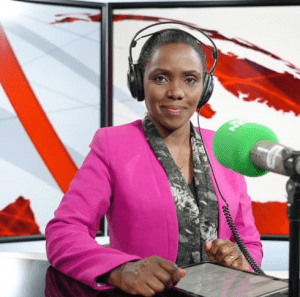
Her early career began in Kenyan media, where she worked across reporting and anchoring roles. Soy quickly gained recognition for her structured delivery and ability to break down complex political developments into clear narratives. Her on-screen presence is composed and methodical, reflecting her background in rigorous news analysis.
Her breakthrough came through her work as a correspondent and political interviewer, where she covered major regional and international events. Soy became known for her ability to ask precise, well-researched questions that cut through political rhetoric. Her interviews often focused on policy implications rather than surface-level commentary.
Soy’s legacy is defined by her contribution to disciplined political journalism. She represents a generation of reporters who prioritize accuracy, depth, and context, reinforcing the importance of informed public discourse in East Africa.
Key Facts
- Full name of the subject: Anne Soy
- Date of birth: 1980
- Place of birth: Kenya
- Family background: Raised in an academically focused Kenyan family
- Early childhood experiences: Strong emphasis on reading and analysis
- Education history: Studied journalism and international relations
- Influences and mentors: International correspondents and Kenyan editors
- Career beginnings: Television reporting in Kenya
- Major achievements: International correspondent and political interviewer
- Challenges and obstacles faced: Covering politically sensitive assignments
- Turning points in life: Transition to international journalism platforms
- Contributions to society: Promoted informed political reporting
- Personal life (marriage, children, relationships): Maintains a private personal life
- Awards and recognitions: Recognized for excellence in international journalism
- Beliefs, values, or philosophy: Accuracy and depth in reporting
- Legacy and impact: Strengthened standards of political correspondence
- Historical or cultural significance: Influential figure in global African journalism
Notable Works: Political reporting, international news coverage
Controversies:
Anne Soy has occasionally been referenced in discussions regarding editorial framing in international political reporting. The issue centers on how African political developments are contextualized for global audiences. The context reflects broader challenges in international journalism regarding narrative framing and regional representation. Stakeholders include international media organizations, African governments, and global audiences. Critics have questioned whether certain reports may oversimplify complex political situations, while Soy’s reporting emphasizes verified facts and contextual depth. There is no evidence of ethical violations or inaccuracies. The impact underscores the importance of contextual journalism in global news dissemination.
6. Joy Doreen Biira
Joy Doreen Biira’s emergence in East African political journalism reflects a career shaped by resilience, versatility, and a strong public presence. Born in Uganda, her early life was influenced by a rapidly evolving media landscape and a strong interest in storytelling. Her academic training in journalism and communication provided the foundation for her entry into broadcasting.
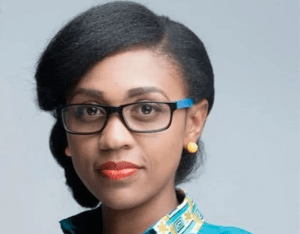
Her early career began in Ugandan television, where she worked as a reporter and presenter. Biira quickly developed a reputation for her confident delivery and ability to handle live political discussions. Her on-screen presence combines assertiveness with clarity, making her an effective communicator in high-pressure environments.
Her breakthrough came through her coverage of national and regional political events, where she gained recognition for her ability to ask direct and impactful questions. Biira’s interviewing style is marked by clarity and assertiveness, often steering discussions toward accountability and governance issues.
Biira’s legacy is defined by her role in strengthening political journalism in Uganda. She represents a generation of journalists who prioritize accountability and public engagement, contributing to a more informed civic environment.
Key Facts
- Full name of the subject: Joy Doreen Biira
- Date of birth: 1986
- Place of birth: Uganda
- Family background: Raised in a Ugandan household focused on education
- Early childhood experiences: Exposure to media and public affairs
- Education history: Studied journalism and communication
- Influences and mentors: Ugandan broadcasters and international journalists
- Career beginnings: Television reporting in Uganda
- Major achievements: Prominent political interviewer and news anchor
- Challenges and obstacles faced: Covering politically sensitive stories
- Turning points in life: Rise to national prominence in broadcasting
- Contributions to society: Promoted accountability in governance reporting
- Personal life (marriage, children, relationships): Maintains a private personal life
- Awards and recognitions: Recognized within East African journalism
- Beliefs, values, or philosophy: Truth and accountability in reporting
- Legacy and impact: Strengthened political journalism in Uganda
- Historical or cultural significance: Influential voice in Ugandan media
Notable Works: Political interviews, national news coverage
Controversies:
Joy Doreen Biira has been part of public discussions surrounding coverage of politically sensitive events. The issue involves allegations of bias in the framing of certain news reports during high-tension political periods. The context reflects Uganda’s complex media environment, where journalists operate under significant scrutiny. Stakeholders include government institutions, media houses, and the public. Critics have raised concerns about perceived framing, while Biira’s reporting has been defended as fact-based and professionally grounded. There is no confirmed evidence of misconduct, and the matter remains largely interpretive. The impact highlights the challenges journalists face in balancing safety, neutrality, and public accountability.
7. Nancy Kacungira
Nancy Kacungira’s career reflects a blend of international exposure and strong regional relevance in East African political journalism. Born in Uganda and educated partly in the United Kingdom, her early life was shaped by cross-cultural learning and a strong academic foundation in communication and journalism. This global perspective has significantly influenced her interviewing style.
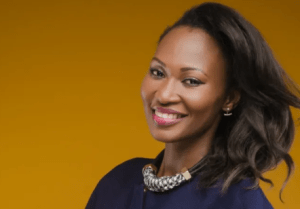
Her early career began in Ugandan media before expanding into international broadcasting platforms. Kacungira quickly became known for her articulate presentation and ability to navigate complex political topics with clarity. Her on-screen presence is composed, confident, and intellectually engaging.
Her breakthrough came through her role in international news organizations, where she covered major political and social developments across Africa. As an interviewer, she is recognized for her ability to extract nuanced responses from political figures while maintaining a calm and professional tone.
Kacungira’s legacy is defined by her role in elevating African political narratives on the global stage. She represents a generation of journalists who operate seamlessly between local and international contexts, reinforcing the global relevance of East African political discourse.
Key Facts
- Full name of the subject: Nancy Kacungira
- Date of birth: 1986
- Place of birth: Uganda
- Family background: Raised in a Ugandan family with strong educational values
- Early childhood experiences: Exposure to international education systems
- Education history: Studied journalism in the United Kingdom
- Influences and mentors: International journalists and Ugandan media professionals
- Career beginnings: Ugandan television reporting
- Major achievements: International news anchor and political interviewer
- Challenges and obstacles faced: Transitioning between local and global media platforms
- Turning points in life: Joining international broadcasting networks
- Contributions to society: Elevated African political storytelling globally
- Personal life (marriage, children, relationships): Maintains a private personal life
- Awards and recognitions: Recognized for excellence in journalism
- Beliefs, values, or philosophy: Clarity, fairness, and global perspective
- Legacy and impact: Bridged African and international journalism
- Historical or cultural significance: Influential global voice from East Africa
Notable Works: Political interviews, international news coverage
Controversies:
Nancy Kacungira has occasionally been discussed in relation to editorial framing in international news reporting on African political issues. The issue centers on how global networks contextualize African political events for international audiences. The context reflects ongoing debates about representation and narrative framing in global journalism. Stakeholders include international media organizations, African audiences, and policymakers. Critics have questioned whether global reporting sometimes simplifies regional complexities, while Kacungira’s work emphasizes accuracy and contextual reporting. There is no evidence of ethical breaches or inaccuracies. The impact underscores the importance of contextual depth in global political journalism.
8. Yvonne Okwara-Matole
Yvonne Okwara-Matole stands among East Africa’s most influential political interviewers, known for her intellectual rigor and commanding presence in live current affairs broadcasting. Born in Kenya during a period of democratic transition and expanding media freedom, her early life was shaped by an environment where public accountability and civic debate were becoming increasingly central to national identity. Her academic foundation in communication and media studies provided the analytical structure that would later define her career.
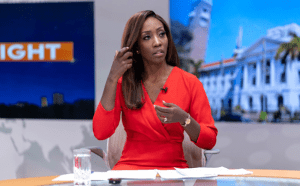
Her early career began in Kenyan television journalism, where she quickly distinguished herself through disciplined reporting and precise articulation. Okwara-Matole’s on-screen presence is marked by composure and authority, allowing her to engage political leaders in structured, high-stakes interviews. Her ability to maintain control of complex discussions without diminishing their depth became one of her defining professional strengths.
Her breakthrough came as she rose to prominence in national current affairs programming, where she conducted interviews with senior government officials, policymakers, and political analysts. Her interviewing style is characterized by careful preparation, factual grounding, and an insistence on clarity from her subjects. She is widely recognized for transforming political interviews into spaces of accountability rather than performance.
Okwara-Matole’s legacy lies in her contribution to strengthening political journalism in Kenya. She represents a generation of broadcasters who have redefined political interviewing as a discipline rooted in evidence, structure, and civic responsibility, elevating the standards of televised political discourse across East Africa.
Key Facts
- Full name of the subject: Yvonne Okwara-Matole
- Date of birth: 1983
- Place of birth: Kenya
- Family background: Raised in a middle-class Kenyan household
- Early childhood experiences: Exposure to civic education and public affairs
- Education history: Studied communication and media
- Influences and mentors: Senior Kenyan journalists and editors
- Career beginnings: Television reporting and news anchoring
- Major achievements: Leading political interviewer and news anchor in Kenya
- Challenges and obstacles faced: Navigating high-pressure political interviews
- Turning points in life: Rise to prominence in national current affairs broadcasting
- Contributions to society: Strengthened accountability in political discourse
- Personal life (marriage, children, relationships): Maintains a private personal life
- Awards and recognitions: Recognized for excellence in journalism and broadcasting
- Beliefs, values, or philosophy: Truth, clarity, and accountability in journalism
- Legacy and impact: Elevated standards of political interviewing in Kenya
- Historical or cultural significance: Influential voice in East African media development
Notable Works: Political interviews, current affairs programming
Controversies:
Yvonne Okwara-Matole has been part of discussions surrounding the intensity and framing of political interviews conducted on live television. The issue centers on whether assertive questioning styles may be perceived as overly confrontational in politically sensitive environments. The context reflects Kenya’s vibrant and often high-pressure political media landscape, where journalists are expected to balance accountability with neutrality. Stakeholders include political leaders, media organizations, and audiences. Critics have occasionally argued that certain interviews may appear overly forceful, while supporters maintain that her approach reflects necessary journalistic scrutiny. There is no evidence of ethical misconduct, and her work remains within established professional standards. The impact underscores the complexity of political interviewing in democratic societies and reinforces the importance of balancing firmness with fairness.
9. Culton Scovia Nakamya
Culton Scovia Nakamya has built her career on a foundation of clarity, confidence, and a deep commitment to public accountability in Ugandan political journalism. Born in Uganda, her early life was shaped by exposure to a society where media plays a critical role in political discourse and civic engagement. Her academic training in journalism and communication provided the technical grounding necessary for a career in broadcast media.
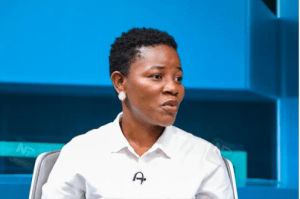
Her early career began in Ugandan television journalism, where she developed a reputation for structured reporting and direct interviewing. Nakamya’s on-screen presence is defined by assertiveness and clarity, allowing her to navigate politically sensitive conversations with precision and control. Her interviewing style is both firm and methodical, ensuring that discussions remain focused on accountability.
Her breakthrough came through her work in national current affairs programming, where she engaged political leaders and public officials in high-profile interviews. She became known for her ability to maintain composure in challenging interviews while pressing for factual clarity and policy explanation. Her approach reinforced the importance of disciplined questioning in political journalism.
Nakamya’s legacy is defined by her contribution to strengthening political accountability in Ugandan media. She represents a generation of journalists committed to elevating public discourse and ensuring that political leaders are held to clear standards of communication and responsibility.
Key Facts
- Full name of the subject: Culton Scovia Nakamya
- Date of birth: 1984
- Place of birth: Uganda
- Family background: Raised in a Ugandan family focused on education and discipline
- Early childhood experiences: Exposure to civic and community discussions
- Education history: Studied journalism and communication
- Influences and mentors: Ugandan media professionals and political journalists
- Career beginnings: Television reporting and anchoring
- Major achievements: Prominent political interviewer in Uganda
- Challenges and obstacles faced: Covering sensitive political developments
- Turning points in life: Rise to national prominence in broadcast journalism
- Contributions to society: Promoted accountability in political reporting
- Personal life (marriage, children, relationships): Maintains a private personal life
- Awards and recognitions: Recognized within Ugandan journalism circles
- Beliefs, values, or philosophy: Accountability and truth in journalism
- Legacy and impact: Strengthened political interviewing standards in Uganda
- Historical or cultural significance: Influential voice in Ugandan media
Notable Works: Political interviews, current affairs broadcasts
Controversies:
Culton Scovia Nakamya has been part of public discussions regarding the tone and framing of political interviews aired on Ugandan television. The issue centers on whether assertive questioning may be perceived as excessive pressure on political guests. The context reflects Uganda’s complex media environment, where journalists often operate under scrutiny when addressing governance issues. Stakeholders include government officials, media institutions, and the viewing public. Critics have raised concerns about perceived intensity in interviews, while her approach has been defended as necessary for ensuring accountability. There is no evidence of misconduct, and her work remains aligned with professional journalistic standards. The impact highlights the ongoing tension between press freedom and political sensitivity in East African media.
10. Mildred Tuhaise
Mildred Tuhaise represents a refined and evolving voice in East African political journalism, known for her calm authority and structured interviewing technique. Born in Uganda, her early life was shaped by a strong educational foundation and a growing awareness of political and social issues. Her academic background in journalism provided the discipline and analytical depth that would define her broadcasting career.

Her early career began in Ugandan media, where she worked across reporting and anchoring roles. Tuhaise quickly developed a reputation for her articulate delivery and ability to manage complex political discussions with composure. Her on-screen presence is measured and professional, emphasizing clarity and factual grounding.
Her breakthrough came through her role in national current affairs programming, where she interviewed political leaders, policymakers, and analysts. She became known for her ability to maintain balance in interviews, ensuring that discussions remained informative and focused on governance issues rather than rhetoric. Her interviewing style reflects preparation, discipline, and intellectual control.
Tuhaise’s legacy is rooted in her contribution to professionalizing political journalism in Uganda. She represents a generation of broadcasters who prioritize structure, accountability, and clarity, reinforcing the importance of informed public discourse in democratic societies.
Key Facts
- Full name of the subject: Mildred Tuhaise
- Date of birth: 1987
- Place of birth: Uganda
- Family background: Raised in an education-oriented Ugandan household
- Early childhood experiences: Exposure to civic awareness and public affairs
- Education history: Studied journalism and communication
- Influences and mentors: Ugandan broadcasters and editors
- Career beginnings: Television reporting in Uganda
- Major achievements: Prominent political interviewer and news anchor
- Challenges and obstacles faced: Navigating politically sensitive interviews
- Turning points in life: Rise to prominence in national broadcasting
- Contributions to society: Strengthened political accountability through media
- Personal life (marriage, children, relationships): Maintains a private personal life
- Awards and recognitions: Recognized for excellence in journalism
- Beliefs, values, or philosophy: Truth, clarity, and responsibility in journalism
- Legacy and impact: Elevated standards of political interviewing in Uganda
- Historical or cultural significance: Influential figure in Ugandan media landscape
Notable Works: Political interviews, news anchoring, current affairs programs
Controversies:
Mildred Tuhaise has been part of discussions regarding the tone and structure of political interviews on Ugandan television. The issue centers on whether firm questioning styles may be perceived as overly strict in politically sensitive environments. The context reflects Uganda’s media ecosystem, where journalists operate within a framework of high public and institutional scrutiny. Stakeholders include political leaders, media organizations, and audiences. Critics have occasionally expressed concern about perceived intensity in questioning, while supporters argue that her approach reflects professional standards of accountability journalism. There is no evidence of ethical violations or misconduct. The impact highlights the delicate balance between assertiveness and neutrality in political broadcasting.
Notable Mentions
Faridah Nakazibwe
Rukshana Namuyimba
Zubeidah Kananu Koome
Sophia Wanuna
Mwanaisha Chidzuga
Nuru Mzhuzhi
Salma Maganga
Ivona Kamuntu
Lindah Oguttu
Janet Mbugua