
Top 10 Fashion & Red Carpet Critics
Top 10 Fashion & Red Carpet Critics
In This Content
Quick List
Joan Rivers
André Leon Talley
Tim Gunn
Law Roach
Giuliana Rancic
Diet Prada (Tony Liu and Lindsey Schuyler)
Karamo Brown
Derek Blasberg
Rachel Zoe
Nina Garcia
1.Joan Rivers
Joan Rivers stands as one of the most uncompromising and influential voices in fashion criticism, transforming red carpet commentary into a global entertainment category. Born in Brooklyn, New York, she grew up in a middle-class Jewish household that emphasized discipline, humor, and resilience. From an early age, Rivers developed a sharp observational wit, often using comedy as both defense and identity. She studied at Barnard College, where her interest in performance and satire began to take shape, laying the groundwork for a career that would blur the boundaries between stand-up comedy and cultural commentary.
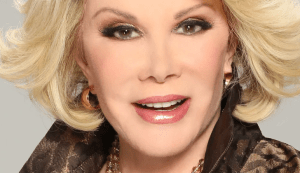
Rivers began her career in comedy clubs during the late 1950s and 1960s, steadily building a reputation for incisive humor that often challenged social norms. Her breakthrough came with appearances on television talk shows, most notably The Tonight Show Starring Johnny Carson, where her fearless delivery and quick wit made her a standout voice. As she transitioned into television hosting, she redefined celebrity interviews by infusing them with sharp critique and fashion analysis. Her later work on red carpet events, particularly during award seasons, established her as a pioneering figure in live fashion commentary.
Her legacy is defined by her role in democratizing fashion criticism. Rivers brought high fashion into mainstream entertainment, making couture accessible to everyday audiences through humor and honesty. She was not bound by traditional industry politeness, often delivering brutally candid assessments that reshaped expectations of red carpet coverage. Her work on Fashion Police cemented her influence, creating a template for modern fashion critique shows.
Joan Rivers’ impact extends beyond entertainment into cultural commentary, where she challenged celebrity culture’s carefully curated image-making. Her voice remains a benchmark for authenticity, satire, and fearlessness in fashion journalism.
Key Facts
- Full name of the subject: Joan Alexandra Molinsky Rivers
- Date of birth: June 8, 1933
- Place of birth: Brooklyn, New York, United States
- Family background: Daughter of Russian Jewish immigrants
- Early childhood experiences: Grew up in a disciplined, middle-class household in New York
- Education history: Barnard College, Columbia University (English Literature)
- Influences and mentors: Broadway satire, early television comedy pioneers
- Career beginnings: Stand-up comedy clubs in New York during the 1950s
- Major achievements: Host of Fashion Police, Emmy-winning television career
- Challenges and obstacles faced: Gender bias in comedy industry, industry exclusion early in career
- Turning points in life: Appearance on The Tonight Show in the 1960s
- Contributions to society: Popularization of fashion commentary in mainstream media
- Personal life (marriage, children, relationships): Married Edgar Rosenberg; one daughter, Melissa Rivers
- Awards and recognitions: Daytime Emmy Award, Grammy nomination
- Beliefs, values, or philosophy: Fearless honesty, comedic truth-telling
- Legacy and impact: Redefined red carpet commentary as entertainment
- Historical or cultural significance: Pioneer of modern celebrity fashion critique
Notable Works: Fashion Police, The Tonight Show appearances, Joan Rivers Show, stand-up specials, red carpet award show coverage
Controversies:
One significant controversy surrounding Joan Rivers was her outspoken red carpet commentary style, which some critics described as excessively harsh or insensitive. The issue arose from her live fashion critiques during major award ceremonies, where her humor often included personal or appearance-based jokes about celebrities. This approach became widely popular with audiences but sparked debate among media analysts and industry professionals about the ethical boundaries of entertainment-based criticism. Rivers defended her style as comedic performance rather than journalism, emphasizing that satire has always involved exaggeration and provocation. While many celebrities publicly embraced her humor, others expressed discomfort with the tone of certain remarks. The controversy highlighted the broader tension between entertainment value and respectful representation in fashion media. Over time, despite periodic criticism, her influence remained intact, and she is now widely regarded as a foundational figure who shaped modern red carpet media culture.
2. André Leon Talley
André Leon Talley emerged as one of the most commanding and intellectually rich voices in fashion criticism, blending editorial authority with cultural storytelling. Born in Washington, D.C., and raised in the segregated South by his grandmother, Talley’s early life was shaped by a deep appreciation for storytelling, church culture, and visual grandeur. His upbringing instilled in him a reverence for beauty as both art and identity. He later attended North Carolina Central University and earned a master’s degree from Brown University, where his academic exposure to French literature and culture deepened his aesthetic philosophy.
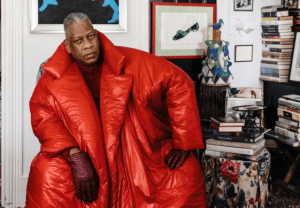
Talley’s career began in fashion journalism during the 1970s when he worked with Andy Warhol’s Interview magazine. His distinctive voice and encyclopedic knowledge of fashion history quickly distinguished him from peers. His breakthrough came when he joined Vogue under Anna Wintour, eventually becoming one of the most influential editors in the magazine’s history. His presence at fashion shows became iconic, often marked by dramatic capes and theatrical entrances that reflected his belief in fashion as cultural theater.
His legacy lies in elevating fashion criticism into intellectual discourse. Talley framed fashion as a historical and sociopolitical narrative, not merely aesthetic consumption. He championed diversity in fashion long before it became an industry priority, using his platform to advocate for representation and cultural depth in editorial storytelling.
Talley’s influence continues to resonate in fashion journalism, where his voice is remembered for its elegance, authority, and unapologetic grandeur.
Key Facts
- Full name of the subject: André Leon Talley
- Date of birth: October 16, 1948
- Place of birth: Washington, D.C., United States
- Family background: Raised by grandmother in North Carolina
- Early childhood experiences: Grew up in segregated Southern America with strong cultural influences
- Education history: North Carolina Central University; Brown University (Master’s degree)
- Influences and mentors: Diana Vreeland, Andy Warhol
- Career beginnings: Assistant at Interview magazine
- Major achievements: Creative Director and Editor-at-Large at Vogue
- Challenges and obstacles faced: Racial barriers in luxury fashion industry
- Turning points in life: Appointment at Vogue under Anna Wintour
- Contributions to society: Advocacy for diversity in fashion
- Personal life (marriage, children, relationships): Not publicly married; private personal life
- Awards and recognitions: Council of Fashion Designers of America (CFDA) Eugenia Sheppard Award
- Beliefs, values, or philosophy: Fashion as cultural storytelling
- Legacy and impact: Transformed fashion journalism into intellectual criticism
- Historical or cultural significance: One of the first major Black voices in high fashion editorial leadership
Notable Works: Vogue editorials, The Gospel According to André, Met Gala coverage, fashion week commentary
Controversies:
A notable controversy involving André Leon Talley centered on reported tensions within the editorial structure of Vogue during his tenure. The issue emerged from discussions about workplace dynamics, authority distribution, and alleged interpersonal conflicts in high-pressure editorial environments. The situation involved internal disagreements between Talley and senior leadership figures regarding creative direction and editorial influence. While some accounts characterized the tensions as personality-driven, others framed them as reflective of broader structural challenges within elite fashion publishing. Talley publicly maintained a diplomatic stance, often emphasizing his respect for the institution and its leadership while also acknowledging the emotional complexity of working within competitive editorial spaces. The matter contributed to ongoing discussions about diversity, power, and inclusion within fashion media institutions, ultimately reinforcing Talley’s legacy as both a trailblazer and a symbol of institutional complexity in high fashion journalism.
3. Tim Gunn
Tim Gunn represents the intersection of education, mentorship, and fashion critique, redefining how fashion is taught and evaluated in modern media. Born in Washington, D.C., Gunn grew up in a disciplined household that valued structure, communication, and intellectual curiosity. He attended the Corcoran College of Art and Design, where he developed a strong foundation in visual design and artistic theory. His early exposure to education shaped his lifelong commitment to teaching and mentorship.
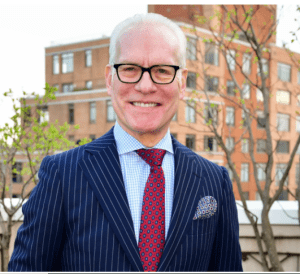
Gunn began his career at Parsons School of Design in New York, where he quickly established himself as a respected academic and administrator. His breakthrough into public recognition came with Project Runway, where he served as a mentor to aspiring designers. His calm demeanor, structured critique, and emphasis on professionalism became defining characteristics of his public persona. Unlike traditional fashion critics, Gunn focused on developmental feedback rather than purely evaluative judgment.
His legacy lies in humanizing fashion criticism. Gunn transformed critique into guidance, emphasizing growth over rejection. His influence extends beyond television into fashion education, where his philosophy continues to shape how young designers are trained and evaluated.
Tim Gunn remains a central figure in fashion mentorship, bridging the gap between academic instruction and mainstream fashion entertainment.
Key Facts
- Full name of the subject: Timothy MacKenzie Gunn
- Date of birth: July 29, 1953
- Place of birth: Washington, D.C., United States
- Family background: Raised in a disciplined, military-influenced household
- Early childhood experiences: Developed strong interest in art and design from an early age
- Education history: Corcoran College of Art and Design
- Influences and mentors: Fashion educators, academic design theorists
- Career beginnings: Faculty member at Parsons School of Design
- Major achievements: Co-host and mentor on Project Runway
- Challenges and obstacles faced: Transitioning from academia to television media
- Turning points in life: Selection as mentor on Project Runway
- Contributions to society: Fashion education reform and mentorship culture
- Personal life (marriage, children, relationships): Publicly private personal life
- Awards and recognitions: Emmy Award for Project Runway
- Beliefs, values, or philosophy: Discipline, constructive criticism, professional integrity
- Legacy and impact: Redefined fashion mentorship in media
- Historical or cultural significance: Bridged academic fashion education with popular culture
Notable Works: Project Runway, Tim Gunn’s Guide to Style, Parsons School of Design leadership roles
Controversies:
Tim Gunn has largely maintained a controversy-free public profile; however, one widely discussed issue involved public debate over workplace dynamics on fashion reality television programs. The discussion centered on claims from participants and critics regarding the emotional intensity of competitive design environments. While Gunn was not personally accused of misconduct, his role as mentor placed him within broader conversations about the ethics of reality television production and critique culture. He responded by consistently advocating for professionalism, emotional support, and constructive feedback within creative industries. The situation contributed to wider industry reflections on how competition-based fashion programming balances entertainment value with participant well-being.
4. Law Roach
Law Roach has emerged as one of the most influential image architects in contemporary fashion criticism, reshaping how red carpet identity is constructed, interpreted, and evaluated. Born in Chicago, Illinois, Roach grew up in a working-class environment where creativity and self-presentation became tools of expression and survival. His early exposure to thrift culture and resale fashion in Chicago shaped his understanding of style as narrative rather than luxury. He did not follow a traditional fashion education path; instead, his foundation was built through retail experience, styling experimentation, and an intuitive understanding of visual storytelling.
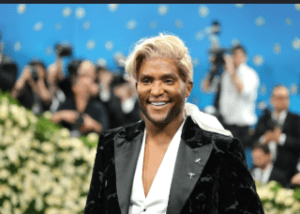
Roach’s career began in vintage retail and celebrity styling, where his eye for transformation quickly distinguished him from traditional stylists. His breakthrough came when he began working with high-profile celebrities, most notably Zendaya, where his ability to craft evolving red carpet identities gained global attention. His styling approach emphasized storytelling through fashion, positioning each appearance as a curated chapter in a public narrative. Unlike traditional critics, Roach operates within the creation of fashion itself, while simultaneously influencing how fashion is judged in real time.
His legacy lies in redefining fashion criticism through authorship. Roach blurred the line between stylist and critic by demonstrating that image construction is itself a form of commentary. His work challenged outdated red carpet norms, encouraging individuality, cultural specificity, and conceptual styling in mainstream celebrity fashion.
Law Roach remains a defining figure in modern fashion discourse, shaping both the creation and interpretation of celebrity image culture.
Key Facts
- Full name of the subject: Law Roach
- Date of birth: July 20, 1978
- Place of birth: Chicago, Illinois, United States
- Family background: Raised in a working-class urban household
- Early childhood experiences: Exposure to thrift culture and fashion resale markets
- Education history: No formal fashion school training; self-taught through retail experience
- Influences and mentors: Vintage fashion culture, urban styling communities
- Career beginnings: Vintage boutique owner and celebrity stylist
- Major achievements: Stylist to Zendaya, Celine Dion, and other global celebrities
- Challenges and obstacles faced: Lack of formal industry entry point
- Turning points in life: Styling breakthrough with Zendaya’s red carpet evolution
- Contributions to society: Redefined celebrity styling as narrative storytelling
- Personal life (marriage, children, relationships): Keeps personal life private
- Awards and recognitions: CFDA stylist recognition and industry honors
- Beliefs, values, or philosophy: Fashion as identity storytelling and transformation
- Legacy and impact: Reframed styling as a form of fashion authorship
- Historical or cultural significance: Influential figure in modern red carpet image culture
Notable Works: Zendaya red carpet campaigns, Celine Dion styling reinvention, global fashion week styling collaborations
Controversies:
A major controversy involving Law Roach arose from his unexpected announcement of stepping away from celebrity styling, which sparked widespread industry speculation. The issue centered on his public statement indicating emotional exhaustion and systemic pressures within the fashion industry. The announcement led to discussions about labor demands placed on celebrity stylists and the sustainability of high-pressure image consulting work. Industry observers debated whether the fashion system adequately supports behind-the-scenes creative professionals. Roach clarified that his decision was personal and reflective rather than reactive to a specific incident. The broader impact of the controversy highlighted mental health conversations within fashion careers and prompted renewed attention to stylist recognition and workload balance in celebrity-driven industries.
5. Giuliana Rancic
Giuliana Rancic represents the intersection of entertainment journalism and red carpet fashion commentary, helping to popularize live award-show critique in mainstream media. Born in Italy and raised in the United States after immigrating with her family, Rancic experienced early cultural transitions that shaped her adaptability and communication skills. She studied journalism at the American University in Washington, D.C., where she developed foundational skills in broadcast media and reporting.
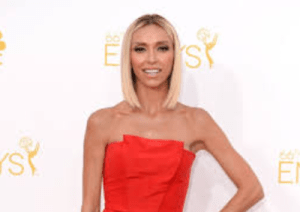
Rancic began her career in entertainment journalism working for local news outlets before transitioning into E! News, where she became one of the network’s most recognizable hosts. Her breakthrough came with her role in red carpet coverage of major award shows, where she combined celebrity interviews with fashion commentary. Her approachable style and media training allowed her to engage both celebrities and audiences effectively, contributing to the global popularity of red carpet fashion coverage.
Her legacy is defined by mainstreaming fashion journalism within entertainment news. Rancic helped transform red carpet coverage into a global broadcast phenomenon, where fashion critique became part of live celebrity storytelling. Her influence is evident in how modern entertainment networks structure award-season coverage.
Giuliana Rancic remains a key figure in shaping accessible fashion commentary for global television audiences.
Key Facts
- Full name of the subject: Giuliana Rancic
- Date of birth: August 17, 1974
- Place of birth: Naples, Italy
- Family background: Immigrated to the United States with her family
- Early childhood experiences: Cultural adaptation from Italy to the United States
- Education history: American University, journalism degree
- Influences and mentors: Broadcast journalism professionals
- Career beginnings: Local news reporting and entertainment journalism
- Major achievements: Co-host of E! News and major red carpet correspondent
- Challenges and obstacles faced: Navigating immigrant identity and media industry competition
- Turning points in life: Joining E! News and red carpet hosting role
- Contributions to society: Popularization of entertainment journalism globally
- Personal life (marriage, children, relationships): Married to Bill Rancic; one child via surrogacy
- Awards and recognitions: Entertainment journalism honors
- Beliefs, values, or philosophy: Professionalism and accessible storytelling
- Legacy and impact: Mainstreamed red carpet fashion coverage
- Historical or cultural significance: Key figure in global entertainment news expansion
Notable Works: E! News hosting, Fashion Police appearances, award show red carpet coverage
Controversies:
A notable controversy involving Giuliana Rancic occurred following remarks made during a live red carpet broadcast that were widely criticized as culturally insensitive. The issue centered on comments regarding a celebrity’s hairstyle, which some audiences interpreted as reinforcing stereotypes. The situation escalated across social media, prompting public debate about cultural awareness in live entertainment commentary. Rancic issued a public apology, stating that her remarks were unintended and misinterpreted, and acknowledging the importance of sensitivity in broadcasting. The controversy highlighted broader industry challenges regarding live commentary standards and cultural representation in entertainment journalism. While the incident affected public perception temporarily, her continued career in media demonstrated resilience and ongoing audience engagement.
6. Lindsey Schuyler (Diet Prada)
Lindsey Schuyler is an American fashion critic and digital media personality best known as the co-founder of Diet Prada, one of the most influential platforms in contemporary fashion accountability. With a background rooted in fashion and design culture, she developed an early understanding of visual storytelling, branding, and editorial aesthetics within the global fashion industry.
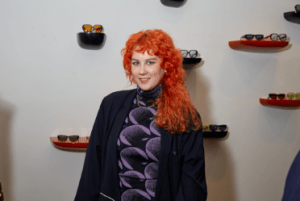
Before the rise of Diet Prada, Schuyler was already immersed in creative and fashion-driven environments, where she observed recurring issues around originality, trend replication, and lack of transparency in design processes. This exposure, combined with her growing interest in digital media, helped shape her perspective on fashion criticism and cultural accountability.
Together with Tony Liu, she co-created Diet Prada as a small Instagram account focused on comparing similar fashion designs. What began as a niche commentary page quickly evolved into a globally recognized watchdog platform, reshaping how fashion duplication, influence, and originality are publicly discussed.
Schuyler’s role in Diet Prada is defined by her editorial eye and commitment to visual analysis. Her approach helped establish the platform’s distinctive voice direct, evidence-based, and highly responsive to emerging fashion controversies. Through consistent posting and cultural commentary, she contributed to turning Diet Prada into a powerful force in shaping industry conversations.
Today, Lindsey Schuyler is recognized as part of a new wave of digital-era fashion critics who operate outside traditional media structures. Her influence reflects the growing power of social platforms in holding creative industries accountable while expanding public participation in fashion discourse.
Key Facts
- Full name: Lindsey Schuyler
- Date of birth: Not publicly disclosed
- Place of birth: United States
- Family background: Private
- Early childhood experiences: Exposure to fashion culture and visual arts environments
- Education history: Background in fashion and design-related studies
- Influences and mentors: Fashion editors, designers, and digital media culture
- Career beginnings: Work within fashion and creative industries prior to digital media rise
- Major achievements: Co-founding Diet Prada, a globally recognized fashion accountability platform
- Challenges and obstacles faced: Public criticism from fashion houses and industry professionals
- Turning points in life: Viral growth and international recognition of Diet Prada
- Contributions to society: Promoting transparency and originality in fashion design
- Personal life: Maintained privately
- Awards and recognitions: Recognition as an influential figure in digital fashion media
- Beliefs, values, or philosophy: Integrity, originality, and accountability in creative industries
- Legacy and impact: Helped redefine fashion criticism through social media activism
- Historical or cultural significance: Key contributor to the democratization of fashion accountability online
Notable Works:
Diet Prada Instagram platform, viral fashion comparisons, industry commentary and exposés
Controversies
Lindsey Schuyler, through her work with Diet Prada, has been indirectly involved in controversies surrounding fashion criticism and public call-outs of design similarities. The platform’s method of visually comparing fashion pieces has occasionally drawn criticism from designers and brands who argue that such comparisons can influence public perception before formal legal conclusions are made.
Some industry figures have raised concerns about reputational damage and the speed at which content spreads on social media. These tensions often involve fashion houses, designers, and legal representatives responding to posts that highlight perceived similarities in design work.
Schuyler and the Diet Prada team maintain that their work is rooted in visual evidence, cultural critique, and industry accountability rather than legal judgment. Supporters argue that this approach has exposed long-standing issues in fashion originality and encouraged greater transparency across the industry.
Despite occasional criticism, these controversies have reinforced Schuyler’s position as part of a broader shift toward digital-first fashion criticism, where public discourse plays an active role in shaping industry standards.
7. Karamo Brown
Karamo Brown occupies a distinctive space in fashion criticism where emotional intelligence, cultural identity, and red carpet presence converge. Born in Houston, Texas, Brown was raised in a multicultural household that shaped his early understanding of identity, representation, and self-expression. His upbringing was marked by both discipline and personal discovery, particularly as he navigated questions of sexuality and belonging. He later attended Florida A&M University, where he developed a foundation in social work and human behavior, disciplines that would later influence his approach to media and public engagement.
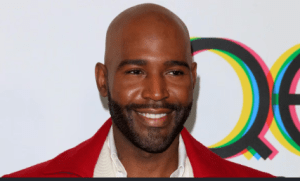
Brown’s career began not in fashion, but in reality television, where he first gained public recognition on The Real World: Philadelphia. His early television presence focused on social issues, personal growth, and emotional transparency. Over time, his ability to communicate identity and self-presentation evolved into a broader commentary on personal style and cultural visibility. His breakthrough came with Queer Eye, where he became known as the culture expert, guiding individuals through emotional and social transformation that often included visual and fashion reinvention.
His legacy in fashion criticism is rooted in emotional context. Unlike traditional critics who focus on aesthetics alone, Brown emphasizes the psychological and cultural meaning behind style choices. He frames fashion as an extension of identity, healing, and self-worth, expanding the definition of red carpet and everyday fashion interpretation.
Karamo Brown remains a powerful voice in redefining fashion as an emotional and cultural language rather than purely visual spectacle.
Key Facts
- Full name of the subject: Karamo Karega Brown
- Date of birth: November 2, 1980
- Place of birth: Houston, Texas, United States
- Family background: Raised in a multicultural, faith-influenced household
- Early childhood experiences: Navigating identity and cultural belonging
- Education history: Florida A&M University
- Influences and mentors: Social work theory, LGBTQ+ advocacy communities
- Career beginnings: Reality television debut on The Real World: Philadelphia
- Major achievements: Co-host of Queer Eye
- Challenges and obstacles faced: Racial and sexual identity discrimination
- Turning points in life: Transition from social work to television media
- Contributions to society: Advocacy for emotional wellness and identity acceptance
- Personal life (marriage, children, relationships): Father of two sons; publicly engaged in advocacy-based parenting
- Awards and recognitions: Emmy Award (Queer Eye ensemble)
- Beliefs, values, or philosophy: Emotional honesty, self-acceptance, cultural identity empowerment
- Legacy and impact: Reframed fashion through emotional and cultural storytelling
- Historical or cultural significance: Key figure in inclusive lifestyle and identity media
Notable Works: Queer Eye, The Real World: Philadelphia, cultural commentary appearances, motivational speaking engagements
Controversies:
A notable controversy involving Karamo Brown emerged from discussions surrounding his disciplinary decisions in his role as a cultural advisor on Queer Eye. The issue centered on audience debates about his approach to emotional confrontation during participant interventions. Some viewers and commentators questioned whether certain moments were too intense or overly directive in tone. The situation involved production teams, participants, and media critics analyzing the balance between emotional accountability and entertainment framing. Brown responded by emphasizing the importance of honest dialogue in personal development and clarified that his role involves guiding transformative conversations. The controversy ultimately contributed to broader discussions about the ethics of reality television intervention formats and the portrayal of emotional vulnerability on screen.
8. Derek Blasberg
Derek Blasberg has established himself as a refined voice in fashion journalism, bridging editorial authority with celebrity culture and modern media storytelling. Born in St. Louis, Missouri, Blasberg grew up in a supportive middle-class environment that valued education and cultural exposure. From an early age, he demonstrated a strong interest in writing, art, and fashion, which led him to pursue English and art history studies at New York University.
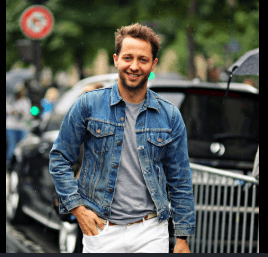
Blasberg began his career in fashion publishing, working with major editorial houses such as Vogue and Harper’s Bazaar. His breakthrough came through his ability to translate high fashion into accessible narratives for younger audiences. He became known for his polished writing style and insider access to fashion’s elite circles, often blending reportage with cultural commentary. His transition into television and digital media further expanded his influence, making him a recognizable face in fashion commentary.
His legacy lies in modernizing fashion journalism for digital-first audiences. Blasberg helped shift fashion criticism from print exclusivity to multimedia storytelling, integrating social media, celebrity interviews, and live event coverage into his work.
Derek Blasberg remains a key figure in contemporary fashion media, shaping how fashion narratives are communicated across platforms.
Key Facts
- Full name of the subject: Derek Charles Blasberg
- Date of birth: April 22, 1982
- Place of birth: St. Louis, Missouri, United States
- Family background: Raised in a supportive middle-class family
- Early childhood experiences: Strong interest in writing and visual culture
- Education history: New York University (English and Art History)
- Influences and mentors: Fashion editors, literary journalists
- Career beginnings: Editorial roles in fashion publishing
- Major achievements: Contributor and editor at Vogue and Harper’s Bazaar
- Challenges and obstacles faced: Navigating traditional media into digital transition
- Turning points in life: Expansion into television and digital hosting roles
- Contributions to society: Modernization of fashion journalism accessibility
- Personal life (marriage, children, relationships): Maintains private personal life
- Awards and recognitions: Fashion media industry recognition
- Beliefs, values, or philosophy: Accessible storytelling and cultural refinement
- Legacy and impact: Bridged print fashion journalism with digital media culture
- Historical or cultural significance: Key figure in modern fashion media transformation
Notable Works: Vogue contributions, Harper’s Bazaar editorial work, television hosting, fashion week coverage
Controversies:
A notable controversy involving Derek Blasberg arose during discussions about social media influence and professional boundaries in fashion journalism. The issue centered on concerns regarding the blending of editorial roles with celebrity relationships, raising questions about objectivity in fashion coverage. The situation involved media analysts, editorial institutions, and fashion industry observers debating whether close proximity to celebrities compromises journalistic neutrality. Blasberg addressed the discourse by emphasizing transparency in modern media environments and the evolving nature of fashion journalism in the digital age. While some critics expressed concern about blurred professional lines, others argued that contemporary fashion media inherently relies on access and relationship-building. The controversy contributed to ongoing debates about ethics and evolving standards in fashion reporting.
9. Rachel Zoe
Rachel Zoe is one of the most recognizable figures in celebrity styling and fashion criticism, known for shaping the aesthetic of early 2000s Hollywood red carpet culture. Born in New York City and raised in a suburban environment, Zoe developed an early fascination with fashion magazines, celebrity culture, and visual styling. She studied psychology and sociology at George Washington University, an academic background that later informed her understanding of image perception and personal branding.
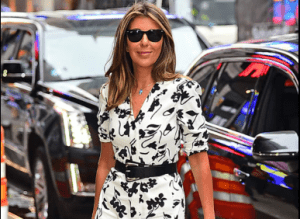
Zoe began her career as a fashion assistant and stylist, working behind the scenes in editorial and celebrity styling roles. Her breakthrough came when she began working with high-profile Hollywood clients, helping to define the “boho-chic” aesthetic that dominated red carpets in the early 2000s. Her influence expanded through reality television with The Rachel Zoe Project, where she became a public figure in her own right, showcasing the demands and creativity of celebrity styling.
Her legacy is defined by her impact on celebrity fashion branding. Zoe transformed styling into a high-profile profession, elevating the visibility of fashion consultants in entertainment culture. Her influence remains evident in how celebrity image-making is structured in Hollywood today.
Rachel Zoe continues to shape fashion identity through styling, media, and brand development.
Key Facts
- Full name of the subject: Rachel Zoe Rosenzweig
- Date of birth: September 1, 1971
- Place of birth: New York City, United States
- Family background: Raised in a suburban Jewish-American household
- Early childhood experiences: Strong interest in fashion magazines and celebrity culture
- Education history: George Washington University (Psychology and Sociology)
- Influences and mentors: Fashion editors and Hollywood stylists
- Career beginnings: Fashion assistant and stylist in New York
- Major achievements: Celebrity stylist and reality television star
- Challenges and obstacles faced: Establishing credibility in male-dominated fashion industry
- Turning points in life: Styling breakthrough with Hollywood celebrities
- Contributions to society: Popularization of celebrity stylist profession
- Personal life (marriage, children, relationships): Married to Rodger Berman; two children
- Awards and recognitions: Fashion industry influence recognition
- Beliefs, values, or philosophy: Glamour, confidence, and personal branding through fashion
- Legacy and impact: Defined early 2000s celebrity red carpet aesthetics
- Historical or cultural significance: Key architect of modern celebrity styling culture
Notable Works: The Rachel Zoe Project, celebrity styling for A-list Hollywood figures, fashion brand collaborations
Controversies:
A notable controversy involving Rachel Zoe centered on concerns about extreme thinness trends in early 2000s fashion culture, where her styling aesthetic was associated with the “size zero” Hollywood body ideal. The issue involved broader industry critics, health advocates, and fashion commentators debating the impact of celebrity styling on body image perceptions. While Zoe was not solely responsible for industry standards, her prominence placed her within a larger cultural conversation about fashion’s influence on beauty ideals. She later addressed these concerns by emphasizing wellness and evolving fashion standards. The controversy remains part of broader discussions on the responsibility of stylists and fashion media in shaping body image narratives.
10. Nina Garcia
Nina Garcia is a defining editorial voice in fashion criticism, known for her disciplined, analytical approach to style evaluation and her influential role in fashion publishing. Born in Barranquilla, Colombia, Garcia grew up in a culturally rich environment that emphasized elegance, education, and global awareness. She later moved to the United States, where she pursued studies in international business and journalism, laying a foundation for her career in fashion media.
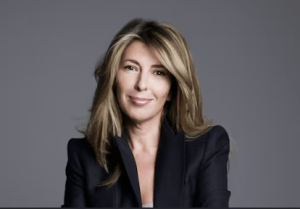
Garcia began her career in fashion publishing working with major editorial institutions, including Elle and Marie Claire. Her breakthrough came when she joined Elle magazine as a fashion director, where her structured and authoritative editorial voice gained recognition. She later became widely known to mainstream audiences through her role as a judge on Project Runway, where her critiques balanced professionalism with accessible fashion evaluation.
Her legacy is rooted in elevating fashion criticism as a structured editorial discipline. Garcia brought analytical rigor to fashion commentary, emphasizing design integrity, construction, and aesthetic coherence. Her influence extends across publishing, television, and fashion education.
Nina Garcia remains a leading authority in fashion journalism, shaping how style is evaluated in both editorial and entertainment contexts.
Key Facts
- Full name of the subject: Nina Garcia
- Date of birth: May 3, 1965
- Place of birth: Barranquilla, Colombia
- Family background: Raised in a culturally educated Colombian family
- Early childhood experiences: Exposure to global culture and fashion aesthetics
- Education history: Boston University; Fashion Institute of Technology
- Influences and mentors: Fashion editors and global design culture
- Career beginnings: Editorial roles in fashion magazines
- Major achievements: Editor-in-Chief of Elle magazine
- Challenges and obstacles faced: Transition from Latin America to U.S. fashion industry
- Turning points in life: Appointment as fashion director and television judge
- Contributions to society: Fashion journalism leadership and editorial education
- Personal life (marriage, children, relationships): Married; two children
- Awards and recognitions: Fashion journalism leadership honors
- Beliefs, values, or philosophy: Precision, elegance, and editorial discipline
- Legacy and impact: Elevated fashion criticism as structured journalism
- Historical or cultural significance: One of the most influential Latina voices in global fashion media
Notable Works: Elle magazine leadership, Project Runway judging, fashion editorial publications
Controversies:
A notable controversy involving Nina Garcia emerged from public discussions about her judging style on fashion reality television programs, particularly regarding critiques perceived as overly strict or emotionally restrained. The issue involved contestants, audience members, and media commentators debating the balance between constructive criticism and emotional encouragement in competitive design environments. Garcia defended her approach as rooted in professional standards of fashion evaluation, emphasizing that editorial critique requires clarity and precision rather than emotional framing. The situation contributed to broader discourse about the role of judges in reality television and the expectations placed on fashion educators in entertainment contexts.
NOTABLE MENTIONS
Joe Zee
Brad Goreski
Steven Cojocaru (Cozy)
Bevy Smith
Tom and Lorenzo (Tom Fitzgerald and Lorenzo Marquez)
Zanna Roberts Rassi
Tan France