
Top 10 People With Most Dramatic Downfalls in Hollywood History That Shocked Fans
Top 10 People With Most Dramatic Downfalls in Hollywood History That Shocked Fans
In This Content
Quick List
Harvey Weinstein
Bill Cosby
Kevin Spacey
Armie Hammer
Charlie Sheen
Mel Gibson
Roseanne Barr
Sean “Diddy” Combs
Ellen DeGeneres
Lindsay Lohan
1. Harvey Weinstein
Few figures in modern cinema wielded as much institutional power as Harvey Weinstein, whose early life in Queens, New York, placed him far from the elite corridors he would later dominate. Raised in a working-class family, Weinstein co-founded Miramax with his brother, building a distribution empire that transformed independent film into a commercial force. His instincts for prestige storytelling reshaped the awards landscape, bringing films like Pulp Fiction and Shakespeare in Love into mainstream consciousness.
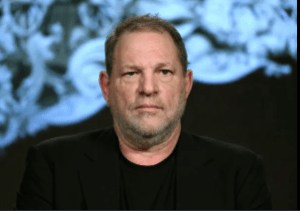
Weinstein’s screen presence was indirect but undeniable; he operated behind the scenes as a gatekeeper of taste and success. His performance style, if one can characterize it, was rooted in aggressive deal-making, editorial intervention, and a relentless pursuit of Oscar recognition. His artistic identity became synonymous with prestige cinema films that combined narrative boldness with awards appeal. This cultivated a generation of filmmakers who relied on his backing to transition from obscurity to global recognition.
The trajectory of his career followed a steep upward curve, culminating in the creation of The Weinstein Company after Miramax. By the early 2000s, he was regarded as one of the most powerful figures in Hollywood, a kingmaker whose approval could determine careers. However, this influence masked systemic issues within the industry’s power structures, particularly regarding accountability and workplace conduct.
The collapse of Weinstein’s legacy began in 2017, when investigative reporting exposed decades of alleged sexual misconduct. The revelations catalyzed the global #MeToo movement, fundamentally altering conversations around power, consent, and institutional complicity. His downfall was not only personal but structural, forcing Hollywood to confront its own mechanisms of silence and protection.
Key Facts
- Full name of the subject: Harvey Weinstein
- Date of birth: March 19, 1952
- Place of birth: Queens, New York, USA
- Family background: Raised in a working-class Jewish family
- Early childhood experiences: Developed interest in film and business through concert promotions
- Education history: State University of New York at Buffalo
- Influences and mentors: Independent filmmakers and European cinema
- Career beginnings: Co-founded Miramax Films
- Major achievements: Produced multiple Academy Award-winning films
- Challenges and obstacles faced: Legal battles and industry backlash
- Turning points in life: 2017 investigative reports exposing misconduct
- Contributions to society: Expanded independent cinema’s global reach
- Personal life (marriage, children, relationships): Married twice, with children
- Awards and recognitions: Numerous Academy Awards as producer
- Beliefs, values, or philosophy: Emphasis on artistic prestige and awards recognition
- Legacy and impact: Catalyst for industry-wide reform
- Historical or cultural significance: Central figure in #MeToo movement
Notable Works: Pulp Fiction, The English Patient, Shakespeare in Love
Controversies: The central controversy surrounding Weinstein involves widespread allegations of sexual misconduct spanning decades, publicly exposed in 2017. Investigative reports detailed claims from numerous actresses and employees, placing scrutiny on industry power dynamics. Stakeholders included victims, media organizations, film institutions, and legal authorities. While Weinstein denied non-consensual acts initially, multiple legal proceedings resulted in criminal convictions. Verified court rulings confirmed serious offenses, though public debate extended beyond legal findings into systemic accountability. The impact was profound, leading to imprisonment, industry expulsion, and a global reassessment of workplace ethics in entertainment.
2. Bill Cosby
Bill Cosby’s early life in Philadelphia shaped a persona rooted in relatability and humor. Rising from modest beginnings, he became a pioneering figure in television, breaking racial barriers with I Spy before redefining family sitcoms through The Cosby Show. His comedic style emphasized warmth, discipline, and moral instruction, positioning him as a cultural father figure.
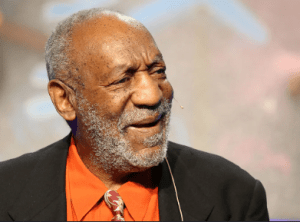
Cosby’s performance style blended observational humor with storytelling, creating a uniquely intimate connection with audiences. His artistic identity centered on portraying aspirational Black family life, influencing generations of viewers and reshaping media representation. His success extended beyond acting into education advocacy and philanthropy, reinforcing his public image as a moral authority.
His career trajectory remained remarkably stable for decades, earning him accolades and cultural reverence. However, beneath this public persona, allegations of misconduct began surfacing as early as the 2000s, though they gained significant traction years later. The delayed public response reflected broader societal challenges in addressing accusations against powerful figures.
The unraveling of Cosby’s legacy occurred amid shifting cultural attitudes toward accountability. His legal battles and eventual conviction marked a dramatic reversal from beloved icon to controversial figure, sparking debate about separating artistic legacy from personal conduct.
Key Facts
- Full name of the subject: William Henry Cosby Jr.
- Date of birth: July 12, 1937
- Place of birth: Philadelphia, Pennsylvania, USA
- Family background: Working-class African American family
- Early childhood experiences: Grew up in a public housing project
- Education history: Temple University
- Influences and mentors: Stand-up comedy pioneers
- Career beginnings: Stand-up comedy and television roles
- Major achievements: Creator and star of The Cosby Show
- Challenges and obstacles faced: Legal accusations and trials
- Turning points in life: Criminal conviction and later legal reversal
- Contributions to society: Educational advocacy and representation
- Personal life (marriage, children, relationships): Married with children
- Awards and recognitions: Multiple Emmy Awards
- Beliefs, values, or philosophy: Emphasis on education and discipline
- Legacy and impact: Complex and contested cultural legacy
- Historical or cultural significance: Influential figure in television history
Notable Works: The Cosby Show, Fat Albert, I Spy
Controversies: The primary controversy surrounding Cosby involves multiple allegations of sexual assault spanning several decades. These claims gained renewed attention in the 2010s, leading to legal proceedings involving numerous accusers. Stakeholders included alleged victims, legal authorities, advocacy groups, and media organizations. Cosby consistently denied the allegations, though a criminal conviction was secured before being overturned on procedural grounds. The distinction between legal outcomes and public perception remains central, as many allegations were not adjudicated in court. The impact significantly altered his public image, leading to the removal of honors and a reevaluation of his cultural influence.
3. Kevin Spacey
Kevin Spacey’s early life reflected a deep immersion in performance, attending the Juilliard School and developing a strong theatrical foundation. His transition from stage to screen showcased a remarkable range, allowing him to embody complex, often morally ambiguous characters. His breakthrough came with films like The Usual Suspects and American Beauty, where his controlled intensity defined his screen presence.
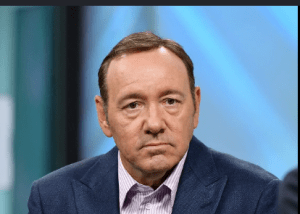
Spacey’s performance style was characterized by precision, restraint, and psychological depth. He excelled in roles that explored power, manipulation, and vulnerability, establishing an artistic identity rooted in complexity. His portrayal of Frank Underwood in House of Cards further cemented his reputation as a master of subtle menace, influencing modern television storytelling.
His career trajectory placed him among Hollywood’s most respected actors, with accolades including multiple Academy Awards. However, allegations of misconduct surfaced in 2017, initiating a rapid professional decline. The timing coincided with broader industry reckonings, amplifying the impact of the accusations.
The fallout resulted in his removal from projects and a significant reputational shift. While some legal outcomes have varied across jurisdictions, the broader cultural impact remains tied to ongoing debates about accountability, due process, and the permanence of public judgment.
Key Facts
- Full name of the subject: Kevin Spacey Fowler
- Date of birth: July 26, 1959
- Place of birth: South Orange, New Jersey, USA
- Family background: Middle-class family
- Early childhood experiences: Developed interest in acting during school
- Education history: Juilliard School
- Influences and mentors: Stage actors and classical theater
- Career beginnings: Theater and supporting film roles
- Major achievements: Academy Award-winning actor
- Challenges and obstacles faced: Career setbacks due to allegations
- Turning points in life: Public accusations in 2017
- Contributions to society: Contributions to theater and film
- Personal life (marriage, children, relationships): Private personal life
- Awards and recognitions: Two Academy Awards
- Beliefs, values, or philosophy: Focus on craft and performance
- Legacy and impact: Influential yet controversial figure
- Historical or cultural significance: Key figure in modern acting
Notable Works: American Beauty, The Usual Suspects, House of Cards
Controversies: The central controversy involving Spacey concerns allegations of sexual misconduct made public in 2017. These claims emerged from multiple individuals, prompting investigations and industry responses. Stakeholders included accusers, production companies, legal systems, and audiences. Spacey issued public statements addressing some claims while contesting others, and legal outcomes have varied, with certain cases dismissed or unresolved. The distinction between legal findings and public perception remains significant, as his career was largely halted regardless of judicial conclusions. The impact included removal from major projects and a broader industry discussion on accountability and rehabilitation.
4. Armie Hammer
Armie Hammer’s early life was marked by privilege and visibility, born into a prominent American family with deep business ties. Raised across multiple countries, he developed a cosmopolitan identity that later translated into his on-screen presence. His entry into Hollywood came through minor television roles before transitioning into film, where his physicality and classical features quickly positioned him for leading-man status.

Hammer’s performance style leaned toward understated charisma, often embodying characters with duality or concealed intensity. His breakthrough arrived with The Social Network, where his portrayal of the Winklevoss twins showcased both technical precision and narrative control. Subsequent roles in Call Me by Your Name and The Man from U.N.C.L.E. reinforced his reputation as a versatile actor capable of balancing charm with emotional restraint.
His career trajectory suggested a steady rise toward A-list prominence, marked by collaborations with acclaimed directors and increasing critical recognition. However, this upward momentum was abruptly disrupted when allegations concerning personal conduct surfaced publicly, shifting industry perception almost overnight. The speed and scale of the fallout reflected the changing dynamics of public accountability in the digital age.
The resulting impact extended beyond individual reputation, highlighting the role of social media in amplifying allegations and shaping narratives. Hammer’s case became emblematic of how rapidly careers can unravel when public trust is compromised, regardless of ongoing investigations or unresolved claims.
Key Facts
- Full name of the subject: Armand Douglas Hammer
- Date of birth: August 28, 1986
- Place of birth: Los Angeles, California, USA
- Family background: Born into a wealthy business family
- Early childhood experiences: Raised internationally
- Education history: Attended multiple schools, did not complete college
- Influences and mentors: Film directors and industry figures
- Career beginnings: Television roles and minor film appearances
- Major achievements: Breakthrough in The Social Network
- Challenges and obstacles faced: Public allegations and career halt
- Turning points in life: Emergence of allegations in 2021
- Contributions to society: Contributions to film performances
- Personal life (marriage, children, relationships): Married with children (separated)
- Awards and recognitions: Critical acclaim for select roles
- Beliefs, values, or philosophy: Focus on artistic versatility
- Legacy and impact: Career disrupted amid controversy
- Historical or cultural significance: Case study in digital-era accountability
Notable Works: The Social Network, Call Me by Your Name, The Man from U.N.C.L.E.
Controversies: The primary controversy surrounding Hammer involves allegations of abusive and coercive behavior that surfaced through social media and subsequent reporting. These claims prompted investigations by law enforcement and industry bodies, though no criminal charges were filed. Stakeholders included alleged individuals, legal authorities, media outlets, and film studios. Hammer denied criminal wrongdoing while acknowledging personal issues requiring treatment. The distinction between unproven allegations and confirmed legal outcomes became central to public discourse. The impact led to his removal from multiple projects and a significant pause in his acting career, illustrating the reputational consequences of public allegations regardless of legal resolution.
5. Charlie Sheen
Charlie Sheen’s early life was shaped by Hollywood lineage, as the son of actor Martin Sheen. Growing up within the industry provided early exposure to film sets and performance culture, influencing his eventual career path. His early roles in films like Platoon and Wall Street demonstrated a natural screen presence and an ability to navigate intense dramatic material.

Sheen’s performance style combined raw energy with a rebellious edge, often portraying characters that mirrored his off-screen persona. His transition into television with Two and a Half Men marked a commercial peak, making him one of the highest-paid actors in the medium. His comedic timing and unpredictable delivery became defining elements of his artistic identity.
However, Sheen’s career trajectory became increasingly intertwined with personal controversies, including substance abuse and public disputes. The turning point came during highly publicized conflicts with producers and erratic media appearances, which culminated in his departure from Two and a Half Men. His public statements during this period became cultural phenomena, reflecting both fascination and concern.
Despite attempts at career recovery, the long-term impact of these events reshaped his legacy. Sheen’s downfall highlighted the intersection of celebrity culture, mental health, and media sensationalism, raising broader questions about support systems within the entertainment industry.
Key Facts
- Full name of the subject: Carlos Irwin Estévez
- Date of birth: September 3, 1965
- Place of birth: New York City, USA
- Family background: Son of actor Martin Sheen
- Early childhood experiences: Grew up in Hollywood environment
- Education history: Santa Monica High School
- Influences and mentors: Family and film industry figures
- Career beginnings: Early film roles in the 1980s
- Major achievements: Star of Two and a Half Men
- Challenges and obstacles faced: Substance abuse and public controversies
- Turning points in life: Departure from major television series
- Contributions to society: Contributions to film and television
- Personal life (marriage, children, relationships): Multiple relationships and children
- Awards and recognitions: Golden Globe Award
- Beliefs, values, or philosophy: Emphasis on personal freedom
- Legacy and impact: Complex figure in celebrity culture
- Historical or cultural significance: Symbol of media-driven downfall
Notable Works: Platoon, Wall Street, Two and a Half Men
Controversies: The central controversy surrounding Sheen involves a series of public incidents related to substance abuse, erratic behavior, and disputes with television executives. These events unfolded during his tenure on Two and a Half Men, leading to contract termination. Stakeholders included production companies, co-stars, media outlets, and audiences. Sheen publicly defended his actions through interviews, while studios cited professional concerns. Verified outcomes included his removal from the series, though broader narratives were shaped by media amplification. The impact significantly altered his career trajectory, transforming him from a top-earning actor into a cautionary example of celebrity excess.
6. Mel Gibson
Mel Gibson’s early life began in New York before relocating to Australia, where he developed his acting craft at the National Institute of Dramatic Art. His early career was defined by roles in Mad Max and Lethal Weapon, establishing him as both an action star and a charismatic leading man. His physical intensity and emotional range contributed to a commanding screen presence.
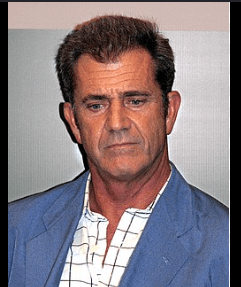
Gibson’s performance style combined rugged masculinity with introspective depth, allowing him to transition into directing with notable success. His work on Braveheart and The Passion of the Christ demonstrated a strong authorial voice, blending historical storytelling with visual ambition. His artistic identity became associated with bold, often polarizing creative choices.
His career trajectory reached extraordinary heights, with critical acclaim and commercial success across multiple decades. However, a series of controversies involving recorded remarks and personal conduct led to widespread criticism and industry distancing. These incidents marked a significant turning point, challenging his standing within Hollywood.
Over time, Gibson experienced a partial professional resurgence, though his legacy remains complex. His case illustrates the possibility of career rehabilitation alongside enduring scrutiny, reflecting evolving attitudes toward accountability and forgiveness in the entertainment industry.
Key Facts
- Full name of the subject: Mel Columcille Gerard Gibson
- Date of birth: January 3, 1956
- Place of birth: Peekskill, New York, USA
- Family background: Large Catholic family
- Early childhood experiences: Relocated to Australia
- Education history: National Institute of Dramatic Art
- Influences and mentors: Theater and film directors
- Career beginnings: Australian film industry
- Major achievements: Academy Award-winning director
- Challenges and obstacles faced: Public controversies and backlash
- Turning points in life: Release of controversial recordings
- Contributions to society: Influential films and storytelling
- Personal life (marriage, children, relationships): Multiple relationships and children
- Awards and recognitions: Academy Awards
- Beliefs, values, or philosophy: Strong religious influences
- Legacy and impact: Complex legacy with partial resurgence
- Historical or cultural significance: Influential yet controversial filmmaker
Notable Works: Braveheart, Mad Max, The Passion of the Christ
Controversies: The primary controversy involving Gibson centers on recorded incidents of offensive remarks and allegations of domestic disputes that became public in the late 2000s. These events prompted criticism from advocacy groups, industry professionals, and audiences. Stakeholders included affected communities, legal authorities, and film institutions. Gibson issued public apologies while disputing certain characterizations of events. Verified facts include documented recordings and legal proceedings, though interpretations varied across public discourse. The impact led to temporary industry exclusion and long-term reputational damage, while later projects signaled a measured return to filmmaking amid ongoing debate about accountability and redemption.
7. Roseanne Barr
Roseanne Barr’s early life in Salt Lake City, Utah, was shaped by working-class struggles that later informed her comedic voice. Raised in a Jewish family with limited resources, she developed a sharp observational humor rooted in domestic realities and social inequality. Her entry into stand-up comedy during the late 1970s introduced audiences to a raw, unfiltered perspective that challenged traditional portrayals of American family life.
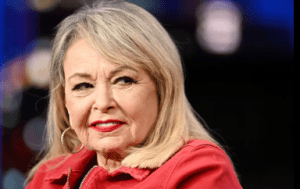
Barr’s performance style was defined by its confrontational honesty and working-class authenticity. Her breakthrough came with the television series Roseanne, which redefined the sitcom format by presenting a realistic, often uncomfortable depiction of middle-American life. Her artistic identity centered on giving voice to underrepresented households, blending humor with social commentary in a way that resonated deeply with audiences.
Her career trajectory saw her become one of the most influential figures in television, with Roseanne achieving both critical acclaim and commercial success. However, her public persona increasingly intersected with political commentary and controversial statements, culminating in a widely publicized incident involving social media remarks. This marked a decisive turning point in her career.
The aftermath led to the cancellation of her revived show and a significant reevaluation of her public image. Barr’s downfall underscored the growing influence of digital platforms in shaping reputations and the evolving expectations placed on public figures in an interconnected media landscape.
Key Facts
- Full name of the subject: Roseanne Cherrie Barr
- Date of birth: November 3, 1952
- Place of birth: Salt Lake City, Utah, USA
- Family background: Working-class Jewish family
- Early childhood experiences: Grew up in a modest household
- Education history: Attended local schools, later pursued comedy
- Influences and mentors: Stand-up comedians and working-class culture
- Career beginnings: Stand-up comedy clubs
- Major achievements: Creator and star of Roseanne
- Challenges and obstacles faced: Public controversies and show cancellation
- Turning points in life: Social media controversy in 2018
- Contributions to society: Representation of working-class families
- Personal life (marriage, children, relationships): Multiple marriages and children
- Awards and recognitions: Emmy and Golden Globe Awards
- Beliefs, values, or philosophy: Advocacy for working-class perspectives
- Legacy and impact: Influential yet polarizing television figure
- Historical or cultural significance: Redefined sitcom storytelling
Notable Works: Roseanne, The Conners, stand-up comedy specials
Controversies: The central controversy involving Barr relates to a social media post in 2018 that was widely criticized as offensive, leading to immediate backlash. The incident occurred during the revival of her television series, prompting network executives to cancel the show. Stakeholders included the network, cast members, advocacy groups, and audiences. Barr issued public apologies and attributed the post to external factors, while critics emphasized accountability. Verified outcomes included the cancellation of her show and restructuring of the series without her involvement. The impact significantly altered her career trajectory and reinforced industry standards regarding public conduct.
8. Sean “Diddy” Combs
Sean “Diddy” Combs emerged from Harlem, New York, where his early life was shaped by ambition and exposure to urban cultural movements. Beginning as an intern at Uptown Records, he quickly demonstrated a keen understanding of music production and branding. His founding of Bad Boy Records marked a turning point, launching the careers of major artists and establishing him as a central figure in hip-hop’s commercial expansion.

Combs’ performance style extended beyond music into entrepreneurship, blending artistry with business acumen. His artistic identity was rooted in reinvention transitioning from producer to performer, and later to global brand architect. His influence extended into fashion, television, and lifestyle branding, making him one of the most diversified figures in entertainment.
His career trajectory reflected sustained success across decades, with cultural influence spanning music and business. However, his public image has periodically been challenged by legal disputes and allegations that have resurfaced at various points in his career. These issues gained renewed attention in recent years, amplifying scrutiny.
The evolving nature of these controversies has placed Combs at the center of ongoing legal and public discourse. His case illustrates the complexities of managing legacy in the face of unresolved or developing allegations within a rapidly shifting media environment.
Key Facts
- Full name of the subject: Sean John Combs
- Date of birth: November 4, 1969
- Place of birth: Harlem, New York, USA
- Family background: Raised by a single mother
- Early childhood experiences: Exposure to music and business culture
- Education history: Howard University (did not complete)
- Influences and mentors: Music industry executives
- Career beginnings: Intern at Uptown Records
- Major achievements: Founder of Bad Boy Records
- Challenges and obstacles faced: Legal disputes and public scrutiny
- Turning points in life: Emergence of major legal allegations
- Contributions to society: Influence on music and entrepreneurship
- Personal life (marriage, children, relationships): Multiple relationships and children
- Awards and recognitions: Grammy Awards
- Beliefs, values, or philosophy: Focus on business innovation
- Legacy and impact: Influential yet controversial figure
- Historical or cultural significance: Key figure in hip-hop industry
Notable Works: Bad Boy Records, music productions, business ventures
Controversies: The primary controversy surrounding Combs involves multiple allegations and legal claims related to personal conduct and business dealings that have emerged over time, with heightened attention in recent years. These cases involve various stakeholders including plaintiffs, legal representatives, media outlets, and business partners. Combs has denied allegations and contested claims through legal channels. Some matters remain ongoing, while others have been settled or dismissed, creating a complex distinction between verified legal outcomes and public perception. The impact has included reputational challenges and increased scrutiny, though his broader business empire continues to operate amid evolving legal developments.
9. Ellen DeGeneres
Ellen DeGeneres’ early life in Louisiana informed a comedic sensibility grounded in observation and relatability. Beginning her career in stand-up comedy, she gained national recognition through television appearances before achieving a major breakthrough with her sitcom Ellen. Her public coming-out moment marked a historic cultural shift, positioning her as a symbol of representation and progress.
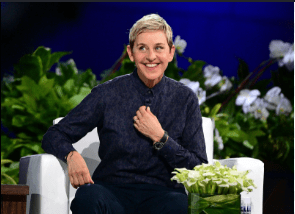
DeGeneres’ performance style emphasized warmth, humor, and accessibility, creating a brand built on positivity. Her daytime talk show became a global phenomenon, celebrated for its blend of celebrity interviews and human-interest stories. Her artistic identity centered on kindness and inclusivity, reinforcing her role as a cultural ambassador.
Her career trajectory remained consistently successful, with widespread acclaim and influence across media platforms. However, reports concerning workplace culture behind the scenes of her show introduced a contrasting narrative. These allegations prompted internal investigations and public debate about leadership and accountability.
The resulting scrutiny led to a reassessment of her public image and eventual conclusion of her long-running show. DeGeneres’ case highlights the tension between public persona and internal organizational practices within high-profile media institutions.
Key Facts
- Full name of the subject: Ellen Lee DeGeneres
- Date of birth: January 26, 1958
- Place of birth: Metairie, Louisiana, USA
- Family background: Middle-class family
- Early childhood experiences: Developed interest in comedy
- Education history: University of New Orleans (did not complete)
- Influences and mentors: Stand-up comedians
- Career beginnings: Comedy clubs and television appearances
- Major achievements: Host of The Ellen DeGeneres Show
- Challenges and obstacles faced: Workplace allegations
- Turning points in life: Internal investigations into show culture
- Contributions to society: Advocacy for LGBTQ+ representation
- Personal life (marriage, children, relationships): Married to Portia de Rossi
- Awards and recognitions: Multiple Emmy Awards
- Beliefs, values, or philosophy: Emphasis on kindness and inclusion
- Legacy and impact: Influential yet reassessed public figure
- Historical or cultural significance: Pioneer in LGBTQ+ visibility
Notable Works: The Ellen DeGeneres Show, Ellen
Controversies: The central controversy involving DeGeneres relates to allegations of a toxic workplace environment on her talk show, reported by former employees. These claims prompted an internal investigation by the production company, involving staff, executives, and external consultants. DeGeneres addressed the issue publicly, acknowledging shortcomings while emphasizing her intent to maintain a positive environment. Verified outcomes included organizational changes and staff restructuring, though debates persisted regarding leadership accountability. The impact contributed to declining viewership and the eventual end of her show, reshaping her public image.
10. Lindsay Lohan
Lindsay Lohan’s early life in New York introduced her to the entertainment industry at a young age, beginning as a child model before transitioning into acting. Her breakthrough came with Disney’s The Parent Trap, where her dual performance demonstrated remarkable talent and versatility. She quickly became one of Hollywood’s most promising young stars.

Lohan’s performance style combined youthful charisma with emotional depth, allowing her to navigate both comedic and dramatic roles. Films like Mean Girls solidified her status as a cultural icon, influencing a generation of audiences. Her artistic identity reflected both relatability and star power, making her a central figure in early 2000s pop culture.
Her career trajectory, however, became increasingly affected by personal challenges, including legal issues and public scrutiny. These struggles coincided with a decline in major film roles, altering her professional momentum. Media coverage often amplified these challenges, shaping public perception.
In recent years, Lohan has pursued a gradual return to acting, signaling a potential redefinition of her legacy. Her story reflects the pressures of early fame and the complexities of navigating personal growth under constant public attention.
Key Facts
- Full name of the subject: Lindsay Dee Lohan
- Date of birth: July 2, 1986
- Place of birth: New York City, USA
- Family background: Entertainment-oriented family
- Early childhood experiences: Began modeling and acting young
- Education history: Homeschooled during acting career
- Influences and mentors: Film directors and co-stars
- Career beginnings: Child acting roles
- Major achievements: Star of Mean Girls and Disney films
- Challenges and obstacles faced: Legal issues and public scrutiny
- Turning points in life: Series of legal and personal incidents
- Contributions to society: Influence on pop culture
- Personal life (marriage, children, relationships): Married with children
- Awards and recognitions: Teen Choice Awards
- Beliefs, values, or philosophy: Focus on personal growth
- Legacy and impact: Enduring cultural figure
- Historical or cultural significance: Icon of early 2000s Hollywood
Notable Works: The Parent Trap, Mean Girls, Freaky Friday
Controversies: The primary controversy surrounding Lohan involves a series of legal issues and public incidents related to substance use and driving offenses during the late 2000s. These events involved law enforcement, courts, media outlets, and the entertainment industry. Lohan publicly acknowledged struggles while participating in court-mandated programs. Verified outcomes included legal penalties and rehabilitation efforts, though media narratives often extended beyond confirmed facts. The impact led to reduced career opportunities and a shift in public perception, though later efforts at professional recovery have contributed to a gradual reassessment of her legacy.
Notable Mentions:
Ezra Miller
Will Smith
Danny Masterson
Lori Loughlin
Jussie Smollett
Kanye West
Allison Mack
Jonathan Majors
O.J. Simpson
Fatty Arbuckle