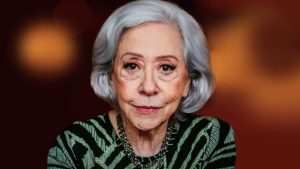
Top 10 Taiwood (Taiwan) Movie Legends of the 90s
Top 10 Taiwood (Taiwan) Movie Legends of the 90s
In This Content
Quick List
Edward Yang
Hou Hsiao-hsien
Ang Lee
Tsai Ming-liang
Brigitte Lin
Joey Wong
Shu Qi
Chang Chen
Takeshi Kaneshiro
Sylvia Chang
1. Edward Yang
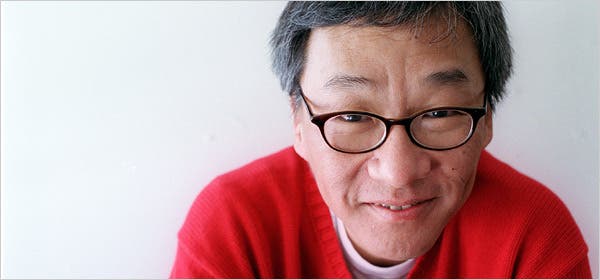
The emergence of Edward Yang as a defining voice of Taiwanese cinema in the 1990s was neither accidental nor sudden. Born into a rapidly modernizing Taiwan, Yang’s early life was shaped by exposure to both Eastern traditions and Western intellectual frameworks. After studying engineering in the United States, he returned to Taiwan with a multidisciplinary mindset that fused analytical precision with philosophical curiosity. His early cinematic instincts reflected a fascination with urban alienation, social transformation, and the psychological tensions of modernization hallmarks that would come to define his cinematic identity.
Yang’s career beginnings were modest yet intellectually ambitious. Entering Taiwan’s New Wave cinema movement of the 1980s, he distinguished himself by rejecting melodramatic conventions common in regional filmmaking. Instead, he pursued observational storytelling grounded in realism. His early works displayed a controlled visual language, long takes, and layered narratives that explored generational divides and societal shifts. By the early 1990s, Yang had already developed a reputation as a director who challenged audiences to engage deeply with moral ambiguity and emotional complexity.
His breakthrough in the 1990s solidified his legendary status. Films such as A Brighter Summer Day and Yi Yi demonstrated his ability to weave intimate family dramas with broader sociopolitical commentary. Yang’s screen presence as a filmmaker was defined by patience and restraint; he allowed scenes to breathe, characters to evolve organically, and silence to convey emotional subtext. His cinematic approach mirrored the urban rhythms of Taipei, capturing the fragmentation of modern life while preserving the humanity of his characters.
Edward Yang’s legacy extends far beyond Taiwanese cinema. His influence shaped global art-house filmmaking, inspiring directors across Asia, Europe, and North America. He redefined narrative pacing and visual storytelling, proving that introspective cinema could achieve international recognition. In the 1990s, Yang’s work elevated Taiwanese cinema to global prominence, cementing his place as one of Taiwood’s most intellectually influential legends.
Key Facts
- Full name of the subject: Edward Yang De-chang
- Date of birth: November 6, 1947
- Place of birth: Shanghai, China (raised in Taipei, Taiwan)
- Family background: Middle-class family that relocated to Taiwan during political upheaval
- Early childhood experiences: Exposure to urban Taipei and cultural transition
- Education history: Studied electrical engineering at National Chiao Tung University and University of Florida
- Influences and mentors: Michelangelo Antonioni, Japanese New Wave filmmakers
- Career beginnings: Joined Taiwan New Wave movement in the early 1980s
- Major achievements: Directed A Brighter Summer Day, Yi Yi
- Challenges and obstacles faced: Limited funding for art-house cinema in Taiwan
- Turning points in life: International acclaim for Yi Yi at Cannes
- Contributions to society: Elevated Taiwanese cinema globally
- Personal life (marriage, children, relationships): Married pianist Kaili Peng
- Awards and recognitions: Best Director at Cannes Film Festival (2000)
- Beliefs, values, or philosophy: Observational realism and humanist storytelling
- Legacy and impact: Pioneer of Taiwanese New Wave cinema
- Historical or cultural significance: Helped define Taiwan’s cinematic identity
Notable Works: A Brighter Summer Day, Yi Yi, Taipei Story, The Terrorizers
Controversies:
One notable debate surrounding Edward Yang involved criticism of his filmmaking pace and accessibility. Some industry observers argued that his films were overly long and intellectually demanding, potentially alienating mainstream audiences. The controversy emerged during festival screenings of A Brighter Summer Day, which exceeded four hours in runtime. Distributors expressed concern about commercial viability, while critics defended Yang’s artistic integrity, emphasizing that the extended structure was essential to his narrative design. Yang himself maintained that storytelling should not be constrained by commercial expectations. While the debate did not result in formal disputes, it influenced distribution strategies and highlighted broader tensions between art-house cinema and market demands. Ultimately, the controversy reinforced Yang’s reputation as an uncompromising auteur committed to artistic authenticity.
2. Hou Hsiao-hsien
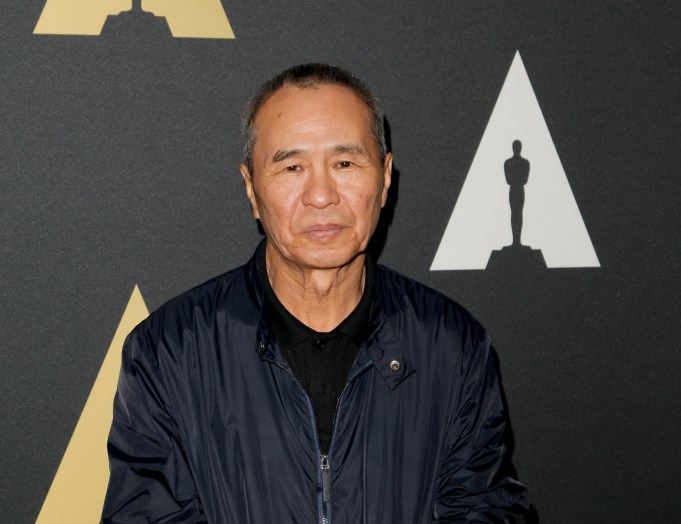
Hou Hsiao-hsien emerged as one of the most poetic storytellers of Taiwanese cinema, bringing an understated realism that contrasted sharply with commercial filmmaking trends of the 1990s. Born in mainland China and raised in Taiwan, Hou’s early life was shaped by displacement and cultural hybridity. Growing up in rural Taiwan, he absorbed local traditions, dialects, and community rhythms elements that later became central to his cinematic language. His films often reflected memory, nostalgia, and the quiet passage of time.
Hou’s entry into the film industry began through screenwriting and assistant directing. In his early career, he worked within commercial frameworks but gradually transitioned toward personal storytelling. By the late 1980s, he became a leading figure in Taiwan’s New Wave movement. His films rejected conventional plot structures, opting instead for episodic narratives and long static shots. This stylistic shift positioned him as a visionary director willing to experiment with cinematic form.
The 1990s marked Hou’s creative peak. Works such as City of Sadness and The Puppetmaster explored Taiwan’s political history and collective memory. His performance style as a director emphasized minimalism non-professional actors, natural lighting, and deliberate pacing. Rather than dramatizing events, Hou observed them, allowing audiences to interpret meaning organically. This approach created a meditative cinematic experience that resonated internationally.
Hou Hsiao-hsien’s legacy lies in his profound influence on global slow cinema. His contributions elevated Taiwanese storytelling to a philosophical art form. During the 1990s, his films became staples of international festivals, shaping perceptions of Taiwood as a hub of artistic innovation. Hou’s impact continues to inspire filmmakers who seek authenticity and cultural depth.
Key Facts
- Full name of the subject: Hou Hsiao-hsien
- Date of birth: April 8, 1947
- Place of birth: Meixian, Guangdong, China
- Family background: Migrated to Taiwan during childhood
- Early childhood experiences: Raised in rural Taiwan
- Education history: Studied at National Taiwan Academy of Arts
- Influences and mentors: Ozu Yasujirō, Italian neorealism
- Career beginnings: Screenwriting and assistant directing
- Major achievements: City of Sadness, The Puppetmaster
- Challenges and obstacles faced: Limited domestic commercial success
- Turning points in life: International festival recognition
- Contributions to society: Preserved Taiwanese historical narratives
- Personal life (marriage, children, relationships): Married with children
- Awards and recognitions: Golden Lion at Venice Film Festival
- Beliefs, values, or philosophy: Minimalism and realism
- Legacy and impact: Pioneer of slow cinema
- Historical or cultural significance: Documented Taiwan’s sociopolitical history
Notable Works: City of Sadness, The Puppetmaster, Good Men Good Women, Flowers of Shanghai
Controversies:
A significant debate surrounding Hou Hsiao-hsien involved the political interpretation of City of Sadness. The film addressed Taiwan’s February 28 Incident, a sensitive historical subject. Some political commentators argued that the film’s subtle narrative avoided explicit critique, while others claimed it implicitly challenged historical censorship. Government authorities initially exercised caution regarding distribution, reflecting concerns about public reaction. Hou maintained that his intention was not political advocacy but historical reflection. Critics praised the film’s restraint, while some activists argued it lacked direct confrontation. The controversy ultimately elevated discussion about historical representation in Taiwanese cinema. Rather than harming Hou’s reputation, it positioned him as a filmmaker capable of addressing complex national identity issues with artistic nuance.
3. Ang Lee
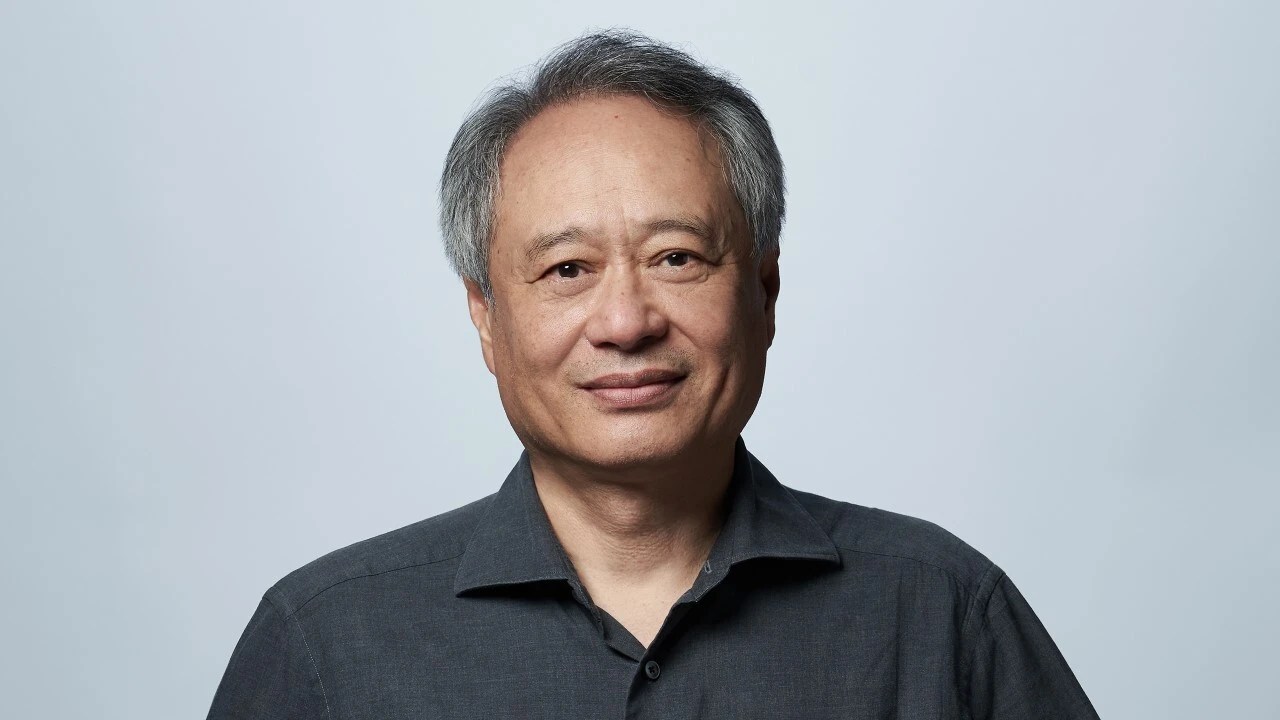
Ang Lee’s rise during the 1990s represented a bridge between Taiwanese cinema and Hollywood. Born in Taiwan and educated in the United States, Lee’s early life was shaped by cultural duality. His upbringing in a traditional Chinese household instilled discipline and respect for storytelling rooted in family dynamics. After studying theater and film in the U.S., Lee faced years of unemployment, a formative period that deepened his resilience and creative focus.
Lee’s career beginnings were marked by modest independent productions. His early films explored generational conflicts within Chinese families, reflecting his personal experiences navigating Eastern and Western identities. His storytelling style blended emotional warmth with structural precision. Unlike many contemporaries, Lee balanced artistic sensibility with accessibility, making his films appealing to broader audiences.
The 1990s saw Lee achieve international breakthrough. Films such as The Wedding Banquet and Eat Drink Man Woman showcased his nuanced direction and character-driven narratives. His ability to portray intimate family relationships resonated globally. Lee’s screen presence as a director emphasized empathy; he guided performances that felt authentic and emotionally layered. His transition to English-language cinema later expanded his influence.
Ang Lee’s legacy is defined by versatility and global reach. He demonstrated that Taiwanese filmmakers could succeed internationally without abandoning cultural roots. His 1990s work helped elevate Taiwood’s reputation worldwide. Lee’s impact continues across genres, from drama to epic filmmaking, establishing him as one of the most influential directors of his generation.
Key Facts
- Full name of the subject: Ang Lee
- Date of birth: October 23, 1954
- Place of birth: Pingtung County, Taiwan
- Family background: Father was a school principal
- Early childhood experiences: Raised in traditional Taiwanese household
- Education history: University of Illinois, NYU Tisch School of the Arts
- Influences and mentors: Taiwanese literature and Western cinema
- Career beginnings: Independent filmmaking in early 1990s
- Major achievements: The Wedding Banquet, Eat Drink Man Woman
- Challenges and obstacles faced: Six years of unemployment
- Turning points in life: International festival success
- Contributions to society: Cross-cultural cinematic storytelling
- Personal life (marriage, children, relationships): Married with two sons
- Awards and recognitions: Multiple Academy Awards (later career)
- Beliefs, values, or philosophy: Cultural bridging through storytelling
- Legacy and impact: Global ambassador of Taiwanese cinema
- Historical or cultural significance: Expanded Taiwood’s global presence
Notable Works: The Wedding Banquet, Eat Drink Man Woman, Sense and Sensibility, Crouching Tiger Hidden Dragon
Controversies:
One frequently discussed controversy surrounding Ang Lee involved debates about cultural authenticity following his transition into Hollywood productions. Critics questioned whether his international projects diluted his Taiwanese cinematic identity. The debate intensified after Sense and Sensibility, when some commentators suggested Lee had shifted toward Western storytelling norms. Supporters argued that Lee’s cross-cultural approach broadened representation rather than abandoning origins. Lee clarified that he viewed filmmaking as universal storytelling transcending geography. Industry experts highlighted that his subsequent works retained thematic continuity, particularly family dynamics and emotional restraint. While the controversy reflected concerns about globalization in cinema, it ultimately reinforced Lee’s reputation as a filmmaker capable of navigating multiple cultural frameworks without losing artistic identity.
4. Tsai Ming-liang
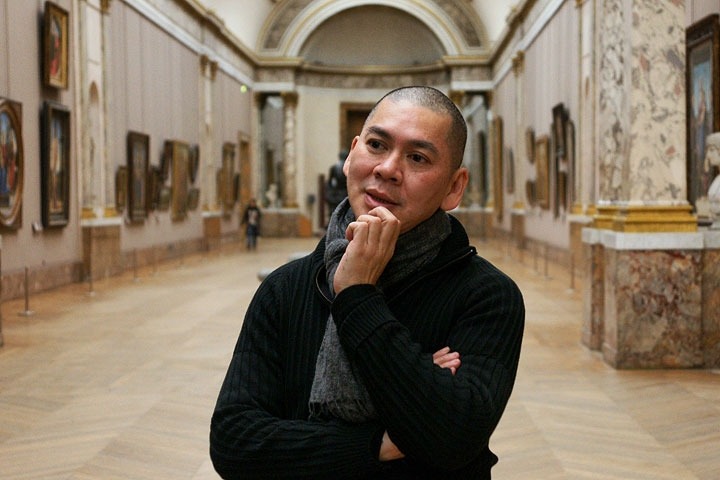
Tsai Ming-liang emerged in the 1990s as one of the most distinctive auteurs of Taiwanese cinema, redefining narrative minimalism through a deeply introspective lens. Born in Malaysia and later relocating to Taiwan, Tsai’s early life was shaped by feelings of displacement and cultural hybridity. His formative years were influenced by theater, television production, and a fascination with urban solitude. These early experiences would later inform his cinematic world—quiet, contemplative, and emotionally restrained.
Tsai’s career beginnings unfolded in television drama production during the late 1980s. His transition to feature filmmaking marked a departure from conventional storytelling. Rather than relying on plot-driven narratives, Tsai focused on mood, silence, and visual composition. His early works showcased long static shots, minimal dialogue, and recurring themes of loneliness in urban Taipei. This stylistic boldness distinguished him from contemporaries and aligned him with international art-house movements.
His breakthrough came with Rebels of the Neon God and later Vive L’Amour, which captured the existential alienation of modern city life. Tsai’s performance direction emphasized physicality over dialogue, allowing actors to communicate emotion through subtle gestures. His cinematic identity revolved around repetition, stillness, and atmospheric storytelling. The 1990s saw Tsai become a leading voice in slow cinema, drawing attention at major film festivals.
Tsai Ming-liang’s legacy lies in his unwavering commitment to artistic experimentation. His films influenced global independent cinema and expanded the boundaries of narrative form. During the 1990s, he helped redefine Taiwood’s artistic landscape, demonstrating that Taiwanese cinema could challenge conventional storytelling while achieving international recognition.
Key Facts
- Full name of the subject: Tsai Ming-liang
- Date of birth: October 27, 1957
- Place of birth: Kuching, Sarawak, Malaysia
- Family background: Malaysian Chinese family
- Early childhood experiences: Relocated to Taiwan during adolescence
- Education history: Chinese Culture University, Taiwan
- Influences and mentors: European art cinema, theater traditions
- Career beginnings: Television director and playwright
- Major achievements: Vive L’Amour, Rebels of the Neon God
- Challenges and obstacles faced: Limited commercial appeal
- Turning points in life: Venice Golden Lion for Vive L’Amour
- Contributions to society: Expanded experimental cinema
- Personal life (marriage, children, relationships): Private personal life
- Awards and recognitions: Golden Lion at Venice Film Festival
- Beliefs, values, or philosophy: Minimalist storytelling
- Legacy and impact: Pioneer of modern slow cinema
- Historical or cultural significance: Redefined narrative structure in Taiwanese cinema
Notable Works: Rebels of the Neon God, Vive L’Amour, The River, The Hole
Controversies:
A recurring controversy surrounding Tsai Ming-liang involved criticism of his films’ slow pacing and sparse dialogue. Some distributors argued that his unconventional style limited accessibility and commercial viability. The debate intensified after Vive L’Amour gained festival acclaim but struggled in domestic box offices. Critics who opposed his style viewed the films as overly abstract, while supporters argued that Tsai intentionally challenged narrative conventions to reflect modern alienation. Tsai defended his approach as an artistic necessity rather than stylistic indulgence. Industry observers noted that his work contributed to broader discussions about artistic freedom versus market expectations. The controversy ultimately enhanced his reputation as a bold experimental filmmaker committed to redefining cinematic language.
5. Brigitte Lin
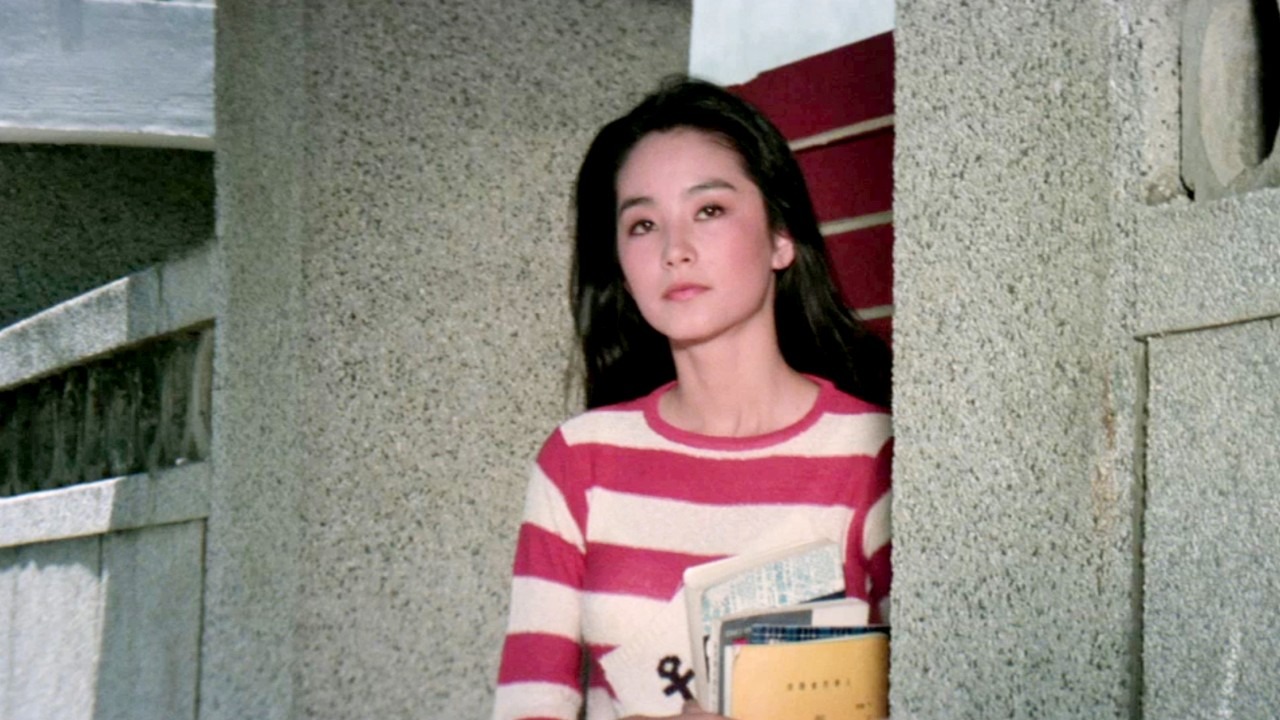
Brigitte Lin’s presence in Taiwanese and broader Chinese-language cinema during the 1990s represented elegance, versatility, and star power. Born in Taiwan, Lin’s early life was rooted in a traditional family environment that valued education and discipline. Discovered as a teenager, she entered the film industry at a young age, quickly gaining recognition for her striking screen presence and emotional depth.
Her career beginnings in romantic dramas of the 1970s and 1980s established her as a leading actress, but it was her evolution in the 1990s that cemented her legendary status. Lin transitioned into more complex roles, including gender-bending characters and martial arts epics. Her performances blended strength and vulnerability, making her one of the most dynamic actresses of her era.
Her breakthrough in the 1990s included iconic roles in wuxia and fantasy films. Lin’s acting style emphasized expressive eyes, restrained dialogue, and commanding physical presence. She navigated genres effortlessly, from historical epics to psychological dramas. Her ability to reinvent herself kept her relevant across decades, particularly during Taiwood’s international rise.
Brigitte Lin’s legacy extends beyond performance. She became a cultural icon, influencing fashion, gender representation, and cinematic aesthetics. Her contributions during the 1990s helped solidify Taiwanese actors’ influence across Asian cinema, marking her as one of Taiwood’s most enduring legends.
Key Facts
- Full name of the subject: Brigitte Lin Ching-hsia
- Date of birth: November 3, 1954
- Place of birth: Chiayi, Taiwan
- Family background: Middle-class Taiwanese family
- Early childhood experiences: Discovered while in high school
- Education history: High school education before acting career
- Influences and mentors: Directors of Taiwanese romantic cinema
- Career beginnings: Romantic drama films in 1970s
- Major achievements: Iconic wuxia roles
- Challenges and obstacles faced: Typecasting early in career
- Turning points in life: Reinvention in action roles
- Contributions to society: Cultural influence on gender representation
- Personal life (marriage, children, relationships): Married businessman Michael Ying
- Awards and recognitions: Lifetime achievement honors
- Beliefs, values, or philosophy: Artistic reinvention
- Legacy and impact: Iconic Asian cinema figure
- Historical or cultural significance: Redefined female roles in action cinema
Notable Works: The East Is Red, Chungking Express, Ashes of Time, Swordsman II
Controversies:
A notable controversy surrounding Brigitte Lin involved debates about her retirement at the height of her career. After achieving significant success in the early 1990s, Lin chose to step away from acting following her marriage. Industry observers speculated that personal life decisions influenced her departure, sparking discussions about gender expectations within Asian entertainment industries. Critics argued that the industry often pressured actresses to prioritize family over career longevity, while supporters emphasized Lin’s autonomy in shaping her path. Lin maintained that her decision reflected personal priorities rather than external pressure. The controversy highlighted broader societal expectations placed on female stars. Ultimately, her retirement enhanced her mystique and preserved her legacy as an iconic performer.
6. Joey Wong

Joey Wong’s rise in the 1990s embodied ethereal beauty and emotional intensity, making her one of the most recognizable faces of Taiwanese and Hong Kong cinema. Born in Taipei, Wong’s early life combined athletic pursuits with artistic interests. Initially focused on basketball, she transitioned to modeling before entering film, bringing a natural elegance that captivated audiences.
Her career beginnings were rooted in romantic and fantasy roles. Wong quickly became associated with supernatural dramas, where her expressive performance style conveyed vulnerability and mystique. Her screen presence relied on subtle emotional shifts rather than overt dramatics. This understated approach distinguished her from contemporaries.
The breakthrough came with fantasy classics that defined her career. Wong’s performances often blended innocence with strength, particularly in supernatural romance films. Her acting depth allowed her to portray complex emotional arcs within stylized narratives. Throughout the 1990s, she remained a prominent figure in cross-regional cinema.
Joey Wong’s legacy lies in her influence on fantasy and romantic genres. Her roles helped shape visual and narrative tropes across Asian cinema. During Taiwood’s global recognition, Wong served as a cultural ambassador, embodying the elegance and emotional sophistication of Taiwanese actresses.
Key Facts
- Full name of the subject: Joey Wong Cho-yin
- Date of birth: January 31, 1967
- Place of birth: Taipei, Taiwan
- Family background: Father was a professional basketball player
- Early childhood experiences: Athletic upbringing
- Education history: High school education
- Influences and mentors: Hong Kong fantasy cinema
- Career beginnings: Modeling and commercials
- Major achievements: Fantasy romance films
- Challenges and obstacles faced: Typecasting in supernatural roles
- Turning points in life: International success in 1990s
- Contributions to society: Popularized fantasy romance genre
- Personal life (marriage, children, relationships): Private personal life
- Awards and recognitions: Regional acting awards
- Beliefs, values, or philosophy: Artistic expression through subtlety
- Legacy and impact: Iconic fantasy cinema actress
- Historical or cultural significance: Defined supernatural romance aesthetics
Notable Works: A Chinese Ghost Story series, Green Snake, The Eagle Shooting Heroes
Controversies:
A widely discussed controversy surrounding Joey Wong involved media speculation about her withdrawal from acting. During the late 1990s, Wong reduced her film appearances, prompting rumors about career dissatisfaction and personal life influences. The media debate intensified as stakeholders including producers, fans, and entertainment journalists speculated on her future. Wong clarified that her decision stemmed from a desire for personal balance and selective project involvement. Industry analysts observed that shifting market trends also influenced opportunities for fantasy roles. While speculation persisted, no formal dispute emerged. The controversy reflected the pressures faced by leading actresses navigating career longevity. Ultimately, Wong’s selective appearances preserved her iconic status.
7. Shu Qi
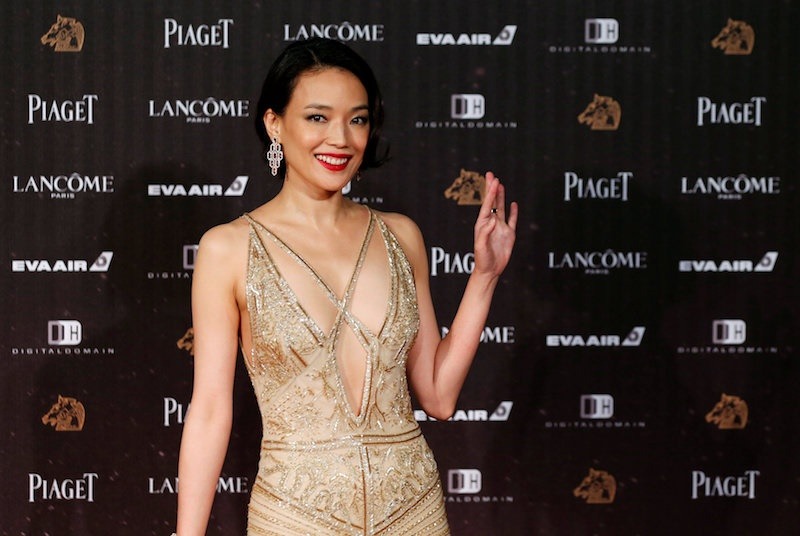
Shu Qi’s journey in the 1990s represents one of the most remarkable transformations in Taiwanese cinema. Born in Taiwan, her early life involved financial challenges that shaped her determination. Entering the entertainment industry through modeling, she faced limited opportunities initially, often navigating roles that emphasized appearance over acting ability.
Her career beginnings were unconventional. Shu Qi first appeared in films that attracted controversy but provided exposure. Rather than remaining confined to those roles, she pursued dramatic training and carefully selected projects that showcased her acting depth. This strategic shift marked the beginning of her artistic evolution.
Her breakthrough in the late 1990s came through collaborations with acclaimed directors. Shu Qi’s acting style blended emotional vulnerability with understated realism. She transitioned successfully into mainstream and art-house cinema, demonstrating versatility across genres. Her performance trajectory reflected growth from newcomer to respected actress.
Shu Qi’s legacy is defined by resilience and reinvention. Her rise during the 1990s illustrated the possibility of overcoming typecasting. She became a symbol of artistic transformation, influencing younger actors across Taiwan and beyond. Her impact contributed significantly to Taiwood’s evolving identity.
Key Facts
- Full name of the subject: Lin Li-hui (Shu Qi)
- Date of birth: April 16, 1976
- Place of birth: Xindian District, Taipei, Taiwan
- Family background: Working-class family
- Early childhood experiences: Financial hardship
- Education history: Limited formal education
- Influences and mentors: Taiwanese and Hong Kong directors
- Career beginnings: Modeling and early film roles
- Major achievements: Transition to mainstream cinema
- Challenges and obstacles faced: Typecasting in early career
- Turning points in life: Dramatic acting roles in late 1990s
- Contributions to society: Inspiration for career reinvention
- Personal life (marriage, children, relationships): Married actor-director Stephen Fung
- Awards and recognitions: Golden Horse Awards
- Beliefs, values, or philosophy: Growth through perseverance
- Legacy and impact: Symbol of transformation in cinema
- Historical or cultural significance: Redefined career trajectory for actresses
Notable Works: Viva Erotica, Millennium Mambo, The Transporter, Three Times
Controversies:
Shu Qi’s early career generated controversy due to her participation in adult-themed films. Critics debated whether such roles limited her artistic credibility. The issue emerged within industry discussions about typecasting and professional transition. Shu Qi later addressed the matter publicly, emphasizing that those roles represented early opportunities rather than long-term artistic direction. Directors who collaborated with her later highlighted her dedication to serious acting. Verified facts show her successful transition into award-winning performances, while public perception initially remained divided. The controversy ultimately became a narrative of reinvention, enhancing her reputation as an actress who overcame industry barriers through talent and perseverance.
8. Chang Chen
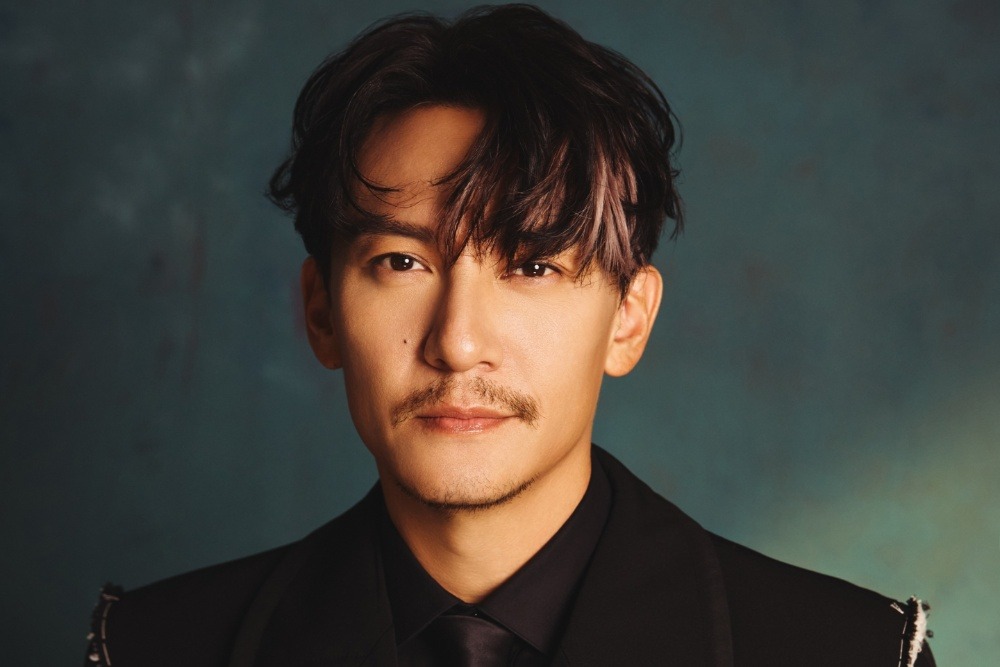
Chang Chen emerged in the 1990s as one of Taiwan’s most compelling young actors, combining quiet intensity with emotional subtlety. Born into a film-oriented family, his early life was closely connected to the entertainment industry. His father, actor Chang Kuo-chu, exposed him to film sets from a young age, cultivating familiarity with performance and storytelling. This early immersion shaped Chang Chen’s understated acting philosophy—one grounded in observation rather than theatricality.
His career beginnings came at a remarkably young age. Chang Chen made his debut in A Brighter Summer Day, where his naturalistic performance drew critical attention. Unlike many child actors, he avoided exaggerated expressions, opting for restrained emotional delivery. This approach aligned with the realism favored by Taiwan’s New Wave directors. Throughout the 1990s, he carefully selected roles that emphasized character depth over commercial appeal.
His breakthrough occurred as he transitioned into adult roles. Chang Chen developed a screen presence defined by internalized emotion and quiet charisma. His acting depth allowed him to portray introspective characters navigating identity, love, and societal expectations. Directors valued his ability to convey complexity with minimal dialogue, making him a frequent collaborator in art-house cinema.
Chang Chen’s legacy lies in his contribution to bridging independent and mainstream cinema. His performances during the 1990s demonstrated that subtle acting could achieve wide recognition. He became a representative figure of Taiwood’s refined performance style, influencing a generation of actors who prioritized authenticity over spectacle.
Key Facts
- Full name of the subject: Chang Chen
- Date of birth: October 14, 1976
- Place of birth: Taipei, Taiwan
- Family background: Son of actor Chang Kuo-chu
- Early childhood experiences: Grew up around film sets
- Education history: Taiwanese education system
- Influences and mentors: Hou Hsiao-hsien, Edward Yang
- Career beginnings: Debut in A Brighter Summer Day
- Major achievements: International art-house roles
- Challenges and obstacles faced: Transition from child to adult actor
- Turning points in life: Collaborations with major directors
- Contributions to society: Promoted naturalistic acting
- Personal life (marriage, children, relationships): Married with children
- Awards and recognitions: Golden Horse nominations
- Beliefs, values, or philosophy: Minimalist performance
- Legacy and impact: Icon of subtle acting
- Historical or cultural significance: Defined new generation of Taiwanese actors
Notable Works: A Brighter Summer Day, Happy Together, Three Times, Crouching Tiger Hidden Dragon
Controversies:
A minor controversy surrounding Chang Chen involved criticism that his preference for art-house projects limited his commercial appeal. Some industry stakeholders argued that his career choices prioritized artistic credibility over box office success. The debate intensified as he declined several mainstream roles during the late 1990s. Chang Chen clarified in interviews that he valued script quality and character depth. Industry analysts noted that his decisions aligned with Taiwan’s New Wave traditions. Verified outcomes showed sustained international recognition despite fewer commercial appearances. The controversy ultimately reinforced his identity as an actor committed to artistic integrity rather than market-driven decisions.
9. Takeshi Kaneshiro

Takeshi Kaneshiro’s rise in the 1990s reflected the globalization of Taiwanese cinema. Born to a Taiwanese mother and Japanese father, Kaneshiro’s early life embodied cross-cultural identity. Raised in Taipei, he grew up navigating multiple languages and cultural influences. This multicultural background later became a defining element of his screen appeal, allowing him to connect with diverse audiences across Asia.
His career began in modeling and music before transitioning into film. Kaneshiro’s early roles emphasized youthful charm, but he quickly demonstrated emotional depth. Directors recognized his ability to balance vulnerability with charisma. His performance style relied on introspective expressions and understated dialogue, aligning with contemporary Taiwanese cinema trends.
His breakthrough came through collaborations with prominent directors. Kaneshiro’s roles often portrayed introspective individuals struggling with love and identity. His screen presence blended romantic appeal with philosophical undertones. Throughout the 1990s, he became one of the most recognizable faces in cross-regional Asian cinema.
Takeshi Kaneshiro’s legacy lies in his contribution to pan-Asian stardom. He represented the international potential of Taiwood actors. His success during the 1990s helped expand Taiwanese cinema’s influence beyond regional boundaries, establishing him as a global icon.
Key Facts
- Full name of the subject: Takeshi Kaneshiro
- Date of birth: October 11, 1973
- Place of birth: Taipei, Taiwan
- Family background: Taiwanese mother, Japanese father
- Early childhood experiences: Multilingual upbringing
- Education history: American School in Taipei
- Influences and mentors: Wong Kar-wai, Asian cinema directors
- Career beginnings: Modeling and pop music
- Major achievements: Cross-regional film success
- Challenges and obstacles faced: Balancing multilingual career
- Turning points in life: International film collaborations
- Contributions to society: Promoted cross-cultural representation
- Personal life (marriage, children, relationships): Private personal life
- Awards and recognitions: Asian film awards
- Beliefs, values, or philosophy: Cultural fluidity in acting
- Legacy and impact: Pan-Asian star
- Historical or cultural significance: Globalized Taiwanese cinema
Notable Works: Chungking Express, Fallen Angels, House of Flying Daggers, Perhaps Love
Controversies:
A widely discussed issue involving Takeshi Kaneshiro centered on media speculation regarding his selective project choices. During the late 1990s, his reduced output led to rumors about career direction and industry disagreements. Stakeholders including producers and fans questioned whether he was intentionally avoiding mainstream projects. Kaneshiro clarified that he preferred quality over quantity and sought roles aligned with personal artistic values. Industry analysts noted that his strategy preserved his brand and avoided overexposure. Verified evidence showed continued success in carefully chosen projects. The controversy reflected broader discussions about celebrity branding rather than any formal dispute. Ultimately, his selective approach strengthened his long-term reputation.
10. Sylvia Chang
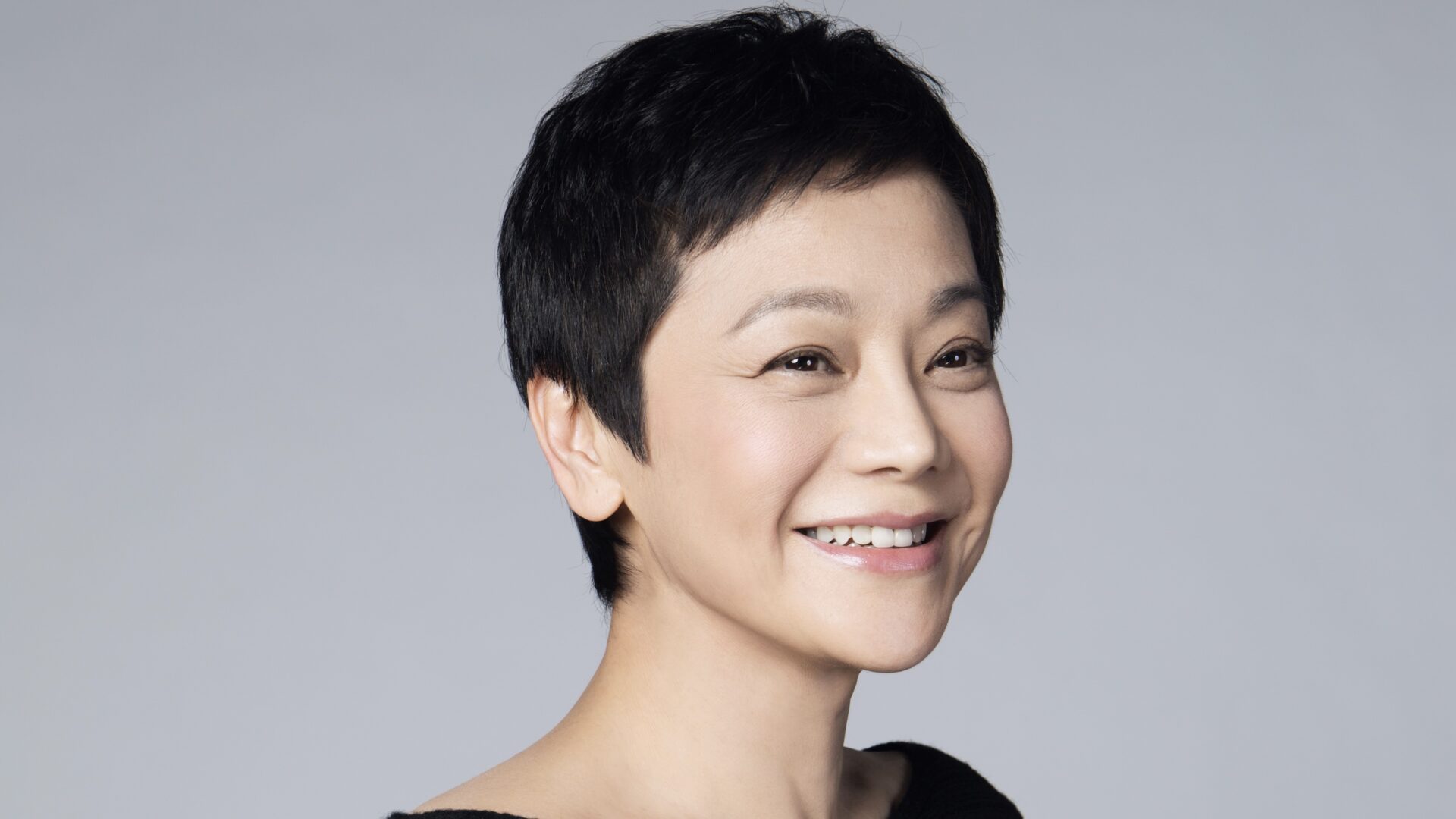
Sylvia Chang stands as one of the most versatile figures in Taiwanese cinema, excelling as actress, director, and producer. Born in Taiwan, her early life combined artistic exposure with intellectual curiosity. Her upbringing encouraged creative expression, leading her to pursue acting at a young age. This early start allowed her to develop a nuanced understanding of performance and storytelling.
Her career beginnings in the 1970s established her as a talented actress, but the 1990s marked her evolution into a creative powerhouse. Chang expanded into directing and producing, shaping narratives that explored family, identity, and generational change. Her acting style blended emotional warmth with intellectual depth, making her performances relatable and layered.
Her breakthrough in the 1990s came through critically acclaimed films both in front of and behind the camera. Chang’s screen presence emphasized authenticity, while her directing style highlighted character-driven storytelling. She became known for crafting narratives that examined modern relationships and social transitions. Her multifaceted career set her apart from contemporaries.
Sylvia Chang’s legacy is defined by artistic versatility and leadership. She played a crucial role in mentoring younger filmmakers and expanding opportunities for women in Taiwanese cinema. Her contributions during the 1990s helped shape Taiwood’s creative direction, establishing her as a lasting legend.
Key Facts
- Full name of the subject: Sylvia Chang Ai-chia
- Date of birth: July 21, 1953
- Place of birth: Chiayi, Taiwan
- Family background: Artistic family environment
- Early childhood experiences: Exposure to performance arts
- Education history: Taiwanese education system
- Influences and mentors: Taiwanese New Wave directors
- Career beginnings: Acting in 1970s
- Major achievements: Actress and director
- Challenges and obstacles faced: Balancing multiple roles
- Turning points in life: Directorial success in 1990s
- Contributions to society: Mentorship and storytelling
- Personal life (marriage, children, relationships): Married with children
- Awards and recognitions: Golden Horse Awards
- Beliefs, values, or philosophy: Character-driven storytelling
- Legacy and impact: Multi-disciplinary cinema icon
- Historical or cultural significance: Expanded female leadership in film
Notable Works: 20 30 40, Tempting Heart, My American Grandson, Eat Drink Man Woman
Controversies:
A notable debate involving Sylvia Chang centered on balancing commercial and artistic filmmaking. Some critics argued that her directing projects leaned too heavily toward personal narratives rather than mainstream entertainment. The discussion intensified after the release of character-driven films that performed modestly at the box office. Chang responded that storytelling authenticity remained her priority. Industry observers emphasized her role in diversifying Taiwanese cinema. Verified outcomes showed sustained critical acclaim despite varying commercial performance. The controversy reflected broader tensions between creative independence and market expectations. Ultimately, her commitment to personal storytelling enhanced her artistic credibility.
Notable Mentions
Lee Kang-sheng
Sihung Lung
Kuei Ya-lei
Jack Kao
Jimmy Lin
Nicky Wu
Alec Su
Vivian Hsu
Ruby Lin
Wang Tung