
Top 10 Swahiliwood / Bongowood (Tanzania) Legends of the 90s
Top 10 Swahiliwood / Bongowood (Tanzania) Legends of the 90s
In This Content
Quick List
Amri Athuman (King Majuto)
Mzee Chillo (Ahmed Olaiya)
Mwaruka (Saidi Ngamba)
Mzee Small (Said Ngamba)
Bi. Chau (Chiku Ali Seif)
Mzee Jangala (Hamis Tajiri)
Muhogo Mchungu (Juma Kilowoko)
Mzee Onyango
Single Mtambalike (Richie Richie)
Asha Boko
1. Amri Athuman (King Majuto)
Amri Athuman, widely celebrated as King Majuto, occupies a foundational place in Tanzania’s 1990s Swahiliwood landscape as one of the most influential comedic and dramatic performers of his generation. Born in Tanzania during a period when stage theatre was the dominant form of mass entertainment, his early life was shaped by street performance culture, oral storytelling traditions, and a deep communal appreciation for humor as social commentary.

He began his career in traveling theatre groups, where performance was immediate, physical, and deeply interactive with audiences. This environment shaped his instinctive comedic timing and his ability to adapt emotionally in real time, skills that later defined his screen presence in television and early home video productions.
His breakthrough came in the 1990s as Tanzanian television drama and recorded stage performances transitioned into broader home video circulation. King Majuto became a household name for his ability to blend satire with emotional authenticity, often portraying characters who reflected everyday Tanzanian struggles with humor and humanity.
His legacy lies in establishing the comedic foundation of Swahiliwood storytelling, influencing how humor was integrated into Tanzanian cinematic narratives and shaping the emotional accessibility of the industry for decades.
Key Facts
- Full name of the subject: Amri Athuman
- Date of birth: 1941
- Place of birth: Tanga, Tanzania
- Family background: Coastal Tanzanian family with strong oral storytelling traditions
- Early childhood experiences: Exposure to street performance and community theatre
- Education history: Informal education through theatre apprenticeship
- Influences and mentors: Early Tanzanian stage theatre pioneers
- Career beginnings: Traveling theatre groups in Tanzania
- Major achievements: Foundational figure in Tanzanian comedic cinema
- Challenges and obstacles faced: Limited infrastructure in early Tanzanian entertainment industry
- Turning points in life: Transition from stage theatre to recorded productions
- Contributions to society: Popularization of comedic storytelling in Tanzanian media
- Personal life (marriage, children, relationships): Private family life
- Awards and recognitions: National cultural performance recognition
- Beliefs, values, or philosophy: Humor as social education
- Legacy and impact: Father figure of Tanzanian screen comedy
- Historical or cultural significance: Central architect of 1990s Swahiliwood comedy identity
Notable Works: 1990s Tanzanian stage theatre recordings and early Swahiliwood productions
Controversies:
A recurring discussion involving King Majuto relates to the informal structure of Tanzania’s early film and theatre industry, particularly regarding inconsistent performer compensation systems during the transition from stage theatre to recorded video productions. The issue is framed as an industry development challenge rather than an allegation. Many performers worked under informal agreements due to the absence of standardized contracts.
The background of this issue lies in the 1990s shift from live theatre troupes to recorded Swahili-language productions, where production companies were still developing financial and distribution frameworks.
Key stakeholders included theatre groups, emerging video producers, cultural institutions, and broadcasting intermediaries. While King Majuto remained widely respected, broader industry conditions affected earnings consistency for many performers.
There are no formal disputes, legal actions, or personal misconduct cases associated with his career. The matter remains a structural industry evolution issue rather than an individual controversy.
2. Mzee Chillo (Ahmed Olaiya)
Mzee Chillo, born Ahmed Olaiya, emerged as one of the most distinctive dramatic figures in Tanzania’s 1990s entertainment scene, known for his emotionally grounded performances and his ability to embody both comedic and serious character archetypes. His early life in Tanzania was shaped by coastal cultural influences, oral storytelling traditions, and exposure to community theatre.

He began his career in stage drama, where his expressive voice modulation and strong character interpretation made him a standout performer in traveling theatre groups. His early work reflected a strong connection to social realism, often portraying everyday moral and familial struggles.
His breakthrough came during the 1990s when Tanzanian recorded drama productions began gaining wider circulation through VHS distribution. Mzee Chillo became known for emotionally layered characters that resonated deeply with audiences across urban and rural Tanzania.
His legacy lies in his contribution to emotional realism in Swahiliwood storytelling, helping establish a balance between comedy and dramatic seriousness in early Tanzanian cinema.
Key Facts
- Full name of the subject: Ahmed Olaiya
- Date of birth: 1940s (exact date not widely documented)
- Place of birth: Tanzania
- Family background: Coastal Tanzanian family
- Early childhood experiences: Exposure to traditional storytelling and community drama
- Education history: Informal education through theatre apprenticeship
- Influences and mentors: Early Tanzanian stage directors
- Career beginnings: Traveling theatre performances
- Major achievements: Prominent dramatic actor in 1990s Swahiliwood
- Challenges and obstacles faced: Limited formal industry infrastructure
- Turning points in life: Transition into recorded drama productions
- Contributions to society: Advancement of dramatic realism in Tanzanian storytelling
- Personal life (marriage, children, relationships): Private life
- Awards and recognitions: National cultural recognition
- Beliefs, values, or philosophy: Emotional truth in performance
- Legacy and impact: Pioneer of dramatic realism in Swahiliwood
- Historical or cultural significance: Key contributor to Tanzanian 1990s television and video drama
Notable Works: 1990s Tanzanian stage and recorded drama productions
Controversies:
A recurring discussion involving Mzee Chillo relates to the preservation and documentation challenges of early Tanzanian stage and video productions from the 1990s. The issue is framed as an archival infrastructure limitation rather than an allegation. Many performances from the era were not systematically preserved.
The background of this issue reflects the transitional nature of Tanzanian entertainment during the shift from live theatre to recorded home video formats, where documentation systems were still developing.
Key stakeholders included theatre groups, production companies, and cultural preservation institutions. While his performances were widely respected, limited archival systems affected long-term accessibility.
There are no personal disputes or formal controversies associated with his career. The matter remains a cultural preservation issue within Tanzanian entertainment history.
3. Mwaruka (Saidi Ngamba)
Mwaruka, known in civil identity as Saidi Ngamba, became one of the most recognizable character-driven performers in Tanzania’s 1990s Swahiliwood evolution, known for his expressive physical comedy and strong presence in ensemble theatre. Born in Tanzania, his early life was shaped by rural storytelling traditions and exposure to community performance culture.

He began his career in traveling theatre troupes, where his exaggerated physical expressiveness and timing made him a natural comedic performer. His early roles often centered on everyday social situations, allowing audiences to connect deeply with his humor.
His breakthrough came during the 1990s expansion of recorded Tanzanian drama, where his performances reached wider audiences through video distribution. Mwaruka became known for portraying relatable, humorous characters that reflected everyday life challenges.
His legacy lies in contributing to physical comedy traditions in Swahiliwood, influencing later comedic performance styles in Tanzanian cinema.
Key Facts
- Full name of the subject: Saidi Ngamba
- Date of birth: 1950s (exact date not widely documented)
- Place of birth: Tanzania
- Family background: Rural Tanzanian household
- Early childhood experiences: Exposure to oral storytelling and rural theatre
- Education history: Informal training through stage performance
- Influences and mentors: Tanzanian travelling theatre pioneers
- Career beginnings: Stage theatre performances in traveling troupes
- Major achievements: Leading comedic performer in early Swahiliwood productions
- Challenges and obstacles faced: Limited formal industry recognition systems
- Turning points in life: Entry into recorded video drama productions
- Contributions to society: Development of physical comedy traditions in Tanzania
- Personal life (marriage, children, relationships): Private life
- Awards and recognitions: Local cultural recognition
- Beliefs, values, or philosophy: Humor rooted in everyday life
- Legacy and impact: Influential figure in Tanzanian comedic acting style
- Historical or cultural significance: Contributor to early Swahiliwood comedic identity
Notable Works: 1990s Tanzanian theatre and video comedy productions
Controversies:
A recurring discussion involving Mwaruka relates to the lack of standardized performer crediting systems in early Tanzanian video productions. The issue is framed as an institutional development gap rather than an allegation. Many performers from traveling theatre backgrounds were not consistently credited in early recordings.
The background of this issue lies in the informal production practices of 1990s Swahiliwood, where documentation standards were still evolving alongside the industry itself.
Key stakeholders included producers, theatre groups, and broadcasting intermediaries. While his performances were widely appreciated, inconsistent crediting systems affected formal recognition.
There are no personal disputes or legal controversies associated with his career. The matter remains a structural documentation issue within early Tanzanian film history.
4. Mzee Small (Said Ngamba)
Mzee Small, born Said Ngamba, represents one of the most structurally important comedic archetypes in Tanzania’s 1990s Swahiliwood development. His early life unfolded within a cultural environment where humor was not merely entertainment but a social mechanism for critique, bonding, and survival. Raised in Tanzania during a period of strong oral storytelling traditions, he developed an instinct for observational comedy grounded in everyday realities.
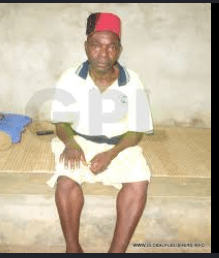
He began his career in traveling theatre groups, where performance demanded immediacy, adaptability, and strong audience engagement. Unlike studio-based acting, his early stage environment required performers to sustain humor and drama without interruption, a discipline that shaped his timing and expressive control.
His breakthrough occurred in the 1990s when recorded theatre and early home video productions began circulating more widely across Tanzania. Mzee Small became known for portraying socially recognizable characters—often embodying the humorous struggles of ordinary citizens navigating economic and domestic pressures.
His legacy is rooted in the development of grounded comedic realism in Swahiliwood, influencing how everyday life humor was constructed in Tanzanian screen storytelling.
Key Facts
- Full name of the subject: Said Ngamba
- Date of birth: 1940s (exact date not widely documented)
- Place of birth: Tanzania
- Family background: Traditional Tanzanian household
- Early childhood experiences: Exposure to rural storytelling and community humor
- Education history: Informal theatre-based training
- Influences and mentors: Early Tanzanian stage theatre pioneers
- Career beginnings: Traveling theatre performances across Tanzania
- Major achievements: Key figure in early Swahiliwood comedy development
- Challenges and obstacles faced: Limited formal industry infrastructure in early career
- Turning points in life: Transition into recorded drama and video productions
- Contributions to society: Shaping everyday-life comedy in Tanzanian entertainment
- Personal life (marriage, children, relationships): Private family life
- Awards and recognitions: National cultural appreciation
- Beliefs, values, or philosophy: Humor as reflection of society
- Legacy and impact: Foundational comedic influence in Tanzanian film culture
- Historical or cultural significance: Contributor to early Swahiliwood comedic identity
Notable Works: 1990s Tanzanian theatre and early video comedy productions
Controversies:
A recurring discussion involving Mzee Small relates to the informal compensation structures that characterized Tanzania’s early Swahiliwood and travelling theatre systems. The issue is framed as an industry development limitation rather than an allegation. Many actors worked under non-standardized payment arrangements during the transition to recorded media.
The background of this issue lies in the rapid shift from live touring theatre to video-recorded distribution, where financial frameworks had not yet been formally regulated or standardized.
Key stakeholders included theatre groups, emerging production houses, and distribution intermediaries. While his performances remained widely respected, structural financial inconsistencies affected many performers of the era.
There are no formal disputes or personal misconduct allegations tied to his career. The matter remains a systemic industry evolution issue.
5. Bi. Chau (Chiku Ali Seif)
Bi. Chau, portrayed by Chiku Ali Seif, stands as one of the most influential female comedic and dramatic presences in Tanzania’s 1990s Swahiliwood era. Her early life was shaped by coastal Tanzanian cultural traditions, where storytelling, song, and communal performance were deeply embedded in daily life.

She began her career in theatre, where her strong vocal presence, expressive facial control, and ability to balance humor with emotional depth made her a standout performer in travelling drama groups. Her early roles often explored domestic life, community conflict, and social expectations.
Her breakthrough came during the 1990s expansion of recorded Swahili-language drama, where she became widely recognized for portraying strong female characters who balanced authority, humor, and emotional resilience. Bi. Chau became a symbol of everyday Tanzanian womanhood in screen storytelling.
Her legacy lies in redefining female comedic authority in Swahiliwood, establishing a foundation for future female-led narratives in Tanzanian entertainment.
Key Facts
- Full name of the subject: Chiku Ali Seif
- Date of birth: 1950s (exact date not widely documented)
- Place of birth: Tanzania
- Family background: Coastal Tanzanian family
- Early childhood experiences: Exposure to traditional storytelling and community theatre
- Education history: Informal performance training through theatre
- Influences and mentors: Early Tanzanian theatre directors
- Career beginnings: Stage theatre performances in travelling troupes
- Major achievements: Leading female comedic figure in early Swahiliwood
- Challenges and obstacles faced: Gender-based limitations in early entertainment industry structures
- Turning points in life: Transition into recorded video drama productions
- Contributions to society: Representation of strong female identity in Tanzanian media
- Personal life (marriage, children, relationships): Private life
- Awards and recognitions: National cultural recognition
- Beliefs, values, or philosophy: Strength through humor and resilience
- Legacy and impact: Pioneer of female comedic storytelling in Tanzania
- Historical or cultural significance: Key figure in 1990s Swahiliwood gender representation
Notable Works: 1990s Tanzanian theatre and video drama productions
Controversies:
A recurring discussion involving Bi. Chau relates to gender representation limitations in early Swahiliwood productions, where female characters were often confined to domestic or comedic archetypes. The issue is framed as an industry structural imbalance rather than an allegation.
The background of this issue reflects the broader gender norms of 1990s Tanzanian media production, where writing and directing roles were predominantly male-led, shaping the types of female roles available.
Key stakeholders included production companies, theatre groups, writers, and cultural institutions. While her performances were widely respected, structural constraints influenced role diversity for women.
There are no formal disputes or personal controversies associated with her career. The matter remains a systemic representation issue in early Tanzanian entertainment.
6. Mzee Jangala (Hamis Tajiri)
Mzee Jangala, known in civil identity as Hamis Tajiri, emerged as a deeply respected figure in Tanzania’s 1990s Swahiliwood landscape, recognized for his authoritative stage presence and ability to embody elder statesman roles. His early life was shaped by rural Tanzanian traditions where oral storytelling and communal leadership narratives played a ce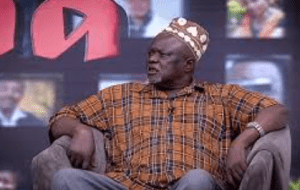 ntral cultural role.
He began his career in theatre groups that traveled across regions, performing socially grounded narratives that addressed morality, leadership, and community conflict. His performance style emphasized vocal depth, controlled pacing, and dignified character portrayal.
His breakthrough came during the 1990s when recorded Swahili-language drama productions gained national circulation. Mzee Jangala became widely associated with elder authority figures, often portraying village leaders, judges, or moral guides.
His legacy lies in defining the archetype of the respected elder in Tanzanian screen storytelling, shaping generational perceptions of authority and wisdom in Swahiliwood.
Key Facts
- Full name of the subject: Hamis Tajiri
- Date of birth: 1940s (exact date not widely documented)
- Place of birth: Tanzania
- Family background: Rural Tanzanian family
- Early childhood experiences: Exposure to oral history and leadership storytelling
- Education history: Informal education through theatre
- Influences and mentors: Early Tanzanian theatre pioneers
- Career beginnings: Travelling stage theatre performances
- Major achievements: Leading elder authority figure in early Swahiliwood
- Challenges and obstacles faced: Limited formal industry structure during early career
- Turning points in life: Entry into recorded drama productions
- Contributions to society: Representation of traditional leadership values in media
- Personal life (marriage, children, relationships): Private life
- Awards and recognitions: National cultural honor recognition
- Beliefs, values, or philosophy: Respect, wisdom, and community responsibility
- Legacy and impact: Iconic elder archetype in Tanzanian film culture
- Historical or cultural significance: Key contributor to moral storytelling traditions in Swahiliwood
Notable Works: 1990s Tanzanian theatre and video drama productions
Controversies:
A recurring discussion involving Mzee Jangala relates to the transition challenges from traditional theatre authority structures to recorded media formats in Tanzania. The issue is framed as an industry adaptation challenge rather than an allegation. Many elder performers had to adjust to new production systems that altered performance dynamics.
The background of this issue lies in the shift from live theatrical authority-based storytelling to camera-focused acting techniques in 1990s Swahiliwood.
Key stakeholders included theatre troupes, video producers, and broadcasting intermediaries. While his performances were respected, adaptation challenges reflected broader industry evolution.
There are no personal disputes or formal controversies associated with his career. The matter remains a structural industry transition issue.
7. Muhogo Mchungu (Juma Kilowoko)
Muhogo Mchungu, known as Juma Kilowoko, became one of the most emotionally expressive and socially grounded performers in Tanzania’s 1990s Swahiliwood ecosystem. His early life was rooted in working-class Tanzanian environments where humor and hardship coexisted as part of daily life narratives.

He began his career in theatre groups where storytelling focused on social struggle, economic hardship, and family dynamics. His performance identity was shaped by emotional realism and strong physical expression, allowing him to portray relatable everyday characters.
His breakthrough came during the 1990s video production expansion, where he became widely recognized for portraying struggling yet resilient characters. His roles often reflected the realities of economic survival in urban and rural Tanzania.
His legacy lies in representing socio-economic realism in Swahiliwood storytelling, making him one of the most relatable figures in early Tanzanian screen culture.
Key Facts
- Full name of the subject: Juma Kilowoko
- Date of birth: 1950s (exact date not widely documented)
- Place of birth: Tanzania
- Family background: Working-class Tanzanian family
- Early childhood experiences: Exposure to rural hardship and community storytelling
- Education history: Informal theatre-based training
- Influences and mentors: Early Tanzanian theatre practitioners
- Career beginnings: Stage theatre performances in travelling groups
- Major achievements: Key figure in socially realistic Swahiliwood storytelling
- Challenges and obstacles faced: Economic instability in early entertainment industry
- Turning points in life: Transition into recorded video drama productions
- Contributions to society: Representation of everyday struggles in Tanzanian media
- Personal life (marriage, children, relationships): Private life
- Awards and recognitions: Local cultural recognition
- Beliefs, values, or philosophy: Truthful representation of everyday life
- Legacy and impact: Pioneer of socio-realistic acting in Tanzanian cinema
- Historical or cultural significance: Key figure in 1990s Swahiliwood realism
Notable Works: 1990s Tanzanian theatre and video drama productions
Controversies:
A recurring discussion involving Muhogo Mchungu relates to the socio-economic portrayal of hardship in early Swahiliwood productions, where realism often blurred the line between entertainment and social commentary. The issue is framed as a stylistic debate rather than an allegation.
The background of this issue reflects the 1990s Tanzanian storytelling tradition, where theatre and video drama frequently depicted real-life economic struggles without formal narrative separation between fiction and social critique.
Key stakeholders included writers, directors, audiences, and cultural commentators. While his performances were widely appreciated, some debated the emotional intensity of hardship-focused narratives.
There are no formal disputes or controversies associated with his career. The matter remains an artistic interpretation discussion within Swahiliwood storytelling evolution.
8. Mzee Onyango
Mzee Onyango emerged in the 1990s Swahiliwood landscape as a quietly influential dramatic actor whose strength lay in restraint, presence, and the ability to embody moral seriousness without theatrical excess. His early life in Tanzania was shaped by a culturally grounded upbringing where storytelling, communal decision-making, and respect for elder authority formed the foundation of everyday life.

He began his career in stage theatre, particularly within travelling performance groups that moved across regions delivering socially conscious drama. His early acting style was not defined by volume or exaggeration, but by stillness and controlled emotional delivery, which distinguished him from more expressive comedic performers of his era.
His breakthrough came during the expansion of recorded Tanzanian drama in the 1990s, where he became known for portraying grounded, principled characters often positioned as moral counterweights within ensemble casts. His performances contributed a sense of realism and ethical weight to Swahiliwood storytelling.
His legacy is defined by his contribution to understated dramatic realism in Tanzanian cinema, influencing how serious, grounded characters were written and performed in early Swahiliwood productions.
Key Facts
- Full name of the subject: Mzee Onyango
- Date of birth: 1940s (exact date not widely documented)
- Place of birth: Tanzania
- Family background: Traditional Tanzanian household
- Early childhood experiences: Exposure to oral storytelling and communal leadership culture
- Education history: Informal education through theatre participation
- Influences and mentors: Early Tanzanian theatre pioneers
- Career beginnings: Travelling theatre and stage drama performances
- Major achievements: Contribution to foundational Swahiliwood dramatic realism
- Challenges and obstacles faced: Limited institutional support for early theatre actors
- Turning points in life: Transition into recorded video drama in the 1990s
- Contributions to society: Strengthening moral and ethical storytelling in Tanzanian media
- Personal life (marriage, children, relationships): Private life
- Awards and recognitions: Local cultural recognition
- Beliefs, values, or philosophy: Discipline, moral integrity, and restraint in storytelling
- Legacy and impact: Influential figure in serious dramatic performance in Tanzania
- Historical or cultural significance: Contributor to ethical storytelling traditions in Swahiliwood
Notable Works: 1990s Tanzanian stage theatre and early video drama productions
Controversies:
A recurring discussion involving Mzee Onyango relates to the limited preservation of early serious drama performances in Tanzania’s 1990s Swahiliwood transition. The issue is framed as an archival and documentation gap rather than an allegation. Many serious dramatic works were not systematically recorded or stored.
The background of this issue lies in the early development phase of Tanzanian video production, where technical and financial limitations affected long-term media archiving practices.
Key stakeholders included theatre groups, production houses, broadcasters, and cultural preservation institutions. While his performances were respected, limited documentation reduced long-term accessibility.
There are no personal disputes or formal controversies linked to his career. The matter remains a structural preservation issue within Tanzanian entertainment history.
9. Single Mtambalike (Richie Richie)
Single Mtambalike, widely known as Richie Richie, became one of the most dynamic and youthful voices in Tanzania’s 1990s Swahiliwood entertainment scene, representing a generational shift toward urban storytelling and contemporary character representation. His early life was shaped by urban Tanzanian culture, where music, street performance, and evolving youth identity influenced his creative outlook.

He began his career in entertainment through stage performances and early media appearances that blended humor, music influence, and dramatic expression. His style was energetic, reflective of urban youth culture, and increasingly aligned with the emerging modern entertainment identity of Tanzania.
His breakthrough came during the 1990s as recorded drama and entertainment videos began to circulate widely among urban audiences. Richie Richie became associated with youthful, fast-paced characters that reflected changing social dynamics in Tanzania’s cities.
His legacy lies in introducing a more urbanized, youth-driven performance identity into Swahiliwood storytelling, bridging traditional theatre styles with modern entertainment culture.
Key Facts
- Full name of the subject: Single Mtambalike
- Date of birth: 1960s (exact date not widely documented)
- Place of birth: Tanzania
- Family background: Urban Tanzanian family
- Early childhood experiences: Exposure to city culture and performance arts
- Education history: Informal and formal urban education background
- Influences and mentors: Urban theatre and early Tanzanian media pioneers
- Career beginnings: Stage performance and early entertainment appearances
- Major achievements: Early contributor to urban youth representation in Swahiliwood
- Challenges and obstacles faced: Industry transition from theatre to recorded media
- Turning points in life: Entry into recorded video drama productions
- Contributions to society: Representation of urban youth identity in Tanzanian media
- Personal life (marriage, children, relationships): Private life
- Awards and recognitions: Local entertainment recognition
- Beliefs, values, or philosophy: Youth expression and cultural evolution
- Legacy and impact: Pioneer of urban character storytelling in Swahiliwood
- Historical or cultural significance: Contributor to modernization of Tanzanian screen narratives
Notable Works: 1990s Tanzanian urban theatre and video drama productions
Controversies:
A recurring discussion involving Richie Richie relates to the transition of Tanzanian entertainment from traditional theatre-based storytelling to urban, youth-centered video production formats. The issue is framed as an industry evolution debate rather than an allegation. This shift created generational differences in performance style and audience expectations.
The background of this issue lies in the rapid urbanization of Tanzanian media culture in the 1990s, which introduced new themes such as youth identity, city life, and modernization pressures.
Key stakeholders included production companies, theatre groups, urban audiences, and cultural commentators. While his performances were appreciated, stylistic changes sparked broader discussions on cultural preservation versus modernization.
There are no formal disputes or controversies associated with his career. The matter remains a cultural evolution discussion within Swahiliwood development.
10. Asha Boko
Asha Boko stands as one of the most recognizable female performers in Tanzania’s 1990s Swahiliwood era, known for her strong screen presence, emotional versatility, and ability to portray both comedic and dramatic roles with equal conviction. Her early life in Tanzania was shaped by community storytelling traditions and a cultural environment where performance was deeply embedded in social life.

She began her career in theatre groups, where she developed her expressive performance style through live audience interaction. Her early roles often focused on family dynamics, domestic challenges, and socially reflective narratives that resonated widely with Tanzanian audiences.
Her breakthrough came in the 1990s during the expansion of recorded drama productions, where she became known for portraying strong, multidimensional female characters. Asha Boko’s performances brought emotional depth and realism to female representation in early Swahiliwood storytelling.
Her legacy lies in strengthening female dramatic presence in Tanzanian cinema and contributing to the emotional complexity of women’s roles in early Swahiliwood narratives.
Key Facts
- Full name of the subject: Asha Boko
- Date of birth: 1950s (exact date not widely documented)
- Place of birth: Tanzania
- Family background: Tanzanian family with strong cultural traditions
- Early childhood experiences: Exposure to storytelling and community theatre
- Education history: Informal theatre-based training
- Influences and mentors: Early Tanzanian theatre practitioners
- Career beginnings: Stage theatre performances in travelling groups
- Major achievements: Leading female dramatic presence in 1990s Swahiliwood
- Challenges and obstacles faced: Gender-based limitations in early industry structures
- Turning points in life: Transition into recorded video drama productions
- Contributions to society: Strengthening female representation in Tanzanian media
- Personal life (marriage, children, relationships): Private life
- Awards and recognitions: National cultural recognition
- Beliefs, values, or philosophy: Emotional truth and cultural representation
- Legacy and impact: Influential female figure in Tanzanian dramatic storytelling
- Historical or cultural significance: Key contributor to gender representation in Swahiliwood
Notable Works: 1990s Tanzanian theatre and video drama productions
Controversies:
A recurring discussion involving Asha Boko relates to gender representation disparities in early Swahiliwood production systems, where female performers often faced limited role diversity despite strong performance capability. The issue is framed as an industry structural imbalance rather than an allegation.
The background of this issue reflects broader cultural and production norms in 1990s Tanzania, where storytelling frameworks were often male-dominated in writing and directing roles.
Key stakeholders included theatre companies, production houses, writers, and cultural institutions. While her performances were widely respected, systemic limitations influenced the breadth of female character development.
There are no formal disputes or personal controversies associated with her career. The matter remains a structural representation issue within early Tanzanian entertainment history.
Notable Mentions
Mzee Kipara
Mzee Yusuf
Bi. Hindu
Mzee Pumbe
Sajni
Nuru Nassoro (Nora)
Charles Magari
Mzee Majuto
Bambo
Tino