Top 10 People Who Reinvented Themselves After Failure
Top 10 People Who Reinvented Themselves After Failure
In This Content
1. STEVE JOBS

Steve Jobs emerged as one of the most influential figures in modern technology, but his legacy is inseparable from one of the most dramatic professional failures in Silicon Valley history. Born in San Francisco in 1955 and adopted into a working-class American household, Jobs developed an early fascination with electronics, design, and the emerging counterculture of innovation that defined the late 20th century. His upbringing in California’s expanding tech environment exposed him to both engineering logic and artistic rebellion.
Jobs co-founded Apple in 1976 with Steve Wozniak, beginning his career in a garage that would later become symbolic of startup mythology. His early success with the Apple II and Macintosh positioned him as a revolutionary force in personal computing. However, internal conflict and management struggles led to his forced departure from Apple in 1985, marking one of the most public corporate failures in business history.
His breakthrough reinvention came during his exile from Apple, when he founded NeXT and acquired Pixar. While NeXT struggled commercially, Pixar transformed animated storytelling through Toy Story, redefining digital cinema. This period refined Jobs’ philosophy of integrating technology with artistry, allowing him to rebuild his identity beyond hardware innovation.
His return to Apple in 1997 marked one of the most significant corporate comebacks in history. Under his renewed leadership, Apple introduced transformative products like the iMac, iPod, iPhone, and iPad. His legacy is defined by the fusion of design simplicity, emotional user experience, and technological innovation, reshaping global consumer culture.
Key Facts
- Full name of the subject: Steven Paul Jobs
- Date of birth: 24 February 1955
- Place of birth: San Francisco, California, USA
- Family background: Adopted into a working-class American family
- Early childhood experiences: Exposure to electronics and countercultural movements in California
- Education history: Reed College (brief attendance)
- Influences and mentors: Zen Buddhism, Robert Noyce, Atari engineering culture
- Career beginnings: Co-founder of Apple Inc.
- Major achievements: Revolutionized personal computing and mobile technology
- Challenges and obstacles faced: Forced departure from Apple in 1985
- Turning points in life: Founding NeXT and the acquisition of Pixar
- Contributions to society: Transformed global technology and media industries
- Personal life (marriage, children, relationships): Married with children
- Awards and recognitions: National Medal of Technology, multiple industry honours
- Beliefs, values, or philosophy: Simplicity, design perfection, user experience focus
- Legacy and impact: Redefined modern digital lifestyle
- Historical or cultural significance: Architect of the smartphone era
Notable Works: iPhone, MacBook, iPod, Pixar films (Toy Story), iMac
Controversies:
Criticism of the authoritarian leadership style
Tensions with Apple employees and executives during early tenure
Debates over labour practices in overseas manufacturing supply chains
Public scrutiny over management decisions during Apple’s early struggles.
2. OPRAH WINFREY
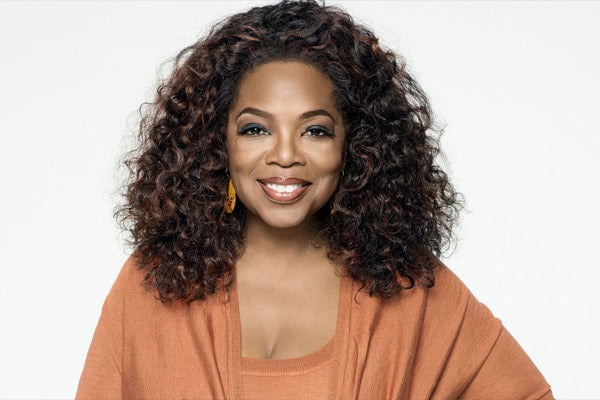
Oprah Winfrey’s rise to global influence is one of the most powerful narratives of personal reinvention, defined by transformation from adversity into media empire-building. Born in 1954 in rural Mississippi, she grew up in extreme poverty and endured a deeply unstable childhood marked by trauma and displacement. These early hardships shaped her emotional intelligence and ability to connect with audiences on a profoundly human level.
Winfrey began her career in local radio and television broadcasting, where she initially struggled with on-air presence and professional confidence. Early setbacks in her media career led to her dismissal from a Baltimore television station, a defining failure that could have ended her trajectory. Instead, it became the foundation of her reinvention.
Her breakthrough came with The Oprah Winfrey Show, launched in 1986, which transformed daytime television into a platform for emotional storytelling, cultural dialogue, and personal transformation. Her ability to merge journalism with empathy created a new media genre centred on vulnerability and self-improvement.
By the 1990s, Oprah had become a global cultural authority, expanding into publishing, film, and philanthropy. Her legacy is defined by her transformation of personal failure into a framework for empowerment, making her one of the most influential media figures in modern history.
Key Facts
- Full name of the subject: Oprah Gail Winfrey
- Date of birth: 29 January 1954
- Place of birth: Kosciusko, Mississippi, USA
- Family background: Poverty-stricken rural upbringing
- Early childhood experiences: Exposure to hardship and instability
- Education history: Tennessee State University (Communication)
- Influences and mentors: Maya Angelou, civil rights leaders
- Career beginnings: Local radio and television news anchor
- Major achievements: Created a globally influential talk show empire
- Challenges and obstacles faced: Early career dismissal and professional rejection
- Turning points in life: Launch of The Oprah Winfrey Show
- Contributions to society: Media-driven philanthropy and education initiatives
- Personal life (marriage, children, relationships): Long-term partnership, no children
- Awards and recognitions: Presidential Medal of Freedom, Emmy Awards
- Beliefs, values, or philosophy: Self-empowerment and emotional healing
- Legacy and impact: Redefined global talk media and personal development culture
- Historical or cultural significance: Voice of modern emotional storytelling in media
Notable Works: The Oprah Winfrey Show, OWN Network, O Magazine, Oprah Book Club, Selma (film production)
Controversies:
Criticism over influence on public opinion and media narratives
Debates regarding the endorsement of certain wellness and lifestyle claims
Occasional backlash over celebrity interview handling
Public scrutiny of business expansion decisions.
3. ROBERT DOWNEY JR.

Robert Downey Jr. represents one of the most dramatic redemption arcs in modern entertainment history, a figure whose early career brilliance was overshadowed by personal and professional collapse. Born in New York City in 1965, he grew up in an artistic household under the influence of his filmmaker father, which exposed him early to the entertainment industry and performance culture.
Downey began acting as a child and quickly rose to critical acclaim in the 1980s and 1990s, earning recognition for his natural charisma and emotional depth. However, his career was derailed by substance abuse issues that led to arrests, rehabilitation cycles, and repeated professional instability, marking a significant fall from Hollywood prominence.
His breakthrough reinvention came in the mid-2000s when he rebuilt his career through disciplined recovery and selective roles. The turning point arrived with his casting as Tony Stark in Iron Man (2008), a role that redefined his public image and launched the Marvel Cinematic Universe.
By the 2010s, Downey had become one of the highest-paid actors in Hollywood, symbolizing resilience and professional rebirth. His legacy is defined by transformation through accountability, demonstrating how personal failure can be reshaped into sustained global success.
Key Facts
- Full name of the subject: Robert John Downey Jr.
- Date of birth: 4 April 1965
- Place of birth: New York City, USA
- Family background: Artistic family; father was a filmmaker
- Early childhood experiences: Early exposure to acting and film sets
- Education history: Santa Monica High School
- Influences and mentors: Robert Downey Sr., the acting community in New York
- Career beginnings: Child actor in the 1970s film industry
- Major achievements: Leading role in Marvel Cinematic Universe
- Challenges and obstacles faced: Substance abuse and repeated legal issues
- Turning points in life: Rehabilitation and casting as Iron Man
- Contributions to society: Advocacy for recovery and personal transformation
- Personal life (marriage, children, relationships): Married with children
- Awards and recognitions: Golden Globe Awards, Academy Award nomination
- Beliefs, values, or philosophy: Recovery, discipline, and personal accountability
- Legacy and impact: Symbol of Hollywood redemption
- Historical or cultural significance: Central figure in the superhero film era
Notable Works: Iron Man, Sherlock Holmes, Avengers series, Chaplin, Zodiac
Controversies:
Multiple arrests related to substance abuse in the late 1990s–early 2000s
Legal and rehabilitation-related public scrutiny
Professional instability leading to job termination during early career decline
Media criticism during the personal recovery phase.
4. ELTON JOHN
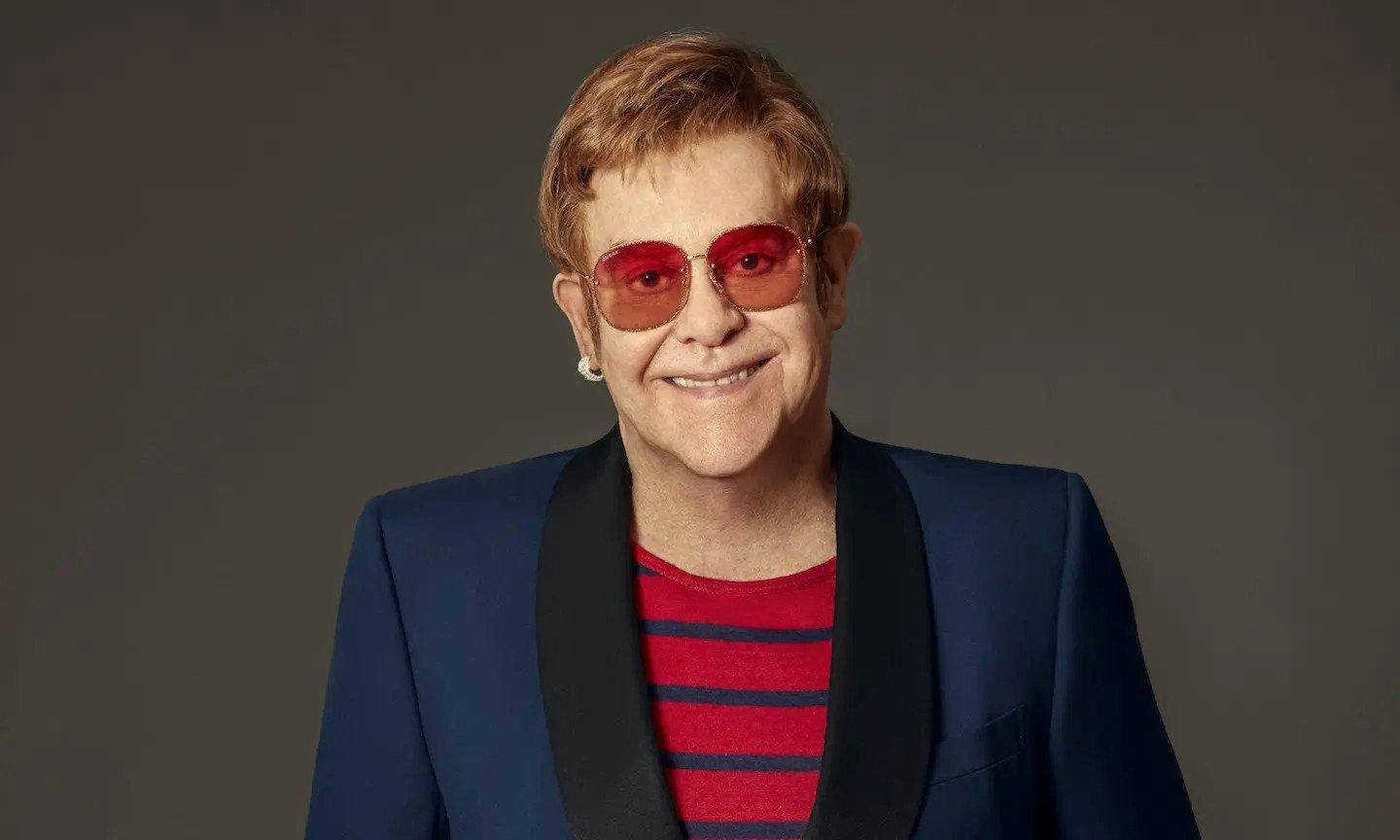
Elton John’s story of reinvention is rooted in the collapse and rebirth of identity, both personal and artistic. Born Reginald Kenneth Dwight in 1947 in Pinner, England, he grew up in a strict, emotionally restrained household where music became both escape and self-definition. His early exposure to classical piano training shaped his technical foundation, but his internal struggle for identity pushed him toward transformation long before fame arrived.
He began his career as a session musician and songwriter, initially working behind the scenes in the British music industry. Early collaborations with lyricist Bernie Taupin laid the groundwork for his breakthrough sound, yet his initial solo efforts struggled to gain major traction. His reinvention began with the adoption of the name “Elton John,” marking a symbolic break from his past identity and artistic limitations.
His breakthrough came in the 1970s with a series of chart-topping albums and theatrical performances that fused rock, glam aesthetics, and emotional vulnerability. However, by the 1980s, personal struggles with addiction and emotional instability threatened to dismantle his career. His public image became increasingly volatile, and his artistic output suffered as a result.
His ultimate reinvention came in the 1990s, following recovery and renewed creative focus. The success of The Lion King soundtrack and his continued global touring restored his cultural relevance. Elton John’s legacy is defined by transformation through vulnerability, proving that artistic reinvention can emerge from both personal collapse and emotional honesty.
Key Facts
- Full name of the subject: Reginald Kenneth Dwight
- Date of birth: 25 March 1947
- Place of birth: Pinner, Middlesex, England
- Family background: Middle-class, emotionally distant household
- Early childhood experiences: Early piano training and social isolation
- Education history: Royal Academy of Music
- Influences and mentors: Blues, rock and roll, classical piano traditions
- Career beginnings: Session musician and songwriter
- Major achievements: Global pop and rock superstar
- Challenges and obstacles faced: Addiction and personal identity struggles
- Turning points in life: Adoption of Elton John’s stage identity
- Contributions to society: AIDS activism and humanitarian work
- Personal life (marriage, children, relationships): Married with children (later openly gay)
- Awards and recognitions: Grammy Awards, Academy Award, EGOT status
- Beliefs, values, or philosophy: Emotional expression through music and authenticity
- Legacy and impact: One of the most successful solo artists in history
- Historical or cultural significance: Icon of glam rock and global pop transformation
Notable Works: Rocket Man, Your Song, Candle in the Wind, The Lion King soundtrack, Goodbye Yellow Brick Road
Controversies:
Struggles with drug and alcohol addiction in the 1980s
Public scrutiny of volatile behaviour during the addiction years
Media attention on personal relationships and identity struggles
Occasional criticism of extravagant lifestyle during peak fame.
5. WALT DISNEY
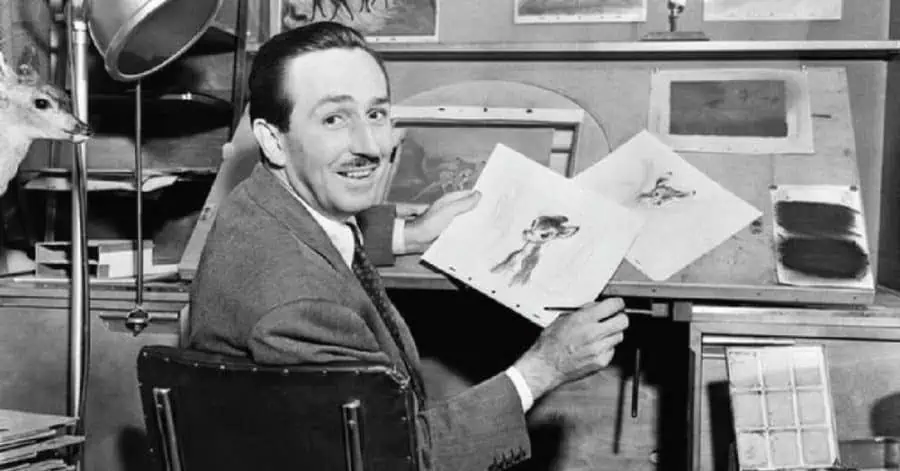
Walt Disney’s legacy of reinvention is built upon repeated business failures that ultimately reshaped global entertainment. Born in Chicago in 1901, he grew up in a financially unstable household where early exposure to illustration and storytelling became his primary creative outlet. His childhood was marked by repeated relocations and limited resources, shaping his resilience and entrepreneurial drive.
Disney began his career in commercial illustration and early animation experiments. His first major venture, Laugh-O-Gram Studios, ended in bankruptcy, forcing him to relocate to Hollywood with little more than ambition and a few unfinished ideas. These early failures became the foundation of his adaptive thinking and creative persistence.
His breakthrough came with the creation of Mickey Mouse and synchronized sound animation, which revolutionized the entertainment industry. However, even after early success, Disney faced financial instability during the Great Depression and skepticism over feature-length animation films such as Snow White and the Seven Dwarfs.
His ultimate reinvention occurred in the mid-20th century as he expanded into theme parks, television, and global entertainment infrastructure. Disneyland became a cultural institution, redefining entertainment as an immersive experience. His legacy is defined by turning repeated business collapse into one of the most influential creative empires in history.
Key Facts
- Full name of the subject: Walter Elias Disney
- Date of birth: 5 December 1901
- Place of birth: Chicago, Illinois, USA
- Family background: Working-class family with financial instability
- Early childhood experiences: Early drawing and storytelling interests
- Education history: Kansas City Art Institute
- Influences and mentors: Animation pioneers, vaudeville culture
- Career beginnings: Commercial illustrator and failed animation studios
- Major achievements: Creation of the Disney animation empire
- Challenges and obstacles faced: Multiple business bankruptcies
- Turning points in life: Creation of Mickey Mouse
- Contributions to society: Global entertainment and family media culture
- Personal life (marriage, children, relationships): Married with children
- Awards and recognitions: Academy Awards, Presidential Medal of Freedom
- Beliefs, values, or philosophy: Imagination and innovation through storytelling
- Legacy and impact: Founder of the modern entertainment industry ecosystem
- Historical or cultural significance: Architect of global family entertainment
Notable Works: Mickey Mouse, Snow White and the Seven Dwarfs, Cinderella, Disneyland, Fantasia
Controversies:
Criticism of labour practices in early studio operations
Debates over cultural representation in animated works
Accusations of political conservatism during the mid-20th century
Industry disputes over creative control and unionization issues.
6. J.K. ROWLING

J.K. Rowling’s reinvention is one of the most widely recognized modern narratives of failure transformed into global literary success. Born in Yate, England, in 1965, she grew up in a middle-class household where storytelling and literature were central to her intellectual development. Her early life was marked by emotional struggles and financial uncertainty that later influenced her writing themes.
Rowling began her career working in administrative jobs while writing fiction in her spare time. The initial manuscript of Harry Potter and the Philosopher’s Stone was rejected by multiple publishers, marking a prolonged period of professional failure and personal hardship. During this time, she experienced financial instability as a single mother, which intensified her reliance on writing as both a means of survival and a source of purpose.
Her breakthrough came when Bloomsbury agreed to publish Harry Potter, a decision that would reshape the history of global publishing. The series quickly evolved into a worldwide phenomenon, transforming Rowling from an unknown writer into one of the most influential authors of her generation.
By the 2000s, Rowling had become a global literary and cultural figure, expanding into film, theme parks, and philanthropy. Her legacy is defined by her persistence in the face of rejection and by her ability to transform personal hardship into one of the most successful storytelling franchises in history.
Key Facts
- Full name of the subject: Joanne Rowling
- Date of birth: 31 July 1965
- Place of birth: Yate, Gloucestershire, England
- Family background: Middle-class upbringing
- Early childhood experiences: Early interest in storytelling and mythology
- Education history: University of Exeter (French and Classics)
- Influences and mentors: Classical literature, folklore traditions
- Career beginnings: Office work while writing manuscripts
- Major achievements: Creation of the Harry Potter series
- Challenges and obstacles faced: Multiple publishing rejections and financial hardship
- Turning points in life: Acceptance of Harry Potter manuscript
- Contributions to society: Literacy promotion and charitable foundations
- Personal life (marriage, children, relationships): Divorced, mother of three
- Awards and recognitions: Order of the British Empire, literary awards
- Beliefs, values, or philosophy: Persistence, imagination, and moral storytelling
- Legacy and impact: Revolutionized modern children’s literature
- Historical or cultural significance: Global fantasy literature phenomenon
Notable Works: Harry Potter series, The Casual Vacancy, Fantastic Beasts, Cormoran Strike series, The Ickabog
Controversies:
Public criticism over political and social commentary statements
Debates regarding views on gender identity issues
Book bans and cultural backlash in certain regions
Media scrutiny over franchise expansion decisions.
7. MICHAEL JORDAN

Michael Jordan’s path to reinvention is defined by failure reframed as fuel for dominance, both in sport and business. Born in Brooklyn, New York, in 1963 and raised in North Carolina, Jordan grew up in a competitive household where discipline and rivalry shaped his early personality. His initial athletic journey was marked by rejection when he was cut from his high school varsity basketball team, a moment that became foundational to his psychological drive.
Jordan developed his skills through relentless training and discipline, eventually earning a place at the University of North Carolina, where he hit the championship-winning shot in the 1982 NCAA Finals. His early NBA career with the Chicago Bulls showcased explosive talent, but repeated playoff losses exposed limitations in the team’s development and leadership structure.
His breakthrough came in the 1990s, when he transformed from an elite athlete into a global sports icon, leading the Bulls to six NBA championships. However, even at the height of his success, Jordan faced personal setbacks, including a temporary retirement in 1993 following his father’s death and later struggles during his brief baseball career.
His ultimate reinvention came through his return to basketball dominance and later transition into business ownership, most notably with the Charlotte Hornets. His legacy is defined by resilience, competitive reinvention, and the transformation of athlete identity into global brand power.
Key Facts
- Full name of the subject: Michael Jeffrey Jordan
- Date of birth: 17 February 1963
- Place of birth: Brooklyn, New York, USA
- Family background: Middle-class family in North Carolina
- Early childhood experiences: Competitive sports upbringing
- Education history: University of North Carolina at Chapel Hill
- Influences and mentors: Coach Dean Smith, competitive sports culture
- Career beginnings: College basketball athlete
- Major achievements: Six-time NBA champion
- Challenges and obstacles faced: Early career rejection and playoff defeats
- Turning points in life: 1982 NCAA Championship shot
- Contributions to society: Sports philanthropy and youth development programs
- Personal life (marriage, children, relationships): Married with children
- Awards and recognitions: NBA MVP awards, Hall of Fame induction
- Beliefs, values, or philosophy: Discipline, competitiveness, and mental toughness
- Legacy and impact: Globalized modern sports celebrity culture
- Historical or cultural significance: Icon of 1990s professional basketball
Notable Works: Chicago Bulls championships, Air Jordan brand, NBA Finals performances, Space Jam, Olympic gold medal team
Controversies:
Criticism for gambling habits during playing career
Debates over leadership style and competitiveness intensity
Public scrutiny of business decisions and ownership roles
Media criticism during a brief baseball career transition
8. HOWARD SCHULTZ

Howard Schultz’s reinvention story is rooted in transforming personal hardship into one of the most recognizable global consumer brands in history. Born in Brooklyn, New York, in 1953, Schultz grew up in a working-class housing complex where financial insecurity shaped his worldview. His early life instilled a strong desire to escape poverty while building systems that could elevate everyday human experience.
Schultz began his career in sales, working for a kitchenware company before encountering a small coffee business named Starbucks. Initially joining as an employee, he quickly recognized the cultural and experiential potential of coffee beyond retail commodity sales. His early attempts to reshape Starbucks into an espresso-driven café model were initially rejected by the company’s original owners.
After leaving Starbucks and launching his own coffee chain, Il Giornale, Schultz faced financial struggle and business uncertainty. However, when Starbucks was later acquired, he returned to lead the company, marking the beginning of his most significant reinvention phase. This transition from rejected employee to visionary CEO defined his career trajectory.
Under his leadership in the 1990s, Starbucks expanded globally, transforming coffee consumption into a lifestyle experience. His legacy is defined by turning rejection into leadership authority and redefining retail culture through emotional branding.
Key Facts
- Full name of the subject: Howard D. Schultz
- Date of birth: 19 July 1953
- Place of birth: Brooklyn, New York, USA
- Family background: Working-class Jewish-American family
- Early childhood experiences: Poverty and housing insecurity
- Education history: Northern Michigan University
- Influences and mentors: Retail innovation leaders, European café culture
- Career beginnings: Sales executive at kitchenware company
- Major achievements: Global expansion of Starbucks
- Challenges and obstacles faced: Rejected business vision and early entrepreneurial failure
- Turning points in life: Return as CEO of Starbucks
- Contributions to society: Corporate social responsibility and employee benefits innovation
- Personal life (marriage, children, relationships): Married with children
- Awards and recognitions: Business leadership awards, honorary degrees
- Beliefs, values, or philosophy: Human-centred capitalism and experience-based branding
- Legacy and impact: Redefined global coffee culture
- Historical or cultural significance: Architect of the modern café lifestyle economy
Notable Works: Starbucks’ global expansion, Frappuccino innovation, digital rewards system, ethical sourcing programs, retail experience redesign
Controversies:
Criticism over labour union disputes in Starbucks stores
Debates on corporate handling of employee wages and benefits
Political speculation during public commentary periods
Public scrutiny over rapid global expansion strategies
9. Nelson Mandela
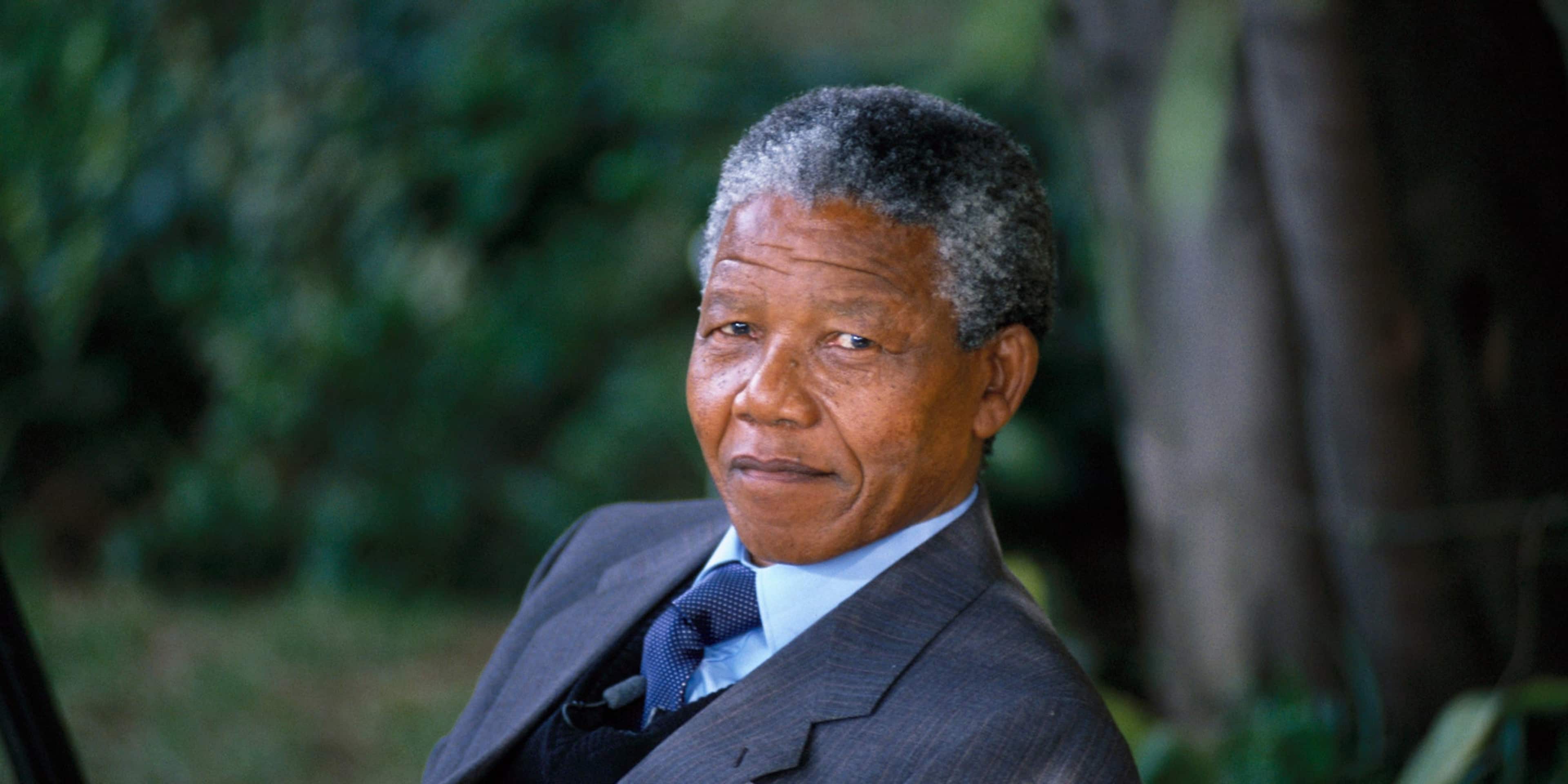
Nelson Rolihlahla Mandela—known across the world as Nelson Mandela—was a man whose life came to symbolize the long and difficult journey from oppression to freedom. His story does not begin in the halls of power, but in the rural village of Mvezo, where he was born on July 18, 1918, into the Thembu royal family. Though connected to tradition and leadership, his early life was shaped more by custom and community than by politics.
As a young man, Mandela left the quiet rhythms of village life for the wider world, studying at the University of Fort Hare and later in Johannesburg, where he encountered the harsh realities of racial segregation. South Africa at the time was governed by a system that would soon be formalized as Apartheid—a structure designed to enforce white minority rule and suppress the rights of the Black majority.
It was here that Mandela’s path began to change.
He joined the African National Congress (ANC), initially advocating for nonviolent resistance. Alongside figures such as Oliver Tambo, he worked to challenge unjust laws through protest, organization, and legal action. Yet as the government responded with increasing brutality, Mandela’s views evolved. He became a founding member of Umkhonto we Sizwe, the ANC’s armed wing, believing that resistance could no longer remain purely peaceful.
This decision would come at a great cost.
In 1962, Mandela was arrested, and in 1964, during the historic Rivonia Trial, he was sentenced to life imprisonment. His speech from the dock—declaring that he was prepared to die for the ideal of a democratic and free society—would echo across decades as one of the most powerful statements of political courage.
He was sent to Robben Island, where he would spend 18 of his 27 years in prison. The conditions were harsh: hard labour, isolation, and limited contact with the outside world. Yet prison did not break him. Instead, it transformed him into a symbol—a living embodiment of resistance and hope. Across South Africa and beyond, the call to “Free Mandela” grew louder, turning his name into a rallying cry for justice.
When Mandela was finally released in 1990, it marked not only the end of his imprisonment but the beginning of a new chapter for an entire nation. Rather than seek revenge, he chose reconciliation. In a country deeply divided by decades of institutionalized racism, Mandela advocated for unity, understanding that lasting peace required more than political change—it required healing.
In 1994, South Africa held its first fully democratic elections. Mandela was elected as the country’s first Black president, leading a nation still fragile with tension. His presidency was marked by efforts to dismantle the legacy of apartheid and to build a more inclusive society. One of the most significant steps in this process was the establishment of the Truth and Reconciliation Commission, which sought to uncover the truth about past atrocities while promoting forgiveness rather than retribution.
Mandela’s leadership extended beyond politics. He became a global symbol of peace, resilience, and moral integrity. In 1993, he was awarded the Nobel Peace Prize, sharing it with F. W. de Klerk, the man who had helped negotiate the end of apartheid. Together, they represented the possibility of transformation—even between former adversaries.
After stepping down from the presidency in 1999, Mandela continued his humanitarian work, focusing on issues such as HIV/AIDS awareness, poverty, and education. Though he withdrew gradually from public life, his influence never faded.
He died on December 5, 2013, leaving behind a legacy that transcends borders. Mandela is remembered not only for what he fought against, but for what he stood for: dignity, equality, and the belief that even the deepest divisions can be bridged.
His life, like a carefully written narrative, moves from struggle to triumph—but never in simple terms. It is a story of sacrifice, of difficult choices, and of an unwavering commitment to justice.
In the end, Nelson Mandela did not merely change a nation. He changed the way the world understands freedom—and the price required to achieve it.
10. Colonel Harland Sanders
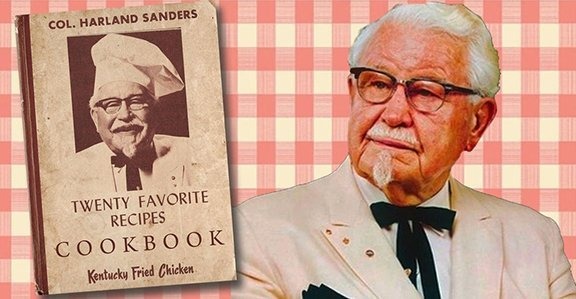
Harland David Sanders—known across the globe as Colonel Harland Sanders—was not a man who found success early, nor easily. His life was a long road of struggle, reinvention, and persistence, shaped by failure as much as by eventual triumph. If his story feels improbable, it is because it is—less a straight ascent than a winding journey through hardship toward a legacy that would become instantly recognizable: a white suit, a black string tie, and the promise of perfectly fried chicken.
He was born on September 9, 1890, in Henryville, into a modest rural family. When his father died during Harland’s childhood, responsibility came early. His mother worked long hours, and young Sanders was left to care for his siblings, learning to cook out of necessity rather than passion. It was in that kitchen—simple, practical, and born of survival—that the foundation of his future was quietly laid.
Yet his early adult life gave little indication of what was to come. Sanders worked a string of jobs: farmhand, streetcar conductor, insurance salesman, and even a service station operator. He failed often, sometimes dramatically. At one point, he lost jobs due to conflict or misfortune. Stability seemed always just out of reach.
It was not until his forties that something began to change.
While running a service station in Corbin, Sanders started serving food to travellers—simple meals at first, but prepared with care. His fried chicken, cooked using a pressure-frying technique that sealed in flavour while reducing cooking time, began to stand out. What he offered was not just food, but consistency—something reliable in a transient world of roadside dining.
Over time, his reputation grew. He opened a larger restaurant and motel, refining his recipe—a blend of 11 herbs and spices that would later become one of the most closely guarded secrets in the food industry. Recognition followed, including an honorary title from the state’s governor, which led to the name by which he would forever be known: “Colonel.”
But success, once again, proved fragile.
In the 1950s, a new highway bypassed his restaurant, cutting off the steady stream of customers he depended on. At an age when many might consider retirement, Sanders instead chose reinvention. With little money and a single recipe, he set out across the country, pitching his fried chicken to restaurant owners. Legend has it that he faced rejection hundreds—perhaps over a thousand—times before finding partners willing to take a chance on his method.
This persistence gave birth to what would become KFC (Kentucky Fried Chicken). Unlike traditional restaurants, Sanders built his business through franchising, allowing others to replicate his recipe while he maintained strict standards. It was a model that proved remarkably effective. The brand expanded rapidly, spreading from small-town America to cities across the world.
As the company grew, so did Sanders himself—not just as a businessman, but as a symbol. Dressed in his signature white suit, he became the face of his brand, embodying a kind of Southern charm and authenticity that customers found comforting. He was not merely selling chicken; he was selling trust, tradition, and a personal story.
Eventually, Sanders sold the company, but remained its ambassador, travelling, promoting, and maintaining a close connection to the brand he had built from near nothing. Even in later life, he was known for his strong opinions, particularly when he felt the quality of the food did not meet his standards. Success had not dulled his sense of ownership.
He died on December 16, 1980, but by then, his legacy was firmly established. What began as a roadside meal in Kentucky had become a global enterprise, with thousands of locations serving millions of customers.
Yet the true power of Sanders’ story lies not only in business success, but in timing. He achieved his greatest breakthrough at an age when many believe opportunity has passed. His life challenges the idea that success belongs only to the young or the fortunate.
In the end, Colonel Harland Sanders did not simply build a company. He built a second chance—proof that perseverance, even in the face of repeated failure, can transform an ordinary life into something extraordinary.