Top 10 Innovators of 1950s Television
Top 10 Innovators of 1950s Television
In This Content
1. Lucille Ball
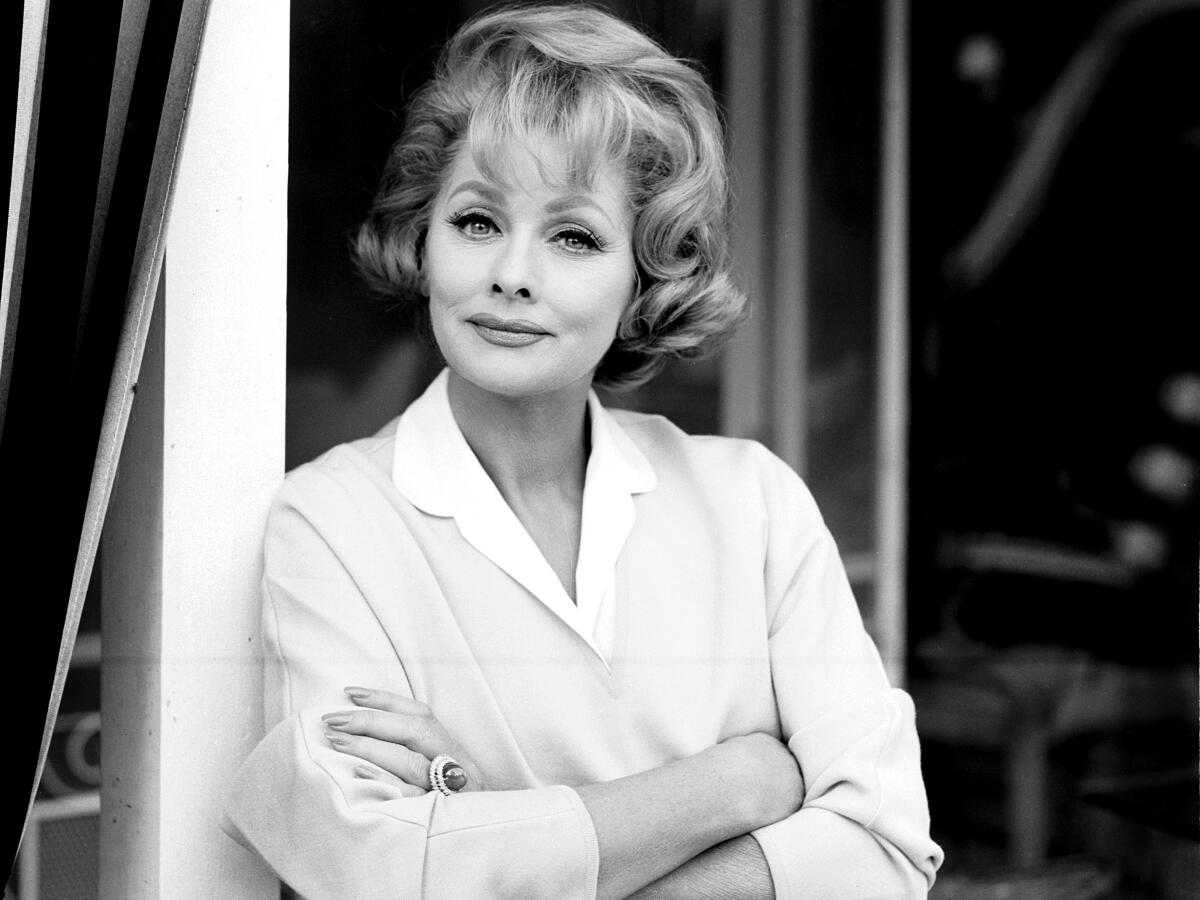
Lucille Ball emerged as one of the most transformative forces in early American television, reshaping not only comedic performance but also the industrial structure of TV production itself. Born in Jamestown, New York, she grew up in a household marked by instability after the early death of her father, a circumstance that forged in her a resilient, performance-driven personality. Her early exposure to theatre and radio laid the foundation for a career defined by precision timing, expressive physical comedy, and an instinct for audience connection.
Her career began in Hollywood during the 1930s and 1940s with supporting film roles that rarely captured her full range. It was not until television’s expansion in the early 1950s that her artistic identity fully crystallized. With the creation of I Love Lucy, Ball moved beyond conventional acting into a new form of televised storytelling that demanded both theatrical exaggeration and intimate realism. Her breakthrough came as she redefined the sitcom format, blending cinematic production techniques with the immediacy of a live audience.
The 1950s marked her peak influence, as she became not only a star but also a production innovator through Desilu Productions. Her work on I Love Lucy introduced multi-camera filming, synchronized audience recording, and rerun syndication models that would later become industry standards. Her comedic style, rooted in physical expressiveness, emotional precision, and controlled chaos, set a benchmark for television performance that transcended gender expectations of the era.
Her legacy extends far beyond performance. Ball redefined what creative authority could look like for women in entertainment, becoming one of the first female executives to control a major studio. Her influence persists in modern sitcom structures, production economics, and global television distribution models, making her a foundational figure in broadcast history.
Key Facts
- Full name of the subject: Lucille Désirée Ball
- Date of birth: 6 August 1911
- Place of birth: Jamestown, New York, USA
- Family background: Working-class household; early loss of father
- Early childhood experiences: Frequent relocation; early exposure to theatre
- Education history: John Murray Anderson School for the Dramatic Arts
- Influences and mentors: Broadway theatre, radio performers of the 1930s
- Career beginnings: Modelling and supporting Hollywood film roles
- Major achievements: Star and producer of I Love Lucy
- Challenges and obstacles faced: Studio skepticism, gender barriers in production
- Turning points in life: Creation of Desilu Productions
- Contributions to society: Television production innovation and syndication model
- Personal life (marriage, children, relationships): Married to Desi Arnaz; two children
- Awards and recognitions: Emmy Awards, Kennedy Centre Honours
- Beliefs, values, or philosophy: Precision in comedy and creative control
- Legacy and impact: Pioneer of modern sitcom production systems
- Historical or cultural significance: Redefined American television comedy
Notable Works: I Love Lucy, The Lucy Show, Here’s Lucy, The Long, Long Trailer, Desilu Productions innovations
Controversies:
Media scrutiny over interracial marriage during the 1950s
Internal studio conflicts during the Desilu expansion
Industry debates about control over production credit distribution
Occasional criticism of creative dominance within collaborative projects.
2. Milton Berle
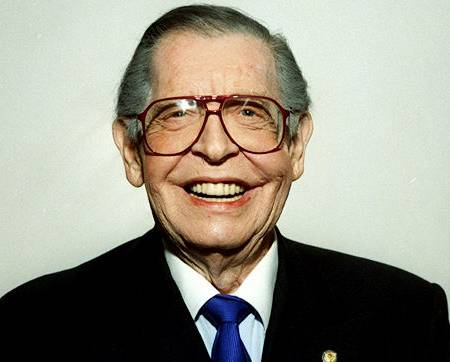
Milton Berle, often referred to as “Mr. Television,” played a defining role in bringing television into American households during its formative decade. Born in New York City, he began performing at a young age under the influence of his mother, who encouraged early-stage appearances. His personality was shaped by vaudeville traditions, which emphasized rapid-fire humour, improvisation, and audience interaction traits that later became foundational to his television identity.
Berle’s early career was rooted in vaudeville and radio, where he honed a comedic style dependent on timing, physical exaggeration, and direct audience engagement. By the late 1940s, he transitioned into television just as the medium began its explosive growth. His breakthrough came with Texaco Star Theatre, which became one of the first major television hits in the United States, drawing millions of viewers and convincing advertisers of television’s commercial potential.
During the 1950s, Berle dominated the early television landscape, becoming a cultural phenomenon whose influence extended beyond entertainment into consumer behaviour. His flamboyant performance style, marked by improvisation, costume-driven humour, and breaking the fourth wall, helped define the language of live television. He became synonymous with Tuesday night TV viewing, anchoring an entire era of appointment-based entertainment.
His legacy lies in establishing television as a dominant cultural force. While later critics viewed his style as overly theatrical compared to modern sitcom subtlety, his contribution to the survival and expansion of early television broadcasting remains undeniable. Without his audience pull and industry validation, the early economics of TV might have developed far more slowly.
Key Facts
- Full name of the subject: Milton Berle
- Date of birth: 12 July 1908
- Place of birth: New York City, New York, USA
- Family background: Jewish immigrant family background
- Early childhood experiences: Early entry into child performance circuits
- Education history: Professional training through vaudeville stage experience
- Influences and mentors: Vaudeville comedians and silent film performers
- Career beginnings: Child performer in stage and radio comedy
- Major achievements: Star of Texaco Star Theater
- Challenges and obstacles faced: Transition from vaudeville to television adaptation
- Turning points in life: National success during the early TV boom
- Contributions to society: Popularization of television as mass entertainment
- Personal life (marriage, children, relationships): Multiple marriages; family life kept private
- Awards and recognitions: Emmy Awards, lifetime achievement honours
- Beliefs, values, or philosophy: Entertainment as a live audience connection
- Legacy and impact: Early architect of television celebrity culture
- Historical or cultural significance: Helped establish TV as a dominant medium
Notable Works: Texaco Star Theater, The Milton Berle Show, Comedy Hour appearances, Vaudeville tours, Early NBC specials
Controversies:
Known for aggressive professional competition within the early TV industry
Publicly criticized for improvisational risks on live broadcasts
Personal life often subject to tabloid scrutiny
Industry debates about vaudeville humour transitioning into TV ethics.
3. Rod Serling
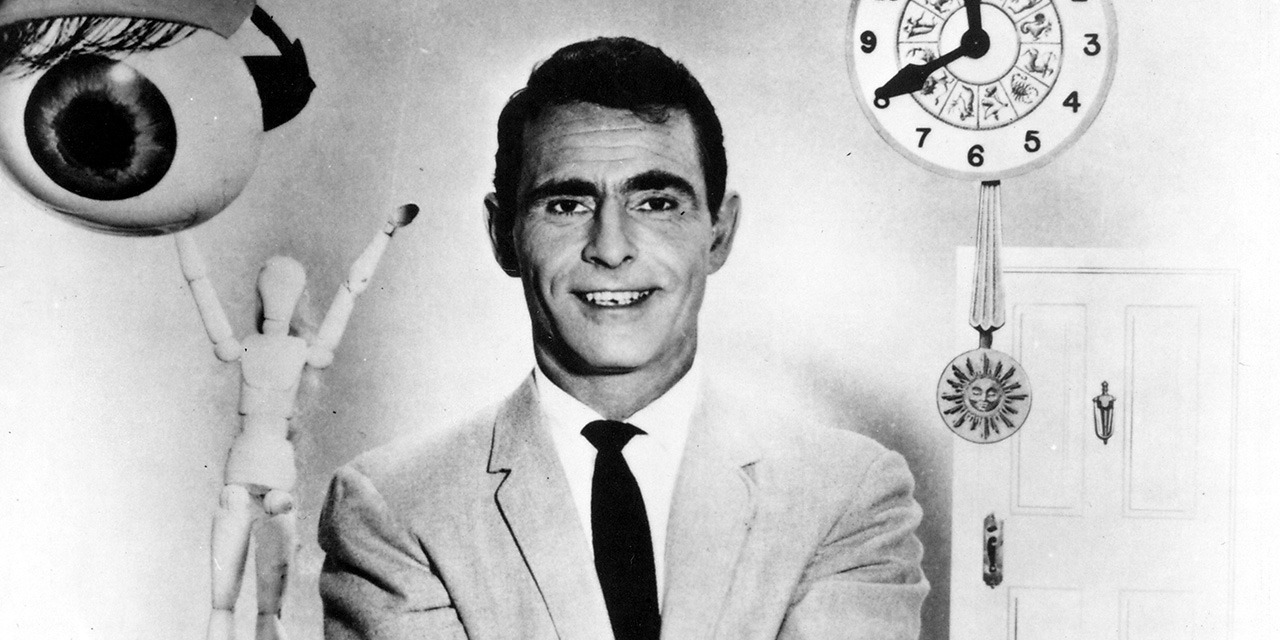
Rod Serling brought intellectual depth and moral complexity to 1950s television at a time when the medium was still largely defined by comedy and variety entertainment. Born in Syracuse, New York, he was shaped by the trauma of World War II service, an experience that profoundly influenced his worldview and narrative style. His early fascination with writing and radio drama set him on a path toward socially conscious storytelling.
Serling began his career in radio scripts and early live television dramas during the 1950s, quickly distinguishing himself through emotionally charged writing that confronted issues such as racism, conformity, and institutional power. His breakthrough came with teleplays like Patterns, which demonstrated that television could function as a serious literary and philosophical medium rather than mere entertainment.
By the late 1950s, Serling was already pushing against censorship constraints imposed by networks, often rewriting controversial themes to bypass corporate restrictions. This tension between creative integrity and broadcast regulation defined much of his early television career and led directly to the creation of The Twilight Zone, which would debut at the end of the decade.
His legacy is rooted in elevating television writing to an art form capable of exploring ethical ambiguity and existential questions. Serling’s narrative voice introduced a new intellectual seriousness to American television, influencing generations of writers across science fiction, drama, and anthology storytelling.
Key Facts
- Full name of the subject: Rodman Edward Serling
- Date of birth: 25 December 1924
- Place of birth: Syracuse, New York, USA
- Family background: Middle-class Jewish family
- Early childhood experiences: Early interest in storytelling and radio drama
- Education history: Antioch College (Speech and Literature)
- Influences and mentors: World War II experiences, radio playwrights
- Career beginnings: Radio scriptwriting and live television drama
- Major achievements: Creator of The Twilight Zone
- Challenges and obstacles faced: Network censorship of political themes
- Turning points in life: Success of Patterns teleplay
- Contributions to society: Elevated television writing into literary form
- Personal life (marriage, children, relationships): Married with two daughters
- Awards and recognitions: Emmy Awards, Writers Guild honors
- Beliefs, values, or philosophy: Ethical storytelling through speculative fiction
- Legacy and impact: Transformed narrative depth of television drama
- Historical or cultural significance: Pioneer of intellectual television storytelling
Notable Works: The Twilight Zone, Patterns, Requiem for a Heavyweight, Night Gallery, Playhouse 90 episodes
Controversies:
Frequent conflict with network censors over political content
Criticism for pessimistic themes in Cold War-era programming
Pressure to dilute social commentary in televised scripts
Ongoing debates about allegory versus political messaging in his work.
4. Edward R. Murrow
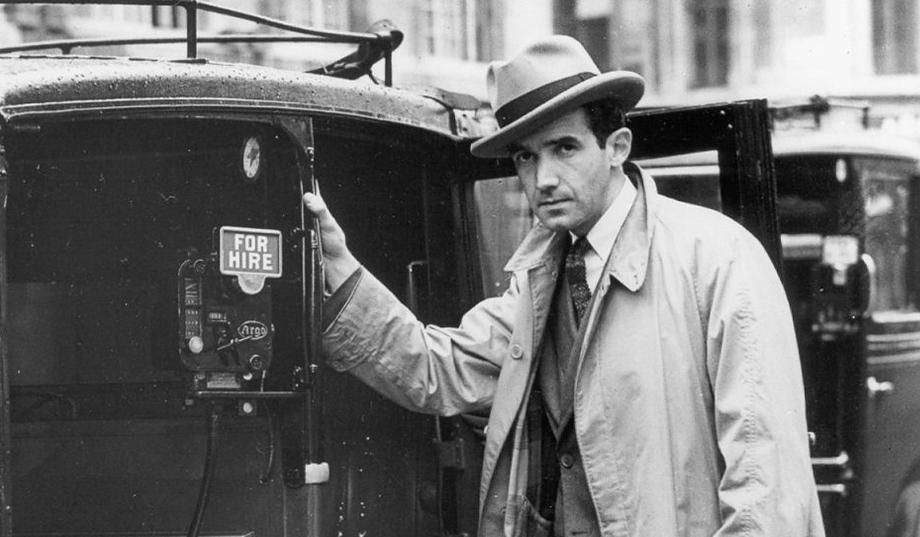
Edward R. Murrow stood at the intersection of journalism and television transformation, redefining what broadcast news could achieve in a rapidly modernizing America. Born in North Carolina and raised in the Pacific Northwest, Murrow’s early life was shaped by rural hardship and a disciplined educational environment that instilled in him a deep respect for language, truth, and public accountability. These formative experiences later became the moral backbone of his broadcasting philosophy.
Murrow began his career in radio during the 1930s, but it was his wartime reporting from London that established his reputation as a voice of authority and composure under crisis. By the early 1950s, he transitioned into television journalism, where he faced the challenge of translating serious news reporting into a visual medium still dominated by entertainment programming. His breakthrough came with See It Now, a program that introduced investigative seriousness to television audiences.
During the 1950s, Murrow’s most influential work involved confronting political fear and media conformity during the McCarthy era. His televised exposés demonstrated that television could serve as a democratic watchdog rather than a passive entertainment platform. His calm delivery, minimalist presentation style, and unwavering focus on evidence created a new standard for journalistic credibility.
Murrow’s legacy is inseparable from the ethical foundation of broadcast journalism. He transformed television news into a civic institution capable of holding power to account, influencing generations of journalists who followed his model of integrity, restraint, and moral courage.
Key Facts
- Full name of the subject: Edward Roscoe Murrow
- Date of birth: 25 April 1908
- Place of birth: Greensboro, North Carolina, USA
- Family background: Rural working-class family
- Early childhood experiences: Raised in logging camps and rural environments
- Education history: Washington State College (now Washington State University)
- Influences and mentors: Early radio pioneers, wartime correspondents
- Career beginnings: Radio journalism with CBS
- Major achievements: See It Now investigative journalism series
- Challenges and obstacles faced: Political pressure during the McCarthy era broadcasts
- Turning points in life: Transition from radio to television journalism
- Contributions to society: Establishment of ethical broadcast journalism standards
- Personal life (marriage, children, relationships): Married to Janet Murrow
- Awards and recognitions: Peabody Awards, Presidential Medal of Freedom
- Beliefs, values, or philosophy: Journalism as a public service obligation
- Legacy and impact: Defined credibility standards in television news
- Historical or cultural significance: Challenged political fear culture in 1950s America
Notable Works: See It Now, Person to Person, wartime BBC broadcasts, CBS Reports, McCarthy exposés
Controversies:
Political backlash for anti-McCarthy broadcasts
Internal CBS tension over advertiser influence
Criticism from conservative political groups
Debate over perceived journalistic activism.
5. Jackie Gleason
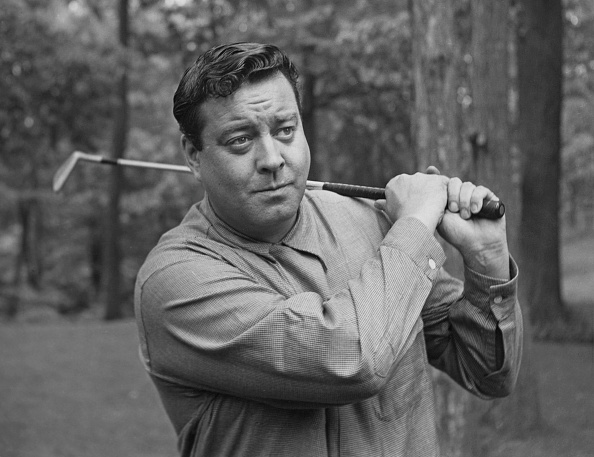
Jackie Gleason brought a uniquely theatrical and emotionally expressive style to 1950s television, blending comedy, music, and character-driven storytelling into a singular performance identity. Born in Brooklyn, New York, Gleason’s early life was marked by economic instability, which pushed him toward entertainment as both escape and ambition. His exposure to urban theater and nightlife shaped his instinct for larger-than-life comedic expression.
Gleason’s early career developed through nightclub performances, radio work, and supporting comedic roles. His breakthrough came as television began to favour personality-driven variety programming, allowing him to showcase his expansive comedic range. He became widely recognized through The Honeymooners, which evolved from sketch segments into one of television’s earliest narrative sitcom structures.
During the 1950s, Gleason’s performance style redefined televised comedy through its emotional volatility and working-class realism. Unlike polished comedic personas of the era, he embraced flawed, temperamental characters that reflected everyday struggles. His use of timing, silence, and expressive physical comedy gave television sitcoms a deeper emotional texture.
His legacy lies in establishing character-driven television comedy that emphasized human imperfection. He helped shift television away from purely sketch-based humour toward narrative sitcoms grounded in domestic realism, influencing decades of future programming.
Key Facts
- Full name of the subject: John Herbert Gleason
- Date of birth: 26 February 1916
- Place of birth: Brooklyn, New York, USA
- Family background: Working-class Irish-American family
- Early childhood experiences: Financial hardship and unstable household
- Education history: Early exit from formal education; performance-based training
- Influences and mentors: Vaudeville comedy, nightclub performers
- Career beginnings: Nightclub entertainer and radio comedian
- Major achievements: Star of The Honeymooners
- Challenges and obstacles faced: Transition from stage to television adaptation
- Turning points in life: Success of television variety programs
- Contributions to society: Development of character-driven sitcom format
- Personal life (marriage, children, relationships): Married multiple times
- Awards and recognitions: Emmy Awards, lifetime achievement honours
- Beliefs, values, or philosophy: Comedy rooted in human imperfection
- Legacy and impact: Pioneer of narrative sitcom realism
- Historical or cultural significance: Helped define American working-class TV identity
Notable Works: The Honeymooners, The Jackie Gleason Show, Your Show of Shows, Gigot, American Scene Magazine
Controversies:
Reports of volatile behaviour on set
Creative conflicts with network executives
Personal life frequently covered by tabloids
Criticism of inconsistent production schedules.
6. Desi Arnaz
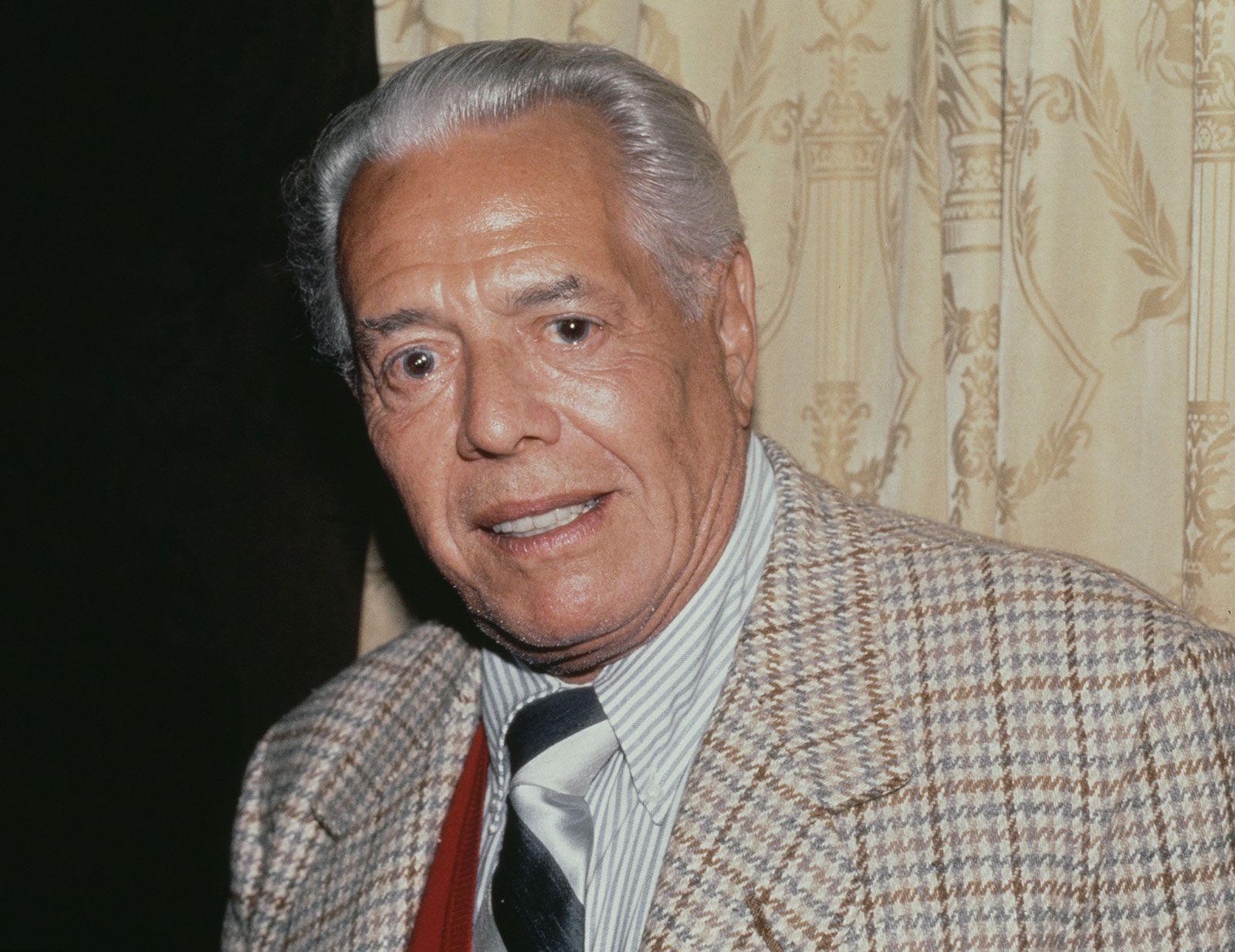
Desi Arnaz revolutionized television production economics and representation in the 1950s, introducing structural innovations that permanently changed how sitcoms were filmed and distributed. Born in Santiago de Cuba, Arnaz’s early life was shaped by political upheaval following his family’s loss of wealth during the Cuban Revolution. This displacement forced him into early self-reliance, eventually leading him to the United States entertainment industry.
Arnaz began his career in music and performance, gaining recognition as a bandleader before transitioning into acting roles in Hollywood. His breakthrough came through his partnership with Lucille Ball in I Love Lucy, where he not only co-starred but also re-engineered production logistics behind the scenes.
During the 1950s, Arnaz’s most significant innovation was the development of the multi-camera sitcom filmed in front of a live studio audience. This method allowed for higher production quality, faster editing workflows, and the preservation of performance authenticity. He also played a crucial role in advocating for filmed reruns and establishing a revenue model that became foundational to television syndication.
His legacy extends beyond performance into the structural transformation of the television industry. Arnaz helped globalize sitcom production standards while breaking cultural barriers as one of the first Latino executives to shape American media from within.
Key Facts
- Full name of the subject: Desiderio Alberto Arnaz y de Acha III
- Date of birth: 2 March 1917
- Place of birth: Santiago de Cuba, Cuba
- Family background: Aristocratic Cuban family displaced by revolution
- Early childhood experiences: Political upheaval and migration to the United States
- Education history: Miami educational institutions (partial formal education)
- Influences and mentors: Latin music traditions, Hollywood studio system
- Career beginnings: Musician and bandleader in the U.S.
- Major achievements: Co-creator of I Love Lucy production model
- Challenges and obstacles faced: Cultural stereotyping in Hollywood
- Turning points in life: Marriage and creative partnership with Lucille Ball
- Contributions to society: Multi-camera sitcom production innovation
- Personal life (marriage, children, relationships): Married to Lucille Ball; two children
- Awards and recognitions: Television Hall of Fame inductee
- Beliefs, values, or philosophy: Efficiency and authenticity in televised performance
- Legacy and impact: Architect of modern sitcom production systems
- Historical or cultural significance: Pioneered Latino representation in U.S. television leadership
Notable Works: I Love Lucy, The Lucy–Desi Comedy Hour, Desilu Productions innovations, Babalú musical performances, The Untouchables production influence
Controversies:
Racial bias criticism during the early television casting era
Marriage challenges are widely publicized in the media
Network disputes over creative control
Cultural stereotyping debates in mid-century Hollywood.
7. Don Hewitt
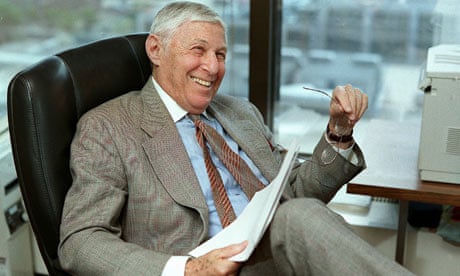
Don Hewitt played a foundational role in shaping the structure and tone of modern television news production. Born in New York City, he grew up during a period when radio dominated broadcast communication, developing an early fascination with the precision of storytelling and the pacing of editing. His education in journalism and early exposure to newsroom environments shaped his belief that television could combine narrative clarity with visual immediacy.
Hewitt began his career at CBS News, working behind the scenes in production roles before becoming a key figure in the development of televised news programming. His breakthrough came with his work on See It Now alongside Edward R. Murrow, where he helped translate investigative journalism into a visual format accessible to mass audiences.
During the 1950s, Hewitt contributed significantly to refining broadcast pacing, segment structuring, and editorial sequencing. His emphasis on clarity, timing, and visual evidence helped establish standards that distinguished television journalism from print and radio. He also pioneered early concepts of magazine-style news presentation.
His legacy culminates in the eventual creation of 60 Minutes, but its conceptual roots trace directly to his 1950s experimentation with format innovation. Hewitt’s influence is embedded in nearly every modern investigative broadcast program, reflecting his belief that television news must be both accessible and rigorously factual.
Key Facts
- Full name of the subject: Donald Shepard Hewitt
- Date of birth: 14 December 1922
- Place of birth: New York City, New York, USA
- Family background: Middle-class American family
- Early childhood experiences: Exposure to early broadcast radio culture
- Education history: New York University (journalism studies)
- Influences and mentors: CBS newsroom pioneers, Edward R. Murrow
- Career beginnings: CBS production assistant and news editor
- Major achievements: Creator of 60 Minutes format concept
- Challenges and obstacles faced: Balancing storytelling with editorial constraints
- Turning points in life: Collaboration with Murrow on See It Now
- Contributions to society: Development of the modern investigative news format
- Personal life (marriage, children, relationships): Married with children
- Awards and recognitions: Emmy Awards, Peabody Awards
- Beliefs, values, or philosophy: Journalism as structured storytelling
- Legacy and impact: Defined magazine-style broadcast journalism
- Historical or cultural significance: Shaped modern television news formatting
Notable Works: See It Now, 60 Minutes, CBS News specials, early investigative broadcasts, documentary segments
Controversies:
Editorial disputes over journalistic neutrality
Network pressure regarding politically sensitive content
Criticism over news commercialization trends
Internal CBS production conflicts
Top 10 Innovators of 1950s Television.
8. William S. Paley
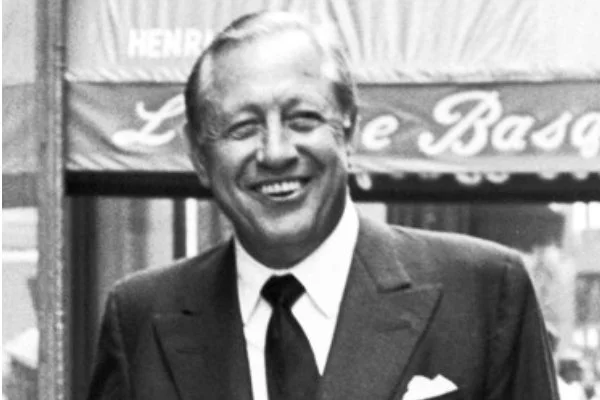
William S. Paley was the executive architect behind CBS’s transformation into a dominant force in early American television, shaping not only programming decisions but the entire strategic direction of broadcast media in the 1950s. Born in Chicago into a wealthy cigar manufacturing family, Paley’s early life was defined by privilege, but also by a disciplined education that emphasized business strategy, branding, and cultural influence. These foundations later allowed him to merge commercial ambition with creative broadcasting innovation.
Paley began his career by taking control of the family business, but his attention quickly shifted toward radio, where he recognized the emerging power of mass communication. His breakthrough came when he acquired CBS and aggressively expanded its radio network before transitioning into television in the late 1940s and early 1950s. Unlike many executives of the era, Paley viewed television not as a novelty but as the defining cultural medium of the future.
During the 1950s, Paley’s leadership style emphasized talent acquisition, programming excellence, and advertiser confidence. He was instrumental in building the careers of influential journalists and entertainers, including Edward R. Murrow and Lucille Ball. His ability to balance corporate profitability with creative experimentation allowed CBS to become the most influential network of the decade.
Paley’s legacy lies in defining television as both a cultural force and a commercial ecosystem. His decisions shaped network television’s “golden age” structure, establishing programming hierarchies, advertising models, and talent-driven branding strategies that continue to influence global broadcasting systems.
Key Facts
- Full name of the subject: William Samuel Paley
- Date of birth: 28 September 1901
- Place of birth: Chicago, Illinois, USA
- Family background: Wealthy business family (cigar industry)
- Early childhood experiences: Privileged upbringing with elite education
- Education history: Wharton School of the University of Pennsylvania
- Influences and mentors: Early radio pioneers, corporate executives
- Career beginnings: Family cigar business and CBS radio acquisition
- Major achievements: Transformation of CBS into a television powerhouse
- Challenges and obstacles faced: Competition with NBC and emerging networks
- Turning points in life: Expansion of CBS into television broadcasting
- Contributions to society: Development of modern network TV structure
- Personal life (marriage, children, relationships): Married twice
- Awards and recognitions: Industry leadership honors, broadcasting awards
- Beliefs, values, or philosophy: Entertainment as structured mass communication
- Legacy and impact: Architect of modern broadcast network systems
- Historical or cultural significance: Defined commercial television broadcasting model
Notable Works: CBS network expansion, See It Now support, I Love Lucy distribution, early television programming strategy, radio-to-TV transition systems
Controversies:
Criticism of strong corporate control over editorial decisions
Allegations of prioritizing advertiser interests over journalism
Internal disputes over creative autonomy at CBS
Competition-driven labour tensions within network expansion.
9. Steve Allen
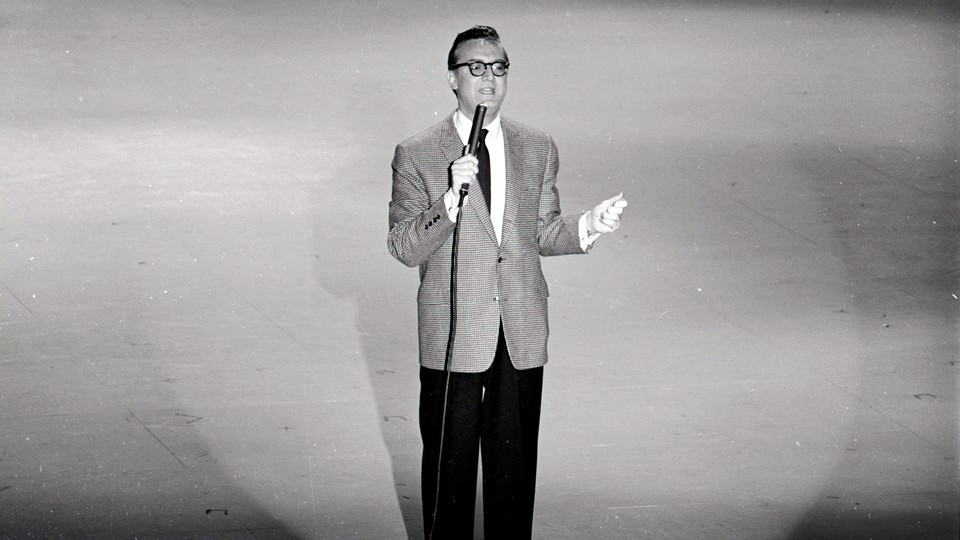
Steve Allen stands as one of the most versatile creative forces of early television, credited with shaping the modern late-night talk show format that still dominates global broadcasting. Born in New York City and raised in Chicago, Allen’s early life was immersed in performance culture through his parents’ vaudeville background, which instilled in him an instinct for improvisation, humour, and intellectual curiosity. His exposure to both music and comedy created a hybrid artistic identity that would define his television career.
Allen began his professional journey in radio before transitioning into television during its formative years. His breakthrough came with The Tonight Show, where he served as its original host and helped establish the template for late-night television. Unlike scripted variety programs of the early 1950s, Allen introduced conversational spontaneity, audience interaction, and musical improvisation.
Throughout the 1950s, Allen expanded the boundaries of television entertainment by blending satire, jazz performance, interviews, and sketch comedy into a single fluid format. His intellectual humour and willingness to experiment with format structure distinguished him from his contemporaries. He effectively transformed late-night programming into a cultural institution rather than a filler broadcast segment.
Allen’s legacy is embedded in every modern talk show format. His influence extends across decades of broadcast television, shaping the careers of hosts who followed and establishing the tonal balance between comedy, conversation, and cultural commentary.
Key Facts
- Full name of the subject: Stephen Valentine Patrick William Allen
- Date of birth: 26 December 1921
- Place of birth: New York City, New York, USA
- Family background: Vaudeville-performing family
- Early childhood experiences: Raised in performance-oriented household environments
- Education history: Arizona State Teachers College (brief attendance)
- Influences and mentors: Vaudeville comedians, jazz musicians
- Career beginnings: Radio hosting and comedy writing
- Major achievements: First host of The Tonight Show
- Challenges and obstacles faced: Adapting radio humour to the television format
- Turning points in life: National success with late-night television format
- Contributions to society: Creation of the modern talk show structure
- Personal life (marriage, children, relationships): Married twice; multiple children
- Awards and recognitions: Emmy Awards, broadcasting honours
- Beliefs, values, or philosophy: Improvisation and intellectual comedy
- Legacy and impact: Founder of modern late-night television format
- Historical or cultural significance: Defined conversational television entertainment
Notable Works: The Tonight Show, The Steve Allen Show, Comedy sketches, Musical improvisations, Game show appearances
Controversies:
Criticism for an irreverent humour style in conservative media circles
Network disagreements over format experimentation
Occasional accusations of overshadowing guests
Debate over improvisational unpredictability on live TV.
10. Frank Stanton

Frank Stanton was one of the most influential behind-the-scenes architects of television policy and broadcast ethics in the 1950s, shaping the intellectual and operational framework of CBS as television rapidly became America’s dominant cultural medium. Born in Muskegon, Michigan, Stanton developed an early interest in psychology and human behaviour, which later informed his data-driven approach to audience engagement and media responsibility.
Stanton began his career in broadcasting research rather than performance or production, which gave him a unique perspective on how audiences consumed media. His breakthrough came when he became president of CBS, where he worked closely with figures like Edward R. Murrow and William S. Paley to refine both content strategy and ethical broadcasting standards.
During the 1950s, Stanton played a critical role in balancing commercial pressures with journalistic integrity. He supported controversial but necessary programming that challenged political and social norms, including investigative journalism that tested the boundaries of broadcast regulation. His leadership emphasized scientific audience measurement and the psychological impact of televised content.
Stanton’s legacy lies in establishing television as a medium that required ethical oversight, empirical research, and long-term cultural responsibility. His influence is still evident in modern media analytics, broadcast regulation frameworks, and corporate governance structures within global television networks.
Key Facts
- Full name of the subject: Frank Nicholas Stanton
- Date of birth: 20 March 1908
- Place of birth: Muskegon, Michigan, USA
- Family background: Middle-class American upbringing
- Early childhood experiences: Interest in psychology and communication
- Education history: Ohio Wesleyan University; Ohio State University (PhD in psychology)
- Influences and mentors: Behavioral psychology pioneers, CBS executives
- Career beginnings: Broadcast research at CBS
- Major achievements: President of CBS and media policy innovator
- Challenges and obstacles faced: Balancing ethics with commercial broadcasting pressure
- Turning points in life: Appointment as CBS president
- Contributions to society: Broadcast ethics and audience research development
- Personal life (marriage, children, relationships): Married with children
- Awards and recognitions: Presidential Medal of Freedom, industry honors
- Beliefs, values, or philosophy: Data-driven ethical communication
- Legacy and impact: Established standards for broadcast responsibility
- Historical or cultural significance: Defined psychological approach to television media
Notable Works: CBS leadership reforms, broadcast research systems, television ethics frameworks, public service programming support, media policy development
Controversies:
Tensions with advertisers over controversial programming
Political scrutiny during McCarthy-era broadcasts
Debate over academic influence in commercial media
Internal CBS disagreements on editorial direction.
Notable Mentions:
Franklin J. Schaffner
Sylvester L. Weaver Jr.
David Sarnoff
Pat Weaver
Fred Coe