Top 10 Fashion Revolutionaries
Top 10 Fashion Revolutionaries
In This Content
1. COCO CHANEL
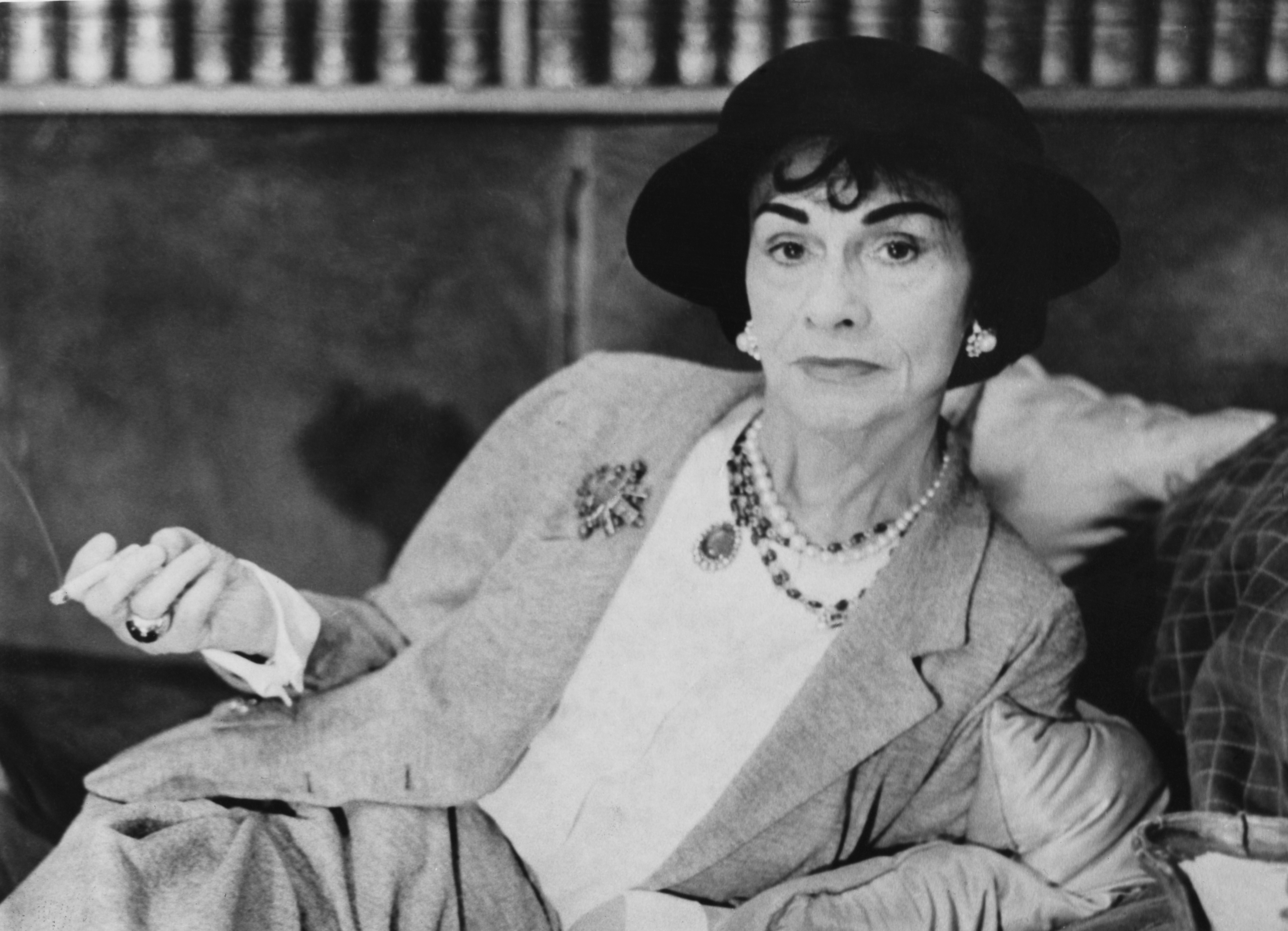
Coco Chanel emerged as one of the most transformative figures in modern fashion history, redefining women’s style from constraint to liberation. Born in 1883 in Saumur, France, she grew up in an orphanage after the death of her mother, an experience that instilled in her both resilience and a sharp awareness of social hierarchy. Her early exposure to austerity shaped her rejection of the rigid, decorative fashion norms that dominated early 20th-century Europe.
She began her career as a seamstress and cabaret performer, designing hats that quickly attracted attention from Parisian elites. Her early work reflected a minimalist instinct that stood in stark contrast to the ornate styles of the era. Chanel’s entry into fashion was not simply aesthetic it was philosophical, challenging the idea that femininity required restriction.
Her breakthrough came in the early 20th century with the introduction of comfortable, elegant silhouettes, jersey fabric suits, and the iconic Chanel No. 5 fragrance. By the 1990s, under Karl Lagerfeld’s reinterpretation of her legacy, the Chanel brand had become a global fashion empire that preserved her original ethos while modernizing its execution.
Chanel’s legacy is defined by the democratization of women’s fashion. She dismantled corseted silhouettes and replaced them with fluidity, comfort, and understated elegance, fundamentally reshaping how femininity was expressed in the modern world.
Key Facts
- Full name of the subject: Gabrielle Bonheur “Coco” Chanel
- Date of birth: 19 August 1883
- Place of birth: Saumur, France
- Family background: Poor working-class family, orphaned early
- Early childhood experiences: Raised in an orphanage after mother’s death
- Education history: Limited formal education, convent schooling
- Influences and mentors: Parisian theatre culture, aristocratic clients
- Career beginnings: Seamstress and cabaret singer
- Major achievements: Founder of the Chanel fashion house
- Challenges and obstacles faced: Poverty, social exclusion, early career limitations
- Turning points in life: Opening the first millinery shop in Paris
- Contributions to society: Revolutionized women’s fashion freedom, and comfort
- Personal life (marriage, children, relationships): Never married, complex romantic relationships
- Awards and recognitions: Global fashion legacy honors (posthumous influence)
- Beliefs, values, or philosophy: Simplicity, elegance, and functional beauty
- Legacy and impact: Redefined modern women’s fashion identity
- Historical or cultural significance: Pioneer of modern minimalist fashion
Notable Works: Chanel No. 5, Chanel suit, little black dress, tweed jacket, quilted handbag
Controversies:
Alleged wartime associations during the WWII occupation period
Criticism of elitism in later brand positioning
Disputes over biographical narratives and historical interpretations
Accusations of appropriation of design elements from contemporaries.
2. GIANNI VERSACE
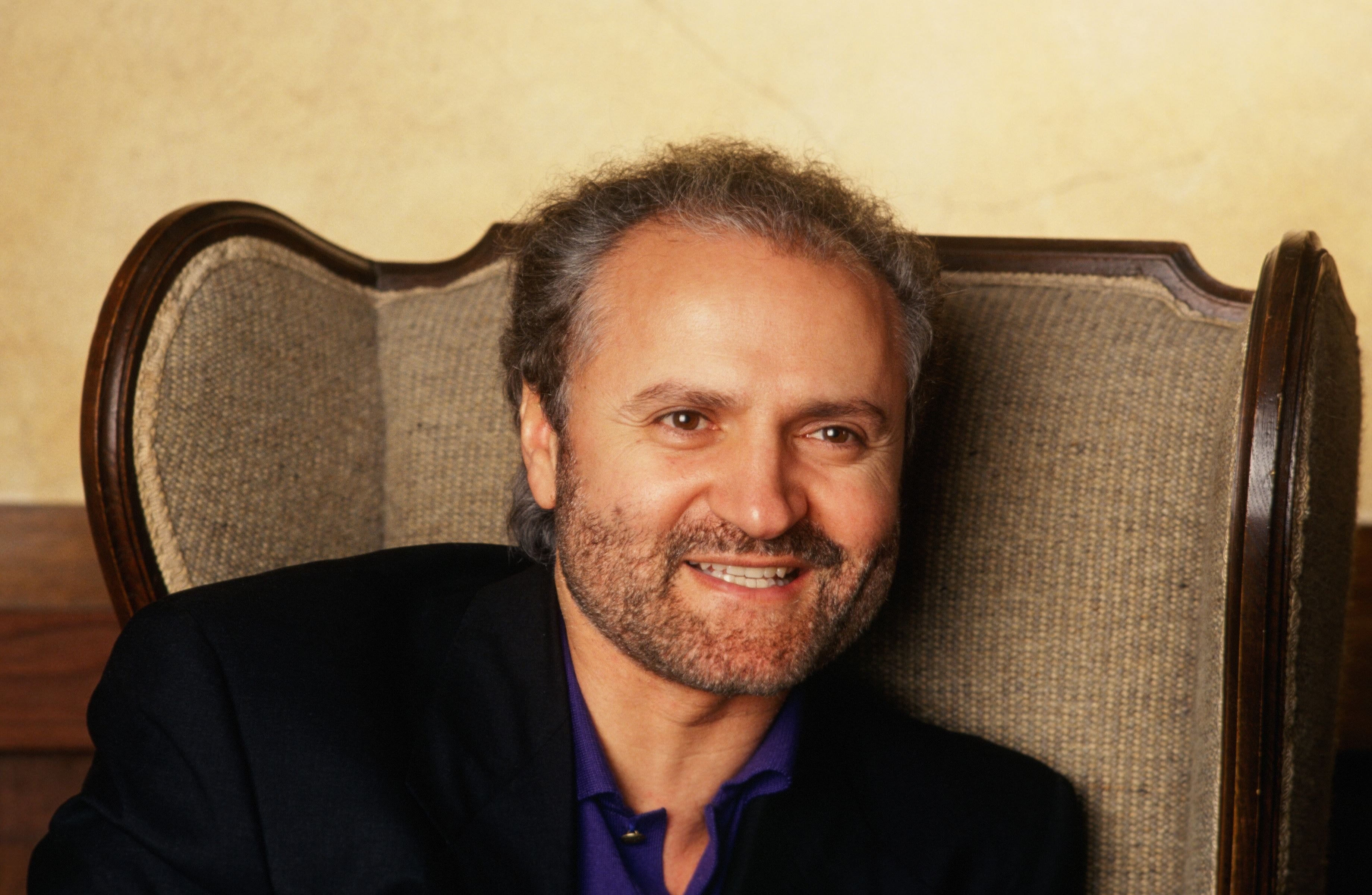
Gianni Versace redefined fashion as theatrical expression, merging art, celebrity culture, and bold sexuality into a single visual language. Born in 1946 in Reggio Calabria, Italy, he grew up in a family of dressmakers, where exposure to fabric, tailoring, and craftsmanship shaped his early creative instincts. His childhood was marked by a fascination with colour, architecture, and classical mythology, all of which later influenced his design identity.
He began his career working for his mother’s dressmaking business before moving to Milan, where he designed for established fashion houses. His early collections revealed a dramatic aesthetic that rejected restraint in favour of bold prints, metallic textures, and provocative silhouettes.
His breakthrough came in the 1980s with the establishment of the Versace brand, which quickly became synonymous with luxury excess and celebrity glamour. By the 1990s, Versace was at its peak, dominating red carpets and runway culture, dressing global icons in highly recognizable, statement-driven designs.
Versace’s legacy lies in the fusion of fashion and pop culture. He transformed clothing into spectacle and made celebrity identity integral to brand storytelling, permanently changing the relationship between fashion houses and public image.
Key Facts
- Full name of the subject: Gianni Versace
- Date of birth: 2 December 1946
- Place of birth: Reggio Calabria, Italy
- Family background: Tailoring and dressmaking family
- Early childhood experiences: Exposure to fabric design and atelier work
- Education history: Studied architecture before entering fashion
- Influences and mentors: Greek art, Roman sculpture, pop culture
- Career beginnings: Assistant designer in Italian fashion houses
- Major achievements: Founder of the Versace fashion empire
- Challenges and obstacles faced: Competition in the high-fashion Milan industry
- Turning points in life: Launch of Versace brand in 1978
- Contributions to society: Merged fashion with global pop culture identity
- Personal life (marriage, children, relationships): Long-term partnership with Antonio D’Amico
- Awards and recognitions: International fashion awards and honours
- Beliefs, values, or philosophy: Boldness, sexuality, and artistic freedom
- Legacy and impact: Redefined fashion as celebrity-driven spectacle
- Historical or cultural significance: Architect of modern luxury branding aesthetics
Notable Works: Medusa logo, safety pin dress, Baroque print collections, supermodel runway era, Atelier Versace couture line
Controversies:
Criticism for overt sexualization in fashion campaigns
Debates over luxury excess and consumerism influence
Media scrutiny over celebrity-driven marketing strategies
Industry rivalries within the Milan fashion scene.
3. YVES SAINT LAURENT
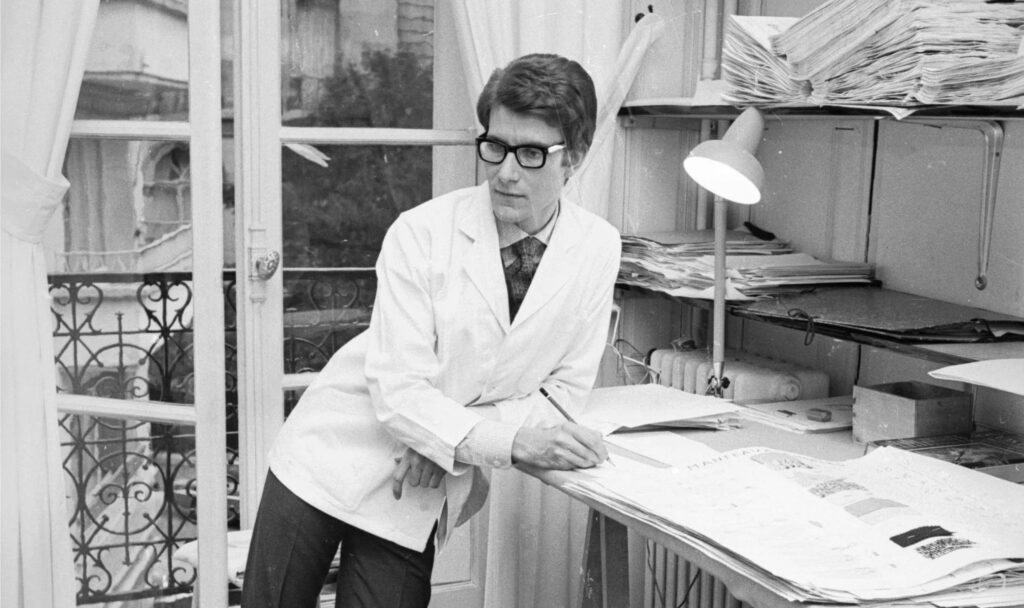
Yves Saint Laurent revolutionized modern fashion by introducing intellectual elegance and gender-fluid design concepts that reshaped global style codes. Born in 1936 in Oran, Algeria, he grew up in a culturally diverse environment that exposed him early to art, theater, and European couture influences. His early drawings of dresses reflected a precocious understanding of structure and silhouette.
He began his career as a design assistant at Dior, where he quickly gained recognition for his technical precision and creative innovation. His early exposure to haute couture craftsmanship allowed him to refine his ability to merge artistic vision with wearable design.
His breakthrough came after becoming head designer at Dior at a young age, followed by the establishment of his own label. His iconic designs, including the tuxedo suit for women (“Le Smoking”), challenged gender conventions and redefined modern elegance. By the 1990s, his brand had become a global symbol of intellectual luxury fashion.
Yves Saint Laurent’s legacy is defined by the merging of art, identity, and fashion. He elevated clothing into a medium of cultural expression, influencing how gender, power, and sophistication are visually communicated.
Key Facts
- Full name of the subject: Yves Henri Donat Mathieu-Saint-Laurent
- Date of birth: 1 August 1936
- Place of birth: Oran, French Algeria
- Family background: Middle-class Franco-Algerian family
- Early childhood experiences: Early artistic drawing and costume design interests
- Education history: Fashion training in Paris (Chambre Syndicale de la Couture)
- Influences and mentors: Christian Dior, modern art, theater design
- Career beginnings: Assistant at Dior fashion house
- Major achievements: Founder of Yves Saint Laurent fashion brand
- Challenges and obstacles faced: Early career pressure after Dior’s death
- Turning points in life: Launch of YSL brand in 1961
- Contributions to society: Pioneered gender-fluid fashion aesthetics
- Personal life (marriage, children, relationships): Long-term relationship with Pierre Bergé
- Awards and recognitions: Global couture and cultural honours
- Beliefs, values, or philosophy: Intellectual elegance and artistic freedom
- Legacy and impact: Redefined modern luxury and gender expression in fashion
- Historical or cultural significance: Pioneer of the modern women’s tailoring revolution
Notable Works: Le Smoking suit, Mondrian dress, safari jacket, peasant blouse collection, haute couture YSL line
Controversies:
Criticism for drug use during parts of a career
Debates over cultural appropriation in design inspirations
Industry rivalry tensions in Paris haute couture
Scrutiny over body image representation in runway shows
Got it. Continuing the article.
4. KARL LAGERFELD
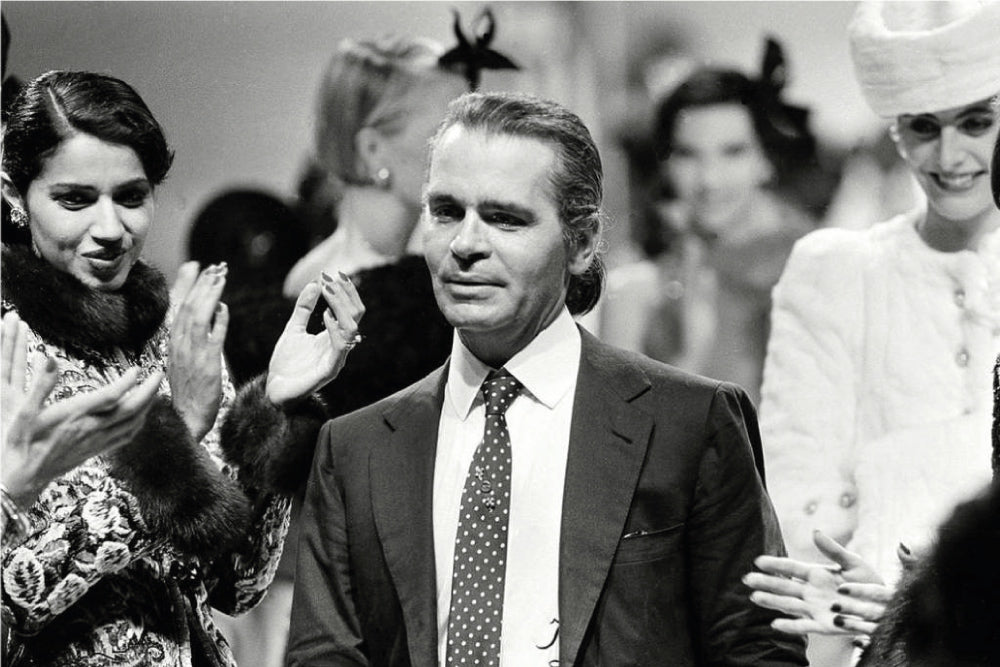
Karl Lagerfeld stands as one of the most intellectually driven and visually disciplined architects of modern fashion, a designer whose influence extended beyond clothing into the realm of cultural engineering. Born in 1933 in Hamburg, Germany, he grew up in a wealthy family that valued refinement, discipline, and intellectual curiosity. His early exposure to art, literature, and European aristocratic aesthetics shaped his lifelong obsession with precision and visual order.
He began his career in Paris after winning a design competition in the 1950s, quickly entering the world of haute couture as an assistant designer. His early professional years were marked by relentless experimentation across multiple fashion houses, where he refined his ability to adapt and reinterpret stylistic identities while maintaining his own conceptual sharpness.
His breakthrough came in the 1980s when he revitalized Chanel, a house that had lost momentum after its founder’s death. Lagerfeld reimagined its codes without abandoning its heritage, introducing bold modernity, high-contrast visuals, and a sharper silhouette language. By the 1990s, Chanel had become one of the world’s most powerful luxury brands under his creative direction.
Lagerfeld’s legacy is defined by transformation through discipline. He proved that heritage fashion could evolve without losing identity, turning Chanel into a global cultural force while simultaneously shaping Fendi and his own eponymous label into symbols of modern luxury.
Key Facts
- Full name of the subject: Karl Otto Lagerfeld
- Date of birth: 10 September 1933
- Place of birth: Hamburg, Germany
- Family background: Wealthy industrial-class family
- Early childhood experiences: Exposure to fine art, books, and European culture
- Education history: Private schooling in France
- Influences and mentors: Pierre Balmain, Christian Dior, European art tradition
- Career beginnings: Assistant designer in Paris fashion houses
- Major achievements: Creative director of Chanel and Fendi
- Challenges and obstacles faced: Rebuilding legacy brands with declining relevance
- Turning points in life: Appointment at Chanel in 1983
- Contributions to society: Modernized heritage luxury fashion houses
- Personal life (marriage, children, relationships): Never married, private personal life
- Awards and recognitions: International fashion and cultural honours
- Beliefs, values, or philosophy: Reinvention, discipline, intellectual fashion design
- Legacy and impact: Transformed legacy brands into modern global powerhouses
- Historical or cultural significance: Architect of modern luxury branding evolution
Notable Works: Chanel revitalization era, Fendi fur reinvention, Lagerfeld Collection, high-fashion photography work, couture runway redesigns
Controversies:
Criticism over outspoken remarks on body image and cultural issues
Debates on the use of fur in fashion collections
Accusations of elitism in fashion commentary
Industry disputes regarding creative ownership interpretations.
5. DONATELLA VERSACE
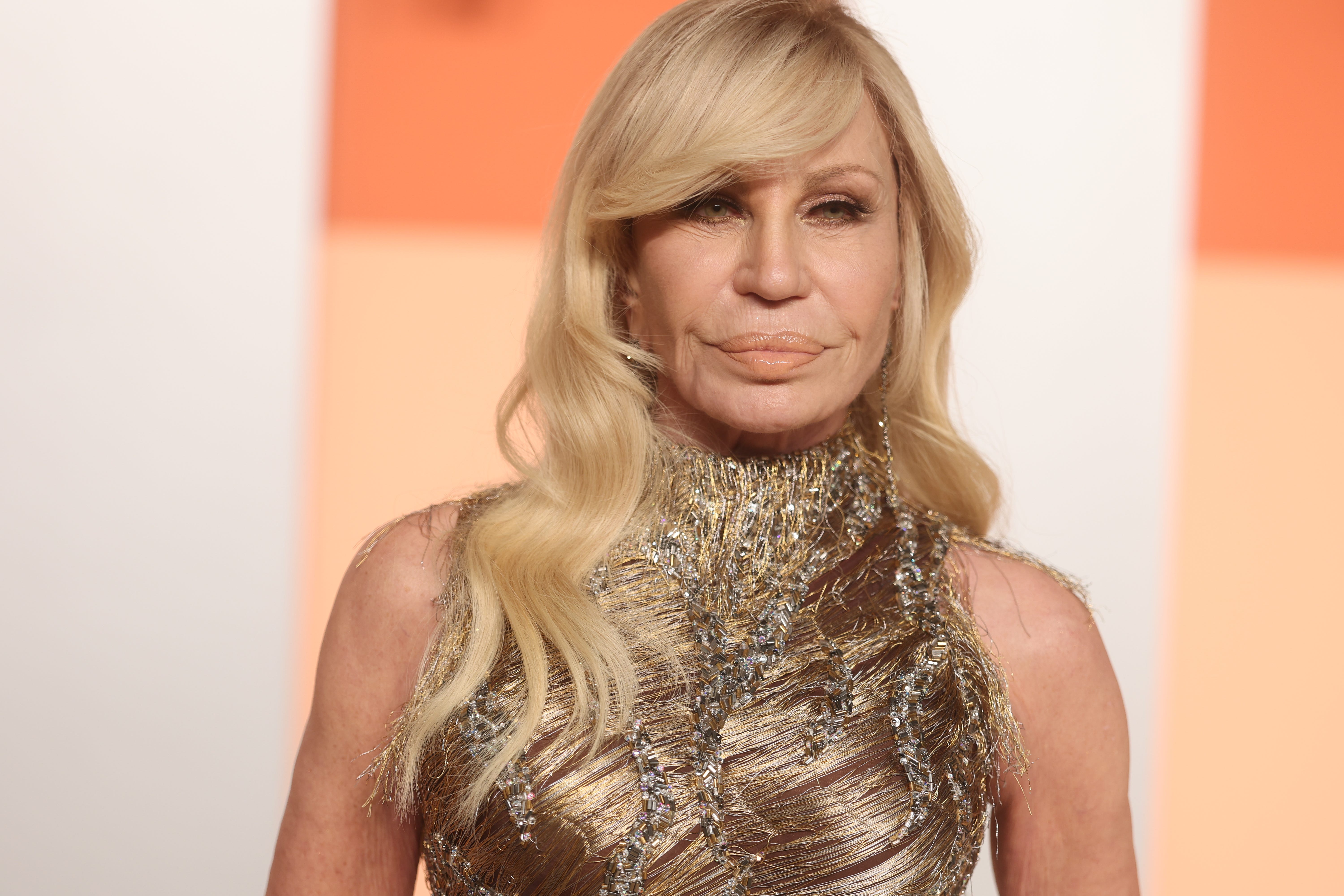
Donatella Versace emerged not only as an heir to a fashion empire but as a powerful creative force who sustained and redefined it under immense emotional and professional pressure. Born in 1955 in Reggio Calabria, Italy, she grew up in a close-knit family deeply embedded in the craft of fashion design, working closely with her brother Gianni Versace from an early age.
She began her career supporting Gianni’s expanding fashion house, initially focusing on public relations, branding, and creative collaboration. Her early influence was often behind the scenes, shaping the Versace brand’s aesthetic and celebrity-driven identity.
Her breakthrough came after the tragic death of her brother in 1997, when she assumed leadership of the Versace empire. The 1990s marked a defining transition, as she stabilized and expanded the brand during a period of intense emotional and corporate pressure, ensuring its survival in a highly competitive luxury market.
Donatella’s legacy is defined by resilience and reinvention in the face of adversity. She transformed Versace into a symbol of contemporary glamour, maintaining its bold identity while adapting it for a new global luxury audience.
Key Facts
- Full name of the subject: Donatella Francesca Versace
- Date of birth: 2 May 1955
- Place of birth: Reggio Calabria, Italy
- Family background: Fashion-oriented family (Versace house)
- Early childhood experiences: Exposure to design and tailoring environment
- Education history: Studied languages and fashion informally
- Influences and mentors: Gianni Versace, Italian couture traditions
- Career beginnings: Public relations and creative collaboration at Versace
- Major achievements: Creative director of Versace fashion house
- Challenges and obstacles faced: Leadership transition after brother’s death
- Turning points in life: Taking over Versace in 1997
- Contributions to society: Sustained global Versace brand identity
- Personal life (marriage, children, relationships): Married and divorced, mother of two
- Awards and recognitions: Global fashion leadership honors
- Beliefs, values, or philosophy: Bold glamour, emotional resilience, brand identity strength
- Legacy and impact: Preserved and evolved Versace into a modern luxury powerhouse
- Historical or cultural significance: Female leadership in global luxury fashion
Notable Works: Versace Atelier collections, celebrity red carpet styling era, Medusa branding expansion, haute couture revival, global fashion campaigns
Controversies:
Criticism over reliance on celebrity-driven branding
Debates on brand direction after Gianni Versace’s death
Scrutiny over aesthetic consistency in early leadership years
Public discussions around Versace marketing excess.
6. Miuccia Prada
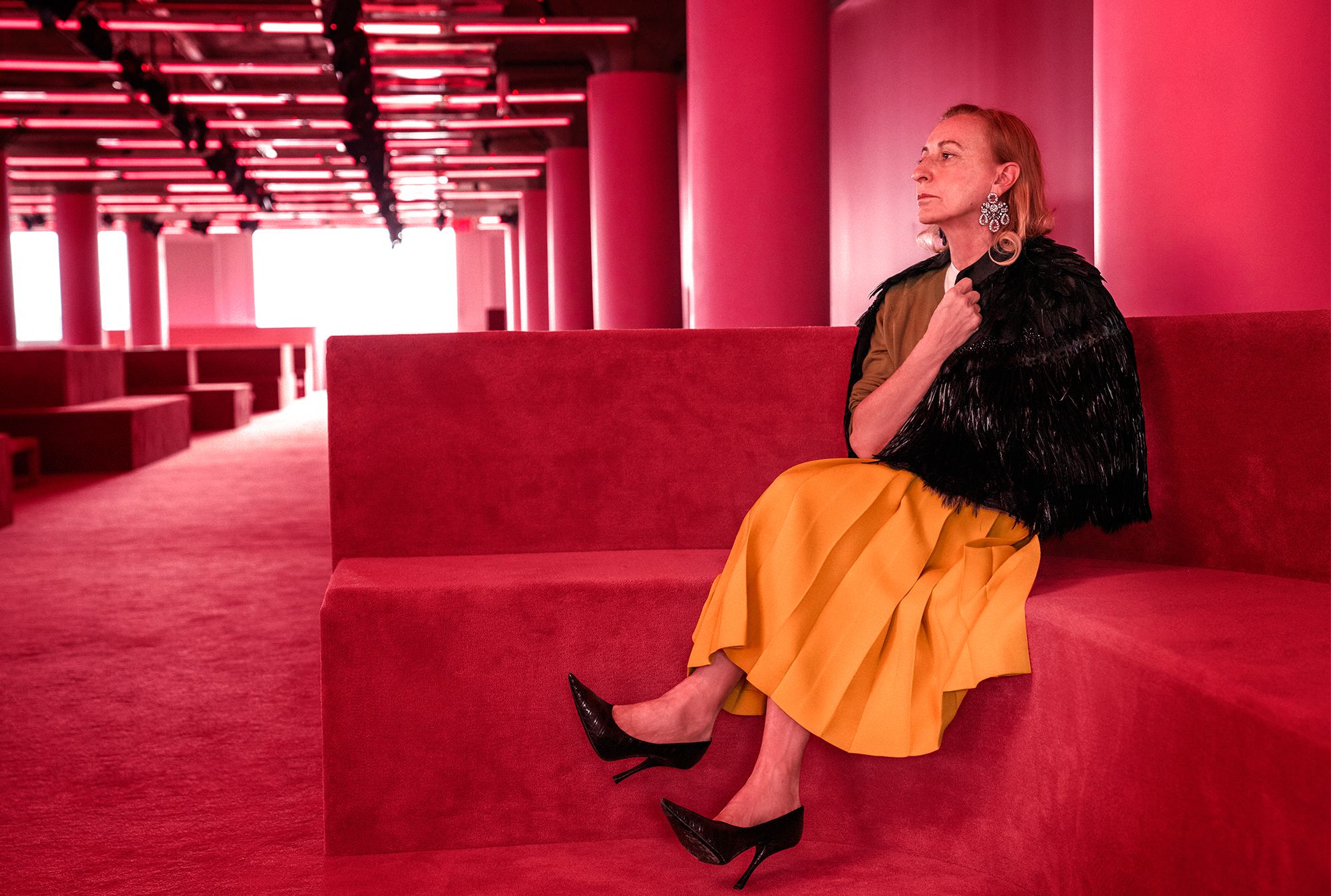
Miuccia Prada represents the intellectual edge of modern fashion, transforming Prada from a heritage leather goods company into one of the most conceptually influential luxury brands in the world. Born in 1949 in Milan, Italy, she grew up in an industrial yet culturally rich environment that exposed her to politics, art, and philosophical discourse from an early age.
She began her career in political activism and academic studies in political science before unexpectedly entering her family’s business. Her early role in Prada involved working with leather goods, where she began experimenting with minimalist design principles that would later define her aesthetic identity.
Her breakthrough came in the late 1970s and 1980s when she introduced nylon handbags and minimalist luxury designs that contradicted traditional notions of opulence. By the 1990s, Prada had become a global symbol of intellectual fashion, known for its understated yet conceptually rich design language.
Miuccia Prada’s legacy lies in redefining luxury as intellectual and conceptual rather than purely decorative. She reshaped global fashion into a dialogue between art, philosophy, and consumer identity.
Key Facts
- Full name of the subject: Miuccia Bianchi Prada
- Date of birth: 10 May 1949
- Place of birth: Milan, Italy
- Family background: Wealthy industrial fashion family
- Early childhood experiences: Exposure to political and artistic discourse
- Education history: PhD in Political Science, University of Milan
- Influences and mentors: Political theory, contemporary art, modern architecture
- Career beginnings: Designer at Prada family business
- Major achievements: Global transformation of Prada brand
- Challenges and obstacles faced: Transition from academia to fashion industry
- Turning points in life: Introduction of minimalist Prada collections
- Contributions to society: Elevated intellectual fashion design globally
- Personal life (marriage, children, relationships): Married to Patrizio Bertelli
- Awards and recognitions: International fashion leadership awards
- Beliefs, values, or philosophy: Intellectual minimalism and conceptual design
- Legacy and impact: Reframed luxury fashion as intellectual expression
- Historical or cultural significance: Pioneer of minimalist luxury movement
Notable Works: Prada nylon bag, Miu Miu brand, minimalist runway collections, Prada menswear revolution, conceptual fashion campaigns
Controversies:
Criticism over the elitist intellectual branding approach
Debates over cultural abstraction in design
Industry scrutiny of minimalist pricing strategies
Occasional disputes over aesthetic interpretation.
7. ALEXANDER McQUEEN

Alexander McQueen remains one of the most emotionally intense and theatrically innovative designers in modern fashion history. Born in 1969 in London, England, he grew up in a working-class family where early hardship shaped his raw creative energy. His early exposure to tailoring in London’s Savile Row gave him a foundation in precision craftsmanship combined with emotional storytelling.
He began his career as an apprentice tailor before studying fashion design at Central Saint Martins, where his graduate collection attracted immediate attention for its dark romanticism and technical mastery. His early work challenged conventional beauty standards and introduced fashion as performance art.
His breakthrough came in the 1990s when he became head designer at Givenchy while simultaneously building his own label. His runway shows became immersive theatrical experiences, combining technology, narrative, and emotional intensity in unprecedented ways.
McQueen’s legacy is defined by fashion as emotional expression. He transformed runway presentations into psychological and artistic performances, reshaping global expectations of what fashion could communicate.
Key Facts
- Full name of the subject: Lee Alexander McQueen
- Date of birth: 17 March 1969
- Place of birth: London, England
- Family background: Working-class London family
- Early childhood experiences: Exposure to tailoring and urban hardship
- Education history: Central Saint Martins College of Art and Design
- Influences and mentors: Savile Row tailoring, romanticism, gothic art
- Career beginnings: Apprentice tailor and independent designer
- Major achievements: Creative director of Givenchy, founder of Alexander McQueen brand
- Challenges and obstacles faced: Industry resistance to unconventional designs
- Turning points in life: Launch of first independent collection
- Contributions to society: Redefined fashion as emotional performance art
- Personal life (marriage, children, relationships): Private personal life
- Awards and recognitions: Multiple British Fashion Awards
- Beliefs, values, or philosophy: Fashion as emotional storytelling and confrontation
- Legacy and impact: Transformed runway fashion into performance art
- Historical or cultural significance: Icon of avant-garde fashion revolution
Notable Works: Highland Rape collection, Plato’s Atlantis show, Givenchy tenure, Armadillo shoes, Savage Beauty exhibition
Controversies:
Criticism over provocative runway themes
Debates about cultural references in collections
Industry scrutiny of emotional intensity in presentations
Public misunderstanding of artistic intent in early shows.
8. TOM FORD
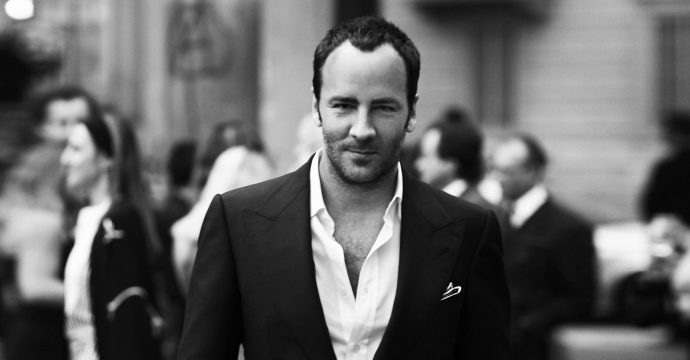
Tom Ford represents one of the most influential modern transformations in luxury fashion, redefining brand identity, sexuality, and cinematic aesthetics within global style culture. Born in 1961 in Austin, Texas, he grew up in a middle-class environment that exposed him to architecture, design, and visual storytelling from an early age. His upbringing across Texas and New Mexico shaped his appreciation for structure, space, and visual clarity.
He began his career studying architecture before shifting into fashion design, a transition that deeply influenced his precision-driven aesthetic. His early professional work included roles at Cathy Hardwick and Perry Ellis, where he developed a reputation for sharp tailoring and modern reinterpretation of classic menswear.
His breakthrough came in the 1990s when he joined Gucci as creative director during a period of brand decline. Ford’s radical reinvention of Gucci introduced provocative advertising, sleek silhouettes, and sensual minimalism, transforming the brand into one of the most powerful fashion houses in the world.
Tom Ford’s legacy lies in the fusion of fashion and cinematic storytelling. He turned luxury branding into an emotional narrative, redefining how fashion communicates desire, identity, and cultural aspiration on a global scale.
Key Facts
- Full name of the subject: Thomas Carlyle Ford
- Date of birth: 27 August 1961
- Place of birth: Austin, Texas, USA
- Family background: Middle-class American family
- Early childhood experiences: Frequent relocation and exposure to architecture
- Education history: Parsons School of Design, New York
- Influences and mentors: Architecture, European tailoring traditions, film aesthetics
- Career beginnings: Designer at Cathy Hardwick and Perry Ellis
- Major achievements: Creative director of Gucci and Yves Saint Laurent
- Challenges and obstacles faced: Reviving declining luxury brands
- Turning points in life: Appointment as Gucci creative director in the 1990s
- Contributions to society: Redefined modern luxury branding and advertising
- Personal life (marriage, children, relationships): Married with one son
- Awards and recognitions: CFDA awards, global fashion honors
- Beliefs, values, or philosophy: Sensual minimalism and cinematic luxury
- Legacy and impact: Transformed Gucci into a global fashion powerhouse
- Historical or cultural significance: Pioneer of modern luxury branding aesthetics
Notable Works: Gucci revival era collections, Yves Saint Laurent restructuring, Tom Ford brand launch, iconic fragrance line, cinematic advertising campaigns
Controversies:
Criticism of highly sexualized advertising campaigns
Debates over provocative branding strategies in fashion media
Industry tensions during the Gucci restructuring period
Public scrutiny of luxury consumerism themes.
9. ISSEY MIYAKE
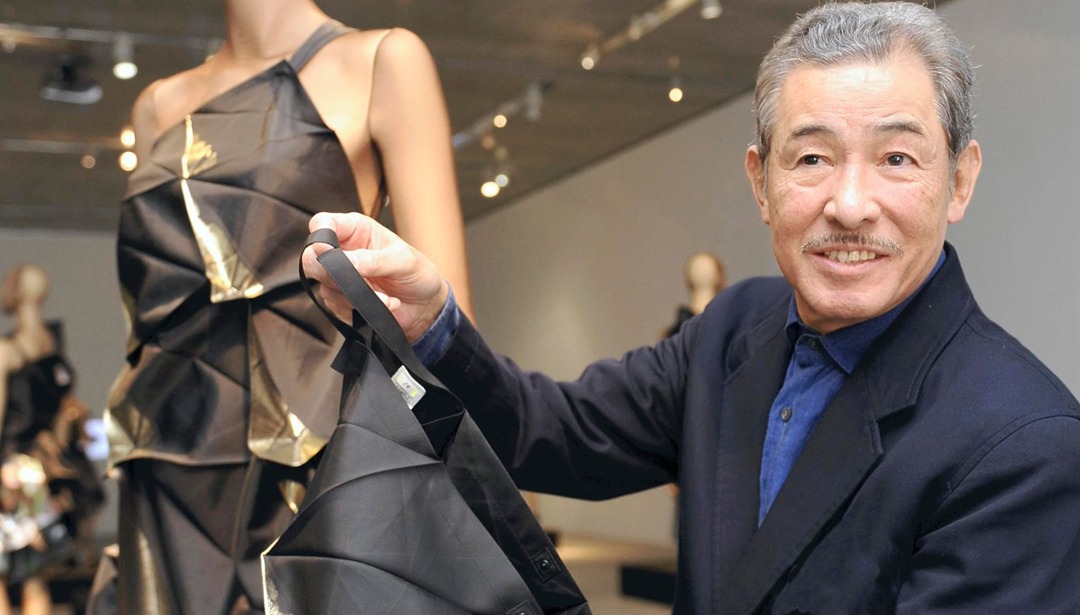
Issey Miyake stands as one of the most innovative and technologically forward-thinking designers in global fashion history, merging traditional Japanese aesthetics with modern textile engineering. Born in 1938 in Hiroshima, Japan, he experienced early life during a period of profound national transformation, with the aftermath of war deeply influencing his sensitivity to structure, resilience, and material innovation.
He began his career studying graphic design before transitioning into fashion in Paris, where he worked under leading couture houses and absorbed Western tailoring techniques. His early work already showed a distinct departure from conventional fashion norms, focusing instead on fabric behavior and movement.
His breakthrough came in the late 20th century with the introduction of pleating technology and conceptual garments that fused functionality with sculptural design. By the 1990s, Miyake had established himself as a global innovator, redefining how clothing interacts with the human body.
Issey Miyake’s legacy is defined by innovation, technology, and cultural synthesis. He transformed fashion into a field of material science and artistic experimentation, influencing designers across generations and disciplines.
Key Facts
- Full name of the subject: Issey Miyake
- Date of birth: 22 April 1938
- Place of birth: Hiroshima, Japan
- Family background: Japanese middle-class family
- Early childhood experiences: Witnessed the post-war reconstruction era
- Education history: Tama Art University, Tokyo; studied graphic design
- Influences and mentors: Japanese textile traditions, Paris couture houses
- Career beginnings: Assistant designer in the Paris fashion industry
- Major achievements: Founder of the Issey Miyake brand and pleating innovation
- Challenges and obstacles faced: Bridging Eastern and Western fashion philosophies
- Turning points in life: Development of Pleats Please technology
- Contributions to society: Advanced textile innovation and wearable technology in fashion
- Personal life (marriage, children, relationships): Private personal life
- Awards and recognitions: International design and innovation awards
- Beliefs, values, or philosophy: Harmony between body, fabric, and movement
- Legacy and impact: Pioneer of modern fashion technology integration
- Historical or cultural significance: Bridge between Japanese tradition and global fashion innovation
Notable Works: Pleats Please line, Bao Bao bag design, A-POC concept clothing, Issey Miyake Homme Plissé, experimental textile collections
Controversies:
Limited controversy history; occasional debates over commercialization of minimalist aesthetics
Industry discussions about the replication of pleating innovations
Criticism from traditional couture purists regarding non-traditional design philosophy.
10. Ralph Lauren
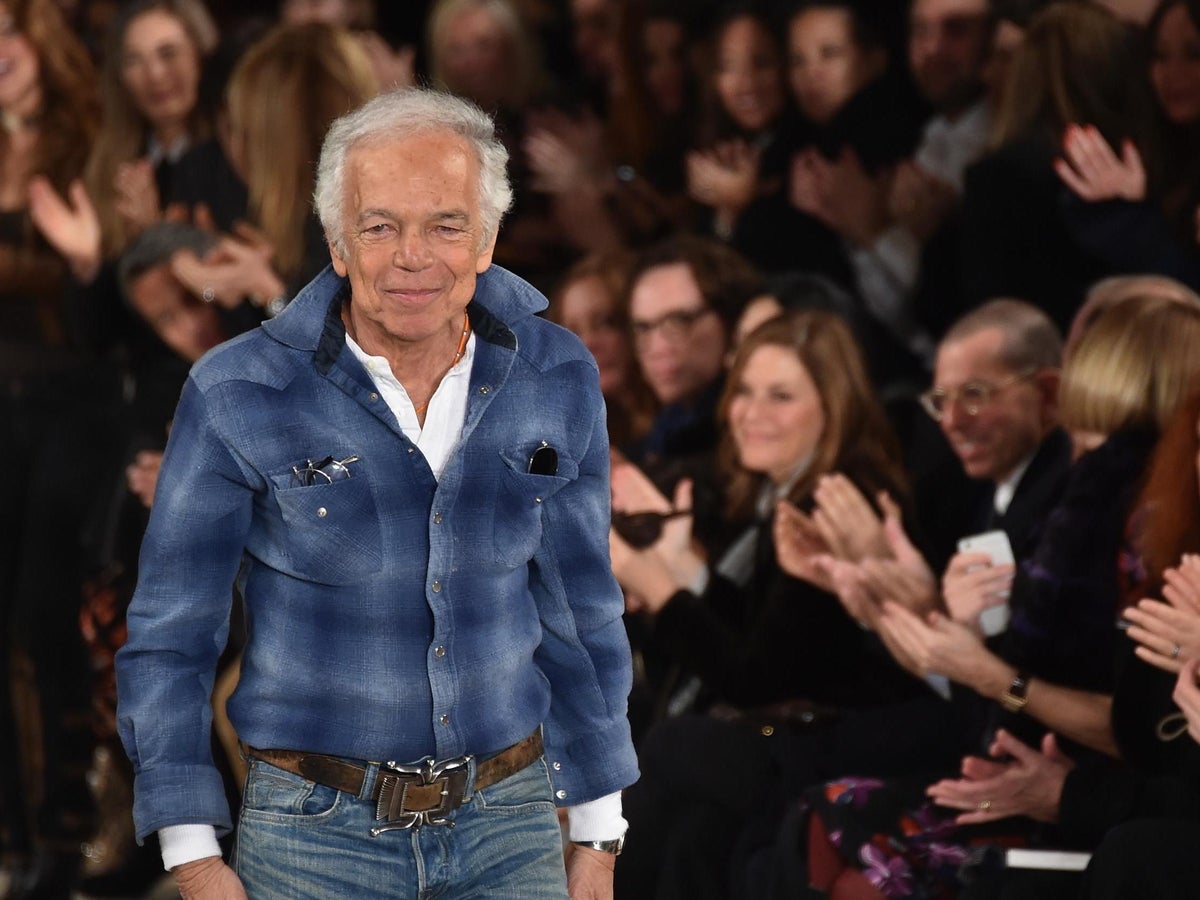
Ralph Lauren’s story is often told less as a straight rise and more as a carefully tailored reinvention of the American dream—stitched together through taste, branding instinct, and a powerful sense of identity.
Born Ralph Lifshitz on October 14, 1939, in New York City, Ralph Lauren grew up in the Bronx as the son of Jewish immigrants. His early environment was modest, shaped by post-Depression New York, where ambition often outpaced opportunity. Even as a young boy, he showed an interest in style—not just clothing itself, but the image it projected and the lifestyle it suggested.
Before entering fashion, he served in the U.S. Army and later worked in sales. It was during his time as a tie salesman for Brooks Brothers that he began to develop a sharper vision: clothing was not just fabric, but storytelling. He believed fashion could represent aspiration—an identity people could step into.
In 1967, he launched his first line of men’s ties under the name “Polo,” working out of a single drawer in the Empire State Building. The designs were bold for their time—wider, more expressive, and inspired by British aristocratic style blended with American confidence. This combination would become the foundation of his brand identity.
The growth of what became Ralph Lauren Corporation was driven not just by design, but by vision. Lauren built an entire lifestyle concept around his clothing—imagining a world of country estates, Ivy League campuses, equestrian culture, and timeless Americana. He did not simply sell clothes; he sold an idea of what life could look and feel like.
In 1968, he expanded into full menswear and later into women’s fashion, fragrances, home goods, and accessories. The Polo Ralph Lauren polo shirt, introduced in the 1970s, became one of the most iconic garments in modern fashion history, symbolizing casual luxury and accessible elegance.
Unlike many designers who focused solely on runway innovation, Lauren emphasized consistency and branding. His logo, advertising campaigns, and store designs all worked together to create a unified aesthetic universe. This approach helped transform Ralph Lauren into one of the most recognizable fashion brands in the world.
His influence grew further as the brand expanded globally, becoming synonymous with classic American style. Over time, he received numerous honours for his contributions to fashion and design, including recognition from the U.S. fashion industry for lifetime achievement.
Despite his success, Ralph Lauren’s philosophy has remained relatively simple: style is not about clothes alone, but about how those clothes make you feel. He often draws inspiration from nostalgia, film, and historical imagery, blending them into a modern luxury identity.
Today, the Ralph Lauren Corporation stands as a global fashion powerhouse, spanning multiple sub-brands and lifestyle categories.
Ralph Lauren’s legacy is not just in garments, but in imagination. He built a brand that suggests a world people aspire to—not necessarily the one they come from, but the one they want to be.
In the end, he didn’t just design fashion.
He designed an identity.