Top 10 People Who Built Empires from Poverty
Top 10 People Who Built Empires from Poverty
In This Content
1. OPRAH WINFREY
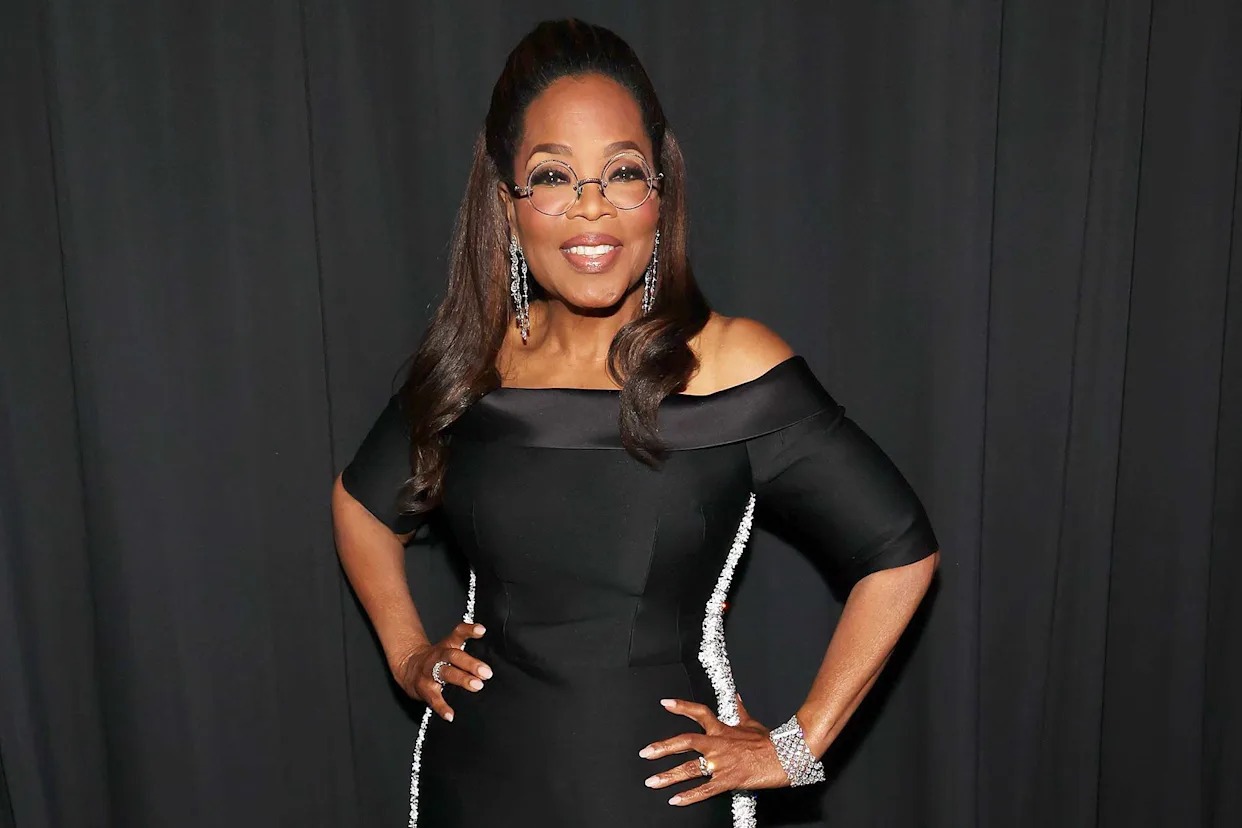
Oprah Winfrey’s rise from rural poverty in Mississippi to global media dominance stands as one of the most studied transformations in modern cultural history. Born into extreme economic hardship, she spent her early years moving between rural homes, often raised by relatives while facing instability and trauma. These formative experiences shaped her emotional intelligence and deep ability to connect with human vulnerability, an attribute that would later define her media empire.
Her early career began in local radio and television broadcasting, where her natural empathy and conversational ease distinguished her from traditional news presenters. Unlike the rigid, detached style of early television journalism, Oprah brought a deeply personal, emotionally engaged presence that redefined daytime media. Her breakthrough came with the launch of The Oprah Winfrey Show, which quickly evolved from a local program into a nationally syndicated phenomenon.
The 1990s marked her peak dominance, as she transitioned from television host to cultural authority. She built Harpo Productions, gaining full creative and financial control over her content, an unprecedented move for a woman in media at the time. Through book clubs, celebrity interviews, and socially conscious programming, she became a defining voice in shaping public discourse around trauma, healing, and personal development.
By the end of the decade, Oprah was no longer just a broadcaster; she was an institution. Her influence extended into publishing, film, and philanthropy, laying the foundation for a diversified media empire that continues to shape global culture.
Key Facts
- Full name of the subject: Oprah Gail Winfrey
- Date of birth: 29 January 1954
- Place of birth: Kosciusko, Mississippi, USA
- Family background: Born into poverty; raised in a financially unstable household
- Early childhood experiences: Experienced hardship, relocation, and emotional trauma
- Education history: Tennessee State University (Communication Studies)
- Influences and mentors: Local journalists, media executives, community educators
- Career beginnings: Radio broadcasting and local television news
- Major achievements: Creation of Harpo Productions and global syndication success
- Challenges and obstacles faced: Poverty, abuse, racial and gender barriers in media
- Turning points in life: Launch of The Oprah Winfrey Show
- Contributions to society: Philanthropy, education funding, media representation reform
- Personal life (marriage, children, relationships): Long-term partnership with Stedman Graham
- Awards and recognitions: Presidential Medal of Freedom, Emmy Awards
- Beliefs, values, or philosophy: Self-empowerment, emotional healing, and personal accountability
- Legacy and impact: Redefined modern talk television and media ownership models
- Historical or cultural significance: Pioneer of emotionally driven broadcast media
Notable Works: The Oprah Winfrey Show, Oprah’s Book Club, Beloved, OWN Network, Super Soul Sunday
Controversies:
Criticism of medical claims promoted on her platform at various points
Public backlash over certain book club selections and cultural commentary
Debates over the influence on public opinion in politics and health discussions
Most controversies were centred on influence rather than misconduct.
2. ANDREW CARNEGIE
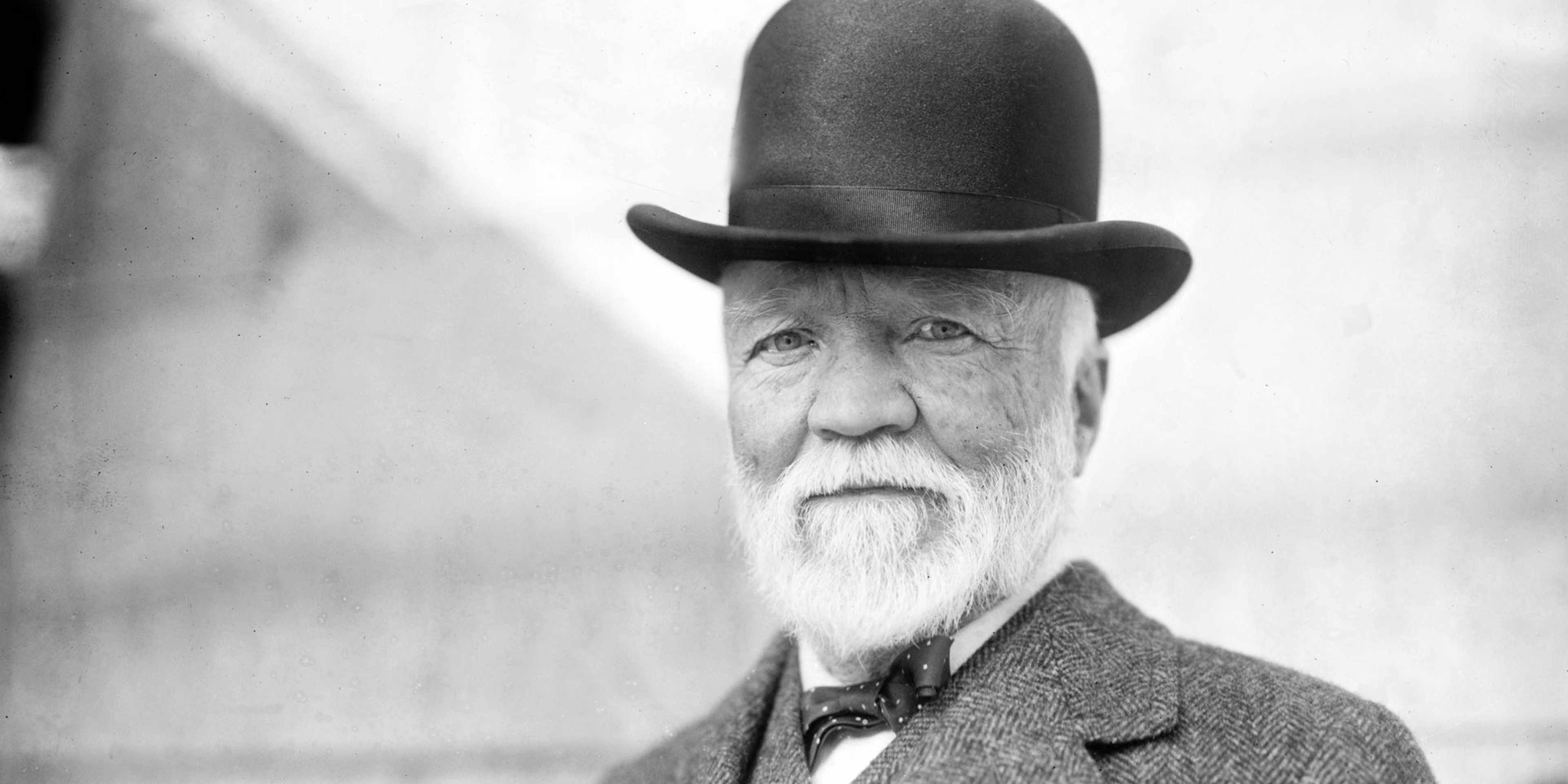
Andrew Carnegie’s journey from impoverished immigrant beginnings to industrial dominance represents one of the foundational narratives of American capitalism. Born in Scotland to a working-class family, he emigrated to the United States in search of economic survival. His early life was defined by factory labour, limited formal education, and relentless exposure to the realities of industrial labour exploitation.
Carnegie’s career began in telegraph offices and railroad administration, where his sharp analytical mind and discipline quickly distinguished him. He learned the structural mechanics of industry from the inside, eventually transitioning into investments in railroads, oil, and steel. His breakthrough came with the establishment and expansion of the Carnegie Steel Company, which revolutionized steel production efficiency and scale.
Though his peak wealth accumulation occurred in the late 19th century, his influence carried heavily into the industrial consolidation patterns that shaped the 1990s corporate economy. The eventual sale of Carnegie Steel to U.S. Steel cemented his position as one of the richest individuals in history, and his later years were dedicated to large-scale philanthropy.
Carnegie’s legacy is defined not only by industrial innovation but also by his philosophy of wealth redistribution. He argued that the wealthy had a moral obligation to distribute their fortunes for public benefit, thereby creating libraries, universities, and cultural institutions worldwide.
Key Facts
- Full name of the subject: Andrew Carnegie
- Date of birth: 25 November 1835
- Place of birth: Dunfermline, Scotland
- Family background: Poor working-class weaving family
- Early childhood experiences: Child labour in textile mills
- Education history: Limited formal schooling; self-educated through libraries
- Influences and mentors: Thomas A. Scott, American industrial leaders
- Career beginnings: Telegraph messenger and railroad secretary
- Major achievements: Expansion of Carnegie Steel Company
- Challenges and obstacles faced: Poverty, immigrant discrimination, and industrial competition
- Turning points in life: Investment in steel manufacturing
- Contributions to society: Philanthropy in education and public libraries
- Personal life (marriage, children, relationships): Married to Louise Whitfield Carnegie
- Awards and recognitions: Historical recognition as an industrial titan
- Beliefs, values, or philosophy: “Gospel of Wealth” philosophy
- Legacy and impact: Transformed modern industrial capitalism
- Historical or cultural significance: Architect of U.S. industrial expansion
Notable Works: Carnegie Steel Company legacy, Gospel of Wealth essay, Carnegie libraries worldwide, philanthropy foundations, and industrial modernization systems
Controversies:
Criticism of harsh labour conditions in Carnegie Steel factories
Homestead Strike Association and labour conflict controversies
Debate over wealth accumulation ethics during industrial expansion
Historical reassessment of labour practices in the steel industry.
3. HOWARD SCHULTZ

Howard Schultz’s rise from a working-class Brooklyn housing project to building Starbucks into a global coffee empire reflects the evolution of modern consumer capitalism. Born into financial instability, Schultz experienced firsthand the struggles of low-income urban life, which instilled in him a deep drive for upward mobility and economic transformation.
His career began in sales roles within household appliance companies, where he developed an understanding of branding and customer psychology. His breakthrough came after joining Starbucks, then a small Seattle-based coffee bean retailer. After travelling to Italy, he was inspired by European café culture and envisioned transforming Starbucks into an experiential coffeehouse brand rather than a simple retail store.
The 1990s marked Schultz’s defining expansion period. Under his leadership, Starbucks rapidly scaled across the United States and internationally, redefining coffee consumption as a daily lifestyle ritual. He pioneered employee benefit programs uncommon in retail at the time, including healthcare access for part-time workers, positioning Starbucks as both a commercial and cultural institution.
By the end of the decade, Schultz had transformed Starbucks into a symbol of globalization and modern urban identity. His model blended retail expansion with emotional branding, creating a blueprint for experiential consumer businesses worldwide.
Key Facts
- Full name of the subject: Howard Schultz
- Date of birth: 19 July 1953
- Place of birth: Brooklyn, New York, USA
- Family background: Working-class Jewish family in public housing
- Early childhood experiences: Grew up in financial hardship
- Education history: Northern Michigan University (Communications)
- Influences and mentors: Italian café culture, early Starbucks founders
- Career beginnings: Sales roles in consumer goods industry
- Major achievements: Transformation of Starbucks into global brand
- Challenges and obstacles faced: Poverty, early business skepticism
- Turning points in life: Acquisition and expansion of Starbucks leadership role
- Contributions to society: Employee welfare initiatives and economic inclusion policies
- Personal life (marriage, children, relationships): Married to Sheri Schultz
- Awards and recognitions: Business leadership awards and honorary recognitions
- Beliefs, values, or philosophy: Human-centred capitalism
- Legacy and impact: Redefined global coffee culture and retail experience
- Historical or cultural significance: Pioneer of lifestyle branding in retail
Notable Works: Starbucks global expansion model, Howard Schultz leadership strategy, Onward (memoir), U.S. presidential campaign involvement, employee benefits framework
Controversies:
Criticism over Starbucks ‘ labour union policies in later years
Debates over commercialization of coffee culture
Political backlash during public office considerations
General corporate responsibility debates in retail expansion.
4. RALPH LAUREN
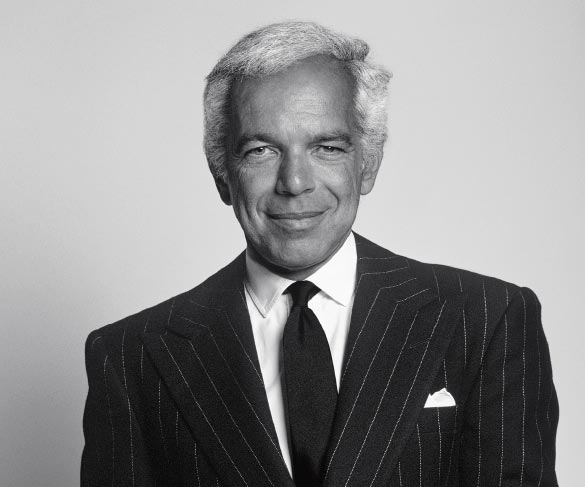
Ralph Lauren’s ascent from a modest upbringing in the Bronx to building one of the most recognizable fashion empires in the world reflects a masterclass in branding psychology and aspirational identity creation. Born Ralph Lifshitz to a working-class immigrant family, he grew up in post-war New York, defined by financial constraints and cultural density. Yet within that environment, he developed an early fascination with elegance, status, and visual storytelling elements that would later become the foundation of his empire.
Lauren’s career began in retail, working in tie sales for Brooks Brothers, where he first observed how clothing could function as a symbol of identity rather than mere utility. His breakthrough came when he launched a line of wide-neck ties under the “Polo” label, a bold deviation from traditional menswear aesthetics. This move did not merely introduce a product; it introduced a lifestyle narrative built around leisure, affluence, and American aristocratic fantasy.
The 1990s represented a period of global consolidation for Lauren’s empire. His brand expanded into full lifestyle fashion, home furnishings, fragrances, and international retail dominance. Unlike many designers focused purely on runway relevance, Lauren built a universe in which customers were not just buying clothes, but buying into a curated version of upper-class American identity.
By the end of the decade, Ralph Lauren had become synonymous with aspirational branding. His empire transcended fashion, embedding itself into global culture as a symbol of timeless wealth, refinement, and constructed identity.
Key Facts
- Full name of the subject: Ralph Lifshitz (Ralph Lauren)
- Date of birth: 14 October 1939
- Place of birth: Bronx, New York, USA
- Family background: Working-class immigrant family
- Early childhood experiences: Grew up in modest housing in New York
- Education history: Baruch College (business studies, incomplete)
- Influences and mentors: American Ivy League style, luxury European fashion houses
- Career beginnings: Tie salesman at Brooks Brothers
- Major achievements: Creation and global expansion of Polo Ralph Lauren brand
- Challenges and obstacles faced: Financial limitations, industry skepticism
- Turning points in life: Launch of Polo tie collection
- Contributions to society: Cultural influence in fashion and design
- Personal life (marriage, children, relationships): Married to Ricky Lauren
- Awards and recognitions: Council of Fashion Designers of America awards
- Beliefs, values, or philosophy: Lifestyle-driven branding and aspirational identity
- Legacy and impact: Redefined fashion as storytelling and identity construction
- Historical or cultural significance: Architect of modern luxury branding
Notable Works: Polo Ralph Lauren brand, Purple Label, Ralph Lauren Home, Polo Sport line, Fragrance empire
Controversies:
Criticism over exclusivity and elitism in fashion marketing
Labour outsourcing debates in global manufacturing
Occasional cultural appropriation critiques in fashion campaigns.
5. DOUG McMILLON

Doug McMillon’s journey from a small-town Arkansas upbringing to becoming CEO of the world’s largest retail corporation represents a modern evolution of corporate leadership rooted in operational discipline and strategic scalability. Born into a working-class family, McMillon’s early life was shaped by Midwestern values of frugality, consistency, and service orientation principles that would later define his leadership philosophy.
His career began at Walmart in entry-level roles, including unloading trucks and working in distribution centres. This ground-level exposure to retail logistics gave him an operational understanding of supply chains that few corporate executives possess. His steady rise through merchandising, procurement, and international divisions positioned him as a leader deeply embedded in the structural mechanics of retail efficiency.
The 1990s and early 2000s marked Walmart’s aggressive global expansion phase, during which McMillon played a key role in refining international operations. His leadership approach emphasized cost efficiency, supply chain integration, and digital transformation readiness. When he eventually became CEO, he inherited a company already dominant but facing disruption from e-commerce competitors.
McMillon’s legacy lies in his attempt to modernize a retail giant for the digital age. He has overseen Walmart’s transformation into an omnichannel business, balancing its traditional brick-and-mortar dominance with aggressive online expansion strategies.
Key Facts
- Full name of the subject: Douglas McMillon
- Date of birth: 17 October 1966
- Place of birth: Jonesboro, Arkansas, USA
- Family background: Working-class Southern American family
- Early childhood experiences: Small-town upbringing with strong work ethic values
- Education history: University of Arkansas (BBA), University of Tulsa (MBA)
- Influences and mentors: Walmart leadership culture, Sam Walton principles
- Career beginnings: Entry-level associate at Walmart distribution centers
- Major achievements: CEO of Walmart, global retail modernization
- Challenges and obstacles faced: Industry disruption from e-commerce competitors
- Turning points in life: Promotion into Walmart executive leadership roles
- Contributions to society: Retail employment expansion and supply chain innovation
- Personal life (marriage, children, relationships): Married with children
- Awards and recognitions: Corporate leadership and business innovation awards
- Beliefs, values, or philosophy: Efficiency, accessibility, and operational discipline
- Legacy and impact: Modernized global retail infrastructure
- Historical or cultural significance: Key figure in retail globalization
Notable Works: Walmart global expansion strategy, e-commerce transformation initiatives, supply chain optimization systems, sustainability programs, omnichannel retail model
Controversies:
Criticism over labour wages and retail worker conditions
Debates on Walmart’s impact on small businesses
Public scrutiny of global sourcing practices.
6. JAN KOUM

Jan Koum’s rise from poverty in Ukraine to co-founding WhatsApp is one of the most compelling examples of immigrant-driven technological disruption in the digital age. Born into a modest household in the Soviet Union, Koum experienced economic scarcity and political instability during his formative years. After immigrating to the United States as a teenager, he and his mother lived on food stamps, relying on public assistance while adjusting to a radically different cultural environment.
His career began at Yahoo as a systems engineer, where he developed a deep understanding of scalable infrastructure and user-focused simplicity. However, his breakthrough came when he co-founded WhatsApp, a messaging platform designed around privacy, simplicity, and global accessibility. Unlike early social networks focused on advertising and data monetization, Koum’s vision prioritized clean communication without intrusive commercial influence.
The 1990s foundation of internet culture set the stage for Koum’s later success, but his true rise came in the 2000s and early 2010s, culminating in Facebook’s acquisition of WhatsApp for billions of dollars. His approach fundamentally reshaped global communication standards, particularly in developing countries where WhatsApp became a primary communication tool.
Koum’s legacy lies in redefining digital communication through minimalism and privacy-first design principles, influencing how global messaging platforms operate today.
Key Facts
- Full name of the subject: Jan Koum
- Date of birth: 24 February 1976
- Place of birth: Kyiv, Ukraine (formerly USSR)
- Family background: Low-income household
- Early childhood experiences: Grew up during economic instability and scarcity
- Education history: San Jose State University (did not complete)
- Influences and mentors: Open-source programming communities, early internet engineers
- Career beginnings: Security testing at Yahoo
- Major achievements: Co-founding WhatsApp and global messaging revolution
- Challenges and obstacles faced: Immigration hardship and financial insecurity
- Turning points in life: Development and launch of WhatsApp
- Contributions to society: Global communication accessibility and privacy-first messaging
- Personal life (marriage, children, relationships): Private personal life
- Awards and recognitions: Tech innovation awards and industry recognition
- Beliefs, values, or philosophy: Simplicity, privacy, and user-first design
- Legacy and impact: Transformed global mobile communication systems
- Historical or cultural significance: Key architect of modern messaging culture
Notable Works: WhatsApp messaging platform, WhatsApp Business tools, end-to-end encryption system, global mobile communication model, Facebook acquisition deal
Controversies:
Debates over WhatsApp data-sharing policies post-acquisition
Concerns about privacy vs corporate ownership after Facebook takeover
Criticism of platform use in misinformation spread around some regions
7. JACK MA

Jack Ma’s transformation from a struggling English tutor in Hangzhou to the founder of Alibaba represents one of the most significant digital commerce revolutions of the modern era. Born into a modest family in post-revolutionary China, Ma grew up during a period of limited economic opportunity and rigid educational systems. His early life was marked by repeated academic rejection, including multiple failures in university entrance exams, which shaped his resilience and unconventional worldview.
Ma began his career as an English teacher, earning a modest income while developing a fascination with global trade and the internet’s emerging potential. His breakthrough came after a visit to the United States in the mid-1990s, where he first encountered the internet. Recognizing its potential before it became mainstream in China, he returned home and began building digital platforms that would eventually evolve into Alibaba.
The 1990s were pivotal for Ma’s conceptual foundation, as China’s gradual economic liberalization created space for private enterprise. Alibaba’s early years focused on connecting Chinese manufacturers with global buyers, a model that rapidly expanded into e-commerce dominance. Under Ma’s leadership, Alibaba grew into a multi-layered digital ecosystem spanning retail, finance, logistics, and cloud computing.
By the end of his rise, Jack Ma had redefined how emerging markets participate in global commerce. His empire did not merely sell products it restructured the flow of global trade through digital infrastructure.
Key Facts
- Full name of the subject: Jack Ma Yun
- Date of birth: 10 September 1964
- Place of birth: Hangzhou, Zhejiang, China
- Family background: Working-class family with modest income
- Early childhood experiences: Academic struggles and repeated exam failures
- Education history: Hangzhou Normal University (English studies)
- Influences and mentors: Western internet models, global trade systems
- Career beginnings: English teacher and translator
- Major achievements: Founding Alibaba Group and digital commerce expansion
- Challenges and obstacles faced: Early poverty, rejection from multiple jobs
- Turning points in life: Exposure to internet in the United States
- Contributions to society: Digital trade accessibility for small businesses
- Personal life (marriage, children, relationships): Married to Zhang Ying
- Awards and recognitions: Global entrepreneurship and innovation awards
- Beliefs, values, or philosophy: Persistence, adaptability, and opportunity creation
- Legacy and impact: Revolutionized global e-commerce infrastructure
- Historical or cultural significance: Pioneer of China’s digital economy boom
Notable Works: Alibaba Group, Taobao, Alipay ecosystem, Ant Financial, global SME trade platforms
Controversies:
Regulatory tensions with the Chinese government over fintech expansion
Criticism of monopoly concerns in digital commerce
Public scrutiny over corporate governance structures.
8. WALT DISNEY
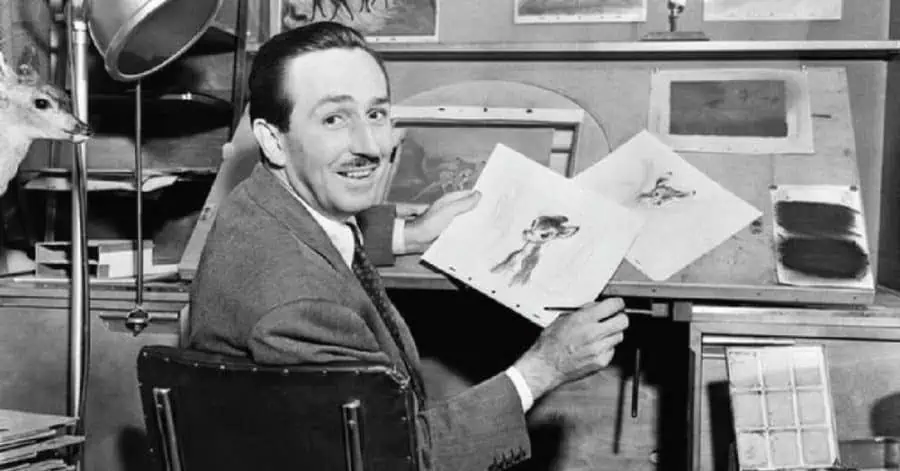
Walt Disney’s rise from a financially unstable farming family in Missouri to building one of the most powerful entertainment empires in history reflects a story of relentless creative ambition. Born into hardship, Disney’s early life was shaped by constant relocation, economic strain, and an early exposure to manual labour, including delivering newspapers to support his family.
He began his career in commercial illustration and short animated films, where he experimented with storytelling techniques that blended emotion, humour, and visual innovation. His breakthrough came with the creation of Mickey Mouse, a character that would become the foundation of a global entertainment empire. Disney’s ability to merge imagination with industrial-scale production systems set him apart from other animators of his time.
Although his peak era occurred in the mid-20th century, the 1990s represented the global expansion phase of his legacy empire, with Disney becoming a dominant force in global media, animation, and theme park culture. The company’s renaissance in animation during that period reinforced Disney’s foundational storytelling philosophy: emotionally resonant narratives delivered at scale.
Walt Disney’s legacy is defined not just by characters or films, but by the creation of a fully immersive entertainment ecosystem that reshaped global popular culture.
Key Facts
- Full name of the subject: Walter Elias Disney
- Date of birth: 5 December 1901
- Place of birth: Chicago, Illinois, USA
- Family background: Low-income farming and working-class family
- Early childhood experiences: Frequent relocations and early work responsibilities
- Education history: McKinley High School; Art studies in Kansas City
- Influences and mentors: Early animation pioneers, newspaper illustrators
- Career beginnings: Commercial illustration and short animated films
- Major achievements: Creation of Disney Studios and Mickey Mouse
- Challenges and obstacles faced: Financial instability and early business failures
- Turning points in life: The success of Mickey Mouse character
- Contributions to society: Revolutionized animation and family entertainment
- Personal life (marriage, children, relationships): Married to Lillian Disney
- Awards and recognitions: Academy Awards, Presidential Medal of Freedom
- Beliefs, values, or philosophy: Imagination as a driver of progress
- Legacy and impact: Defined the modern global entertainment industry
- Historical or cultural significance: Architect of animated storytelling culture
Notable Works: Mickey Mouse, Snow White, Disneyland, The Lion King legacy franchise, Disney Studios empire
Controversies:
Allegations of workplace labour dissatisfaction in early studios
Criticism of cultural representation in early animated works
Business monopoly concerns in the entertainment industry expansion.
9. LI KA-SHING
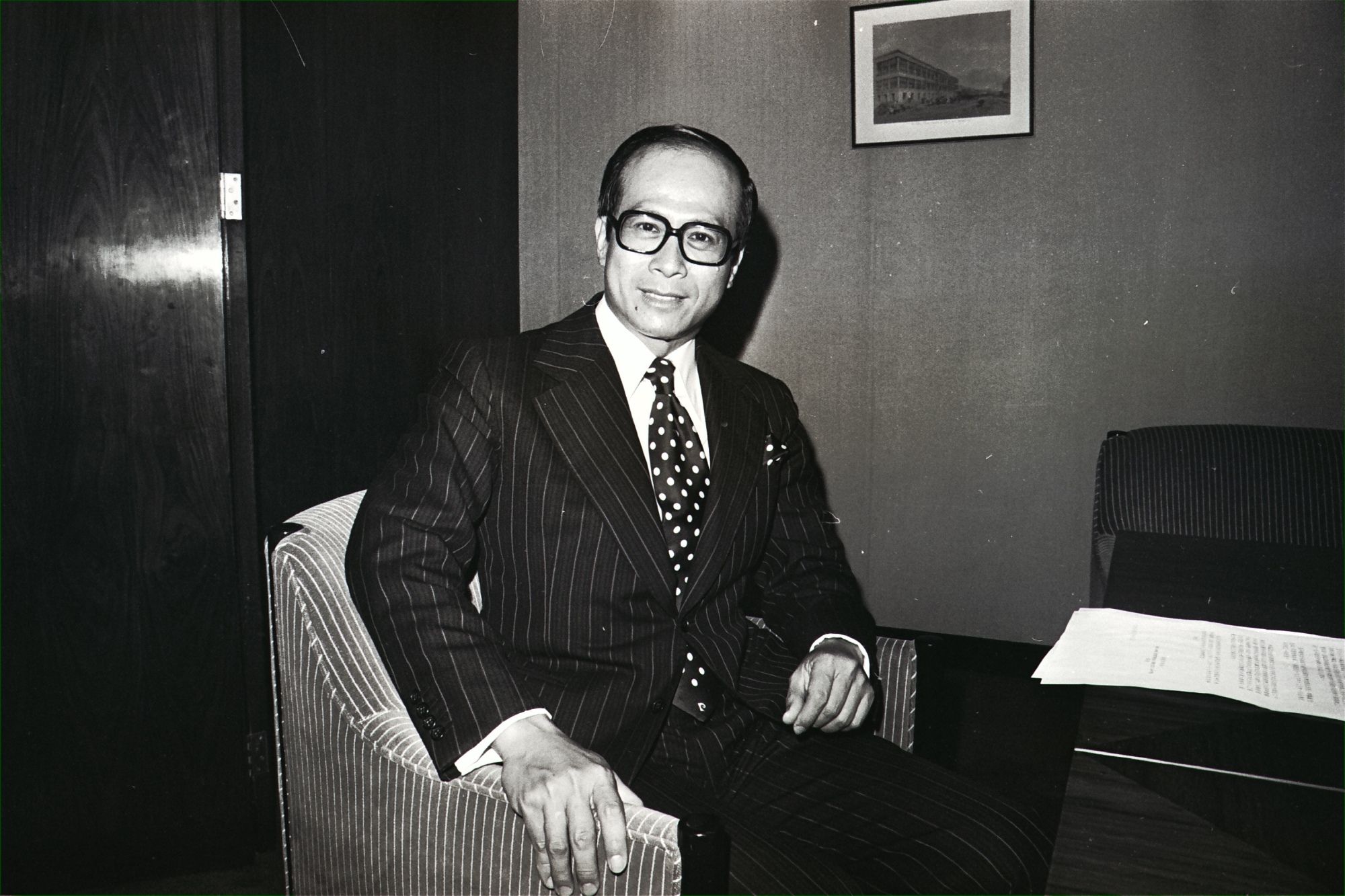
Li Ka-shing’s journey from a war-displaced child in China to becoming one of Asia’s most powerful business magnates is a defining example of resilience and strategic foresight. Born into a family affected by political instability and forced migration, Li’s early life was marked by poverty, interrupted education, and the need to enter the workforce at a very young age to support his family.
His career began in manual labour and plastics manufacturing in Hong Kong, where he developed a sharp understanding of supply chains and industrial demand. Through relentless reinvestment and disciplined expansion, he transitioned from small manufacturing operations into real estate, telecommunications, and global infrastructure investments.
While his empire solidified in the late 20th century, the 1990s marked a critical diversification phase, during which his holdings expanded globally across Europe, North America, and Asia. His strategy focused on long-term infrastructure control rather than short-term market speculation, making him one of the most influential global investors of his time.
Li Ka-shing’s legacy is defined by disciplined capitalism, strategic patience, and the transformation of post-war Asian economic potential into global financial influence.
Key Facts
- Full name of the subject: Li Ka-shing
- Date of birth: 29 July 1928
- Place of birth: Chaozhou, Guangdong, China
- Family background: Extremely poor working-class family
- Early childhood experiences: Disrupted education due to war and displacement
- Education history: Limited formal schooling; self-educated
- Influences and mentors: Post-war industrial reconstruction environment
- Career beginnings: Plastics manufacturing worker and small trader
- Major achievements: Expansion into global conglomerate operations
- Challenges and obstacles faced: War displacement and extreme poverty
- Turning points in life: Founding Cheung Kong Industries
- Contributions to society: Philanthropy in education and healthcare
- Personal life (marriage, children, relationships): Widowed; father of two sons
- Awards and recognitions: Global business leadership honours
- Beliefs, values, or philosophy: Discipline, long-term planning, humility in wealth
- Legacy and impact: One of Asia’s most influential investors
- Historical or cultural significance: Architect of modern Hong Kong capitalism
Notable Works: Cheung Kong Holdings, Hutchison Whampoa, global infrastructure investments, telecom expansion, real estate empire
Controversies:
Scrutiny over political neutrality in Hong Kong business environment
Debates on monopoly influence in infrastructure sectors
Criticism of market dominance in property development.
10. MADAM C. J. WALKER
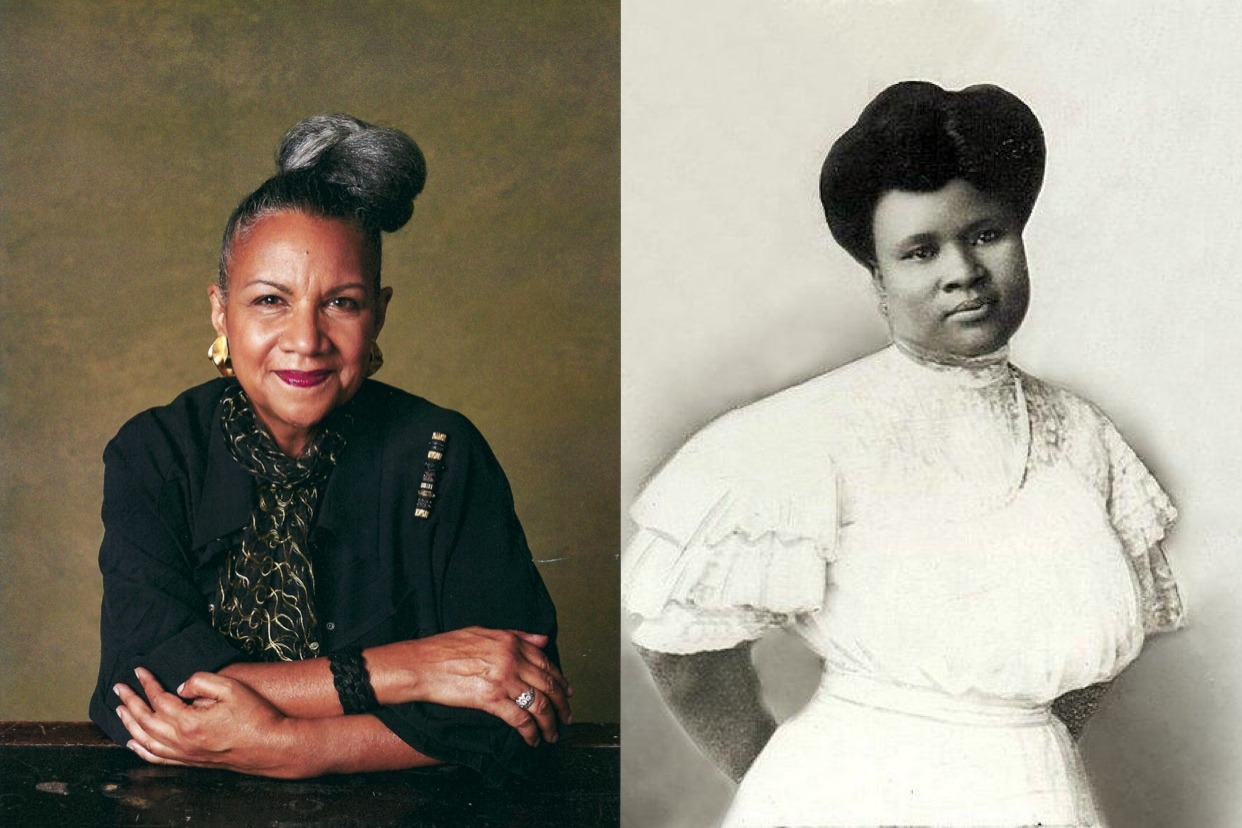
Madam C. J. Walker’s rise from poverty in the American South to becoming one of the first self-made female millionaires in U.S. history represents a foundational story in Black entrepreneurship and beauty industry innovation. Born Sarah Breedlove to formerly enslaved parents, she grew up in extreme poverty, working as a domestic laborer while suffering from scalp conditions that would later inspire her business empire.
Her career began with hair-care experimentation and door-to-door sales, where she developed a unique line of beauty products specifically designed for Black women. Her breakthrough came when she built a nationwide sales network of women agents, creating economic opportunities for thousands of Black women during an era of limited financial independence.
Although her peak influence occurred in the early 20th century, her legacy gained renewed global recognition in the 1990s and beyond as discussions of Black entrepreneurship and women-led business ecosystems expanded. Her business model became a blueprint for direct sales and grassroots economic empowerment.
Madam C. J. Walker’s legacy extends beyond beauty products; she established a framework for economic self-sufficiency, community upliftment, and early corporate social responsibility.
Key Facts
- Full name of the subject: Sarah Breedlove (Madam C. J. Walker)
- Date of birth: 23 December 1867
- Place of birth: Delta, Louisiana, USA
- Family background: Born to formerly enslaved parents in extreme poverty
- Early childhood experiences: Orphaned early and worked as a laborer
- Education history: Limited formal education
- Influences and mentors: Black women entrepreneurs and self-help networks
- Career beginnings: Door-to-door sales of hair care products
- Major achievements: Founding Madam C. J. Walker Manufacturing Company
- Challenges and obstacles faced: Racism, poverty, gender discrimination
- Turning points in life: Development of successful hair care formula
- Contributions to society: Empowerment of Black women through employment
- Personal life (marriage, children, relationships): Married to Charles Walker (later divorced)
- Awards and recognitions: Posthumous recognition as a pioneering entrepreneur
- Beliefs, values, or philosophy: Economic independence and community upliftment
- Legacy and impact: First widely recognized female self-made millionaire in U.S.
- Historical or cultural significance: Pioneer of Black female entrepreneurship
Notable Works: Walker hair care system, beauty school network, sales agent system, philanthropic foundations, early Black business networks
Controversies:
Business rivalry disputes within the early beauty industry
Limited historical documentation leading to misinterpretations of wealth claims
Debates over marketing narratives versus verified financial records.
Notable Mentions:
Elon Musk
Jay-Z
Rihanna
Strive Masiyiwa
Sergey Brin