[People Profile] All We Know About Ahmad Jannati Biography, Life, Career, Military
Ahmad Jannati Biography, Life, Career, Military
In This Content

Ahmad Jannati — Full Biography
Basic Profile
-
Full name: Ahmad Jannati
-
Born: February 23, 1927
-
Birthplace: Isfahan Province, Iran
-
Profession: Shia cleric, conservative politician
-
Key roles:
-
Chairman of the Guardian Council
-
Member (and former chairman) of the Assembly of Experts
-
He is one of the oldest and most powerful figures in Iran’s political-religious elite.
Early Life & Religious Training
-
Studied in Islamic seminaries in Qom
-
Influenced by revolutionary clerics, including
Ruhollah Khomeini
Became part of the clerical network that led the 1979 revolution
Role in the Iranian Revolution
-
Active supporter of the
Iranian Revolution -
Opposed the monarchy of the Shah
After the revolution, he quickly moved into positions of power
Rise in the Islamic Republic
Guardian Council (since the 1980s)
Jannati’s most important role:
What the Guardian Council does:
-
Approves or disqualifies election candidates
-
Reviews laws passed by parliament
-
Ensures laws align with Islamic principles
This gives Jannati massive influence over who can run for office
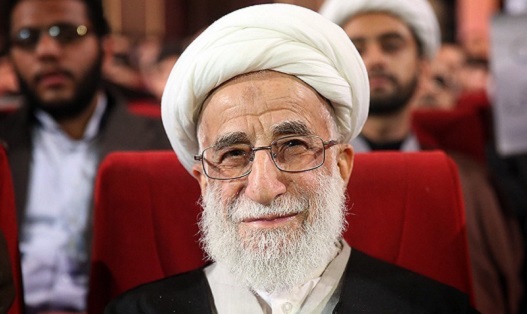
Assembly of Experts
-
Body responsible for:
-
Selecting the Supreme Leader
-
-
Jannati served as:
-
Chairman (2016–2017)
-
Meaning he had a role in overseeing the highest authority in Iran
Friday Prayer Leader (Tehran)
-
Regularly delivers sermons
-
Used as a platform to:
-
Shape public opinion
-
Reinforce ideological positions
-
Political Identity
Jannati is known as:
-
Extremely hardline conservative
-
Strongly loyal to:
-
The Supreme Leader
-
The Islamic system
-
Views include:
-
Strict enforcement of Islamic law
-
Opposition to Western influence
-
Support for limited political liberalization
Major Allegations & Controversies
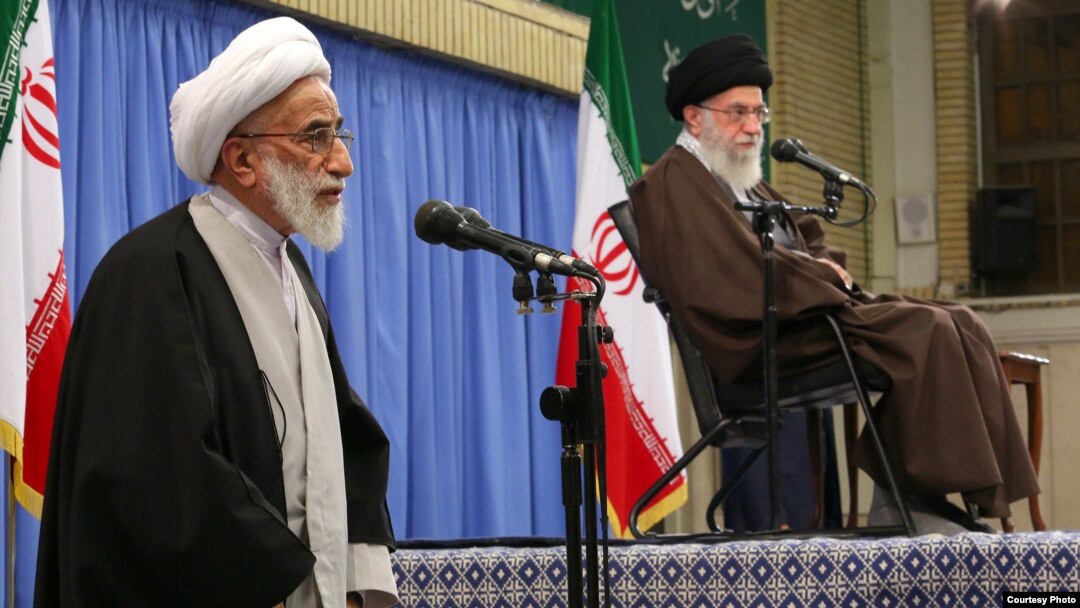
1. Election Manipulation & Candidate Disqualification
Role:
-
As head of the Guardian Council
Allegations:
-
Disqualifying:
-
Reformist candidates
-
Moderate politicians
-
Critics say this restricts democracy
Supporters say it protects the system from “unqualified” candidates
2. Role in Suppressing Reform Movements
Events:
-
2009 Iranian presidential election protests
Allegations:
-
Backed the election outcome
-
Supported suppression of protests
3. Human Rights Criticism
-
Criticized by international organizations for:
-
Supporting strict laws
-
Backing harsh punishments
-
Includes:
-
Limits on political freedoms
-
Support for judicial actions against dissent
4. International Sanctions
-
Sanctioned by:
-
United States
-
European Union
-
Reasons cited:
-
Alleged involvement in:
-
Human rights violations
-
Restricting democratic processes
-
5. Controversial Statements
Jannati is known for:
-
Strong rhetoric against:
-
Western countries
-
Opposition groups
-
His speeches often reflect hardline ideological positions
“Crimes” vs Allegations vs Reality

Important clarification:
-
Jannati has not been convicted in an international court of criminal charges
-
Most claims are:
-
Political
-
Human rights-related
-
Based on policy decisions rather than direct criminal acts
-
Exonerations / Defences
Supporters argue:
-
He operates within Iran’s legal framework
-
His actions are:
-
Constitutional under Iranian law
-
Necessary for protecting the Islamic Republic
-
From this perspective:
-
He is seen as a guardian of the revolution, not a criminal
Power & Influence
Jannati’s real power comes from:
-
Control over elections (via Guardian Council)
-
Influence over leadership selection (Assembly of Experts)
-
Religious authority
Few individuals have had such a long-term influence over Iran’s political system
Why He Matters
Ahmad Jannati represents:
-
The ideological core of the Islamic Republic
-
The system that:
-
Filters political participation
-
Maintains clerical control
-
He is less visible globally—but crucial internally
Facts;
-
Veteran cleric and revolutionary figure
-
Head of Guardian Council (controls elections)
-
Key figure in the Assembly of Experts
-
Strong hardline ideology
-
Accused of restricting political freedoms
-
Defended by supporters as the protector of the system