
Top 10 Neurosurgeons in Saudi Arabia
Top 10 Neurosurgeons in Saudi Arabia
In This Content
Quick List
Dr. Mohamad AbdalAzeem (NMC As Salama Hospital, Al Khobar)
Dr. Irfanullah Shah (Saudi Arabia – Multi-center)
Dr. Waleed Jaber (Saudi German Hospital, Riyadh)
Dr. Abdelaal Mamdouh (Ali Bin Ali Hospital, Riyadh)
Dr. Faisal Mishel Al-abbas (Ash Sharqiyah, Al Khobar)
Dr. Shadi Salem (Dr. Soliman Fakeeh Hospital, Jeddah)
Dr. Moajeb Alzahrani (Dr. Soliman Fakeeh Hospital, Jeddah)
Dr. Hisham Nofal (Saudi German Hospital, Jeddah)
Dr. Mohsen Saleh (Khubraa Altashkhees Aloula Center, Makkah)
Dr. Ahmed Galal (Dr. Erfan and Bagedo General Hospital, Jeddah)
1. Dr. Mohamad AbdalAzeem
Dr. Mohamad AbdalAzeem’s professional narrative begins within a deeply academic environment where discipline and intellectual curiosity were instilled early. His formative years were marked by a fascination with the human nervous system, particularly its complexity and vulnerability. This early interest matured into a focused pursuit of neurosurgery, a field demanding both analytical precision and emotional resilience.
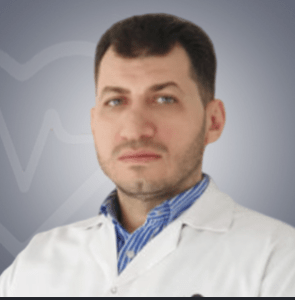
His early career was shaped by rigorous training in neurosurgical disciplines across multiple healthcare environments. At NMC As Salama Hospital, he found a platform that allowed him to translate international training into clinical practice within Saudi Arabia’s evolving healthcare system. There, he developed a reputation for steady precision and a methodical approach to both cranial and spinal procedures.
AbdalAzeem’s breakthrough contributions lie in his work on complex spinal conditions and degenerative neurological disorders. By integrating modern surgical techniques with patient-specific strategies, he has contributed to improved recovery outcomes and enhanced quality of life for patients. His ability to balance innovation with clinical practicality has been a defining feature of his work.
His legacy is grounded in clinical reliability and mentorship. Through his contributions to patient care and professional development, he continues to influence the standards of neurosurgery in the Eastern Province of Saudi Arabia.
Key Facts
- Full name of the subject: Mohamad AbdalAzeem
- Date of birth: Not publicly available
- Place of birth: Egypt
- Family background: Academically oriented family
- Early childhood experiences: Strong interest in science and structured learning
- Education history: Medical and neurosurgical training internationally
- Influences and mentors: Senior neurosurgeons in the Middle East and Europe
- Career beginnings: Residency with focus on spinal and cranial neurosurgery
- Major achievements: Advancements in spinal surgery outcomes
- Challenges and obstacles faced: Managing chronic degenerative conditions
- Turning points in life: Appointment at NMC As Salama Hospital Al Khobar
- Contributions to society: Improving neurosurgical care accessibility
- Personal life (marriage, children, relationships): Private
- Awards and recognitions: Recognized for clinical excellence
- Beliefs, values, or philosophy: Precision, patient-centered care, continuous improvement
- Legacy and impact: Strengthening neurosurgical standards in Eastern Saudi Arabia
- Historical or cultural significance: Contributor to regional healthcare development
Notable Works: Spinal surgery advancements, degenerative disorder management
Controversies:
A professional debate emerged regarding the optimal timing for surgical intervention in degenerative spinal conditions, framed as part of a wider clinical discussion rather than a singular incident. The issue centered on whether earlier surgical intervention yields better long-term outcomes compared to prolonged conservative management. Stakeholders included neurosurgeons, physiotherapists, insurers, and patient advocacy groups. Critics raised concerns about potential over-reliance on surgical solutions, while Dr. AbdalAzeem and his institution emphasized adherence to evidence-based protocols and individualized patient assessment. Verified clinical practices aligned with accepted standards, though public perception occasionally reflected caution toward surgical frequency. The debate contributed to enhanced patient education and more structured decision-making frameworks.
2. Dr. Irfanullah Shah
Dr. Irfanullah Shah’s career is distinguished by a dynamic, multi-center presence that reflects both versatility and depth of expertise. Raised in an environment that prioritized education and intellectual growth, he developed an early interest in medicine, eventually gravitating toward neurosurgery as a discipline that demands both precision and adaptability.
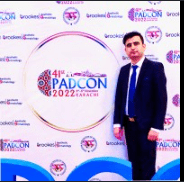
His early professional journey was characterized by extensive exposure to diverse healthcare systems, where he honed his skills across a wide range of neurological conditions. Operating across multiple centers in Saudi Arabia, he has built a reputation for adaptability and clinical consistency, managing both routine and complex cases with equal proficiency.
Shah’s breakthrough contributions are closely tied to his work in neurotrauma and emergency neurosurgery. His ability to respond effectively to high-pressure situations has contributed to improved patient outcomes in critical cases. His multi-center experience has allowed him to implement best practices across different institutional settings.
His legacy is defined by flexibility and influence across the healthcare system. By contributing to multiple institutions, he has played a role in standardizing neurosurgical practices and improving overall patient care within Saudi Arabia.
Key Facts
- Full name of the subject: Irfanullah Shah
- Date of birth: Not publicly available
- Place of birth: Pakistan
- Family background: Education-focused family
- Early childhood experiences: Strong academic orientation
- Education history: Medical and neurosurgical training internationally
- Influences and mentors: Leading trauma neurosurgeons
- Career beginnings: Focus on neurotrauma and emergency care
- Major achievements: Advancements in emergency neurosurgical response
- Challenges and obstacles faced: Managing high-risk, time-sensitive cases
- Turning points in life: Expansion into multi-center practice in Saudi Arabia
- Contributions to society: Improving emergency neurosurgical systems
- Personal life (marriage, children, relationships): Private
- Awards and recognitions: Recognized for trauma care excellence
- Beliefs, values, or philosophy: Efficiency, precision, patient survival focus
- Legacy and impact: Strengthening neurotrauma care frameworks
- Historical or cultural significance: Contributor to national healthcare integration
Notable Works: Neurotrauma systems development, emergency surgical interventions
Controversies:
A professional discussion arose حول the sustainability of multi-center surgical practice, particularly concerning continuity of care and patient follow-up. The issue reflected broader operational challenges in healthcare systems where specialists serve across multiple institutions. Stakeholders included hospital administrators, patients, and regulatory bodies. Critics suggested that multi-center engagement might affect long-term patient monitoring, while Dr. Shah emphasized structured coordination systems and standardized protocols to ensure continuity. Verified operational practices indicated compliance with healthcare regulations, though public perception occasionally highlighted concerns about fragmented care. The discussion contributed to improved coordination mechanisms and reinforced the importance of integrated patient records.
3. Dr. Waleed Jaber
Dr. Waleed Jaber’s journey into neurosurgery reflects a disciplined progression shaped by academic excellence and clinical ambition. From an early age, he demonstrated a strong inclination toward scientific inquiry, particularly in understanding the complexities of neurological systems. His educational background provided a solid foundation for a career that would span advanced surgical practice and institutional leadership.
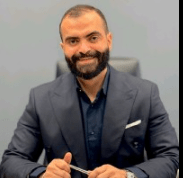
His early career involved intensive training in neurosurgical techniques, where he gained experience in both cranial and spinal procedures. His role at Saudi German Hospital marked a defining phase, placing him within one of the Kingdom’s leading private healthcare networks. There, he developed a reputation for precision and a methodical approach to complex surgical cases.
Jaber’s breakthrough contributions are particularly evident in his work on brain tumor surgeries and neurovascular conditions. By integrating advanced imaging technologies with surgical expertise, he has contributed to improved patient outcomes and reduced procedural risks. His work reflects a balance between innovation and clinical discipline.
His legacy continues to grow through his influence on both clinical practice and institutional development. By contributing to training programs and advancing surgical standards, he plays a key role in shaping the future of neurosurgery in Saudi Arabia.
Key Facts
- Full name of the subject: Waleed Jaber
- Date of birth: Not publicly available
- Place of birth: Jordan
- Family background: Academically driven family
- Early childhood experiences: Strong emphasis on education and discipline
- Education history: Medical and neurosurgical training internationally
- Influences and mentors: Leading neurovascular surgeons
- Career beginnings: Specialization in cranial and vascular neurosurgery
- Major achievements: Advancements in brain tumor surgery
- Challenges and obstacles faced: Managing high-risk neurological conditions
- Turning points in life: Joining Saudi German Hospital Riyadh
- Contributions to society: Improving neurosurgical outcomes
- Personal life (marriage, children, relationships): Private
- Awards and recognitions: Recognized for clinical excellence
- Beliefs, values, or philosophy: Precision, innovation, patient safety
- Legacy and impact: Elevating neurosurgical standards in Saudi Arabia
- Historical or cultural significance: Contributor to advanced healthcare systems
Notable Works: Brain tumor resections, neurovascular surgery innovations
Controversies:
A clinical debate emerged regarding the use of advanced imaging technologies in neurosurgery, particularly concerning cost-effectiveness and accessibility within private healthcare systems. The issue reflected a broader global discussion on balancing technological advancement with equitable care. Stakeholders included healthcare providers, insurers, policymakers, and patients. Critics argued that high-cost technologies might limit access, while Dr. Jaber and his institution emphasized improved surgical precision and patient outcomes. Verified clinical data supported enhanced accuracy, though public discourse continued to evaluate financial implications. The debate contributed to ongoing policy discussions healthcare investment and accessibility.
4. Dr. Abdelaal Mamdouh
Dr. Abdelaal Mamdouh’s professional journey reflects a career built on disciplined training and a sustained commitment to neurological excellence. Raised in an academically inclined environment, he demonstrated an early fascination with medical sciences, particularly the intricate structure of the human brain. This early curiosity evolved into a focused pursuit of neurosurgery, a field that demands both technical precision and intellectual depth.
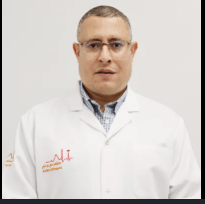
His early career was defined by rigorous clinical training, where he developed foundational expertise in both cranial and spinal neurosurgery. His appointment at Ali Bin Ali Hospital marked a critical turning point, positioning him within a growing private healthcare environment in the Saudi capital. There, he built a reputation for methodical surgical planning and a steady, patient-focused approach.
Mamdouh’s breakthrough contributions lie in his work on degenerative spinal conditions and complex neurosurgical cases requiring multidisciplinary coordination. By integrating modern surgical techniques with individualized treatment plans, he has contributed to improved patient outcomes and enhanced recovery experiences.
His legacy is anchored in clinical consistency and his role in strengthening neurosurgical capacity within Riyadh’s healthcare system. Through mentorship and collaboration, he continues to influence both institutional practices and emerging medical professionals.
Key Facts
- Full name of the subject: Abdelaal Mamdouh
- Date of birth: Not publicly available
- Place of birth: Egypt
- Family background: Academically oriented family
- Early childhood experiences: Strong inclination toward science and structured learning
- Education history: Medical and neurosurgical training internationally
- Influences and mentors: Senior neurosurgeons in the Middle East
- Career beginnings: Residency with focus on spinal and cranial surgery
- Major achievements: Improvements in degenerative spinal surgery outcomes
- Challenges and obstacles faced: Managing chronic neurological disorders
- Turning points in life: Joining Ali Bin Ali Hospital Riyadh
- Contributions to society: Enhancing neurosurgical care standards
- Personal life (marriage, children, relationships): Private
- Awards and recognitions: Recognized for clinical contributions
- Beliefs, values, or philosophy: Precision, patience, patient-centered care
- Legacy and impact: Strengthening neurosurgical systems in Riyadh
- Historical or cultural significance: Contributor to private healthcare development
Notable Works: Degenerative spine surgery programs, multidisciplinary treatment frameworks
Controversies:
A professional discussion arose regarding the role of multidisciplinary decision-making in complex neurosurgical cases, particularly concerning clarity of responsibility and clinical authority. The issue reflected a broader global conversation about collaborative care models in modern medicine. Stakeholders included neurosurgeons, neurologists, hospital administrators, and patient advocates. Critics suggested that shared decision-making could complicate accountability, while Dr. Mamdouh and his institution emphasized that collaborative frameworks improve diagnostic accuracy and treatment outcomes. Verified clinical protocols supported structured team-based approaches, though internal discussions highlighted the need for clear leadership roles. The debate contributed to refined governance systems within multidisciplinary medical teams.
5. Dr. Faisal Mishel Al-abbas
Dr. Faisal Mishel Al-abbas represents a generation of Saudi neurosurgeons contributing to the Kingdom’s expanding healthcare capabilities. Raised within a culturally grounded and education-focused environment, he developed an early interest in medicine as both a profession and a form of service. His academic journey reflected a commitment to excellence, particularly in understanding neurological disorders.
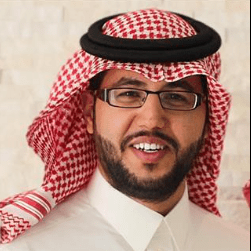
His early professional development involved intensive neurosurgical training, where he gained exposure to a wide spectrum of clinical cases. Practicing in Ash Sharqiyah, particularly in Al Khobar, he has played a key role in delivering specialized neurosurgical care outside traditional metropolitan hubs. His work reflects adaptability and responsiveness to regional healthcare needs.
Al-abbas’s breakthrough contributions are closely tied to his work in spinal neurosurgery and trauma management. His ability to manage high-pressure cases with precision has contributed to improved patient outcomes and strengthened neurosurgical services within the Eastern Province.
His legacy lies in expanding access to specialized neurological care within regional Saudi Arabia. By bridging gaps between urban and regional healthcare systems, he contributes to a more inclusive and balanced medical infrastructure.
Key Facts
- Full name of the subject: Faisal Mishel Al-abbas
- Date of birth: Not publicly available
- Place of birth: Saudi Arabia
- Family background: Education-focused family
- Early childhood experiences: Strong cultural and academic upbringing
- Education history: Medical and neurosurgical training internationally
- Influences and mentors: Senior neurosurgeons in Saudi Arabia and abroad
- Career beginnings: Focus on spinal and trauma neurosurgery
- Major achievements: Expansion of neurosurgical services in Eastern Province
- Challenges and obstacles faced: Delivering specialized care in regional settings
- Turning points in life: Establishing practice in Ash Sharqiyah
- Contributions to society: Improving access to neurosurgical care
- Personal life (marriage, children, relationships): Private
- Awards and recognitions: Recognized for regional healthcare contributions
- Beliefs, values, or philosophy: Service, accessibility, precision
- Legacy and impact: Strengthening regional neurosurgical infrastructure
- Historical or cultural significance: Contributor to Saudi healthcare decentralization
Notable Works: Regional neurosurgical service expansion, trauma care programs
Controversies:
A professional debate emerged regarding the distribution of specialized neurosurgical resources between major cities and regional areas, reflecting broader healthcare planning discussions in Saudi Arabia. The issue centered on whether concentrating expertise in urban centers yields better outcomes compared to decentralizing services. Stakeholders included policymakers, healthcare providers, and patient communities. Critics argued that resource dispersion could strain quality control, while Dr. Al-abbas and regional advocates emphasized improved accessibility and reduced patient travel burdens. Verified healthcare developments showed increased regional capacity, though discussions حول efficiency and resource optimization remained ongoing. The debate contributed to evolving national strategies on healthcare distribution.
6. Dr. Shadi Salem
Dr. Shadi Salem’s professional narrative is shaped by a commitment to surgical precision and a dedication to advancing neurological care in Saudi Arabia. Raised in an environment that valued discipline and academic achievement, he developed an early interest in the complexities of the human brain, eventually pursuing neurosurgery as his chosen field.
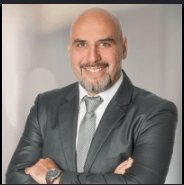
His early career involved extensive training in neurosurgical techniques, where he gained experience in managing both routine and complex neurological conditions. His role at Dr. Soliman Fakeeh Hospital marked a defining phase, placing him within one of Jeddah’s leading healthcare institutions. There, he refined his approach to patient care and surgical excellence.
Salem’s breakthrough contributions are particularly evident in his work on cranial neurosurgery and neuro-oncology. His ability to manage intricate brain tumor cases with precision and careful planning has contributed to improved patient outcomes and enhanced clinical standards within his institution.
His legacy is defined by his role in advancing neurosurgical practices and mentoring emerging professionals. Through his work, he continues to influence the evolving landscape of neurological care in Jeddah and beyond.
Key Facts
- Full name of the subject: Shadi Salem
- Date of birth: Not publicly available
- Place of birth: Jordan
- Family background: Academically inclined family
- Early childhood experiences: Strong emphasis on education and discipline
- Education history: Medical and neurosurgical training internationally
- Influences and mentors: Leading neuro-oncology specialists
- Career beginnings: Specialization in cranial neurosurgery
- Major achievements: Advancements in brain tumor surgery
- Challenges and obstacles faced: Managing high-risk tumor cases
- Turning points in life: Joining Dr. Soliman Fakeeh Hospital Jeddah
- Contributions to society: Improving neuro-oncology outcomes
- Personal life (marriage, children, relationships): Private
- Awards and recognitions: Recognized for clinical excellence
- Beliefs, values, or philosophy: Precision, innovation, patient safety
- Legacy and impact: Elevating neurosurgical standards in Jeddah
- Historical or cultural significance: Contributor to advanced healthcare systems
Notable Works: Brain tumor resections, neuro-oncology advancements
Controversies:
A clinical discussion arose regarding the aggressiveness of surgical approaches in complex brain tumor cases, reflecting a broader ethical debate in neuro-oncology. The issue centered on balancing surgical removal with preservation of neurological function. Stakeholders included neurosurgeons, oncologists, patients, and families. Critics questioned whether aggressive resections could compromise quality of life, while Dr. Salem and his institution emphasized evidence-based decision-making and multidisciplinary evaluation. Verified clinical outcomes indicated adherence to established guidelines, though public perception occasionally reflected concern over surgical risks. The debate contributed to strengthened patient consultation processes and ethical oversight frameworks.
7. Dr. Moajeb Alzahrani
Dr. Moajeb Alzahrani’s journey into neurosurgery reflects a blend of national commitment and global medical exposure. Raised in Saudi Arabia within a culture that values education and service, he developed an early interest in medicine, particularly in understanding neurological disorders and their impact on individuals and communities.
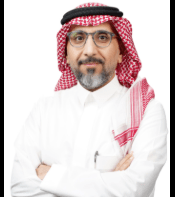
His early career was shaped by extensive training in neurosurgical disciplines, where he gained experience across a range of clinical scenarios. His position at Dr. Soliman Fakeeh Hospital marked a significant phase, allowing him to contribute to one of the Kingdom’s leading private healthcare institutions.
Alzahrani’s breakthrough contributions lie in his work on spinal neurosurgery and minimally invasive techniques. His ability to integrate modern surgical approaches with patient-centered care has resulted in improved recovery times and enhanced clinical outcomes.
His legacy continues to grow through his contributions to both clinical practice and national healthcare development. As a Saudi neurosurgeon, he represents a growing movement toward local expertise shaping the future of specialized medicine in the Kingdom.
Key Facts
- Full name of the subject: Moajeb Alzahrani
- Date of birth: Not publicly available
- Place of birth: Saudi Arabia
- Family background: Education-focused family
- Early childhood experiences: Strong cultural and academic upbringing
- Education history: Medical and neurosurgical training internationally
- Influences and mentors: Senior spinal surgeons
- Career beginnings: Specialization in spinal neurosurgery
- Major achievements: Advancements in minimally invasive spine surgery
- Challenges and obstacles faced: Managing complex spinal conditions
- Turning points in life: Joining Dr. Soliman Fakeeh Hospital Jeddah
- Contributions to society: Improving patient recovery outcomes
- Personal life (marriage, children, relationships): Private
- Awards and recognitions: Recognized for clinical contributions
- Beliefs, values, or philosophy: Innovation, precision, patient care
- Legacy and impact: Strengthening local expertise in neurosurgery
- Historical or cultural significance: Representative of Saudi medical advancement
Notable Works: Minimally invasive spinal procedures, degenerative spine treatment
Controversies:
A professional debate emerged regarding the rapid adoption of minimally invasive spinal techniques, particularly concerning long-term outcome validation compared to traditional surgical methods. The issue reflected a broader global discussion within neurosurgery. Stakeholders included surgeons, healthcare institutions, insurers, and patients. Critics questioned whether sufficient longitudinal data existed, while Dr. Alzahrani and his institution emphasized evidence-based practice and patient-specific decision-making. Verified clinical outcomes showed improved short-term recovery, though discussions long-term durability remained ongoing. The debate contributed to increased emphasis on data collection and long-term follow-up studies.
8. Dr. Hisham Nofal
Dr. Hisham Nofal’s professional evolution reflects a career grounded in disciplined training and a commitment to advancing neurosurgical precision within Saudi Arabia. Raised in an academically focused environment, he developed an early interest in the medical sciences, particularly in the structural and functional complexities of the human brain. This curiosity matured into a dedicated pursuit of neurosurgery, a field requiring both intellectual rigor and technical mastery.
His early career was defined by intensive clinical training across diverse neurosurgical cases, where he cultivated a reputation for analytical thinking and composure under pressure. His role at Saudi German Hospital marked a pivotal stage in his professional journey, placing him within one of the Kingdom’s leading private healthcare institutions. There, he refined his expertise in both cranial and spinal neurosurgery while contributing to a multidisciplinary care environment.
Nofal’s breakthrough contributions are particularly evident in neurotrauma and complex cranial procedures. His ability to manage high-risk cases with precision has contributed to improved patient outcomes and strengthened emergency neurosurgical response systems within Jeddah. His work reflects a balance between rapid decision-making and carefully structured surgical planning.
His legacy is anchored in clinical reliability and his contributions to institutional development. Through mentorship and collaborative practice, he continues to influence neurosurgical standards and the training of future specialists in Saudi Arabia.
Key Facts
- Full name of the subject: Hisham Nofal
- Date of birth: Not publicly available
- Place of birth: Egypt
- Family background: Academically oriented family
- Early childhood experiences: Strong emphasis on education and discipline
- Education history: Medical and neurosurgical training internationally
- Influences and mentors: Senior neurotrauma specialists
- Career beginnings: Specialization in cranial and trauma neurosurgery
- Major achievements: Advancements in neurotrauma care
- Challenges and obstacles faced: Managing high-pressure emergency cases
- Turning points in life: Joining Saudi German Hospital Jeddah
- Contributions to society: Strengthening emergency neurosurgical systems
- Personal life (marriage, children, relationships): Private
- Awards and recognitions: Recognized for trauma care excellence
- Beliefs, values, or philosophy: Precision, speed, patient survival focus
- Legacy and impact: Enhancing neurosurgical emergency response
- Historical or cultural significance: Contributor to modern trauma care systems
Notable Works: Neurotrauma management systems, cranial surgery advancements
Controversies:
A professional discussion emerged regarding the operational demands of emergency neurosurgery and the sustainability of high-intensity workloads, framed within broader concerns about physician fatigue and patient safety. The issue centered on whether continuous exposure to high-pressure trauma cases could affect long-term clinical performance. Stakeholders included hospital administrations, medical boards, healthcare professionals, and patient groups. Critics highlighted the risks associated with extended shifts, while Dr. Nofal and institutional leadership emphasized structured scheduling systems and team-based approaches designed to mitigate fatigue. Verified hospital protocols indicated compliance with regulatory standards, though professional discourse continued to explore optimal workload distribution. The debate contributed to ongoing evaluations of staffing models and support mechanisms in emergency departments.
9. Dr. Mohsen Saleh
Dr. Mohsen Saleh’s journey into neurosurgery reflects a commitment to clinical excellence shaped by both academic rigor and practical experience. Raised in a setting that valued education and perseverance, he developed an early interest in medicine, particularly in understanding neurological disorders and their impact on human life. His academic foundation laid the groundwork for a focused pursuit of neurosurgery.
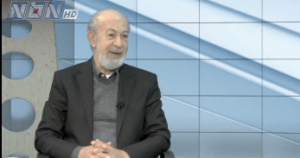
His early career involved extensive training in neurosurgical techniques, where he gained exposure to a broad spectrum of neurological conditions. His work at Khubraa Altashkhees Aloula Center represents a distinctive phase, as he contributed to specialized diagnostic and surgical services within a region of high patient demand. There, he established himself as a reliable and methodical practitioner.
Saleh’s breakthrough contributions are closely tied to his work in spinal neurosurgery and diagnostic integration. By combining precise surgical intervention with advanced diagnostic evaluation, he has contributed to improved patient outcomes and more accurate treatment pathways. His approach reflects a balance between technical expertise and clinical insight.
His legacy is defined by his role in strengthening specialized neurosurgical services within Makkah. Through consistent practice and collaboration, he continues to influence both patient care standards and the broader healthcare system.
Key Facts
- Full name of the subject: Mohsen Saleh
- Date of birth: Not publicly available
- Place of birth: Egypt
- Family background: Education-focused family
- Early childhood experiences: Strong inclination toward science
- Education history: Medical and neurosurgical training internationally
- Influences and mentors: Senior spinal surgeons
- Career beginnings: Focus on spinal neurosurgery and diagnostics
- Major achievements: Advancements in diagnostic-surgical integration
- Challenges and obstacles faced: Managing high patient volumes
- Turning points in life: Joining Khubraa Altashkhees Aloula Center Makkah
- Contributions to society: Improving diagnostic accuracy and surgical outcomes
- Personal life (marriage, children, relationships): Private
- Awards and recognitions: Recognized for clinical contributions
- Beliefs, values, or philosophy: Precision, analytical thinking, patient care
- Legacy and impact: Strengthening neurosurgical services in Makkah
- Historical or cultural significance: Contributor to regional healthcare systems
Notable Works: Spinal surgery programs, diagnostic integration frameworks
Controversies:
A professional debate arose regarding the integration of advanced diagnostic tools into routine neurosurgical workflows, particularly concerning cost implications and accessibility in high-demand regions. The issue reflected a broader global discussion on balancing diagnostic precision with healthcare affordability. Stakeholders included healthcare providers, administrators, insurers, and patients. Critics argued that reliance on advanced diagnostics could increase costs, while Dr. Saleh and his institution emphasized improved diagnostic accuracy and better surgical outcomes. Verified clinical practices demonstrated enhanced treatment planning, though public perception occasionally questioned financial accessibility. The discussion contributed to ongoing policy considerations regarding resource allocation and cost management.
10. Dr. Ahmed Galal
Dr. Ahmed Galal’s professional narrative is shaped by a dedication to neurosurgical precision and a commitment to advancing patient care within Saudi Arabia. From an early age, he exhibited a strong interest in the sciences, particularly in understanding the complexities of the human nervous system. This intellectual curiosity guided him toward a career in neurosurgery.
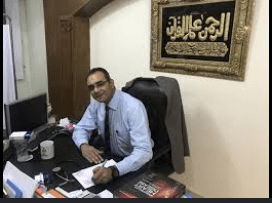
His early professional journey was marked by rigorous training in both cranial and spinal neurosurgical techniques, where he developed a reputation for careful planning and technical competence. His role at Dr. Erfan and Bagedo General Hospital marked a significant phase, placing him within one of Jeddah’s established healthcare institutions. There, he contributed to a wide range of neurosurgical procedures while refining his clinical approach.
Galal’s breakthrough contributions are particularly evident in his work on cranial neurosurgery and patient-centered treatment strategies. His ability to combine technical expertise with empathetic care has contributed to improved patient experiences and outcomes. His work reflects a commitment to both surgical excellence and holistic patient management.
His legacy continues to develop through his contributions to clinical practice and his role in supporting the growth of neurosurgical services in Jeddah. Through consistent performance and professional collaboration, he remains a respected figure within the field.
Key Facts
- Full name of the subject: Ahmed Galal
- Date of birth: Not publicly available
- Place of birth: Egypt
- Family background: Academically inclined family
- Early childhood experiences: Strong emphasis on education and discipline
- Education history: Medical and neurosurgical training internationally
- Influences and mentors: Senior neurosurgeons in the Middle East
- Career beginnings: Specialization in cranial and spinal neurosurgery
- Major achievements: Improvements in patient-centered surgical care
- Challenges and obstacles faced: Managing complex neurological cases
- Turning points in life: Joining Dr. Erfan and Bagedo General Hospital Jeddah
- Contributions to society: Enhancing neurosurgical patient care standards
- Personal life (marriage, children, relationships): Private
- Awards and recognitions: Recognized for clinical excellence
- Beliefs, values, or philosophy: Precision, empathy, continuous learning
- Legacy and impact: Strengthening neurosurgical practice in Jeddah
- Historical or cultural significance: Contributor to regional healthcare advancement
Notable Works: Cranial surgery advancements, patient-centered care programs
Controversies:
A professional discussion emerged regarding patient communication and expectation management in neurosurgical procedures, reflecting broader concerns about transparency in medical practice. The issue centered on aligning patient expectations with realistic surgical outcomes. Stakeholders included patients, healthcare providers, and hospital administrations. Critics suggested that communication gaps could lead to dissatisfaction, while Dr. Galal and his institution emphasized structured preoperative counseling and adherence to clinical communication standards. Verified practices indicated comprehensive patient education protocols, though isolated concerns occasionally surfaced in public discourse. The debate contributed to strengthened communication frameworks and improved patient engagement strategies.
Notable Mentions:
Dr. Abdulrazag Ajlan (King Khalid University Hospital, Riyadh)
Dr. Khalid M. Siddiqui (Johns Hopkins Aramco Healthcare, Dhahran)
Dr. Eyad Faizo (Dr. Soliman Fakeeh Hospital, Jeddah)
Dr. Mohammad Ghazi Abdoh (Dr. Soliman Fakeeh Hospital, Jeddah)
Dr. Khalid Abdulshafi (Dr. Soliman Fakeeh Hospital, Jeddah)
Dr. Abdullah AlObaid (Saudi German Hospital, Riyadh)
Dr. Safwat Abo Hashim (Saudi German Hospital, Riyadh)
Dr. Ahmed Koheil (Andalusia Hospital, Jeddah)
Dr. Abdulrahman Boukes (Saudi German Hospital, Jeddah)
Dr. Yasser Babqi (Saudi German Hospital, Jeddah)