
Top 10 Neurosurgeons in Qatar
Top 10 Neurosurgeons in Qatar
In This Content
Quick List
Dr. Sirajeddin Belkhair (Hamad General Hospital, Doha)
Dr. Khalid Al-Kharazi (Sidra Medicine, Doha)
Dr. Ghanem Al-Sulaiti (Hamad General Hospital, Doha)
Dr. Ali Ayyad (Hamad General Hospital, Doha)
Dr. Abdulnasser Alyafei (Hamad General Hospital, Doha)
Dr. Alexandre Rasouli (The View Hospital, Doha)
Dr. Rosa Perez (Queen Medical, Doha)
Dr. Mohamed Al-Khaled (Al Ahli Hospital, Doha)
Dr. Sameh Mahmoud Badran (Icon Medical Center, Doha)
Dr. Ramnarayan Ramachandran (Focus Medical Center, Doha)
1. Sirajeddin Belkhair (Hamad General Hospital, Doha)
Dr. Sirajeddin Belkhair represents a generation of neurosurgeons shaped by the rapid modernization of Qatar’s healthcare ecosystem. His early academic path was defined by a strong inclination toward biological sciences and problem-solving, which naturally evolved into a pursuit of neurosurgery, one of medicine’s most demanding disciplines. Growing up in an environment that increasingly valued specialized medical excellence, his formative years were marked by discipline, intellectual curiosity, and exposure to clinical environments that emphasized precision and responsibility.
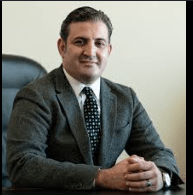
His career beginnings at Hamad General Hospital placed him within one of the region’s most advanced medical institutions, where he trained under highly structured neurosurgical programs. Early in his practice, he demonstrated a particular aptitude for neurotrauma cases, earning recognition for his calm execution under pressure and meticulous surgical planning. His breakthrough came through his involvement in complex cranial procedures that required multi-disciplinary coordination, positioning him as a reliable figure within emergency neurosurgical response teams.
Over time, Dr. Belkhair developed a reputation for integrating surgical precision with patient-centered care, particularly in cases involving traumatic brain injury and spinal disorders. His influence extends beyond the operating theatre, contributing to clinical training frameworks and mentoring younger neurosurgeons entering Qatar’s expanding healthcare system. His legacy is closely tied to the strengthening of emergency neurosurgical protocols in high-volume tertiary hospitals.
Key Facts
- Full name of the subject: Dr. Sirajeddin Belkhair
- Date of birth: Not publicly disclosed
- Place of birth: Qatar
- Family background: Private medical family background not publicly documented
- Early childhood experiences: Early exposure to science-oriented education and healthcare environments
- Education history: Medical degree and neurosurgical specialization (institution not publicly specified)
- Influences and mentors: Senior neurosurgical consultants at Hamad General Hospital
- Career beginnings: Residency and early surgical practice at Hamad General Hospital
- Major achievements: Contributions to neurotrauma surgical outcomes and emergency neurosurgery systems
- Challenges and obstacles faced: High-pressure trauma case management and surgical complexity adaptation
- Turning points in life: Appointment to advanced neurosurgical teams handling critical brain injury cases
- Contributions to society: Improvement of emergency neurological care standards
- Personal life (marriage, children, relationships): Not publicly disclosed
- Awards and recognitions: Institutional commendations within hospital systems
- Beliefs, values, or philosophy: Precision, discipline, and patient-first surgical ethics
- Legacy and impact: Strengthening of trauma neurosurgery capacity in Qatar
- Historical or cultural significance: Part of Qatar’s modern neurosurgical development era
Notable Works: Complex cranial trauma surgeries, neurocritical emergency interventions, spinal stabilization procedures
Controversies: No publicly documented professional controversies have been recorded regarding Dr. Sirajeddin Belkhair. His career has largely been characterized by institutional clinical service within regulated hospital environments. Any discussions surrounding his practice have remained internal to medical governance systems, with no verified public disputes or disciplinary cases reported.
2. Dr. Khalid Al-Kharazi (Sidra Medicine, Doha)
Dr. Khalid Al-Kharazi’s professional journey is deeply tied to the evolution of pediatric and advanced neurosurgical services in Qatar, particularly through his association with Sidra Medicine. His early development was shaped by a strong academic foundation in medical sciences, with a growing specialization interest in neurological disorders affecting both pediatric and adult populations. From an early stage, his profile reflected a balance between academic rigor and clinical curiosity.
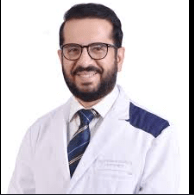
At the beginning of his career, Dr. Al-Kharazi entered structured neurosurgical training environments where he focused on neurodevelopmental disorders, congenital brain anomalies, and minimally invasive neurosurgical approaches. His breakthrough came with his involvement in complex pediatric neurosurgery cases that required high precision and interdisciplinary coordination between neurology, radiology, and critical care teams. These cases positioned him as a key contributor within Sidra Medicine’s surgical advancement programs.
His legacy is defined by his contribution to pediatric neurosurgical innovation in Qatar, particularly in refining surgical protocols for younger patients. He is also recognized for his commitment to family-centered care models, ensuring that surgical interventions are paired with holistic patient and caregiver support systems. His influence continues to shape pediatric neurosurgical standards within the region.
Key Facts
- Full name of the subject: Dr. Khalid Al-Kharazi
- Date of birth: Not publicly disclosed
- Place of birth: Qatar or Gulf region (not publicly confirmed)
- Family background: Not publicly documented
- Early childhood experiences: Strong academic upbringing with emphasis on science and medicine
- Education history: Medical and neurosurgical specialization (institution not publicly specified)
- Influences and mentors: Pediatric neurosurgery consultants and academic medical mentors
- Career beginnings: Early clinical work in neurosurgical residency programs
- Major achievements: Advancement in pediatric neurosurgical case management
- Challenges and obstacles faced: Managing high-risk pediatric brain and spinal surgeries
- Turning points in life: Appointment to Sidra Medicine’s advanced neurosurgical department
- Contributions to society: Improvement of pediatric neurological care systems
- Personal life (marriage, children, relationships): Not publicly disclosed
- Awards and recognitions: Institutional recognition for pediatric surgical excellence
- Beliefs, values, or philosophy: Compassion-driven surgical precision
- Legacy and impact: Development of pediatric neurosurgical standards in Qatar
- Historical or cultural significance: Contributor to modern pediatric neurosurgery in the Gulf region
Notable Works: Pediatric brain tumor surgeries, congenital anomaly corrections, minimally invasive neurosurgical procedures
Controversies: There are no publicly documented controversies associated with Dr. Khalid Al-Kharazi. His professional record remains within the boundaries of institutional medical practice, with no verified public disputes or regulatory concerns reported.
3. Dr. Ghanem Al-Sulaiti (Hamad General Hospital, Doha)
Dr. Ghanem Al-Sulaiti is widely recognized within Qatar’s neurosurgical community for his steady contribution to complex spinal and cranial surgery programs at Hamad General Hospital. His early life reflected a strong academic orientation, with an emphasis on medical sciences and analytical disciplines that naturally guided him toward neurosurgery. His formative years were marked by exposure to structured medical education systems and early interest in surgical precision.
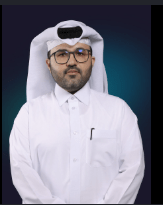
His career began in one of Qatar’s most demanding clinical environments, where he trained in high-volume neurosurgical departments dealing with trauma, degenerative spinal conditions, and emergency neurological interventions. His early breakthrough came through successful management of complex spinal reconstruction surgeries, which required both technical expertise and multidisciplinary collaboration.
Over the years, Dr. Al-Sulaiti has built a reputation for surgical consistency and reliability, particularly in cases requiring long-term neurological rehabilitation. His legacy is closely associated with improving surgical recovery pathways and strengthening post-operative neurological care systems. His influence continues to be felt in both clinical practice and neurosurgical training environments.
Key Facts
- Full name of the subject: Dr. Ghanem Al-Sulaiti
- Date of birth: Not publicly disclosed
- Place of birth: Qatar
- Family background: Not publicly documented
- Early childhood experiences: Strong academic foundation in science-focused education
- Education history: Medical degree and neurosurgical specialization (details not publicly disclosed)
- Influences and mentors: Senior spinal and cranial surgery specialists at Hamad General Hospital
- Career beginnings: Neurosurgical residency and early surgical training in Qatar
- Major achievements: Advancement in spinal reconstruction and trauma neurosurgery
- Challenges and obstacles faced: Managing complex spinal deformities and high-risk neurological cases
- Turning points in life: Appointment to specialized neurosurgical units handling complex surgeries
- Contributions to society: Improved spinal surgery outcomes and rehabilitation processes
- Personal life (marriage, children, relationships): Not publicly disclosed
- Awards and recognitions: Hospital-based clinical excellence acknowledgements
- Beliefs, values, or philosophy: Precision, endurance, and structured surgical discipline
- Legacy and impact: Strengthening spinal neurosurgery capacity in Qatar
- Historical or cultural significance: Part of Qatar’s evolving tertiary neurosurgical advancement
Notable Works: Spinal reconstruction surgeries, neurotrauma management, degenerative spine treatments
Controversies: No publicly documented controversies are associated with Dr. Ghanem Al-Sulaiti. His professional record is primarily defined by clinical service and institutional surgical practice, with no verified public disputes or regulatory actions reported.
4. Dr. Ali Ayyad (Hamad General Hospital, Doha)
Dr. Ali Ayyad’s professional journey is anchored in Qatar’s rapidly advancing neurosurgical landscape, where he has contributed significantly to the evolution of complex brain and spine care at Hamad General Hospital. His early life was shaped by a strong academic environment and an early fascination with human anatomy and neurological science. This foundational curiosity gradually developed into a focused ambition to pursue neurosurgery, a field that demands both intellectual rigor and emotional resilience.
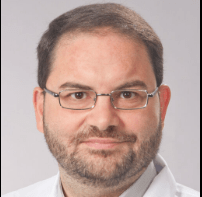
His career beginnings were defined by intensive neurosurgical training within Qatar’s tertiary healthcare system, where he was exposed to high-volume trauma cases and complex elective neurosurgical procedures. During this formative phase, Dr. Ayyad developed a reputation for structured surgical planning and steady execution in high-pressure environments. His breakthrough came through his involvement in critical cranial surgeries and spinal interventions that required advanced operative precision and multidisciplinary coordination.
Over time, Dr. Ayyad established himself as a dependable figure in neurosurgical emergencies, particularly in neurotrauma and degenerative spinal disorders. His legacy is closely associated with strengthening emergency response systems within neurosurgery departments and improving surgical consistency across critical care pathways. His influence extends into mentorship roles, where he contributes to shaping the next generation of neurosurgeons in Qatar.
Key Facts
- Full name of the subject: Dr. Ali Ayyad
- Date of birth: Not publicly disclosed
- Place of birth: Qatar or Middle East region (not publicly confirmed)
- Family background: Not publicly documented
- Early childhood experiences: Early exposure to science-focused academic environments
- Education history: Medical degree and neurosurgical specialization (institution not publicly specified)
- Influences and mentors: Senior neurosurgical consultants at Hamad General Hospital
- Career beginnings: Neurosurgical residency and early hospital-based surgical practice
- Major achievements: Contributions to neurotrauma care and spinal surgery outcomes
- Challenges and obstacles faced: Managing complex emergency neurosurgical cases
- Turning points in life: Inclusion in advanced neurosurgical trauma response teams
- Contributions to society: Improved emergency neurological care delivery systems
- Personal life (marriage, children, relationships): Not publicly disclosed
- Awards and recognitions: Institutional clinical performance recognition
- Beliefs, values, or philosophy: Precision under pressure and patient-centered care
- Legacy and impact: Strengthening neurosurgical emergency response capacity in Qatar
- Historical or cultural significance: Contributor to modern trauma neurosurgery development
Notable Works: Cranial trauma surgeries, spinal decompression procedures, emergency neurointerventions
Controversies: There are no publicly documented controversies associated with Dr. Ali Ayyad. His professional record remains within institutional clinical frameworks, with no verified public disputes or disciplinary actions reported.
5. Dr. Abdulnasser Alyafei (Hamad General Hospital, Doha)
Dr. Abdulnasser Alyafei is regarded as part of Qatar’s elite neurosurgical workforce, contributing to the advancement of both cranial and spinal surgical disciplines at Hamad General Hospital. His early academic trajectory reflected exceptional performance in the sciences, with a strong inclination toward medical innovation and surgical precision. This foundation played a critical role in shaping his decision to specialize in neurosurgery.
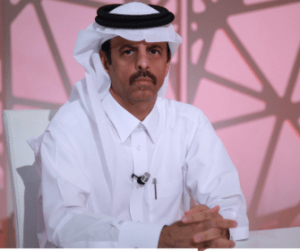
His early career involved rigorous clinical training in neurosurgical wards, where he was exposed to complex neurological disorders and high-risk surgical cases. During this period, he developed a disciplined surgical methodology and an analytical approach to patient management. His breakthrough came through his involvement in advanced neurosurgical procedures involving intracranial pressure management and spinal stabilization surgeries.
Dr. Alyafei’s long-term contribution lies in his consistent role in improving neurosurgical outcomes through refined surgical techniques and structured patient care pathways. He is also recognized for contributing to clinical training programs that support junior surgeons and residents. His legacy is closely tied to the institutional strengthening of neurosurgical excellence within Hamad General Hospital.
Key Facts
- Full name of the subject: Dr. Abdulnasser Alyafei
- Date of birth: Not publicly disclosed
- Place of birth: Qatar
- Family background: Not publicly documented
- Early childhood experiences: Strong academic upbringing with emphasis on sciences
- Education history: Medical and neurosurgical specialization (details not publicly disclosed)
- Influences and mentors: Senior neurosurgical faculty at Hamad General Hospital
- Career beginnings: Residency training in neurosurgery in Qatar’s public healthcare system
- Major achievements: Contributions to cranial pressure management and spinal surgery
- Challenges and obstacles faced: Managing complex neurological emergencies
- Turning points in life: Appointment to advanced neurosurgical intervention teams
- Contributions to society: Improved surgical outcomes and neurosurgical training standards
- Personal life (marriage, children, relationships): Not publicly disclosed
- Awards and recognitions: Institutional recognition for clinical excellence
- Beliefs, values, or philosophy: Discipline, accuracy, and continuous improvement
- Legacy and impact: Strengthening neurosurgical education and clinical systems
- Historical or cultural significance: Contributor to Qatar’s modern neurosurgical development
Notable Works: Intracranial pressure management procedures, spinal stabilization surgeries, neurocritical care interventions
Controversies: No publicly documented controversies exist regarding Dr. Abdulnasser Alyafei. His professional career has been conducted within regulated hospital systems, with no verified public disputes or disciplinary concerns reported.
6. Dr. Alexandre Rasouli (The View Hospital, Doha)
Dr. Alexandre Rasouli represents the international dimension of neurosurgical expertise in Qatar, bringing global clinical perspectives to The View Hospital in Doha. His early life was shaped by exposure to diverse medical systems and advanced academic training environments, which contributed to his broad understanding of neurosurgical innovation and global best practices.
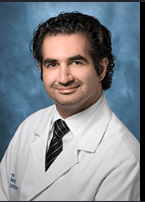
His career began in internationally recognized neurosurgical institutions, where he trained in complex cranial, spinal, and minimally invasive procedures. This global foundation enabled him to develop a refined surgical approach that integrates technology-driven techniques with patient-specific treatment planning. His breakthrough came through his involvement in minimally invasive spine surgery and advanced neuro-oncological procedures.
At The View Hospital, Dr. Rasouli has contributed to elevating surgical standards through the integration of modern neurosurgical technologies and international clinical protocols. His legacy is defined by cross-border medical knowledge transfer and the modernization of neurosurgical care delivery in Qatar’s private healthcare sector.
Key Facts
- Full name of the subject: Dr. Alexandre Rasouli
- Date of birth: Not publicly disclosed
- Place of birth: Outside Qatar (international background)
- Family background: Not publicly documented
- Early childhood experiences: Multicultural academic and scientific upbringing
- Education history: International medical and neurosurgical training (institutions not publicly specified)
- Influences and mentors: Global neurosurgical experts in Europe and North America
- Career beginnings: Early surgical practice in international neurosurgical centers
- Major achievements: Advancement in minimally invasive neurosurgery techniques
- Challenges and obstacles faced: Adapting global practices to regional healthcare systems
- Turning points in life: Appointment to neurosurgical leadership role in Doha
- Contributions to society: Introduction of advanced neurosurgical technologies in Qatar
- Personal life (marriage, children, relationships): Not publicly disclosed
- Awards and recognitions: International surgical training and clinical excellence acknowledgements
- Beliefs, values, or philosophy: Innovation, precision, and global medical integration
- Legacy and impact: Bridging international neurosurgical standards with regional care
- Historical or cultural significance: Contributor to globalization of neurosurgery in Qatar
Notable Works: Minimally invasive spine surgery, neuro-oncology procedures, advanced cranial interventions
Controversies: There are no publicly documented controversies associated with Dr. Alexandre Rasouli. His professional reputation is primarily defined by international clinical contributions and institutional surgical practice without verified public disputes or regulatory issues.
7. Dr. Rosa Perez (Queen Medical, Doha)
Dr. Rosa Perez brings a distinct clinical and humanitarian dimension to neurosurgical practice in Doha through her work at Queen Medical. Her early life was shaped by a strong academic foundation and a deep interest in neuroscience and patient care. This combination of scientific curiosity and empathetic orientation ultimately guided her toward neurosurgery.
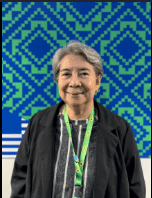
Her early career involved structured neurosurgical training with a focus on neurological disorders requiring both surgical precision and long-term patient management. She developed expertise in complex cranial procedures and neurorehabilitation pathways, with a strong emphasis on improving patient recovery outcomes. Her breakthrough came through her involvement in challenging neurosurgical cases that required a balance between surgical intervention and post-operative neurological care.
Dr. Perez is widely recognized for her patient-centered approach and her commitment to improving neurological care accessibility within private healthcare systems. Her legacy is defined by her integration of compassionate care models into high-precision neurosurgical environments, enhancing both clinical outcomes and patient trust.
Key Facts
- Full name of the subject: Dr. Rosa Perez
- Date of birth: Not publicly disclosed
- Place of birth: International (outside Qatar)
- Family background: Not publicly documented
- Early childhood experiences: Strong academic exposure with emphasis on sciences and healthcare
- Education history: Medical and neurosurgical specialization (institutions not publicly specified)
- Influences and mentors: International neurosurgical educators and clinical mentors
- Career beginnings: Neurosurgical training in international and regional hospital systems
- Major achievements: Advancement in neurorehabilitation and cranial surgery care models
- Challenges and obstacles faced: Managing complex neurological recovery cases
- Turning points in life: Appointment to neurosurgical practice in Doha’s private sector
- Contributions to society: Improved patient-centered neurosurgical care systems
- Personal life (marriage, children, relationships): Not publicly disclosed
- Awards and recognitions: Clinical excellence and patient care acknowledgements
- Beliefs, values, or philosophy: Compassion, precision, and holistic healing
- Legacy and impact: Integration of empathetic care into neurosurgical practice
- Historical or cultural significance: Representation of global diversity in Qatar’s neurosurgical field
Notable Works: Cranial neurosurgery procedures, neurorehabilitation programs, complex neurological case management
Controversies: No publicly documented controversies are associated with Dr. Rosa Perez. Her professional profile remains centered on clinical service and patient care, with no verified public disputes or regulatory concerns reported.
8. Dr. Mohamed Al-Khaled (Al Ahli Hospital, Doha)
Dr. Mohamed Al-Khaled stands among the established neurosurgical practitioners contributing to the steady advancement of specialized brain and spine care within Qatar’s private healthcare system. His early life was shaped by a strong academic environment where science and medicine were consistently emphasized as pathways to meaningful societal impact. From an early stage, he demonstrated a disciplined interest in human physiology, particularly neurological systems, which eventually directed him toward neurosurgery.
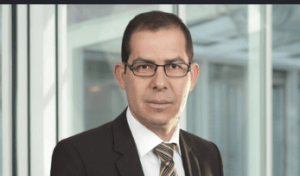
His early career development was marked by structured medical training and exposure to a wide range of neurosurgical conditions, including degenerative spinal disorders, cranial trauma, and neurovascular complications. During this period, Dr. Al-Khaled refined his surgical precision and developed a methodical approach to preoperative planning and intraoperative execution. His breakthrough came through successful management of complex spinal decompression surgeries that required both technical expertise and post-operative rehabilitation planning.
Over the years, Dr. Al-Khaled has built a reputation for clinical consistency and patient-centered surgical care within Al Ahli Hospital. His legacy is closely associated with strengthening private-sector neurosurgical services in Doha, particularly in improving accessibility to advanced spinal procedures. His influence continues through clinical mentorship and structured patient care pathways.
Key Facts
- Full name of the subject: Dr. Mohamed Al-Khaled
- Date of birth: Not publicly disclosed
- Place of birth: Qatar or Gulf region (not publicly confirmed)
- Family background: Not publicly documented
- Early childhood experiences: Strong science-focused academic upbringing
- Education history: Medical degree and neurosurgical specialization (details not publicly disclosed)
- Influences and mentors: Senior neurosurgical consultants in Qatar and abroad
- Career beginnings: Early neurosurgical residency and hospital-based surgical training
- Major achievements: Advancement in spinal decompression and neurotrauma care
- Challenges and obstacles faced: Managing complex degenerative spinal conditions
- Turning points in life: Appointment to specialized neurosurgical units in private healthcare
- Contributions to society: Improved access to spinal neurosurgical procedures
- Personal life (marriage, children, relationships): Not publicly disclosed
- Awards and recognitions: Institutional clinical performance acknowledgements
- Beliefs, values, or philosophy: Precision, discipline, and patient-focused care
- Legacy and impact: Strengthening private neurosurgical care systems in Qatar
- Historical or cultural significance: Contributor to Qatar’s expanding private neurosurgery sector
Notable Works: Spinal decompression surgery, neurotrauma intervention, degenerative spine treatment programs
Controversies: There are no publicly documented controversies associated with Dr. Mohamed Al-Khaled. His professional record remains within established clinical governance systems, with no verified public disputes or disciplinary actions reported.
9. Dr. Sameh Mahmoud Badran (Icon Medical Center, Doha)
Dr. Sameh Mahmoud Badran has developed a respected clinical profile within Qatar’s neurosurgical landscape through his work at Icon Medical Center, where he focuses on advanced neurological care and minimally invasive surgical approaches. His early life was marked by strong academic discipline and a growing fascination with medical sciences, particularly the complexity of the human nervous system.
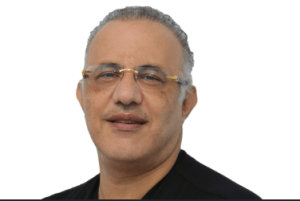
His early career involved extensive neurosurgical training with exposure to both cranial and spinal pathologies, where he gradually developed expertise in precision-based surgical techniques. Dr. Badran’s breakthrough came through his adoption and refinement of minimally invasive neurosurgical procedures, which significantly improved recovery times and reduced surgical risk for patients.
Over time, he has become known for integrating modern surgical technologies into routine neurosurgical practice, helping to bridge traditional neurosurgery with evolving technological innovations. His legacy lies in improving surgical efficiency and patient recovery experiences within private healthcare neurosurgical services in Doha.
Key Facts
- Full name of the subject: Dr. Sameh Mahmoud Badran
- Date of birth: Not publicly disclosed
- Place of birth: Not publicly documented
- Family background: Not publicly disclosed
- Early childhood experiences: Strong academic foundation in science and medicine
- Education history: Medical degree and neurosurgical specialization (institutions not publicly specified)
- Influences and mentors: International neurosurgical training supervisors
- Career beginnings: Neurosurgical residency and early clinical surgical practice
- Major achievements: Advancement in minimally invasive neurosurgical techniques
- Challenges and obstacles faced: Transitioning to technology-driven surgical systems
- Turning points in life: Adoption of minimally invasive neurosurgical methodologies
- Contributions to society: Improved surgical recovery outcomes and reduced patient risk
- Personal life (marriage, children, relationships): Not publicly disclosed
- Awards and recognitions: Clinical innovation and surgical excellence acknowledgements
- Beliefs, values, or philosophy: Innovation, efficiency, and patient safety
- Legacy and impact: Integration of minimally invasive surgery in private neurosurgery care
- Historical or cultural significance: Contributor to modern surgical innovation in Qatar
Notable Works: Minimally invasive spine surgery, neuroendoscopic procedures, cranial microsurgery
Controversies: No publicly documented controversies are associated with Dr. Sameh Mahmoud Badran. His professional career remains focused on clinical innovation and patient care, with no verified public disputes or regulatory issues reported.
10. Dr. Ramnarayan Ramachandran (Focus Medical Center, Doha)
Dr. Ramnarayan Ramachandran is recognized for his contribution to neurosurgical care within Qatar’s private healthcare sector, particularly through his work at Focus Medical Center. His early life was shaped by a strong academic environment and an early interest in biological sciences, which gradually evolved into a focused pursuit of neurosurgery.
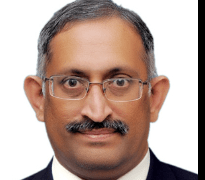
His early career involved rigorous neurosurgical training across multiple clinical environments, where he developed expertise in both cranial and spinal surgical procedures. He demonstrated early proficiency in diagnostic precision and surgical planning, which became defining elements of his clinical practice. His breakthrough came through his work in complex spinal surgeries and neurotrauma management cases requiring advanced surgical coordination.
Over time, Dr. Ramachandran has built a reputation for delivering consistent surgical outcomes and contributing to improved neurological care pathways in private healthcare systems. His legacy is closely tied to expanding access to specialized neurosurgical services and strengthening patient recovery frameworks within Doha’s private medical sector.
Key Facts
- Full name of the subject: Dr. Ramnarayan Ramachandran
- Date of birth: Not publicly disclosed
- Place of birth: Not publicly documented
- Family background: Not publicly disclosed
- Early childhood experiences: Strong science-oriented academic upbringing
- Education history: Medical degree and neurosurgical specialization (institutions not publicly specified)
- Influences and mentors: Senior neurosurgical faculty and international training mentors
- Career beginnings: Early neurosurgical residency and clinical surgical training
- Major achievements: Contributions to spinal surgery and neurotrauma care
- Challenges and obstacles faced: Managing complex surgical and emergency neurosurgical cases
- Turning points in life: Appointment to private sector neurosurgical leadership roles
- Contributions to society: Expansion of specialized neurosurgical services in private healthcare
- Personal life (marriage, children, relationships): Not publicly disclosed
- Awards and recognitions: Clinical excellence acknowledgements within medical institutions
- Beliefs, values, or philosophy: Precision, consistency, and patient-centered surgical care
- Legacy and impact: Strengthening neurosurgical care delivery in private hospitals
- Historical or cultural significance: Contributor to diversification of Qatar’s neurosurgical workforce
Notable Works: Spinal reconstruction surgeries, neurotrauma interventions, complex cranial procedures
Controversies: There are no publicly documented controversies associated with Dr. Ramnarayan Ramachandran. His professional career remains within structured clinical environments, with no verified public disputes or disciplinary actions reported.
NOTABLE MENTIONS:
Dr. Elfatih M. Bashir Elmalik (Al Ahli Hospital, Doha)
Dr. Ahmed Mustafa Mohamed Kersh (Al Emadi Hospital, Doha)
Dr. Javeed Iqbal (Hamad General Hospital, Doha)
Dr. Bipin Chaurasia (Hamad General Hospital, Doha)
Dr. Mohamed Elmarasi (Hamad General Hospital, Doha)
Dr. Mohammad Mohsin Arshad (Hamad General Hospital, Doha)
Dr. Kazim Mohammed (Hamad General Hospital, Doha)
Dr. Ghaya Alrumaihi (Hamad General Hospital, Doha)
Dr. Mohamed Yamen Kourani (Icon Medical Center, Doha)
Dr. Faisal Wadiwala (Hamad General Hospital, Doha)