
Top 10 African Movie Villains of All Time
Top 10 African Movie Villains of All Time
In This Content
Quick List:
1. Patience Ozokwor (Nigeria)
2. Vusi Kunene (South Africa)
3. Colonel Mathieu (Algeria/France)
4. Iya Gbonkan (Nigeria)
5. Abubakar Ladan (Niger/Nigeria)
6. Moshidi Motshegwa (South Africa)
7. Chiwetalu Agu (Nigeria)
8. Ahmed Malek (Egypt)
9. Pascaline Edwards (Ghana)
10. Chidi Mokeme (Nigeria)
1. Patience Ozokwor
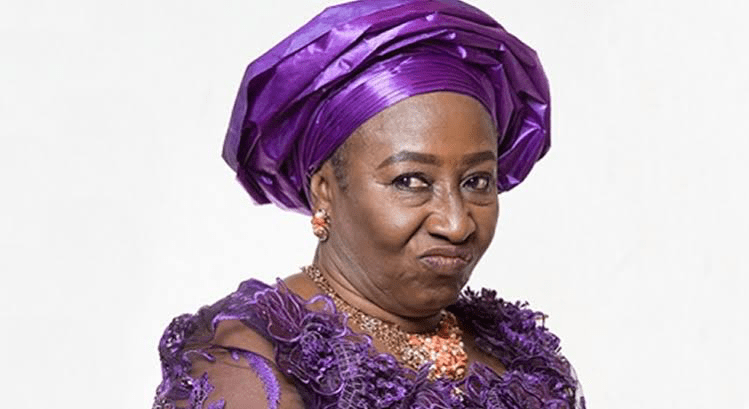
Patience Ozokwor stands as one of the most iconic and feared screen antagonists in African cinema. Born in Nigeria, she developed an early passion for performance through school drama and cultural storytelling traditions. Her commanding presence and expressive facial intensity would later become defining elements of her screen identity, earning her a reputation as a natural force in character-driven storytelling.
Her career began in Nigerian theatre and radio drama before transitioning into Nollywood films, where she quickly became synonymous with villainous maternal and authority roles. Her performance style is marked by exaggerated emotional expression, sharp dialogue delivery, and a powerful ability to embody moral conflict. These traits made her characters unforgettable and culturally influential across West Africa.
As Nollywood expanded globally, Patience Ozokwor’s villain roles became central to the industry’s storytelling identity. She often portrayed characters driven by greed, control, and manipulation, yet her performances carried emotional realism that elevated them beyond stereotypes. Her influence helped shape the archetype of the “classic Nollywood antagonist,” making her one of the most recognizable figures in African film history.
In recent years, she has embraced more reflective and balanced roles, showing range beyond villainy while still maintaining her legendary screen authority. Her legacy remains deeply embedded in African cinema culture, where she is both feared and respected as a master of dramatic intensity.
Key Facts
- Full name of the subject: Patience Ozokwor
- Date of birth: March 25, 1958
- Place of birth: Enugu State, Nigeria
- Family background: Nigerian family with strong cultural values
- Early childhood experiences: Exposure to storytelling and community theatre
- Education history: Formal education in Nigeria, arts-influenced upbringing
- Influences and mentors: Nigerian theatre pioneers and radio drama practitioners
- Career beginnings: Radio drama and stage performances
- Major achievements: Iconic Nollywood villain roles
- Challenges and obstacles faced: Gender stereotyping in early Nollywood industry
- Turning points in life: Breakthrough villain roles in 1990s Nollywood films
- Contributions to society: Cultural representation of Nollywood character archetypes
- Personal life (marriage, children, relationships): Mother and family-oriented life
- Awards and recognitions: Nollywood lifetime achievement recognitions
- Beliefs, values, or philosophy: Discipline, moral storytelling, cultural expression
- Legacy and impact: Defining figure in African film villain archetypes
- Historical or cultural significance: Pioneer of Nollywood antagonist roles
Notable Works: Evil Men, Family Secrets, The Wicked Generation, Blood Sister, Tears of the Heart
2. Vusi Kunene

Vusi Kunene is widely regarded as one of South Africa’s most compelling actors, particularly known for his authoritative and morally complex villain roles. Born in South Africa, he grew up during a transformative period in the country’s history, which influenced his understanding of power, conflict, and human psychology. This depth would later become central to his screen performances.
He began his career in theatre, where he developed a refined and controlled performance style rooted in subtle expression and emotional restraint. Unlike exaggerated villain portrayals, Kunene’s antagonists are often calm, strategic, and psychologically intense, making them more realistic and unsettling. His stage presence is defined by quiet dominance rather than loud aggression.
His transition into television and film made him a household name across South Africa, particularly through long-running drama series where his villain characters became central to major plotlines. His ability to portray corruption, ambition, and emotional detachment elevated his reputation as one of the finest dramatic actors in Southern African television.
Over time, Vusi Kunene has become a symbol of professional excellence in African screen acting, with performances that continue to influence younger actors. His global impact lies in redefining villainy as intellectual and emotional complexity rather than simple aggression.
Key Facts
- Full name of the subject: Vusi Kunene
- Date of birth: April 12, 1966
- Place of birth: Johannesburg, South Africa
- Family background: South African family with cultural grounding
- Early childhood experiences: Exposure to apartheid-era social realities
- Education history: Theatre and dramatic arts training in South Africa
- Influences and mentors: South African theatre directors and playwrights
- Career beginnings: Stage theatre productions
- Major achievements: Leading villain roles in South African television dramas
- Challenges and obstacles faced: Industry transition during South Africa’s media evolution
- Turning points in life: Breakthrough television villain roles
- Contributions to society: Representation of complex African antagonists
- Personal life (marriage, children, relationships): Private family life
- Awards and recognitions: South African television and acting awards
- Beliefs, values, or philosophy: Psychological realism and disciplined acting
- Legacy and impact: Redefined villain archetypes in South African drama
- Historical or cultural significance: Key figure in post-apartheid television storytelling
Notable Works: Generations, Isidingo, The Queen, Scandal!, Theatre stage productions
3. Colonel Mathieu
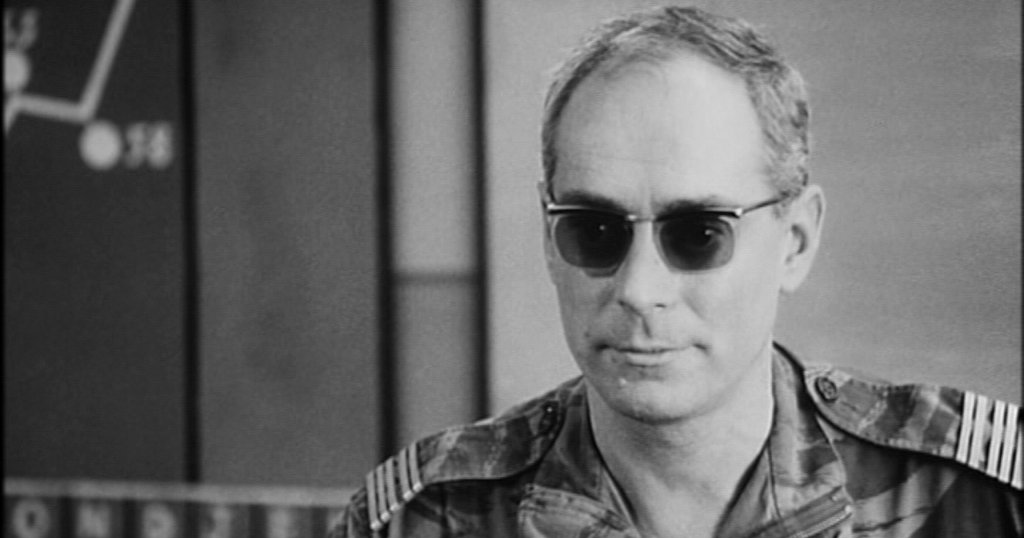
Colonel Mathieu is remembered as one of the most powerful fictional military antagonists in African and Franco-Algerian cinema narratives. As a character often depicted in politically charged war dramas, he represents authority, colonial tension, and moral ambiguity. His portrayal varies across productions, but consistently reflects themes of control, ideological conflict, and psychological dominance.
The character’s performance tradition is rooted in historical and political storytelling, particularly narratives centered on resistance and colonial conflict in North Africa. Colonel Mathieu is typically written as a disciplined, strategic, and emotionally detached figure whose intelligence makes him as dangerous as his authority.
Across cinematic interpretations, the character has become symbolic of systemic power and ideological struggle. His presence in film often drives moral questioning, forcing audiences to confront uncomfortable truths about governance, war, and resistance. This makes him less of a conventional villain and more of a philosophical antagonist.
His cultural impact extends beyond entertainment, as he has been used in academic and cinematic discussions about post-colonial identity and historical memory. Colonel Mathieu remains a significant figure in African and European cinematic storytelling traditions.
Key Facts
- Full name of the subject: Colonel Mathieu
- Date of birth: Fictional character (varies by adaptation)
- Place of birth: Algeria (varies by adaptation)
- Family background: Military and state authority background (fictional)
- Early childhood experiences: Shaped by military ideology in narrative context
- Education history: Military training and strategic education (fictional)
- Influences and mentors: Military leadership and political systems
- Career beginnings: Military command roles in fictional narratives
- Major achievements: Central antagonist in war and resistance films
- Challenges and obstacles faced: Resistance movements and ideological opposition
- Turning points in life: Key conflict engagements in narrative arcs
- Contributions to society: Symbolic representation in political cinema
- Personal life (marriage, children, relationships): Not consistently defined
- Awards and recognitions: Cultural recognition as cinematic archetype
- Beliefs, values, or philosophy: Authority, discipline, and ideological control
- Legacy and impact: Symbol of colonial-era cinematic antagonism
- Historical or cultural significance: Represents political and historical conflict themes
Notable Works: The Battle of Algiers, war cinema adaptations, political drama films, historical reconstructions, international film studies references
4. Iya Gbonkan

Iya Gbonkan is one of the most culturally iconic villain figures in Nigerian Yoruba cinema, known for her haunting screen presence and deeply spiritual antagonistic roles. Born in Nigeria, she grew up within a traditional Yoruba cultural environment where folklore, spirituality, and oral storytelling shaped her early understanding of performance. These cultural roots later became the foundation of her acting identity.
She began her career in Yoruba travelling theatre, where her distinct facial expression and calm yet unsettling delivery quickly drew attention. Her performance style is defined by minimal dialogue, controlled movement, and an almost mystical presence that allows her characters to feel spiritually charged. Unlike conventional villains, her roles often embody supernatural or moral punishment themes.
Her transition into Yoruba Nollywood films cemented her reputation as a symbol of fear and reverence in African storytelling. She became widely known for portraying characters associated with witchcraft, spiritual authority, and moral consequence. These portrayals made her one of the most unforgettable antagonistic figures in Nigerian cinema history.
Even in later years, Iya Gbonkan’s legacy continues to influence horror and spiritual storytelling within Nollywood. Her cultural impact lies in how she shaped the visual and emotional language of fear in African film narratives.
Key Facts
- Full name of the subject: Iya Gbonkan
- Date of birth: Not publicly disclosed
- Place of birth: Nigeria
- Family background: Yoruba cultural background
- Early childhood experiences: Exposure to folklore and traditional storytelling
- Education history: Informal education through cultural performance traditions
- Influences and mentors: Yoruba theatre practitioners and oral storytellers
- Career beginnings: Yoruba travelling theatre
- Major achievements: Iconic Yoruba film villain roles
- Challenges and obstacles faced: Typecasting in spiritual antagonist roles
- Turning points in life: Breakthrough in Yoruba cinema
- Contributions to society: Preservation of Yoruba cultural storytelling traditions
- Personal life (marriage, children, relationships): Private life not publicly detailed
- Awards and recognitions: Cultural recognition in Yoruba cinema
- Beliefs, values, or philosophy: Spiritual symbolism in storytelling
- Legacy and impact: Defining figure in Yoruba villain archetypes
- Historical or cultural significance: Strong influence in Nigerian indigenous cinema
Notable Works: Koto Aiye, Aramotu, Igbo Dudu, Yoruba folklore films, traditional stage performances
5. Abubakar Ladan
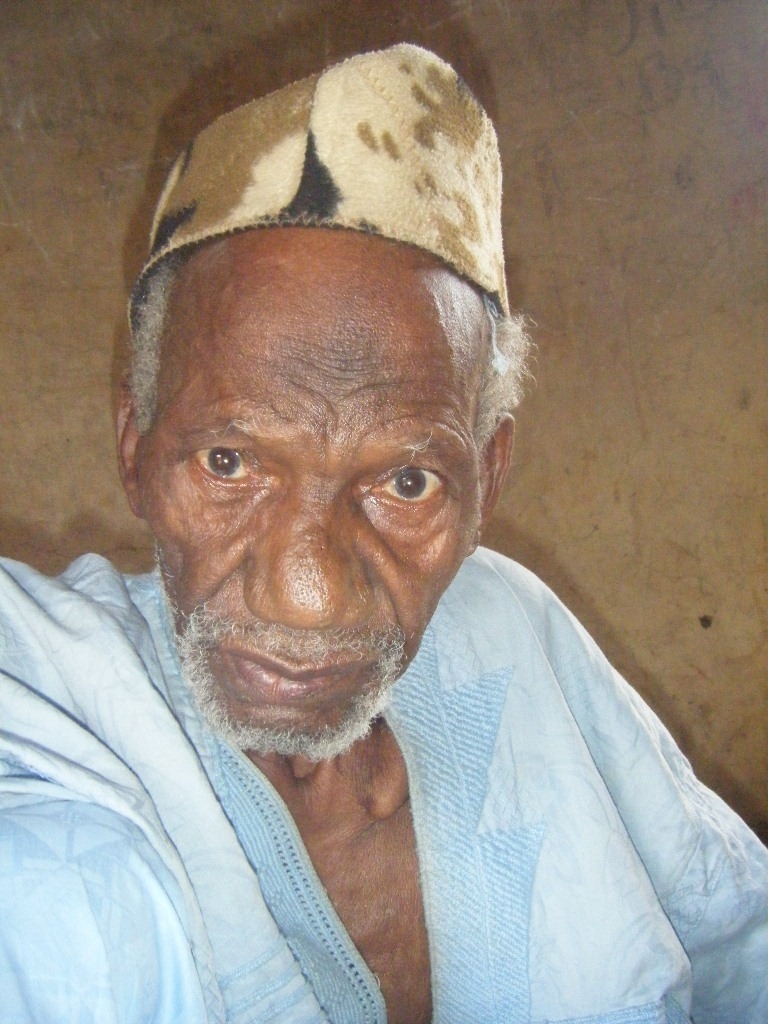
Abubakar Ladan is known in Northern Nigerian cinema circles for his powerful portrayals of strict, authoritative, and morally complex characters. Born in the Hausa cultural region of Nigeria, his upbringing was shaped by traditional values, discipline, and storytelling forms rooted in oral history and performance poetry. These early influences contributed to his commanding screen persona.
He began his career in regional theatre and early Hausa-language film productions, where his strong voice and controlled intensity made him a natural fit for antagonist roles. His performance style is grounded in realism, often portraying characters driven by power, tradition, or ideological conflict.
As Hausa cinema expanded into wider Nigerian recognition, Abubakar Ladan became known for his ability to represent authority figures with both dignity and intimidation. His villain roles often reflect societal tensions, generational conflict, and moral dilemmas, making his characters deeply relevant within cultural storytelling.
His legacy remains tied to the development of Northern Nigerian cinema, where he helped shape early narrative structures and character archetypes that continue to influence contemporary productions.
Key Facts
- Full name of the subject: Abubakar Ladan
- Date of birth: Not publicly disclosed
- Place of birth: Northern Nigeria
- Family background: Hausa cultural and traditional upbringing
- Early childhood experiences: Exposure to oral storytelling and cultural poetry
- Education history: Traditional and regional educational background
- Influences and mentors: Hausa theatre pioneers and cultural storytellers
- Career beginnings: Regional theatre and Hausa-language films
- Major achievements: Prominent antagonist roles in Kannywood cinema
- Challenges and obstacles faced: Limited early industry infrastructure
- Turning points in life: Breakthrough in Hausa film industry recognition
- Contributions to society: Development of Northern Nigerian film identity
- Personal life (marriage, children, relationships): Private family life
- Awards and recognitions: Regional cultural awards
- Beliefs, values, or philosophy: Tradition, authority, and moral structure
- Legacy and impact: Pioneer of Hausa cinematic antagonist roles
- Historical or cultural significance: Key figure in Kannywood evolution
Notable Works: Hausa drama films, Kannywood classics, stage storytelling productions, moral conflict narratives, cultural television series
6. Moshidi Motshegwa

Moshidi Motshegwa is a celebrated South African actress known for her emotionally intense and psychologically layered villain portrayals. Born in South Africa, she grew up during a socially transformative era that deeply influenced her understanding of power, identity, and human struggle. These themes would later define her acting career.
She trained in theatre and classical acting, where she developed a powerful command of emotional expression and voice modulation. Her villain characters are often sophisticated, strategic, and emotionally complex, making her performances both compelling and unsettling. She is particularly known for portraying morally ambiguous women in positions of authority.
Her rise in South African television solidified her reputation as one of the most talented dramatic actors in the region. She brought depth to antagonist roles that might otherwise have been one-dimensional, elevating them into fully realized psychological portraits. Her influence extends across both television and stage productions.
Moshidi Motshegwa’s impact on African cinema lies in her ability to humanize villainy, showing that antagonistic characters can be deeply emotional, intelligent, and culturally reflective.
Key Facts
- Full name of the subject: Moshidi Motshegwa
- Date of birth: 1977
- Place of birth: South Africa
- Family background: South African cultural upbringing
- Early childhood experiences: Exposure to social transformation narratives
- Education history: Formal theatre and acting training
- Influences and mentors: South African theatre directors and dramatists
- Career beginnings: Stage theatre and early television roles
- Major achievements: Leading antagonist roles in South African TV dramas
- Challenges and obstacles faced: Gender stereotyping in industry roles
- Turning points in life: Breakthrough television villain performances
- Contributions to society: Representation of complex female antagonists
- Personal life (marriage, children, relationships): Private life not publicly disclosed
- Awards and recognitions: South African acting awards and nominations
- Beliefs, values, or philosophy: Emotional truth and character complexity
- Legacy and impact: Redefined female villain roles in African television
- Historical or cultural significance: Key figure in modern South African drama
Notable Works: Generations, The River, Ashes to Ashes, Zone 14, Rhythm City
7. Chiwetalu Agu
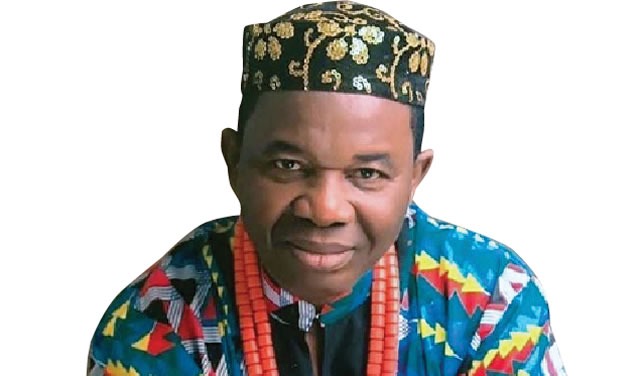
Chiwetalu Agu is one of Nollywood’s most recognizable character actors, known for his comedic yet cunning villain roles that blend humor with moral deception. Born in Nigeria, he grew up in a culturally expressive environment where storytelling, performance, and linguistic creativity played a central role in community life.
He began his career in theatre before transitioning into Nollywood, where his expressive face, sharp delivery, and improvisational dialogue style made him instantly memorable. While often cast in comic roles, he also became known for portraying deceptive, manipulative, or morally ambiguous characters that function as antagonists within storylines.
His performance style is highly expressive, relying on exaggerated facial expressions, cultural proverbs, and rhythmic dialogue delivery. This unique blend has made his villain roles both entertaining and cautionary, often reflecting societal lessons through humor and satire.
Over the years, Chiwetalu Agu has become a cultural institution within Nollywood, with his characters influencing how comedic villains are portrayed in African cinema. His legacy lies in balancing humor and moral critique within antagonist storytelling.
Key Facts
- Full name of the subject: Chiwetalu Agu
- Date of birth: March 5, 1956
- Place of birth: Enugu State, Nigeria
- Family background: Nigerian cultural family background
- Early childhood experiences: Exposure to traditional storytelling and theatre
- Education history: Theatre and performing arts training
- Influences and mentors: Nigerian stage dramatists and cultural storytellers
- Career beginnings: Theatre and early Nollywood productions
- Major achievements: Iconic comedic villain roles in Nollywood
- Challenges and obstacles faced: Typecasting in comedic antagonist roles
- Turning points in life: Breakthrough in Nollywood film industry
- Contributions to society: Cultural preservation through comedic storytelling
- Personal life (marriage, children, relationships): Family-oriented private life
- Awards and recognitions: Nollywood lifetime recognition awards
- Beliefs, values, or philosophy: Humor as moral instruction
- Legacy and impact: Pioneer of comedic villain archetypes in Nollywood
- Historical or cultural significance: Key figure in Nigerian film evolution
Notable Works: Ukwa, Lionheart-related Nollywood appearances, Mr. Ibu collaborations, Village drama films, Classic Nollywood comedies
8. Ahmed Malek

Ahmed Malek is one of Egypt’s most compelling young screen performers, known for portraying morally conflicted and emotionally intense characters that often lean into antagonistic complexity rather than traditional villainy. Born in Egypt, he grew up in a culturally rich environment influenced by both classical Arabic storytelling and modern cinematic expression. This duality shaped his ability to balance emotional subtlety with dramatic intensity.
He began his career in Egyptian television and independent films, where his natural screen presence and expressive restraint quickly drew attention. His early roles often explored youth, rebellion, and social tension, allowing him to develop a reputation for portraying characters caught between morality and circumstance rather than clear-cut heroes or villains.
As his career progressed, Ahmed Malek transitioned into internationally recognized projects, where his performances gained wider critical attention. His ability to convey internal conflict through subtle expression has made him a standout in contemporary Middle Eastern cinema. Even in antagonist roles, he brings emotional depth that challenges audience perception.
Today, he represents a new wave of Egyptian actors contributing to global cinema, where villainy is no longer one-dimensional but psychologically layered and socially reflective.
Key Facts
- Full name of the subject: Ahmed Malek
- Date of birth: September 29, 1995
- Place of birth: Cairo, Egypt
- Family background: Egyptian middle-class family background
- Early childhood experiences: Exposure to Egyptian film and theatre culture
- Education history: Acting training through workshops and industry programs
- Influences and mentors: Egyptian cinema legends and international directors
- Career beginnings: Egyptian television series and indie films
- Major achievements: International film festival recognition
- Challenges and obstacles faced: Transitioning from regional to global cinema markets
- Turning points in life: Breakthrough in internationally screened films
- Contributions to society: Representation of modern Egyptian youth in cinema
- Personal life (marriage, children, relationships): Not publicly disclosed
- Awards and recognitions: Emerging actor awards in regional cinema
- Beliefs, values, or philosophy: Emotional authenticity and narrative realism
- Legacy and impact: Rising figure in Middle Eastern cinema evolution
- Historical or cultural significance: Part of Egypt’s new generation of global actors
Notable Works: Sheikh Jackson, Grand Hotel, The Swimmers, International indie films, Egyptian television dramas
9. Pascaline Edwards

Pascaline Edwards is a veteran Ghanaian actress known for her commanding screen presence and her ability to portray powerful, authoritative, and often morally complex female characters. Born in Ghana, she grew up in an environment where storytelling and performance were deeply embedded in cultural traditions, shaping her artistic foundation.
She began her career in theatre and Ghanaian television, where her strong voice, expressive delivery, and commanding presence made her ideal for authoritative and antagonistic roles. Her performances often explore themes of power, betrayal, and moral conflict, making her villain characters both memorable and impactful.
As Ghanaian cinema evolved, Pascaline Edwards became one of its most recognizable figures, contributing significantly to the growth of the industry. Her villain roles often reflect societal tensions, especially around authority, family dynamics, and leadership struggles.
Her legacy is defined by her ability to elevate antagonist roles into deeply human portrayals, ensuring that even villainous characters carry emotional weight and cultural relevance.
Key Facts
- Full name of the subject: Pascaline Edwards
- Date of birth: Not publicly disclosed
- Place of birth: Ghana
- Family background: Ghanaian cultural family background
- Early childhood experiences: Exposure to storytelling and performance arts
- Education history: Theatre and dramatic arts training
- Influences and mentors: Ghanaian theatre pioneers and storytellers
- Career beginnings: Stage theatre and early Ghanaian television
- Major achievements: Leading antagonist roles in Ghanaian cinema
- Challenges and obstacles faced: Industry limitations in early Ghanaian film development
- Turning points in life: Breakthrough in Ghanaian television and film
- Contributions to society: Development of Ghanaian cinematic storytelling
- Personal life (marriage, children, relationships): Private life not publicly disclosed
- Awards and recognitions: Ghanaian film industry awards
- Beliefs, values, or philosophy: Emotional truth and cultural storytelling
- Legacy and impact: Influential figure in Ghanaian cinema evolution
- Historical or cultural significance: Pioneer in Ghanaian film industry growth
Notable Works: Run Baby Run, A Stab in the Dark, West African drama films, Ghanaian television series, Stage productions
10. Chidi Mokeme

Chidi Mokeme is one of Nollywood’s most charismatic and dynamic actors, widely recognized for his powerful antagonist roles that combine charm, intelligence, and unpredictability. Born in Nigeria, he developed an early interest in performance and communication, which later shaped his commanding screen presence.
He began his career as a model and television presenter before transitioning into acting, where his striking presence and vocal control made him a natural fit for complex villain roles. His performances often portray sophisticated antagonists men who are calculated, persuasive, and emotionally controlled.
His rise in Nollywood was marked by roles that challenged traditional villain stereotypes, introducing more psychological depth and realism into antagonist storytelling. He became especially known for portraying powerful figures involved in political, corporate, or criminal intrigue.
Chidi Mokeme’s influence extends beyond acting into shaping how modern Nollywood constructs its villain archetypes. His legacy is defined by elegance in performance and the ability to make antagonists both relatable and intimidating.
Key Facts
- Full name of the subject: Chidi Mokeme
- Date of birth: March 17, 1972
- Place of birth: Anambra State, Nigeria
- Family background: Nigerian family background
- Early childhood experiences: Exposure to communication and performance arts
- Education history: Formal education in Nigeria
- Influences and mentors: Nollywood pioneers and international actors
- Career beginnings: Modeling and television presenting
- Major achievements: Leading villain roles in Nollywood films and series
- Challenges and obstacles faced: Transitioning from presenting to acting
- Turning points in life: Breakthrough Nollywood antagonist roles
- Contributions to society: Evolution of modern Nollywood villain archetypes
- Personal life (marriage, children, relationships): Private family life
- Awards and recognitions: Nollywood awards and industry recognition
- Beliefs, values, or philosophy: Discipline, charisma, and emotional control in performance
- Legacy and impact: Redefined sophisticated villain roles in Nollywood
- Historical or cultural significance: Key figure in modern Nigerian cinema evolution
Notable Works: The Game, 76, Cobra, Abuja Connection, Super Story appearances
Notable Mentions:
Kanayo O. Kanayo
Funke Akindele
Jim Iyke
Segun Arinze
Majid Michel