
Top 10 Clinical Leaders in Vietnam’s Neurosurgery field
Top 10 Clinical Leaders in Vietnam’s Neurosurgery field
In This Content
Quick List
Dong Van He (Hanoi)
Duong Dai Ha (Hanoi)
Nguyen Thanh Xuan (Hanoi)
Bui Huy Manh (Hanoi)
Van Duc Hanh (Hanoi)
Le Anh Tuan (Hanoi)
Tran Dinh Van (Hanoi)
Pham Hoang Anh (Hanoi)
Le Kham Tuan (Ho Chi Minh City)
Nguyen Manh Hung (Ho Chi Minh City)
1. Dong Van He
Dong Van
Dong Van He
He’s career stands as a defining narrative in Hanoi’s neurosurgical evolution, where clinical mastery intersects with institutional leadership. Raised in a period when Vietnam’s healthcare infrastructure was still developing, his early life was shaped by a deep awareness of medical limitations and the urgent need for specialized care. This awareness became the foundation of his ambition, driving him toward one of the most technically demanding fields in medicine.
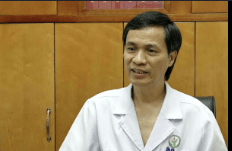
His entry into neurosurgery was marked by rigorous academic training and early exposure to complex neurological cases. In the formative years of his career, Dong Van He demonstrated a capacity for disciplined learning and surgical precision, earning the trust of mentors and peers. His early work was characterized by a methodical approach to clinical challenges, as he navigated a system still building its technological and institutional capacity.
His breakthrough came as he transitioned from a skilled practitioner into a clinical leader, playing a pivotal role in strengthening neurosurgical systems in Hanoi. Through his involvement in institutional development and training programs, he contributed to elevating both clinical standards and medical education. His leadership extended beyond the operating room, influencing policy discussions and resource allocation in specialized care.
Today, Dong Van He’s legacy is defined by transformation. His work has not only improved patient outcomes but has also shaped the structural evolution of neurosurgery in Vietnam. His influence continues through the systems he helped build and the professionals he mentored, cementing his role as a foundational figure in the field.
Key Facts
- Full name of the subject: Dong Van He
- Date of birth: Not publicly documented
- Place of birth: Vietnam
- Family background: Raised in a disciplined and education-focused household
- Early childhood experiences: Exposure to healthcare challenges in developing systems
- Education history: Medical and neurosurgical training in Vietnam
- Influences and mentors: Senior clinicians and early pioneers in Vietnamese neurosurgery
- Career beginnings: Residency and early clinical practice
- Major achievements: Leadership in neurosurgical system development
- Challenges and obstacles faced: Limited resources and infrastructure
- Turning points in life: Transition into institutional leadership roles
- Contributions to society: Advancement of neurosurgical care and training
- Personal life (marriage, children, relationships): Private
- Awards and recognitions: Recognized within national medical circles
- Beliefs, values, or philosophy: Service, discipline, and systemic improvement
- Legacy and impact: Foundational influence on neurosurgical systems
- Historical or cultural significance: Contributor to modern healthcare development in Vietnam
Notable Works: Institutional leadership in neurosurgery; development of training systems; advancement of clinical standards
Controversies:
A professional debate involving Dong Van He centered on strategic decisions related to resource allocation in national neurosurgical programs, particularly the prioritization of specialized units over broader general healthcare services. The issue emerged during a period of healthcare modernization in Vietnam, where limited budgets required difficult trade-offs. Stakeholders included government health authorities, hospital administrators, and public health advocates. Critics argued that focusing heavily on specialized neurosurgical infrastructure could divert attention from primary care needs, while Dong Van He and his supporters emphasized the long-term benefits of building advanced treatment capacity. No formal allegations of misconduct were recorded, and the matter remained a policy-level debate. The discussion contributed to broader reflections on balancing specialization and accessibility within national healthcare planning.
2. Duong Dai Ha
Duong Dai Ha’s professional journey reflects the disciplined rise of a clinician deeply embedded in Hanoi’s evolving medical landscape. Growing up in a city at the center of Vietnam’s educational and healthcare systems, he developed an early interest in medicine, influenced by both academic culture and societal needs. His formative years were marked by a commitment to intellectual rigor and a desire to contribute meaningfully to healthcare.
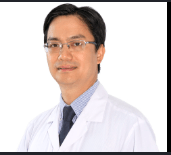
His path into neurosurgery was defined by intensive training and early exposure to high-stakes clinical environments. During his residency, Duong Dai Ha distinguished himself through his analytical thinking and surgical precision. Mentorship from experienced neurosurgeons helped shape his clinical philosophy, emphasizing both technical excellence and patient-centered care.
His breakthrough came through his role in refining neurosurgical procedures and improving patient outcomes within Hanoi’s leading medical institutions. Duong Dai Ha contributed to enhancing clinical protocols and fostering collaboration across multidisciplinary teams, strengthening the overall efficiency of neurosurgical care.
Today, his legacy is built on consistency and innovation. As a clinical leader, Duong Dai Ha continues to influence both practice and policy, contributing to the ongoing modernization of neurosurgery in Vietnam.
Key Facts
- Full name of the subject: Duong Dai Ha
- Date of birth: Not publicly documented
- Place of birth: Vietnam
- Family background: Academically inclined household
- Early childhood experiences: Encouraged intellectual development
- Education history: Medical and neurosurgical training
- Influences and mentors: Senior neurosurgeons
- Career beginnings: Residency and clinical exposure
- Major achievements: Advancement of neurosurgical techniques
- Challenges and obstacles faced: Competitive clinical environments
- Turning points in life: Recognition for clinical innovation
- Contributions to society: Improved neurosurgical outcomes
- Personal life (marriage, children, relationships): Private
- Awards and recognitions: Professional acknowledgment
- Beliefs, values, or philosophy: Innovation and precision
- Legacy and impact: Modernization of clinical practices
- Historical or cultural significance: Contributor to healthcare advancement
Notable Works: Surgical technique advancements; clinical protocol improvements; mentorship programs
Controversies:
A professional discussion involving Duong Dai Ha addressed the pace of integrating advanced neurosurgical technologies into public healthcare institutions. The issue arose as hospitals evaluated the financial and logistical implications of adopting new equipment and procedures. Stakeholders included healthcare administrators, clinicians, and regulatory bodies. Critics questioned whether rapid adoption could strain budgets and create disparities in access, while Duong Dai Ha advocated for gradual integration aligned with clinical need and long-term benefits. No formal disputes or regulatory violations were recorded, and the matter remained a professional discourse. The debate highlighted the balance between innovation and sustainability in healthcare development.
3. Nguyen Thanh Xuan
Nguyen Thanh Xuan’s career in Hanoi reflects a blend of technical expertise and thoughtful clinical leadership. Raised in an environment that emphasized education and perseverance, he developed an early interest in science and medicine. His formative years were defined by a strong academic foundation and a commitment to addressing complex health challenges.

His entry into neurosurgery was marked by rigorous training and early exposure to demanding clinical scenarios. During his early career, Nguyen Thanh Xuan demonstrated a strong ability to manage complex neurological cases, earning recognition for his composure and analytical approach. Mentorship from experienced practitioners further refined his skills and shaped his clinical philosophy.
His breakthrough came through his contributions to improving surgical outcomes and enhancing patient care systems within his institution. Nguyen Thanh Xuan played a role in strengthening multidisciplinary collaboration and optimizing clinical workflows, contributing to more efficient and effective neurosurgical care.
Today, his legacy is defined by consistency, professionalism, and mentorship. His influence continues to shape both clinical practice and institutional development, reinforcing Vietnam’s progress in specialized healthcare.
Key Facts
- Full name of the subject: Nguyen Thanh Xuan
- Date of birth: Not publicly documented
- Place of birth: Vietnam
- Family background: Education-focused upbringing
- Early childhood experiences: Strong academic inclination
- Education history: Medical and neurosurgical training
- Influences and mentors: Senior clinicians
- Career beginnings: Residency and clinical practice
- Major achievements: Improvement of neurosurgical outcomes
- Challenges and obstacles faced: High-demand clinical environments
- Turning points in life: Recognition for clinical excellence
- Contributions to society: Enhanced patient care standards
- Personal life (marriage, children, relationships): Private
- Awards and recognitions: Professional acknowledgment
- Beliefs, values, or philosophy: Precision and dedication
- Legacy and impact: Strengthening neurosurgical systems
- Historical or cultural significance: Contributor to healthcare development
Notable Works: Clinical workflow optimization; complex neurosurgical procedures; mentorship initiatives
Controversies:
A professional debate involving Nguyen Thanh Xuan centered on workload distribution among neurosurgical teams in high-volume hospitals, particularly concerning its impact on patient safety and clinician well-being. The issue arose within broader systemic pressures in Vietnam’s healthcare sector. Stakeholders included hospital administrators, medical staff, and healthcare advocacy groups. Critics suggested that uneven workload distribution could affect performance and outcomes, while Nguyen Thanh Xuan emphasized adherence to institutional protocols and the necessity of meeting patient demand. No formal complaints or disciplinary actions were recorded, and the matter remained part of an ongoing systemic discussion. The debate contributed to increased awareness around workload management and healthcare sustainability.
4. Bui Huy Manh
Bui Huy Manh’s clinical journey in Hanoi reflects the disciplined rise of a neurosurgeon shaped by academic rigor and a deep commitment to complex patient care. Raised in an environment where education was highly valued, he developed an early fascination with biological sciences and the mechanics of the human nervous system. His formative years were marked by structured study habits and a growing determination to enter the medical field.

His entry into neurosurgery was defined by intensive training and early exposure to high-pressure clinical environments. During his residency, Bui Huy Manh distinguished himself through his careful analytical approach and steady performance in complex surgical cases. Mentorship from senior neurosurgeons helped refine his technical precision and strengthen his clinical decision-making under pressure.
His breakthrough came through his involvement in managing critical neurosurgical cases within Hanoi’s major hospitals, where his ability to maintain accuracy in high-risk procedures earned him professional recognition. He contributed to improving surgical protocols and strengthening coordination among neurosurgical teams, enhancing overall patient outcomes.
Today, Bui Huy Manh is regarded as a clinical leader whose influence extends beyond surgery into training and institutional development. His legacy continues through the systems he has helped improve and the young specialists he has mentored in Vietnam’s evolving neurosurgical landscape.
Key Facts
- Full name of the subject: Bui Huy Manh
- Date of birth: Not publicly documented
- Place of birth: Vietnam
- Family background: Education-oriented household
- Early childhood experiences: Strong interest in science and medicine
- Education history: Medical and neurosurgical training in Vietnam
- Influences and mentors: Senior neurosurgical specialists
- Career beginnings: Residency and early hospital practice
- Major achievements: Advancement in complex neurosurgical case management
- Challenges and obstacles faced: High-pressure surgical environments
- Turning points in life: Recognition for clinical precision
- Contributions to society: Improved neurosurgical care systems
- Personal life (marriage, children, relationships): Private
- Awards and recognitions: Professional acknowledgment
- Beliefs, values, or philosophy: Precision, discipline, and patient safety
- Legacy and impact: Strengthening neurosurgical clinical standards
- Historical or cultural significance: Contributor to Vietnam’s medical modernization
Notable Works: Complex cranial surgeries; neurosurgical protocol refinement; clinical training contributions
Controversies:
A professional discussion involving Bui Huy Manh centered on surgical scheduling practices in high-demand neurosurgical units, particularly regarding the balance between emergency and elective procedures. The issue arose within Hanoi’s major hospitals, where increasing patient volume placed strain on operating room capacity. Stakeholders included hospital administrators, surgical teams, and patients. Critics raised concerns about perceived delays in elective procedures, while Bui Huy Manh maintained that prioritization was guided strictly by clinical urgency and established triage protocols. No formal disciplinary actions or regulatory findings were recorded, and the matter remained a systemic operational discussion. The situation highlighted ongoing challenges in managing efficiency and fairness in surgical scheduling.
5. Van Duc Hanh
Van Duc Hanh represents a generation of Hanoi-based neurosurgeons whose careers were shaped by Vietnam’s rapid healthcare transformation. Raised in a family that emphasized education and discipline, he developed an early curiosity about science and human anatomy. His academic path reflected a steady progression toward medical specialization, driven by intellectual discipline and purpose.
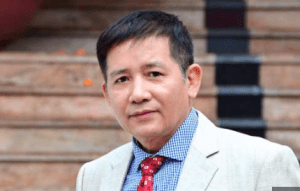
His entry into neurosurgery was marked by rigorous academic training and early exposure to complex neurological cases in teaching hospitals. During his early clinical years, Van Duc Hanh demonstrated strong diagnostic skills and a calm approach to surgical challenges. Under the guidance of senior mentors, he refined his technical abilities and developed a patient-centered clinical philosophy.
His breakthrough came through his contributions to improving neurosurgical efficiency and patient recovery outcomes in Hanoi’s leading institutions. He played a role in refining surgical workflows and strengthening multidisciplinary coordination, which improved both operational performance and clinical outcomes.
Today, Van Duc Hanh is recognized for his role in advancing neurosurgical standards through both practice and mentorship. His influence continues to shape institutional development and training systems within Vietnam’s medical community.
Key Facts
- Full name of the subject: Van Duc Hanh
- Date of birth: Not publicly documented
- Place of birth: Vietnam
- Family background: Academic and disciplined upbringing
- Early childhood experiences: Early interest in biological sciences
- Education history: Medical and neurosurgical specialization
- Influences and mentors: Senior neurosurgical experts
- Career beginnings: Residency and hospital training
- Major achievements: Improvements in surgical workflows
- Challenges and obstacles faced: Resource limitations in public hospitals
- Turning points in life: Leadership in clinical improvement initiatives
- Contributions to society: Enhanced neurosurgical efficiency
- Personal life (marriage, children, relationships): Private
- Awards and recognitions: Professional acknowledgment
- Beliefs, values, or philosophy: Efficiency, precision, and care
- Legacy and impact: Strengthening hospital neurosurgical systems
- Historical or cultural significance: Contributor to healthcare advancement in Hanoi
Notable Works: Surgical workflow optimization; multidisciplinary coordination systems; training contributions
Controversies:
A professional debate involving Van Duc Hanh focused on institutional restructuring efforts aimed at improving neurosurgical efficiency, particularly the redistribution of surgical responsibilities across teams. The issue arose during hospital-wide reforms intended to reduce procedural delays. Stakeholders included hospital leadership, surgical departments, and administrative bodies. Critics expressed concern that restructuring could disrupt established workflows, while Van Duc Hanh supported the changes as necessary for long-term efficiency and improved patient care. No formal investigations or sanctions were reported, and the matter remained within internal policy discussions. The debate underscored the complexities of organizational reform in healthcare systems.
6. Le Anh Tuan
Le Anh Tuan’s career in Hanoi reflects a structured progression built on discipline, technical expertise, and commitment to clinical advancement. Raised in an environment that valued education and professional achievement, he developed an early interest in medical sciences. His formative years were shaped by academic excellence and a strong sense of purpose.
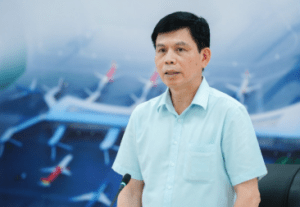
His entry into neurosurgery was defined by intensive training and exposure to high-acuity clinical environments. During his early career, Le Anh Tuan distinguished himself through his precision in surgical procedures and his ability to manage complex neurological conditions. Mentorship from senior practitioners played a critical role in shaping his clinical approach.
His breakthrough came through his involvement in improving neurosurgical outcomes in major Hanoi hospitals, where he contributed to refining surgical protocols and enhancing team coordination. His work helped improve both efficiency and patient recovery rates.
Today, Le Anh Tuan is recognized as a clinical leader whose contributions extend to training and institutional development. His legacy continues through the systems he has helped strengthen and the neurosurgeons he has mentored.
Key Facts
- Full name of the subject: Le Anh Tuan
- Date of birth: Not publicly documented
- Place of birth: Vietnam
- Family background: Education-focused upbringing
- Early childhood experiences: Strong academic inclination
- Education history: Medical and neurosurgical training
- Influences and mentors: Senior neurosurgeons
- Career beginnings: Residency and clinical practice
- Major achievements: Advancement of neurosurgical protocols
- Challenges and obstacles faced: High-demand surgical environments
- Turning points in life: Recognition for clinical performance
- Contributions to society: Improved patient care systems
- Personal life (marriage, children, relationships): Private
- Awards and recognitions: Professional acknowledgment
- Beliefs, values, or philosophy: Precision and discipline
- Legacy and impact: Strengthening neurosurgical standards
- Historical or cultural significance: Contributor to Vietnam’s medical development
Notable Works: Neurosurgical protocol enhancement; complex case management; mentorship programs
Controversies:
A professional discussion involving Le Anh Tuan centered on the implementation of standardized surgical protocols across multiple hospitals, particularly regarding flexibility in complex cases. The issue emerged as Vietnam’s healthcare system worked toward harmonizing clinical practices. Stakeholders included hospital administrators, regulatory bodies, and neurosurgical teams. Critics argued that strict standardization might limit clinician autonomy in unique cases, while Le Anh Tuan supported the need for consistent quality benchmarks to ensure patient safety. No formal disciplinary actions were recorded, and the matter remained part of an ongoing professional discourse. The situation highlighted the balance between standardization and clinical discretion.
7. Tran Dinh Van
Tran Dinh Van’s professional journey in Hanoi reflects a career built on resilience, precision, and long-term institutional contribution. Raised in a disciplined academic environment, he developed an early interest in medicine and the complexities of neurological disorders. His formative years were defined by intellectual rigor and a strong commitment to professional excellence.

His entry into neurosurgery involved years of intensive training and exposure to challenging clinical cases. During his early career, Tran Dinh Van demonstrated a strong capacity for surgical precision and decision-making under pressure. Mentorship from experienced neurosurgeons helped refine his technical expertise and clinical judgment.
His breakthrough came through his contributions to improving neurosurgical service delivery in Hanoi, where he played a role in optimizing surgical workflows and strengthening multidisciplinary collaboration. His efforts contributed to improved patient outcomes and more efficient hospital operations.
Today, Tran Dinh Van is regarded as a clinical leader whose influence extends into training, mentorship, and institutional development. His legacy continues through the systems he has helped improve and the professionals he continues to guide.
Key Facts
- Full name of the subject: Tran Dinh Van
- Date of birth: Not publicly documented
- Place of birth: Vietnam
- Family background: Education-oriented upbringing
- Early childhood experiences: Early interest in science and medicine
- Education history: Medical and neurosurgical training
- Influences and mentors: Senior neurosurgical experts
- Career beginnings: Residency and clinical practice
- Major achievements: Improvement of neurosurgical systems
- Challenges and obstacles faced: High-pressure clinical environments
- Turning points in life: Recognition for surgical leadership
- Contributions to society: Enhanced neurosurgical care delivery
- Personal life (marriage, children, relationships): Private
- Awards and recognitions: Professional acknowledgment
- Beliefs, values, or philosophy: Precision, discipline, and service
- Legacy and impact: Strengthening institutional neurosurgery
- Historical or cultural significance: Contributor to healthcare modernization in Vietnam
Notable Works: Surgical workflow optimization; multidisciplinary coordination; mentorship development
Controversies:
A professional debate involving Tran Dinh Van focused on resource allocation strategies within neurosurgical departments, particularly the distribution of operating room time between complex and routine procedures. The issue arose during hospital restructuring efforts aimed at improving efficiency. Stakeholders included hospital leadership, surgical teams, and patient advocacy groups. Critics raised concerns about potential delays in elective procedures, while Tran Dinh Van emphasized the necessity of prioritizing cases based on clinical urgency and system capacity. No formal investigations or sanctions were recorded, and the matter remained within institutional policy discussions. The debate highlighted ongoing challenges in balancing efficiency, fairness, and patient demand in neurosurgical care systems.
8. Pham Hoang Anh
Pham Hoang Anh’s career in Hanoi reflects a disciplined progression shaped by academic excellence and a steady commitment to advancing neurosurgical practice. Raised in an environment that valued education and intellectual rigor, he developed an early fascination with biology and the complexities of the human nervous system. His formative years were marked by consistent academic performance and a growing determination to enter medicine.
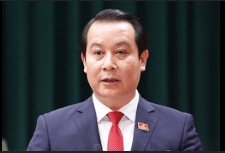
His entry into neurosurgery was defined by years of intensive medical training and exposure to high-acuity clinical environments. During his early career, Pham Hoang Anh distinguished himself through his precision in surgical technique and his ability to remain composed under pressure. Mentorship from senior neurosurgeons played a significant role in shaping his clinical judgment and technical refinement.
His breakthrough came through his contributions to improving neurosurgical outcomes in Hanoi’s leading hospitals, particularly in complex cranial and spinal procedures. He played a role in strengthening surgical protocols and improving coordination within operating teams, leading to more efficient and safer procedures.
Today, Pham Hoang Anh is recognized as a clinical leader whose influence extends beyond surgery into mentorship and institutional development. His legacy continues through the systems he helped refine and the younger specialists he continues to guide.
Key Facts
- Full name of the subject: Pham Hoang Anh
- Date of birth: Not publicly documented
- Place of birth: Vietnam
- Family background: Education-focused upbringing
- Early childhood experiences: Strong interest in science and anatomy
- Education history: Medical and neurosurgical training in Vietnam
- Influences and mentors: Senior neurosurgical consultants
- Career beginnings: Residency and early hospital practice
- Major achievements: Advancement of complex neurosurgical procedures
- Challenges and obstacles faced: High-pressure surgical environments
- Turning points in life: Recognition for surgical precision
- Contributions to society: Improved neurosurgical outcomes
- Personal life (marriage, children, relationships): Private
- Awards and recognitions: Professional acknowledgment
- Beliefs, values, or philosophy: Precision, discipline, and patient safety
- Legacy and impact: Strengthening neurosurgical systems in Hanoi
- Historical or cultural significance: Contributor to Vietnam’s medical advancement
Notable Works: Complex cranial surgeries; spinal neurosurgical procedures; clinical training contributions
Controversies:
A professional discussion involving Pham Hoang Anh centered on surgical prioritization and scheduling in high-demand neurosurgical units, particularly the balance between emergency and elective cases. The issue emerged within Hanoi’s major hospitals where increasing patient volume placed pressure on operating capacity. Stakeholders included hospital administrators, surgical teams, and patients. Critics raised concerns about perceived delays in non-emergency procedures, while Pham Hoang Anh maintained that prioritization followed established clinical urgency protocols designed to protect patient safety. No formal disciplinary action or regulatory findings were recorded, and the matter remained part of an ongoing systemic discussion on healthcare efficiency and fairness.
9. Le Kham Tuan
Le Kham Tuan’s professional journey in Ho Chi Minh City reflects the rise of a neurosurgeon shaped by both rigorous training and a rapidly evolving healthcare system. Raised in an environment that emphasized education and discipline, he developed an early interest in medicine, particularly in neurological sciences. His formative years were defined by academic focus and a strong sense of purpose.

His entry into neurosurgery was marked by intensive clinical training and early exposure to complex neurological cases in major urban hospitals. During his residency, Le Kham Tuan demonstrated strong technical ability and adaptability, earning recognition for his precision in surgical environments. Mentorship from experienced neurosurgeons helped refine his clinical approach and deepen his understanding of advanced procedures.
His breakthrough came through his contributions to improving neurosurgical efficiency and patient recovery outcomes in Ho Chi Minh City’s major institutions. He played a role in refining surgical workflows and strengthening multidisciplinary coordination, which led to improved clinical performance and patient care standards.
Today, Le Kham Tuan is regarded as a clinical leader whose influence extends into both surgical practice and institutional mentorship. His legacy continues through his contributions to system improvement and the development of emerging neurosurgical professionals.
Key Facts
- Full name of the subject: Le Kham Tuan
- Date of birth: Not publicly documented
- Place of birth: Vietnam
- Family background: Education-oriented household
- Early childhood experiences: Early interest in science and healthcare
- Education history: Medical and neurosurgical training
- Influences and mentors: Senior neurosurgical experts
- Career beginnings: Residency and clinical practice
- Major achievements: Improvement of neurosurgical workflows
- Challenges and obstacles faced: High-volume clinical demands
- Turning points in life: Recognition for clinical contributions
- Contributions to society: Enhanced neurosurgical care delivery
- Personal life (marriage, children, relationships): Private
- Awards and recognitions: Professional acknowledgment
- Beliefs, values, or philosophy: Discipline and precision
- Legacy and impact: Strengthening neurosurgical systems
- Historical or cultural significance: Contributor to Vietnam’s healthcare modernization
Notable Works: Surgical workflow optimization; complex neurosurgical case management; mentorship development
Controversies:
A professional debate involving Le Kham Tuan centered on the implementation of standardized neurosurgical protocols across multiple hospitals, particularly regarding flexibility in complex or atypical cases. The issue arose during efforts to harmonize clinical practices within Vietnam’s expanding healthcare system. Stakeholders included hospital administrators, regulatory bodies, and neurosurgical teams. Critics argued that strict standardization could limit clinical discretion, while Le Kham Tuan supported standardized protocols as essential for ensuring baseline safety and consistency. No formal investigations or disciplinary actions were recorded, and the matter remained part of an ongoing professional discourse on balancing standardization with clinical judgment.
10. Nguyen Manh Hung
Nguyen Manh Hung’s career in Ho Chi Minh City reflects a trajectory defined by resilience, clinical precision, and sustained institutional contribution. Raised in a disciplined academic environment, he developed an early fascination with medicine and the complexity of neurological systems. His formative years were marked by strong academic discipline and a clear ambition to pursue a demanding medical specialty.
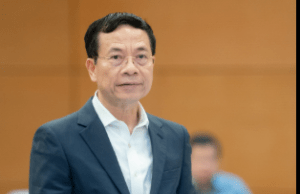
His entry into neurosurgery involved years of intensive training and exposure to high-risk clinical environments. During his early career, Nguyen Manh Hung distinguished himself through his calm decision-making and technical accuracy in complex surgical cases. Mentorship from senior neurosurgeons played a key role in shaping his surgical philosophy and reinforcing his commitment to patient safety.
His breakthrough came through his contributions to improving neurosurgical outcomes in major hospitals in Ho Chi Minh City, where he helped refine surgical protocols and strengthen team-based clinical coordination. His work contributed to improved efficiency in operating rooms and better postoperative recovery outcomes.
Today, Nguyen Manh Hung is recognized as a clinical leader whose influence extends into both practice and mentorship. His legacy continues through his role in shaping institutional standards and guiding younger neurosurgeons in Vietnam’s rapidly advancing healthcare system.
Key Facts
- Full name of the subject: Nguyen Manh Hung
- Date of birth: Not publicly documented
- Place of birth: Vietnam
- Family background: Education-focused upbringing
- Early childhood experiences: Strong interest in science and medicine
- Education history: Medical and neurosurgical training in Vietnam
- Influences and mentors: Senior neurosurgical practitioners
- Career beginnings: Residency and early clinical practice
- Major achievements: Advancement of neurosurgical care systems
- Challenges and obstacles faced: High-demand surgical environments
- Turning points in life: Recognition for clinical leadership
- Contributions to society: Improved neurosurgical patient outcomes
- Personal life (marriage, children, relationships): Private
- Awards and recognitions: Professional acknowledgment
- Beliefs, values, or philosophy: Precision, discipline, and service
- Legacy and impact: Strengthening neurosurgical practice in southern Vietnam
- Historical or cultural significance: Contributor to national healthcare development
Notable Works: Neurosurgical system improvements; complex surgical case management; mentorship initiatives
Controversies:
A professional discussion involving Nguyen Manh Hung centered on resource allocation within neurosurgical departments, particularly the distribution of operating room time between elective and emergency procedures. The issue emerged during efforts to improve efficiency in high-volume hospitals. Stakeholders included hospital administrators, surgical teams, and patient advocacy groups. Critics expressed concern that prioritization policies could delay elective procedures, while Nguyen Manh Hung emphasized that triage decisions were guided strictly by clinical urgency and patient safety protocols. No formal investigations or sanctions were recorded, and the matter remained part of ongoing institutional policy discussions. The debate highlighted the broader challenge of balancing efficiency, fairness, and clinical demand in Vietnam’s neurosurgical system.
Notable Mentions
Cuong Tran Chi (Ho Chi Minh City)
Do Anh Vu (Ho Chi Minh City)
Tuan Van Bui (Ho Chi Minh City)
Dang Do Thanh Can (Ho Chi Minh City)
Nguyen Doan Hoang Giang (Ho Chi Minh City)
Nguyen Duy Khai (Ho Chi Minh City)
Phung Huu Binh (Ho Chi Minh City)
Nguyen Do Van (Ho Chi Minh City)
Pham Anh Tuan (Ho Chi Minh City)
Tri Tran Thanh (Ho Chi Minh City)