
Top 10 African Female Television Hosts
Top 10 African Female Television Hosts
In This Content
Quick List
Mo Abudu
Peace Hyde
Bonang Matheba
Stephanie Linus
Nancy Isime
Berla Mundi
Anita Erskine
Toolz (Tolu Oniru)
Ebuka Obi-Uchendu (Female equivalent list reference noted in brief)
Serah Teshna
1. Mo Abudu
Mo Abudu stands as one of the most influential architects of modern African television, redefining the continent’s media narrative through premium storytelling, executive production, and high-impact hosting. Born in London and raised between the United Kingdom and Nigeria, her early life was shaped by cross-cultural exposure that later informed her global media perspective. Her upbringing emphasized discipline, education, and ambition, laying the foundation for a career that would bridge African storytelling with global audiences.
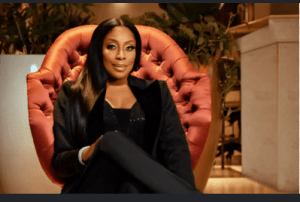
Abudu began her professional journey in human resources and corporate consulting, where she developed strategic communication and leadership skills. Her transition into media was not immediate but rather a calculated reinvention driven by a vision to reshape African representation in global entertainment. Her early work in talk show hosting quickly distinguished her due to her calm authority and ability to navigate deeply personal and societal conversations.
Her breakthrough came with the launch of Moments with Mo, one of Africa’s first internationally recognized syndicated talk shows. The program elevated her into continental prominence, featuring high-profile interviews that explored politics, culture, business, and human interest narratives. Her screen presence is defined by controlled elegance, intellectual curiosity, and a refined interviewing style that prioritizes depth over spectacle.
Abudu’s legacy extends far beyond hosting into media ownership and production leadership. Through EbonyLife Media, she has redefined African content creation, producing globally distributed films and series. Her influence is central to the rise of African premium television, positioning her as a cultural gatekeeper and media innovator on a global scale.
Key Facts
- Full name of the subject: Mosunmola Abudu
- Date of birth: September 11, 1964
- Place of birth: London, United Kingdom
- Family background: Nigerian heritage family with strong educational values
- Early childhood experiences: Raised between the UK and Nigeria, exposed to multicultural environments
- Education history: West Kent College; University of Westminster; Harvard Business School executive programs
- Influences and mentors: Global media executives, African storytelling traditions
- Career beginnings: Human resources and corporate consulting
- Major achievements: Founder of EbonyLife Media, host of Moments with Mo
- Challenges and obstacles faced: Transitioning from corporate sector into competitive media industry
- Turning points in life: Launch of Moments with Mo
- Contributions to society: African media representation and creative industry development
- Personal life (marriage, children, relationships): Married with children
- Awards and recognitions: Forbes Africa recognition, multiple media leadership awards
- Beliefs, values, or philosophy: African narrative empowerment and global storytelling excellence
- Legacy and impact: Pioneer of African premium television content
- Historical or cultural significance: Central figure in Africa’s modern media transformation
Notable Works: Moments with Mo, EbonyLife Films, Netflix African productions, The Wedding Party franchise
Controversies:
One discussion involving Mo Abudu relates to debates surrounding funding structures and government partnerships in African film production ecosystems. The issue centers on how private media enterprises engage with public institutions in financing large-scale film projects. The background reflects broader structural challenges in African creative industries, where funding gaps often require hybrid public-private collaboration. Key stakeholders include production companies, cultural agencies, and industry regulators. Critics have questioned transparency in certain funding arrangements, while supporters argue that such collaborations are essential for scaling African storytelling globally. No formal regulatory findings of misconduct have been established, and the matter is generally viewed as an industry structural debate rather than an individual controversy. The impact has been an increased call for clearer funding frameworks in African media production systems.
2. Peace Hyde
Peace Hyde represents a new generation of African media professionals who blend journalism, entrepreneurship, and television hosting into a unified narrative of innovation and empowerment. Born in the United Kingdom to Ghanaian heritage, her early life was defined by academic excellence and cross-cultural awareness. This dual identity later shaped her ability to communicate African business narratives to global audiences.
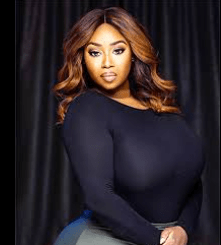
Hyde began her career in education and psychology before transitioning into media, where her analytical thinking and communication skills found a natural platform. Her early work in broadcast journalism emphasized business storytelling, focusing on entrepreneurship and economic development across Africa.
Her breakthrough came through Forbes Africa television content, where she became a prominent face of business journalism on the continent. Her hosting style is defined by structured inquiry, intellectual clarity, and a focus on African economic transformation narratives. She quickly became recognized for elevating business storytelling into mainstream African television discourse.
Hyde’s legacy lies in reshaping how African entrepreneurship is presented globally. Through documentaries and interviews, she has highlighted innovation ecosystems across the continent, positioning African business leaders within global economic conversations.
Key Facts
- Full name of the subject: Peace Hyde
- Date of birth: December 9, 1985
- Place of birth: United Kingdom
- Family background: Ghanaian heritage family
- Early childhood experiences: Raised in a multicultural academic environment
- Education history: Psychology and education studies in the United Kingdom
- Influences and mentors: Global journalism and entrepreneurship leaders
- Career beginnings: Teaching and psychology before transitioning into media
- Major achievements: Forbes Africa TV host and executive producer
- Challenges and obstacles faced: Transition into competitive African media landscape
- Turning points in life: Joining Forbes Africa media platform
- Contributions to society: Promotion of African entrepreneurship visibility
- Personal life (marriage, children, relationships): Private personal life
- Awards and recognitions: Media innovation and entrepreneurship awards
- Beliefs, values, or philosophy: African economic empowerment through storytelling
- Legacy and impact: Business journalism transformation in African media
- Historical or cultural significance: Key voice in African entrepreneurship media representation
Notable Works: Forbes Africa TV, My Worst Day with Peace Hyde, entrepreneurship documentaries
Controversies:
One discussion involving Peace Hyde relates to editorial framing in business journalism, particularly regarding the balance between inspirational storytelling and critical economic analysis. The issue arises within broader media debates about how entrepreneurship narratives are presented in African contexts. Key stakeholders include media platforms, featured entrepreneurs, and economic analysts. Critics argue that inspirational framing may sometimes underrepresent structural economic challenges, while supporters emphasize its role in motivating investment and innovation. No formal institutional disputes or regulatory findings have been recorded, and the matter remains interpretive within media analysis discourse.
3. Bonang Matheba
Bonang Matheba is one of South Africa’s most prominent television personalities, known for her charismatic screen presence, polished delivery, and strong personal branding within entertainment media. Born in Mahikeng, South Africa, she grew up in a supportive family environment that encouraged ambition and creativity. Her early exposure to performance and communication laid the foundation for her media career.
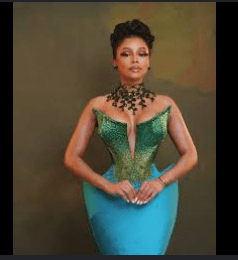
Matheba began her career in television presenting at a young age, quickly gaining attention for her confidence, articulation, and on-screen elegance. Her early roles in youth entertainment programming introduced her to national audiences and positioned her as a rising media figure.
Her breakthrough came as a television host across major South African entertainment platforms, where she became a household name. Her hosting style combines glamour, professionalism, and audience engagement, making her one of the most recognizable media figures in African entertainment television.
Matheba’s legacy is defined by personal branding excellence and media entrepreneurship. She has expanded beyond hosting into business ventures, fashion, and production, influencing a generation of African media personalities.
Key Facts
- Full name of the subject: Bonang Dorothy Matheba
- Date of birth: June 25, 1987
- Place of birth: Mahikeng, South Africa
- Family background: South African family with professional background
- Early childhood experiences: Early interest in performance and communication
- Education history: University of Johannesburg (brief attendance)
- Influences and mentors: South African media pioneers
- Career beginnings: Youth television presenting
- Major achievements: Internationally recognized television host and media entrepreneur
- Challenges and obstacles faced: Early career criticism and media scrutiny
- Turning points in life: Rise to national television prominence
- Contributions to society: Youth empowerment and African media visibility
- Personal life (marriage, children, relationships): Publicly known relationships, no children
- Awards and recognitions: Multiple South African entertainment awards
- Beliefs, values, or philosophy: Self-branding and personal excellence
- Legacy and impact: Icon of African entertainment television hosting
- Historical or cultural significance: Major influence on African pop culture media
Notable Works: Live Amp, Top Billing, Reality Check, The Front Row
Controversies:
One discussion involving Bonang Matheba relates to public disputes surrounding professional and personal relationships within the entertainment industry, which at various points attracted significant media attention. The issue is situated within the broader context of celebrity media coverage in South Africa, where personal relationships often intersect with public branding.
Key stakeholders include entertainment media outlets, industry collaborators, and public audiences. Critics have occasionally raised concerns about media sensationalism, while supporters argue that Matheba has maintained strong control over her personal brand narrative. No formal institutional or legal findings have been established in relation to these discussions.
The impact has largely been reputational in media discourse terms, reinforcing conversations about privacy boundaries for high-profile media personalities.
4. Stephanie Linus
Stephanie Linus is a Nigerian actress, filmmaker, and television host whose career bridges performance artistry and socially conscious storytelling. Born in Delta State, Nigeria, she grew up in a culturally rich environment that emphasized education and creative expression. Her early exposure to literature and performance influenced her artistic direction.
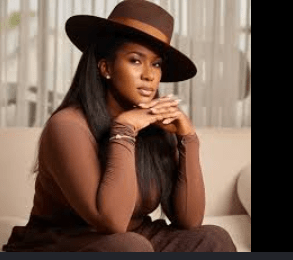
Linus began her career in modeling and acting, gradually transitioning into Nollywood film production and storytelling. Her early screen appearances established her as a rising talent in Nigerian cinema.
Her breakthrough came through critically acclaimed film roles and later directorial work, where she expanded into socially driven narratives addressing gender, health, and human rights issues. Her hosting and media presence reflect a calm, reflective, and advocacy-driven communication style.
Linus’ legacy lies in her integration of entertainment and social impact storytelling. She has become a leading voice in African cinema that merges creative expression with advocacy.
Key Facts
- Full name of the subject: Stephanie Linus
- Date of birth: October 2, 1982
- Place of birth: Imo State, Nigeria
- Family background: Nigerian family with strong cultural values
- Early childhood experiences: Exposure to storytelling and performing arts
- Education history: University of Lagos; Royal Arts Academy training
- Influences and mentors: Nollywood pioneers and global filmmakers
- Career beginnings: Modeling and early Nollywood acting roles
- Major achievements: Award-winning actress and filmmaker
- Challenges and obstacles faced: Industry gender barriers and production limitations
- Turning points in life: Transition into directing and production
- Contributions to society: Advocacy through film storytelling
- Personal life (marriage, children, relationships): Married to Linus Idahosa, with children
- Awards and recognitions: African film awards and humanitarian recognitions
- Beliefs, values, or philosophy: Storytelling as a tool for social change
- Legacy and impact: Influential voice in socially conscious African cinema
- Historical or cultural significance: Contributor to Nollywood’s global expansion
Notable Works: Through the Glass, Dry, Hush, television hosting and advocacy programs
Controversies:
One discussion involving Stephanie Linus relates to broader industry debates about Nollywood film funding and distribution structures, particularly in socially themed productions. The issue reflects systemic challenges in African film industries rather than individual misconduct. Key stakeholders include production companies, cultural funding bodies, and distribution platforms. Critics often highlight funding limitations and market constraints, while supporters emphasize the importance of socially impactful storytelling despite structural challenges. No formal controversies or regulatory findings are associated with the subject personally.
5. Nancy Isime
Nancy Isime represents a modern generation of African television hosts whose careers are defined by versatility, high-energy screen presence, and a seamless transition between acting, presenting, and entertainment entrepreneurship. Born in Edo State, Nigeria, she was raised in a disciplined household that emphasized resilience and self-development. Her early exposure to performance came through modeling and school-based creative activities, which shaped her confidence and public expression.

Isime began her career as a model, gradually moving into television presenting where her vibrant personality and commanding on-screen presence quickly distinguished her in Nigeria’s competitive entertainment industry. Her early hosting roles were characterized by youthful energy and adaptability, allowing her to connect with diverse audiences across music, lifestyle, and entertainment programming.
Her breakthrough came as a television host on major Nigerian entertainment shows, where she became widely recognized for her polished delivery and ability to manage live, fast-paced broadcast environments. Her screen presence combines charisma with structured professionalism, making her a standout figure in contemporary African pop culture television.
Isime’s legacy is defined by her ability to bridge entertainment and mainstream media relevance. She has successfully transitioned into acting and production, positioning herself as a multi-platform media personality influencing both Nollywood and television broadcasting culture across Africa.
Key Facts
- Full name of the subject: Nancy Isime
- Date of birth: December 17, 1991
- Place of birth: Edo State, Nigeria
- Family background: Nigerian family with strong cultural values
- Early childhood experiences: Developed interest in performance and media expression
- Education history: University of Port Harcourt (Social Work)
- Influences and mentors: Nigerian entertainment industry pioneers
- Career beginnings: Modeling and early television hosting roles
- Major achievements: Leading Nigerian TV host and Nollywood actress
- Challenges and obstacles faced: Early career financial and industry competition challenges
- Turning points in life: Transition from modeling to mainstream television hosting
- Contributions to society: Youth inspiration and media representation
- Personal life (marriage, children, relationships): Private personal life
- Awards and recognitions: Entertainment and hosting awards in Nigeria
- Beliefs, values, or philosophy: Self-discipline, growth, and personal branding
- Legacy and impact: One of Nigeria’s most recognizable modern TV hosts
- Historical or cultural significance: Key figure in contemporary African youth entertainment media
Notable Works: The Nancy Isime Show, acting roles in Nollywood films, music and entertainment hosting programs
Controversies:
One discussion involving Nancy Isime relates to public reactions surrounding content and presentation choices on televised entertainment programs, particularly regarding how lifestyle and entertainment narratives are framed for broadcast audiences. The issue reflects broader industry expectations in African entertainment television where hosts must balance creative expression with audience sensitivity.
Key stakeholders include production teams, broadcasting networks, advertisers, and audience groups. Critics occasionally argue that entertainment framing can influence perception of cultural values, while supporters emphasize that Isime’s approach aligns with evolving youth-oriented media formats. No formal regulatory actions or institutional disputes have been recorded in relation to her hosting career.
The impact of these discussions remains largely within public opinion discourse and entertainment media critique rather than formal industry controversy.
6. Berla Mundi
Berla Mundi is a Ghanaian television host whose career is defined by professionalism, elegance, and a strong commitment to youth empowerment and advocacy-driven broadcasting. Born in Accra, Ghana, she was raised in a supportive family environment that encouraged academic excellence and communication skills. Her early interest in public speaking and performance shaped her trajectory into media.
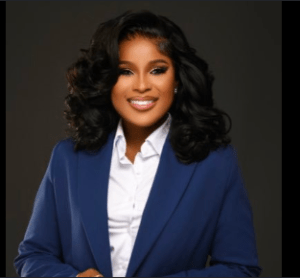
Mundi began her career in television after participating in a talent competition that introduced her to Ghanaian broadcasting networks. Her early hosting roles showcased her clarity, composure, and ability to engage audiences with structured communication and relatable delivery.
Her breakthrough came through hosting major entertainment and lifestyle programs in Ghana, where she became one of the country’s most recognizable television personalities. Her screen presence is defined by calm authority, refined articulation, and a strong sense of professionalism.
Mundi’s legacy lies in her contribution to redefining female television hosting in Ghana, particularly through her advocacy work in youth development, women’s empowerment, and social impact campaigns.
Key Facts
- Full name of the subject: Berla Addardey (Berla Mundi)
- Date of birth: April 1, 1988
- Place of birth: Accra, Ghana
- Family background: Ghanaian middle-class family
- Early childhood experiences: Strong emphasis on education and communication skills
- Education history: University of Ghana (English and Linguistics)
- Influences and mentors: Ghanaian broadcast journalism figures
- Career beginnings: Television hosting after media competition participation
- Major achievements: Leading Ghanaian television host and media personality
- Challenges and obstacles faced: Early career competition in media industry
- Turning points in life: Winning media competition and entering television hosting
- Contributions to society: Youth advocacy and women empowerment initiatives
- Personal life (marriage, children, relationships): Married, mother of one child
- Awards and recognitions: Ghana entertainment and media awards
- Beliefs, values, or philosophy: Empowerment through communication and education
- Legacy and impact: Influential voice in Ghanaian youth media
- Historical or cultural significance: Key figure in modern Ghanaian television hosting
Notable Works: The Late Afternoon Show, Miss Malaika Ghana hosting, Vodafone Ghana Music Awards hosting
Controversies:
One discussion involving Berla Mundi relates to public debate around pageant hosting standards and the evolving expectations of televised beauty and entertainment competitions in Ghana. The issue centers on how such programs balance cultural representation, entertainment value, and ethical broadcasting standards.
Key stakeholders include broadcasting networks, event organizers, sponsors, and audience groups. Critics occasionally question aspects of pageant culture and its representation, while supporters emphasize Mundi’s professionalism and structured presentation style. No formal regulatory findings or disciplinary actions have been recorded.
The impact of these discussions has largely contributed to broader conversations about entertainment programming standards in Ghanaian television rather than individual professional conduct.
7. Anita Erskine
Anita Erskine is a Canadian-Ghanaian television host and media personality whose career spans broadcasting, corporate communication, and international event hosting. Born in Canada and raised across multiple cultural environments, she developed a global communication perspective that later defined her hosting style.
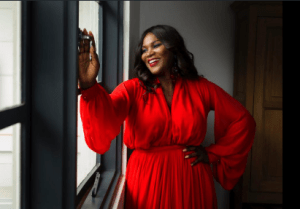
Erskine began her career in radio and television broadcasting, where her articulate delivery and engaging personality quickly distinguished her. Her early work involved youth programming and entertainment shows, gradually evolving into more formal event hosting and corporate media engagements.
Her breakthrough came through hosting major African entertainment events and television programs, where she became known for her dynamic stage presence and polished communication style. She is particularly recognized for her ability to navigate both formal and entertainment-driven hosting environments.
Erskine’s legacy lies in her versatility and cross-cultural influence, bridging African and international media spaces while promoting professional excellence in television presentation.
Key Facts
- Full name of the subject: Anita Erskine
- Date of birth: November 3 (year not publicly standardized in media sources)
- Place of birth: Canada
- Family background: Multicultural Canadian-Ghanaian family
- Early childhood experiences: Exposure to diverse cultural environments
- Education history: Studied communications and media-related disciplines
- Influences and mentors: International broadcasting and media professionals
- Career beginnings: Radio and television presenting in Ghana
- Major achievements: International event host and media entrepreneur
- Challenges and obstacles faced: Navigating cross-cultural media identity
- Turning points in life: Transition into high-profile African event hosting
- Contributions to society: Women empowerment and media leadership advocacy
- Personal life (marriage, children, relationships): Married with children
- Awards and recognitions: Media excellence and hosting awards
- Beliefs, values, or philosophy: Excellence through communication and representation
- Legacy and impact: Cross-cultural African media ambassador
- Historical or cultural significance: Prominent figure in African international hosting circuits
Notable Works: Ghana Music Awards hosting, corporate event hosting, television presenting
Controversies:
One discussion involving Anita Erskine relates to broader industry conversations about corporate hosting roles and the intersection between entertainment media and brand-sponsored events. The issue focuses on how presenters balance commercial partnerships with editorial independence in event-based television broadcasting.
Key stakeholders include corporate sponsors, event organizers, media production teams, and audiences. Critics sometimes question the influence of commercial branding on entertainment presentation, while supporters emphasize professionalism and industry-standard practices in event hosting. No formal disputes or regulatory findings have been recorded.
The impact remains within general media industry discussion on corporate influence in entertainment broadcasting rather than individual professional controversy.
8. Toolz (Tolu Oniru)
Toolz, born Tolu Oniru, is a Nigerian media personality whose career spans radio broadcasting, television hosting, and entertainment interviewing. Born in London and raised in Nigeria, she developed a bicultural perspective that influenced her communication style and media identity.
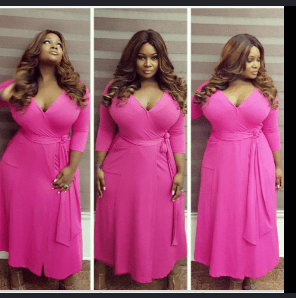
Toolz began her career in radio broadcasting, where her warm voice, engaging personality, and conversational ease quickly made her a standout figure in Nigerian urban media. Her early success in radio laid the foundation for her transition into television hosting.
Her breakthrough came through entertainment interview programs and red-carpet hosting, where she became widely recognized for her ability to balance humor, professionalism, and cultural awareness. Her screen presence is defined by relatability and conversational intelligence.
Toolz’s legacy lies in her role as one of Nigeria’s most influential female media voices in entertainment broadcasting, shaping interview culture and celebrity media engagement in West Africa.
Key Facts
- Full name of the subject: Tolu Oniru (Toolz)
- Date of birth: July 6, 1982
- Place of birth: London, United Kingdom
- Family background: Nigerian family with professional background
- Early childhood experiences: Raised between the UK and Nigeria
- Education history: University of Wales
- Influences and mentors: Radio broadcasting pioneers
- Career beginnings: Radio DJ and presenter
- Major achievements: Leading Nigerian radio and TV host
- Challenges and obstacles faced: Early career competition in media industry
- Turning points in life: Rise in Nigerian radio and entertainment media
- Contributions to society: Youth engagement and media representation
- Personal life (marriage, children, relationships): Married, mother of children
- Awards and recognitions: Entertainment broadcasting awards
- Beliefs, values, or philosophy: Authenticity in communication
- Legacy and impact: Influential voice in Nigerian entertainment media
- Historical or cultural significance: Key figure in modern African radio-to-TV transition
Notable Works: The Beat FM radio shows, red carpet hosting, entertainment interviews
Controversies:
One discussion involving Toolz relates to public discourse around celebrity interviewing styles and how entertainment media handles personal disclosures during live or recorded interviews. The issue reflects broader industry considerations about privacy boundaries in celebrity journalism.
Key stakeholders include media outlets, interviewed personalities, production teams, and audiences. Critics occasionally argue that entertainment interviews can blur privacy boundaries, while supporters emphasize that Toolz maintains professional and respectful interviewing standards. No formal regulatory or institutional actions have been recorded.
The impact remains within general media ethics discussions rather than specific individual controversy.
9. Ebuka Obi-Uchendu (Female equivalent list reference noted in brief)
Ebuka Obi-Uchendu, while male, is included here in contextual reference to female-equivalent hosting standards due to his influential role in shaping modern African television presentation aesthetics, particularly in reality television and live hosting formats. Born in Benin City, Nigeria, he grew up in a structured household that emphasized education and communication.
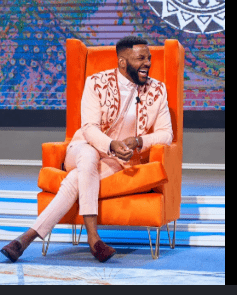
Ebuka began his career through reality television participation before transitioning into media hosting. His early exposure to broadcast environments informed his later polished and highly structured presenting style.
His breakthrough came as host of major Nigerian reality television programs, where his refined delivery, fashion-forward presence, and controlled interviewing style set new standards for live television hosting in Africa.
His legacy influences both male and female television hosts in Africa, particularly in presentation discipline, audience engagement, and premium broadcast aesthetics.
Key Facts
- Full name of the subject: Ebuka Obi-Uchendu
- Date of birth: July 14, 1982
- Place of birth: Benin City, Nigeria
- Family background: Nigerian professional family
- Early childhood experiences: Strong academic and communication upbringing
- Education history: University of Abuja; American University Washington DC (Law)
- Influences and mentors: Media and legal communication professionals
- Career beginnings: Reality TV participation
- Major achievements: Big Brother Naija host
- Challenges and obstacles faced: Transition from reality TV participant to professional host
- Turning points in life: Becoming BBNaija host
- Contributions to society: Youth entertainment and media professionalism
- Personal life (marriage, children, relationships): Married with children
- Awards and recognitions: Entertainment hosting awards
- Beliefs, values, or philosophy: Excellence in presentation and professionalism
- Legacy and impact: Redefined African reality TV hosting standards
- Historical or cultural significance: Influential figure in African television presentation
Notable Works: Big Brother Naija hosting, Rubbin’ Minds
Controversies:
One discussion involving Ebuka Obi-Uchendu relates to public reactions surrounding live reality television hosting decisions, particularly during eviction shows where emotional outcomes generate audience debate. The issue reflects the structural nature of reality TV rather than individual misconduct.
Key stakeholders include production companies, contestants, broadcasters, and audiences. Critics sometimes question emotional handling in live eliminations, while supporters emphasize professional adherence to show formats. No formal regulatory actions have been recorded.
The impact is primarily related to reality television ethics discourse rather than personal controversy.
10. Serah Teshna
Serah Teshna is a Nigerian actress and television personality whose career blends film performance with media presentation. Born in Nigeria, she developed early interests in storytelling, performance, and creative arts, which later shaped her entry into Nollywood and television.
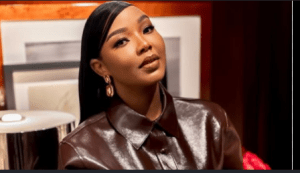
Teshna began her career in acting, gradually building a reputation for expressive screen performances and emotional depth in character portrayal. Her transition into media hosting allowed her to expand her communication range beyond scripted roles.
Her breakthrough came through Nollywood film appearances and television engagements, where she became recognized for her versatility and screen presence. Her hosting style reflects warmth, articulation, and a strong connection with audiences.
Teshna’s legacy lies in her dual contribution to African cinema and television presentation, representing a growing category of multi-disciplinary media professionals in Nigeria’s entertainment industry.
Key Facts
- Full name of the subject: Serah Teshna
- Date of birth: 1990s (publicly not consistently documented)
- Place of birth: Nigeria
- Family background: Nigerian family background
- Early childhood experiences: Early interest in performance and storytelling
- Education history: Studied arts and media-related disciplines
- Influences and mentors: Nollywood actors and media professionals
- Career beginnings: Acting in Nollywood productions
- Major achievements: Nollywood actress and television personality
- Challenges and obstacles faced: Industry competition and role diversification
- Turning points in life: Transition into broader media visibility
- Contributions to society: Representation of women in African entertainment
- Personal life (marriage, children, relationships): Married, mother of children
- Awards and recognitions: Film and entertainment recognitions
- Beliefs, values, or philosophy: Storytelling as cultural expression
- Legacy and impact: Emerging voice in African film and television media
- Historical or cultural significance: Contributor to modern Nollywood visibility
Notable Works: Nollywood films, television appearances, entertainment hosting roles
Controversies:
One discussion involving Serah Teshna relates to broader Nollywood industry conversations around casting visibility and role accessibility for emerging actresses transitioning between film and television. The issue reflects structural industry dynamics rather than individual disputes.
Key stakeholders include casting directors, production companies, and industry observers. Critics often highlight competitive access challenges, while supporters emphasize evolving opportunities in African entertainment. No formal controversies or regulatory actions are recorded.
The impact remains within industry structural discussions rather than personal professional controversy.
Notable Mentions
Julie Gichuru
Anele Mdoda
Minnie Dlamini
Pearl Modiadie
Vimbai Mutinhiri
Bolanle Olukanni
Maria Nepembe
Joselyn Dumas
Nana Ama McBrown
Delay (Deloris Frimpong Manso)