Top 10 Political Leaders in Modern History
Top 10 Political Leaders in Modern History
In This Content
1. NELSON MANDELA
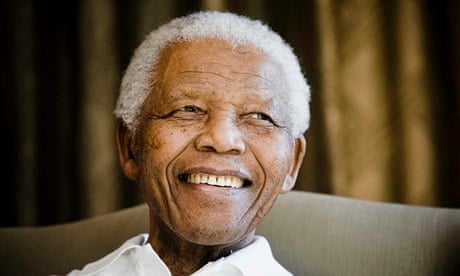
Nelson Mandela emerged as one of the most consequential political leaders of the 20th century, defined by a life shaped through resistance, imprisonment, and reconciliation. Born in Mvezo, South Africa, in 1918, he grew up in the Thembu royal lineage, where traditional leadership structures instilled in him a deep understanding of governance, justice, and collective responsibility. His early life unfolded under the tightening grip of apartheid, a system that would define his political consciousness.
He began his career as a young lawyer in Johannesburg, where exposure to systemic racial inequality pushed him toward political activism through the African National Congress (ANC). His early involvement focused on legal resistance and organized civil disobedience, gradually escalating into more structured opposition against apartheid policies. These formative years positioned him as both a legal strategist and an emerging revolutionary voice.
His breakthrough came during the Rivonia Trial in 1964, which led to his imprisonment for 27 years. Rather than diminishing his influence, incarceration transformed Mandela into a global symbol of resistance and moral endurance. His leadership evolved in confinement, where his philosophy of reconciliation and negotiation began to take shape.
His release in 1990 marked the beginning of South Africa’s transition from apartheid to democracy. By the 1990s, Mandela had become the nation’s first Black president, leading efforts to dismantle institutional segregation and promote national unity. His legacy is defined by forgiveness, democratic transition, and the moral restructuring of a divided nation.
Key Facts
- Full name of the subject: Nelson Rolihlahla Mandela
- Date of birth: 18 July 1918
- Place of birth: Mvezo, South Africa
- Family background: Royal Thembu lineage
- Early childhood experiences: Exposure to traditional leadership systems
- Education history: University of Fort Hare, University of Witwatersrand (Law)
- Influences and mentors: African nationalism leaders, legal scholars
- Career beginnings: Lawyer and ANC activist
- Major achievements: First Black President of South Africa
- Challenges and obstacles faced: 27 years of imprisonment
- Turning points in life: Rivonia Trial conviction and release from prison
- Contributions to society: Ended the apartheid system and promoted reconciliation
- Personal life (marriage, children, relationships): Married multiple times, children
- Awards and recognitions: Nobel Peace Prize (1993)
- Beliefs, values, or philosophy: Equality, forgiveness, and democratic justice
- Legacy and impact: Global symbol of peace and resistance
- Historical or cultural significance: Architect of post-apartheid South Africa
Notable Works: Long Walk to Freedom, Truth and Reconciliation Commission, anti-apartheid speeches, ANC leadership reforms, democratic constitution influence
Controversies:
Criticism from the apartheid government, labelling him a terrorist during his early activism
Debates over ANC armed resistance strategies
Cold War-era geopolitical scrutiny of ANC alliances
Posthumous debates over the legacy of economic inequality in South Africa.
2. WINSTON CHURCHILL
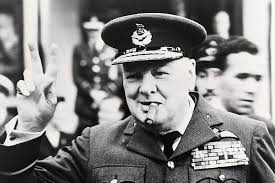
Winston Churchill stands as one of the defining political figures of modern history, known for leadership forged under the pressure of global war and national survival. Born in 1874 into the British aristocracy, he grew up in an environment of privilege but emotional distance, shaping a personality marked by determination and rhetorical intensity. His early life was shaped by academic struggles and a desire to prove himself beyond inherited status.
He began his career as a military officer and war correspondent before entering British politics in the early 1900s. His early political journey was marked by party shifts and ideological evolution, reflecting both ambition and strategic adaptation. These formative years built his reputation as a bold but controversial political thinker.
His breakthrough came during World War II, when he became Prime Minister of the United Kingdom in 1940. His leadership during the war was defined by defiant oratory, strategic resilience, and refusal to consider surrender during Britain’s darkest hours. His speeches became instruments of national morale and global resistance against fascism.
By the 1990s, Churchill’s legacy had solidified as a symbol of wartime leadership and democratic perseverance. His impact remains deeply embedded in global political memory, representing leadership under existential crisis and the power of rhetoric in shaping national identity.
Key Facts
- Full name of the subject: Sir Winston Leonard Spencer Churchill
- Date of birth: 30 November 1874
- Place of birth: Blenheim Palace, Oxfordshire, England
- Family background: Aristocratic British political family
- Early childhood experiences: Privileged but emotionally distant upbringing
- Education history: Harrow School, Royal Military Academy Sandhurst
- Influences and mentors: British imperial leadership tradition
- Career beginnings: Military officer and war correspondent
- Major achievements: Prime Minister during World War II
- Challenges and obstacles faced: Political defeats and party changes
- Turning points in life: Leadership during the WWII crisis
- Contributions to society: Leadership in defeating Nazi Germany
- Personal life (marriage, children, relationships): Married with children
- Awards and recognitions: Nobel Prize in Literature
- Beliefs, values, or philosophy: Democracy, resistance against tyranny
- Legacy and impact: Symbol of wartime leadership and resilience
- Historical or cultural significance: Key figure in Allied victory in WWII
Notable Works: WWII leadership speeches, “We Shall Fight on the Beaches,” The Second World War (books), Iron Curtain speech, British war strategy
Controversies:
Criticism over colonial-era policies in the British Empire
Debates regarding the Bengal famine response during WWII
Political party switching and ideological inconsistencies
Contemporary reassessment of imperialist views.
3. MARGARET THATCHER
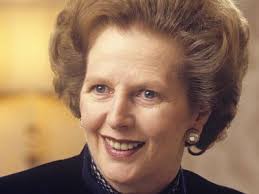
Margaret Thatcher emerged as one of the most influential and polarizing political leaders of the late 20th century, redefining economic policy and political ideology in the Western world. Born in Grantham, England, in 1925, she grew up in a disciplined Methodist household where hard work, frugality, and self-reliance formed the foundation of her worldview. Her early education emphasized academic excellence and structured ambition.
She began her career as a chemist before transitioning into law and then politics, entering the British Parliament in 1959. Her early political years were marked by persistence within a male-dominated environment, where she gradually built a reputation for intellectual rigour and ideological conviction.
Her breakthrough came in 1979 when she became the first female Prime Minister of the United Kingdom. Her leadership defined the 1980s, marked by economic liberalization, privatization of state industries, and strong resistance to trade union power. Her political style emphasized discipline, authority, and ideological consistency.
By the 1990s, Thatcher’s influence continued to shape global conservative economics even after her departure from office. Her legacy is defined by structural economic reform and the transformation of modern conservative political philosophy.
Key Facts
- Full name of the subject: Margaret Hilda Thatcher
- Date of birth: 13 October 1925
- Place of birth: Grantham, England
- Family background: Middle-class Methodist family
- Early childhood experiences: Strict disciplined upbringing
- Education history: University of Oxford (Chemistry), Law training
- Influences and mentors: Conservative economic thinkers, British political tradition
- Career beginnings: Chemist and barrister before entering politics
- Major achievements: First female UK Prime Minister
- Challenges and obstacles faced: Gender barriers in politics
- Turning points in life: Election victory in 1979
- Contributions to society: Economic restructuring of Britain
- Personal life (marriage, children, relationships): Married with children
- Awards and recognitions: Honorary global political honors
- Beliefs, values, or philosophy: Free-market economics, individual responsibility
- Legacy and impact: Reshaped global conservative politics
- Historical or cultural significance: Icon of neoliberal economic reform
Notable Works: Economic privatization reforms, Falklands War leadership, Conservative Party reforms, pension restructuring policies, Cold War diplomacy stance
Controversies:
Criticism over mining industry closures and unemployment rise
Falklands War political decisions debated internationally
Opposition to labour unions and strikes
Polarizing legacy in UK social policy history.
4. FRANKLIN D. ROOSEVELT
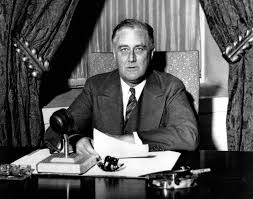
Franklin D. Roosevelt stands as one of the most transformative political leaders of the modern era, defined by leadership during economic collapse and global war. Born in Hyde Park, New York, in 1882, he grew up in a wealthy aristocratic family that provided him with privilege, education, and early exposure to political discourse. His upbringing emphasized public service, yet his early life was disrupted by a polio diagnosis that permanently altered his physical mobility and reshaped his character.
He began his political career as a New York State Senator before rising to national prominence as Assistant Secretary of the Navy. His early political trajectory was interrupted by his battle with polio, which forced a prolonged withdrawal from public life. During this period, he rebuilt both his physical endurance and political strategy, developing a more empathetic and resilient leadership style.
His breakthrough came in 1933 when he became President of the United States during the Great Depression. Through the New Deal, Roosevelt redefined the role of government in economic life, expanding federal intervention to stabilize financial systems, create jobs, and restore public confidence. His leadership style relied heavily on communication, particularly his “Fireside Chats,” which reassured a struggling nation.
By the 1990s, Roosevelt’s legacy was firmly established as the architect of modern American governance and wartime leadership during World War II. His impact reshaped the global understanding of state responsibility, economic recovery, and crisis leadership.
Key Facts
- Full name of the subject: Franklin Delano Roosevelt
- Date of birth: 30 January 1882
- Place of birth: Hyde Park, New York, USA
- Family background: Wealthy, political aristocratic family
- Early childhood experiences: Privileged upbringing with private education
- Education history: Harvard University, Columbia Law School
- Influences and mentors: Theodore Roosevelt, progressive reformers
- Career beginnings: New York State Senator
- Major achievements: Led U.S. through the Great Depression and World War II
- Challenges and obstacles faced: Polio paralysis and physical disability
- Turning points in life: 1933 presidential election victory
- Contributions to society: New Deal economic recovery programs
- Personal life (marriage, children, relationships): Married to Eleanor Roosevelt, children
- Awards and recognitions: U.S. presidential honours, global historical recognition
- Beliefs, values, or philosophy: Government responsibility in economic welfare
- Legacy and impact: Redefined modern welfare state and executive leadership
- Historical or cultural significance: Architect of 20th-century American governance
Notable Works: New Deal programs, Social Security Act, wartime leadership policies, Fireside Chats, economic recovery reforms
Controversies:
Criticism over the expansion of federal government power
Japanese American internment during World War II
Debates over the Supreme Court “court-packing” plan
Mixed historical reassessment of economic policy interventions.
5. MAHATMA GANDHI
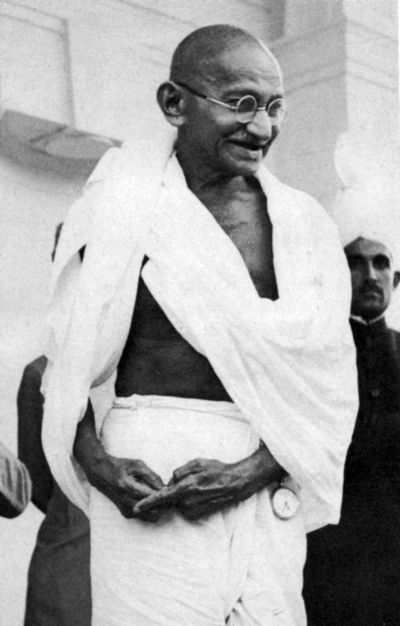
Mahatma Gandhi emerged as one of the most influential figures in the history of political resistance, shaping modern concepts of nonviolent protest and civil disobedience. Born in Porbandar, India, in 1869, he grew up in a devout Hindu household where moral discipline, religious tolerance, and ethical conduct were deeply emphasized. His early life was marked by introspection and a quiet personality that later evolved into profound moral leadership.
He began his career as a lawyer in India and later in South Africa, where he first encountered systemic racial discrimination. These experiences transformed his legal practice into political activism, as he began organizing Indian communities against discriminatory laws. His early activism focused on civil rights, legal resistance, and nonviolent protest strategies.
His breakthrough came upon returning to India, where he led mass movements against British colonial rule. Through campaigns such as the Salt March and non-cooperation movements, Gandhi mobilized millions while maintaining strict adherence to nonviolence (ahimsa) and civil disobedience (satyagraha). His leadership redefined resistance as a moral rather than military struggle.
By the 1990s, Gandhi’s legacy had become a global foundation for civil rights movements, influencing leaders such as Martin Luther King Jr. and Nelson Mandela. His impact is defined by moral authority, nonviolent resistance, and the transformation of political struggle into ethical philosophy.
Key Facts
- Full name of the subject: Mohandas Karamchand Gandhi
- Date of birth: 2 October 1869
- Place of birth: Porbandar, Gujarat, India
- Family background: Hindu merchant caste family
- Early childhood experiences: Religious upbringing and disciplined moral education
- Education history: University College London (Law)
- Influences and mentors: Hindu scriptures, Jain philosophy, Leo Tolstoy
- Career beginnings: Lawyer in South Africa
- Major achievements: Leader of the Indian independence movement
- Challenges and obstacles faced: Colonial imprisonment and political repression
- Turning points in life: South African civil rights activism
- Contributions to society: Nonviolent resistance philosophy
- Personal life (marriage, children, relationships): Married, children
- Awards and recognitions: Global peace legacy recognition
- Beliefs, values, or philosophy: Nonviolence, truth, civil disobedience
- Legacy and impact: Father of modern nonviolent resistance movements
- Historical or cultural significance: Leader of Indian independence
Notable Works: Salt March, Non-Cooperation Movement, Quit India Movement, Hind Swaraj, civil rights campaigns
Controversies:
Criticism regarding early racial statements in South Africa
Debates over political strategy during the partition of India
Disagreements within the Indian independence leadership
Historical reinterpretations of some social views.
6. JOHN F. KENNEDY
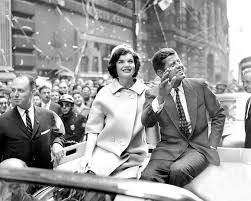
John F. Kennedy became one of the most iconic political leaders of the modern era, defined by youthful leadership, Cold War tension, and a powerful vision for national progress. Born in Brookline, Massachusetts, in 1917, he grew up in one of America’s most influential political families. His early life was shaped by privilege, rigorous education, and intense sibling competition, particularly within a family that valued public service and achievement.
He began his career as a naval officer during World War II, where his leadership during combat operations earned him national recognition. After the war, he entered politics as a U.S. Congressman and later Senator, quickly rising due to his communication skills and political charisma.
His breakthrough came in 1961 when he became the youngest elected President of the United States at the time. His presidency was marked by the Cuban Missile Crisis, the Space Race, and the promotion of civil rights. His leadership style combined intellectual charisma with public optimism, inspiring a generation to engage in civic responsibility.
By the 1990s, Kennedy’s legacy had evolved into a symbol of idealism, youth, and unfinished political potential. His impact remains deeply embedded in American political identity, particularly in foreign policy and civil rights advancement.
Key Facts
- Full name of the subject: John Fitzgerald Kennedy
- Date of birth: 29 May 1917
- Place of birth: Brookline, Massachusetts, USA
- Family background: Wealthy Irish-American political family
- Early childhood experiences: Privileged upbringing with strong academic pressure
- Education history: Harvard University
- Influences and mentors: Naval leadership, family political legacy
- Career beginnings: U.S. Navy officer and Congressman
- Major achievements: President during Cuban Missile Crisis and Space Race
- Challenges and obstacles faced: Cold War tensions and political opposition
- Turning points in life: 1960 presidential election victory
- Contributions to society: Civil rights advocacy and space exploration expansion
- Personal life (marriage, children, relationships): Married to Jacqueline Kennedy, children
- Awards and recognitions: Presidential honours and historical legacy recognition
- Beliefs, values, or philosophy: Public service, optimism, civic duty
- Legacy and impact: Symbol of modern American political idealism
- Historical or cultural significance: Cold War-era leadership icon
Notable Works: Cuban Missile Crisis resolution, Moon landing program initiation, Peace Corps creation, civil rights speeches, Alliance for Progress initiative
Controversies:
Criticism over the Bay of Pigs invasion failure
Allegations of personal misconduct in private life
Cold War escalation tensions with the USSR
Media scrutiny of personal and political decisions.
7. BARACK OBAMA
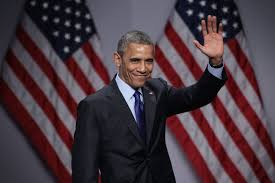
Barack Obama emerged as a defining political figure of the early 21st century, symbolizing a shift in global perceptions of leadership, identity, and political communication. Born in Honolulu, Hawaii, in 1961, he grew up in a multicultural household shaped by diverse cultural influences and geographic transitions. His early life was marked by intellectual curiosity, identity exploration, and a deep awareness of social inequality.
He began his career as a community organizer in Chicago, working directly with marginalized communities to address issues such as housing, employment, and education. This grassroots foundation shaped his political philosophy and distinguished him from traditional political entrants. He later transitioned into law, becoming a civil rights attorney and constitutional scholar.
His breakthrough came in 2008 when he was elected as the first African American President of the United States. His leadership style emphasized rhetorical clarity, diplomatic engagement, and policy-driven reform. Key initiatives included healthcare reform, economic recovery following the global financial crisis, and international diplomatic realignment.
By the 1990s context of modern political evolution (as a formative stage in his rise), Obama’s influence signaled a generational shift in political communication and global leadership style. His legacy is defined by inclusivity, digital-era political engagement, and the redefinition of modern presidential identity.
Key Facts
- Full name of the subject: Barack Hussein Obama II
- Date of birth: 4 August 1961
- Place of birth: Honolulu, Hawaii, USA
- Family background: Multicultural family (Kenyan father, American mother)
- Early childhood experiences: Raised between Hawaii and Indonesia
- Education history: Columbia University, Harvard Law School
- Influences and mentors: Civil rights leaders, constitutional scholars
- Career beginnings: Community organizer in Chicago
- Major achievements: 44th President of the United States
- Challenges and obstacles faced: Political opposition and racial barriers
- Turning points in life: 2008 presidential election victory
- Contributions to society: Healthcare reform and diplomatic engagement
- Personal life (marriage, children, relationships): Married to Michelle Obama, children
- Awards and recognitions: Nobel Peace Prize (2009)
- Beliefs, values, or philosophy: Pragmatic progressivism and civic unity
- Legacy and impact: Redefined modern political communication
- Historical or cultural significance: First African American U.S. president
Notable Works: Affordable Care Act, Paris Climate Agreement involvement, DACA policy, economic stimulus recovery plan, foreign diplomacy initiatives
Controversies:
Criticism over Affordable Care Act implementation challenges
Debates regarding foreign policy decisions in the Middle East
Surveillance and national security policy controversies
Partisan political polarization during presidency.
8. VACLAV HAVEL
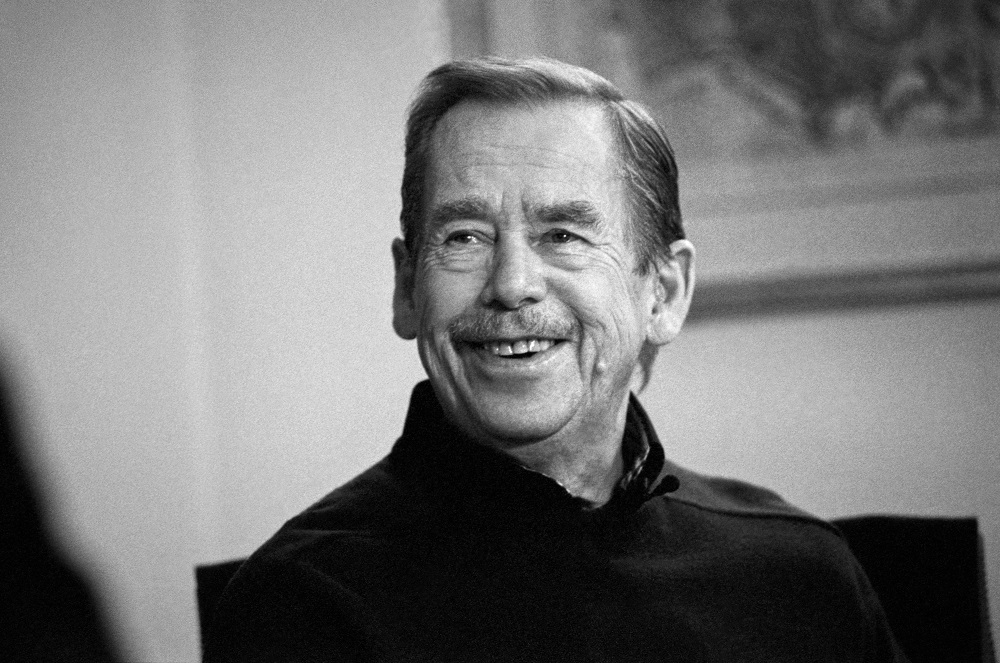
Václav Havel emerged as one of Europe’s most influential dissident-turned-presidents, representing the moral intersection of literature, resistance, and democratic transition. Born in Prague in 1936, he grew up in an intellectual and artistic family that was directly affected by political repression under communist rule. His early life exposed him to censorship and ideological control, shaping his lifelong opposition to authoritarianism.
He began his career as a playwright and essayist, using theatre as a subtle but powerful medium of political critique. His early works were banned or censored, yet they circulated underground, establishing him as a leading intellectual voice in Czechoslovakia’s dissident movement. His writing combined existential philosophy with political resistance.
His breakthrough came during the Velvet Revolution of 1989, when he became a central figure in the peaceful overthrow of communist rule in Czechoslovakia. Shortly after, he was elected President, transitioning from dissident artist to head of state in a historic democratic transformation.
By the 1990s, Havel had become a symbol of post-Cold War democratic renewal in Eastern Europe. His legacy is defined by moral politics, intellectual resistance, and the belief that truth and culture are essential foundations of governance.
Key Facts
- Full name of the subject: Václav Havel
- Date of birth: 5 October 1936
- Place of birth: Prague, Czechoslovakia
- Family background: An intellectual and bourgeois family affected by communist repression
- Early childhood experiences: Exposure to political censorship and ideological control
- Education history: Czech technical and artistic education background
- Influences and mentors: Existential philosophers, European playwrights
- Career beginnings: Playwright and dissident writer
- Major achievements: First President of the post-communist Czech Republic
- Challenges and obstacles faced: Imprisonment and censorship under the communist regime
- Turning points in life: Velvet Revolution leadership
- Contributions to society: Democratic transition in Eastern Europe
- Personal life (marriage, children, relationships): Married, no widely publicized children
- Awards and recognitions: International peace and democracy awards
- Beliefs, values, or philosophy: Human rights, truth, and civic responsibility
- Legacy and impact: Moral voice of post-communist Europe
- Historical or cultural significance: Key figure in Cold War democratic transitions
Notable Works: The Power of the Powerless, Letters to Olga, Velvet Revolution leadership, Civic Forum leadership, presidential reforms
Controversies:
Criticism over economic transition hardships in the post-communist era
Debates about pace of privatization reforms
Political tensions during NATO alignment discussions
Limited domestic opposition over policy direction.
9. ANGELA MERKEL
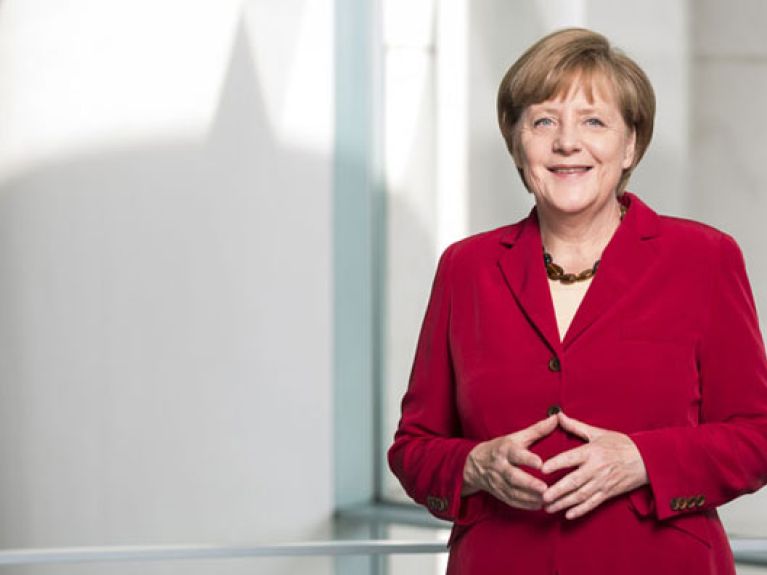
Angela Merkel stands as one of the most influential political leaders of contemporary Europe, defined by pragmatic leadership, crisis management, and long-term stability governance. Born in Hamburg in 1954 and raised in East Germany, she grew up under a socialist regime that deeply influenced her analytical and cautious approach to politics. Her early life was marked by scientific discipline and political observation.
She began her career as a physicist, working in quantum chemistry research before entering politics after the fall of the Berlin Wall. Her transition from science to politics was shaped by the rapid transformation of East Germany, where she quickly aligned with emerging democratic movements.
Her breakthrough came in the 2000s when she became Chancellor of Germany, ultimately serving as one of the longest-tenured leaders in modern European history. Her leadership style emphasized consensus, incremental decision-making, and crisis stabilization, particularly during the Eurozone crisis and refugee influx in Europe.
By the 1990s, Merkel’s early political formation had already positioned her as a rising force in post-reunification Germany. Her legacy is defined by stability-driven leadership and pragmatic governance during periods of global uncertainty.
Key Facts
- Full name of the subject: Angela Dorothea Merkel
- Date of birth: 17 July 1954
- Place of birth: Hamburg, West Germany
- Family background: Lutheran pastor’s family in East Germany
- Early childhood experiences: Life under the communist East German regime
- Education history: University of Leipzig (Physics)
- Influences and mentors: Scientific methodology, East German political transition
- Career beginnings: Quantum chemist researcher
- Major achievements: Chancellor of Germany (16 years)
- Challenges and obstacles faced: Cold War division and reunification transition
- Turning points in life: Fall of the Berlin Wall and entry into politics
- Contributions to society: European Union stability leadership
- Personal life (marriage, children, relationships): Married, no children
- Awards and recognitions: Order of Merit of the Federal Republic of Germany, global leadership honors
- Beliefs, values, or philosophy: Pragmatism, stability, scientific reasoning in governance
- Legacy and impact: Stabilized modern European political order
- Historical or cultural significance: Central figure in EU crisis management
Notable Works: Eurozone crisis leadership, refugee policy response, EU integration policies, climate agreements, German reunification governance
Controversies:
Criticism over 2015 refugee policy decisions
Debates on austerity measures in the Eurozone crisis
Tensions within EU leadership dynamics
Criticism over long-term economic dependency policies
10. LEE KUAN YEW
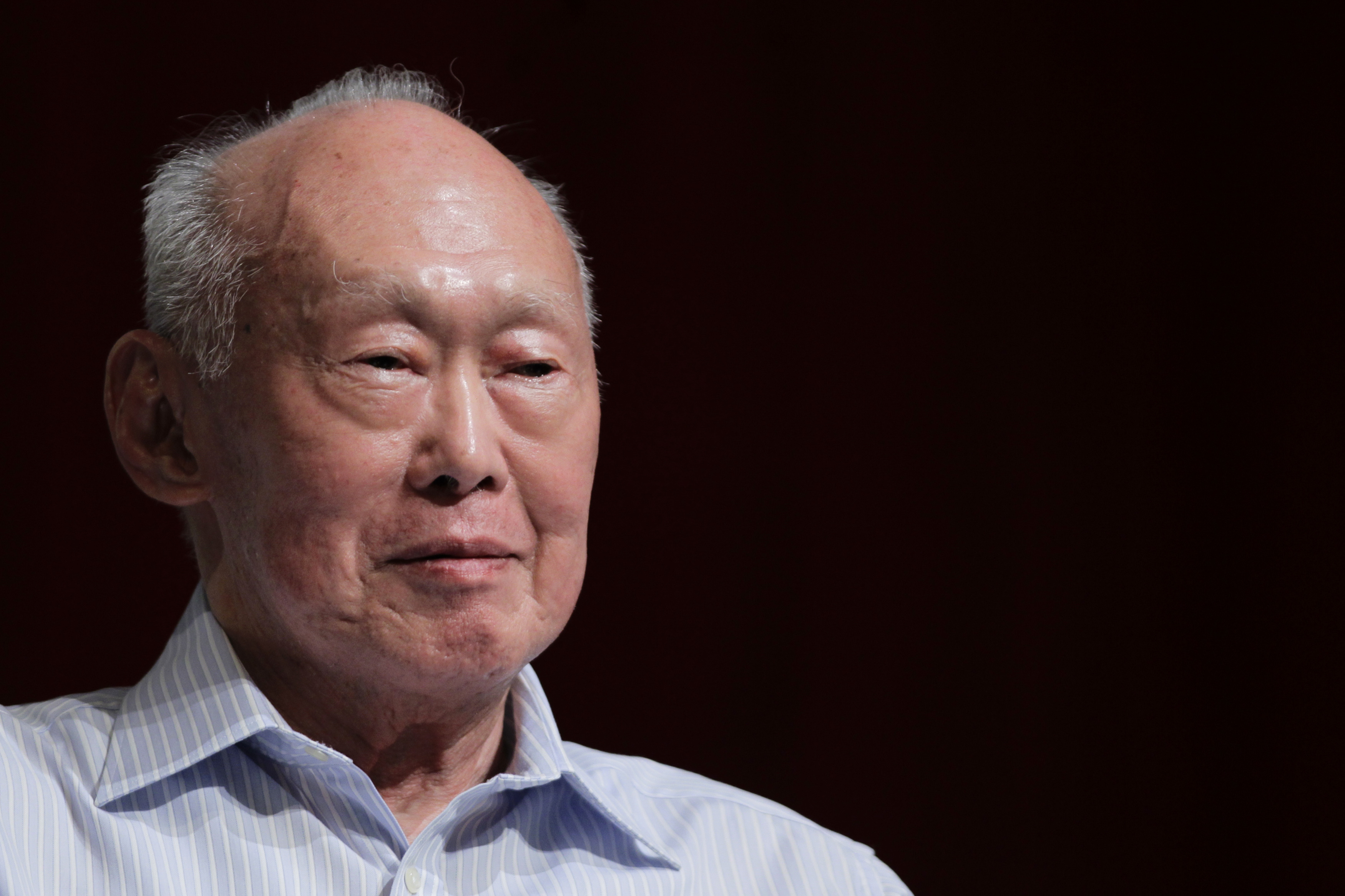
Lee Kuan Yew is widely regarded as the founding architect of modern Singapore, transforming a resource-poor island nation into a global economic powerhouse. Born in Singapore in 1923, he grew up during colonial rule, where exposure to inequality and global conflict shaped his belief in disciplined governance and national survival through strategic planning.
He began his career as a lawyer after studying in the United Kingdom, where he was exposed to Western legal and political systems. Upon returning to Singapore, he entered politics during a period of decolonization and regional instability. His early political efforts focused on independence, economic planning, and the formation of national identity.
His breakthrough came in 1959 when he became Prime Minister of Singapore, leading the nation through independence in 1965 after separation from Malaysia. His leadership focused on economic modernization, strict governance, and long-term national planning, which rapidly transformed Singapore’s global standing.
By the 1990s, Singapore had become a model of economic efficiency and governance discipline under its earlier foundational policies. His legacy is defined by transformational state-building, economic development, and the creation of one of the most successful modern city-states.
Key Facts
- Full name of the subject: Lee Kuan Yew
- Date of birth: 16 September 1923
- Place of birth: Singapore (then British Straits Settlements)
- Family background: Chinese immigrant merchant family
- Early childhood experiences: Japanese occupation during WWII
- Education history: University of Cambridge (Law)
- Influences and mentors: British legal system, colonial governance structures
- Career beginnings: Lawyer and political activist
- Major achievements: Founding Prime Minister of Singapore
- Challenges and obstacles faced: Post-colonial instability and resource scarcity
- Turning points in life: Singapore’s independence in 1965
- Contributions to society: Economic transformation and governance model
- Personal life (marriage, children, relationships): Married with children
- Awards and recognitions: Global statesmanship honours
- Beliefs, values, or philosophy: Discipline, meritocracy, pragmatic governance
- Legacy and impact: Transformed Singapore into a global economic hub
- Historical or cultural significance: Architect of the modern Singapore state
Notable Works: Singapore’s economic development model, public housing system, anti-corruption reforms, industrialization policies, and national education reforms
Controversies:
Criticism over strict governance and limited political freedoms
Debates on press restrictions and civil liberties
Allegations of authoritarian leadership style
International scrutiny of political opposition constraints
Notable Mentions:
George Washington
Winston Churchill
Franklin D. Roosevelt
Charles de Gaulle
Jawaharlal Nehru