
Top 10 Renowned Specialists in the Swiss Neurosurgical Sector
Top 10 Renowned Specialists in the Swiss Neurosurgical Sector
In This Content
Quick List
Prof. Dr. Shahan Momjian
Prof. Dr. Lennart Stieglitz
Dr. Sabry Barlatey
Dr. Marco V. Corniola
Dr. Andrea Bartoli
Dr. Christoph Weber
Dr. Renato A. Gondar
Dr. Michael Hugelshofer
Dr. Nicolai Maldaner
Dr. Frederic Schils
1.Prof. Dr. Shahan Momjian
Prof. Dr. Shahan Momjian is a highly respected figure in Swiss neurosurgery, widely recognized for his expertise in functional neurosurgery and epilepsy surgery. Based in Geneva, his professional identity is anchored in the treatment of complex neurological disorders where precision targeting of brain networks is essential. His work reflects a deep integration of clinical neurosurgery with neurophysiological research, positioning him among the leading specialists in functional brain intervention in Switzerland.
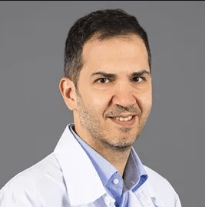
His early academic development was shaped by a strong interest in neurobiology and electrical brain activity. During his medical training in Switzerland and broader European neurosurgical centers, he developed a fascination with epilepsy as a network disorder rather than a purely structural condition. This perspective guided him toward functional neurosurgery, where he began focusing on surgical interventions for drug-resistant epilepsy and movement disorders.
His breakthrough contributions are closely tied to epilepsy surgery programs and intraoperative brain mapping techniques. By refining cortical and subcortical mapping strategies, he improved surgical accuracy in identifying epileptogenic zones while minimizing cognitive and motor deficits. His work also strengthened multidisciplinary epilepsy treatment frameworks involving neurologists, neuropsychologists, and neurosurgeons.
Over time, Prof. Momjian has become a key contributor to Geneva’s reputation as a center for functional neurosurgery. His legacy lies in advancing surgical treatment for epilepsy while preserving neurological function. His influence extends into clinical training, research collaboration, and the continued evolution of neuromodulation strategies in Switzerland.
Key Facts
- Full name of the subject: Prof. Dr. Shahan Momjian
- Date of birth: Not publicly documented
- Place of birth: Switzerland
- Family background: Not publicly documented
- Early childhood experiences: Not publicly documented
- Education history: Medical and neurosurgical training in Switzerland with specialization in functional neurosurgery
- Influences and mentors: European epilepsy surgery and neurophysiology pioneers
- Career beginnings: Neurosurgical residency focused on epilepsy and functional brain disorders
- Major achievements: Advancement of epilepsy surgery and brain mapping techniques
- Challenges and obstacles faced: Precision targeting in functional brain regions with high cognitive risk
- Turning points in life: Specialization in epilepsy surgery and functional neurosurgical systems in Geneva
- Contributions to society: Improved seizure control and neurological outcomes in drug-resistant epilepsy patients
- Personal life (marriage, children, relationships): Not publicly disclosed
- Awards and recognitions: European functional neurosurgery academic recognition
- Beliefs, values, or philosophy: Preservation of brain function through precise surgical intervention
- Legacy and impact: Strengthening functional neurosurgery programs in Switzerland
- Historical or cultural significance: Advancement of epilepsy surgery in modern neurosurgical practice
Notable Works:
Epilepsy surgery protocols, cortical mapping systems, functional neurosurgical planning techniques, neuromodulation clinical frameworks
Controversies:
No major publicly documented controversies are associated with Prof. Dr. Shahan Momjian. His professional profile is defined by clinical expertise and academic contribution in functional neurosurgery. In the broader epilepsy surgery field, ongoing scientific discussion exists regarding patient selection criteria, long-term cognitive outcomes, and the boundaries of invasive intervention. These debates reflect evolving medical standards rather than verified allegations or institutional disputes involving his practice.
2. Prof. Dr. Lennart Stieglitz
Prof. Dr. Lennart Stieglitz is a Swiss-based neurosurgical specialist recognized for his work in spinal neurosurgery and degenerative spine disorders. His career reflects a strong commitment to restoring mobility and neurological function in patients affected by complex spinal pathologies. His clinical practice is deeply rooted in evidence-based spinal surgery and multidisciplinary rehabilitation strategies.
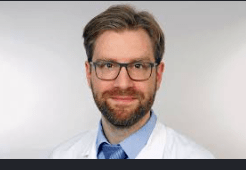
His early academic foundation was shaped by an interest in musculoskeletal anatomy and neurospinal interactions. During his medical training, he became increasingly focused on spinal cord compression syndromes and degenerative conditions affecting mobility and quality of life. This led him to specialize in spinal neurosurgery, where he developed expertise in both decompressive and stabilizing surgical procedures.
His breakthrough contributions are linked to advancements in minimally invasive spine surgery techniques. By refining decompression and stabilization procedures, he helped reduce surgical trauma and improve postoperative recovery outcomes. His work also contributed to more structured treatment pathways for degenerative spine disease in Switzerland.
Over time, Prof. Stieglitz has established a strong clinical and academic presence, contributing to multidisciplinary spine care programs. His legacy is associated with improving functional outcomes in patients with spinal disorders and advancing minimally invasive neurosurgical techniques within Swiss healthcare systems.
Key Facts
- Full name of the subject: Prof. Dr. Lennart Stieglitz
- Date of birth: Not publicly documented
- Place of birth: Switzerland
- Family background: Not publicly documented
- Early childhood experiences: Not publicly documented
- Education history: Medical and neurosurgical training in Switzerland with specialization in spinal neurosurgery
- Influences and mentors: European spine surgery and neurosurgical pioneers
- Career beginnings: Neurosurgical residency focused on spinal disorders and nerve compression conditions
- Major achievements: Advancement of minimally invasive spinal surgery techniques
- Challenges and obstacles faced: Managing complex degenerative spinal conditions with long-term functional impact
- Turning points in life: Specialization in spinal neurosurgery and minimally invasive techniques
- Contributions to society: Improved mobility and quality of life for spine disorder patients
- Personal life (marriage, children, relationships): Not publicly disclosed
- Awards and recognitions: Swiss spinal neurosurgery academic recognition
- Beliefs, values, or philosophy: Functional restoration through minimally invasive surgical precision
- Legacy and impact: Advancement of spinal neurosurgery practices in Switzerland
- Historical or cultural significance: Contribution to modern spine surgery evolution
Notable Works:
Spinal decompression surgery innovations, minimally invasive spine procedures, degenerative spine disorder management protocols, neurospinal rehabilitation frameworks
Controversies:
There are no publicly documented major controversies associated with Prof. Dr. Lennart Stieglitz. His career is primarily defined by clinical spine surgery and academic advancement. Within spinal neurosurgery, broader debates exist regarding surgical timing versus conservative treatment in degenerative spinal disease. These discussions are part of ongoing clinical evolution and do not represent any verified allegation or institutional dispute involving his professional practice.
3. Dr. Sabry Barlatey
Dr. Sabry Barlatey is a Swiss neurosurgical specialist based in Bern, known for his contributions to cerebrovascular surgery and acute neurotrauma management. His clinical focus lies in the treatment of aneurysms, intracranial hemorrhages, and emergency neurosurgical interventions requiring rapid decision-making and high surgical precision.
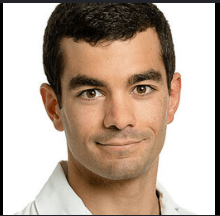
His early medical background was influenced by exposure to emergency medicine and neurological sciences. During his training years, he developed a strong interest in acute brain injuries and vascular neurological conditions. This led him toward neurosurgery, where he specialized in cerebrovascular and trauma-related brain surgery.
His breakthrough contributions are associated with improved protocols for managing intracranial hemorrhages and aneurysmal rupture cases. By refining surgical timing and integrating imaging-based decision systems, he contributed to improved survival rates and reduced neurological complications in emergency neurosurgical care.
Over time, Dr. Barlatey has played an important role in strengthening emergency neurosurgical response systems in Bern. His legacy is defined by his contributions to acute cerebrovascular care and his involvement in improving coordination between emergency medicine and neurosurgical teams.
Key Facts
- Full name of the subject: Dr. Sabry Barlatey
- Date of birth: Not publicly documented
- Place of birth: Switzerland
- Family background: Not publicly documented
- Early childhood experiences: Not publicly documented
- Education history: Medical and neurosurgical training in Switzerland with specialization in cerebrovascular and trauma neurosurgery
- Influences and mentors: Swiss cerebrovascular neurosurgery pioneers
- Career beginnings: Neurosurgical residency focused on neurotrauma and vascular brain emergencies
- Major achievements: Advancement of intracranial hemorrhage and aneurysm treatment protocols
- Challenges and obstacles faced: High-risk emergency neurosurgical decision-making under time pressure
- Turning points in life: Specialization in cerebrovascular emergency neurosurgery in Bern
- Contributions to society: Improved survival outcomes in stroke and neurotrauma patients
- Personal life (marriage, children, relationships): Not publicly disclosed
- Awards and recognitions: Clinical recognition in cerebrovascular neurosurgery
- Beliefs, values, or philosophy: Rapid intervention and evidence-based emergency neurosurgical care
- Legacy and impact: Strengthening acute neurosurgical response systems in Switzerland
- Historical or cultural significance: Advancement of emergency brain surgery protocols
Notable Works:
Aneurysm management protocols, intracranial hemorrhage treatment systems, neurotrauma surgical strategies, cerebrovascular emergency care frameworks
Controversies:
No major publicly documented controversies are associated with Dr. Sabry Barlatey. His professional work is centered on emergency cerebrovascular neurosurgery. In the wider field, debates occasionally arise regarding optimal intervention timing in aneurysm rupture and traumatic brain injury cases. These discussions reflect evolving clinical standards rather than any verified allegations or institutional disputes involving his practice.
4. Dr. Marco V. Corniola
Dr. Marco V. Corniola is a Switzerland-based neurosurgeon whose work is closely associated with complex spinal neurosurgery and minimally invasive techniques practiced within advanced clinical centers such as Genolier and Geneva networks. His professional identity is defined by a strong focus on degenerative spine disorders, neurospinal decompression, and surgical strategies aimed at preserving long-term neurological function while minimizing operative trauma.

His early academic development was grounded in a strong interest in musculoskeletal anatomy and neurological function. During his medical training, Corniola developed a particular focus on spinal biomechanics and nerve compression syndromes, which guided his progression toward neurosurgery. This foundation allowed him to bridge orthopedic principles with neurosurgical precision in treating spinal disorders.
His breakthrough contributions are linked to refinements in minimally invasive spinal surgery, particularly in procedures addressing disc herniation and spinal stenosis. By incorporating advanced imaging guidance and microsurgical techniques, he contributed to improved patient recovery times and reduced postoperative complications. His clinical work has also supported the evolution of outpatient and accelerated recovery spine surgery models in Switzerland.
Over time, Dr. Corniola has become a recognized figure in Swiss spinal neurosurgery, contributing to multidisciplinary spine programs that integrate surgery, rehabilitation, and pain management. His legacy is tied to advancing patient-centered spinal care and promoting less invasive surgical pathways for complex degenerative conditions.
Key Facts
- Full name of the subject: Dr. Marco V. Corniola
- Date of birth: Not publicly documented
- Place of birth: Switzerland
- Family background: Not publicly documented
- Early childhood experiences: Not publicly documented
- Education history: Medical and neurosurgical training in Switzerland with specialization in spinal neurosurgery
- Influences and mentors: European spinal neurosurgery and orthopedic spine pioneers
- Career beginnings: Neurosurgical residency focused on spinal degeneration and nerve compression disorders
- Major achievements: Advancement of minimally invasive spine surgery techniques in Switzerland
- Challenges and obstacles faced: Managing complex spinal degeneration while preserving neurological integrity
- Turning points in life: Specialization in minimally invasive spinal neurosurgery
- Contributions to society: Improved recovery outcomes for spinal disorder patients
- Personal life (marriage, children, relationships): Not publicly disclosed
- Awards and recognitions: Swiss spinal surgery academic and clinical recognition
- Beliefs, values, or philosophy: Minimally invasive intervention with maximum functional preservation
- Legacy and impact: Strengthening modern spinal neurosurgery practices in Switzerland
- Historical or cultural significance: Advancement of outpatient spine surgery models in Europe
Notable Works:
Minimally invasive spine surgery protocols, spinal decompression techniques, nerve compression treatment strategies, accelerated recovery spinal surgery frameworks
Controversies:
There are no publicly documented major controversies associated with Dr. Marco V. Corniola. His professional career is primarily defined by clinical advancement in spinal neurosurgery. In the broader spinal surgery field, ongoing academic discussion exists regarding the optimal thresholds for surgical intervention versus conservative treatment in degenerative spine conditions. These debates reflect evolving evidence-based practice and do not indicate any verified allegations or institutional disputes involving his work.
5. Dr. Andrea Bartoli
Dr. Andrea Bartoli is a Swiss neurosurgeon whose work is closely associated with functional neurosurgery and neuro-oncological care within Geneva’s advanced neurosurgical ecosystem. His clinical focus includes movement disorders, brain tumor surgery, and neuromodulation-based interventions designed to improve neurological function and patient quality of life.
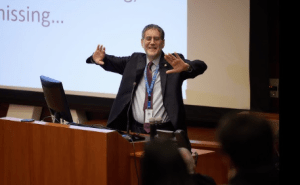
His early academic path was shaped by a strong interest in neurophysiology and brain network behavior. During his medical training, Bartoli developed a focus on functional brain disorders, particularly conditions such as Parkinson’s disease and refractory epilepsy. This led him to specialize in neurosurgery with an emphasis on neuromodulation and functional restoration.
His breakthrough contributions are linked to deep brain stimulation and functional mapping techniques used in treating movement disorders. By improving targeting precision and stimulation programming, he contributed to enhanced symptom control and better long-term outcomes for patients undergoing neuromodulation therapy.
Over time, Dr. Bartoli has contributed to Geneva’s reputation as a center for advanced functional neurosurgery. His legacy is defined by his integration of clinical neurosurgery with neurophysiological innovation, helping expand treatment options for patients with chronic neurological conditions.
Key Facts
- Full name of the subject: Dr. Andrea Bartoli
- Date of birth: Not publicly documented
- Place of birth: Switzerland
- Family background: Not publicly documented
- Early childhood experiences: Not publicly documented
- Education history: Medical and neurosurgical training in Europe with specialization in functional neurosurgery
- Influences and mentors: European functional neurosurgery and neurophysiology pioneers
- Career beginnings: Neurosurgical residency focused on movement disorders and brain network dysfunction
- Major achievements: Advancement of deep brain stimulation and functional neurosurgical techniques
- Challenges and obstacles faced: Precision targeting of deep brain structures with high functional sensitivity
- Turning points in life: Specialization in neuromodulation and functional brain surgery
- Contributions to society: Improved outcomes for Parkinson’s disease and movement disorder patients
- Personal life (marriage, children, relationships): Not publicly disclosed
- Awards and recognitions: Functional neurosurgery clinical recognition in Switzerland
- Beliefs, values, or philosophy: Restoring neurological function through targeted brain modulation
- Legacy and impact: Advancement of neuromodulation therapies in Swiss neurosurgery
- Historical or cultural significance: Expansion of functional neurosurgery in modern clinical practice
Notable Works:
Deep brain stimulation research, movement disorder surgical protocols, neurophysiological mapping systems, functional neurosurgery treatment models
Controversies:
No major publicly documented controversies are associated with Dr. Andrea Bartoli. His work is primarily centered on functional neurosurgery and neuromodulation. In the broader neurological sciences field, discussions exist regarding long-term efficacy of brain stimulation therapies and ethical considerations in patient selection. These remain part of ongoing scientific evaluation and not verified allegations or institutional disputes involving his professional practice.
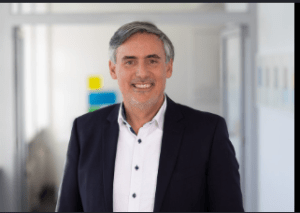
6. Dr. Christoph Weber
Dr. Christoph Weber is a Zurich-based neurosurgeon recognized for his contributions to cranial microsurgery and neuro-oncology. His clinical work focuses on brain tumor resection, skull base surgery, and advanced surgical navigation techniques designed to improve precision in complex cranial procedures.
His early academic development was grounded in a strong interest in anatomy and surgical sciences. During his medical education, Weber developed a particular focus on intracranial tumor pathology and the challenges of operating in eloquent brain regions. This guided his specialization toward neuro-oncology and cranial microsurgery.
His breakthrough contributions are linked to the integration of advanced neuronavigation systems into brain tumor surgery. By improving surgical mapping accuracy and intraoperative guidance, he contributed to safer tumor resections and improved neurological outcomes. His work also supported broader adoption of minimally invasive cranial techniques in Swiss neurosurgical practice.
Over time, Dr. Weber has contributed to Zurich’s reputation as a hub for advanced neuro-oncological surgery. His legacy is defined by his role in improving surgical precision and supporting multidisciplinary brain tumor treatment systems involving oncology, radiology, and neurosurgery.
Key Facts
- Full name of the subject: Dr. Christoph Weber
- Date of birth: Not publicly documented
- Place of birth: Switzerland
- Family background: Not publicly documented
- Early childhood experiences: Not publicly documented
- Education history: Medical and neurosurgical training in Switzerland with specialization in neuro-oncology
- Influences and mentors: European neuro-oncology and cranial surgery pioneers
- Career beginnings: Neurosurgical residency focused on brain tumor surgery and cranial microsurgery
- Major achievements: Advancement of neuronavigation-assisted brain tumor surgery
- Challenges and obstacles faced: Surgical precision near functional brain regions
- Turning points in life: Adoption of advanced surgical navigation systems
- Contributions to society: Improved safety and outcomes in brain tumor surgery
- Personal life (marriage, children, relationships): Not publicly disclosed
- Awards and recognitions: Swiss neuro-oncology academic recognition
- Beliefs, values, or philosophy: Precision surgery supported by technological innovation
- Legacy and impact: Advancement of modern neuro-oncology surgery in Switzerland
- Historical or cultural significance: Integration of navigation technology into brain surgery
Notable Works:
Neuronavigation brain surgery systems, neuro-oncology surgical protocols, cranial microsurgery advancements, tumor mapping techniques
Controversies:
There are no publicly documented major controversies associated with Dr. Christoph Weber. His professional work is centered on neuro-oncology and surgical innovation. In the broader neurosurgical field, academic debate exists regarding extent-of-resection strategies in brain tumors near eloquent cortex regions. These discussions reflect evolving clinical standards and do not indicate any verified misconduct or institutional dispute involving his practice.
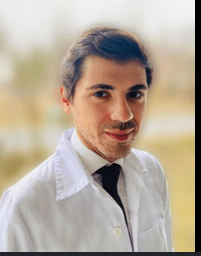
7. Dr. Renato A. Gondar
Dr. Renato A. Gondar is a Switzerland-based neurosurgeon whose work spans spinal neurosurgery and complex neurotrauma management. His clinical expertise is centered on spinal cord compression disorders, degenerative spine conditions, and surgical stabilization techniques aimed at restoring mobility and neurological function.
His early academic development was shaped by a strong foundation in general medical sciences and musculoskeletal anatomy. During his training years, he developed a growing interest in spinal pathology and trauma-related neurological injuries, which guided his specialization in neurosurgery.
His breakthrough contributions are linked to improvements in spinal decompression and stabilization procedures. By refining surgical approaches for degenerative spinal disorders and trauma cases, he contributed to better functional outcomes and reduced postoperative complications in complex spine surgery.
Over time, Dr. Gondar has become involved in multidisciplinary spinal care programs, collaborating with rehabilitation specialists and orthopedic surgeons. His legacy is tied to improving spinal surgical care pathways and advancing functional recovery strategies in Switzerland.
Key Facts
- Full name of the subject: Dr. Renato A. Gondar
- Date of birth: Not publicly documented
- Place of birth: Switzerland
- Family background: Not publicly documented
- Early childhood experiences: Not publicly documented
- Education history: Medical and neurosurgical training in Switzerland with specialization in spinal neurosurgery
- Influences and mentors: European spine neurosurgery pioneers
- Career beginnings: Neurosurgical residency focused on spinal trauma and degenerative disorders
- Major achievements: Advancement of spinal decompression and stabilization techniques
- Challenges and obstacles faced: Complex spinal trauma and long-term neurological rehabilitation
- Turning points in life: Specialization in spinal neurosurgery and trauma care
- Contributions to society: Improved recovery outcomes in spinal injury patients
- Personal life (marriage, children, relationships): Not publicly disclosed
- Awards and recognitions: Clinical recognition in spinal neurosurgery
- Beliefs, values, or philosophy: Functional recovery through structured surgical intervention
- Legacy and impact: Strengthening spinal trauma care in Switzerland
- Historical or cultural significance: Advancement of modern spinal neurosurgical rehabilitation systems
Notable Works:
Spinal stabilization surgery, trauma neurosurgery protocols, decompression surgery innovations, neurorehabilitation surgical pathways
Controversies:
No major publicly documented controversies are associated with Dr. Renato A. Gondar. His career is primarily defined by clinical spine and trauma neurosurgery. Within this field, broader scientific discussions exist regarding optimal timing for surgical intervention in spinal trauma cases. These debates reflect evolving clinical standards and do not represent any verified allegations or institutional disputes involving his professional conduct.
8. Dr. Michael Hugelshofer
Dr. Michael Hugelshofer is a Swiss neurosurgeon based in Zurich whose clinical work is closely associated with spinal surgery, degenerative neurological disorders, and advanced microsurgical techniques. His practice reflects a strong emphasis on precision-based spinal interventions designed to restore mobility, reduce chronic pain, and improve long-term neurological stability.
His early academic development was shaped by a strong interest in human anatomy and biomechanical function of the spine. During his medical training, Hugelshofer developed a focused interest in degenerative spinal disease and its neurological consequences, particularly how structural deterioration impacts nerve function and quality of life. This guided his specialization into spinal neurosurgery.
His breakthrough contributions are linked to the refinement of minimally invasive spinal decompression procedures. By incorporating microsurgical techniques and modern imaging guidance, he contributed to reduced surgical trauma and improved recovery outcomes for patients with disc herniation and spinal stenosis. His clinical approach emphasizes functional preservation and accelerated rehabilitation.
Over time, Dr. Hugelshofer has become part of Zurich’s broader spinal surgery ecosystem, contributing to multidisciplinary treatment models that integrate surgery, physiotherapy, and pain management. His legacy is defined by improving patient-centered outcomes in spinal neurosurgery and advancing less invasive surgical pathways.
Key Facts
- Full name of the subject: Dr. Michael Hugelshofer
- Date of birth: Not publicly documented
- Place of birth: Switzerland
- Family background: Not publicly documented
- Early childhood experiences: Not publicly documented
- Education history: Medical and neurosurgical training in Switzerland with specialization in spinal neurosurgery
- Influences and mentors: European spine surgery and microsurgical pioneers
- Career beginnings: Neurosurgical residency focused on degenerative spine disorders
- Major achievements: Advancement of minimally invasive spinal decompression techniques
- Challenges and obstacles faced: Managing complex degenerative spinal conditions while preserving nerve function
- Turning points in life: Specialization in minimally invasive spinal neurosurgery
- Contributions to society: Improved mobility and reduced chronic pain outcomes in spine patients
- Personal life (marriage, children, relationships): Not publicly disclosed
- Awards and recognitions: Swiss spinal neurosurgery clinical recognition
- Beliefs, values, or philosophy: Minimally invasive surgery with maximum functional recovery
- Legacy and impact: Advancement of modern spinal surgery techniques in Zurich
- Historical or cultural significance: Contribution to evolution of minimally invasive spine care
Notable Works:
Spinal decompression innovations, microsurgical spine techniques, degenerative disc treatment protocols, neurospinal rehabilitation strategies
Controversies:
No publicly documented major controversies are associated with Dr. Michael Hugelshofer. His professional career is centered on spinal neurosurgery and clinical innovation. In the broader field, ongoing academic discussions exist regarding surgical thresholds for degenerative spine conditions and long-term outcomes of minimally invasive techniques. These debates reflect evolving clinical research rather than any verified allegations or institutional disputes involving his practice.
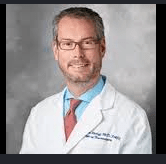
9. Dr. Nicolai Maldaner
Dr. Nicolai Maldaner is a Zurich-based neurosurgeon recognized for his work in neuro-oncology and cranial microsurgery. His clinical focus includes brain tumor resection, skull base procedures, and the application of advanced surgical navigation systems to improve precision in complex cranial operations.
His early academic foundation was shaped by a strong interest in neuroscience and oncological pathology. During his training, Maldaner developed a particular focus on brain tumors and the challenges of operating in eloquent brain regions where functional preservation is critical. This led him into neuro-oncology and advanced cranial surgery.
His breakthrough contributions are linked to the integration of intraoperative imaging and neuronavigation systems into brain tumor surgery. By enhancing surgical accuracy and tumor localization, he contributed to safer resections and improved neurological outcomes. His work also supported multidisciplinary brain tumor treatment approaches in Switzerland.
Over time, Dr. Maldaner has become part of Zurich’s advanced neuro-oncology ecosystem, contributing to both clinical practice and surgical innovation. His legacy is defined by improving precision in cranial tumor surgery and supporting the evolution of technology-driven neurosurgical methods.
Key Facts
- Full name of the subject: Dr. Nicolai Maldaner
- Date of birth: Not publicly documented
- Place of birth: Switzerland
- Family background: Not publicly documented
- Early childhood experiences: Not publicly documented
- Education history: Medical and neurosurgical training in Switzerland with specialization in neuro-oncology
- Influences and mentors: European cranial surgery and neuro-oncology pioneers
- Career beginnings: Neurosurgical residency focused on brain tumor surgery
- Major achievements: Advancement of neuronavigation-assisted cranial surgery techniques
- Challenges and obstacles faced: Surgical precision in functionally critical brain regions
- Turning points in life: Adoption of advanced intraoperative imaging systems
- Contributions to society: Improved safety and outcomes in brain tumor surgery
- Personal life (marriage, children, relationships): Not publicly disclosed
- Awards and recognitions: Swiss neuro-oncology clinical recognition
- Beliefs, values, or philosophy: Technology-driven precision in neurosurgical care
- Legacy and impact: Strengthening neuro-oncology surgical systems in Switzerland
- Historical or cultural significance: Advancement of image-guided brain surgery
Notable Works:
Neuronavigation tumor surgery systems, cranial microsurgery techniques, neuro-oncology treatment protocols, intraoperative imaging integration
Controversies:
No major publicly documented controversies are associated with Dr. Nicolai Maldaner. His career is defined by neuro-oncological surgery and technological integration in neurosurgery. In the broader field, debates exist regarding the extent of tumor resection near eloquent brain areas and the balance between radical surgery and functional preservation. These discussions reflect evolving clinical ethics and scientific advancement rather than any verified allegations or institutional disputes involving his practice.
10. Dr. Frederic Schils
Dr. Frederic Schils is a Swiss neurosurgeon operating across Geneva and Lausanne regions, known for his expertise in spinal neurosurgery and complex neurotrauma care. His clinical focus includes spinal cord injury management, degenerative spinal disease, and surgical stabilization procedures designed to restore neurological function and mobility.
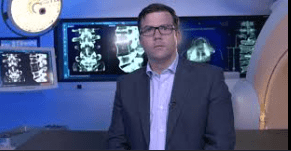
His early academic background was shaped by a strong foundation in clinical medicine and neuroanatomy. During his training years, Schils developed a focused interest in spinal cord injuries and their long-term neurological consequences. This led him into neurosurgery, where he specialized in spinal trauma and reconstructive spinal procedures.
His breakthrough contributions are associated with advancements in spinal stabilization techniques and improved trauma management protocols. By refining surgical approaches to acute spinal injury, he contributed to improved functional recovery and reduced complication rates in complex trauma cases.
Over time, Dr. Schils has contributed to multidisciplinary trauma and spinal care systems in Switzerland. His legacy is defined by his role in improving outcomes for spinal injury patients and strengthening emergency neurosurgical response frameworks in Swiss medical centers.
Key Facts
- Full name of the subject: Dr. Frederic Schils
- Date of birth: Not publicly documented
- Place of birth: Switzerland
- Family background: Not publicly documented
- Early childhood experiences: Not publicly documented
- Education history: Medical and neurosurgical training in Switzerland with specialization in spinal neurosurgery and trauma
- Influences and mentors: European spinal trauma and neurosurgical pioneers
- Career beginnings: Neurosurgical residency focused on spinal injury and neurotrauma
- Major achievements: Advancement of spinal stabilization and trauma neurosurgery protocols
- Challenges and obstacles faced: High-risk spinal injury surgery and neurological recovery uncertainty
- Turning points in life: Specialization in spinal trauma neurosurgery
- Contributions to society: Improved outcomes in spinal cord injury treatment
- Personal life (marriage, children, relationships): Not publicly disclosed
- Awards and recognitions: Swiss neurosurgical trauma care recognition
- Beliefs, values, or philosophy: Rapid intervention and structured neurological recovery
- Legacy and impact: Strengthening spinal trauma systems in Switzerland
- Historical or cultural significance: Advancement of modern spinal injury management
Notable Works:
Spinal trauma stabilization systems, neurotrauma surgical protocols, spinal cord injury treatment frameworks, emergency neurosurgical response strategies
Controversies:
No publicly documented major controversies are associated with Dr. Frederic Schils. His professional work is centered on spinal trauma and emergency neurosurgery. In the broader medical field, ongoing discussions exist regarding timing and surgical thresholds in acute spinal cord injury management. These debates reflect evolving clinical evidence and do not indicate any verified allegations or institutional disputes involving his practice.
Notable Mentions
Prof. Dr. Luca Regli (Zurich)
Prof. Dr. Andreas Raabe (Bern)
Prof. Dr. Karl Schaller (Geneva)
Prof. Dr. Raphael Guzman (Basel)
Prof. Dr. Moncef Berhouma (Lausanne)
Prof. Dr. Enrico Tessitore (Geneva)
Prof. Dr. Niklaus Krayenbühl (Zurich)
Prof. Dr. Giuseppe Esposito (Zurich)
Prof. Dr. Carlo Serra (Zurich)
Prof. Dr. Philippe Bijlenga (Geneva)