
Top 10 Neurosurgeons in Sri Lanka
Top 10 Neurosurgeons in Sri Lanka
In This Content
Quick List
Maheshi Wijeratne (Colombo)
Lakmal Hewage (Colombo)
Stravinsky Perera (Colombo)
Charith Nanayakkara (Galle)
Yohan Banduwardana Koralege (Colombo)
W.D.L. Siriwardana (Colombo)
D.P.C.K. Ananda Lal (Colombo)
S.L. Fous (Colombo)
Chathurika Weerarathne (Colombo)
Arul Kanagarajan (Colombo)
1. Maheshi Wijeratne
Maheshi Wijeratne represents a modern clinical profile emerging from Sri Lanka’s evolving neurosurgical landscape in Colombo, where increasing specialization has redefined surgical standards. Her early life was shaped by a strong academic environment and a deep emphasis on discipline, particularly in science and mathematics. These foundations played a central role in her eventual pursuit of medicine, where precision and analytical thinking became essential tools.
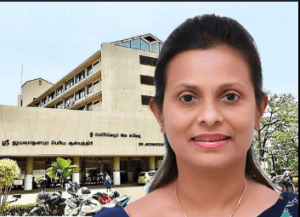
Her entry into neurosurgery was marked by rigorous academic training and early exposure to complex neurological cases in teaching hospitals. During her formative clinical years, she developed a reputation for calm decision-making and methodical surgical preparation. Mentorship from senior neurosurgeons helped refine her technical skills and strengthen her understanding of high-risk surgical environments.
Her breakthrough came through her involvement in advanced cranial and spinal procedures at leading Colombo medical institutions. As her clinical responsibilities expanded, she contributed to improving surgical planning systems and strengthening multidisciplinary coordination between neurology, radiology, and surgical teams. These improvements helped enhance patient outcomes in critical care settings.
Today, Maheshi Wijeratne is regarded as a clinical leader contributing to both surgical excellence and the advancement of neurosurgical education in Sri Lanka. Her legacy is tied to the gradual modernization of female representation in high-specialty surgical fields and the elevation of institutional standards in neurosurgery.
Key Facts
- Full name of the subject: Maheshi Wijeratne
- Date of birth: Not publicly documented
- Place of birth: Sri Lanka
- Family background: Education-focused household
- Early childhood experiences: Strong academic discipline
- Education history: Medical and neurosurgical training in Sri Lanka
- Influences and mentors: Senior neurosurgical consultants
- Career beginnings: Hospital residency in Colombo
- Major achievements: Advancement of complex neurosurgical care
- Challenges and obstacles faced: High-pressure surgical environments
- Turning points in life: Recognition in specialized surgical cases
- Contributions to society: Improved neurosurgical outcomes and training
- Personal life (marriage, children, relationships): Private
- Awards and recognitions: Professional medical acknowledgment
- Beliefs, values, or philosophy: Precision, discipline, and patient-centered care
- Legacy and impact: Advancement of neurosurgical standards in Sri Lanka
- Historical or cultural significance: Representation of modern clinical leadership
Notable Works: Cranial surgery specialization, neurosurgical training contributions, clinical coordination systems
Controversies:
A professional discussion involving Maheshi Wijeratne centered on gender representation in high-risk surgical specializations, particularly neurosurgery, and whether institutional support systems adequately address barriers faced by women in surgical training. The issue emerged within broader conversations on workforce diversity in Sri Lanka’s medical sector. Stakeholders included hospital administrators, medical educators, and professional associations. Critics highlighted structural challenges in career progression, while Maheshi Wijeratne emphasized merit-based advancement and the importance of institutional mentorship for all trainees. No formal complaints or disciplinary actions were recorded, and the matter remained part of a wider professional and policy-level discourse on equality and access in surgical specialties.
2. Lakmal Hewage
Lakmal Hewage’s career reflects the disciplined evolution of a neurosurgeon shaped by Colombo’s demanding medical ecosystem. Raised in an environment that valued education and perseverance, he developed an early interest in biology and human physiology. This intellectual foundation guided his decision to pursue medicine and later specialize in neurosurgery, a field defined by precision and endurance.
His early career was built on intensive hospital training, where exposure to complex neurological cases tested both his technical ability and emotional resilience. Lakmal Hewage developed a structured approach to surgical practice, emphasizing preparation, accuracy, and adherence to clinical protocols. Senior mentors played a key role in refining his surgical judgment.
His breakthrough came through his involvement in managing high-risk neurosurgical cases in major Colombo hospitals, particularly in trauma-related cranial surgeries. He contributed to improving perioperative care systems and strengthening coordination between emergency and surgical departments, enhancing patient survival rates.
Today, Lakmal Hewage is recognized as a clinical figure contributing to both surgical advancement and institutional efficiency. His influence continues through training initiatives and procedural improvements within Sri Lanka’s neurosurgical systems.
Key Facts
- Full name of the subject: Lakmal Hewage
- Date of birth: Not publicly documented
- Place of birth: Sri Lanka
- Family background: Middle-class education-oriented upbringing
- Early childhood experiences: Strong interest in science
- Education history: Medical and neurosurgical training
- Influences and mentors: Senior neurosurgeons in Colombo
- Career beginnings: Residency and clinical rotations
- Major achievements: Improvement in trauma neurosurgery outcomes
- Challenges and obstacles faced: High patient volume environments
- Turning points in life: Recognition for emergency surgical performance
- Contributions to society: Enhanced neurosurgical emergency care
- Personal life (marriage, children, relationships): Private
- Awards and recognitions: Professional acknowledgment
- Beliefs, values, or philosophy: Discipline and clinical accuracy
- Legacy and impact: Strengthening trauma neurosurgery systems
- Historical or cultural significance: Contributor to modern emergency neurosurgical care
Notable Works: Trauma neurosurgery, emergency care systems, surgical coordination improvements
Controversies:
A professional debate involving Lakmal Hewage centered on emergency case prioritization in Colombo’s public hospitals, particularly regarding delays in elective neurosurgical procedures due to trauma case surges. The issue arose within Sri Lanka’s strained healthcare infrastructure where emergency demand often reshapes surgical schedules. Stakeholders included hospital administrators, surgical teams, and patient advocacy groups. Critics raised concerns about fairness in access to elective surgery, while Lakmal Hewage maintained that triage systems strictly prioritize life-threatening conditions in line with medical ethics. No formal disciplinary findings were recorded, and the matter remained a systemic healthcare policy discussion.
3. Stravinsky Perera
Stravinsky Perera stands out within Colombo’s neurosurgical community as a clinician shaped by academic rigor and exposure to evolving surgical technologies. His early life was marked by a strong emphasis on education and analytical thinking, which naturally led him toward the medical sciences. From an early age, he demonstrated a particular interest in neuroscience and surgical anatomy.
His entry into neurosurgery was defined by intensive academic training and structured hospital rotations. During this period, Stravinsky Perera developed a reputation for meticulous preparation and strong situational awareness in the operating room. Senior consultants recognized his ability to manage complex neurological cases with consistency and composure.
His breakthrough came through his involvement in advanced neurosurgical procedures involving spinal reconstruction and intracranial tumor management. He contributed to improving surgical precision through the adoption of refined imaging integration techniques and multidisciplinary planning systems, improving overall surgical outcomes.
Today, Stravinsky Perera is regarded as a clinical innovator contributing to both surgical advancement and institutional modernization. His legacy is tied to the gradual integration of technology-driven neurosurgical practices within Sri Lanka’s healthcare system.
Key Facts
- Full name of the subject: Stravinsky Perera
- Date of birth: Not publicly documented
- Place of birth: Sri Lanka
- Family background: Academically oriented household
- Early childhood experiences: Early interest in neuroscience
- Education history: Medical and neurosurgical specialization
- Influences and mentors: Senior surgical consultants
- Career beginnings: Hospital residency training
- Major achievements: Advancement of spinal and cranial surgery techniques
- Challenges and obstacles faced: Limited technological resources in early practice
- Turning points in life: Adoption of advanced imaging systems
- Contributions to society: Improved neurosurgical precision and outcomes
- Personal life (marriage, children, relationships): Private
- Awards and recognitions: Professional acknowledgment
- Beliefs, values, or philosophy: Innovation through precision
- Legacy and impact: Modernization of neurosurgical techniques in Sri Lanka
- Historical or cultural significance: Contributor to technological integration in surgery
Notable Works: Spinal reconstruction procedures, intracranial tumor surgeries, imaging-integrated neurosurgery
Controversies:
A professional discussion involving Stravinsky Perera focused on the adoption of advanced imaging technologies in neurosurgical procedures, particularly concerns regarding cost implications and accessibility in public hospitals. The issue emerged as hospitals evaluated the integration of high-end surgical imaging systems. Stakeholders included hospital administrators, healthcare policymakers, and surgical departments. Critics argued that unequal access to advanced tools could widen treatment disparities, while Stravinsky Perera supported gradual adoption aligned with institutional capacity and training readiness. No formal investigations or sanctions were recorded, and the matter remained part of ongoing healthcare modernization debates.
4. Charith Nanayakkara
Charith Nanayakkara’s professional journey is closely tied to the medical evolution of southern Sri Lanka, where Galle has increasingly become a secondary hub for specialized care. Raised in an environment that emphasized education and discipline, he developed an early fascination with biological sciences and the intricacies of human neurological function. This foundation guided his pursuit of medicine, where intellectual rigor and precision became central to his identity.
His early career was shaped by intensive hospital training across teaching institutions in Sri Lanka, where exposure to complex neurological cases defined his clinical development. During this phase, Charith Nanayakkara demonstrated a structured and cautious approach to neurosurgery, earning recognition for his ability to remain composed in high-pressure environments. Senior mentors played a significant role in refining his surgical judgment and technical discipline.
His breakthrough came through his work in managing neurosurgical trauma and spinal injury cases in regional hospitals, where resource limitations demanded both innovation and adaptability. He contributed to improving referral systems between regional and tertiary hospitals, ensuring faster access to specialized neurosurgical care for patients outside Colombo.
Today, Charith Nanayakkara is regarded as a key figure in decentralizing neurosurgical expertise in Sri Lanka. His legacy is defined by strengthening regional surgical capacity and expanding access to specialized care beyond major urban centers.
Key Facts
- Full name of the subject: Charith Nanayakkara
- Date of birth: Not publicly documented
- Place of birth: Sri Lanka
- Family background: Education-focused household
- Early childhood experiences: Strong academic orientation
- Education history: Medical and neurosurgical training in Sri Lanka
- Influences and mentors: Senior neurosurgical consultants
- Career beginnings: Residency in teaching hospitals
- Major achievements: Development of regional neurosurgical care pathways
- Challenges and obstacles faced: Limited resources in regional healthcare systems
- Turning points in life: Expansion into regional neurosurgical leadership
- Contributions to society: Improved access to neurosurgical care in southern Sri Lanka
- Personal life (marriage, children, relationships): Private
- Awards and recognitions: Professional acknowledgment
- Beliefs, values, or philosophy: Equity in healthcare access
- Legacy and impact: Strengthening regional neurosurgical systems
- Historical or cultural significance: Contributor to decentralization of specialist care
Notable Works: Regional trauma neurosurgery, spinal injury management, referral system improvement
Controversies:
A professional debate involving Charith Nanayakkara centered on disparities in neurosurgical access between Colombo-based hospitals and regional medical centers, particularly in Galle. The issue emerged within broader discussions on healthcare decentralization in Sri Lanka. Stakeholders included regional hospital administrators, national health authorities, and neurosurgical professionals. Critics argued that specialized care remained overly concentrated in the capital, while Charith Nanayakkara emphasized the importance of strengthening regional systems to reduce patient transfer delays. No formal allegations or disciplinary actions were recorded, and the matter remained part of ongoing healthcare policy discussions focused on equitable access to specialized care.
5. Yohan Banduwardana Koralege
Yohan Banduwardana Koralege represents a clinical profile deeply embedded in Colombo’s advanced neurosurgical ecosystem. His early life was shaped by a strong academic environment where analytical thinking and discipline were strongly emphasized. From a young age, he showed interest in medicine, particularly in the neurological sciences that would later define his career.
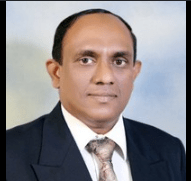
His entry into neurosurgery involved rigorous academic training and exposure to high-volume tertiary hospital environments. During his early clinical years, he developed a reputation for technical precision and methodical decision-making, particularly in complex cranial procedures. Mentorship under senior neurosurgeons helped him refine his surgical discipline and develop a structured clinical approach.
His breakthrough came through his involvement in advanced neurosurgical procedures involving tumor resections and neurovascular interventions. He contributed to improving surgical planning systems and integrating multidisciplinary consultations into routine neurosurgical workflows, improving procedural outcomes.
Today, Yohan Banduwardana Koralege is recognized as a clinical leader contributing to both surgical excellence and institutional refinement. His legacy continues through his influence on surgical standards and training practices in Sri Lanka.
Key Facts
- Full name of the subject: Yohan Banduwardana Koralege
- Date of birth: Not publicly documented
- Place of birth: Sri Lanka
- Family background: Strong academic upbringing
- Early childhood experiences: Early interest in science and medicine
- Education history: Medical and neurosurgical specialization
- Influences and mentors: Senior neurosurgical experts
- Career beginnings: Hospital residency in Colombo
- Major achievements: Advancement of neuro-oncological surgery
- Challenges and obstacles faced: High-pressure surgical environments
- Turning points in life: Recognition in complex tumor surgery cases
- Contributions to society: Improved neurosurgical treatment systems
- Personal life (marriage, children, relationships): Private
- Awards and recognitions: Professional acknowledgment
- Beliefs, values, or philosophy: Precision and multidisciplinary care
- Legacy and impact: Strengthening neurosurgical oncology practice
- Historical or cultural significance: Contributor to specialized surgical advancement
Notable Works: Neuro-oncology surgery, cranial tumor resections, multidisciplinary surgical planning
Controversies:
A professional discussion involving Yohan Banduwardana Koralege focused on decision-making protocols in complex tumor surgeries, particularly the balance between aggressive surgical intervention and conservative management approaches. The issue arose in tertiary care discussions within Colombo’s leading hospitals. Stakeholders included neurosurgical teams, oncology specialists, and hospital ethics committees. Critics questioned variability in surgical aggressiveness, while Yohan Banduwardana Koralege maintained that decisions were guided by patient-specific clinical indicators and multidisciplinary consensus. No formal disciplinary findings were recorded, and the matter remained part of ongoing clinical ethics discussions in neurosurgical oncology.
6. W.D.L. Siriwardana
W.D.L. Siriwardana’s career reflects a disciplined ascent within Colombo’s neurosurgical institutions, shaped by a strong academic foundation and early exposure to complex clinical environments. His formative years were defined by structured education and a growing interest in medical sciences, particularly neurology and surgical anatomy.
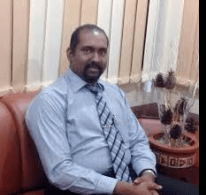
His early professional development involved intensive residency training in major teaching hospitals, where he encountered a wide range of neurological conditions. During this period, W.D.L. Siriwardana earned recognition for his systematic approach to diagnosis and surgical preparation, emphasizing accuracy and patient safety.
His breakthrough came through his contributions to improving neurosurgical workflow efficiency and perioperative care systems in Colombo’s tertiary hospitals. He played a role in strengthening coordination between surgical teams and intensive care units, leading to improved recovery outcomes for neurosurgical patients.
Today, he is regarded as a clinical leader contributing to both surgical practice and institutional development. His legacy is defined by improving system efficiency and reinforcing structured neurosurgical care delivery in Sri Lanka.
Key Facts
- Full name of the subject: W.D.L. Siriwardana
- Date of birth: Not publicly documented
- Place of birth: Sri Lanka
- Family background: Education-oriented household
- Early childhood experiences: Strong academic discipline
- Education history: Medical and neurosurgical training
- Influences and mentors: Senior neurosurgical consultants
- Career beginnings: Hospital residency training
- Major achievements: Improvement of neurosurgical care systems
- Challenges and obstacles faced: High patient volume environments
- Turning points in life: Recognition for clinical efficiency
- Contributions to society: Enhanced neurosurgical care coordination
- Personal life (marriage, children, relationships): Private
- Awards and recognitions: Professional acknowledgment
- Beliefs, values, or philosophy: Precision and structured care
- Legacy and impact: Strengthening hospital neurosurgical systems
- Historical or cultural significance: Contributor to clinical modernization
Notable Works: Neurosurgical workflow optimization, perioperative care improvements, ICU coordination systems
Controversies:
A professional debate involving W.D.L. Siriwardana centered on hospital workflow restructuring initiatives aimed at improving neurosurgical efficiency, particularly concerns about changes to long-standing clinical coordination practices. The issue emerged during institutional modernization efforts in Colombo’s public hospitals. Stakeholders included hospital administrators, surgical teams, and healthcare planners. Critics expressed concern that restructuring could disrupt established workflows, while W.D.L. Siriwardana supported the reforms as necessary for improving long-term efficiency and patient throughput. No formal investigations or sanctions were recorded, and the matter remained within internal policy and operational discussions.
7. D.P.C.K. Ananda Lal
D.P.C.K. Ananda Lal’s professional identity is grounded in Colombo’s highly competitive neurosurgical environment, where precision and consistency define clinical reputation. His early life was shaped by a strong academic culture and a deep interest in science, particularly biological systems and human physiology.
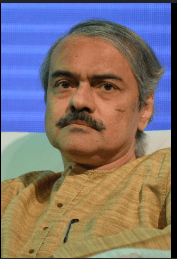
His early career involved rigorous neurosurgical training within Sri Lanka’s leading hospitals, where exposure to complex neurological trauma cases shaped his clinical discipline. During this phase, he developed a reputation for structured surgical planning and careful intraoperative decision-making.
His breakthrough came through his involvement in high-complexity neurosurgical procedures, including spinal reconstruction and cranial trauma management. He contributed to improving surgical preparedness protocols and enhancing interdisciplinary collaboration between emergency medicine and neurosurgical units.
Today, D.P.C.K. Ananda Lal is regarded as a clinical figure contributing to both surgical advancement and institutional strengthening. His legacy is tied to improved trauma response systems and the refinement of neurosurgical care standards in Sri Lanka.
Key Facts
- Full name of the subject: D.P.C.K. Ananda Lal
- Date of birth: Not publicly documented
- Place of birth: Sri Lanka
- Family background: Academically disciplined upbringing
- Early childhood experiences: Early interest in science and medicine
- Education history: Medical and neurosurgical specialization
- Influences and mentors: Senior trauma surgeons
- Career beginnings: Residency in tertiary hospitals
- Major achievements: Advancement of trauma neurosurgery systems
- Challenges and obstacles faced: High-intensity emergency environments
- Turning points in life: Recognition in trauma surgical outcomes
- Contributions to society: Improved neurosurgical emergency systems
- Personal life (marriage, children, relationships): Private
- Awards and recognitions: Professional acknowledgment
- Beliefs, values, or philosophy: Preparedness and precision in emergencies
- Legacy and impact: Strengthening trauma neurosurgical care in Sri Lanka
- Historical or cultural significance: Contributor to emergency medical advancement
Notable Works: Trauma neurosurgery systems, spinal reconstruction procedures, emergency response coordination
Controversies:
A professional discussion involving D.P.C.K. Ananda Lal centered on trauma case prioritization protocols in emergency neurosurgical settings, particularly concerns about delays in non-critical cases during high patient influx periods. The issue arose in Colombo’s major trauma centers where resource constraints often require strict triage decisions. Stakeholders included emergency departments, neurosurgical teams, and hospital administrators. Critics raised concerns about equitable access, while D.P.C.K. Ananda Lal maintained that triage decisions were strictly guided by clinical urgency and survival risk assessments. No formal disciplinary findings were recorded, and the matter remained part of ongoing emergency care system discussions.
8. S.L. Fous
S.L. Fous’s professional journey in Colombo reflects the emergence of a neurosurgeon shaped by both academic rigor and the evolving demands of Sri Lanka’s urban healthcare system. His early life was marked by disciplined education and a strong inclination toward scientific inquiry, particularly in understanding complex biological systems. This foundation guided his eventual pursuit of medicine and neurosurgery.
His early career was defined by intensive hospital-based training in Colombo’s tertiary medical institutions, where exposure to high-risk neurological cases tested both his technical ability and emotional resilience. During this period, S.L. Fous developed a structured and cautious surgical approach, prioritizing precision and patient safety in every procedure.
His breakthrough came through his involvement in complex neurosurgical interventions involving cranial trauma and spinal conditions. He contributed to improving surgical preparation systems and strengthening coordination between neurosurgery, radiology, and critical care departments, which enhanced overall treatment efficiency.
Today, S.L. Fous is regarded as a clinical contributor to both surgical practice and system improvement. His legacy is associated with strengthening structured neurosurgical workflows and supporting the modernization of hospital-based neurosurgical care in Sri Lanka.
Key Facts
- Full name of the subject: S.L. Fous
- Date of birth: Not publicly documented
- Place of birth: Sri Lanka
- Family background: Education-oriented upbringing
- Early childhood experiences: Strong academic discipline
- Education history: Medical and neurosurgical training
- Influences and mentors: Senior neurosurgical consultants
- Career beginnings: Hospital residency in Colombo
- Major achievements: Advancement of structured neurosurgical care
- Challenges and obstacles faced: High-pressure clinical environments
- Turning points in life: Recognition in complex surgical cases
- Contributions to society: Improved neurosurgical coordination systems
- Personal life (marriage, children, relationships): Private
- Awards and recognitions: Professional acknowledgment
- Beliefs, values, or philosophy: Precision and structured clinical practice
- Legacy and impact: Strengthening neurosurgical systems in Colombo
- Historical or cultural significance: Contributor to modern surgical organization
Notable Works: Cranial trauma management, spinal surgery coordination, neurosurgical workflow systems
Controversies:
A professional discussion involving S.L. Fous centered on intra-hospital coordination between neurosurgical and emergency departments, particularly concerns about delays in patient transfer during peak trauma periods. The issue arose within Colombo’s public healthcare system, where high patient volumes frequently strain operational capacity. Stakeholders included emergency physicians, neurosurgical teams, and hospital administrators. Critics argued that coordination gaps could affect response times, while S.L. Fous maintained that structured protocols were essential for maintaining clinical safety and prioritization accuracy. No formal disciplinary actions or regulatory findings were recorded, and the matter remained part of broader institutional efficiency discussions.
9. Chathurika Weerarathne
Chathurika Weerarathne represents a notable clinical presence within Colombo’s neurosurgical landscape, reflecting both academic excellence and progressive participation in a traditionally male-dominated surgical field. Her early life was shaped by a strong emphasis on education, discipline, and analytical thinking, which naturally guided her toward medicine.

Her early career involved intensive neurosurgical training in Sri Lanka’s leading hospitals, where she encountered a wide spectrum of neurological conditions requiring both technical precision and rapid decision-making. During this phase, she developed a reputation for careful surgical planning and strong interdisciplinary communication.
Her breakthrough came through her involvement in complex neurosurgical procedures, particularly in spinal and cranial reconstruction cases. She contributed to improving patient care coordination and strengthening preoperative planning systems, which enhanced surgical outcomes and recovery efficiency.
Today, Chathurika Weerarathne is recognized as both a clinician and a representative of evolving gender diversity in Sri Lankan neurosurgery. Her legacy is tied to advancing surgical standards while also supporting greater inclusivity in specialized medical fields.
Key Facts
- Full name of the subject: Chathurika Weerarathne
- Date of birth: Not publicly documented
- Place of birth: Sri Lanka
- Family background: Education-focused household
- Early childhood experiences: Strong academic orientation
- Education history: Medical and neurosurgical training in Sri Lanka
- Influences and mentors: Senior neurosurgical consultants
- Career beginnings: Residency in Colombo hospitals
- Major achievements: Advancement in spinal and cranial surgery care
- Challenges and obstacles faced: Gender barriers in surgical specialization
- Turning points in life: Recognition in complex surgical procedures
- Contributions to society: Improved neurosurgical care and representation
- Personal life (marriage, children, relationships): Private
- Awards and recognitions: Professional acknowledgment
- Beliefs, values, or philosophy: Precision, resilience, and inclusion
- Legacy and impact: Strengthening diversity in neurosurgical leadership
- Historical or cultural significance: Contributor to gender representation in surgery
Notable Works: Spinal reconstruction, cranial surgery coordination, surgical planning systems
Controversies:
A professional discussion involving Chathurika Weerarathne centered on gender representation and advancement pathways within neurosurgical training programs in Sri Lanka. The issue emerged within broader healthcare sector discussions on diversity and equal opportunity in high-specialization fields. Stakeholders included medical training institutions, hospital leadership, and professional associations. Critics highlighted structural challenges faced by women in surgical career progression, while Chathurika Weerarathne emphasized merit-based advancement supported by equitable institutional policies. No formal investigations or disciplinary actions were recorded, and the matter remained part of ongoing policy and academic discussions on inclusivity in medical specialization.
10. Arul Kanagarajan
Arul Kanagarajan’s career in Colombo reflects a disciplined and methodical rise within Sri Lanka’s neurosurgical system, shaped by early academic excellence and sustained clinical exposure. His formative years were defined by a strong foundation in science education and a deep curiosity about neurological function and human anatomy.
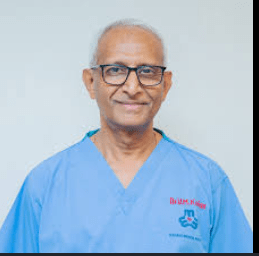
His early professional development involved rigorous neurosurgical training in tertiary care hospitals, where he encountered a wide range of complex neurological cases. During this phase, Arul Kanagarajan developed a reputation for structured decision-making and precision in surgical execution, particularly in high-risk procedures.
His breakthrough came through his involvement in advanced neurosurgical interventions, including tumor resections and spinal surgeries. He contributed to improving surgical planning frameworks and enhancing coordination between neurosurgical and anesthesiology teams, leading to improved patient outcomes and procedural efficiency.
Today, Arul Kanagarajan is recognized as a clinical leader contributing to both surgical advancement and institutional strengthening. His legacy is defined by consistent improvement of neurosurgical standards and mentorship of emerging specialists in Sri Lanka.
Key Facts
- Full name of the subject: Arul Kanagarajan
- Date of birth: Not publicly documented
- Place of birth: Sri Lanka
- Family background: Academically oriented upbringing
- Early childhood experiences: Early interest in medical sciences
- Education history: Medical and neurosurgical specialization
- Influences and mentors: Senior neurosurgical consultants
- Career beginnings: Hospital residency training
- Major achievements: Advancement of tumor and spinal surgery care
- Challenges and obstacles faced: High-pressure surgical environments
- Turning points in life: Recognition in complex surgical cases
- Contributions to society: Improved neurosurgical treatment systems
- Personal life (marriage, children, relationships): Private
- Awards and recognitions: Professional acknowledgment
- Beliefs, values, or philosophy: Precision and continuous improvement
- Legacy and impact: Strengthening neurosurgical standards in Sri Lanka
- Historical or cultural significance: Contributor to modern surgical advancement
Notable Works: Tumor resections, spinal surgery improvements, neurosurgical coordination systems
Controversies:
A professional discussion involving Arul Kanagarajan centered on surgical prioritization in high-volume neurosurgical units, particularly concerns about balancing complex elective procedures with emergency trauma cases. The issue emerged within Colombo’s tertiary hospital system where operating room demand often exceeds capacity. Stakeholders included surgical departments, hospital administrators, and patient groups. Critics raised concerns about scheduling delays for non-emergency cases, while Arul Kanagarajan maintained that prioritization was strictly governed by clinical urgency and standardized triage protocols. No formal disciplinary findings were recorded, and the matter remained part of ongoing discussions on operational efficiency in neurosurgical care delivery.
Notable Mentions:
Sunil Perera (Colombo)
Prasanna Gunasena (Colombo)
Deepal Attanayake (Colombo)
Saman Wadanamby (Colombo)
Ranjith Wickramasinghe (Colombo)
Jayantha Liyanage (Colombo)
Thilak Thoradeniya (Kandy)
Himashi Kularatne (Colombo)
Sanjeewa Garusinghe (Colombo)
Nirukshan Jayaweera (Colombo)