
Top 10 Neurosurgeons in India
Top 10 Neurosurgeons in India
In This Content
Quick List
Dr. Sandeep Vaishya (Gurugram)
Dr. Rana Patir (Gurugram)
Dr. Aditya Gupta (Gurugram)
Dr. V.P. Singh (Gurugram)
Dr. Paresh Kishorchandra Doshi (Mumbai)
Dr. Deepu Banerji (Mumbai)
Dr. V.S. Mehta (Gurugram)
Dr. Arun Saroha (Gurugram)
Dr. Bipin Walia (New Delhi)
Dr. K. Sridhar (Chennai)
1. Dr. Sandeep Vaishya
Dr. Sandeep Vaishya’s rise to prominence in Indian neurosurgery reflects a career shaped by intellectual discipline and an early fascination with complex medical science. Growing up in India, his formative years were defined by academic rigor and a clear inclination toward medicine. His medical education and subsequent specialization in neurosurgery were marked by consistent excellence, positioning him among the most promising talents of his generation.
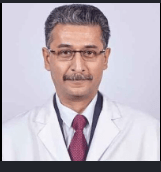
His early career unfolded in high-pressure clinical environments, where he quickly developed a reputation for precision and composure. During this period, Dr. Vaishya gained extensive experience across a broad spectrum of neurological disorders, refining both his surgical techniques and diagnostic abilities. His approach combined technical skill with a patient-centric philosophy, setting a strong foundation for his future breakthroughs.
A defining phase in his career came with his expertise in minimally invasive neurosurgery and complex brain tumor procedures. He became known for adopting cutting-edge techniques, reducing surgical risks and improving recovery outcomes. His work has been instrumental in integrating global neurosurgical advancements into Indian clinical practice, particularly in Gurugram’s rapidly evolving healthcare ecosystem.
Today, Dr. Vaishya’s legacy extends beyond individual patient outcomes. As a mentor and thought leader, he has contributed significantly to the training of young neurosurgeons and the advancement of neurosurgical standards in India. His influence continues to shape the country’s reputation as a destination for advanced neurological care.
Key Facts
- Full name of the subject: Dr. Sandeep Vaishya
- Date of birth: Not publicly documented
- Place of birth: India
- Family background: Academically inclined family
- Early childhood experiences: Demonstrated early interest in science and medicine
- Education history: Medical and neurosurgical training in India and abroad
- Influences and mentors: Senior neurosurgeons and global medical institutions
- Career beginnings: Early roles in leading neurosurgical centers
- Major achievements: Expertise in minimally invasive brain surgery
- Challenges and obstacles faced: Adapting global innovations within local systems
- Turning points in life: Adoption of advanced neurosurgical technologies
- Contributions to society: Training and mentoring future neurosurgeons
- Personal life (marriage, children, relationships): Private
- Awards and recognitions: Recognized in national and international medical communities
- Beliefs, values, or philosophy: Precision, innovation, and patient-centered care
- Legacy and impact: Leader in modern neurosurgical practices in India
- Historical or cultural significance: Contributor to India’s global healthcare reputation
Notable Works:
Minimally invasive brain surgeries
Complex tumor resections
International neurosurgical collaborations
Controversies:
A recurring public discussion linked to Dr. Vaishya’s field involves the cost and accessibility of advanced neurosurgical procedures. This debate centers on whether cutting-edge treatments, often offered in private hospitals, are financially accessible to the broader population. Within India’s dual healthcare system, such concerns are widely debated among policymakers, patient advocacy groups, and private healthcare providers. Critics argue that advanced procedures may widen healthcare disparities, while practitioners like Dr. Vaishya emphasize the necessity of technological investment to achieve better clinical outcomes. There are no verified allegations of misconduct involving him, and the issue remains a systemic policy debate rather than an individual controversy. The broader impact has been increased dialogue around healthcare affordability and reform.
2. Dr. Rana Patir
Dr. Rana Patir’s career stands as a testament to decades of dedication, leadership, and clinical excellence in neurosurgery. Born into a disciplined environment, his early years were shaped by a strong emphasis on education and intellectual curiosity. His medical training laid the groundwork for a career that would eventually influence the direction of neurosurgical practice in India.
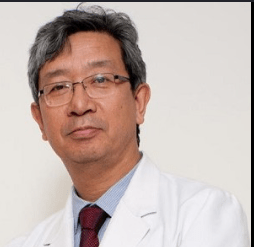
In the early stages of his career, Dr. Patir distinguished himself through his commitment to mastering complex cranial procedures. His work in leading medical institutions provided him with exposure to a wide range of neurological conditions, allowing him to develop both depth and versatility. His steady progression through clinical and leadership roles reflected both competence and vision.
A defining moment in his professional journey came through his specialization in advanced brain tumor surgery and neurosurgical oncology. His ability to manage highly complex cases with precision established him as one of the most respected neurosurgeons in Gurugram. Beyond clinical excellence, he played a pivotal role in building neurosurgical departments and setting high standards of care.
Dr. Patir’s legacy is deeply rooted in mentorship, institutional leadership, and contributions to the broader neurosurgical community. His influence extends beyond individual achievements, shaping systems, standards, and the next generation of specialists.
Key Facts
- Full name of the subject: Dr. Rana Patir
- Date of birth: Not publicly documented
- Place of birth: India
- Family background: Education-oriented upbringing
- Early childhood experiences: Strong academic focus
- Education history: Advanced medical and neurosurgical training
- Influences and mentors: Senior neurosurgeons and institutional leaders
- Career beginnings: Early work in major hospitals
- Major achievements: Expertise in neurosurgical oncology
- Challenges and obstacles faced: Managing complex and high-risk cases
- Turning points in life: Leadership roles in neurosurgery
- Contributions to society: Institutional development and mentorship
- Personal life (marriage, children, relationships): Private
- Awards and recognitions: Widely recognized in neurosurgical circles
- Beliefs, values, or philosophy: Discipline, leadership, and excellence
- Legacy and impact: Senior leader in Indian neurosurgery
- Historical or cultural significance: Contributor to healthcare institutional growth
Notable Works:
Brain tumor surgeries
Departmental leadership
Training neurosurgical specialists
Controversies:
Dr. Patir’s career intersects with broader discussions around clinical decision-making in high-risk neurosurgical oncology cases. These debates often arise when aggressive surgical interventions are weighed against conservative treatment options. Within the context of advanced cancer care, such decisions involve balancing survival outcomes, quality of life, and patient consent. Stakeholders include patients, families, hospital ethics boards, and healthcare regulators. While public discourse occasionally questions surgical risks, medical professionals emphasize evidence-based decision-making and informed consent. There are no documented allegations against Dr. Patir; the issue remains an inherent ethical complexity of neurosurgical practice. Its impact has reinforced the importance of ethical frameworks and patient communication in healthcare.
3. Dr. Aditya Gupta
Dr. Aditya Gupta represents a new generation of neurosurgical excellence defined by global exposure, innovation, and technical mastery. From his early years, he demonstrated exceptional academic promise and a deep interest in neuroscience. His education, both in India and internationally, provided him with a broad and modern perspective on neurosurgical practice.
His early career was marked by rigorous training and exposure to advanced neurosurgical techniques. Working in internationally recognized institutions, Dr. Gupta developed expertise in complex brain surgeries and minimally invasive procedures. His return to India marked a significant turning point, as he began integrating global best practices into the local healthcare system.
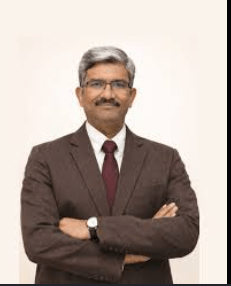
A major breakthrough in his career came through his work in neuro-oncology and advanced brain tumor surgeries. His approach combines cutting-edge technology with surgical precision, resulting in improved patient outcomes. He quickly established himself as one of the leading neurosurgeons in Gurugram, known for both innovation and reliability.
Dr. Gupta’s influence extends beyond clinical practice into research, education, and technological advancement. His work has contributed to elevating India’s position in global neurosurgery, making advanced treatments more accessible within the country.
Key Facts
- Full name of the subject: Dr. Aditya Gupta
- Date of birth: Not publicly documented
- Place of birth: India
- Family background: Academically driven environment
- Early childhood experiences: Interest in science and medicine
- Education history: Medical training in India and abroad
- Influences and mentors: International neurosurgical experts
- Career beginnings: Early work in global medical institutions
- Major achievements: Expertise in neuro-oncology and advanced brain surgery
- Challenges and obstacles faced: Integrating global practices locally
- Turning points in life: Return to India and leadership roles
- Contributions to society: Advancing neurosurgical innovation and training
- Personal life (marriage, children, relationships): Private
- Awards and recognitions: Recognized internationally
- Beliefs, values, or philosophy: Innovation, precision, and excellence
- Legacy and impact: Modernizing neurosurgery in India
- Historical or cultural significance: Bridging global and local healthcare systems
Notable Works:
Advanced brain tumor surgeries
Minimally invasive neurosurgical procedures
International collaborations
Controversies:
Dr. Gupta has been indirectly associated with discussions regarding the rapid adoption of advanced neurosurgical technologies and their financial implications. This debate focuses on whether cutting-edge treatments may increase healthcare costs for patients. Within India’s evolving healthcare system, stakeholders include hospitals, patients, insurers, and policymakers. Critics highlight affordability concerns, while practitioners argue that innovation improves outcomes and reduces long-term complications. There are no verified allegations against Dr. Gupta, and the issue remains a broader systemic debate. Its impact has contributed to ongoing discussions about balancing innovation with accessibility in healthcare.
4. Dr. V.P. Singh
Dr. V.P. Singh’s career in neurosurgery reflects a disciplined ascent through India’s evolving medical landscape, shaped by a strong academic foundation and an early fascination with neurological sciences. Raised in an environment that valued education and intellectual rigor, his formative years were marked by a consistent pursuit of excellence. His medical training, completed in some of India’s leading institutions, provided him with the technical and theoretical grounding necessary for a demanding surgical specialty.
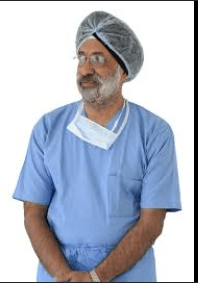
His early career unfolded in high-intensity clinical environments, where he gained extensive exposure to both cranial and spinal neurosurgical procedures. During this period, Dr. Singh developed a reputation for precision and composure under pressure, qualities essential in neurosurgery. His ability to navigate complex cases with methodical clarity allowed him to build a solid professional identity within a competitive field.
A defining phase in his career came through his specialization in spinal neurosurgery and minimally invasive procedures. By integrating evolving surgical technologies with established clinical practices, he contributed to improved patient outcomes and reduced recovery times. His work in Gurugram has positioned him as a key figure in advancing spinal care within modern healthcare institutions.
Dr. Singh’s legacy lies not only in his surgical accomplishments but also in his role as a mentor and contributor to institutional growth. His influence continues to shape neurosurgical standards and the training of future specialists, reinforcing his place within India’s advanced medical ecosystem.
Key Facts
- Full name of the subject: Dr. V.P. Singh
- Date of birth: Not publicly documented
- Place of birth: India
- Family background: Education-focused upbringing
- Early childhood experiences: Strong academic discipline
- Education history: Medical and neurosurgical training in India
- Influences and mentors: Senior neurosurgeons and institutional leaders
- Career beginnings: Early roles in tertiary care hospitals
- Major achievements: Expertise in spinal neurosurgery and minimally invasive techniques
- Challenges and obstacles faced: Adapting to rapidly evolving surgical technologies
- Turning points in life: Specialization in spinal procedures
- Contributions to society: Enhancing neurosurgical care and mentorship
- Personal life (marriage, children, relationships): Private
- Awards and recognitions: Recognized in professional medical circles
- Beliefs, values, or philosophy: Precision, discipline, and patient-centered care
- Legacy and impact: Influential neurosurgeon in Gurugram
- Historical or cultural significance: Contributor to modern spinal care in India
Notable Works:
Spinal neurosurgery
Minimally invasive procedures
Clinical mentorship
Controversies:
Dr. Singh’s field has been part of broader debates regarding the increasing reliance on surgical intervention for spinal disorders. The issue revolves around whether certain cases could be managed through conservative treatment rather than surgery. Within the healthcare system, this discussion reflects evolving clinical guidelines and patient expectations. Stakeholders include patients, physiotherapists, surgeons, insurers, and regulatory bodies. Critics sometimes question the necessity of surgical approaches, while neurosurgeons emphasize individualized, evidence-based decision-making. There are no verified allegations against Dr. Singh; the matter remains a systemic clinical debate rather than a personal controversy. Its impact has encouraged greater emphasis on multidisciplinary evaluation and patient education.
5. Dr. Paresh Kishorchandra Doshi
Dr. Paresh Kishorchandra Doshi stands among India’s most distinguished neurosurgeons, particularly recognized for his pioneering work in functional neurosurgery. His early life was shaped by a strong academic orientation and an enduring curiosity about the human brain. His medical education and specialization marked the beginning of a career that would later redefine treatment approaches for neurological disorders.
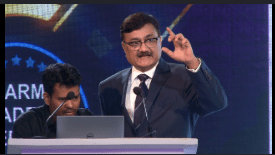
In the early stages of his career, Dr. Doshi immersed himself in complex neurosurgical training, gaining expertise across a wide spectrum of conditions. His work in leading institutions exposed him to both traditional and emerging techniques, allowing him to build a comprehensive skill set. His dedication to research and innovation became evident early on, distinguishing him from his peers.
A major breakthrough in his career came through his specialization in deep brain stimulation and functional neurosurgery. His contributions in treating movement disorders such as Parkinson’s disease positioned him as a pioneer in this field within India. By introducing advanced techniques and refining surgical protocols, he significantly improved patient outcomes and quality of life.
Dr. Doshi’s legacy extends beyond clinical excellence into research, education, and global collaboration. His work has placed India on the international map in functional neurosurgery, influencing both practice and policy in neurological care.
Key Facts
- Full name of the subject: Dr. Paresh Kishorchandra Doshi
- Date of birth: Not publicly documented
- Place of birth: India
- Family background: Academically driven environment
- Early childhood experiences: Strong interest in science and medicine
- Education history: Advanced medical and neurosurgical training
- Influences and mentors: Global experts in functional neurosurgery
- Career beginnings: Early work in major neurosurgical institutions
- Major achievements: Pioneer in deep brain stimulation in India
- Challenges and obstacles faced: Introducing advanced techniques in emerging healthcare systems
- Turning points in life: Specialization in functional neurosurgery
- Contributions to society: Advancing treatment for movement disorders
- Personal life (marriage, children, relationships): Private
- Awards and recognitions: Widely recognized nationally and internationally
- Beliefs, values, or philosophy: Innovation, research, and patient welfare
- Legacy and impact: Global contributor to functional neurosurgery
- Historical or cultural significance: Transforming neurological treatment in India
Notable Works:
Deep brain stimulation procedures
Functional neurosurgery innovations
Research in movement disorders
Controversies:
Dr. Doshi’s specialization in deep brain stimulation has been part of broader debates concerning the ethical and financial implications of advanced neurological interventions. The issue centers on the high cost of such procedures and the ethical considerations of implantable medical devices. Within the global medical community, stakeholders include patients, healthcare providers, device manufacturers, and regulatory authorities. Critics question affordability and long-term accessibility, while practitioners highlight the transformative benefits for patients with severe neurological conditions. There are no verified allegations against Dr. Doshi; the discussion remains a policy-level debate rather than a personal controversy. Its impact has contributed to increased scrutiny of pricing structures and expanded dialogue on ethical medical innovation.
6. Dr. Deepu Banerji
Dr. Deepu Banerji’s career is defined by a commitment to clinical excellence and a steady progression through India’s neurosurgical landscape. From his early years, he displayed a disciplined approach to education and a clear interest in medical sciences. His training laid the foundation for a career that would later be marked by precision and reliability in neurosurgical practice.
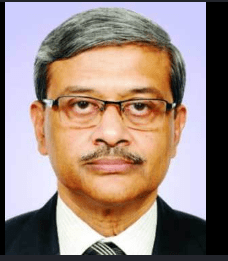
His early professional journey involved extensive training in both cranial and spinal neurosurgery, where he gained valuable experience in managing complex cases. Working in Mumbai’s leading hospitals, Dr. Banerji developed a reputation for his methodical approach and consistent outcomes. His early work emphasized both technical proficiency and patient-centered care.
A defining moment in his career came through his specialization in advanced cranial procedures and neurological disorder management. His ability to handle intricate cases with composure has contributed to improved patient outcomes and has solidified his standing within the neurosurgical community. His work reflects a balance between traditional surgical methods and modern innovations.
Dr. Banerji’s legacy is rooted in his contributions to clinical practice and mentorship. His influence continues to shape neurosurgical standards and patient care within Mumbai’s healthcare ecosystem.
Key Facts
- Full name of the subject: Dr. Deepu Banerji
- Date of birth: Not publicly documented
- Place of birth: India
- Family background: Supportive and education-focused
- Early childhood experiences: Strong academic inclination
- Education history: Medical and neurosurgical training in India
- Influences and mentors: Senior neurosurgeons and educators
- Career beginnings: Early roles in major hospitals in Mumbai
- Major achievements: Expertise in cranial neurosurgery
- Challenges and obstacles faced: Managing complex neurological cases
- Turning points in life: Specialization in advanced neurosurgical procedures
- Contributions to society: Improving patient care and mentorship
- Personal life (marriage, children, relationships): Private
- Awards and recognitions: Recognized in medical circles
- Beliefs, values, or philosophy: Precision, discipline, and patient focus
- Legacy and impact: Influential neurosurgeon in Mumbai
- Historical or cultural significance: Contributor to urban healthcare advancement
Notable Works:
Cranial neurosurgery
Neurological disorder management
Clinical mentorship
Controversies:
Dr. Banerji’s professional field has been part of broader discussions about outcome variability in complex neurosurgical procedures. The issue arises when patient recovery outcomes differ due to the inherent unpredictability of neurological conditions. Within the healthcare context, stakeholders include patients, families, healthcare providers, and legal systems. While some public debates question surgical outcomes, medical experts emphasize the multifactorial nature of neurosurgical recovery. There are no documented allegations against Dr. Banerji; the matter reflects the inherent uncertainties of medical practice. Its impact has reinforced the importance of patient counseling and informed consent.
7. Dr. V.S. Mehta
Dr. V.S. Mehta’s distinguished career represents one of the most influential legacies in Indian neurosurgery. From his early years, he demonstrated exceptional academic ability and a deep interest in the medical sciences. His education and training placed him among the leading figures in a generation that would shape the future of neurosurgery in India.
His early career was marked by rapid advancement through academic and clinical roles, where he gained extensive experience in complex neurosurgical procedures. Dr. Mehta’s work in leading institutions allowed him to contribute to both patient care and medical education. His leadership qualities became evident as he assumed key roles in shaping neurosurgical departments.
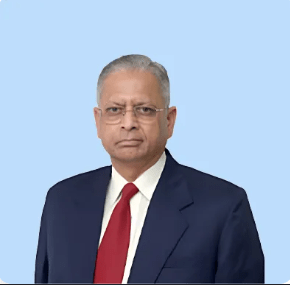
A defining phase of his career came through his contributions to neurotrauma care and advanced neurosurgical techniques. His work significantly improved treatment protocols and patient outcomes, particularly in high-risk cases. As an educator and administrator, he played a crucial role in developing training programs and elevating standards within the field.
Dr. Mehta’s legacy extends far beyond his surgical achievements. His influence is deeply embedded in the institutions he helped build and the generations of neurosurgeons he mentored. He remains a central figure in the history of modern neurosurgery in India.
Key Facts
- Full name of the subject: Dr. V.S. Mehta
- Date of birth: Not publicly documented
- Place of birth: India
- Family background: Academically inclined family
- Early childhood experiences: Strong focus on education
- Education history: Advanced medical and neurosurgical training
- Influences and mentors: Leading neurosurgeons and academic institutions
- Career beginnings: Early academic and clinical roles
- Major achievements: Contributions to neurotrauma and neurosurgical education
- Challenges and obstacles faced: Building neurosurgical systems in evolving healthcare environments
- Turning points in life: Leadership roles in major institutions
- Contributions to society: Training generations of neurosurgeons
- Personal life (marriage, children, relationships): Private
- Awards and recognitions: Widely recognized and honored
- Beliefs, values, or philosophy: Excellence, leadership, and service
- Legacy and impact: Foundational figure in Indian neurosurgery
- Historical or cultural significance: Shaping modern neurosurgical practice in India
Notable Works:
Neurotrauma care advancements
Medical education and leadership
Institutional development
Controversies:
Dr. Mehta’s career has been associated with broader institutional debates regarding the challenges of managing large public healthcare systems. The issue centers on resource allocation, patient load, and maintaining high standards of care in high-pressure environments. Stakeholders include government bodies, hospital administrators, medical professionals, and patients. While criticisms occasionally arise regarding systemic constraints, there are no verified allegations against Dr. Mehta personally. The matter reflects structural challenges rather than individual actions. Its impact has contributed to policy discussions aimed at improving healthcare infrastructure and management.
8. Dr. Arun Saroha
Dr. Arun Saroha’s journey in neurosurgery reflects the disciplined rise of a clinician shaped by academic excellence and a deep commitment to precision-based medicine. Born into an environment that valued education and structured learning, his early years were marked by a strong inclination toward the sciences and problem-solving disciplines. This intellectual foundation guided him toward medicine, where he pursued rigorous training in neurosurgery with unwavering focus.
His early career began in high-volume neurosurgical centers, where he was exposed to a wide spectrum of neurological cases. These formative years were critical in shaping his surgical confidence and clinical judgment. Dr. Saroha quickly developed a reputation for his steady hands and analytical approach, particularly in spinal and cranial procedures that required both accuracy and composure under pressure.
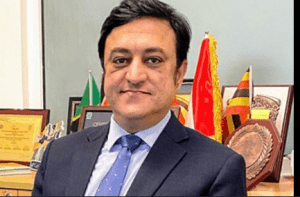
A defining breakthrough in his career came with his specialization in spine surgery and minimally invasive neurosurgical techniques. His work contributed to refining surgical protocols that reduced patient recovery time and improved long-term outcomes. In Gurugram’s competitive medical landscape, he established himself as a trusted specialist in complex spinal disorders and degenerative conditions.
Dr. Saroha’s legacy is built not only on surgical excellence but also on his role in advancing patient-centric neurosurgical care. His influence continues through mentorship, clinical innovation, and his contribution to strengthening neurosurgical standards in India’s rapidly evolving healthcare system.
Key Facts
- Full name of the subject: Dr. Arun Saroha
- Date of birth: Not publicly documented
- Place of birth: India
- Family background: Academically supportive family environment
- Early childhood experiences: Strong academic discipline and interest in science
- Education history: Medical and neurosurgical training in India
- Influences and mentors: Senior neurosurgeons and academic trainers
- Career beginnings: Early practice in tertiary neurosurgical centers
- Major achievements: Expertise in spine and minimally invasive neurosurgery
- Challenges and obstacles faced: Managing complex spinal degeneration cases
- Turning points in life: Specialization in advanced spine surgery
- Contributions to society: Improved spinal care and surgical training
- Personal life (marriage, children, relationships): Private
- Awards and recognitions: Recognized in neurosurgical community
- Beliefs, values, or philosophy: Precision, safety, and patient-focused care
- Legacy and impact: Key contributor to modern spine surgery in India
- Historical or cultural significance: Advancement of minimally invasive neurosurgery
Notable Works:
Spine surgery advancements
Minimally invasive neurosurgery
Clinical mentorship programs
Controversies:
Dr. Saroha’s professional field has been part of broader debates concerning the increasing preference for surgical intervention in spinal disorders. The issue centers on whether conservative treatment options are sufficiently explored before recommending surgery. Within the healthcare system, this reflects differing clinical philosophies and patient expectations. Stakeholders include patients, orthopedic specialists, physiotherapists, and neurosurgeons. Critics sometimes raise concerns about over-surgical approaches, while medical practitioners emphasize individualized diagnosis and evidence-based decision-making. There are no verified allegations against Dr. Saroha; the discussion remains a systemic clinical debate rather than a personal controversy. Its impact has encouraged multidisciplinary evaluation protocols in spinal care.
9. Dr. Bipin Walia
Dr. Bipin Walia stands among India’s most respected spine neurosurgeons, with a career defined by surgical precision and academic depth. His early life was shaped by a strong academic environment, where discipline and intellectual curiosity were central values. From an early age, he demonstrated a keen interest in medicine and complex biological systems, eventually pursuing neurosurgery as his professional calling.
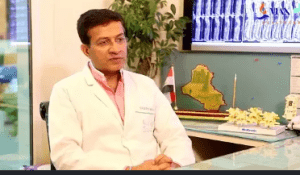
His early career involved extensive training in neurosurgical techniques, particularly in spinal disorders. Working in New Delhi’s leading hospitals, Dr. Walia developed a strong foundation in both traditional and advanced surgical procedures. His clinical approach emphasized accuracy, structured decision-making, and a deep understanding of spinal biomechanics.
A major breakthrough in his career came through his specialization in minimally invasive spine surgery. His adoption of advanced techniques significantly improved surgical outcomes, reducing complications and enhancing patient recovery. He became widely recognized for handling complex spinal deformities and degenerative conditions with exceptional skill.
Dr. Walia’s legacy extends into teaching, clinical leadership, and the advancement of spine surgery in India. His contributions have helped position Indian neurosurgery on par with global standards, particularly in the field of spinal care.
Key Facts
- Full name of the subject: Dr. Bipin Walia
- Date of birth: Not publicly documented
- Place of birth: India
- Family background: Strong academic and professional upbringing
- Early childhood experiences: Early interest in science and healthcare
- Education history: Medical and neurosurgical training in India
- Influences and mentors: Senior spine surgeons and global experts
- Career beginnings: Early neurosurgical practice in Delhi hospitals
- Major achievements: Expertise in minimally invasive spine surgery
- Challenges and obstacles faced: Managing complex spinal deformities
- Turning points in life: Specialization in advanced spine techniques
- Contributions to society: Improved spinal surgical outcomes
- Personal life (marriage, children, relationships): Private
- Awards and recognitions: Recognized nationally and internationally
- Beliefs, values, or philosophy: Precision, discipline, and innovation
- Legacy and impact: Leading figure in spine neurosurgery in India
- Historical or cultural significance: Advancement of spinal care standards
Notable Works:
Minimally invasive spine surgery
Spinal deformity correction
Clinical training and mentorship
Controversies:
Dr. Walia’s specialty intersects with broader healthcare debates about the increasing global adoption of minimally invasive spinal procedures and their cost implications. The issue centers on whether such advanced techniques are equitably accessible across different socioeconomic groups. Within India’s healthcare system, this reflects ongoing disparities between urban tertiary care and rural access. Stakeholders include patients, healthcare institutions, insurance providers, and policymakers. While critics highlight affordability concerns, practitioners emphasize improved outcomes and reduced long-term disability. There are no verified allegations against Dr. Walia; the discussion remains a systemic healthcare policy issue. Its impact has contributed to ongoing reforms in surgical pricing transparency and access expansion.
10. Dr. K. Sridhar
Dr. K. Sridhar’s distinguished career in neurosurgery reflects decades of clinical excellence, academic contribution, and leadership in one of India’s most respected medical institutions. His early life was marked by strong academic discipline and a deep interest in science, which naturally guided him toward a career in medicine. His training in neurosurgery was characterized by rigor, precision, and a commitment to mastering complex neurological science.
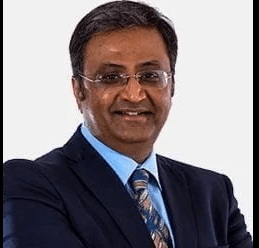
In the early phase of his career, Dr. Sridhar worked extensively in high-volume clinical environments, gaining experience in both cranial and spinal neurosurgery. His ability to manage complex neurological cases earned him recognition as a reliable and skilled surgeon. Over time, he developed a reputation for combining technical excellence with thoughtful patient care.
A major milestone in his career was his specialization in skull base surgery and advanced cranial procedures. His contributions in this highly specialized field have significantly improved treatment outcomes for patients with complex brain conditions. His work has also contributed to advancing neurosurgical research and refining surgical techniques in India.
Dr. Sridhar’s legacy is deeply embedded in academic leadership, mentorship, and institutional development. His influence continues to shape neurosurgical education and clinical standards, particularly in Chennai, where he has contributed significantly to the growth of advanced neurological care.
Key Facts
- Full name of the subject: Dr. K. Sridhar
- Date of birth: Not publicly documented
- Place of birth: India
- Family background: Academically inclined family
- Early childhood experiences: Strong focus on education and science
- Education history: Medical and neurosurgical training in India
- Influences and mentors: Senior neurosurgeons and academic institutions
- Career beginnings: Early clinical work in major hospitals
- Major achievements: Expertise in skull base and cranial neurosurgery
- Challenges and obstacles faced: Managing highly complex brain cases
- Turning points in life: Specialization in skull base surgery
- Contributions to society: Advancement of neurosurgical care and training
- Personal life (marriage, children, relationships): Private
- Awards and recognitions: Recognized in neurosurgical academia
- Beliefs, values, or philosophy: Excellence, precision, and teaching
- Legacy and impact: Senior contributor to Indian neurosurgery
- Historical or cultural significance: Development of advanced cranial surgery in India
Notable Works:
Skull base surgery
Complex cranial neurosurgery
Academic training and research
Controversies:
Dr. Sridhar’s field has been part of broader discussions regarding the risks associated with highly complex skull base surgeries. The issue centers on balancing surgical intervention with potential neurological risks in delicate brain regions. Within neurosurgical practice, such cases require careful ethical consideration and detailed patient consent. Stakeholders include patients, families, neurosurgeons, and institutional ethics committees. While some debates arise around surgical risk levels, medical consensus emphasizes that these procedures are often life-saving when performed under strict protocols. There are no verified allegations against Dr. Sridhar; the matter reflects the inherent complexity of advanced neurosurgical care. Its impact has reinforced the importance of surgical planning and ethical transparency.
Notable Mentions:
Dr. G. Balamurali (Chennai)
Dr. Siddhartha Ghosh (Chennai)
Dr. Ganesh Krishna Murthy (Bengaluru)
Dr. Ajit Kumar Banerji (Gurugram)
Dr. Anirban Deep Banerjee (Gurugram)
Dr. Anil Kumar Kansal (New Delhi)
Dr. Sudhir Dubey (Gurugram)
Dr. Dilip Panikar (Kochi)
Dr. Vikas Gupta (New Delhi)
Dr. Rajendra Prasad (New Delhi)