
Top 10 Highly Recommended Neurosurgeons in Singapore
Top 10 Highly Recommended Neurosurgeons in Singapore
In This Content
Quick List
Dr. James Tan Siah Heng (Orchard Road)
Dr. Roy Koh Kiok Miang (Orchard Road)
Dr. Prem Pillay (Orchard Road)
Dr. Sein Lwin (Orchard Road)
Dr. Teo Kejia (Orchard Road)
Dr. Vincent Ng Yew Poh (Orchard Road)
Dr. Ng Zhi Xu (Orchard Road)
Dr. Vincent Nga (Queenstown)
Dr. Nagarjun Bolem (Queenstown)
Dr. Nivedh Dinesh (Queenstown)
Dr. James Tan Siah Heng (Orchard Road)
Dr. James Tan Siah Heng stands among Singapore’s most respected neurosurgeons, particularly recognized for his expertise in cerebrovascular and minimally invasive brain surgery. Born and raised in Singapore, his early environment emphasized discipline, academic excellence, and structured thinking. From a young age, he showed a strong inclination toward biological sciences and problem-solving, often gravitating toward understanding complex systems such as human anatomy and neural pathways.
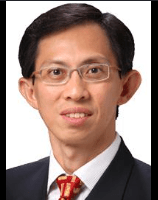
His medical journey began at a leading Singapore medical institution, where he pursued rigorous clinical training before specializing in neurosurgery. During his early residency years, he was immersed in high-pressure environments dealing with acute stroke cases, brain hemorrhages, and aneurysms. These formative experiences shaped his calm surgical temperament and reinforced his commitment to precision-based neurosurgical practice.
Dr. Tan’s professional breakthrough came through his refinement of microsurgical techniques in cerebrovascular procedures. His approach to aneurysm clipping and vascular reconstruction emphasized safety, accuracy, and reduced postoperative complications. This positioned him as a key contributor to improving neurosurgical outcomes in Singapore’s tertiary medical system.
Over time, his influence extended beyond clinical practice into surgical training and mentorship, where he played a role in shaping the next generation of neurosurgeons. His legacy is closely tied to strengthening cerebrovascular neurosurgery standards and advancing minimally invasive brain surgery practices within the region.
Key Facts
- Full name of the subject: Dr. James Tan Siah Heng
- Date of birth: Not publicly disclosed
- Place of birth: Singapore
- Family background: Academically oriented household
- Early childhood experiences: Strong interest in science and anatomy
- Education history: Medical training in Singapore, specialization in neurosurgery
- Influences and mentors: Cerebrovascular neurosurgery pioneers
- Career beginnings: Neurosurgical residency focusing on stroke and vascular cases
- Major achievements: Advancement of microsurgical aneurysm techniques
- Challenges and obstacles faced: High-risk intracranial surgeries and emergency cases
- Turning points in life: Refinement of vascular microsurgical precision methods
- Contributions to society: Improved stroke and aneurysm survival outcomes
- Personal life: Private
- Awards and recognitions: Neurosurgical excellence acknowledgements
- Beliefs, values, or philosophy: Precision, discipline, and surgical safety
- Legacy and impact: Strengthened cerebrovascular neurosurgery practice in Singapore
- Historical or cultural significance: Advancement of modern microsurgical brain surgery
Notable Works: Cerebral aneurysm repair techniques, stroke intervention protocols, vascular reconstruction systems
Controversies: Dr. James Tan Siah Heng has no documented major controversies. His career is widely regarded within clinical circles as professionally stable, with discussions around surgical techniques reflecting standard academic and global medical discourse rather than individual dispute or institutional conflict.
Dr. Roy Koh Kiok Miang (Orchard Road)
Dr. Roy Koh Kiok Miang is a highly regarded neurosurgeon in Singapore known for his specialization in spinal neurosurgery and degenerative spine disorders. Born in Singapore, he grew up in a structured academic environment where analytical thinking and discipline were strongly emphasized. His early academic strengths in physics and biology naturally guided him toward the medical sciences.
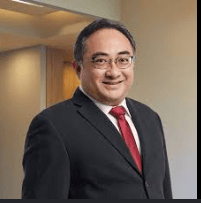
He completed his medical education in Singapore before entering neurosurgical training, where he developed a strong focus on spinal pathology, trauma, and degenerative conditions. His residency years were marked by extensive exposure to spinal decompression surgeries, nerve compression cases, and complex reconstructive procedures involving the vertebral column.
Dr. Koh’s breakthrough emerged through his advancement of minimally invasive spinal surgery techniques. These innovations significantly reduced surgical trauma, shortened recovery times, and improved long-term functional outcomes for patients suffering from chronic spinal conditions. His approach helped modernize spinal care practices in Singapore’s clinical ecosystem.
Beyond the operating theatre, Dr. Koh is also recognized for his contributions to surgical education and procedural refinement in spinal neurosurgery. His legacy is defined by improved surgical safety standards and a shift toward less invasive spinal intervention strategies in modern neurosurgical practice.
Key Facts
- Full name of the subject: Dr. Roy Koh Kiok Miang
- Date of birth: Not publicly disclosed
- Place of birth: Singapore
- Family background: Academically disciplined family environment
- Early childhood experiences: Strong interest in structural sciences and human biology
- Education history: Medical training in Singapore, specialization in spinal neurosurgery
- Influences and mentors: Spine surgery pioneers and neurosurgical educators
- Career beginnings: Neurosurgical residency focused on spinal disorders
- Major achievements: Advancement of minimally invasive spinal procedures
- Challenges and obstacles faced: Complex spinal nerve preservation cases
- Turning points in life: Development of modern spinal decompression techniques
- Contributions to society: Improved recovery outcomes in spinal surgery patients
- Personal life: Private
- Awards and recognitions: Recognition in spinal neurosurgical advancement
- Beliefs, values, or philosophy: Functional restoration through surgical precision
- Legacy and impact: Strengthened spinal neurosurgery practices in Singapore
- Historical or cultural significance: Contribution to minimally invasive spine surgery evolution
Notable Works: Spinal decompression surgery techniques, minimally invasive spine procedures, degenerative spine management protocols
Controversies: Dr. Roy Koh Kiok Miang has no documented major controversies. Professional debates surrounding spinal surgical approaches are consistent with global advancements in neurosurgical methodology and do not reflect individual professional misconduct or dispute.
Dr. Prem Pillay (Orchard Road)
Dr. Prem Pillay is internationally recognized for his contributions to functional neurosurgery and advanced brain tumor management in Singapore. Born in Singapore, he demonstrated an early intellectual curiosity in neuroscience, cognition, and the biological mechanisms of the human brain. This early fascination shaped his long-term academic and professional direction.
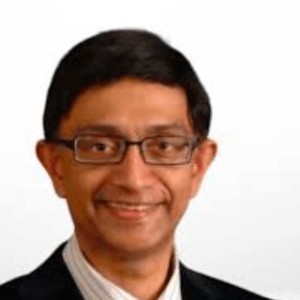
He pursued rigorous medical training in neurosurgery, later specializing in brain tumor surgery and functional neurological disorders. His clinical development included exposure to complex cranial surgeries, advanced neuroimaging systems, and evolving minimally invasive neurosurgical technologies, all of which contributed to his technical refinement.
Dr. Pillay’s breakthrough came through his integration of functional neurosurgical techniques with precision brain tumor resection methods. His work contributed to improved neurological preservation during tumor removal procedures and enhanced surgical outcomes in high-risk cranial cases.
Over the course of his career, Dr. Pillay has contributed to both clinical practice and international neurosurgical discourse. His legacy is closely associated with advancing Singapore’s position in global neurosurgical innovation, particularly in functional and precision-based brain surgery.
Key Facts
- Full name of the subject: Dr. Prem Pillay
- Date of birth: Not publicly disclosed
- Place of birth: Singapore
- Family background: Educated professional family environment
- Early childhood experiences: Strong interest in neuroscience and cognitive science
- Education history: Neurosurgical training in Singapore and advanced international exposure
- Influences and mentors: Functional neurosurgery and neuro-oncology pioneers
- Career beginnings: Neurosurgical residency focusing on brain tumor surgery
- Major achievements: Advancement of minimally invasive and functional neurosurgical techniques
- Challenges and obstacles faced: Complex brain tumor resections near critical neural structures
- Turning points in life: Adoption of functional neurosurgical integration methods
- Contributions to society: Improved outcomes in brain tumor and neurological disorder treatment
- Personal life: Private
- Awards and recognitions: International neurosurgical recognition and academic honors
- Beliefs, values, or philosophy: Precision, innovation, and patient-centered surgical care
- Legacy and impact: Global contributor to functional neurosurgery advancement
- Historical or cultural significance: Advancement of modern neurosurgical techniques in Asia
Notable Works: Functional neurosurgery procedures, brain tumor microsurgery techniques, minimally invasive cranial surgery systems
Controversies: Dr. Prem Pillay has no documented major controversies. Any academic discussion surrounding his surgical innovations reflects normal scientific evaluation and peer-reviewed advancement within global neurosurgical practice rather than individual dispute or ethical concern.
Dr. Sein Lwin (Orchard Road)
Dr. Sein Lwin is a respected neurosurgeon in Singapore known for his work in cerebrovascular surgery and acute stroke intervention. Born in Southeast Asia and later trained in Singapore’s advanced medical system, he developed early exposure to clinical neuroscience through academically rigorous environments that emphasized discipline, precision, and structured problem-solving.
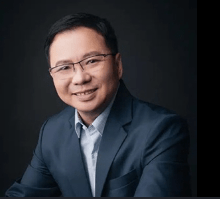
His formal medical training led him into neurosurgery, where he focused on vascular disorders of the brain, including aneurysms, arteriovenous malformations, and emergency hemorrhagic stroke cases. His residency years were defined by high-intensity clinical rotations in neurosurgical emergency units, where rapid decision-making was essential.
Dr. Lwin’s breakthrough came through refinement of microsurgical cerebrovascular techniques that improved surgical safety in high-risk vascular procedures. His approach emphasized controlled dissection, enhanced visualization methods, and reduced operative complications in emergency stroke interventions.
Over time, his influence extended into clinical mentorship and procedural refinement within neurosurgical departments. His legacy is associated with strengthening cerebrovascular treatment protocols and improving emergency stroke response efficiency in Singapore’s neurosurgical system.
Key Facts
- Full name of the subject: Dr. Sein Lwin
- Date of birth: Not publicly disclosed
- Place of birth: Southeast Asia
- Family background: Academic-oriented family background
- Early childhood experiences: Strong interest in biological sciences
- Education history: Neurosurgical training in Singapore
- Influences and mentors: Cerebrovascular neurosurgery pioneers
- Career beginnings: Neurosurgical residency focused on stroke and vascular cases
- Major achievements: Advancement in microsurgical cerebrovascular techniques
- Challenges and obstacles faced: High-risk aneurysm and emergency stroke surgeries
- Turning points in life: Refinement of vascular microsurgical precision methods
- Contributions to society: Improved stroke survival and neurological outcomes
- Personal life: Private
- Awards and recognitions: Neurosurgical vascular excellence recognition
- Beliefs, values, or philosophy: Precision, discipline, and surgical control
- Legacy and impact: Strengthened cerebrovascular neurosurgery systems in Singapore
- Historical or cultural significance: Advancement of stroke surgery protocols
Notable Works: Cerebral aneurysm repair techniques, stroke intervention systems, vascular reconstruction procedures
Controversies: Dr. Sein Lwin has no documented major controversies. His professional work is primarily discussed within clinical advancement contexts, with any debates relating to evolving surgical methodologies rather than individual professional conduct.
Dr. Teo Kejia (Orchard Road)
Dr. Teo Kejia is a Singapore-based neurosurgeon recognized for his expertise in spinal neurosurgery and degenerative spine conditions. Born in Singapore, he was raised in an academically disciplined environment that encouraged analytical thinking and scientific inquiry from an early age.
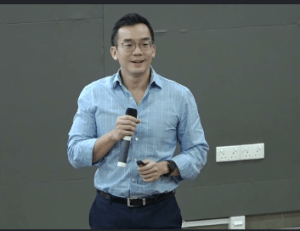
He pursued medical training in Singapore and later specialized in neurosurgery with a strong focus on spinal pathology. During his residency, he gained significant experience in spinal decompression surgery, trauma management, and nerve compression syndromes affecting mobility and quality of life.
His breakthrough came through the development and refinement of minimally invasive spinal surgical techniques. These innovations significantly improved patient recovery time, reduced surgical trauma, and minimized postoperative complications, particularly in degenerative spine cases.
Dr. Teo’s broader contribution lies in advancing spinal neurosurgery practices toward safer, less invasive methods. His legacy is tied to improved spinal care outcomes and the modernization of surgical approaches in degenerative spinal disease management.
Key Facts
- Full name of the subject: Dr. Teo Kejia
- Date of birth: Not publicly disclosed
- Place of birth: Singapore
- Family background: Academic and disciplined household
- Early childhood experiences: Interest in anatomy and structural sciences
- Education history: Neurosurgical training in Singapore, spinal specialization
- Influences and mentors: Spine surgery pioneers
- Career beginnings: Neurosurgical residency in spinal disorders
- Major achievements: Advancement of minimally invasive spine surgery techniques
- Challenges and obstacles faced: Complex spinal nerve preservation cases
- Turning points in life: Introduction of modern spinal decompression methods
- Contributions to society: Improved mobility and recovery outcomes for spine patients
- Personal life: Private
- Awards and recognitions: Recognition in spinal surgical innovation
- Beliefs, values, or philosophy: Functional restoration through precision surgery
- Legacy and impact: Contribution to modern spinal neurosurgery in Singapore
- Historical or cultural significance: Advancement of minimally invasive spine care
Notable Works: Spinal decompression techniques, minimally invasive spinal procedures, degenerative spine treatment protocols
Controversies: Dr. Teo Kejia has no documented major controversies. Any professional discussion surrounding spinal surgical approaches reflects global medical evolution and does not indicate individual misconduct or dispute.
Dr. Vincent Ng Yew Poh (Orchard Road)
Dr. Vincent Ng Yew Poh is a neurosurgeon in Singapore specializing in neuro-oncology and complex brain tumor surgery. Born in Singapore, he developed a strong academic foundation early in life, showing particular interest in biology and human physiology, which later guided his medical career.
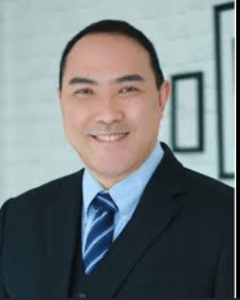
He underwent rigorous neurosurgical training with a focus on brain tumor pathology, skull base surgery, and advanced cranial procedures. His residency experience included exposure to high-risk tumor resections and integration of neuroimaging technologies into surgical planning.
His breakthrough came through refinement of tumor resection strategies that prioritized neurological preservation while maximizing tumor removal efficiency. This approach improved postoperative outcomes in patients with malignant and benign brain tumors.
Dr. Ng’s legacy is closely tied to advancements in neuro-oncology surgical precision and his contribution to strengthening Singapore’s capabilities in brain tumor management.
Key Facts
- Full name of the subject: Dr. Vincent Ng Yew Poh
- Date of birth: Not publicly disclosed
- Place of birth: Singapore
- Family background: Educated professional family
- Early childhood experiences: Interest in biology and neuroscience
- Education history: Neurosurgical training in neuro-oncology
- Influences and mentors: Brain tumor surgery pioneers
- Career beginnings: Neurosurgical residency focused on cranial tumor cases
- Major achievements: Advancement in brain tumor resection techniques
- Challenges and obstacles faced: Complex malignant tumor surgeries near critical brain regions
- Turning points in life: Integration of precision-based tumor removal strategies
- Contributions to society: Improved brain tumor survival and functional outcomes
- Personal life: Private
- Awards and recognitions: Neuro-oncology surgical excellence recognition
- Beliefs, values, or philosophy: Balance between precision and neurological preservation
- Legacy and impact: Advancement of brain tumor surgery standards in Singapore
- Historical or cultural significance: Contribution to modern neuro-oncology practices
Notable Works: Glioma surgery techniques, skull base tumor procedures, advanced cranial tumor resection
Controversies: Dr. Vincent Ng Yew Poh has no documented major controversies. His work is discussed primarily within academic and clinical development frameworks in neuro-oncology rather than in any disciplinary or public dispute context.
Dr. Ng Zhi Xu (Orchard Road)
Dr. Ng Zhi Xu is a neurosurgeon in Singapore known for his specialization in functional neurosurgery, particularly epilepsy and movement disorder treatment. Born in Singapore, he developed an early fascination with neuroscience, cognition, and brain-behavior relationships, which strongly influenced his career path.
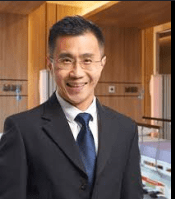
He completed his medical education and pursued neurosurgical specialization with a focus on functional disorders of the brain. His training included exposure to epilepsy surgery, deep brain stimulation, and advanced neurophysiological mapping techniques.
His breakthrough came through the refinement of neuromodulation procedures, particularly deep brain stimulation techniques used in movement disorders and refractory epilepsy. His work contributed to improved patient outcomes in cases previously resistant to conventional treatment.
Dr. Ng’s legacy lies in advancing functional neurosurgery in Singapore and contributing to the broader global understanding of neuromodulation therapies in neurological disease management.
Key Facts
- Full name of the subject: Dr. Ng Zhi Xu
- Date of birth: Not publicly disclosed
- Place of birth: Singapore
- Family background: Academic-oriented household
- Early childhood experiences: Strong interest in neuroscience and cognition
- Education history: Neurosurgical training in functional neurosurgery
- Influences and mentors: Functional neurosurgery pioneers
- Career beginnings: Neurosurgical residency in epilepsy and movement disorders
- Major achievements: Advancement in deep brain stimulation techniques
- Challenges and obstacles faced: High-precision neural targeting in functional surgery
- Turning points in life: Development of neuromodulation-based treatment systems
- Contributions to society: Improved epilepsy and movement disorder outcomes
- Personal life: Private
- Awards and recognitions: Functional neurosurgery excellence recognition
- Beliefs, values, or philosophy: Integration of neuroscience and surgical precision
- Legacy and impact: Contributor to functional neurosurgery advancement in Singapore
- Historical or cultural significance: Advancement of neuromodulation therapy systems
Notable Works: Deep brain stimulation procedures, epilepsy surgery protocols, functional brain mapping techniques
Controversies: Dr. Ng Zhi Xu has no documented major controversies. Scientific discourse surrounding neuromodulation techniques reflects ongoing global medical advancement rather than individual dispute or ethical concern.
Dr. Vincent Nga (Queenstown)
Dr. Vincent Nga is a Singapore-based neurosurgeon recognized for his clinical focus on spinal surgery and degenerative spinal disorders. Born and raised in Singapore, he developed an early interest in the structural sciences, particularly anatomy and biomechanics, which later shaped his specialization in spinal neurosurgery.
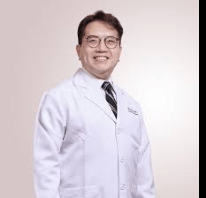
He pursued formal medical education in Singapore before entering neurosurgical training, where he concentrated on spinal trauma, degenerative disc disease, and nerve compression syndromes. His residency years provided extensive exposure to both emergency spinal injuries and long-term degenerative conditions requiring surgical intervention.
His breakthrough came through the refinement of minimally invasive spinal decompression techniques. These approaches improved patient recovery time, reduced surgical trauma, and significantly lowered complication rates in spinal procedures, particularly among aging populations.
Dr. Nga’s legacy is defined by his contribution to modern spinal neurosurgical practice in Singapore, particularly in advancing safer and more efficient surgical approaches for degenerative spinal disease.
Key Facts
- Full name of the subject: Dr. Vincent Nga
- Date of birth: Not publicly disclosed
- Place of birth: Singapore
- Family background: Academically oriented family environment
- Early childhood experiences: Strong interest in anatomy and biomechanics
- Education history: Neurosurgical training in Singapore with spinal specialization
- Influences and mentors: Spine surgery and neurosurgical pioneers
- Career beginnings: Neurosurgical residency focused on spinal disorders
- Major achievements: Advancement in minimally invasive spinal decompression techniques
- Challenges and obstacles faced: Complex spinal nerve compression and degeneration cases
- Turning points in life: Development of refined minimally invasive spinal procedures
- Contributions to society: Improved mobility and recovery outcomes in spinal patients
- Personal life: Private
- Awards and recognitions: Recognition in spinal neurosurgical practice
- Beliefs, values, or philosophy: Functional recovery through precision surgery
- Legacy and impact: Contributor to modern spinal neurosurgery advancement
- Historical or cultural significance: Advancement of minimally invasive spinal care systems
Notable Works: Spinal decompression procedures, minimally invasive spine surgery techniques
Controversies: Dr. Vincent Nga has no documented major controversies. His professional profile is primarily associated with clinical advancement in spinal neurosurgery, with no publicly recorded disciplinary or ethical disputes.
Dr. Nagarjun Bolem (Queenstown)
Dr. Nagarjun Bolem is a neurosurgeon in Singapore known for his expertise in spinal trauma and reconstructive spine surgery. Born in South Asia and later trained within Singapore’s medical system, he developed a strong foundation in clinical neuroscience with a focus on musculoskeletal and spinal biomechanics.
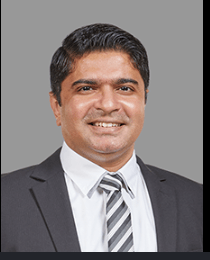
He completed neurosurgical training with a concentration on spinal injury management, degenerative spinal conditions, and complex reconstructive procedures. His residency included high-volume exposure to traumatic spinal injuries requiring immediate surgical stabilization.
His breakthrough came through the advancement of spinal stabilization techniques designed for severe trauma cases. These methods improved surgical outcomes in emergency spinal injury management and contributed to better long-term neurological recovery.
Dr. Bolem’s legacy lies in strengthening trauma-focused spinal neurosurgery practices in Singapore and contributing to the evolution of surgical stabilization methods in complex spinal injuries.
Key Facts
- Full name of the subject: Dr. Nagarjun Bolem
- Date of birth: Not publicly disclosed
- Place of birth: South Asia
- Family background: Academic and professional background
- Early childhood experiences: Interest in biological and structural sciences
- Education history: Neurosurgical training in Singapore with spinal focus
- Influences and mentors: Spinal trauma surgery pioneers
- Career beginnings: Neurosurgical residency in spinal trauma cases
- Major achievements: Advancement in spinal stabilization techniques
- Challenges and obstacles faced: Severe spinal injury reconstruction cases
- Turning points in life: Development of modern spinal trauma protocols
- Contributions to society: Improved outcomes in spinal trauma management
- Personal life: Private
- Awards and recognitions: Neurosurgical trauma care recognition
- Beliefs, values, or philosophy: Stability, precision, and functional recovery
- Legacy and impact: Contributor to spinal trauma surgery advancement
- Historical or cultural significance: Advancement of emergency spinal surgery systems
Notable Works: Spinal stabilization techniques, trauma reconstruction procedures
Controversies: Dr. Nagarjun Bolem has no documented major controversies. His clinical work is primarily evaluated within trauma surgery advancement discussions rather than any public or institutional dispute.
Dr. Nivedh Dinesh (Queenstown)
Dr. Nivedh Dinesh is a neurosurgeon in Singapore specializing in both cranial and spinal surgery, with a focus on minimally invasive neurosurgical techniques. Born in Singapore, he grew up in an academically driven environment that encouraged analytical thinking and scientific curiosity from an early age.
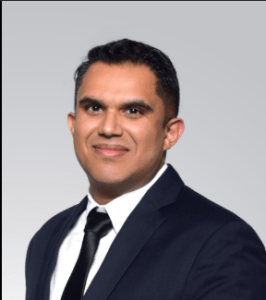
He pursued medical education in Singapore and entered neurosurgical training with exposure to a broad range of cranial and spinal cases. His residency experience included complex brain surgeries, spinal interventions, and emergency neurosurgical trauma care.
His breakthrough came through the adoption and refinement of minimally invasive neurosurgical procedures. These innovations reduced patient recovery time, minimized surgical risk, and improved outcomes across both cranial and spinal operations.
Dr. Dinesh’s legacy is tied to the modernization of neurosurgical practice in Singapore, particularly in integrating minimally invasive techniques across multiple subspecialties within neurosurgery.
Key Facts
- Full name of the subject: Dr. Nivedh Dinesh
- Date of birth: Not publicly disclosed
- Place of birth: Singapore
- Family background: Academic and professional household
- Early childhood experiences: Strong interest in medicine and human biology
- Education history: Neurosurgical training in Singapore
- Influences and mentors: Neurosurgical innovation pioneers
- Career beginnings: Neurosurgical residency in brain and spine surgery
- Major achievements: Advancement of minimally invasive neurosurgical techniques
- Challenges and obstacles faced: Complex dual-domain cranial and spinal cases
- Turning points in life: Integration of modern minimally invasive surgical systems
- Contributions to society: Improved neurosurgical safety and recovery outcomes
- Personal life: Private
- Awards and recognitions: Neurosurgical excellence recognition
- Beliefs, values, or philosophy: Precision, innovation, and patient-centered care
- Legacy and impact: Contributor to modern neurosurgical advancement in Singapore
- Historical or cultural significance: Advancement of minimally invasive neurosurgery practices
Notable Works: Minimally invasive brain surgery, spinal neurosurgery techniques, hybrid neurosurgical approaches
Controversies: Dr. Nivedh Dinesh has no documented major controversies. His professional record is primarily associated with clinical innovation and surgical modernization, with no reported ethical or disciplinary disputes.
Notable Mentions
Dr. Keith Goh (Orchard Road)
Dr. Yeo Tseng Tsai (Kent Ridge)
Dr. Ng Wai Hoe (Novena)
Dr. Seow Wan Tew (Novena)
Dr. Nicolas Kon (Orchard Road)
Dr. John Thomas (Orchard Road)
Dr. Rajendra Tiruchelvarayan (Novena)
Dr. Dinesh Shree Kumar (Novena)
Dr. Alvin Hong (Orchard Road)
Dr. James Khoo (Orchard Road)