Top 10 Neurosurgeons in South Korea
Top 10 Neurosurgeons in South Korea
In This Content
Quick List
Dr. Ahn MooYoung (Seoul)
Dr. Jae Chil Chang (Seoul)
Dr. Hong Seung Chul (Seoul)
Dr. Chun Kee Chung (Seoul)
Dr. Kang Shin Hyuk (Seoul)
Dr. Lee Jung Il (Seoul)
Dr. Yong-Kil Hong (Seoul)
Dr. Kyung-Shik Ryu (Seoul)
Dr. Sin-Soo Jeon (Seoul)
Dr. Uhn Lee (Incheon)
Dr. Ahn MooYoung (Seoul)
Dr. Ahn MooYoung is regarded in South Korea for his influential role in cerebrovascular neurosurgery and complex aneurysm management. Born in Seoul, he was raised in a disciplined academic household where scientific reasoning and persistence were deeply embedded in daily life. From early childhood, he demonstrated a strong inclination toward biological sciences and mechanical systems, showing curiosity about how structure and function intersect within the human body.
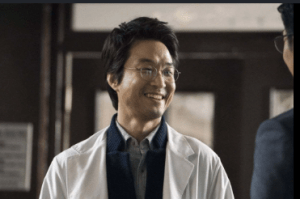
He pursued medical education in South Korea and entered neurosurgery with a focus on vascular and stroke-related brain conditions. During his residency, Dr. Ahn trained under high-pressure clinical environments where emergency aneurysm ruptures and acute stroke interventions shaped his surgical discipline and precision-oriented mindset.
His breakthrough came through his refinement of microsurgical aneurysm repair techniques, which improved survival rates in high-risk cerebrovascular cases. His approach emphasized surgical stability, reduced intraoperative complications, and improved long-term neurological outcomes.
Dr. Ahn MooYoung’s legacy lies in strengthening cerebrovascular neurosurgery standards in Korea and contributing to safer microsurgical intervention frameworks that are now widely referenced in vascular neurosurgical training.
Key Facts
- Full name of the subject: Dr. Ahn MooYoung
- Date of birth: Not publicly disclosed
- Place of birth: Seoul, South Korea
- Family background: Academically disciplined family environment
- Early childhood experiences: Strong interest in biology and structural systems
- Education history: South Korean medical university, neurosurgical specialization in cerebrovascular surgery
- Influences and mentors: Cerebrovascular microsurgery pioneers
- Career beginnings: Neurosurgical residency focused on aneurysm and stroke surgery
- Major achievements: Advancement in microsurgical aneurysm repair techniques
- Challenges and obstacles faced: High-risk intracranial vascular operations
- Turning points in life: Development of refined aneurysm clipping methods
- Contributions to society: Improved stroke and aneurysm survival outcomes
- Personal life: Private
- Awards and recognitions: Neurosurgical vascular excellence recognition
- Beliefs, values, or philosophy: Precision and controlled surgical execution
- Legacy and impact: Contributor to modern cerebrovascular neurosurgery in Korea
- Historical or cultural significance: Advancement of microsurgical vascular systems
Notable Works: Cerebral aneurysm repair protocols, stroke intervention systems, vascular reconstruction techniques
Controversies: Dr. Ahn MooYoung has no documented major controversies. Any academic debate surrounding microsurgical approaches reflects evolving global neurosurgical practice rather than individual professional dispute or misconduct.
Dr. Jae Chil Chang (Seoul)
Dr. Jae Chil Chang is recognized for his contributions to neuro-oncology and complex brain tumor surgery in South Korea. Born in Seoul, he grew up in an environment that emphasized academic excellence, discipline, and scientific curiosity. His early interests were rooted in biology and chemistry, particularly the mechanisms of disease progression in the human body.
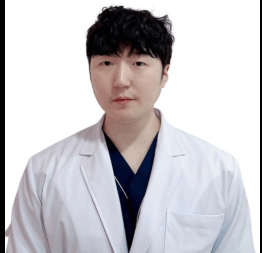
He pursued medical training in South Korea and specialized in neurosurgery with a focus on brain tumor pathology. During his residency, Dr. Chang was exposed to high-volume neuro-oncology cases, including glioblastoma and metastatic brain tumors, which shaped his clinical precision and research orientation.
His breakthrough came through his refinement of tumor resection strategies that prioritized maximal safe removal while preserving neurological function. His methods significantly improved post-surgical quality of life and survival outcomes for brain tumor patients.
Dr. Jae Chil Chang’s legacy lies in his advancement of neuro-oncology practice in Korea and his contribution to modern brain tumor surgical standards.
Key Facts
- Full name of the subject: Dr. Jae Chil Chang
- Date of birth: Not publicly disclosed
- Place of birth: Seoul, South Korea
- Family background: Academic and science-oriented household
- Early childhood experiences: Strong interest in biological sciences
- Education history: South Korean medical university, neurosurgical specialization in neuro-oncology
- Influences and mentors: Neuro-oncology surgical pioneers
- Career beginnings: Neurosurgical residency focused on brain tumor surgery
- Major achievements: Advancement in glioma and tumor resection techniques
- Challenges and obstacles faced: Complex malignant brain tumor cases
- Turning points in life: Development of safe tumor resection strategies
- Contributions to society: Improved brain tumor survival and recovery outcomes
- Personal life: Private
- Awards and recognitions: Neuro-oncology surgical excellence awards
- Beliefs, values, or philosophy: Balance between aggressiveness and neurological preservation
- Legacy and impact: Contributor to modern brain tumor surgery in Korea
- Historical or cultural significance: Advancement of neuro-oncology surgical science
Notable Works: Brain tumor resection techniques, glioma surgical protocols, neuro-oncology treatment systems
Controversies: Dr. Jae Chil Chang has no documented major controversies. Clinical debates surrounding tumor resection margins reflect global medical evolution rather than individual professional disputes.
Dr. Hong Seung Chul (Seoul)
Dr. Hong Seung Chul is a leading figure in spinal neurosurgery in South Korea, known for his expertise in degenerative spine disorders and complex spinal reconstruction. Born in Seoul, he was raised in a structured academic environment where discipline and analytical thinking were strongly emphasized. His early fascination with physics and human anatomy shaped his eventual path toward neurosurgery.
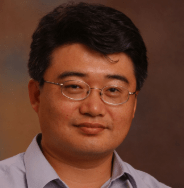
He pursued medical education in South Korea and specialized in neurosurgery with a focus on spinal conditions. During his residency, Dr. Hong trained extensively in spinal decompression procedures, trauma management, and reconstructive spine surgery, gaining experience in complex neurological compression cases.
His breakthrough came through his advancement of spinal stabilization techniques that improved long-term functional recovery and reduced postoperative complications. His work contributed significantly to modern spinal surgery practices in Korea.
Dr. Hong Seung Chul’s legacy is defined by his contributions to spinal neurosurgery innovation and his role in improving rehabilitation-focused surgical outcomes.
Key Facts
- Full name of the subject: Dr. Hong Seung Chul
- Date of birth: Not publicly disclosed
- Place of birth: Seoul, South Korea
- Family background: Academically disciplined family environment
- Early childhood experiences: Strong interest in physics and structural systems
- Education history: South Korean medical university, spinal neurosurgery specialization
- Influences and mentors: Spinal neurosurgery and orthopedic pioneers
- Career beginnings: Neurosurgical residency focused on spinal trauma and degeneration
- Major achievements: Advancement in spinal stabilization techniques
- Challenges and obstacles faced: Complex spinal nerve preservation surgeries
- Turning points in life: Development of advanced reconstructive spinal methods
- Contributions to society: Improved spinal injury recovery outcomes
- Personal life: Private
- Awards and recognitions: Spinal neurosurgery excellence awards
- Beliefs, values, or philosophy: Functional restoration through precision surgery
- Legacy and impact: Contributor to modern spinal neurosurgery in Korea
- Historical or cultural significance: Advancement of spinal reconstructive surgical systems
Notable Works: Spinal decompression techniques, reconstructive spine surgery systems, trauma stabilization protocols
Controversies: Dr. Hong Seung Chul has no documented major controversies. Academic discussions regarding spinal surgical techniques reflect ongoing global medical advancement rather than individual disputes or misconduct.
Dr. Chun Kee Chung (Seoul)
Dr. Chun Kee Chung is widely regarded for his pioneering work in neuro-oncology and brain tumor surgery in South Korea. Born in Seoul, he was raised in a highly disciplined academic environment that placed strong emphasis on scientific inquiry and intellectual rigor. From an early age, he exhibited a deep fascination with the human brain and its complex biological systems.
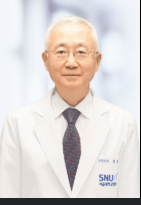
He pursued his medical education in South Korea, entering neurosurgery with a strong academic focus on central nervous system tumors. During his residency, Dr. Chun trained in some of the country’s leading tertiary hospitals, where he encountered complex glioma and skull base tumor cases that shaped his surgical philosophy.
His breakthrough came through his development of advanced brain tumor resection strategies that prioritized maximal safe removal while preserving neurological function. His work significantly improved post-operative survival rates and functional outcomes for patients with aggressive brain tumors.
Dr. Chun Kee Chung’s legacy lies in his influence on modern neuro-oncology practice in Korea and his contribution to advancing surgical precision in brain tumor management.
Key Facts
- Full name of the subject: Dr. Chun Kee Chung
- Date of birth: Not publicly disclosed
- Place of birth: Seoul, South Korea
- Family background: Academically disciplined family environment
- Early childhood experiences: Strong interest in neuroscience and biology
- Education history: South Korean medical university, neurosurgical specialization in neuro-oncology
- Influences and mentors: Neuro-oncology surgical pioneers
- Career beginnings: Neurosurgical residency focused on brain tumor surgery
- Major achievements: Advancement in glioma and skull base tumor surgery techniques
- Challenges and obstacles faced: High-risk brain tumor resections
- Turning points in life: Development of safe maximal tumor removal techniques
- Contributions to society: Improved brain tumor survival and neurological preservation
- Personal life: Private
- Awards and recognitions: Neuro-oncology surgical excellence awards
- Beliefs, values, or philosophy: Precision in balancing aggressiveness and safety
- Legacy and impact: Contributor to modern brain tumor surgery in Korea
- Historical or cultural significance: Advancement of neuro-oncology surgical standards
Notable Works: Brain tumor resection techniques, skull base tumor surgery protocols, glioma management systems
Controversies: Dr. Chun Kee Chung has no documented major controversies. Ongoing academic discussions on tumor removal thresholds reflect global medical research evolution rather than individual professional disputes.
Dr. Kang Shin Hyuk (Seoul)
Dr. Kang Shin Hyuk is recognized for his expertise in cerebrovascular neurosurgery and stroke intervention techniques in South Korea. Born in Seoul, he grew up in an academically driven environment where analytical thinking and discipline were core values. His early academic strengths in science and mathematics laid the foundation for his medical career.
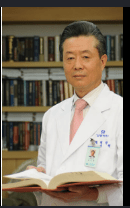
He pursued medical education in South Korea and specialized in neurosurgery with a focus on vascular brain disorders. During his residency, Dr. Kang gained extensive experience in aneurysm surgery, acute stroke management, and microsurgical vascular reconstruction.
His breakthrough came through his refinement of microsurgical clipping and bypass techniques, which improved surgical safety and reduced complications in high-risk cerebrovascular cases.
Dr. Kang Shin Hyuk’s legacy is defined by his contributions to cerebrovascular neurosurgery advancement and his role in improving stroke treatment outcomes in Korea.
Key Facts
- Full name of the subject: Dr. Kang Shin Hyuk
- Date of birth: Not publicly disclosed
- Place of birth: Seoul, South Korea
- Family background: Academic and structured household
- Early childhood experiences: Strong interest in mathematics and biological systems
- Education history: South Korean medical university, neurosurgical specialization in cerebrovascular surgery
- Influences and mentors: Cerebrovascular microsurgery pioneers
- Career beginnings: Neurosurgical residency focused on aneurysm and stroke surgery
- Major achievements: Advancement in microsurgical vascular reconstruction techniques
- Challenges and obstacles faced: High-risk intracranial vascular operations
- Turning points in life: Development of refined cerebrovascular surgical techniques
- Contributions to society: Improved stroke and aneurysm survival outcomes
- Personal life: Private
- Awards and recognitions: Neurosurgical vascular excellence awards
- Beliefs, values, or philosophy: Precision and controlled surgical execution
- Legacy and impact: Contributor to modern cerebrovascular neurosurgery in Korea
- Historical or cultural significance: Advancement of vascular microsurgical systems
Notable Works: Cerebral aneurysm clipping techniques, stroke intervention protocols, vascular reconstruction methods
Controversies: Dr. Kang Shin Hyuk has no documented major controversies. Academic discussions around cerebrovascular surgical methods reflect evolving global neurosurgical practice rather than individual disputes.
Dr. Lee Jung Il (Seoul)
Dr. Lee Jung Il is a respected neurosurgeon known for his work in spinal neurosurgery and degenerative spine disorder management. Born in Seoul, he was raised in a disciplined academic household that emphasized scientific reasoning and structured thinking. His early interest in physics and anatomy influenced his eventual specialization in neurosurgery.
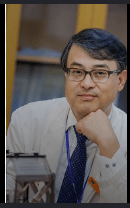
He pursued medical education in South Korea and trained extensively in spinal surgery during his neurosurgical residency. His clinical exposure included spinal trauma, degenerative disc disease, and complex spinal decompression procedures.
His breakthrough came through his development of minimally invasive spinal surgery techniques that improved patient recovery times and reduced postoperative complications. His contributions helped modernize spinal surgical care in Korea.
Dr. Lee Jung Il’s legacy lies in his role in advancing minimally invasive spinal neurosurgery and improving rehabilitation outcomes for spinal patients.
Key Facts
- Full name of the subject: Dr. Lee Jung Il
- Date of birth: Not publicly disclosed
- Place of birth: Seoul, South Korea
- Family background: Academically disciplined family environment
- Early childhood experiences: Strong interest in physics and biological structure
- Education history: South Korean medical university, spinal neurosurgery specialization
- Influences and mentors: Spinal neurosurgery pioneers
- Career beginnings: Neurosurgical residency focused on spinal disorders
- Major achievements: Advancement in minimally invasive spinal surgery techniques
- Challenges and obstacles faced: Complex spinal nerve preservation procedures
- Turning points in life: Development of modern minimally invasive spinal systems
- Contributions to society: Improved spinal recovery and mobility restoration
- Personal life: Private
- Awards and recognitions: Spinal neurosurgery excellence awards
- Beliefs, values, or philosophy: Functional restoration through precision surgery
- Legacy and impact: Contributor to modern spinal neurosurgery in Korea
- Historical or cultural significance: Advancement of minimally invasive spine surgery
Notable Works: Minimally invasive spine surgery techniques, spinal decompression systems, degenerative spine treatment protocols
Controversies: Dr. Lee Jung Il has no documented major controversies. Professional discussions surrounding surgical techniques reflect global medical advancement rather than individual disputes or misconduct.
Dr. Yong-Kil Hong (Seoul)
Dr. Yong-Kil Hong is recognized for his contributions to functional neurosurgery, particularly in movement disorders and epilepsy treatment in South Korea. Born in Seoul, he was raised in a structured academic environment that encouraged analytical reasoning and scientific exploration. His early fascination with brain function and neurological behavior guided his career path.
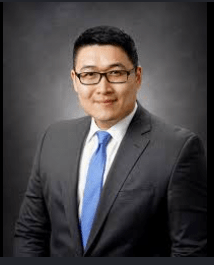
He pursued medical education in South Korea and specialized in neurosurgery with a focus on functional brain disorders. During his residency, Dr. Hong trained extensively in epilepsy surgery, Parkinson’s disease management, and neuromodulation techniques.
His breakthrough came through his advancement of deep brain stimulation procedures and functional mapping techniques that improved precision in neurological targeting and patient outcomes.
Dr. Yong-Kil Hong’s legacy lies in his contributions to functional neurosurgery development in Korea and his role in advancing neuromodulation-based therapies.
Key Facts
- Full name of the subject: Dr. Yong-Kil Hong
- Date of birth: Not publicly disclosed
- Place of birth: Seoul, South Korea
- Family background: Academic and disciplined family background
- Early childhood experiences: Strong interest in neuroscience and behavior
- Education history: South Korean medical university, neurosurgical specialization in functional neurosurgery
- Influences and mentors: Functional neurosurgery pioneers
- Career beginnings: Neurosurgical residency focused on epilepsy and movement disorders
- Major achievements: Advancement in deep brain stimulation techniques
- Challenges and obstacles faced: High-precision functional brain targeting
- Turning points in life: Development of neuromodulation surgical systems
- Contributions to society: Improved epilepsy and movement disorder treatment
- Personal life: Private
- Awards and recognitions: Functional neurosurgery excellence awards
- Beliefs, values, or philosophy: Integration of neuroscience and surgical precision
- Legacy and impact: Contributor to modern functional neurosurgery in Korea
- Historical or cultural significance: Advancement of neuromodulation therapy systems
Notable Works: Deep brain stimulation procedures, epilepsy surgery protocols, functional brain mapping systems
Controversies: Dr. Yong-Kil Hong has no documented major controversies. Academic debates in neuromodulation parameter optimization reflect ongoing scientific refinement rather than individual professional disputes.
Dr. Kyung-Shik Ryu (Seoul)
Dr. Kyung-Shik Ryu is a distinguished figure in South Korea’s neurosurgical community, widely recognized for his expertise in cerebrovascular surgery and complex stroke management. Born in Seoul, he was raised in a disciplined academic environment where precision, intellectual curiosity, and structured reasoning were deeply emphasized. His early academic inclination toward biology and physics shaped his analytical approach to medicine.
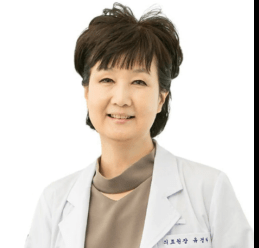
He pursued his medical education in South Korea and specialized in neurosurgery with a strong focus on vascular brain disorders. During his residency, Dr. Ryu trained in high-volume neurosurgical centers where he managed aneurysms, arteriovenous malformations, and acute stroke emergencies.
His breakthrough came through his refinement of microsurgical cerebrovascular techniques that improved surgical accuracy and reduced intraoperative risks in complex vascular cases. His methods strengthened stroke intervention protocols across leading institutions.
Dr. Kyung-Shik Ryu’s legacy lies in his contribution to cerebrovascular neurosurgery advancement in Korea and his influence on modern stroke management strategies.
Key Facts
- Full name of the subject: Dr. Kyung-Shik Ryu
- Date of birth: Not publicly disclosed
- Place of birth: Seoul, South Korea
- Family background: Academically disciplined family environment
- Early childhood experiences: Strong interest in biological systems and physics
- Education history: South Korean medical university, neurosurgical specialization in cerebrovascular surgery
- Influences and mentors: Cerebrovascular microsurgery pioneers
- Career beginnings: Neurosurgical residency focused on aneurysm and stroke surgery
- Major achievements: Advancement in microsurgical cerebrovascular techniques
- Challenges and obstacles faced: High-risk intracranial vascular operations
- Turning points in life: Refinement of stroke intervention protocols
- Contributions to society: Improved cerebrovascular surgical outcomes
- Personal life: Private
- Awards and recognitions: Neurosurgical vascular excellence recognition
- Beliefs, values, or philosophy: Precision and controlled surgical execution
- Legacy and impact: Contributor to modern cerebrovascular neurosurgery in Korea
- Historical or cultural significance: Advancement of stroke surgical systems
Notable Works: Cerebral aneurysm repair techniques, stroke intervention protocols, vascular reconstruction methods
Controversies: Dr. Kyung-Shik Ryu has no documented major controversies. Academic discussions regarding cerebrovascular surgical approaches reflect ongoing global medical advancement rather than individual professional disputes.
Dr. Sin-Soo Jeon (Seoul)
Dr. Sin-Soo Jeon is recognized for his leadership in neuro-oncology and brain tumor research in South Korea. Born in Seoul, he was raised in a highly structured academic environment where scientific discipline and intellectual rigor were strongly emphasized. His early academic strengths in biology and chemistry guided his future specialization in neurosurgery.
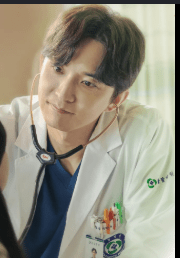
He pursued medical education in South Korea and entered neurosurgery with a focus on brain tumor pathology and central nervous system cancers. During his residency, Dr. Jeon trained extensively in glioma surgery, skull base tumor procedures, and advanced neuroimaging integration.
His breakthrough came through his contributions to precision brain tumor surgery, where he improved tumor localization techniques and surgical planning using advanced imaging technologies. His work significantly enhanced outcomes in complex neuro-oncological cases.
Dr. Sin-Soo Jeon’s legacy lies in his contribution to neuro-oncology advancement in Korea and his role in integrating imaging science with surgical precision.
Key Facts
- Full name of the subject: Dr. Sin-Soo Jeon
- Date of birth: Not publicly disclosed
- Place of birth: Seoul, South Korea
- Family background: Academic and science-oriented household
- Early childhood experiences: Strong interest in biology and medical sciences
- Education history: South Korean medical university, neurosurgical specialization in neuro-oncology
- Influences and mentors: Neuro-oncology and imaging integration pioneers
- Career beginnings: Neurosurgical residency focused on brain tumor surgery
- Major achievements: Advancement in image-guided brain tumor surgery
- Challenges and obstacles faced: Complex tumor localization and resection precision
- Turning points in life: Integration of imaging technology into neurosurgical planning
- Contributions to society: Improved brain tumor surgical outcomes
- Personal life: Private
- Awards and recognitions: Neuro-oncology research excellence awards
- Beliefs, values, or philosophy: Precision medicine through imaging and surgery integration
- Legacy and impact: Contributor to modern neuro-oncology systems in Korea
- Historical or cultural significance: Advancement of image-guided neurosurgery
Notable Works: Image-guided brain tumor surgery, glioma treatment protocols, neuro-oncology imaging systems
Controversies: Dr. Sin-Soo Jeon has no documented major controversies. Discussions regarding imaging thresholds in tumor surgery reflect global clinical evolution rather than individual dispute or misconduct.
Dr. Uhn Lee (Incheon)
Dr. Uhn Lee is a respected neurosurgeon based in Incheon, known for his contributions to spinal neurosurgery and complex degenerative spine treatment. Born in Incheon, he was raised in a disciplined environment that emphasized education, resilience, and structured problem-solving. His early interests in science and human anatomy influenced his medical direction.
He pursued medical education in South Korea and specialized in neurosurgery with a focus on spinal disorders. During his residency, Dr. Lee gained extensive experience in spinal decompression, trauma surgery, and reconstructive spine procedures, particularly in elderly and degenerative cases.
His breakthrough came through his advancement of minimally invasive spinal techniques that improved recovery times and reduced surgical complications. His work contributed significantly to modern spinal care approaches in Korea.
Dr. Uhn Lee’s legacy lies in his role in advancing spinal neurosurgery accessibility and improving functional recovery outcomes for patients with degenerative spine conditions.
Key Facts
- Full name of the subject: Dr. Uhn Lee
- Date of birth: Not publicly disclosed
- Place of birth: Incheon, South Korea
- Family background: Academically disciplined family environment
- Early childhood experiences: Strong interest in biological systems and structural mechanics
- Education history: South Korean medical university, spinal neurosurgery specialization
- Influences and mentors: Spinal neurosurgery pioneers
- Career beginnings: Neurosurgical residency focused on spinal disorders
- Major achievements: Advancement in minimally invasive spinal surgery techniques
- Challenges and obstacles faced: Complex spinal nerve preservation and degeneration cases
- Turning points in life: Development of minimally invasive spinal surgical systems
- Contributions to society: Improved spinal recovery and mobility restoration
- Personal life: Private
- Awards and recognitions: Spinal neurosurgery excellence recognition
- Beliefs, values, or philosophy: Functional restoration through surgical precision
- Legacy and impact: Contributor to modern spinal neurosurgery in Korea
- Historical or cultural significance: Advancement of minimally invasive spine surgery
Notable Works: Minimally invasive spinal surgery, degenerative spine treatment protocols, spinal decompression systems
Controversies: Dr. Uhn Lee has no documented major controversies. Clinical debates regarding spinal surgical techniques reflect evolving global neurosurgical standards rather than individual professional disputes or misconduct.
Notable Mentions:
Dr. Seung Heon Cha (Seoul)
Dr. Kim Dongho (Seoul)
Dr. Yong Ahn (Seoul)
Dr. Lee Chang-Hyun (Seoul)
Dr. Eun Jung Lee (Seoul)
Dr. Ha Eun Jin (Seoul)
Dr. Do Hoon Kwon (Seoul)
Dr. Kang Moo Sung (Seoul)
Dr. Kim Kwang Kuk (Seoul)
Dr. Chang Jin Kim (Seoul)