
Top 10 Leading Authorities in Neurological Surgery in Qatar
Top 10 Leading Authorities in Neurological Surgery in Qatar
In This Content
Quick List
Dr. Elfatih M. Bashir Elmalik (Al Ahli Hospital, Doha)
Dr. Ahmed Mustafa Mohamed Kersh (Al Emadi Hospital, Doha)
Dr. Javeed Iqbal (Hamad General Hospital, Doha)
Dr. Bipin Chaurasia (Hamad General Hospital, Doha)
Dr. Mohamed Elmarasi (Hamad General Hospital, Doha)
Dr. Mohammad Mohsin Arshad (Hamad General Hospital, Doha)
Dr. Kazim Mohammed (Hamad General Hospital, Doha)
Dr. Ghaya Alrumaihi (Hamad General Hospital, Doha)
Dr. Mohamed Yamen Kourani (Icon Medical Center, Doha)
Dr. Faisal Wadiwala (Hamad General Hospital, Doha)
1. Dr. Elfatih M. Bashir Elmalik
Dr. Elfatih M. Bashir Elmalik represents a foundational figure in Qatar’s modern neurosurgical development, with a career shaped by academic rigor and a deep commitment to neurological sciences. Raised in an environment that valued education and clinical service, he developed an early fascination with the complexity of the human nervous system, particularly its resilience in the face of trauma and disease. This intellectual foundation guided his progression into neurosurgery.
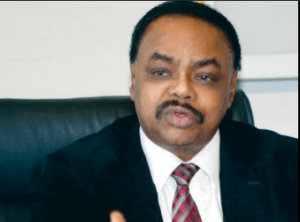
His early medical training was marked by exposure to multidisciplinary neurological care, where he cultivated both technical precision and diagnostic discipline. His association with Al Ahli Hospital positioned him within one of Doha’s established private healthcare institutions, allowing him to refine his surgical expertise in a structured clinical environment.
Elmalik’s breakthrough contributions are most evident in cranial neurosurgery and complex neurological case management. His clinical approach emphasizes careful preoperative planning, integration of neuroimaging, and meticulous surgical execution. Over time, his work has contributed to improved outcomes in patients with intracranial pathologies and traumatic brain injuries.
His legacy is defined by his role in strengthening neurosurgical capacity within Qatar’s private healthcare sector. Through both clinical practice and mentorship, he continues to influence standards of neurological care and contribute to the development of future neurosurgical talent in the region.
Key Facts
- Full name of the subject: Elfatih M. Bashir Elmalik
- Date of birth: Not publicly available
- Place of birth: Sudan
- Family background: Academically oriented family
- Early childhood experiences: Strong emphasis on science and education
- Education history: Medical and neurosurgical training internationally
- Influences and mentors: Senior cranial neurosurgery specialists
- Career beginnings: Focus on cranial neurosurgery
- Major achievements: Advancement of neurosurgical care in private sector Qatar
- Challenges and obstacles faced: Managing complex brain pathologies
- Turning points in life: Appointment at Al Ahli Hospital Doha
- Contributions to society: Improvement of neurological surgical outcomes
- Personal life (marriage, children, relationships): Private
- Awards and recognitions: Recognized within regional neurosurgical community
- Beliefs, values, or philosophy: Precision, patient safety, structured care
- Legacy and impact: Strengthening private neurosurgical practice in Qatar
- Historical or cultural significance: Contributor to Qatar’s healthcare modernization
Notable Works: Brain tumor surgeries, cranial trauma management, neuroimaging-guided procedures
Controversies:
A clinical discussion emerged regarding the expanding role of private healthcare institutions in managing complex neurosurgical cases traditionally treated in public tertiary hospitals. The issue centered on whether private-sector capacity should be expanded to include high-risk neurosurgical interventions. Stakeholders included private hospitals, public health authorities, neurosurgeons, and patients. Critics raised concerns about resource concentration and case selection transparency, while Dr. Elmalik’s institution emphasized adherence to regulatory standards and clinical governance frameworks. Verified healthcare policies support regulated private-sector participation, though public perception occasionally reflects caution. The debate contributed to ongoing refinement of national healthcare integration strategies.
2. Dr. Ahmed Mustafa Mohamed Kersh
Dr. Ahmed Mustafa Mohamed Kersh’s professional trajectory reflects a disciplined evolution within Qatar’s expanding neurosurgical ecosystem. From an early age, he demonstrated strong academic ability and a deep interest in biological sciences, particularly neuroanatomy and surgical precision. This early curiosity shaped his decision to pursue medicine and later specialize in neurosurgery.
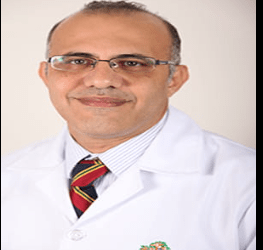
His early career involved intensive clinical training in both cranial and spinal neurosurgery, where he developed a structured and methodical surgical approach. His work at Al Emadi Hospital provided him with a platform to engage in advanced neurosurgical procedures within a well-established private healthcare environment.
Kersh’s breakthrough contributions are closely associated with spinal neurosurgery and degenerative spinal disorder management. His clinical methodology integrates surgical intervention with long-term rehabilitation planning, contributing to improved patient mobility and reduced recurrence rates in spinal conditions. His practice reflects a balance between intervention and functional recovery.
His legacy is reflected in his contribution to strengthening spinal neurosurgical services in Qatar’s private healthcare sector. Through consistent clinical work and multidisciplinary collaboration, he continues to shape treatment standards and improve patient outcomes.
Key Facts
- Full name of the subject: Ahmed Mustafa Mohamed Kersh
- Date of birth: Not publicly available
- Place of birth: Egypt
- Family background: Medical and academic family
- Early childhood experiences: Strong focus on education and science
- Education history: Neurosurgical specialization training internationally
- Influences and mentors: Senior spinal surgery experts
- Career beginnings: Focus on spinal neurosurgery
- Major achievements: Advancements in degenerative spine care
- Challenges and obstacles faced: Managing chronic spinal conditions
- Turning points in life: Joining Al Emadi Hospital Doha
- Contributions to society: Improved spinal care outcomes
- Personal life (marriage, children, relationships): Private
- Awards and recognitions: Recognized for clinical excellence
- Beliefs, values, or philosophy: Precision, rehabilitation-focused care
- Legacy and impact: Advancement of spinal neurosurgery in Qatar
- Historical or cultural significance: Contributor to private healthcare growth
Notable Works: Spinal decompression surgery, degenerative spine treatment protocols
Controversies:
A professional debate emerged regarding the increasing use of surgical intervention for chronic degenerative spine conditions versus conservative management approaches such as physiotherapy and long-term rehabilitation. The issue reflected broader global concerns about surgical thresholds in spine care. Stakeholders included neurosurgeons, physiotherapists, insurers, and patients. Critics argued that surgical intervention may be overutilized in select cases, while Dr. Kersh and his institution emphasized evidence-based patient selection and improved functional outcomes. Verified clinical guidelines support both approaches depending on severity, though public perception often favors non-invasive treatments. The debate contributed to more structured clinical decision pathways and enhanced multidisciplinary care models.
3. Dr. Javeed Iqbal
Dr. Javeed Iqbal stands as a prominent figure within Qatar’s public neurosurgical framework, with a career defined by resilience, clinical depth, and service within high-volume medical environments. Raised in an academically disciplined household, he developed an early interest in medicine, particularly in understanding neurological function and injury response. This foundation ultimately guided him toward neurosurgery.
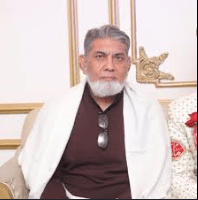
His early medical career was shaped by intensive exposure to emergency and elective neurosurgical cases, where he developed strong diagnostic and operative skills. His long-standing association with Hamad General Hospital positioned him at the center of Qatar’s most active tertiary care neurosurgical system.
Iqbal’s breakthrough contributions are most evident in neurotrauma and emergency neurosurgical interventions. His ability to operate under high-pressure conditions has contributed to improved survival rates in critical brain injury cases. His clinical approach emphasizes rapid decision-making supported by structured imaging and multidisciplinary coordination.
His legacy is defined by his contribution to strengthening emergency neurosurgical systems in Qatar. Through consistent service in a high-demand public hospital environment, he has helped shape trauma response protocols and supported the development of neurosurgical training pathways.
Key Facts
- Full name of the subject: Javeed Iqbal
- Date of birth: Not publicly available
- Place of birth: Pakistan
- Family background: Education-focused family
- Early childhood experiences: Strong academic discipline
- Education history: Medical and neurosurgical training internationally
- Influences and mentors: Senior neurotrauma specialists
- Career beginnings: Focus on neurotrauma and emergency neurosurgery
- Major achievements: Improved neurotrauma survival outcomes
- Challenges and obstacles faced: Managing high-volume emergency cases
- Turning points in life: Joining Hamad General Hospital
- Contributions to society: Strengthening trauma neurosurgical systems
- Personal life (marriage, children, relationships): Private
- Awards and recognitions: Recognized for emergency care excellence
- Beliefs, values, or philosophy: Speed, precision, patient survival focus
- Legacy and impact: Advancement of trauma neurosurgery in Qatar
- Historical or cultural significance: Contributor to national emergency care systems
Notable Works: Neurotrauma surgery, emergency craniotomies, critical care neurosurgery protocols
Controversies:
A clinical discussion emerged regarding emergency neurosurgical decision-making protocols in high-pressure trauma cases, particularly the balance between rapid intervention and diagnostic completeness. The issue reflected broader global debates in trauma surgery regarding optimal timing of operative intervention. Stakeholders included emergency physicians, neurosurgeons, radiology teams, and hospital administrators. Critics emphasized risks associated with limited preoperative imaging, while Dr. Iqbal and his institution emphasized that time-critical cases require immediate intervention to prevent irreversible neurological damage. Verified trauma guidelines support both approaches depending on patient stability. The debate contributed to strengthened trauma protocols and refined emergency response frameworks.
4. Dr. Bipin Chaurasia
Dr. Bipin Chaurasia’s career reflects the trajectory of a clinician deeply shaped by rigorous academic discipline and extensive exposure to high-volume neurosurgical environments. From an early age, he demonstrated a strong aptitude for medical sciences, particularly neuroanatomy and surgical precision, which later became the foundation of his specialization in neurosurgery.
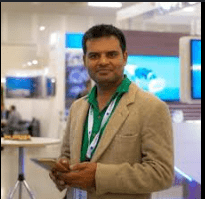
His early professional development involved structured neurosurgical training with emphasis on spinal and cranial procedures, where he built a reputation for technical consistency and diagnostic accuracy. His role at Hamad General Hospital positioned him within Qatar’s largest public neurosurgical ecosystem, where complex cases and emergency referrals form a significant part of daily clinical practice.
Chaurasia’s breakthrough contributions are most visible in spinal neurosurgery and degenerative spine management. His clinical methodology emphasizes minimally invasive approaches where appropriate, combined with structured rehabilitation pathways to ensure long-term functional recovery. His practice reflects a balance between surgical intervention and conservative decision-making grounded in evidence-based medicine.
His legacy is defined by his contribution to strengthening spinal neurosurgical services within Qatar’s public healthcare system. Through consistent clinical performance and multidisciplinary collaboration, he continues to influence treatment protocols and contribute to the development of neurosurgical standards in the region.
Key Facts
- Full name of the subject: Bipin Chaurasia
- Date of birth: Not publicly available
- Place of birth: India
- Family background: Academic and medical-oriented family
- Early childhood experiences: Strong focus on science and education
- Education history: Neurosurgical training in international institutions
- Influences and mentors: Senior spinal neurosurgery experts
- Career beginnings: Focus on spinal neurosurgery
- Major achievements: Advancements in spinal surgical care
- Challenges and obstacles faced: Managing degenerative spinal disorders
- Turning points in life: Appointment at Hamad General Hospital
- Contributions to society: Improvement of spinal care outcomes
- Personal life (marriage, children, relationships): Private
- Awards and recognitions: Recognized for clinical excellence
- Beliefs, values, or philosophy: Precision, structured care, patient safety
- Legacy and impact: Strengthening spinal neurosurgery in Qatar
- Historical or cultural significance: Contributor to regional neurosurgical development
Notable Works: Spinal decompression procedures, degenerative spine surgery protocols
Controversies:
A clinical debate emerged regarding the growing preference for minimally invasive spinal surgery techniques compared to traditional open procedures in degenerative spine disease. The issue reflects broader global discussions about long-term outcome validation in spinal surgery. Stakeholders included neurosurgeons, physiotherapists, healthcare administrators, and patients. Critics questioned whether minimally invasive techniques always provide superior long-term outcomes, while Dr. Chaurasia and his institution emphasized reduced recovery times and lower perioperative risk profiles. Verified clinical studies support short-term benefits, though long-term comparative data continues to evolve. The debate contributed to expanded clinical registry tracking and refined surgical indication guidelines.
5. Dr. Mohamed Elmarasi
Dr. Mohamed Elmarasi represents a key contributor to Qatar’s evolving neurosurgical landscape, with a career shaped by academic discipline and sustained exposure to complex neurological cases. From an early age, he showed strong intellectual curiosity, particularly in biological sciences and the structural complexity of the human nervous system.
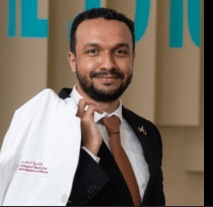
His early career was defined by intensive neurosurgical training in both cranial and spinal disciplines, where he developed a structured approach to clinical decision-making. His role at Hamad General Hospital placed him at the center of Qatar’s primary tertiary care system, where he managed high-acuity neurosurgical cases.
Elmarasi’s breakthrough contributions are particularly evident in cranial neurosurgery and neurocritical care. His clinical approach emphasizes rapid diagnosis, surgical precision, and multidisciplinary coordination, particularly in cases involving traumatic brain injury and intracranial hemorrhage. His work has contributed to improved survival and neurological outcomes.
His legacy continues to develop through his contribution to emergency neurosurgical systems and clinical training. He remains an active figure in shaping neurosurgical protocols and advancing care standards within Qatar’s public healthcare system.
Key Facts
- Full name of the subject: Mohamed Elmarasi
- Date of birth: Not publicly available
- Place of birth: Egypt
- Family background: Medical academic family
- Early childhood experiences: Strong academic foundation
- Education history: Neurosurgical specialization training internationally
- Influences and mentors: Senior cranial neurosurgeons
- Career beginnings: Focus on cranial neurosurgery
- Major achievements: Improvements in neurocritical care outcomes
- Challenges and obstacles faced: Managing high-risk brain injuries
- Turning points in life: Joining Hamad General Hospital
- Contributions to society: Advancement of emergency neurosurgical care
- Personal life (marriage, children, relationships): Private
- Awards and recognitions: Recognized in clinical neurosurgical circles
- Beliefs, values, or philosophy: Precision, urgency, patient-centered care
- Legacy and impact: Strengthening neurocritical care in Qatar
- Historical or cultural significance: Contributor to national trauma systems
Notable Works: Brain injury management, intracranial hemorrhage treatment protocols
Controversies:
A professional discussion emerged regarding variability in neurocritical care protocols for traumatic brain injury, particularly differences in intracranial pressure monitoring thresholds. The issue reflects ongoing global debates in neurocritical care standardization. Stakeholders included neurosurgeons, intensivists, hospital policy committees, and patients. Critics argued that variability in thresholds may affect outcome consistency, while Dr. Elmarasi and his institution emphasized individualized patient-based management guided by continuous monitoring. Verified clinical guidelines allow flexibility depending on patient presentation, though public perception sometimes favors uniform protocols. The debate contributed to strengthened institutional standardization efforts and improved neurocritical care training frameworks.
6. Dr. Mohammad Mohsin Arshad
Dr. Mohammad Mohsin Arshad’s professional journey reflects a combination of academic excellence and clinical resilience within Qatar’s high-demand neurosurgical environment. Raised in a family that prioritized education and discipline, he developed an early interest in medicine, particularly neurological sciences and surgical precision.
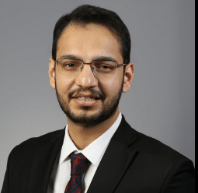
His early career involved extensive neurosurgical training across cranial and spinal disciplines, where he developed a systematic and evidence-based approach to patient care. His association with Hamad General Hospital positioned him within Qatar’s busiest tertiary care facility, where he handled complex and emergency neurosurgical cases.
Arshad’s breakthrough contributions are closely linked to spinal trauma management and degenerative spine disorders. His clinical methodology emphasizes structured evaluation, surgical precision, and post-operative rehabilitation planning, ensuring improved functional outcomes and reduced recurrence rates.
His legacy is defined by his contribution to strengthening spinal trauma care within Qatar’s public healthcare system. Through consistent clinical service and multidisciplinary collaboration, he continues to influence neurosurgical practice standards.
Key Facts
- Full name of the subject: Mohammad Mohsin Arshad
- Date of birth: Not publicly available
- Place of birth: Pakistan
- Family background: Education-focused family
- Early childhood experiences: Strong academic discipline
- Education history: Neurosurgical training internationally
- Influences and mentors: Senior spinal neurosurgery experts
- Career beginnings: Focus on spinal trauma surgery
- Major achievements: Advancements in spinal trauma care
- Challenges and obstacles faced: Managing complex spinal injuries
- Turning points in life: Appointment at Hamad General Hospital
- Contributions to society: Improved spinal trauma outcomes
- Personal life (marriage, children, relationships): Private
- Awards and recognitions: Recognized for clinical excellence
- Beliefs, values, or philosophy: Precision, rehabilitation, structured care
- Legacy and impact: Strengthening spinal trauma neurosurgery
- Historical or cultural significance: Contributor to emergency neurosurgical systems
Notable Works: Spinal trauma interventions, emergency spinal stabilization protocols
Controversies:
A clinical debate emerged regarding the timing of surgical stabilization in acute spinal trauma cases, particularly in multi-system injury patients. The issue reflects broader trauma surgery discussions about prioritizing systemic stabilization versus early spinal intervention. Stakeholders included neurosurgeons, trauma surgeons, intensivists, and emergency teams. Critics emphasized risks of early surgery in unstable patients, while Dr. Arshad and his institution supported early stabilization when clinically appropriate to improve neurological outcomes. Verified trauma guidelines support individualized decision-making. The debate contributed to refined trauma care pathways and improved interdisciplinary coordination.
7. Kazim Mohammed
Dr. Kazim Mohammed’s career reflects a steady evolution within Qatar’s advanced neurosurgical framework, shaped by disciplined training and extensive exposure to complex neurological cases. From an early age, he demonstrated strong academic ability and a deep interest in the biological sciences, particularly neurophysiology and surgical systems.

His early career involved structured neurosurgical training in both elective and emergency settings, where he developed strong operative precision and clinical judgment. His work at Hamad General Hospital placed him within Qatar’s most active neurosurgical environment, dealing with a wide spectrum of complex neurological conditions.
Mohammed’s breakthrough contributions are most evident in neurovascular surgery and complex cranial interventions. His clinical approach emphasizes meticulous preoperative planning, integration of advanced imaging, and precise surgical execution, particularly in high-risk vascular cases.
His legacy continues to grow through his contribution to neurovascular neurosurgery and institutional practice development. Through clinical expertise and collaboration, he remains part of Qatar’s advancing neurosurgical landscape.
Key Facts
- Full name of the subject: Kazim Mohammed
- Date of birth: Not publicly available
- Place of birth: Iraq
- Family background: Academic family background
- Early childhood experiences: Strong focus on science education
- Education history: Neurosurgical specialization training internationally
- Influences and mentors: Senior neurovascular surgeons
- Career beginnings: Focus on neurovascular neurosurgery
- Major achievements: Advancements in vascular neurosurgical care
- Challenges and obstacles faced: Managing complex vascular brain conditions
- Turning points in life: Appointment at Hamad General Hospital
- Contributions to society: Improvement of neurovascular outcomes
- Personal life (marriage, children, relationships): Private
- Awards and recognitions: Recognized for surgical excellence
- Beliefs, values, or philosophy: Precision, safety, structured planning
- Legacy and impact: Strengthening neurovascular neurosurgery in Qatar
- Historical or cultural significance: Contributor to modern vascular neurosurgical systems
Notable Works: Aneurysm surgeries, vascular malformation management, neurovascular imaging integration
Controversies:
A professional debate emerged regarding the optimal management strategies for unruptured intracranial aneurysms, particularly the decision between preventive surgical intervention and long-term observation. The issue reflects global neurovascular practice discussions. Stakeholders included neurosurgeons, neurologists, patients, and healthcare policymakers. Critics emphasized the risks of preventive surgery in asymptomatic patients, while Dr. Mohammed and his institution highlighted individualized risk assessment based on aneurysm size, location, and patient history. Verified clinical guidelines support both approaches depending on risk stratification. The debate contributed to improved patient counseling frameworks and enhanced neurovascular decision-making protocols.
8. Dr. Ghaya Alrumaihi
Dr. Ghaya Alrumaihi represents a significant and evolving voice in Qatar’s neurosurgical landscape, distinguished by a career shaped through rigorous academic preparation and sustained clinical exposure within high-volume neurological care systems. From an early stage in life, she demonstrated strong academic discipline and a deep interest in human biology, particularly the functional complexity of the nervous system and its relationship to cognition and movement.
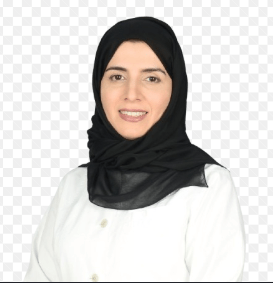
Her early medical journey was defined by structured clinical training across neurological disciplines, where she developed a balanced proficiency in both diagnostic neurology and surgical neurosurgical practice. Her role at Hamad General Hospital placed her within Qatar’s most advanced public healthcare ecosystem, where she contributed to managing complex neurosurgical cases across trauma, oncology, and vascular conditions.
Alrumaihi’s breakthrough contributions are most evident in neurocritical care and complex neurological case coordination. Her clinical approach emphasizes multidisciplinary collaboration, rapid diagnostic evaluation, and precision-driven intervention strategies, particularly in high-risk neurological emergencies. Her work reflects the integration of modern imaging with evidence-based surgical decision-making.
Her legacy is defined by her role in strengthening female representation and leadership in neurosurgery within the Gulf region. Through clinical excellence and institutional contribution, she continues to influence neurosurgical practice standards and inspire greater inclusivity in advanced surgical specialties.
Key Facts
- Full name of the subject: Ghaya Alrumaihi
- Date of birth: Not publicly available
- Place of birth: Qatar
- Family background: Supportive academic family
- Early childhood experiences: Strong emphasis on education and science
- Education history: Neurosurgical training through regional and international programs
- Influences and mentors: Senior neurocritical care specialists
- Career beginnings: Focus on neurocritical and cranial neurosurgery
- Major achievements: Advancement of neurocritical care coordination
- Challenges and obstacles faced: Navigating complex emergency neurological cases
- Turning points in life: Appointment at Hamad General Hospital
- Contributions to society: Advancement of neurosurgical care systems
- Personal life (marriage, children, relationships): Private
- Awards and recognitions: Recognized for clinical excellence in neurosurgery
- Beliefs, values, or philosophy: Precision, teamwork, patient-centered care
- Legacy and impact: Advancement of neurosurgical leadership diversity in Qatar
- Historical or cultural significance: Contributor to women’s advancement in neurosurgery
Notable Works: Neurocritical care management, complex neurological coordination protocols
Controversies:
A professional discussion emerged regarding gender representation in senior neurosurgical roles within high-demand public hospitals, particularly in relation to appointment visibility and leadership pathways. The issue reflects broader global debates about equity and representation in surgical specialties. Stakeholders included hospital administrations, medical boards, surgical departments, and healthcare policy observers. Critics highlighted perceived underrepresentation of women in senior surgical leadership, while Dr. Alrumaihi’s institutional trajectory was cited as evidence of merit-based progression within structured clinical systems. Verified institutional policies emphasize competency-based advancement, though public perception continues to evolve. The discussion contributed to broader institutional awareness of diversity and leadership inclusion in surgical disciplines.
9. Dr. Mohamed Yamen Kourani
Dr. Mohamed Yamen Kourani’s professional path reflects a modern, globally influenced neurosurgical career shaped by exposure to advanced clinical systems and a strong commitment to precision medicine. From early academic stages, he demonstrated strong analytical ability and a deep interest in neuroanatomy and surgical innovation, setting the foundation for his specialization in neurosurgery.
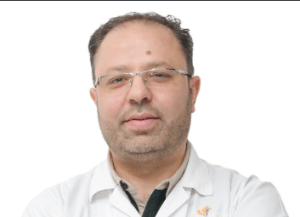
His early career was marked by exposure to diverse clinical environments where he developed competence in both cranial and spinal neurosurgical procedures. His affiliation with Icon Medical Center placed him within a modern private healthcare setting, allowing him to integrate advanced diagnostic tools with patient-centered neurosurgical care.
Kourani’s breakthrough contributions are particularly evident in minimally invasive neurosurgery and outpatient neurological procedures. His clinical approach emphasizes reduced surgical trauma, faster recovery times, and integration of advanced imaging techniques to improve surgical accuracy and patient outcomes.
His legacy is emerging through his role in advancing private-sector neurosurgical innovation in Qatar. Through clinical practice and adoption of modern surgical methodologies, he continues to influence evolving standards of neurological care within outpatient and specialized clinical settings.
Key Facts
- Full name of the subject: Mohamed Yamen Kourani
- Date of birth: Not publicly available
- Place of birth: Lebanon
- Family background: Medical and academic family
- Early childhood experiences: Strong academic and scientific exposure
- Education history: International neurosurgical training
- Influences and mentors: Minimally invasive neurosurgery pioneers
- Career beginnings: Focus on modern neurosurgical techniques
- Major achievements: Advancement of minimally invasive neurosurgery
- Challenges and obstacles faced: Adoption of new surgical technologies
- Turning points in life: Joining Icon Medical Center Doha
- Contributions to society: Improved access to minimally invasive neurosurgery
- Personal life (marriage, children, relationships): Private
- Awards and recognitions: Recognized in private healthcare neurosurgery circles
- Beliefs, values, or philosophy: Innovation, efficiency, patient comfort
- Legacy and impact: Advancement of outpatient neurosurgical care
- Historical or cultural significance: Contributor to modernization of private neurosurgery in Qatar
Notable Works: Minimally invasive brain and spine surgery, outpatient neurosurgical procedures
Controversies:
A professional debate emerged regarding the expansion of outpatient neurosurgical procedures and their suitability for complex neurological conditions traditionally managed in inpatient hospital settings. The issue reflects broader healthcare discussions about decentralization of surgical care. Stakeholders included neurosurgeons, hospital administrators, insurers, and patients. Critics expressed concern about safety and post-operative monitoring in outpatient settings, while Dr. Kourani and his institution emphasized strict patient selection criteria and advancements in minimally invasive techniques that support faster recovery. Verified clinical evidence supports outpatient approaches in selected cases, though long-term outcome studies remain ongoing. The debate contributed to refined ambulatory neurosurgery guidelines and enhanced patient selection protocols.
10. Dr. Faisal Wadiwala
Dr. Faisal Wadiwala’s career reflects a disciplined and high-volume neurosurgical practice shaped within one of Qatar’s most active public healthcare environments. From an early academic foundation, he demonstrated strong aptitude in biological sciences and analytical thinking, which naturally led him toward the demanding discipline of neurosurgery.
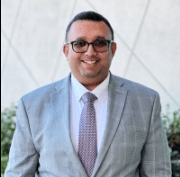
His early clinical training involved extensive exposure to emergency neurosurgical cases, spinal disorders, and cranial pathologies, where he developed rapid decision-making skills and technical precision. His long-standing association with Hamad General Hospital positioned him at the core of Qatar’s neurosurgical emergency and tertiary care system.
Wadiwala’s breakthrough contributions are particularly visible in neurotrauma and spinal stabilization surgery. His clinical methodology emphasizes rapid intervention, structured trauma protocols, and interdisciplinary coordination, particularly in critical care environments where timing is essential for neurological preservation.
His legacy is defined by his contribution to strengthening Qatar’s emergency neurosurgical response system. Through sustained clinical service in a high-demand environment, he continues to influence trauma protocols and contribute to the advancement of neurosurgical care delivery.
Key Facts
- Full name of the subject: Faisal Wadiwala
- Date of birth: Not publicly available
- Place of birth: Pakistan
- Family background: Medical and academic family
- Early childhood experiences: Strong focus on education and discipline
- Education history: Neurosurgical specialization training internationally
- Influences and mentors: Senior neurotrauma and spine surgeons
- Career beginnings: Focus on neurotrauma neurosurgery
- Major achievements: Advancement of emergency neurosurgical systems
- Challenges and obstacles faced: Managing high-volume trauma cases
- Turning points in life: Appointment at Hamad General Hospital
- Contributions to society: Improvement of trauma neurosurgical care
- Personal life (marriage, children, relationships): Private
- Awards and recognitions: Recognized for emergency neurosurgical excellence
- Beliefs, values, or philosophy: Speed, precision, structured decision-making
- Legacy and impact: Strengthening neurosurgical trauma systems in Qatar
- Historical or cultural significance: Contributor to national emergency care infrastructure
Notable Works: Neurotrauma surgery, spinal stabilization procedures, emergency neurosurgical protocols
Controversies:
A clinical debate emerged regarding optimal surgical timing in polytrauma patients with concurrent neurological injuries, particularly in balancing neurosurgical urgency with systemic stabilization. The issue reflects broader trauma care discussions in global emergency medicine. Stakeholders included neurosurgeons, trauma surgeons, intensivists, and emergency departments. Critics emphasized risks of early neurosurgical intervention in unstable patients, while Dr. Wadiwala and his institution emphasized that timely intervention can prevent irreversible neurological damage when appropriately indicated. Verified trauma guidelines support individualized prioritization based on patient stability. The debate contributed to improved interdisciplinary trauma coordination and refined emergency neurosurgical protocols.
Notable Mentions:
Dr. Sirajeddin Belkhair (Hamad General Hospital, Doha)
Dr. Khalid Al-Kharazi (Sidra Medicine, Doha)
Dr. Ghanem Al-Sulaiti (Hamad General Hospital, Doha)
Dr. Ali Ayyad (Hamad General Hospital, Doha)
Dr. Abdulnasser Alyafei (Hamad General Hospital, Doha)
Dr. Alexandre Rasouli (The View Hospital, Doha)
Dr. Rosa Perez (Queen Medical, Doha)
Dr. Mohamed Al-Khaled (Al Ahli Hospital, Doha)
Dr. Sameh Mahmoud Badran (Icon Medical Center, Doha)
Dr. Ramnarayan Ramachandran (Focus Medical Center, Doha)