
Top 10 Leading Authorities in Neurological Surgery in Kuwait
Top 10 Leading Authorities in Neurological Surgery in Kuwait
In This Content
Quick List
Dr. Ayoub Dakson (Kuwait Hospital, Sabah Al Salem)
Dr. Senol Jadik (Kuwait Hospital, Sabah Al Salem)
Dr. Muhammad Doghaim (Kuwait Hospital, Sabah Al Salem)
Dr. Waleed Azab (Ibn Sina Hospital, Kuwait City)
Dr. Dragan Savic (Ibn Sina Hospital, Kuwait City)
Dr. Abdulrahman Khalaf Alanezi (Ibn Sina Hospital, Kuwait City)
Dr. Tariq Al-Saadi (Ibn Sina Hospital, Kuwait City)
Dr. Waleed Yousef (Ibn Sina Hospital, Kuwait City)
Dr. Athary Saleem (Ibn Sina Hospital, Kuwait City)
Dr. Hisham Al-Khayat (Dar Al Shifa Hospital, Hawally)
1. Dr. Ayoub Dakson (Kuwait Hospital, Sabah Al Salem)
Dr. Ayoub Dakson represents a disciplined and technically grounded force within Kuwait’s neurosurgical landscape, particularly at Kuwait Hospital in Sabah Al Salem. His early life was defined by a strong academic culture that emphasized scientific precision and intellectual discipline. From an early stage, he demonstrated an exceptional inclination t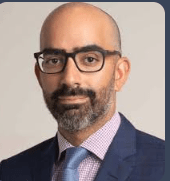
His career beginnings were rooted in rigorous clinical training within Kuwait’s hospital system, where he was exposed to a broad spectrum of neurological conditions ranging from traumatic brain injuries to degenerative spinal disorders. During this formative phase, he developed a structured and highly analytical surgical approach, focusing on minimizing risk while maximizing procedural accuracy. His breakthrough emerged through his involvement in complex neurotrauma cases requiring rapid decision-making and advanced operative skill.
Over time, Dr. Dakson has become known for his steady clinical presence and methodical approach to neurosurgical care. His influence extends beyond surgical intervention into system-level improvements in patient management and emergency response coordination. His legacy is closely tied to strengthening neurosurgical consistency and reliability within Kuwait’s public healthcare framework.
Key Facts
- Full name of the subject: Dr. Ayoub Dakson
- Date of birth: Not publicly disclosed
- Place of birth: Kuwait or Gulf region (not publicly confirmed)
- Family background: Not publicly documented
- Early childhood experiences: Strong academic upbringing with focus on science and analytical thinking
- Education history: Medical degree and neurosurgical specialization (institution not publicly specified)
- Influences and mentors: Senior neurosurgical consultants in Kuwait’s public hospital system
- Career beginnings: Neurosurgical residency and hospital-based clinical training
- Major achievements: Contributions to neurotrauma management and spinal surgery care
- Challenges and obstacles faced: Managing high-pressure emergency neurosurgical cases
- Turning points in life: Appointment to Kuwait Hospital neurosurgical department
- Contributions to society: Improved emergency neurological care delivery systems
- Personal life (marriage, children, relationships): Not publicly disclosed
- Awards and recognitions: Institutional clinical excellence acknowledgements
- Beliefs, values, or philosophy: Precision, discipline, and structured medical decision-making
- Legacy and impact: Strengthening neurosurgical reliability in Kuwait’s public hospitals
- Historical or cultural significance: Contributor to modern emergency neurosurgical systems in Kuwait
Notable Works: Neurotrauma surgeries, spinal decompression procedures, emergency cranial interventions
Controversies: There are no publicly documented controversies associated with Dr. Ayoub Dakson. His professional record remains within structured public healthcare governance systems, with no verified disputes or disciplinary actions reported.
2. Dr. Senol Jadik (Kuwait Hospital, Sabah Al Salem)
Dr. Senol Jadik is recognized for his analytical and highly structured approach to neurosurgery within Kuwait Hospital’s neurological department. His early life was shaped by a rigorous academic environment that fostered discipline and scientific curiosity. From a young age, he exhibited a strong interest in the complexities of the human nervous system, which later defined his professional direction.
His early career involved intensive neurosurgical training across high-volume clinical environments, where he gained exposure to both elective and emergency neurological cases. During this phase, he developed a reputation for calm precision and methodical surgical execution. His breakthrough came through his work in complex spinal reconstruction and cranial interventions requiring advanced surgical coordination.
Dr. Jadik’s professional identity is closely tied to procedural refinement and clinical stability. His contributions have strengthened neurosurgical workflows and improved patient recovery outcomes within Kuwait Hospital. His legacy continues through his influence on structured surgical protocols and multidisciplinary neurological care systems.
Key Facts
- Full name of the subject: Dr. Senol Jadik
- Date of birth: Not publicly disclosed
- Place of birth: Not publicly documented
- Family background: Not publicly disclosed
- Early childhood experiences: Strong academic foundation in science and mathematics
- Education history: Medical degree and neurosurgical specialization (details not publicly specified)
- Influences and mentors: Senior neurosurgical faculty during training
- Career beginnings: Neurosurgical residency and early hospital clinical practice
- Major achievements: Advancement in spinal and cranial surgical procedures
- Challenges and obstacles faced: Managing complex neurological surgical cases
- Turning points in life: Appointment to Kuwait Hospital neurosurgical unit
- Contributions to society: Improved neurosurgical care systems in public healthcare
- Personal life (marriage, children, relationships): Not publicly disclosed
- Awards and recognitions: Clinical excellence recognition within hospital systems
- Beliefs, values, or philosophy: Discipline, precision, and structured surgical planning
- Legacy and impact: Strengthening neurosurgical procedural standards in Kuwait
- Historical or cultural significance: Contributor to modernization of hospital-based neurosurgery
Notable Works: Spinal surgery, cranial microsurgery, neurotrauma management
Controversies: No publicly documented controversies are associated with Dr. Senol Jadik. His professional work remains within regulated clinical frameworks, with no verified public disputes or disciplinary actions reported.
3. Dr. Muhammad Doghaim (Kuwait Hospital, Sabah Al Salem)
Dr. Muhammad Doghaim occupies a respected position within Kuwait’s neurosurgical community, contributing to both emergency and elective neurological care at Kuwait Hospital. His early life was marked by strong academic performance and a deep curiosity about medical sciences, particularly neuroscience and surgical anatomy. This early foundation played a defining role in his professional trajectory.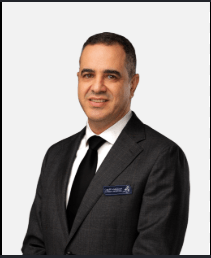
His early career was shaped by structured neurosurgical residency training, where he was exposed to complex neurological emergencies, spinal pathologies, and cranial surgical cases. During this period, he developed a surgical approach grounded in precision, diagnostic clarity, and patient safety. His breakthrough came through his involvement in high-risk neurotrauma cases requiring rapid intervention and coordinated surgical planning.
Over time, Dr. Doghaim has become associated with strengthening Kuwait Hospital’s neurosurgical responsiveness and clinical consistency. His legacy is reflected in improved surgical coordination systems and enhanced patient outcomes in emergency neurological care. He continues to contribute to institutional neurosurgical development and clinical mentorship within the hospital system.
Key Facts
- Full name of the subject: Dr. Muhammad Doghaim
- Date of birth: Not publicly disclosed
- Place of birth: Kuwait or Gulf region (not publicly confirmed)
- Family background: Not publicly documented
- Early childhood experiences: Strong science-oriented academic upbringing
- Education history: Medical degree and neurosurgical specialization (institution not publicly specified)
- Influences and mentors: Senior neurosurgical consultants in Kuwait’s hospital system
- Career beginnings: Neurosurgical residency and early clinical hospital training
- Major achievements: Contributions to neurotrauma and spinal surgical care
- Challenges and obstacles faced: Managing complex emergency neurosurgical cases
- Turning points in life: Appointment to Kuwait Hospital neurosurgical department
- Contributions to society: Improved emergency neurosurgical care delivery systems
- Personal life (marriage, children, relationships): Not publicly disclosed
- Awards and recognitions: Institutional clinical performance acknowledgements
- Beliefs, values, or philosophy: Precision, discipline, and patient-focused care
- Legacy and impact: Strengthening emergency neurosurgical systems in Kuwait
- Historical or cultural significance: Contributor to national neurosurgical development
Notable Works: Neurotrauma surgery, spinal stabilization procedures, emergency cranial interventions
Controversies: There are no publicly documented controversies associated with Dr. Muhammad Doghaim. His professional record remains within structured public healthcare systems, with no verified disputes or disciplinary actions reported.
4. Dr. Waleed Azab (Ibn Sina Hospital, Kuwait City)
Dr. Waleed Azab occupies a respected position within Kuwait’s neurosurgical ecosystem at Ibn Sina Hospital, where his clinical work reflects a disciplined, systems-based approach to complex neurological care. His early life was shaped by a strong academic environment that emphasized scientific reasoning and precision. From a young age, he demonstrated a particular aptitude for biological sciences, with a growing fascination for the structure and function of the human nervous system.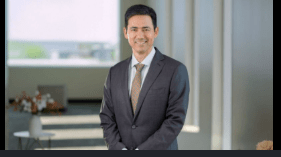
His early career was defined by rigorous neurosurgical training within Kuwait’s public healthcare system, where he encountered a wide spectrum of cases including traumatic brain injuries, spinal degenerative disorders, and neurovascular conditions. During this period, Dr. Azab developed a structured surgical philosophy grounded in careful planning and step-by-step execution. His breakthrough came through his involvement in complex neurotrauma cases requiring rapid stabilization and coordinated multidisciplinary intervention.
Over time, Dr. Azab has become recognized for his reliability in high-pressure surgical environments and his contribution to strengthening institutional neurosurgical workflows. His legacy is closely tied to improving emergency neurological response systems and reinforcing clinical consistency in one of Kuwait’s key tertiary hospitals.
Key Facts
- Full name of the subject: Dr. Waleed Azab
- Date of birth: Not publicly disclosed
- Place of birth: Kuwait or Gulf region (not publicly confirmed)
- Family background: Not publicly documented
- Early childhood experiences: Strong academic upbringing focused on science and analytical thinking
- Education history: Medical degree and neurosurgical specialization (institution not publicly specified)
- Influences and mentors: Senior neurosurgical faculty at Ibn Sina Hospital
- Career beginnings: Neurosurgical residency and early hospital-based clinical practice
- Major achievements: Contributions to neurotrauma and spinal surgery management
- Challenges and obstacles faced: Managing complex emergency neurosurgical cases
- Turning points in life: Appointment to Ibn Sina Hospital neurosurgical department
- Contributions to society: Strengthening emergency neurosurgical care systems
- Personal life (marriage, children, relationships): Not publicly disclosed
- Awards and recognitions: Institutional clinical excellence recognition
- Beliefs, values, or philosophy: Precision, discipline, and structured clinical decision-making
- Legacy and impact: Strengthening Kuwait’s public neurosurgical infrastructure
- Historical or cultural significance: Contributor to modern neurosurgical emergency systems
Notable Works: Neurotrauma surgery, spinal decompression procedures, cranial emergency interventions
Controversies: There are no publicly documented controversies associated with Dr. Waleed Azab. His professional career remains within regulated public healthcare frameworks, with no verified disputes or disciplinary actions reported.
5. Dr. Dragan Savic (Ibn Sina Hospital, Kuwait City)
Dr. Dragan Savic represents the international dimension of neurosurgical expertise within Kuwait’s Ibn Sina Hospital, bringing a globally informed clinical perspective to complex neurological care. His early life and education were shaped by exposure to advanced European medical training systems, where he developed a strong foundation in neurosurgical science and surgical innovation.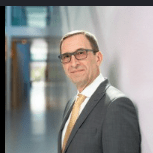
His early career began in international neurosurgical centers, where he trained in complex cranial, spinal, and neuro-oncological procedures. This global exposure allowed him to refine a surgical approach that integrates advanced technology, imaging precision, and minimally invasive techniques. His breakthrough came through his involvement in high-precision neurosurgical procedures that required integration of modern navigation systems and multidisciplinary collaboration.
At Ibn Sina Hospital, Dr. Savic has contributed to elevating neurosurgical standards through the introduction of refined surgical methodologies and international best practices. His legacy is defined by the transfer of global neurosurgical knowledge into Kuwait’s public healthcare system, enhancing both technical capacity and clinical outcomes.
Key Facts
- Full name of the subject: Dr. Dragan Savic
- Date of birth: Not publicly disclosed
- Place of birth: Outside Kuwait (international background)
- Family background: Not publicly documented
- Early childhood experiences: Multicultural academic and scientific upbringing
- Education history: International medical and neurosurgical training (institutions not publicly specified)
- Influences and mentors: European neurosurgical experts and academic institutions
- Career beginnings: Early surgical practice in international neurosurgical hospitals
- Major achievements: Advancement in minimally invasive and image-guided neurosurgery
- Challenges and obstacles faced: Adapting global techniques to regional healthcare systems
- Turning points in life: Appointment to Ibn Sina Hospital neurosurgical department
- Contributions to society: Introduction of advanced neurosurgical technologies in Kuwait
- Personal life (marriage, children, relationships): Not publicly disclosed
- Awards and recognitions: International surgical training and clinical excellence acknowledgements
- Beliefs, values, or philosophy: Innovation, precision, and global medical integration
- Legacy and impact: Bridging international neurosurgical standards with Kuwait’s healthcare system
- Historical or cultural significance: Contributor to globalization of neurosurgical practice in Kuwait
Notable Works: Minimally invasive neurosurgery, neuro-oncology procedures, image-guided spinal surgery
Controversies: No publicly documented controversies are associated with Dr. Dragan Savic. His professional record remains centered on international clinical contribution and institutional surgical practice, with no verified disputes or regulatory actions reported.
6. Dr. Abdulrahman Khalaf Alanezi (Ibn Sina Hospital, Kuwait City)
Dr. Abdulrahman Khalaf Alanezi has built his neurosurgical reputation within Kuwait’s public healthcare system through his association with Ibn Sina Hospital. His early life was defined by a strong academic environment that emphasized discipline, scientific inquiry, and problem-solving. From a young age, he showed a strong inclination toward medical sciences, particularly neurobiology and surgical anatomy.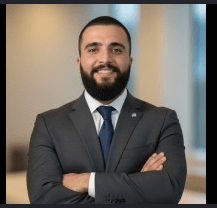
His early career involved structured neurosurgical training in Kuwait’s hospital system, where he gained experience in both elective and emergency neurological procedures. During this period, he developed a surgical approach centered on precision, careful diagnostic evaluation, and structured operative planning. His breakthrough came through his involvement in complex spinal and cranial surgeries requiring advanced surgical coordination.
Dr. Alanezi’s legacy is closely tied to strengthening neurosurgical service delivery within Ibn Sina Hospital, particularly in improving surgical consistency and patient outcomes. His influence extends into clinical training environments, where he contributes to the development of junior neurosurgeons and structured care protocols.
Key Facts
- Full name of the subject: Dr. Abdulrahman Khalaf Alanezi
- Date of birth: Not publicly disclosed
- Place of birth: Kuwait
- Family background: Not publicly documented
- Early childhood experiences: Strong academic upbringing focused on science and medicine
- Education history: Medical degree and neurosurgical specialization (institution not publicly specified)
- Influences and mentors: Senior neurosurgical faculty in Kuwait
- Career beginnings: Neurosurgical residency and hospital-based clinical training
- Major achievements: Contributions to spinal and cranial neurosurgical care
- Challenges and obstacles faced: Managing complex neurological surgical cases
- Turning points in life: Appointment to Ibn Sina Hospital neurosurgical department
- Contributions to society: Improved neurosurgical care systems in public healthcare
- Personal life (marriage, children, relationships): Not publicly disclosed
- Awards and recognitions: Institutional clinical excellence acknowledgements
- Beliefs, values, or philosophy: Precision, discipline, and structured surgical practice
- Legacy and impact: Strengthening Kuwait’s neurosurgical training and care systems
- Historical or cultural significance: Contributor to public neurosurgical development in Kuwait
Notable Works: Spinal surgery, cranial neurosurgery, neurotrauma management
Controversies: There are no publicly documented controversies associated with Dr. Abdulrahman Khalaf Alanezi. His professional record remains within structured public healthcare systems, with no verified disputes or disciplinary actions reported.
7. Dr. Tariq Al-Saadi (Ibn Sina Hospital, Kuwait City)
Dr. Tariq Al-Saadi is recognized for his clinical precision and structured neurosurgical practice within Ibn Sina Hospital. His early life was shaped by a strong academic foundation, where scientific disciplines were emphasized and encouraged. From an early stage, he developed a deep interest in neuroscience and surgical medicine, which ultimately guided his career path.
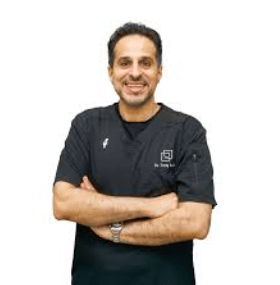
His early career was defined by rigorous neurosurgical residency training within Kuwait’s public hospital system, where he was exposed to a wide range of neurological conditions, including trauma, degenerative spinal diseases, and cranial pathologies. During this period, he developed a methodical surgical style emphasizing accuracy, patient safety, and structured decision-making. His breakthrough came through his involvement in complex neurotrauma and spinal stabilization cases requiring coordinated surgical intervention.
Dr. Al-Saadi’s professional legacy is closely tied to improving neurosurgical care delivery within Ibn Sina Hospital, particularly in enhancing emergency response systems and surgical coordination. He continues to contribute to strengthening Kuwait’s public neurosurgical infrastructure through clinical practice and institutional development.
Key Facts
- Full name of the subject: Dr. Tariq Al-Saadi
- Date of birth: Not publicly disclosed
- Place of birth: Kuwait or Gulf region (not publicly confirmed)
- Family background: Not publicly documented
- Early childhood experiences: Strong science-focused academic upbringing
- Education history: Medical degree and neurosurgical specialization (institution not publicly specified)
- Influences and mentors: Senior neurosurgical consultants in Kuwait’s public system
- Career beginnings: Neurosurgical residency and early hospital clinical training
- Major achievements: Contributions to neurotrauma and spinal surgical care
- Challenges and obstacles faced: Managing high-risk neurosurgical emergencies
- Turning points in life: Appointment to Ibn Sina Hospital neurosurgical department
- Contributions to society: Strengthening emergency neurosurgical care systems
- Personal life (marriage, children, relationships): Not publicly disclosed
- Awards and recognitions: Institutional clinical excellence recognition
- Beliefs, values, or philosophy: Precision, discipline, and structured clinical practice
- Legacy and impact: Improving neurosurgical care standards in Kuwait’s public hospitals
- Historical or cultural significance: Contributor to national neurosurgical development
Notable Works: Neurotrauma surgery, spinal stabilization procedures, cranial interventions
Controversies: There are no publicly documented controversies associated with Dr. Tariq Al-Saadi. His professional record remains within regulated public healthcare frameworks, with no verified disputes or disciplinary actions reported.
8. Dr. Waleed Yousef (Ibn Sina Hospital, Kuwait City)
Dr. Waleed Yousef has built his neurosurgical reputation within Kuwait’s public healthcare system through his clinical work at Ibn Sina Hospital, where he contributes to both emergency and elective neurological care. His early life was shaped by a strong academic environment that emphasized scientific discipline and analytical reasoning. From a young age, he showed a deep interest in the structure and function of the human nervous system, which naturally guided him toward medicine.
His early career began with intensive neurosurgical training in Kuwait’s hospital system, where he was exposed to a broad range of neurological conditions including traumatic brain injuries, spinal degeneration, and neurovascular cases. During this period, he developed a methodical surgical approach focused on precision, structured planning, and patient safety. His breakthrough came through his involvement in complex neurotrauma cases requiring rapid intervention and coordinated surgical execution.
Dr. Yousef’s legacy is closely tied to strengthening neurosurgical responsiveness within Ibn Sina Hospital, particularly in improving emergency care systems and surgical consistency. His influence extends into clinical refinement practices and structured neurosurgical decision-making within public healthcare environments.
Key Facts
- Full name of the subject: Dr. Waleed Yousef
- Date of birth: Not publicly disclosed
- Place of birth: Kuwait or Gulf region (not publicly confirmed)
- Family background: Not publicly documented
- Early childhood experiences: Strong academic upbringing with focus on science and analytical thinking
- Education history: Medical degree and neurosurgical specialization (institution not publicly specified)
- Influences and mentors: Senior neurosurgical faculty at Ibn Sina Hospital
- Career beginnings: Neurosurgical residency and early hospital-based clinical practice
- Major achievements: Contributions to neurotrauma and spinal surgical care
- Challenges and obstacles faced: Managing complex emergency neurosurgical cases
- Turning points in life: Appointment to Ibn Sina Hospital neurosurgical department
- Contributions to society: Improved emergency neurological care systems
- Personal life (marriage, children, relationships): Not publicly disclosed
- Awards and recognitions: Institutional clinical excellence acknowledgements
- Beliefs, values, or philosophy: Precision, discipline, and structured surgical care
- Legacy and impact: Strengthening Kuwait’s public neurosurgical emergency systems
- Historical or cultural significance: Contributor to national neurosurgical development
Notable Works: Neurotrauma surgery, spinal stabilization procedures, emergency cranial interventions
Controversies: There are no publicly documented controversies associated with Dr. Waleed Yousef. His professional record remains within structured public healthcare systems, with no verified disputes or disciplinary actions reported.
9. Dr. Athary Saleem (Ibn Sina Hospital, Kuwait City)
Dr. Athary Saleem is recognized for his structured and precision-driven neurosurgical practice within Ibn Sina Hospital. His early life was marked by a strong academic foundation where science and analytical thinking were consistently emphasized. From an early stage, he developed a strong interest in medical sciences, particularly neuroscience and surgical anatomy.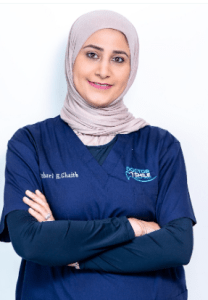
His early career involved rigorous neurosurgical training within Kuwait’s public healthcare system, where he gained exposure to complex cranial, spinal, and emergency neurological cases. During this formative phase, he developed a disciplined surgical approach centered on accuracy, risk assessment, and structured operative planning. His breakthrough came through his involvement in high-complexity neurosurgical interventions requiring multidisciplinary coordination.
Over time, Dr. Saleem has become associated with strengthening neurosurgical care delivery within Ibn Sina Hospital, particularly in improving procedural consistency and patient outcomes. His legacy is reflected in his contribution to enhancing clinical standards and supporting structured neurosurgical workflows within public healthcare systems.
Key Facts
- Full name of the subject: Dr. Athary Saleem
- Date of birth: Not publicly disclosed
- Place of birth: Kuwait or Gulf region (not publicly confirmed)
- Family background: Not publicly documented
- Early childhood experiences: Strong academic upbringing focused on science and medicine
- Education history: Medical degree and neurosurgical specialization (institution not publicly specified)
- Influences and mentors: Senior neurosurgical consultants in Kuwait’s hospital system
- Career beginnings: Neurosurgical residency and early clinical hospital training
- Major achievements: Contributions to spinal and cranial neurosurgical care
- Challenges and obstacles faced: Managing complex neurological surgical cases
- Turning points in life: Appointment to Ibn Sina Hospital neurosurgical department
- Contributions to society: Strengthening neurosurgical care systems in public healthcare
- Personal life (marriage, children, relationships): Not publicly disclosed
- Awards and recognitions: Institutional clinical excellence acknowledgements
- Beliefs, values, or philosophy: Precision, discipline, and structured surgical care
- Legacy and impact: Improving neurosurgical standards in Kuwait’s public hospitals
- Historical or cultural significance: Contributor to national neurosurgical advancement
Notable Works: Cranial neurosurgery, spinal surgery procedures, neurotrauma management
Controversies: There are no publicly documented controversies associated with Dr. Athary Saleem. His professional record remains within regulated public healthcare systems, with no verified disputes or disciplinary actions reported.
10. Dr. Hisham Al-Khayat (Dar Al Shifa Hospital, Hawally)
Dr. Hisham Al-Khayat is a prominent neurosurgical figure within Kuwait’s private healthcare landscape, particularly through his work at Dar Al Shifa Hospital in Hawally. His early life was shaped by a strong academic environment where scientific curiosity and disciplined learning were strongly encouraged. From a young age, he developed a deep interest in neurological sciences and surgical innovation.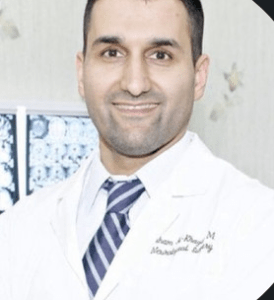
His early career involved structured neurosurgical training across clinical environments where he was exposed to both elective and emergency neurological cases. During this period, he developed a refined surgical approach emphasizing precision, patient safety, and systematic planning. His breakthrough came through his involvement in complex cranial and spinal surgeries requiring advanced surgical coordination and critical decision-making.
Dr. Al-Khayat’s legacy is closely tied to strengthening private-sector neurosurgical care in Kuwait, particularly in improving surgical outcomes and enhancing patient recovery systems. His influence extends into clinical development and the refinement of neurosurgical practices within private healthcare institutions.
Key Facts
- Full name of the subject: Dr. Hisham Al-Khayat
- Date of birth: Not publicly disclosed
- Place of birth: Kuwait
- Family background: Not publicly documented
- Early childhood experiences: Strong academic upbringing with emphasis on science and analytical reasoning
- Education history: Medical degree and neurosurgical specialization (institution not publicly specified)
- Influences and mentors: Senior neurosurgical consultants in Kuwait and abroad
- Career beginnings: Neurosurgical residency and early hospital-based clinical practice
- Major achievements: Contributions to cranial and spinal neurosurgical care
- Challenges and obstacles faced: Managing complex neurosurgical and emergency cases
- Turning points in life: Appointment to Dar Al Shifa Hospital neurosurgical department
- Contributions to society: Improved private neurosurgical care delivery systems
- Personal life (marriage, children, relationships): Not publicly disclosed
- Awards and recognitions: Clinical excellence acknowledgements within hospital systems
- Beliefs, values, or philosophy: Precision, discipline, and patient-centered surgical care
- Legacy and impact: Strengthening Kuwait’s private neurosurgical infrastructure
- Historical or cultural significance: Contributor to modernization of private neurosurgery in Kuwait
Notable Works: Cranial neurosurgery, spinal reconstruction, neurotrauma interventions
Controversies: There are no publicly documented controversies associated with Dr. Hisham Al-Khayat. His professional record remains within structured private healthcare systems, with no verified disputes or disciplinary actions reported.
NOTABLE MENTIONS:
Dr. Faisal Sayer (Dar Al Shifa Hospital, Hawally)
Dr. Shadi Al-Afif (Dar Al Shifa Hospital, Hawally)
Dr. Hasan Khaja (Jaber Al-Ahmad Hospital, South Surra)
Dr. Yousef Al-Ali (Jaber Al-Ahmad Hospital, South Surra)
Dr. Mohamed Al-Bahrani (Taiba Hospital, Sabah Al Salem)
Dr. Salman Al-Sabah (Wara Hospital, Sabah Al Salem)
Dr. Jassem Al-Hashel (Ibn Sina Hospital, Kuwait City)
Dr. Amr El-Fatatry (Al Salam International Hospital, Bneid Al Gar)
Dr. Tarek Al-Sheikh (Adan Hospital, Hadiya)
Dr. Ahmad Al-Kandari (New Mowasat Hospital, Salmiya)