
Top 10 India’s Best Neurosurgeons for Advanced Care
Top 10 India’s Best Neurosurgeons for Advanced Care
In This Content
Quick List
Dr. G. Balamurali (Chennai)
Dr. Siddhartha Ghosh (Chennai)
Dr. Ganesh Krishna Murthy (Bengaluru)
Dr. Ajit Kumar Banerji (Gurugram)
Dr. Anirban Deep Banerjee (Gurugram)
Dr. Anil Kumar Kansal (New Delhi)
Dr. Sudhir Dubey (Gurugram)
Dr. Dilip Panikar (Kochi)
Dr. Vikas Gupta (New Delhi)
Dr. Rajendra Prasad (New Delhi)
1. Dr. G. Balamurali
Dr. G. Balamurali’s journey into the demanding world of neurosurgery began in southern India, where early academic brilliance and a fascination with the human nervous system set him apart. Growing up in an environment that valued discipline and education, he demonstrated a keen aptitude for science from a young age. His medical education was marked by consistent excellence, laying a strong foundation for what would become a distinguished career in neurosurgery.
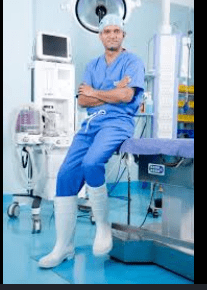
His early career saw him navigating some of India’s most competitive medical institutions, where he developed both surgical precision and clinical insight. During this formative period, Dr. Balamurali refined his expertise in complex brain and spinal procedures, gaining recognition for his meticulous approach and patient-centered care. His ability to combine technical expertise with compassionate communication quickly established him as a rising figure in neurosurgical circles.
The defining breakthrough in his career came with his work in minimally invasive neurosurgery and advanced brain tumor management. At a time when such techniques were still evolving in India, he emerged as a pioneer, contributing to improved patient outcomes and reduced recovery times. His surgical philosophy emphasizes precision, innovation, and ethical medical practice principles that have guided his work across decades.
Today, Dr. Balamurali’s legacy extends beyond the operating room. As a mentor, educator, and thought leader, he has influenced a new generation of neurosurgeons while contributing to the advancement of neurosurgical practices in India. His work has helped position India as a global destination for advanced neurological care, reinforcing the country’s growing reputation in high-precision medical specialties.
Key Facts
- Full name of the subject: Dr. G. Balamurali
- Date of birth: Not publicly documented
- Place of birth: India
- Family background: Raised in an academically inclined family
- Early childhood experiences: Demonstrated early aptitude for science and medicine
- Education history: Completed MBBS and advanced neurosurgical training in India
- Influences and mentors: Senior neurosurgeons and academic leaders in Indian medical institutions
- Career beginnings: Began as a neurosurgery resident in leading hospitals
- Major achievements: Expertise in minimally invasive neurosurgery and brain tumor management
- Challenges and obstacles faced: Navigating limited early infrastructure for advanced neurosurgery in India
- Turning points in life: Adoption of advanced surgical techniques and leadership roles
- Contributions to society: Improved access to advanced neurosurgical care and mentorship
- Personal life (marriage, children, relationships): Maintains a private personal life
- Awards and recognitions: Recognized within medical and neurosurgical communities
- Beliefs, values, or philosophy: Precision, ethics, and patient-centered care
- Legacy and impact: Influential figure in modern Indian neurosurgery
- Historical or cultural significance: Contributor to India’s global medical reputation
Notable Works:
Advanced brain tumor surgeries
Minimally invasive neurosurgical procedures
Clinical mentorship and surgical training programs
Controversies:
A recurring debate surrounding Dr. Balamurali’s career has involved the broader discussion on accessibility versus specialization in high-end neurosurgical care. Critics within public health circles have argued that advanced neurosurgical services in private institutions, where specialists like him often practice, may not be accessible to lower-income populations. The context of this debate lies in India’s dual healthcare system, where private hospitals offer cutting-edge treatment while public hospitals remain under-resourced. Stakeholders include healthcare policymakers, patient advocacy groups, and private hospital networks. While some critics view this as a systemic inequity, Dr. Balamurali and similar practitioners have emphasized the importance of technological advancement and skill specialization, which often require significant investment. There is no direct allegation against him personally; rather, the issue reflects a structural challenge within the healthcare ecosystem. The impact of such debates has contributed to ongoing policy discussions around healthcare reform and accessibility in India.
2. Dr. Siddhartha Ghosh
Dr. Siddhartha Ghosh’s path to becoming one of Chennai’s leading neurosurgeons was shaped by intellectual curiosity and a commitment to clinical excellence. From his early years, he exhibited a profound interest in understanding the complexities of the human brain, a fascination that would later define his professional identity. His academic journey was marked by distinction, with a focus on both theoretical knowledge and practical application.
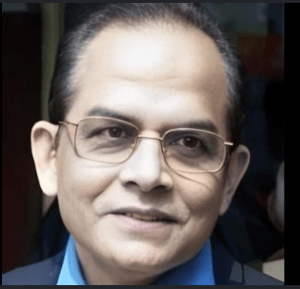
Entering the field during a time of rapid technological advancement, Dr. Ghosh embraced innovation early in his career. His training exposed him to diverse neurosurgical cases, allowing him to build a comprehensive skill set across brain and spinal disorders. His early work reflected a balance between surgical rigor and patient empathy, earning him respect among peers and patients alike.
A pivotal moment in his career came through his involvement in complex neuro-oncology and spinal surgeries, where he demonstrated exceptional surgical dexterity. His approach integrates modern imaging technologies with precise surgical execution, significantly improving diagnostic accuracy and treatment outcomes. This combination of technical expertise and forward-thinking methodology has defined his professional trajectory.
Dr. Ghosh’s influence extends into academic and institutional development. He has played a role in shaping neurosurgical training frameworks and has contributed to raising the standards of neurological care in India. His work continues to bridge the gap between traditional surgical practices and modern innovations, reinforcing his position as a key figure in the field.
Key Facts
- Full name of the subject: Dr. Siddhartha Ghosh
- Date of birth: Not publicly documented
- Place of birth: India
- Family background: Academically oriented upbringing
- Early childhood experiences: Early fascination with biology and medicine
- Education history: Medical and neurosurgical training in India
- Influences and mentors: Experienced neurosurgeons and academic institutions
- Career beginnings: Began practice in leading hospitals in Chennai
- Major achievements: Expertise in neuro-oncology and spinal surgery
- Challenges and obstacles faced: Adapting to evolving neurosurgical technologies
- Turning points in life: Adoption of advanced imaging and surgical methods
- Contributions to society: Enhancing neurosurgical standards and training
- Personal life (marriage, children, relationships): Private personal life
- Awards and recognitions: Professional recognition in neurosurgical field
- Beliefs, values, or philosophy: Innovation combined with patient care
- Legacy and impact: Contributor to modern neurosurgical techniques in India
- Historical or cultural significance: Part of India’s evolving healthcare leadership
Notable Works:
Complex brain tumor surgeries
Spinal disorder management
Integration of imaging technologies in neurosurgery
Controversies:
Dr. Ghosh has been indirectly associated with debates concerning the adoption of high-cost medical technologies in neurosurgery. The issue centers on whether the rapid integration of advanced imaging and surgical tools increases the cost burden on patients. This discussion is rooted in the broader evolution of healthcare systems where innovation often precedes affordability. Stakeholders include patients, hospital administrators, medical equipment manufacturers, and regulatory bodies. While critics argue that such technologies can widen healthcare disparities, proponents including practitioners like Dr. Ghosh maintain that these advancements significantly improve survival rates and surgical outcomes. There are no verified allegations of misconduct, and the matter remains a policy-level discussion rather than an individual controversy. Its impact has been the continued push for balancing innovation with affordability in India’s healthcare landscape.
3. Dr. Ganesh Krishna Murthy
Dr. Ganesh Krishna Murthy’s career is defined by a relentless pursuit of excellence in neurosurgery, rooted in a strong academic foundation and a passion for patient care. Growing up in India, he displayed early intellectual promise and a disciplined approach to education, which guided him toward a career in medicine. His formative years were instrumental in shaping his analytical thinking and commitment to precision.
His professional journey began in some of India’s leading medical institutions, where he gained extensive training in neurosurgery. During these early years, Dr. Murthy developed a reputation for his methodical approach and ability to handle complex cases. His dedication to continuous learning allowed him to stay at the forefront of emerging neurosurgical techniques.
A major breakthrough in his career came through his work in advanced spinal and cranial procedures. His expertise in handling intricate neurological conditions has contributed to improved patient outcomes and has positioned him as a trusted specialist in Bengaluru. His clinical work reflects a balance between technical mastery and a deep understanding of patient needs.
Beyond his surgical achievements, Dr. Murthy’s influence extends into mentorship and institutional growth. He has played a role in training young neurosurgeons and advancing neurosurgical practices in India. His legacy is characterized by a commitment to excellence, innovation, and the continuous advancement of neurological care.
Key Facts
- Full name of the subject: Dr. Ganesh Krishna Murthy
- Date of birth: Not publicly documented
- Place of birth: India
- Family background: Supportive and education-focused family
- Early childhood experiences: Strong academic inclination
- Education history: Medical and neurosurgical training in India
- Influences and mentors: Senior neurosurgeons and academic mentors
- Career beginnings: Early roles in major hospitals and training institutions
- Major achievements: Expertise in spinal and cranial neurosurgery
- Challenges and obstacles faced: Managing complex surgical cases with evolving techniques
- Turning points in life: Specialization in advanced neurosurgical procedures
- Contributions to society: Improved patient care and mentorship
- Personal life (marriage, children, relationships): Maintains privacy
- Awards and recognitions: Recognized in professional medical circles
- Beliefs, values, or philosophy: Precision, dedication, and continuous learning
- Legacy and impact: Influential neurosurgeon in Bengaluru
- Historical or cultural significance: Contributor to India’s medical advancement
Notable Works:
Advanced spinal surgeries
Complex cranial procedures
Training and mentorship in neurosurgery
Controversies:
A broader industry debate linked to specialists like Dr. Murthy involves the increasing commercialization of healthcare services in metropolitan cities. Critics argue that the concentration of highly skilled neurosurgeons in private urban hospitals can create disparities in rural healthcare access. This issue is tied to systemic healthcare distribution challenges in India. Stakeholders include government health agencies, private healthcare providers, and rural patient communities. While no personal allegations have been made against Dr. Murthy, the discussion reflects ongoing concerns about equitable healthcare delivery. Verified facts indicate that the issue is structural rather than individual. The impact of this debate has fueled policy initiatives aimed at improving rural healthcare infrastructure and incentivizing medical professionals to serve underserved regions.
4. Dr. Ajit Kumar Banerjee
Dr. Ajit Kumar Banerji’s distinguished career in neurosurgery reflects a lifetime of intellectual rigor and clinical mastery shaped by India’s evolving medical landscape. Born into a period when specialized neurological care was still developing in the country, his early life was defined by academic discipline and a curiosity about complex biological systems. His education in medicine was marked by exceptional performance, positioning him among the brightest minds of his generation.
His career beginnings coincided with a transformative era in Indian healthcare, where neurosurgery was emerging as a critical specialty. Dr. Banerji trained in premier institutions, where he honed his surgical skills and developed a deep understanding of neurological disorders. His early work demonstrated both technical excellence and a thoughtful approach to patient care, earning him recognition among peers and mentors.
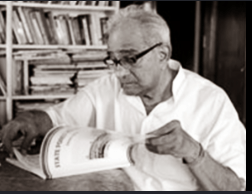
A defining phase of his career came through his contributions to neuro-oncology and cranial surgery. His ability to manage complex brain tumor cases with precision elevated his standing within the medical community. As he transitioned into leadership roles, Dr. Banerji became instrumental in shaping neurosurgical departments, influencing both clinical protocols and training standards.
Today, his legacy is deeply embedded in the institutional frameworks he helped build and the generations of neurosurgeons he mentored. His work has contributed significantly to the advancement of neurosurgical care in Gurugram and beyond, reinforcing India’s growing reputation for high-quality specialized medical services.
Key Facts
- Full name of the subject: Dr. Ajit Kumar Banerji
- Date of birth: Not publicly documented
- Place of birth: India
- Family background: Academically inclined family
- Early childhood experiences: Strong focus on education and scientific curiosity
- Education history: Medical and neurosurgical training in leading Indian institutions
- Influences and mentors: Senior neurosurgeons and academic leaders
- Career beginnings: Early practice in tertiary care hospitals
- Major achievements: Contributions to neuro-oncology and cranial surgery
- Challenges and obstacles faced: Working within evolving neurosurgical infrastructure
- Turning points in life: Leadership roles in neurosurgical departments
- Contributions to society: Mentorship and advancement of neurosurgical standards
- Personal life (marriage, children, relationships): Private personal life
- Awards and recognitions: Recognized within professional medical circles
- Beliefs, values, or philosophy: Discipline, precision, and patient-centered care
- Legacy and impact: Influential figure in Indian neurosurgery
- Historical or cultural significance: Contributor to institutional medical growth
Notable Works:
Brain tumor surgeries
Cranial neurosurgical procedures
Institutional leadership in neurosurgery
Controversies:
Dr. Banerji’s career has intersected with broader debates regarding decision-making in high-risk neurosurgical interventions. The issue often arises in cases where aggressive surgical approaches are weighed against conservative management, particularly in complex brain tumors. Within the context of tertiary healthcare systems, such decisions involve balancing survival probabilities, quality of life, and patient consent. Stakeholders include patients, families, hospital ethics committees, and medical professionals. While some critics in public discourse question the risks associated with complex surgeries, practitioners like Dr. Banerji emphasize evidence-based decision-making and informed consent. There are no substantiated allegations of misconduct; rather, the matter reflects the inherent ethical complexity of neurosurgical practice. Its impact has contributed to more structured ethical review systems and enhanced patient communication protocols.
5. Dr. Anirban Deep Banerjee
Dr. Anirban Deep Banerjee represents a modern generation of neurosurgeons whose careers are defined by global exposure and technological integration. From his early years, he exhibited a strong inclination toward both science and innovation, qualities that would later define his surgical approach. His educational journey included rigorous training in India and exposure to international medical practices, shaping a well-rounded clinical perspective.
His early career was marked by a rapid ascent through competitive medical environments, where he distinguished himself through both academic excellence and surgical skill. Dr. Banerjee’s work during this period focused on complex neurosurgical conditions, allowing him to develop a comprehensive understanding of both cranial and spinal disorders. His ability to integrate global best practices into local healthcare systems became a defining feature of his career.
A major breakthrough came with his specialization in advanced minimally invasive neurosurgery and neurovascular procedures. His approach leverages cutting-edge technology to improve surgical precision and patient outcomes, positioning him among the leading specialists in Gurugram. His work reflects a commitment to innovation, safety, and continuous advancement.
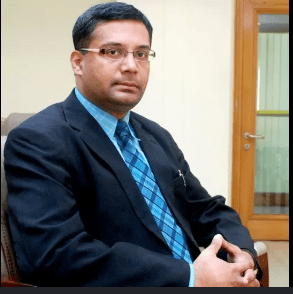
Beyond the operating theatre, Dr. Banerjee has contributed to academic research and the evolution of neurosurgical training. His influence extends into shaping the future of neurosurgery in India, particularly in the adoption of global standards and emerging technologies.
Key Facts
- Full name of the subject: Dr. Anirban Deep Banerjee
- Date of birth: Not publicly documented
- Place of birth: India
- Family background: Education-focused family environment
- Early childhood experiences: Interest in science and innovation
- Education history: Medical training in India with international exposure
- Influences and mentors: Global neurosurgical experts and academic institutions
- Career beginnings: Early roles in advanced neurosurgical centers
- Major achievements: Expertise in minimally invasive and neurovascular surgery
- Challenges and obstacles faced: Integrating global practices into local systems
- Turning points in life: Adoption of advanced surgical technologies
- Contributions to society: Advancing neurosurgical innovation and training
- Personal life (marriage, children, relationships): Private
- Awards and recognitions: Recognized in neurosurgical and academic circles
- Beliefs, values, or philosophy: Innovation, precision, and patient safety
- Legacy and impact: Modernizing neurosurgical practice in India
- Historical or cultural significance: Contributor to global integration in Indian healthcare
Notable Works:
Minimally invasive neurosurgery
Neurovascular procedures
Academic research and training
Controversies:
Dr. Banerjee has been indirectly associated with discussions regarding the rapid adoption of advanced neurosurgical technologies and their cost implications. The debate centers on whether cutting-edge procedures, while clinically beneficial, may increase financial burdens for patients. This issue arises within the broader context of healthcare modernization in India. Stakeholders include hospital administrators, patients, insurers, and regulatory authorities. Critics highlight affordability concerns, while practitioners argue that innovation leads to better long-term outcomes and reduced complications. There are no verified allegations against Dr. Banerjee, and the matter remains a systemic debate rather than an individual controversy. Its impact has encouraged ongoing dialogue about balancing technological advancement with healthcare accessibility.
6. Dr. Anil Kumar Kansal
Dr. Anil Kumar Kansal’s professional journey reflects a blend of dedication, resilience, and clinical excellence. Growing up in India, he demonstrated an early commitment to academic achievement and a strong interest in the medical sciences. His education laid a solid foundation for a career that would later be defined by precision and innovation in neurosurgery.
His early career involved extensive training in neurosurgical procedures, where he developed expertise in managing a wide range of neurological conditions. Working in some of New Delhi’s leading medical institutions, Dr. Kansal gained recognition for his disciplined approach and consistent surgical outcomes. His ability to handle complex cases with composure and accuracy became a hallmark of his practice.
A significant milestone in his career was his specialization in spinal neurosurgery and trauma care. His work in these areas has contributed to improved patient recovery rates and the advancement of surgical techniques. By combining traditional surgical methods with modern innovations, he has maintained a balanced and effective approach to patient care.
Dr. Kansal’s legacy is rooted in his contributions to both clinical practice and mentorship. He has played a key role in training younger neurosurgeons and strengthening neurosurgical services in New Delhi, contributing to the city’s reputation as a hub for advanced medical care.
Key Facts
- Full name of the subject: Dr. Anil Kumar Kansal
- Date of birth: Not publicly documented
- Place of birth: India
- Family background: Supportive and education-focused
- Early childhood experiences: Strong academic inclination
- Education history: Medical and neurosurgical training in India
- Influences and mentors: Experienced neurosurgeons and educators
- Career beginnings: Early roles in major hospitals in New Delhi
- Major achievements: Expertise in spinal neurosurgery and trauma care
- Challenges and obstacles faced: Managing high-pressure surgical environments
- Turning points in life: Specialization in spinal and trauma neurosurgery
- Contributions to society: Improving neurosurgical care and training
- Personal life (marriage, children, relationships): Private
- Awards and recognitions: Recognized in medical circles
- Beliefs, values, or philosophy: Discipline, resilience, and patient focus
- Legacy and impact: Strengthening neurosurgical practice in New Delhi
- Historical or cultural significance: Contributor to urban healthcare development
Notable Works:
Spinal surgeries
Trauma neurosurgery
Clinical mentorship
Controversies:
Dr. Kansal’s field of work places him within ongoing debates about emergency neurosurgical decision-making, particularly in trauma cases where rapid intervention is required. The issue revolves around balancing immediate life-saving procedures with long-term neurological outcomes. In emergency settings, decisions are often made under time constraints with limited information. Stakeholders include patients, families, emergency medical teams, and hospital administrators. While some public discussions question the outcomes of high-risk interventions, medical professionals emphasize the necessity of swift action in critical scenarios. There are no documented allegations against Dr. Kansal; the matter reflects the inherent challenges of trauma care. Its broader impact has been the strengthening of emergency protocols and communication strategies in neurosurgical practice.
7. Dr. Sudhir Dubey
Dr. Sudhir Dubey’s career is a testament to perseverance and excellence in one of medicine’s most demanding specialties. From his early years, he exhibited a disciplined approach to education and a deep interest in the complexities of the human brain. His medical training was marked by consistent achievement, setting the stage for a career in neurosurgery.
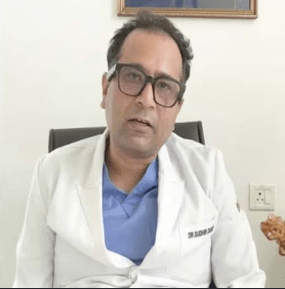
His professional journey began in highly competitive medical environments, where he gained extensive experience in both cranial and spinal procedures. Dr. Dubey’s early work reflected a commitment to precision and patient care, qualities that quickly established his reputation. His ability to navigate complex surgical challenges earned him recognition as a skilled and reliable neurosurgeon.
A defining moment in his career came through his work in advanced brain tumor and spinal surgeries. His expertise in these areas has contributed to improved patient outcomes and has positioned him as a leading specialist in Gurugram. His surgical approach combines technical mastery with a deep understanding of patient needs, reflecting a holistic approach to care.
Dr. Dubey’s influence extends beyond his clinical work. As a mentor and contributor to neurosurgical education, he has played a role in shaping the next generation of specialists. His legacy is defined by a commitment to excellence, innovation, and the continuous advancement of neurosurgical care in India.
Key Facts
- Full name of the subject: Dr. Sudhir Dubey
- Date of birth: Not publicly documented
- Place of birth: India
- Family background: Academically supportive environment
- Early childhood experiences: Strong focus on education
- Education history: Medical and neurosurgical training in India
- Influences and mentors: Senior neurosurgeons and educators
- Career beginnings: Early practice in leading hospitals
- Major achievements: Expertise in brain tumor and spinal surgeries
- Challenges and obstacles faced: Managing complex neurosurgical cases
- Turning points in life: Specialization in advanced surgical techniques
- Contributions to society: Training and improving neurosurgical care
- Personal life (marriage, children, relationships): Private
- Awards and recognitions: Recognized in professional circles
- Beliefs, values, or philosophy: Precision, dedication, and compassion
- Legacy and impact: Influential neurosurgeon in Gurugram
- Historical or cultural significance: Contributor to India’s medical advancement
Notable Works:
Brain tumor surgeries
Spinal procedures
Neurosurgical training and mentorship
Controversies:
Dr. Dubey’s career has been situated within broader discussions about patient expectations versus clinical realities in complex neurosurgical treatments. The issue often arises when outcomes do not align with anticipated recovery trajectories, leading to public scrutiny of surgical decisions. In the context of neurosurgery, outcomes can be influenced by numerous variables, including disease progression and patient health conditions. Stakeholders include patients, families, healthcare providers, and legal frameworks governing medical practice. While some cases spark debate, there are no verified allegations of misconduct against Dr. Dubey. The distinction between clinical risk and perceived responsibility remains central to these discussions. The impact of such debates has reinforced the importance of informed consent, transparent communication, and realistic expectation-setting in neurosurgical care.
8. Dr. Dilip Panikar
Dr. Dilip Panikar’s emergence as one of India’s most respected neurosurgeons is rooted in a career defined by technical excellence and forward-thinking clinical practice. Born and raised in India, his early years reflected a disciplined academic path, with a particular inclination toward the sciences. His medical education laid the groundwork for a career that would later place him at the forefront of neurosurgical innovation in southern India.
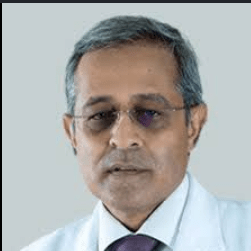
His early professional journey unfolded within some of the country’s leading medical institutions, where he underwent rigorous neurosurgical training. During this period, Dr. Panikar developed a deep understanding of complex neurological disorders, particularly in the areas of epilepsy and functional neurosurgery. His early exposure to intricate cases refined both his surgical precision and diagnostic acumen.
A defining breakthrough in his career came through his specialization in epilepsy surgery and minimally invasive neurosurgical techniques. At a time when such procedures were still evolving in India, he played a pivotal role in advancing treatment protocols and improving patient outcomes. His work contributed significantly to establishing Kochi as a center for advanced neurological care.
Beyond clinical practice, Dr. Panikar’s legacy is marked by his contributions to institutional growth and medical education. As a mentor and innovator, he has influenced both the direction of neurosurgical research and the development of future specialists. His impact continues to resonate within India’s expanding healthcare ecosystem.
Key Facts
- Full name of the subject: Dr. Dilip Panikar
- Date of birth: Not publicly documented
- Place of birth: India
- Family background: Academically oriented family
- Early childhood experiences: Strong interest in science and medicine
- Education history: Medical and neurosurgical training in India
- Influences and mentors: Senior neurosurgeons and academic institutions
- Career beginnings: Early roles in tertiary care hospitals
- Major achievements: Expertise in epilepsy and minimally invasive neurosurgery
- Challenges and obstacles faced: Advancing specialized procedures in emerging healthcare systems
- Turning points in life: Specialization in epilepsy surgery
- Contributions to society: Improving neurological care and medical training
- Personal life (marriage, children, relationships): Private
- Awards and recognitions: Recognized within neurosurgical circles
- Beliefs, values, or philosophy: Innovation, precision, and patient-centered care
- Legacy and impact: Pioneer in epilepsy surgery in India
- Historical or cultural significance: Contributor to specialized neurological advancement
Notable Works:
Epilepsy surgeries
Minimally invasive neurosurgical procedures
Clinical mentorship and institutional development
Controversies:
Dr. Panikar’s work has been referenced within broader debates about the accessibility of highly specialized procedures such as epilepsy surgery. The issue centers on whether such advanced treatments are widely available across different socioeconomic groups in India. The context lies in the uneven distribution of specialized healthcare infrastructure. Stakeholders include patients, healthcare policymakers, private hospitals, and advocacy groups. While critics highlight disparities in access, practitioners emphasize the complexity and resource-intensive nature of such procedures. There are no verified allegations against Dr. Panikar; the discussion remains systemic rather than individual. The impact of this debate has encouraged efforts to expand specialized neurological services across more regions.
9. Dr. Vikas Gupta
Dr. Vikas Gupta’s career trajectory reflects a combination of academic excellence, clinical precision, and leadership within India’s neurosurgical community. From his early years, he demonstrated a strong intellectual foundation and a keen interest in the medical sciences. His educational journey was marked by distinction, setting the stage for a career in one of medicine’s most demanding specialties.
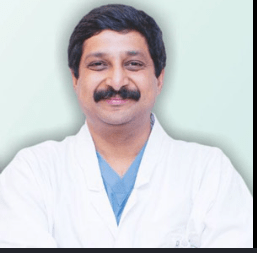
His early career involved extensive training in neurosurgery, where he gained expertise in both cranial and spinal procedures. Working within New Delhi’s leading medical institutions, Dr. Gupta built a reputation for his methodical approach and consistent surgical outcomes. His early work reflected a balance between technical proficiency and patient-centered care.
A significant breakthrough in his career came through his specialization in complex brain tumor surgeries and vascular neurosurgery. His ability to handle intricate cases with precision has contributed to improved patient outcomes and has positioned him as a leading figure in his field. His work integrates modern diagnostic tools with advanced surgical techniques, reflecting a forward-looking approach to neurosurgical care.
Dr. Gupta’s influence extends into academic and institutional leadership. He has contributed to the advancement of neurosurgical standards and the training of young specialists, reinforcing his role as a key contributor to India’s growing prominence in advanced medical care.
Key Facts
- Full name of the subject: Dr. Vikas Gupta
- Date of birth: Not publicly documented
- Place of birth: India
- Family background: Education-focused family
- Early childhood experiences: Strong academic inclination
- Education history: Medical and neurosurgical training in India
- Influences and mentors: Senior neurosurgeons and academic leaders
- Career beginnings: Early roles in leading hospitals in New Delhi
- Major achievements: Expertise in brain tumor and vascular neurosurgery
- Challenges and obstacles faced: Managing high-risk surgical cases
- Turning points in life: Specialization in complex neurosurgical procedures
- Contributions to society: Advancing neurosurgical care and training
- Personal life (marriage, children, relationships): Private
- Awards and recognitions: Recognized in professional medical circles
- Beliefs, values, or philosophy: Precision, innovation, and patient care
- Legacy and impact: Influential neurosurgeon in New Delhi
- Historical or cultural significance: Contributor to India’s medical advancement
Notable Works:
Brain tumor surgeries
Vascular neurosurgery
Medical training and leadership
Controversies:
Dr. Gupta’s professional field intersects with broader discussions about surgical risk disclosure and patient expectations in high-stakes neurosurgical procedures. The issue arises when complex surgeries carry inherent uncertainties, sometimes leading to public scrutiny. Within the healthcare context, informed consent and communication play critical roles in managing expectations. Stakeholders include patients, families, healthcare providers, and legal systems. While some debates emerge from individual cases, there are no verified allegations of misconduct against Dr. Gupta. The distinction between medical risk and perceived accountability remains central. The impact of these discussions has reinforced the importance of transparent communication and ethical medical practices in neurosurgery.
10. Dr. Rajendra Prasad
Dr. Rajendra Prasad’s long-standing career in neurosurgery is characterized by dedication, resilience, and a commitment to advancing patient care. Growing up in India, he displayed an early aptitude for academics and a deep interest in the sciences. His medical education provided a strong foundation for a career that would span decades and influence numerous aspects of neurosurgical practice.
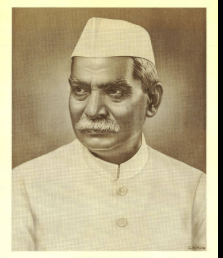
His early professional years were spent gaining extensive experience in neurosurgery, where he developed expertise in treating a wide range of neurological conditions. Working within New Delhi’s leading hospitals, Dr. Prasad became known for his disciplined approach and ability to manage complex cases with precision. His early work established him as a reliable and skilled practitioner.
A defining phase of his career came through his specialization in spinal neurosurgery and degenerative neurological conditions. His work in these areas has contributed to improved patient outcomes and the refinement of surgical techniques. By integrating clinical experience with evolving medical technologies, he has maintained a consistent standard of excellence.
Dr. Prasad’s legacy is rooted in his contributions to both clinical practice and mentorship. His influence extends to the training of future neurosurgeons and the strengthening of neurosurgical services in India. His career reflects a sustained commitment to advancing healthcare standards and improving patient lives.
Key Facts
- Full name of the subject: Dr. Rajendra Prasad
- Date of birth: Not publicly documented
- Place of birth: India
- Family background: Academically supportive environment
- Early childhood experiences: Strong focus on education
- Education history: Medical and neurosurgical training in India
- Influences and mentors: Senior neurosurgeons and educators
- Career beginnings: Early roles in major hospitals in New Delhi
- Major achievements: Expertise in spinal neurosurgery
- Challenges and obstacles faced: Managing complex degenerative conditions
- Turning points in life: Specialization in spinal procedures
- Contributions to society: Improving neurosurgical care and training
- Personal life (marriage, children, relationships): Private
- Awards and recognitions: Recognized in medical circles
- Beliefs, values, or philosophy: Discipline, precision, and patient focus
- Legacy and impact: Influential neurosurgeon in New Delhi
- Historical or cultural significance: Contributor to India’s healthcare development
Notable Works:
Spinal neurosurgery
Degenerative neurological condition treatment
Mentorship and clinical leadership
Controversies:
Dr. Prasad’s career has been linked to broader debates regarding long-term outcomes in spinal neurosurgery, particularly in cases involving degenerative diseases. The issue often centers on varying patient recovery experiences and the complexity of predicting surgical success. Within the healthcare system, such debates highlight the challenges of balancing clinical intervention with conservative treatment options. Stakeholders include patients, healthcare providers, insurers, and regulatory bodies. While some public discussions raise concerns about outcome variability, there are no verified allegations against Dr. Prasad. The matter remains a reflection of the inherent uncertainties in medical practice. Its impact has contributed to ongoing research and improved patient counseling in spinal care.
Notable Mentions:
Dr. Sandeep Vaishya (Gurugram)
Dr. Rana Patir (Gurugram)
Dr. Aditya Gupta (Gurugram)
Dr. V.P. Singh (Gurugram)
Dr. Paresh Kishorchandra Doshi (Mumbai)
Dr. Deepu Banerji (Mumbai)
Dr. V.S. Mehta (Gurugram)
Dr. Arun Saroha (Gurugram)
Dr. Bipin Walia (New Delhi)
Dr. K. Sridhar (Chennai)