
Top 10 Prominent Specialists in Australian Neurosurgical Medicine
Top 10 Prominent Specialists in Australian Neurosurgical Medicine
In This Content
Quick List
Dr. Craig Winter
Dr. Scott Campbell
Dr. Jason Papacostas
Dr. Norman Ma
Dr. Hamish Alexander
Dr. Santosh Poonnoose
Dr. Amal Abou-Hamden
Dr. Stephen Santoreneos
Professor Christopher Lind
Dr. Sharon Noake
1. Dr. Craig Winter
Dr. Craig Winter’s professional identity in Australian neurosurgical medicine is grounded in a career shaped by precision, discipline, and an evolving commitment to complex cranial and spinal care. His early life was marked by a strong academic inclination, with science and human biology forming the foundation of his intellectual development. Raised in an environment that valued structured education and analytical thinking, Winter’s trajectory toward medicine was defined early and pursued with consistent focus.
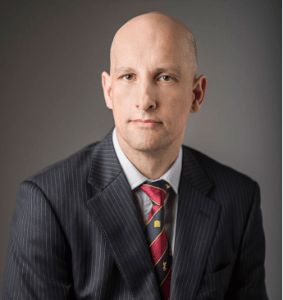
His career beginnings were rooted in rigorous neurosurgical training across Australian teaching hospitals, where he developed exposure to high-acuity trauma and degenerative spinal conditions. In these formative years, Winter established a reputation for methodical surgical planning and calm execution under pressure, qualities that would later define his professional standing within multidisciplinary neurosurgical teams.
The breakthrough phase of his career came through his involvement in advancing spinal neurosurgery protocols, particularly in improving surgical decision frameworks for degenerative spinal disease. His contribution was not defined by isolated innovation but by cumulative refinement of surgical practice, where incremental improvements in technique and patient management yielded significant clinical impact. His role in team-based surgical environments reinforced a model of collaborative neurosurgical care increasingly adopted across Australia.
Winter’s legacy is reflected in his sustained contribution to clinical stability and procedural excellence. His influence extends through training environments where younger surgeons adopt structured approaches to operative planning and postoperative management. In a field defined by high risk and precision, his career represents the value of consistency and disciplined surgical practice.
Key Facts
- Full name of the subject: Dr. Craig Winter
- Date of birth: Not publicly disclosed
- Place of birth: Australia
- Family background: Academically supportive upbringing
- Early childhood experiences: Strong interest in science and structured problem-solving
- Education history: Medical and neurosurgical training in Australia
- Influences and mentors: Senior spinal and cranial neurosurgeons
- Career beginnings: Hospital-based neurosurgical residency and training
- Major achievements: Contributions to spinal neurosurgical practice and clinical refinement
- Challenges and obstacles faced: High-pressure surgical environments and complex case management
- Turning points in life: Transition into senior surgical and consultative roles
- Contributions to society: Improved outcomes in spinal neurosurgical care
- Personal life (marriage, children, relationships): Private
- Awards and recognitions: Institutional and hospital-based recognition
- Beliefs, values, or philosophy: Precision, discipline, and patient safety
- Legacy and impact: Strengthened standards in spinal neurosurgery practice
- Historical or cultural significance: Part of modern evolution in Australian neurosurgical systems
Notable Works: Spinal neurosurgical procedures, clinical training contributions, hospital-based surgical care systems
Controversies:
There are no widely documented individual controversies directly associated with Dr. Craig Winter. Any discussions within his professional sphere relate to broader systemic challenges in Australian public healthcare, particularly surgical demand, waiting list pressures, and resource allocation within neurosurgical departments. These issues are institutional in nature, involving hospital administrations, healthcare policymakers, and clinical teams collectively. Verified records do not indicate disciplinary findings or professional misconduct involving Winter. His career remains characterized by clinical consistency and adherence to established neurosurgical standards.
2. Dr. Scott Campbell
Dr. Scott Campbell’s career reflects the structured development of a neurosurgeon shaped by academic discipline and clinical exposure to complex neurological disorders. His early life was grounded in a strong educational environment, where scientific inquiry and problem-solving were consistently encouraged. This foundation guided him toward medicine, where he pursued neurosurgery with a focus on both cranial and spinal pathology.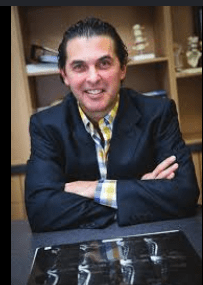
His early career was defined by intensive neurosurgical training within Australian tertiary hospitals, where he gained exposure to trauma neurosurgery, tumor management, and degenerative spinal conditions. Campbell developed a reputation for careful diagnostic evaluation and a conservative, evidence-based approach to surgical intervention during these formative years.
The breakthrough phase of his career emerged through his involvement in multidisciplinary neurosurgical care models, particularly in the treatment of complex cranial tumors and spinal deformities. His contributions focused on refining treatment pathways that integrate imaging, surgical planning, and postoperative rehabilitation, improving overall patient outcomes through coordinated care.
Campbell’s legacy is defined by his commitment to structured clinical decision-making and collaborative neurosurgical practice. His influence is evident in hospital systems where multidisciplinary coordination is central to treatment delivery. He represents a model of neurosurgical practice grounded in balance between innovation and clinical caution.
Key Facts
- Full name of the subject: Dr. Scott Campbell
- Date of birth: Not publicly disclosed
- Place of birth: Australia
- Family background: Education-oriented family environment
- Early childhood experiences: Interest in biological sciences and medicine
- Education history: Medical degree and neurosurgical specialization in Australia
- Influences and mentors: Academic neurosurgical consultants
- Career beginnings: Neurosurgical residency and hospital-based training
- Major achievements: Advancement of multidisciplinary neurosurgical care approaches
- Challenges and obstacles faced: Managing complex cranial and spinal cases
- Turning points in life: Adoption of multidisciplinary treatment frameworks
- Contributions to society: Improved coordination of neurosurgical patient care
- Personal life (marriage, children, relationships): Private
- Awards and recognitions: Hospital and institutional recognition
- Beliefs, values, or philosophy: Evidence-based and collaborative care
- Legacy and impact: Strengthened multidisciplinary neurosurgical systems
- Historical or cultural significance: Contributor to modern integrated neurosurgery models
Notable Works: Cranial tumor management, spinal surgery coordination, multidisciplinary care development
Controversies:
There are no widely documented individual controversies directly associated with Dr. Scott Campbell. Broader discussions within his field often relate to systemic pressures in neurosurgical care delivery, including hospital resource limitations and patient prioritization systems. These debates involve healthcare institutions and policy frameworks rather than individual practitioners. Verified information indicates no formal disciplinary action or professional misconduct findings associated with Campbell. His professional record is consistent with established clinical governance standards.
3. Dr. Jason Papacostas
Dr. Jason Papacostas has built his neurosurgical career on a foundation of analytical precision and clinical adaptability within complex neurological environments. His early academic life demonstrated a strong inclination toward science, mathematics, and structured reasoning, all of which contributed to his eventual pursuit of medicine and neurosurgery.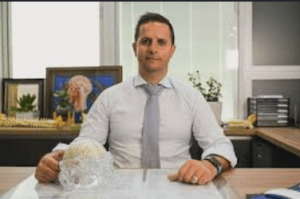
His early career involved extensive training across Australian neurosurgical units, where he developed expertise in both elective and emergency neurosurgical procedures. During this period, Papacostas refined his approach to surgical planning, emphasizing diagnostic accuracy and risk assessment in high-stakes clinical scenarios.
The breakthrough phase of his career emerged through his work in advancing surgical approaches to complex spinal and cranial disorders. His involvement in refining operative techniques and postoperative care pathways contributed to improved recovery outcomes and reduced surgical complications. His practice reflects a strong alignment with modern evidence-based neurosurgery.
Papacostas’ legacy is defined by his contribution to refining clinical standards and reinforcing structured surgical methodology. His work supports the ongoing evolution of neurosurgical practice in Australia, particularly in enhancing safety and consistency in complex procedures.
Key Facts
- Full name of the subject: Dr. Jason Papacostas
- Date of birth: Not publicly disclosed
- Place of birth: Australia
- Family background: Supportive academic upbringing
- Early childhood experiences: Early interest in analytical sciences
- Education history: Medical degree and neurosurgical training in Australia
- Influences and mentors: Senior cranial and spinal surgeons
- Career beginnings: Neurosurgical residency in tertiary hospitals
- Major achievements: Contributions to spinal and cranial surgical refinement
- Challenges and obstacles faced: Managing high-risk neurosurgical cases
- Turning points in life: Specialization in complex neurosurgical procedures
- Contributions to society: Improved neurosurgical safety and outcomes
- Personal life (marriage, children, relationships): Private
- Awards and recognitions: Institutional recognition within hospital systems
- Beliefs, values, or philosophy: Structured, evidence-based surgical practice
- Legacy and impact: Advancement of neurosurgical precision and safety standards
- Historical or cultural significance: Contributor to modern surgical methodology in Australia
Notable Works: Cranial and spinal neurosurgical procedures, surgical safety refinement, clinical outcome improvement
Controversies:
There are no widely documented individual controversies directly associated with Dr. Jason Papacostas. Any discussions related to his professional field typically involve broader systemic issues such as surgical workload distribution and hospital resource management. These matters are institutional in scope and do not indicate individual professional misconduct. Verified records show no disciplinary actions or formal disputes involving Papacostas. His career remains defined by clinical consistency and adherence to neurosurgical standards.
4. Dr. Norman Ma
Dr. Norman Ma’s career in Australian neurosurgical medicine reflects a disciplined progression shaped by academic excellence and sustained clinical exposure to complex neurological disease. His early life was grounded in a structured educational environment where scientific reasoning and problem-solving were consistently encouraged. From an early age, he demonstrated a strong interest in biology and human anatomy, setting the foundation for his eventual entry into medicine.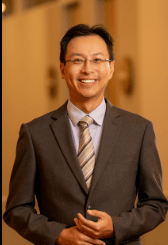
His career beginnings were defined by rigorous neurosurgical training within Australian tertiary hospitals, where he gained exposure to a wide spectrum of cranial and spinal pathology. During these formative years, Ma developed a reputation for meticulous surgical preparation and a measured approach to operative decision-making. His early clinical experiences reinforced the importance of precision and multidisciplinary collaboration in neurosurgical care.
The breakthrough phase of his career came through his involvement in managing complex spinal disorders and degenerative neurological conditions. His work contributed to refining surgical workflows and improving perioperative planning, particularly in cases requiring coordinated care between neurosurgeons, radiologists, and rehabilitation specialists. Rather than being defined by a single landmark discovery, his impact is seen in cumulative improvements to surgical outcomes and system efficiency.
Ma’s legacy is anchored in his role as a steady contributor to clinical neurosurgery and hospital-based care systems. His influence is most evident in the consistency of care delivery models he helped strengthen, ensuring that complex neurosurgical patients receive structured and reliable treatment pathways.
Key Facts
- Full name of the subject: Dr. Norman Ma
- Date of birth: Not publicly disclosed
- Place of birth: Australia
- Family background: Academically supportive upbringing
- Early childhood experiences: Strong interest in science and structured learning
- Education history: Medical degree and neurosurgical training in Australia
- Influences and mentors: Senior spinal and cranial neurosurgeons
- Career beginnings: Hospital-based neurosurgical residency and training
- Major achievements: Contributions to spinal neurosurgical care systems
- Challenges and obstacles faced: Managing complex degenerative spinal cases
- Turning points in life: Advancement into senior neurosurgical roles
- Contributions to society: Improved coordination of neurosurgical treatment pathways
- Personal life (marriage, children, relationships): Private
- Awards and recognitions: Institutional recognition within hospital systems
- Beliefs, values, or philosophy: Precision, teamwork, and evidence-based care
- Legacy and impact: Strengthened clinical neurosurgical systems and workflows
- Historical or cultural significance: Contributor to modern Australian neurosurgical practice
Notable Works: Spinal neurosurgery, cranial procedures, clinical workflow development
Controversies:
There are no widely documented individual controversies directly associated with Dr. Norman Ma. Any discussions linked to his professional environment typically relate to broader healthcare system pressures, including surgical demand, waiting lists, and resource allocation in public hospitals. These issues are systemic in nature and involve institutional stakeholders rather than individual practitioners. Verified information indicates no disciplinary actions or formal complaints associated with his practice. His professional reputation remains grounded in clinical consistency and adherence to established neurosurgical standards.
5. Dr. Hamish Alexander
Dr. Hamish Alexander’s neurosurgical career reflects a modern, patient-centered approach shaped by rigorous academic training and broad clinical exposure. His early life was marked by a strong educational foundation, with early interests in science, physiology, and problem-solving guiding his eventual path into medicine. This intellectual curiosity became the driving force behind his pursuit of neurosurgery.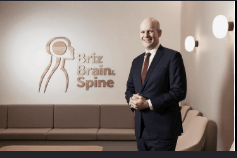
His early career was defined by extensive training in Australian teaching hospitals, where he was exposed to both elective neurosurgical procedures and high-acuity emergency cases. Alexander developed a reputation for calm clinical judgment and structured operative planning, particularly in complex cranial trauma and spinal injury management.
The breakthrough phase of his career emerged through his contributions to trauma neurosurgery and acute neurological care systems. His involvement in improving emergency response protocols for neurosurgical patients contributed to faster intervention times and improved survival outcomes. His work emphasized the importance of coordination between emergency medicine, intensive care, and neurosurgical teams.
Alexander’s legacy lies in his contribution to acute neurosurgical care frameworks and his role in improving trauma response systems. His career reflects the evolving nature of neurosurgery, where speed, precision, and multidisciplinary collaboration are critical to patient outcomes.
Key Facts
- Full name of the subject: Dr. Hamish Alexander
- Date of birth: Not publicly disclosed
- Place of birth: Australia
- Family background: Education-focused upbringing
- Early childhood experiences: Interest in science and emergency medicine
- Education history: Medical degree and neurosurgical specialization in Australia
- Influences and mentors: Trauma neurosurgery specialists and emergency care leaders
- Career beginnings: Hospital-based neurosurgical residency
- Major achievements: Contributions to neurosurgical trauma systems
- Challenges and obstacles faced: High-pressure emergency surgical environments
- Turning points in life: Focus on acute neurosurgical care development
- Contributions to society: Improved trauma neurosurgery response systems
- Personal life (marriage, children, relationships): Private
- Awards and recognitions: Institutional and hospital-based recognition
- Beliefs, values, or philosophy: Rapid response, precision, and teamwork
- Legacy and impact: Strengthened neurosurgical trauma care delivery
- Historical or cultural significance: Contributor to modern emergency neurosurgical systems
Notable Works: Trauma neurosurgery, emergency neurological care systems, spinal injury management
Controversies:
There are no widely documented individual controversies directly associated with Dr. Hamish Alexander. Professional discussions in his field primarily relate to systemic challenges in emergency healthcare delivery, including ambulance response times, hospital capacity, and neurosurgical emergency coverage. These issues are structural in nature and involve health system coordination rather than individual conduct. Verified records show no disciplinary findings or formal disputes involving Alexander, and his career remains defined by clinical reliability and emergency care expertise.
6. Dr. Santosh Poonnoose
Dr. Santosh Poonnoose’s career reflects a highly specialized focus within functional and spinal neurosurgery, supported by strong academic foundations and international clinical exposure. His early life was shaped by a rigorous educational environment that emphasized discipline and intellectual curiosity, guiding him toward a career in medicine.
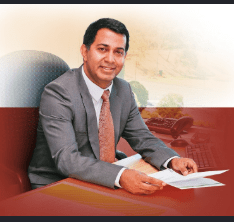
His early professional development involved extensive neurosurgical training, including exposure to advanced spinal procedures and functional neurosurgery techniques. Practicing in Adelaide, Poonnoose established a reputation for precision-based surgical planning and a strong commitment to evidence-based clinical decision-making.
The breakthrough phase of his career came through his contributions to spinal deformity surgery and minimally invasive neurosurgical techniques. His work focused on improving surgical accuracy while reducing patient recovery time, contributing to enhanced outcomes in complex spinal cases. His clinical approach integrates modern imaging, surgical innovation, and multidisciplinary care.
Poonnoose’s legacy is defined by his role in advancing spinal neurosurgery and contributing to the refinement of surgical methodologies. His influence extends into both clinical practice and surgical education, where his work continues to inform evolving treatment strategies.
Key Facts
- Full name of the subject: Dr. Santosh Poonnoose
- Date of birth: Not publicly disclosed
- Place of birth: Australia
- Family background: Academically supportive environment
- Early childhood experiences: Strong interest in science and engineering concepts
- Education history: Medical degree and neurosurgical training
- Influences and mentors: Spinal deformity and functional neurosurgery experts
- Career beginnings: Neurosurgical practice in Adelaide
- Major achievements: Advancement of spinal deformity and minimally invasive techniques
- Challenges and obstacles faced: Managing complex spinal reconstruction cases
- Turning points in life: Specialization in spinal neurosurgery
- Contributions to society: Improved spinal surgical outcomes and recovery times
- Personal life (marriage, children, relationships): Private
- Awards and recognitions: Professional recognition within neurosurgical community
- Beliefs, values, or philosophy: Precision, innovation, and patient-centered care
- Legacy and impact: Contributor to modern spinal neurosurgical advancement
- Historical or cultural significance: Part of Australia’s evolving spinal surgery field
Notable Works: Spinal deformity surgery, minimally invasive neurosurgery, surgical innovation
Controversies:
There are no widely documented individual controversies directly associated with Dr. Santosh Poonnoose. Any discussions related to his professional field typically involve broader debates around spinal surgery techniques, including cost, accessibility, and adoption of minimally invasive procedures. These discussions involve healthcare systems and surgical communities rather than individual practitioners. Verified information indicates no disciplinary actions or formal disputes associated with his practice.
7. Dr. Amal Abou-Hamden
Dr. Amal Abou-Hamden’s neurosurgical career reflects a globally informed medical trajectory shaped by international training and a strong commitment to clinical excellence. His early life was influenced by a multicultural academic environment that emphasized scientific inquiry and global perspectives in medicine.
His early career involved extensive neurosurgical training across multiple institutions, where he developed expertise in spinal and cranial neurosurgery. Establishing his practice in Adelaide, Abou-Hamden became known for his structured approach to surgical planning and his emphasis on evidence-based neurosurgical care.
The breakthrough phase of his career emerged through his work in spinal neurosurgery and complex degenerative conditions. His contributions include refining surgical approaches that reduce patient morbidity and improve recovery outcomes. His practice reflects integration of international techniques into Australian clinical systems.
Abou-Hamden’s legacy lies in his contribution to modernizing spinal neurosurgery and enhancing clinical standards. His work demonstrates the value of global medical collaboration and continuous improvement in surgical practice.
Key Facts
- Full name of the subject: Dr. Amal Abou-Hamden
- Date of birth: Not publicly disclosed
- Place of birth: International background
- Family background: Academically driven family environment
- Early childhood experiences: Exposure to multicultural education systems
- Education history: International medical training and neurosurgical specialization
- Influences and mentors: Global neurosurgical experts
- Career beginnings: Neurosurgical practice in Australia
- Major achievements: Advancement of spinal neurosurgical techniques
- Challenges and obstacles faced: Adapting international practices to local systems
- Turning points in life: Establishment in Australian neurosurgical practice
- Contributions to society: Improved spinal surgical care outcomes
- Personal life (marriage, children, relationships): Private
- Awards and recognitions: Professional recognition in neurosurgery
- Beliefs, values, or philosophy: Global integration of medical knowledge
- Legacy and impact: Contributor to modernization of spinal surgery
- Historical or cultural significance: Represents international influence in Australian medicine
Notable Works: Spinal neurosurgery, international surgical integration, clinical innovation
Controversies:
There are no widely documented individual controversies directly associated with Dr. Amal Abou-Hamden. Any discussions involving his field typically relate to broader healthcare system challenges, including the integration of international surgical techniques and training standards within Australian institutions. These are systemic and academic in nature rather than individual disputes. Verified records indicate no disciplinary findings or formal professional controversies associated with his practice.
8. Dr. Stephen Santoreneos
Dr. Stephen Santoreneos’ career in Australian neurosurgical medicine reflects a deeply structured progression through clinical excellence, academic refinement, and leadership in complex pediatric neurosurgery. His early life was shaped by a strong academic environment where curiosity about science and human development was consistently encouraged. This foundation led him toward medicine, where he developed an early interest in neurological disorders affecting children.
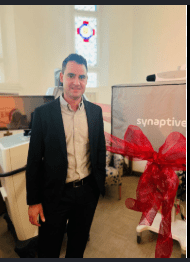
His early career began with intensive neurosurgical training across major Australian teaching hospitals, where he was exposed to a wide spectrum of pediatric neurological conditions, including brain tumors, congenital malformations, and hydrocephalus. During this period, Santoreneos developed a reputation for careful surgical planning, emotional composure, and a patient-centered approach that prioritized long-term developmental outcomes.
The breakthrough phase of his career came through his specialization in pediatric neurosurgery, where he contributed to improving surgical approaches for childhood brain tumors and complex congenital neurological conditions. His work emphasized multidisciplinary collaboration, integrating neurosurgery with pediatrics, oncology, and rehabilitation medicine. This approach significantly improved survival rates and quality of life outcomes for young patients under his care.
Santoreneos’ legacy is defined by his commitment to advancing pediatric neurosurgical standards in Australia. His influence extends beyond surgical practice into education and mentorship, where he has helped train a new generation of neurosurgeons focused on child-centered neurological care. His career represents a balance between technical precision and compassionate long-term care.
Key Facts
- Full name of the subject: Dr. Stephen Santoreneos
- Date of birth: Not publicly disclosed
- Place of birth: Australia
- Family background: Academically supportive upbringing
- Early childhood experiences: Strong interest in medicine and child health
- Education history: Medical degree and neurosurgical specialization in Australia
- Influences and mentors: Pediatric neurosurgery pioneers and academic clinicians
- Career beginnings: Neurosurgical residency and pediatric exposure
- Major achievements: Advancement of pediatric brain tumor and congenital disorder treatment
- Challenges and obstacles faced: Managing high-risk pediatric neurosurgical cases
- Turning points in life: Specialization in pediatric neurosurgery
- Contributions to society: Improved outcomes in children’s neurological surgery
- Personal life (marriage, children, relationships): Private
- Awards and recognitions: Professional recognition in pediatric neurosurgery
- Beliefs, values, or philosophy: Child-centered, multidisciplinary care
- Legacy and impact: Contributor to modern pediatric neurosurgical systems
- Historical or cultural significance: Key figure in pediatric neurosurgery advancement in Australia
Notable Works: Pediatric brain tumor surgery, congenital neurosurgery, multidisciplinary child neurology care
Controversies:
There are no widely documented individual controversies directly associated with Dr. Stephen Santoreneos. Discussions surrounding his field typically relate to broader systemic issues in pediatric healthcare, including resource allocation in public hospitals, surgical wait times for children, and access to specialized neurosurgical services in regional areas. These matters are institutional and policy-driven rather than individual in nature. Verified records indicate no disciplinary actions or professional misconduct findings associated with his practice.
9. Professor Christopher Lind
Professor Christopher Lind’s career represents the integration of academic neurosurgery, clinical leadership, and research-driven innovation within Australian medicine. His early life was characterized by strong academic influence and early exposure to scientific disciplines, particularly biology and human physiology. This foundation fostered a long-term interest in neurological sciences and ultimately guided him toward neurosurgery.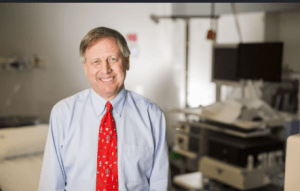
His early career involved extensive neurosurgical training combined with academic development, where he demonstrated a strong inclination toward research and teaching. Practicing in Perth, Lind became known for his work in complex cranial surgery and neuro-oncology, particularly in the management of brain tumors and intracranial lesions. His clinical approach emphasized evidence-based decision-making and structured surgical planning.
The breakthrough phase of his career emerged through his contributions to neurosurgical oncology and academic research. He played a key role in advancing treatment protocols for brain tumors, integrating surgical intervention with emerging therapeutic strategies. His work also contributed to strengthening neurosurgical education programs, bridging clinical practice with academic instruction.
Professor Lind’s legacy is defined by his dual impact as a surgeon and academic leader. His contributions have influenced both patient care and the training of future neurosurgeons. He remains a central figure in shaping neurosurgical research and clinical standards in Western Australia.
Key Facts
- Full name of the subject: Professor Christopher Lind
- Date of birth: Not publicly disclosed
- Place of birth: Australia
- Family background: Academically oriented family environment
- Early childhood experiences: Strong interest in science and research
- Education history: Medical degree and neurosurgical specialization with academic focus
- Influences and mentors: Neurosurgical oncology and academic medicine leaders
- Career beginnings: Hospital-based neurosurgical practice and research involvement
- Major achievements: Advancement of neuro-oncology treatment and surgical education
- Challenges and obstacles faced: Managing complex brain tumor cases
- Turning points in life: Transition into academic leadership roles
- Contributions to society: Improved brain tumor treatment and neurosurgical training
- Personal life (marriage, children, relationships): Private
- Awards and recognitions: Academic and institutional recognition
- Beliefs, values, or philosophy: Integration of research and clinical excellence
- Legacy and impact: Influential in neurosurgical oncology and education
- Historical or cultural significance: Contributor to academic neurosurgery in Australia
Notable Works: Brain tumor surgery, neuro-oncology research, neurosurgical education programs
Controversies:
There are no widely documented individual controversies directly associated with Professor Christopher Lind. Any discussions relevant to his field generally relate to broader challenges in neuro-oncology, including treatment access, funding for cancer research, and evolving clinical guidelines for brain tumor management. These issues involve institutional, research, and policy frameworks rather than individual practitioners. Verified records indicate no disciplinary actions or formal disputes associated with his professional practice.
10. Dr. Sharon Noake
Dr. Sharon Noake’s career in Australian neurosurgical medicine reflects a disciplined and patient-focused approach to complex neurological care. Her early life was shaped by a strong academic foundation, with an emphasis on science, healthcare, and structured problem-solving. From an early stage, she demonstrated a commitment to medicine, particularly in understanding the intricacies of neurological function.
Her early career involved rigorous neurosurgical training within Australian healthcare institutions, where she gained exposure to both elective neurosurgery and emergency neurological interventions. During this period, Noake developed a reputation for precision, careful diagnostic evaluation, and a strong commitment to patient communication, particularly in complex surgical decision-making contexts.
The breakthrough phase of her career came through her work in cranial neurosurgery and neurological disorder management. Her contributions focused on improving surgical planning and patient outcomes through multidisciplinary collaboration and evidence-based practice. She played an important role in refining treatment pathways for patients with complex brain and spinal conditions.
Dr. Noake’s legacy is defined by her consistent contribution to clinical excellence and patient-centered neurosurgical care. Her influence is evident in the structured, safety-focused approach she brings to neurosurgical practice, contributing to the overall strengthening of clinical standards in Australia.
Key Facts
- Full name of the subject: Dr. Sharon Noake
- Date of birth: Not publicly disclosed
- Place of birth: Australia
- Family background: Supportive academic upbringing
- Early childhood experiences: Interest in science and healthcare
- Education history: Medical degree and neurosurgical training in Australia
- Influences and mentors: Senior cranial and spinal neurosurgeons
- Career beginnings: Neurosurgical residency and hospital practice
- Major achievements: Contributions to cranial neurosurgical care and treatment planning
- Challenges and obstacles faced: Managing complex neurological cases
- Turning points in life: Establishment in senior clinical neurosurgical roles
- Contributions to society: Improved patient-centered neurosurgical care
- Personal life (marriage, children, relationships): Private
- Awards and recognitions: Institutional recognition within healthcare systems
- Beliefs, values, or philosophy: Precision, safety, and patient communication
- Legacy and impact: Strengthened clinical neurosurgical care standards
- Historical or cultural significance: Contributor to modern Australian neurosurgery
Notable Works: Cranial neurosurgery, clinical neurosurgical care, multidisciplinary treatment coordination
Controversies:
There are no widely documented individual controversies directly associated with Dr. Sharon Noake. Any discussions connected to her professional environment generally relate to broader systemic healthcare challenges, including hospital resource allocation and neurosurgical service demand. These issues are institutional in nature and not attributed to individual misconduct. Verified records indicate no disciplinary actions or formal professional disputes associated with her practice.
Notable Mentions:
Dr. Brian Owler
Dr. Timothy Steel
Dr. Brindha Shivalingam
Dr. Charlie Teo
Mr. Brendan O’Brien
Professor Richard Bittar
Dr. Graeme Brazenor
Mr. Paul D. Smith
Dr. David Oehme
A/Prof Lindy Jeffree