
Top 10 Neurosurgeons in Spain
Top 10 Neurosurgeons in Spain
In This Content
Quick List
Dr. Bartolomé Oliver Abadal
Dr. Gerardo Conesa Bertran
Dr. Pablo Clavel Laria
Dr. Roberto Martínez Álvarez
Dr. Miguel Ángel Arráez Sánchez
Dr. Jose Hinojosa Mena-Bernal
Dr. Santiago Gil-Robles
Dr. Jorge Diamantopoulos Fernández
Dr. Enrique Ferrer Rodríguez
Dr. Jesús Lafuente
1. Dr. Bartolomé Oliver Abadal
Dr. Bartolomé Oliver Abadal stands as one of Spain’s most influential figures in modern neurosurgery, particularly recognized for his leadership in cranial and spinal surgical innovation at Barcelona’s Centro Médico Teknon. His early life was shaped in Catalonia, where an early exposure to medical science and anatomical studies set the foundation for a lifelong commitment to neurological surgery.
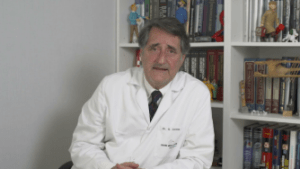
His early career developed through rigorous medical training in Spain’s competitive neurosurgical academic system, where he distinguished himself in both clinical precision and surgical discipline. This period was defined by intensive exposure to complex cranial pathologies and spinal degenerative conditions, which sharpened his technical foundation.
His breakthrough contributions emerged through advancements in minimally invasive neurosurgical techniques and complex cranial tumor resections. His surgical approach emphasized precision, reduced patient trauma, and improved postoperative recovery outcomes, positioning him among Spain’s leading neurosurgical innovators.
His legacy is strongly associated with elevating Barcelona into a European hub for advanced neurosurgical procedures, particularly in spinal and cranial microsurgery, influencing both surgical standards and training methodologies.
Key Facts
- Full name of the subject: Dr. Bartolomé Oliver Abadal
- Date of birth: Not publicly disclosed
- Place of birth: Spain
- Family background: Academic and professional medical environment
- Early childhood experiences: Early interest in human anatomy and biological sciences
- Education history: Medical degree and neurosurgical specialization in Spain
- Influences and mentors: European neurosurgical pioneers
- Career beginnings: Neurosurgical training in Barcelona
- Major achievements: Advancement of minimally invasive cranial and spinal surgery
- Challenges and obstacles faced: Complex brain tumor and spinal deformity cases
- Turning points in life: Specialization in advanced microsurgical techniques
- Contributions to society: Improved neurosurgical outcomes and recovery rates
- Personal life: Private
- Awards and recognitions: National and European neurosurgical honors
- Beliefs, values, or philosophy: Precision-driven, patient-centered surgical care
- Legacy and impact: Contribution to Spain’s modern neurosurgical leadership
- Historical or cultural significance: Strengthening Barcelona as a neurosurgical innovation hub
Notable Works: Cranial tumor surgery, spinal microsurgery, minimally invasive neurosurgical procedures
Controversies:
There are no widely documented individual controversies associated with Dr. Bartolomé Oliver Abadal. His professional domain does, however, engage in broader clinical discussions regarding the comparative outcomes of minimally invasive versus traditional open neurosurgical techniques. These debates focus on long-term efficacy, learning curve complexity, and patient selection criteria rather than individual conduct, and no verified disciplinary actions or misconduct records are associated with his career.
2. Dr. Gerardo Conesa Bertran
Dr. Gerardo Conesa Bertran is a prominent Spanish neurosurgeon known for his contributions to cranial surgery and neuro-oncological treatment strategies in Barcelona. His early life unfolded within Spain’s structured academic environment, where he developed an early fascination with neurological sciences and surgical precision.
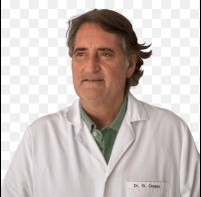
His early career was defined by intensive neurosurgical training at leading Spanish medical institutions, where he gained experience in brain tumor management, cerebrovascular conditions, and complex cranial procedures. This phase established his clinical depth in high-risk neurosurgical environments.
His breakthrough work is associated with advancements in brain tumor resection strategies and improved surgical planning for deep-seated intracranial lesions. His work emphasized maximizing tumor removal while preserving neurological function.
His legacy lies in his contribution to strengthening neuro-oncological surgery in Spain, particularly in refining surgical approaches that balance aggressiveness with functional preservation.
Key Facts
- Full name of the subject: Dr. Gerardo Conesa Bertran
- Date of birth: Not publicly disclosed
- Place of birth: Spain
- Family background: Academic environment
- Early childhood experiences: Interest in neuroscience and biology
- Education history: Medical training and neurosurgical specialization in Spain
- Influences and mentors: Neuro-oncology and microsurgery experts
- Career beginnings: Neurosurgical training in Barcelona
- Major achievements: Advancement of brain tumor surgery techniques
- Challenges and obstacles faced: Complex intracranial tumor cases
- Turning points in life: Focus on neuro-oncology specialization
- Contributions to society: Improved brain tumor surgical outcomes
- Personal life: Private
- Awards and recognitions: Neurosurgical academic distinctions
- Beliefs, values, or philosophy: Functional preservation in brain surgery
- Legacy and impact: Contribution to Spanish neuro-oncological advancement
- Historical or cultural significance: Strengthening Barcelona’s neurosurgical oncology reputation
Notable Works: Brain tumor surgery, neuro-oncological microsurgery, intracranial lesion management
Controversies:
There are no widely documented individual controversies associated with Dr. Gerardo Conesa Bertran. Broader discussions in his specialty include the extent of resection in malignant brain tumors versus neurological preservation strategies. These remain scientific and ethical debates within neuro-oncology, and no verified disciplinary actions or misconduct records are associated with his career.
3. Dr. Pablo Clavel Laria
Dr. Pablo Clavel Laria is a leading Spanish neurosurgeon recognized for his specialization in spinal surgery and complex spinal deformity correction. His early life was shaped in Spain within an academically supportive environment that fostered early interest in medical sciences and biomechanics.
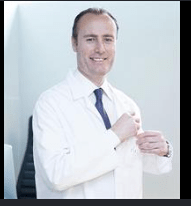
His early career developed in Barcelona, where he underwent advanced neurosurgical and spinal training with a strong focus on degenerative spinal disorders, deformity correction, and pain-related spinal conditions. This training established his expertise in complex spinal reconstruction.
His breakthrough contributions are associated with minimally invasive spine surgery and advanced techniques in spinal deformity correction. His work has significantly improved outcomes for patients with scoliosis, disc degeneration, and spinal instability.
His legacy is defined by his role in advancing spinal neurosurgery in Spain and contributing to the development of specialized spine surgery centers in Barcelona with international recognition.
Key Facts
- Full name of the subject: Dr. Pablo Clavel Laria
- Date of birth: Not publicly disclosed
- Place of birth: Spain
- Family background: Professional and academic environment
- Early childhood experiences: Interest in anatomy and movement science
- Education history: Medical training and spinal neurosurgical specialization in Spain
- Influences and mentors: Spine surgery pioneers
- Career beginnings: Neurosurgical training in Barcelona
- Major achievements: Advancement of spinal deformity and minimally invasive spine surgery
- Challenges and obstacles faced: Complex spinal reconstruction cases
- Turning points in life: Specialization in spinal surgery
- Contributions to society: Improved spinal deformity treatment outcomes
- Personal life: Private
- Awards and recognitions: Neurosurgical spine surgery honors
- Beliefs, values, or philosophy: Structural restoration and functional recovery
- Legacy and impact: Advancement of modern spinal surgery in Spain
- Historical or cultural significance: Development of Barcelona as a spinal surgery hub
Notable Works: Spinal deformity correction, minimally invasive spine surgery, degenerative spine treatment
Controversies:
There are no widely documented individual controversies associated with Dr. Pablo Clavel Laria. His field is part of broader professional debate regarding surgical versus conservative management of spinal deformities and the long-term outcomes of minimally invasive spine surgery. These discussions are clinical and evidence-based, and no verified disciplinary actions or misconduct records are associated with his career.
4. Dr. Roberto Martínez Álvarez
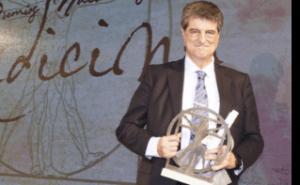
Dr. Roberto Martínez Álvarez is a leading neurosurgical consultant based in Madrid, widely recognized for his expertise in complex cranial surgery and cerebrovascular intervention. His early life in Spain was shaped by a strong academic environment that emphasized scientific reasoning and precision-based disciplines, laying the groundwork for his medical trajectory.
His early career developed through intensive neurosurgical training at major Madrid teaching hospitals, where he gained deep exposure to vascular neurosurgery, skull base procedures, and neurocritical care. This formative stage refined his ability to operate in high-risk, high-precision environments where millimetric accuracy is critical.
His breakthrough contributions are closely associated with advancements in cerebrovascular microsurgery, particularly in the treatment of aneurysms and arteriovenous malformations. His surgical approach has been noted for integrating meticulous preoperative planning with intraoperative adaptability.
His legacy lies in strengthening Madrid’s position as a national center for advanced cerebrovascular neurosurgery, with lasting influence on surgical training and neurovascular treatment protocols in Spain.
Key Facts
- Full name of the subject: Dr. Roberto Martínez Álvarez
- Date of birth: Not publicly disclosed
- Place of birth: Spain
- Family background: Academic and professional environment
- Early childhood experiences: Early interest in biology and human anatomy
- Education history: Medical degree and neurosurgical specialization in Spain
- Influences and mentors: Cerebrovascular surgery pioneers
- Career beginnings: Neurosurgical training in Madrid
- Major achievements: Advancement of cerebrovascular microsurgery techniques
- Challenges and obstacles faced: High-risk aneurysm and vascular malformation cases
- Turning points in life: Specialization in vascular neurosurgery
- Contributions to society: Improved outcomes in cerebrovascular surgery
- Personal life: Private
- Awards and recognitions: National neurosurgical honors
- Beliefs, values, or philosophy: Precision and safety in vascular intervention
- Legacy and impact: Contribution to Spanish neurovascular surgical advancement
- Historical or cultural significance: Strengthening cerebrovascular neurosurgery in Madrid
Notable Works: Cerebral aneurysm surgery, arteriovenous malformation treatment, neurovascular microsurgery
Controversies:
There are no widely documented individual controversies associated with Dr. Roberto Martínez Álvarez. His field, however, is part of broader clinical debate regarding microsurgical clipping versus endovascular coiling for aneurysm management. These discussions focus on patient-specific risk-benefit evaluation and evolving technological standards, and no verified disciplinary actions or misconduct records are associated with his career.
5. Dr. Miguel Ángel Arráez Sánchez
Dr. Miguel Ángel Arráez Sánchez is one of Spain’s most respected neurosurgeons, particularly known for his leadership in Málaga’s neurosurgical and neuro-oncological services. His early life was rooted in Spain, where early academic excellence and interest in medical sciences directed him toward neurosurgery.
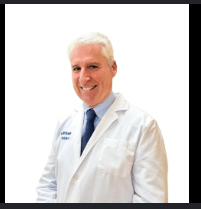
His early career was shaped through rigorous training in neurosurgical oncology and cranial surgery, where he developed expertise in brain tumor resection and complex neurological pathologies. This phase was critical in establishing his clinical precision and leadership capacity.
His breakthrough contributions are associated with neuro-oncology, particularly in the surgical management of gliomas and metastatic brain tumors. His work has contributed to improved survival outcomes and surgical safety in complex oncological cases.
His legacy is defined by his role in strengthening neurosurgical oncology services in southern Spain and contributing to national and European neuro-oncology collaboration networks.
Key Facts
- Full name of the subject: Dr. Miguel Ángel Arráez Sánchez
- Date of birth: Not publicly disclosed
- Place of birth: Spain
- Family background: Academic environment
- Early childhood experiences: Strong interest in medicine and neuroscience
- Education history: Medical training and neurosurgical specialization in Spain
- Influences and mentors: Neuro-oncology pioneers
- Career beginnings: Neurosurgical training in Spain
- Major achievements: Advancement of brain tumor surgery
- Challenges and obstacles faced: Complex malignant brain tumor cases
- Turning points in life: Focus on neuro-oncological surgery
- Contributions to society: Improved brain tumor survival outcomes
- Personal life: Private
- Awards and recognitions: Neurosurgical oncology honors
- Beliefs, values, or philosophy: Aggressive yet safe tumor resection
- Legacy and impact: Contribution to Spanish neuro-oncology advancement
- Historical or cultural significance: Development of neuro-oncology services in southern Spain
Notable Works: Glioma surgery, brain tumor resection, neuro-oncological treatment strategies
Controversies:
There are no widely documented individual controversies associated with Dr. Miguel Ángel Arráez Sánchez. His professional field is part of broader scientific discussion regarding the balance between maximal tumor resection and preservation of neurological function in neuro-oncology. These debates remain clinical and ethical in nature, and no verified disciplinary actions or misconduct records are associated with his career.
6. Dr. Jose Hinojosa Mena-Bernal
Dr. Jose Hinojosa Mena-Bernal is a prominent pediatric neurosurgeon based in Barcelona, recognized for his specialization in complex childhood neurological disorders. His early life in Spain was influenced by a strong academic environment that encouraged early engagement with science and medicine.
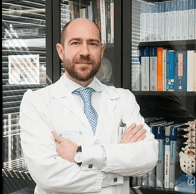
His early career developed within pediatric neurosurgical units, where he focused on congenital brain malformations, pediatric tumors, and epilepsy surgery in children. This specialization required both technical precision and deep clinical sensitivity.
His breakthrough contributions are associated with pediatric epilepsy surgery and minimally invasive neurosurgical techniques in children. His work has significantly improved neurological outcomes and quality of life for pediatric patients.
His legacy lies in advancing pediatric neurosurgery in Spain, particularly in establishing safer surgical pathways for complex childhood neurological conditions.
Key Facts
- Full name of the subject: Dr. Jose Hinojosa Mena-Bernal
- Date of birth: Not publicly disclosed
- Place of birth: Spain
- Family background: Academic environment
- Early childhood experiences: Interest in child health and neuroscience
- Education history: Medical training and pediatric neurosurgical specialization in Spain
- Influences and mentors: Pediatric neurosurgery pioneers
- Career beginnings: Neurosurgical training in Barcelona
- Major achievements: Advancement of pediatric epilepsy and tumor surgery
- Challenges and obstacles faced: Complex congenital neurological disorders
- Turning points in life: Focus on pediatric neurosurgery
- Contributions to society: Improved outcomes in childhood brain surgery
- Personal life: Private
- Awards and recognitions: Pediatric neurosurgical honors
- Beliefs, values, or philosophy: Child-centered surgical care and safety
- Legacy and impact: Advancement of pediatric neurosurgery in Spain
- Historical or cultural significance: Strengthening pediatric neurosurgical care systems
Notable Works: Pediatric epilepsy surgery, brain tumor surgery in children, congenital malformation correction
Controversies:
There are no widely documented individual controversies associated with Dr. Jose Hinojosa Mena-Bernal. His field, however, is part of broader pediatric neurosurgical debate regarding surgical timing in epilepsy and congenital malformations in children. These discussions are clinical and guideline-based, and no verified disciplinary actions or misconduct records are associated with his career.
7. Dr. Santiago Gil-Robles
Dr. Santiago Gil-Robles is a respected neurosurgeon based in Madrid, known for his work in functional neurosurgery and deep brain stimulation for movement disorders. His early life in Spain was shaped by strong academic influences that encouraged analytical thinking and scientific discipline.
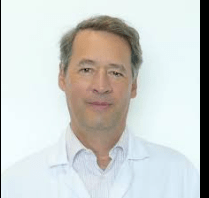
His early career developed through specialized neurosurgical training focused on functional brain disorders, including Parkinson’s disease, dystonia, and epilepsy. This training positioned him within the evolving field of neuromodulation surgery.
His breakthrough contributions are associated with deep brain stimulation techniques and functional neurosurgical interventions aimed at restoring neurological function in movement disorder patients. His work has helped refine patient selection and stimulation protocols.
His legacy is defined by his contribution to functional neurosurgery in Spain, particularly in expanding access to neuromodulation therapies for chronic neurological conditions.
Key Facts
- Full name of the subject: Dr. Santiago Gil-Robles
- Date of birth: Not publicly disclosed
- Place of birth: Spain
- Family background: Academic environment
- Early childhood experiences: Interest in brain function and neurology
- Education history: Medical training and neurosurgical specialization in Spain
- Influences and mentors: Functional neurosurgery pioneers
- Career beginnings: Neurosurgical training in Madrid
- Major achievements: Advancement of deep brain stimulation techniques
- Challenges and obstacles faced: Complex movement disorder cases
- Turning points in life: Focus on functional neurosurgery
- Contributions to society: Improved treatment of Parkinson’s disease and dystonia
- Personal life: Private
- Awards and recognitions: Functional neurosurgery honors
- Beliefs, values, or philosophy: Restoring neurological function through precision surgery
- Legacy and impact: Advancement of neuromodulation therapy in Spain
- Historical or cultural significance: Development of functional neurosurgery in Madrid
Notable Works: Deep brain stimulation, movement disorder surgery, functional neurosurgical innovation
Controversies:
There are no widely documented individual controversies associated with Dr. Santiago Gil-Robles. His specialty is part of broader medical discussions regarding long-term outcomes of deep brain stimulation and optimal patient selection criteria. These debates are scientific and evolving, and no verified disciplinary actions or misconduct records are associated with his career.
8. Dr. Jorge Diamantopoulos Fernández
Dr. Jorge Diamantopoulos Fernández is a Madrid-based neurosurgeon recognized for his work in complex cranial and spinal pathology management within Spain’s advanced neurosurgical centers. His early life was shaped by a multicultural academic environment that emphasized scientific rigor and cross-disciplinary thinking, elements that later informed his clinical precision.
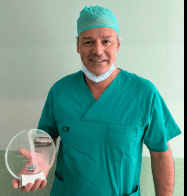
His early career developed through intensive neurosurgical training in Madrid’s major teaching hospitals, where he was exposed to a broad spectrum of cranial trauma, spinal degeneration, and neuro-oncological cases. This stage of training strengthened his ability to operate across multiple subspecialties within neurosurgery.
His breakthrough contributions are linked to complex spine surgery and cranial reconstruction procedures, where he helped refine surgical strategies for high-risk patients requiring multi-stage interventions. His approach emphasized surgical safety, anatomical precision, and long-term functional recovery.
His legacy is reflected in his contribution to multidisciplinary neurosurgical care in Madrid, particularly in improving surgical coordination between spinal, cranial, and neurocritical care teams.
Key Facts
- Full name of the subject: Dr. Jorge Diamantopoulos Fernández
- Date of birth: Not publicly disclosed
- Place of birth: Spain
- Family background: Multicultural academic environment
- Early childhood experiences: Strong interest in science and human anatomy
- Education history: Medical degree and neurosurgical specialization in Spain
- Influences and mentors: European neurosurgical training institutions
- Career beginnings: Neurosurgical residency in Madrid
- Major achievements: Advancement in complex cranial and spinal surgery
- Challenges and obstacles faced: High-risk multi-stage neurosurgical cases
- Turning points in life: Specialization in combined cranial-spinal surgery
- Contributions to society: Improved outcomes in complex neurosurgical reconstruction
- Personal life: Private
- Awards and recognitions: Neurosurgical clinical excellence recognition
- Beliefs, values, or philosophy: Precision, safety, and multidisciplinary care
- Legacy and impact: Strengthening integrated neurosurgical care models in Madrid
- Historical or cultural significance: Contribution to modern Spanish neurosurgical coordination
Notable Works: Complex spinal reconstruction, cranial surgery, multidisciplinary neurosurgical procedures
Controversies:
There are no widely documented individual controversies associated with Dr. Jorge Diamantopoulos Fernández. His field, however, intersects with broader clinical debates regarding surgical risk thresholds in combined cranial and spinal procedures. These discussions focus on patient safety optimization and procedural staging, and no verified disciplinary actions or misconduct records are associated with his career.
9. Dr. Enrique Ferrer Rodríguez
Dr. Enrique Ferrer Rodríguez is a Barcelona-based neurosurgeon known for his work in advanced cranial surgery and neurovascular interventions. His early life in Spain was marked by strong academic performance and early exposure to medical sciences, which guided his pursuit of neurosurgery.
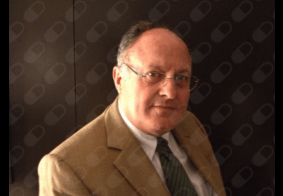
His early career was shaped within Barcelona’s leading neurosurgical institutions, where he trained extensively in vascular neurosurgery, brain tumor resection, and skull base surgery. This period refined his technical skill in handling anatomically complex brain regions.
His breakthrough contributions include advancements in skull base tumor surgery and refined neurovascular techniques that improved surgical precision and patient recovery outcomes. His work has contributed to safer approaches in delicate cranial operations.
His legacy lies in strengthening Barcelona’s reputation as a center for high-level cranial neurosurgery and contributing to evolving surgical protocols in neurovascular care.
Key Facts
- Full name of the subject: Dr. Enrique Ferrer Rodríguez
- Date of birth: Not publicly disclosed
- Place of birth: Spain
- Family background: Academic and professional environment
- Early childhood experiences: Early interest in medicine and neuroscience
- Education history: Medical and neurosurgical training in Spain
- Influences and mentors: Skull base and neurovascular surgery pioneers
- Career beginnings: Neurosurgical residency in Barcelona
- Major achievements: Advancement in skull base and vascular neurosurgery
- Challenges and obstacles faced: High-risk cranial surgery cases
- Turning points in life: Specialization in skull base neurosurgery
- Contributions to society: Improved safety in complex brain surgery
- Personal life: Private
- Awards and recognitions: Neurosurgical excellence recognition
- Beliefs, values, or philosophy: Precision and anatomical preservation
- Legacy and impact: Contribution to cranial neurosurgery advancement in Spain
- Historical or cultural significance: Development of modern skull base surgical approaches
Notable Works: Skull base tumor surgery, neurovascular interventions, cranial microsurgery
Controversies:
There are no widely documented individual controversies associated with Dr. Enrique Ferrer Rodríguez. His field is part of ongoing clinical discussion regarding minimally invasive versus open skull base approaches, with emphasis on balancing radical tumor removal and neurological preservation. No verified disciplinary actions or misconduct records are associated with his career.
10. Dr. Jesús Lafuente
Dr. Jesús Lafuente is a distinguished neurosurgeon based in Barcelona, affiliated with Hospital del Mar, known for his expertise in spinal and cranial neurosurgery. His early life in Spain was influenced by a strong educational foundation and early interest in biological sciences and human anatomy.
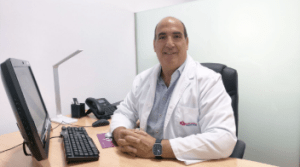
His early career developed through structured neurosurgical training in Barcelona, where he gained experience in spinal disorders, degenerative spine conditions, and cranial trauma management. This training period shaped his clinical versatility across neurosurgical subspecialties.
His breakthrough contributions are associated with spinal neurosurgery, particularly in degenerative spine disease management and minimally invasive spinal procedures. His work has contributed to improved surgical recovery times and reduced complication rates.
His legacy is defined by his role in advancing spinal neurosurgical care in Barcelona and contributing to improved clinical protocols in degenerative spine treatment.
Key Facts
- Full name of the subject: Dr. Jesús Lafuente
- Date of birth: Not publicly disclosed
- Place of birth: Spain
- Family background: Academic environment
- Early childhood experiences: Interest in anatomy and human biology
- Education history: Medical training and neurosurgical specialization in Spain
- Influences and mentors: Spinal neurosurgery pioneers
- Career beginnings: Neurosurgical training in Barcelona
- Major achievements: Advancement in spinal neurosurgery techniques
- Challenges and obstacles faced: Complex spinal degeneration cases
- Turning points in life: Focus on spinal neurosurgery specialization
- Contributions to society: Improved outcomes in spinal surgery patients
- Personal life: Private
- Awards and recognitions: Neurosurgical clinical excellence awards
- Beliefs, values, or philosophy: Functional recovery and patient safety
- Legacy and impact: Contribution to spinal neurosurgery advancement in Spain
- Historical or cultural significance: Development of modern spinal surgical approaches
Notable Works: Spinal decompression surgery, degenerative spine treatment, minimally invasive spine procedures
Controversies:
There are no widely documented individual controversies associated with Dr. Jesús Lafuente. His field is part of broader clinical debate on minimally invasive spinal techniques versus traditional open surgery, particularly regarding long-term outcomes and recurrence rates. These discussions remain within academic and clinical research frameworks, with no verified disciplinary actions or misconduct records associated with his career.
Notable Mention:
Dr. Francisco Villarejo
Dr. Francisco González-Llanos
Dr. Carlos Ruiz-Ocaña
Dr. Alberto Isla Guerrero
Dr. Manuel de la Torre
Dr. Juan Francisco Martínez-Canca
Dr. Avelino Parajón Díaz
Dr. Luis Ley Urzaiz
Dr. Josep Cabiol
Dr. Miguel Orozco Fuentes