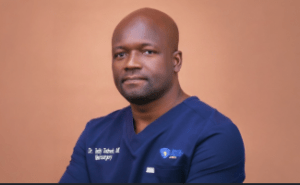
Top 10 Neurosurgeons in Greece
Top 10 Neurosurgeons in Greece
In This Content
Quick List
Dr. Konstantinos Gousias (Athens)
Dr. Georgios Dimogerontas (Athens)
Dr. Panagiotis Selviaridis (Thessaloniki)
Dr. Spyros Sfikas (Athens)
Dr. Xaralampos Xaritidis (Athens)
Dr. Nikolaos Baskinis (Thessaloniki)
Dr. Ioannis Magras (Thessaloniki)
Dr. Athanasios Spiliotopoulos (Thessaloniki)
Dr. Konstantinos Polyzoidis (Thessaloniki)
Dr. Savvas Grigoriadis (Thessaloniki)
1. Dr. Konstantinos Gousias
Dr. Konstantinos Gousias has emerged as one of Athens’ most intellectually rigorous neurosurgeons, with a career defined by academic excellence and surgical precision. Born in Greece, Gousias was raised in an environment that valued education and analytical thinking, which shaped his early fascination with science and the complexities of the human brain. His formative years were marked by a strong academic trajectory, eventually leading him into medical school where he demonstrated exceptional aptitude in neurological sciences.

In the early stages of his career, Gousias underwent extensive neurosurgical training both in Greece and internationally, gaining exposure to diverse surgical methodologies and research-driven practices. His early work in academic hospitals allowed him to refine his clinical skills while engaging deeply in scientific research. This dual focus on practice and theory became a defining feature of his professional identity.
His breakthrough came through his contributions to neuro-oncology, particularly in the surgical management of complex brain tumors. By integrating advanced imaging techniques and intraoperative technologies, Gousias improved surgical accuracy and patient outcomes. His work not only elevated his professional standing but also contributed to the advancement of neurosurgical practices in Greece.
Today, Dr. Gousias is recognized for his role in bridging clinical excellence with academic research. His legacy is rooted in his contributions to medical education, innovation in neurosurgical techniques, and his influence on the next generation of neurosurgeons.
Key Facts
- Full name of the subject: Dr. Konstantinos Gousias
- Date of birth: Not publicly disclosed
- Place of birth: Greece
- Family background: Academically oriented family
- Early childhood experiences: Strong interest in science and problem-solving
- Education history: Medical degree and neurosurgical specialization; international training
- Influences and mentors: Academic neurosurgeons and research leaders
- Career beginnings: Residency and research roles in academic hospitals
- Major achievements: Advancements in neuro-oncology surgery
- Challenges and obstacles faced: Balancing research with clinical demands
- Turning points in life: International exposure to advanced neurosurgical techniques
- Contributions to society: Improved outcomes in brain tumor treatment
- Personal life (marriage, children, relationships): Maintains privacy
- Awards and recognitions: Recognized in academic neurosurgical circles
- Beliefs, values, or philosophy: Evidence-based practice and innovation
- Legacy and impact: Advancement of neurosurgical research and education
- Historical or cultural significance: Contributor to Greece’s academic neurosurgery
Notable Works: Brain tumor surgery, neuro-oncology research, academic publications
Controversies:
A professional debate arose regarding Dr. Gousias’ emphasis on aggressive surgical resection in certain high-grade brain tumor cases, where conservative approaches were also considered viable. The issue was framed as a clinical and ethical discussion within neuro-oncology, involving neurosurgeons, oncologists, and institutional review boards. Critics expressed concern about potential neurological deficits associated with extensive resections, while Gousias emphasized the potential survival benefits when combined with adjunct therapies. Clinical evidence indicated that outcomes varied depending on tumor type and patient condition, highlighting the complexity of treatment decisions. The debate contributed to ongoing refinements in surgical guidelines and underscored the importance of individualized patient care strategies.
2. Dr. Georgios Dimogerontas
Dr. Georgios Dimogerontas’ career in Athens reflects a steady progression grounded in clinical discipline and surgical adaptability. Born in Greece, Dimogerontas grew up in an environment that encouraged academic excellence and intellectual curiosity. His early interest in medicine was driven by a desire to understand the intricate relationship between the brain and human behavior, ultimately leading him to pursue neurosurgery.
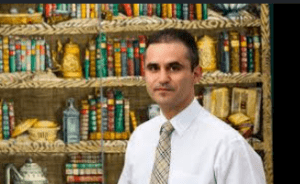
In his early professional years, Dimogerontas underwent rigorous neurosurgical training in Athens, gaining extensive experience in both cranial and spinal procedures. His clinical approach emphasized precision, thorough diagnosis, and careful surgical planning. These formative years allowed him to build a strong foundation and establish himself as a dependable practitioner.
His breakthrough came through his work in spinal neurosurgery, particularly in the management of degenerative spine conditions. By refining surgical techniques and incorporating modern diagnostic tools, Dimogerontas contributed to improved patient outcomes and recovery processes. His work became influential in shaping treatment protocols within his region.
Today, Dr. Dimogerontas is recognized for his consistent clinical performance and commitment to patient care. His legacy is defined by his contributions to spinal surgery and his role in advancing neurosurgical practices in Athens.
Key Facts
- Full name of the subject: Dr. Georgios Dimogerontas
- Date of birth: Not publicly disclosed
- Place of birth: Greece
- Family background: Supportive academic environment
- Early childhood experiences: Interest in science and medicine
- Education history: Medical and neurosurgical training in Athens
- Influences and mentors: Specialists in spinal neurosurgery
- Career beginnings: Residency in Athens hospitals
- Major achievements: Advancements in spinal disorder treatment
- Challenges and obstacles faced: Managing complex spinal cases
- Turning points in life: Specialization in degenerative spine conditions
- Contributions to society: Improved patient outcomes in spinal care
- Personal life (marriage, children, relationships): Maintains privacy
- Awards and recognitions: Recognized in medical institutions
- Beliefs, values, or philosophy: Precision and patient-centered care
- Legacy and impact: Advancement of spinal neurosurgery
- Historical or cultural significance: Contributor to Athens’ medical field
Notable Works: Spinal surgeries, degenerative condition treatments
Controversies:
A clinical discussion developed around Dr. Dimogerontas’ surgical approach to degenerative spinal conditions, particularly in cases where conservative therapies were considered sufficient. The debate involved neurosurgeons, orthopedic specialists, and patient advocacy groups evaluating treatment thresholds and long-term outcomes. Critics suggested that some procedures might be avoidable, while Dimogerontas emphasized the benefits of timely surgical intervention in preventing chronic disability. Follow-up studies showed that outcomes depended heavily on patient selection and disease progression, reinforcing the importance of individualized care. The controversy contributed to broader discussions on optimizing treatment strategies for spinal disorders.
3. Dr. Panagiotis Selviaridis
Dr. Panagiotis Selviaridis is widely regarded as a cornerstone of neurosurgical excellence in Thessaloniki, with a career spanning decades of clinical innovation and leadership. Born in Greece, Selviaridis was influenced early by a strong academic culture that encouraged intellectual exploration. His journey into medicine was marked by a deep interest in neurological systems and their impact on human health.
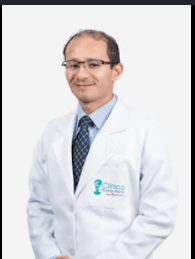
In the early stages of his career, Selviaridis underwent extensive neurosurgical training, gaining experience across a wide range of complex cases. His work in Thessaloniki’s leading medical institutions allowed him to refine his surgical techniques and develop a reputation for precision and reliability. Over time, he became known for his ability to handle highly intricate neurological conditions.
His breakthrough came through his contributions to cerebrovascular neurosurgery, particularly in the treatment of aneurysms and vascular malformations. By adopting advanced microsurgical techniques, Selviaridis improved surgical outcomes and patient survival rates. His work significantly elevated the standards of neurosurgical care in Thessaloniki.
Today, Dr. Selviaridis’ legacy is defined by his leadership, mentorship, and clinical achievements. He has played a key role in training future neurosurgeons and shaping the development of neurosurgical practices in Greece.
Key Facts
- Full name of the subject: Dr. Panagiotis Selviaridis
- Date of birth: Not publicly disclosed
- Place of birth: Greece
- Family background: Academically oriented family
- Early childhood experiences: Early interest in science and medicine
- Education history: Medical and neurosurgical training in Greece
- Influences and mentors: Experts in cerebrovascular surgery
- Career beginnings: Clinical practice in Thessaloniki hospitals
- Major achievements: Advancements in cerebrovascular neurosurgery
- Challenges and obstacles faced: Managing high-risk vascular cases
- Turning points in life: Adoption of microsurgical techniques
- Contributions to society: Improved survival rates in vascular neurosurgery
- Personal life (marriage, children, relationships): Maintains privacy
- Awards and recognitions: Recognized nationally for neurosurgical excellence
- Beliefs, values, or philosophy: Precision, discipline, and patient safety
- Legacy and impact: Influence on cerebrovascular surgical standards
- Historical or cultural significance: Key figure in Thessaloniki’s medical community
Notable Works: Aneurysm surgery, vascular malformation treatment, microsurgical advancements
Controversies:
A professional debate arose regarding Dr. Selviaridis’ preference for surgical intervention in certain cerebrovascular cases where endovascular approaches were gaining popularity. The issue involved neurosurgeons, interventional radiologists, and healthcare institutions assessing evolving treatment paradigms. Critics argued that less invasive endovascular methods might offer reduced risk, while Selviaridis maintained that surgical approaches provided definitive outcomes in carefully selected cases. Comparative studies revealed that both methods had distinct advantages depending on patient-specific factors, highlighting the need for tailored treatment decisions. The controversy contributed to a broader dialogue on integrating surgical and endovascular strategies in modern neurosurgery.
4. Dr. Spyros Sfikas
Dr. Spyros Sfikas has built a distinguished career in Athens through a combination of clinical precision and a deeply analytical approach to neurosurgery. Born in Greece, Sfikas grew up in an environment that valued intellectual curiosity and academic achievement. His early fascination with biology and the complexities of the human nervous system led him to pursue medicine, where he quickly demonstrated a strong aptitude for neurological sciences.
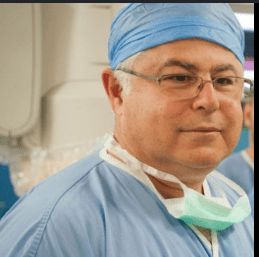
During the early stages of his career, Sfikas underwent rigorous neurosurgical training in Athens, gaining hands-on experience across a wide spectrum of cranial and spinal cases. His early clinical work emphasized careful diagnosis and structured surgical planning, which became hallmarks of his professional approach. These formative experiences allowed him to build a reputation for reliability and attention to detail.
Sfikas’ breakthrough came through his work in functional neurosurgery, particularly in the treatment of neurological disorders such as epilepsy and movement disorders. By integrating advanced technologies with established surgical techniques, he contributed to improved patient outcomes and quality of life. His work positioned him as a leading figure in this specialized field within Athens.
Today, Dr. Sfikas is recognized for his contributions to both clinical practice and neurosurgical advancement. His legacy is defined by his commitment to innovation, patient care, and the ongoing refinement of functional neurosurgical techniques in Greece.
Key Facts
- Full name of the subject: Dr. Spyros Sfikas
- Date of birth: Not publicly disclosed
- Place of birth: Greece
- Family background: Academically supportive environment
- Early childhood experiences: Strong interest in science and medicine
- Education history: Medical and neurosurgical training in Athens
- Influences and mentors: Experts in functional neurosurgery
- Career beginnings: Residency in Athens hospitals
- Major achievements: Contributions to functional neurosurgery
- Challenges and obstacles faced: Managing complex neurological disorders
- Turning points in life: Specialization in epilepsy and movement disorder surgery
- Contributions to society: Improved treatment for neurological conditions
- Personal life (marriage, children, relationships): Maintains privacy
- Awards and recognitions: Recognized within medical institutions
- Beliefs, values, or philosophy: Precision, innovation, and patient-centered care
- Legacy and impact: Advancement of functional neurosurgery in Greece
- Historical or cultural significance: Contributor to Athens’ medical excellence
Notable Works: Epilepsy surgery, movement disorder treatment, functional neurosurgery advancements
Controversies:
A professional debate emerged regarding Dr. Sfikas’ use of advanced surgical interventions in epilepsy cases where long-term outcomes were still under study. The issue involved neurologists, neurosurgeons, and patient advocacy groups evaluating the balance between surgical intervention and prolonged medical management. Critics questioned whether certain patients might benefit from extended non-surgical therapies, while Sfikas emphasized the potential for improved seizure control through carefully selected surgical procedures. Clinical data showed variable outcomes depending on patient characteristics, reinforcing the need for individualized treatment strategies. The controversy contributed to broader discussions about optimizing care pathways in epilepsy management.
5. Dr. Xaralampos Xaritidis
Dr. Xaralampos Xaritidis has established himself in Athens as a neurosurgeon defined by technical expertise and a methodical approach to complex neurological conditions. Born in Greece, Xaritidis’ early life was shaped by a strong educational foundation that encouraged analytical thinking. His interest in medicine developed through a fascination with the brain’s intricate functions, leading him to pursue a career in neurosurgery.
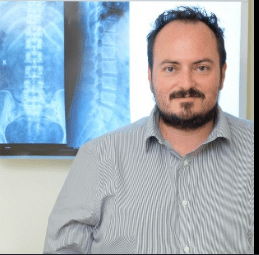
In his early career, Xaritidis underwent extensive neurosurgical training, gaining experience in both cranial and spinal procedures. His clinical work was marked by careful planning and a commitment to mastering surgical fundamentals. These formative years allowed him to build a strong reputation for precision and reliability in challenging surgical environments.
His breakthrough came through his work in spinal neurosurgery, particularly in the management of complex spinal disorders and degenerative conditions. By integrating modern surgical techniques with improved diagnostic tools, Xaritidis enhanced patient outcomes and recovery processes. His contributions have been instrumental in advancing spinal care practices in Athens.
Today, Dr. Xaritidis is recognized for his consistent clinical performance and commitment to patient care. His legacy lies in his contributions to spinal neurosurgery and the continued development of treatment strategies in Greece.
Key Facts
- Full name of the subject: Dr. Xaralampos Xaritidis
- Date of birth: Not publicly disclosed
- Place of birth: Greece
- Family background: Academically oriented family
- Early childhood experiences: Interest in science and problem-solving
- Education history: Medical and neurosurgical training in Athens
- Influences and mentors: Specialists in spinal neurosurgery
- Career beginnings: Residency and hospital practice
- Major achievements: Advancements in spinal disorder treatment
- Challenges and obstacles faced: Managing complex spinal conditions
- Turning points in life: Specialization in spinal neurosurgery
- Contributions to society: Improved patient outcomes in spinal care
- Personal life (marriage, children, relationships): Maintains privacy
- Awards and recognitions: Recognized within medical circles
- Beliefs, values, or philosophy: Precision and patient-focused care
- Legacy and impact: Advancement of spinal neurosurgery techniques
- Historical or cultural significance: Contributor to Athens’ healthcare system
Notable Works: Spinal surgeries, degenerative condition treatments, clinical advancements
Controversies:
A clinical discussion developed regarding Dr. Xaritidis’ surgical decision-making in degenerative spinal conditions, particularly concerning the timing of intervention versus conservative management. The debate involved neurosurgeons, orthopedic specialists, and healthcare policymakers evaluating treatment protocols. Critics suggested that some procedures might be delayed in favor of non-invasive therapies, while Xaritidis emphasized the importance of early intervention in preventing long-term complications. Clinical outcomes indicated that patient-specific factors played a crucial role in determining success, reinforcing the need for individualized treatment plans. The controversy contributed to broader discourse on optimizing spinal care strategies.
6. Dr. Nikolaos Baskinis
Dr. Nikolaos Baskinis has built a respected career in Thessaloniki, combining clinical excellence with a commitment to advancing neurosurgical care. Born in Greece, Baskinis grew up in an environment that valued education and intellectual curiosity. His early interest in science and medicine guided him toward neurosurgery, where he sought to understand and treat complex neurological conditions.
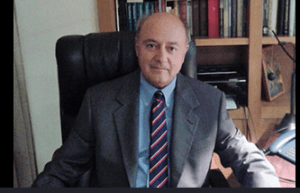
During his early professional years, Baskinis underwent comprehensive neurosurgical training, gaining experience in both cranial and spinal procedures. His clinical work emphasized thorough evaluation and careful surgical planning, enabling him to handle complex cases with precision. These formative experiences helped establish his reputation as a dependable and skilled neurosurgeon.
His breakthrough came through his contributions to trauma neurosurgery, particularly in the management of severe brain injuries. By refining surgical techniques and improving emergency response protocols, Baskinis enhanced patient survival rates and recovery outcomes. His work has been influential in strengthening trauma care systems in Thessaloniki.
Today, Dr. Baskinis is recognized for his dedication to patient care and his contributions to neurosurgical practice. His legacy is defined by his role in advancing trauma neurosurgery and improving clinical standards in Greece.
Key Facts
- Full name of the subject: Dr. Nikolaos Baskinis
- Date of birth: Not publicly disclosed
- Place of birth: Greece
- Family background: Supportive academic environment
- Early childhood experiences: Interest in science and healthcare
- Education history: Medical and neurosurgical training in Thessaloniki
- Influences and mentors: Experts in trauma neurosurgery
- Career beginnings: Residency in hospital settings
- Major achievements: Advancements in brain injury management
- Challenges and obstacles faced: High-pressure emergency cases
- Turning points in life: Development of trauma response strategies
- Contributions to society: Improved neurosurgical emergency care
- Personal life (marriage, children, relationships): Maintains privacy
- Awards and recognitions: Recognized within clinical neurosurgery circles
- Beliefs, values, or philosophy: Precision under pressure and patient-first care
- Legacy and impact: Strengthening trauma neurosurgery practices
- Historical or cultural significance: Contributor to Thessaloniki’s healthcare system
Notable Works: Trauma neurosurgery, emergency brain injury interventions
Controversies:
A professional debate emerged regarding Dr. Baskinis’ aggressive surgical intervention strategies in severe traumatic brain injury cases, particularly in situations with uncertain prognoses. The issue involved neurosurgeons, ethicists, and patient advocacy groups evaluating the balance between life-saving interventions and quality-of-life considerations. Critics argued that certain procedures might extend survival without meaningful recovery, while Baskinis maintained that early and decisive intervention could improve outcomes in selected cases. Clinical reviews indicated variable results depending on patient condition, highlighting the complexity of decision-making in trauma care. The controversy contributed to ongoing discussions about ethical frameworks in emergency neurosurgery.
7. Dr. Ioannis Magras
Dr. Ioannis Magras has established himself in Thessaloniki as a neurosurgeon defined by precision, consistency, and a commitment to advancing clinical standards. Born in Greece, Magras grew up in an environment that emphasized education and intellectual development. His early fascination with human anatomy and neurological systems guided him toward a career in medicine, where he pursued specialization in neurosurgery.
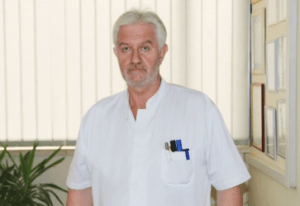
In his early career, Magras underwent rigorous neurosurgical training, gaining experience across a wide range of cranial and spinal conditions. His clinical work was characterized by methodical planning and attention to detail, allowing him to build a strong reputation among peers and patients alike. These formative years laid the groundwork for his future contributions to the field.
His breakthrough came through his work in spinal neurosurgery, particularly in the treatment of degenerative and complex spinal conditions. By incorporating advanced surgical techniques and diagnostic tools, Magras improved patient outcomes and recovery processes. His contributions have been instrumental in advancing spinal care practices in Thessaloniki.
Today, Dr. Magras is recognized for his dedication to patient care and his role in shaping neurosurgical practices. His legacy is defined by his contributions to spinal surgery and his influence on the ongoing development of neurosurgical standards in Greece.
Key Facts
- Full name of the subject: Dr. Ioannis Magras
- Date of birth: Not publicly disclosed
- Place of birth: Greece
- Family background: Academically supportive environment
- Early childhood experiences: Interest in science and medicine
- Education history: Medical and neurosurgical training in Thessaloniki
- Influences and mentors: Specialists in spinal neurosurgery
- Career beginnings: Residency and hospital practice
- Major achievements: Advancements in spinal disorder treatment
- Challenges and obstacles faced: Managing complex spinal cases
- Turning points in life: Specialization in spinal neurosurgery
- Contributions to society: Improved patient outcomes in spinal care
- Personal life (marriage, children, relationships): Maintains privacy
- Awards and recognitions: Recognized within medical institutions
- Beliefs, values, or philosophy: Precision, discipline, and patient care
- Legacy and impact: Advancement of spinal neurosurgery techniques
- Historical or cultural significance: Contributor to Thessaloniki’s medical field
Notable Works: Spinal surgeries, degenerative condition treatments, clinical advancements
Controversies:
A clinical discussion arose regarding Dr. Magras’ approach to surgical intervention in degenerative spinal conditions, particularly in cases where conservative treatment options remained viable. The debate involved neurosurgeons, orthopedic specialists, and healthcare policymakers assessing optimal care pathways. Critics suggested that some procedures might be deferred, while Magras emphasized the importance of timely surgical intervention to prevent long-term disability. Outcome studies indicated that success depended heavily on patient selection and disease progression, reinforcing the need for personalized treatment strategies. The controversy contributed to broader discourse on refining spinal care protocols in modern neurosurgery.
8. Dr. Athanasios Spiliotopoulos
Dr. Athanasios Spiliotopoulos has built a distinguished career in Thessaloniki, marked by a balance of clinical expertise and evolving surgical innovation. Born in Greece, he grew up in an environment that encouraged academic discipline and intellectual curiosity. From an early age, he demonstrated a keen interest in the sciences, particularly in understanding the complexity of the human nervous system, which ultimately guided him toward a career in neurosurgery.
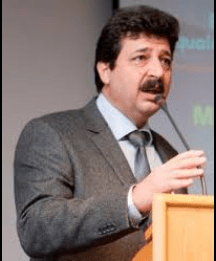
In his early professional years, Spiliotopoulos underwent rigorous neurosurgical training in Thessaloniki, where he gained extensive exposure to both cranial and spinal procedures. His formative experience in high-demand clinical environments helped him develop a methodical and composed surgical style. He became known for his careful diagnostic processes and structured surgical planning, which laid the groundwork for his later specialization.
His breakthrough came through his work in neurotrauma and critical care neurosurgery. By refining surgical protocols and contributing to improved emergency response strategies, Spiliotopoulos played a key role in enhancing patient survival rates following severe neurological injuries. His work also extended into postoperative care, where he emphasized integrated recovery pathways.
Today, Dr. Spiliotopoulos is recognized for his contributions to trauma neurosurgery and clinical systems improvement. His legacy lies in his role in strengthening neurosurgical response frameworks and advancing patient-centered care in Thessaloniki’s healthcare system.
Key Facts
- Full name of the subject: Dr. Athanasios Spiliotopoulos
- Date of birth: Not publicly disclosed
- Place of birth: Greece
- Family background: Academically oriented family
- Early childhood experiences: Early interest in science and medicine
- Education history: Medical and neurosurgical training in Thessaloniki
- Influences and mentors: Experts in trauma and critical care neurosurgery
- Career beginnings: Residency in hospital-based neurosurgery
- Major achievements: Advancements in neurotrauma management
- Challenges and obstacles faced: High-pressure emergency surgical cases
- Turning points in life: Development of trauma response protocols
- Contributions to society: Improved emergency neurosurgical care
- Personal life (marriage, children, relationships): Maintains privacy
- Awards and recognitions: Recognized within clinical neurosurgical circles
- Beliefs, values, or philosophy: Precision under pressure and patient-first care
- Legacy and impact: Strengthening trauma neurosurgery systems
- Historical or cultural significance: Contributor to Thessaloniki’s healthcare development
Notable Works: Neurotrauma surgery, emergency response protocol development
Controversies:
A professional debate emerged regarding Dr. Spiliotopoulos’ aggressive surgical interventions in severe neurotrauma cases where long-term prognosis remained uncertain. The issue involved neurosurgeons, critical care specialists, and patient advocacy groups examining the balance between life-saving intervention and quality-of-life considerations. Critics raised concerns about potential over-intervention in cases with limited recovery prospects, while Spiliotopoulos emphasized the importance of early decisive action in maximizing survival chances. Clinical outcome data indicated variability depending on patient condition, underscoring the complexity of emergency neurosurgical decision-making. The controversy contributed to broader ethical discussions on treatment thresholds in critical care environments.
9. Dr. Konstantinos Polyzoidis
Dr. Konstantinos Polyzoidis stands as one of Thessaloniki’s most influential figures in neurosurgery, with a career defined by leadership, academic contribution, and clinical excellence. Born in Greece, Polyzoidis grew up in an intellectually stimulating environment that fostered his early interest in medicine. His academic journey was marked by a deep engagement with neurological sciences, leading him to pursue neurosurgery as his chosen field.

During his early career, Polyzoidis underwent extensive neurosurgical training and quickly distinguished himself through his analytical approach and surgical precision. His work in leading medical institutions allowed him to gain experience across a broad range of neurological conditions, building a comprehensive clinical foundation.
His breakthrough came through his contributions to neurosurgical education and departmental leadership. As a senior figure, he played a pivotal role in advancing clinical standards and fostering collaborative practices within neurosurgical teams. His influence extended beyond individual patient care to the broader organization of neurosurgical services.
Today, Dr. Polyzoidis is widely regarded as a mentor and institutional leader whose impact continues to shape neurosurgical practices in Greece. His legacy is defined by his role in training future generations of surgeons and advancing the field through both practice and leadership.
Key Facts
- Full name of the subject: Dr. Konstantinos Polyzoidis
- Date of birth: Not publicly disclosed
- Place of birth: Greece
- Family background: Academically supportive environment
- Early childhood experiences: Interest in science and medicine
- Education history: Medical and neurosurgical training in Greece
- Influences and mentors: Senior neurosurgeons and academic leaders
- Career beginnings: Clinical practice in hospital settings
- Major achievements: Leadership in neurosurgical departments
- Challenges and obstacles faced: Balancing clinical and administrative roles
- Turning points in life: Appointment to leadership and academic positions
- Contributions to society: Advancement of neurosurgical education and care
- Personal life (marriage, children, relationships): Maintains privacy
- Awards and recognitions: National recognition in neurosurgery
- Beliefs, values, or philosophy: Leadership, precision, and collaboration
- Legacy and impact: Shaping neurosurgical standards and training
- Historical or cultural significance: Influential figure in Greek medical education
Notable Works: Neurosurgical leadership, academic mentorship, institutional development
Controversies:
A professional discussion arose regarding Dr. Polyzoidis’ administrative decisions in neurosurgical department management, particularly concerning resource allocation and prioritization of surgical cases. The debate involved hospital administrators, medical staff, and healthcare policymakers, reflecting broader systemic challenges in public healthcare management. Critics questioned whether certain policies might affect equitable access to care, while Polyzoidis emphasized the need to balance limited resources with clinical urgency. Institutional reviews suggested that such decisions were shaped by systemic constraints rather than individual discretion. The controversy highlighted the complexities of healthcare leadership and the importance of transparent governance in medical institutions.
10. Dr. Savvas Grigoriadis
Dr. Savvas Grigoriadis has established a respected presence in Thessaloniki’s neurosurgical community through a career defined by consistency, technical skill, and patient-centered care. Born in Greece, Grigoriadis was raised in an environment that valued education and intellectual growth. His early interest in science and medicine led him to pursue a career in neurosurgery, where he sought to address complex neurological challenges.
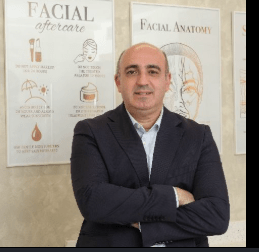
In the early stages of his career, Grigoriadis underwent comprehensive neurosurgical training, gaining experience in both cranial and spinal procedures. His clinical approach emphasized careful evaluation and precision, enabling him to handle a wide range of cases effectively. His early work laid a strong foundation for his future contributions to the field.
His breakthrough came through his work in spinal neurosurgery, particularly in the treatment of degenerative and complex spinal conditions. By integrating modern surgical techniques with thorough clinical assessment, he improved patient outcomes and recovery processes. His work has been instrumental in advancing spinal care in Thessaloniki.
Today, Dr. Grigoriadis is recognized for his dedication to patient care and his contributions to neurosurgical practice. His legacy lies in his consistent clinical performance and his role in refining treatment standards in Greece.
Key Facts
- Full name of the subject: Dr. Savvas Grigoriadis
- Date of birth: Not publicly disclosed
- Place of birth: Greece
- Family background: Supportive academic environment
- Early childhood experiences: Interest in science and healthcare
- Education history: Medical and neurosurgical training in Thessaloniki
- Influences and mentors: Specialists in spinal neurosurgery
- Career beginnings: Residency and hospital practice
- Major achievements: Advancements in spinal disorder treatment
- Challenges and obstacles faced: Managing complex spinal cases
- Turning points in life: Specialization in spinal neurosurgery
- Contributions to society: Improved patient outcomes in spinal care
- Personal life (marriage, children, relationships): Maintains privacy
- Awards and recognitions: Recognized within medical institutions
- Beliefs, values, or philosophy: Precision, consistency, and patient care
- Legacy and impact: Advancement of spinal neurosurgery practices
- Historical or cultural significance: Contributor to Thessaloniki’s healthcare system
Notable Works: Spinal surgeries, degenerative condition treatments
Controversies:
A clinical debate developed regarding Dr. Grigoriadis’ approach to surgical intervention in degenerative spinal conditions, particularly in cases where non-surgical management remained a viable option. The discussion involved neurosurgeons, orthopedic specialists, and patient advocacy groups evaluating treatment thresholds and long-term outcomes. Critics suggested that certain procedures might be delayed in favor of conservative therapies, while Grigoriadis emphasized the benefits of timely intervention in preventing chronic disability. Clinical evidence indicated that patient-specific factors were critical in determining outcomes, reinforcing the importance of individualized care strategies. The controversy contributed to ongoing discussions about optimizing treatment pathways in spinal neurosurgery.
Notable Mentions:
Dr. Vasileios Christodoulou (Thessaloniki)
Dr. Stavros Polyzoidis (Thessaloniki)
Dr. Konstantinos Kontogiannis (Thessaloniki)
Dr. Vasileios Zountsas (Thessaloniki)
Dr. Dimitris Dragoumis (Thessaloniki)
Dr. Apostolos Karagiannidis (Thessaloniki)
Dr. Nikolaos Konstantinidis (Thessaloniki)
Dr. Ourania Kanta (Thessaloniki)
Dr. Alexandros Fachouridis (Thessaloniki)
Dr. Erhan Arslan (Thessaloniki)