
Top 10 Highest-Paid Television Presenters in the World
Top 10 Highest-Paid Television Presenters in the World
In This Content
Quick List
Judy Sheindlin
Steve Harvey
Ryan Seacrest
Dr. Phil McGraw
Stephen Colbert
Jimmy Fallon
Jimmy Kimmel
Kelly Ripa
Bill Maher
George Stephanopoulos
1. Judy Sheindlin
Judy Sheindlin stands as one of the most formidable and financially successful figures in television history, her career built on a distinctive blend of judicial authority, sharp wit, and uncompromising directness. Born in Brooklyn, New York, she grew up in a working-class Jewish family that placed strong emphasis on discipline and education. Her father’s profession as a dentist and her mother’s administrative background shaped her respect for structure and accountability, values that would later define her courtroom persona.
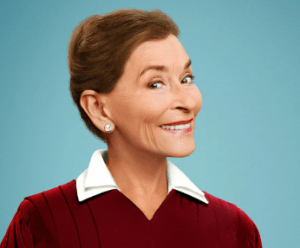
Her career began in family law after graduating from law school and becoming a prosecutor in the New York family court system. She quickly developed a reputation for efficiency, cutting through bureaucratic delays and advocating for swift justice. This no-nonsense approach caught the attention of television producers, leading to her first breakthrough on “Judge Judy,” a courtroom reality series that transformed legal arbitration into mainstream entertainment.
The show’s success was unprecedented, driven by Sheindlin’s commanding presence, rapid-fire judgments, and refusal to indulge theatrics. Her screen persona blended legal expertise with performance precision, creating a hybrid format that blurred the line between judicial proceeding and entertainment. At the height of her career, she became one of the highest-paid television personalities in the world, symbolizing the commercial power of syndicated courtroom programming.
Her legacy is defined not only by longevity but by influence over the entire legal-entertainment genre. She reshaped audience expectations of daytime television, proving that arbitration-based formats could achieve both cultural dominance and extraordinary profitability.
Key Facts
- Full name of the subject: Judy Sheindlin
- Date of birth: October 21, 1942
- Place of birth: Brooklyn, New York, United States
- Family background: Jewish working-class family
- Early childhood experiences: Grew up in a disciplined, education-focused household
- Education history: American University; New York Law School
- Influences and mentors: Family court judges and prosecutors in New York system
- Career beginnings: Family court prosecutor in New York
- Major achievements: Creator and star of “Judge Judy,” highest-paid TV judge
- Challenges and obstacles faced: Gender barriers in early legal career
- Turning points in life: Transition from courtroom judge to television personality
- Contributions to society: Popularized legal literacy and courtroom understanding
- Personal life (marriage, children, relationships): Married to Jerry Sheindlin
- Awards and recognitions: Multiple Daytime Emmy Awards
- Beliefs, values, or philosophy: Justice must be direct, efficient, and uncompromising
- Legacy and impact: Redefined courtroom television genre
- Historical or cultural significance: Pioneer of syndicated legal entertainment
Notable Works: Judge Judy, Judy Justice
Controversies:
One recurring controversy surrounding Judy Sheindlin involves the ethical framing of televised arbitration as entertainment. Critics have argued that “Judge Judy” blurs the line between real judicial authority and scripted television presentation. The concern centers on whether litigants fully understand the binding nature of arbitration agreements and whether entertainment-driven editing influences public perception of legal proceedings. Sheindlin and producers have maintained that participants consent to arbitration and that rulings are legally binding, while media scholars argue that the format prioritizes entertainment value over procedural nuance. The debate has remained largely unresolved but has not significantly impacted the show’s syndication success or her financial standing.
Another debate has centered on Sheindlin’s reported compensation during the peak of her television career, which positioned her among the highest-paid figures in entertainment. Public discussion questioned the disparity between her earnings and traditional judicial salaries, raising broader societal questions about commercialization of legal authority. While critics framed this as an imbalance in entertainment economics, supporters argued that her compensation reflected audience demand and advertising value. The discussion contributed to wider conversations about pay structures in syndicated television.
2. Steve Harvey
Steve Harvey’s journey from stand-up comedian to global television host reflects one of the most dynamic career evolutions in modern entertainment. Born in West Virginia and raised in Ohio, Harvey grew up in a modest household where discipline and resilience were essential to daily life. His early experiences working multiple jobs instilled a strong work ethic that later defined his multi-platform career.
He began in stand-up comedy during the late 1980s, performing in small clubs before gaining national recognition as part of the “Kings of Comedy” tour. This success transitioned him into television, where his charisma and improvisational humor made him a natural fit for hosting roles. His breakthrough came with “The Steve Harvey Show,” followed by his long-running position as host of “Family Feud,” where his expressive reactions became cultural internet phenomena.
Harvey’s screen presence is defined by spontaneous humor, emotional authenticity, and a deeply relatable hosting style. He bridges generational audiences, combining classic comedic timing with modern meme-driven visibility. His influence extends beyond entertainment into motivational speaking and authorship, reinforcing his image as a personal development figure.
His legacy lies in his adaptability across multiple entertainment formats, maintaining relevance across decades while expanding into international hosting duties and brand development.
Key Facts
- Full name of the subject: Broderick Stephen Harvey
- Date of birth: January 17, 1957
- Place of birth: Welch, West Virginia, United States
- Family background: Working-class family
- Early childhood experiences: Raised in modest economic conditions
- Education history: Kent State University (attended)
- Influences and mentors: Richard Pryor, Bill Cosby (early comedic influences)
- Career beginnings: Stand-up comedy circuit
- Major achievements: Host of Family Feud, Emmy-winning television personality
- Challenges and obstacles faced: Early career financial instability
- Turning points in life: Success from Kings of Comedy tour
- Contributions to society: Motivational speaking and youth mentorship initiatives
- Personal life (marriage, children, relationships): Married to Marjorie Harvey
- Awards and recognitions: Daytime Emmy Awards
- Beliefs, values, or philosophy: Faith, perseverance, and personal responsibility
- Legacy and impact: Cross-generational entertainment icon
- Historical or cultural significance: Major figure in modern comedic television hosting
Notable Works: Family Feud, The Steve Harvey Show, Kings of Comedy
Controversies:
One widely publicized controversy occurred during the Miss Universe 2015 pageant, when Steve Harvey mistakenly announced the wrong winner during the live broadcast. The incident involved a misreading of the results card, leading to confusion between Miss Colombia and Miss Philippines. The situation drew global attention due to its live nature and the emotional impact on contestants. Harvey issued an immediate on-air correction and later publicly apologized, accepting responsibility for the error. Pageant organizers clarified procedural aspects, noting human error in presentation protocols. The incident became a case study in live broadcast risk management and significantly increased scrutiny on pageant verification processes.
Another discussion point has involved periodic criticism of Harvey’s self-help messaging, with some commentators questioning the commercial framing of motivational advice in his books and media appearances. Critics argue that the messaging can oversimplify socioeconomic challenges, while supporters highlight its accessibility and positive impact on audiences. This debate continues within broader conversations about celebrity-driven motivational branding.
3. Ryan Seacrest
Ryan Seacrest represents the archetype of modern media versatility, building a career that spans radio, television hosting, production, and entertainment entrepreneurship. Born in Atlanta, Georgia, he demonstrated an early interest in broadcasting, often mimicking radio presenters and experimenting with audio equipment as a teenager. His parents supported his ambition, encouraging early internships in local media stations.
His professional breakthrough came with radio hosting, where his polished delivery and audience engagement skills quickly gained attention. He transitioned into national prominence as host of “American Idol,” a role that positioned him at the center of one of the most influential music television formats of the 21st century. His ability to balance contestants, judges, and live audiences made him a stabilizing force in high-pressure broadcast environments.
Seacrest’s screen presence is characterized by precision, neutrality, and professionalism. Unlike personality-driven hosts, he operates as a structural anchor, allowing format and participants to remain central. This adaptability enabled him to expand into production, including the development of entertainment programming across multiple networks.
His legacy is defined by media scalability successfully managing simultaneous roles across television, radio, and production while maintaining consistent audience trust. He is widely recognized as one of the most efficient broadcast professionals in modern entertainment.
Key Facts
- Full name of the subject: Ryan John Seacrest
- Date of birth: December 24, 1974
- Place of birth: Atlanta, Georgia, United States
- Family background: Middle-class family
- Early childhood experiences: Early fascination with radio broadcasting
- Education history: University of Georgia (journalism studies)
- Influences and mentors: Local radio broadcasters in Atlanta
- Career beginnings: Radio internships and local hosting roles
- Major achievements: Host of American Idol, producer of multiple TV franchises
- Challenges and obstacles faced: Early career competition in broadcast industry
- Turning points in life: Selection as American Idol host
- Contributions to society: Media production and charitable initiatives
- Personal life (marriage, children, relationships): Private personal life
- Awards and recognitions: Emmy Awards for broadcasting
- Beliefs, values, or philosophy: Discipline, consistency, and professionalism
- Legacy and impact: Multi-platform media executive and host
- Historical or cultural significance: Central figure in reality TV broadcasting evolution
Notable Works: American Idol, Live with Kelly and Ryan, On Air with Ryan Seacrest
Controversies:
A notable controversy involving Ryan Seacrest emerged from 2018 allegations of workplace misconduct, which were reported publicly by a former stylist. The case involved claims of inappropriate behavior during his tenure at E! Entertainment. Seacrest denied the allegations, and an internal investigation by the network reportedly found insufficient evidence to substantiate the claims. The matter was eventually settled without formal legal adjudication. The incident generated media scrutiny, particularly due to Seacrest’s prominent role in high-profile live broadcasting. While his career continued without formal interruption, the controversy contributed to broader industry conversations regarding workplace conduct standards in entertainment production environments.
Another recurring discussion has involved concerns about overexposure, as Seacrest maintains simultaneous roles across multiple major programs. Critics argue this raises questions about media concentration and visibility saturation, while supporters view it as evidence of professional versatility and demand-driven scheduling.
4. Dr. Phil McGraw
Dr. Phil McGraw’s rise to television prominence is rooted in his background in clinical psychology and his ability to translate therapeutic principles into mass-market media. Born in Oklahoma and raised in Texas, he grew up in a disciplined household where education and personal accountability were strongly emphasized. His early exposure to human behavior through academic psychology studies shaped his analytical approach to interpersonal conflict.
His career began in clinical practice, working with patients facing behavioral and psychological challenges. However, his transition into media came through appearances on “The Oprah Winfrey Show,” where his direct communication style and structured advice segments resonated with audiences. This visibility led to the creation of his own program, “Dr. Phil,” which redefined daytime talk television by blending therapy-style consultation with broadcast storytelling.
Dr. Phil’s screen presence is marked by controlled intensity, structured questioning, and a diagnostic approach to human behavior. Unlike traditional talk show hosts, he positions himself as an interventionist, often guiding guests through personal crises in real time. This format has made him both a cultural authority figure and a subject of debate regarding televised therapy ethics.
His legacy is defined by the mainstreaming of psychological discourse in entertainment media, making behavioral analysis accessible to a global audience while raising questions about clinical boundaries in televised formats.
Key Facts
- Full name of the subject: Phillip Calvin McGraw
- Date of birth: September 1, 1950
- Place of birth: Vinita, Oklahoma, United States
- Family background: Middle-class family
- Early childhood experiences: Raised in Texas with strong discipline and structure
- Education history: Midwestern State University; University of North Texas (PhD in psychology)
- Influences and mentors: Oprah Winfrey (media influence)
- Career beginnings: Clinical psychology practice
- Major achievements: Host of Dr. Phil show
- Challenges and obstacles faced: Transition from academia to entertainment industry
- Turning points in life: Appearance on Oprah Winfrey Show
- Contributions to society: Popularization of psychological awareness in media
- Personal life (marriage, children, relationships): Married to Robin McGraw
- Awards and recognitions: Multiple daytime television honors
- Beliefs, values, or philosophy: Personal accountability and behavioral responsibility
- Legacy and impact: Bridged psychology and mainstream entertainment
- Historical or cultural significance: Key figure in therapeutic talk television genre
Notable Works: Dr. Phil, The Doctors (executive producer role)
Controversies:
One major controversy surrounding Dr. Phil involves the ethical implications of conducting emotionally charged interventions on television. Critics argue that guests often appear in vulnerable psychological states, raising concerns about informed consent and the potential for exploitation in pursuit of ratings. The show’s format places personal crises in a public arena, prompting debate within the mental health community about whether televised therapy aligns with professional clinical standards. McGraw and production teams have maintained that participants sign detailed consent agreements and receive off-camera support, while critics continue to question the therapeutic integrity of televised interventions.
Another controversy involves associations with rehabilitation and treatment facilities featured on the program. Some former participants have raised concerns about the quality and outcomes of suggested interventions, leading to broader scrutiny of reality-based therapeutic referrals in entertainment contexts. While no formal regulatory sanctions have been imposed, the discussions have contributed to ongoing debates about ethics in psychological broadcasting.
5. Stephen Colbert
Stephen Colbert’s career reflects a sophisticated evolution from improvisational comedy to politically charged satire that reshaped modern late-night television. Born in Washington, D.C., and raised in South Carolina, Colbert experienced early tragedy with the loss of his father and two brothers, an event that profoundly shaped his worldview and emotional depth. His upbringing in a large Catholic family influenced his intellectual curiosity and structured comedic sensibility.
He began his career in improvisational comedy, notably at The Second City in Chicago, where he developed his signature satirical persona. His breakthrough came as a correspondent on “The Daily Show,” where his exaggerated conservative commentator character became a defining element of early 2000s political satire. This persona laid the groundwork for “The Colbert Report,” which became a cultural phenomenon by parodying ideological media personalities.
Colbert’s screen presence combines intellectual rigor with theatrical irony. His ability to oscillate between character-driven satire and sincere hosting has allowed him to transition successfully into “The Late Show,” where he adopted a more traditional interview format while retaining sharp political commentary.
His legacy lies in redefining the boundaries between comedy and political journalism, influencing a generation of satirists and reshaping late-night television as a space for civic discourse.
Key Facts
- Full name of the subject: Stephen Tyrone Colbert
- Date of birth: May 13, 1964
- Place of birth: Washington, D.C., United States
- Family background: Large Catholic family
- Early childhood experiences: Experienced early family tragedy
- Education history: Northwestern University
- Influences and mentors: Second City improvisation mentors
- Career beginnings: Improvisational comedy and sketch performance
- Major achievements: Host of The Late Show, The Colbert Report creator
- Challenges and obstacles faced: Transition from character satire to real hosting
- Turning points in life: Success of The Colbert Report
- Contributions to society: Political satire and civic discourse engagement
- Personal life (marriage, children, relationships): Married to Evelyn McGee-Colbert
- Awards and recognitions: Multiple Emmy Awards
- Beliefs, values, or philosophy: Intellectual engagement through humor
- Legacy and impact: Redefined political satire in late-night television
- Historical or cultural significance: Influential voice in media commentary
Notable Works: The Colbert Report, The Late Show with Stephen Colbert
Controversies:
A notable controversy involving Stephen Colbert arose during the early era of “The Colbert Report,” when critics debated whether his satirical conservative persona could be misinterpreted as genuine political endorsement. The issue centered on audience interpretation and whether satire in media could blur ideological understanding. Colbert consistently maintained that the character was a parody intended to critique media polarization. Media scholars largely supported this interpretation, though discussions persisted about satire’s limits in politically divided environments.
Another discussion emerged when segments of his comedy were criticized for potentially amplifying political division during highly polarized election cycles. Critics argued that satirical framing might reinforce ideological echo chambers, while supporters defended it as necessary political commentary. The debate reflects broader tensions in the role of comedy within democratic discourse.
6. Jimmy Fallon
Jimmy Fallon’s rise to late-night television prominence is rooted in his background as a comedian and impressionist with a strong foundation in sketch performance. Born in Brooklyn and raised in New York state, Fallon grew up in a family that encouraged creativity and humor. His early fascination with Saturday Night Live set the trajectory for his career ambitions.
He began as a stand-up comedian before joining “Saturday Night Live,” where his impersonations and musical sketches quickly gained attention. His breakthrough came as a featured performer on the show, where his digital shorts and celebrity impressions established his popularity. This success eventually led to his role as host of “The Tonight Show,” where he modernized the franchise with viral-friendly content and celebrity-driven games.
Fallon’s screen presence is characterized by enthusiasm, musicality, and high-energy engagement. He prioritizes guest comfort and entertainment over confrontation, creating a lighthearted tone that differentiates him from more politically focused late-night hosts.
His legacy lies in reshaping late-night television for digital audiences, integrating social media virality with traditional broadcast formats.
Key Facts
- Full name of the subject: James Thomas Fallon
- Date of birth: September 19, 1974
- Place of birth: Brooklyn, New York, United States
- Family background: Middle-class Irish-American family
- Early childhood experiences: Strong interest in comedy and impressions
- Education history: The College of Saint Rose
- Influences and mentors: Saturday Night Live cast members
- Career beginnings: Stand-up comedy
- Major achievements: Host of The Tonight Show
- Challenges and obstacles faced: Early stand-up career instability
- Turning points in life: Joining Saturday Night Live
- Contributions to society: Entertainment innovation in digital comedy
- Personal life (marriage, children, relationships): Married to Nancy Juvonen
- Awards and recognitions: Emmy Awards
- Beliefs, values, or philosophy: Positivity and entertainment through humor
- Legacy and impact: Modernized late-night television format
- Historical or cultural significance: Key figure in viral comedy evolution
Notable Works: The Tonight Show Starring Jimmy Fallon, Saturday Night Live
Controversies:
One recurring criticism of Jimmy Fallon centers on the perceived lack of political depth in “The Tonight Show,” especially during periods of heightened political tension. Critics argue that his comedic approach avoids substantive political engagement, potentially limiting late-night television’s role in civic commentary. Fallon and his production team have defended the format as intentionally entertainment-focused rather than political analysis-driven.
Another controversy involved a resurfaced sketch from his “Saturday Night Live” tenure that was widely criticized for racial insensitivity. Fallon issued a public apology, acknowledging the inappropriateness of the impersonation. The incident contributed to broader industry conversations about evolving standards of cultural sensitivity in comedy.
7. Jimmy Kimmel
Jimmy Kimmel’s career trajectory reflects a blend of comedic instinct and political engagement that has made him a central figure in American late-night television. Born in Brooklyn and raised in Las Vegas, Kimmel developed early exposure to broadcasting and entertainment culture, influenced by both radio and television media environments.
He began his career in radio before transitioning into television production and hosting roles. His breakthrough came with “The Man Show,” which showcased his comedic versatility, before evolving into “Jimmy Kimmel Live!,” a program that gradually shifted toward political commentary and celebrity interviews.
Kimmel’s screen presence balances humor with emotional sincerity, often incorporating personal storytelling into his monologues. In recent years, he has become more vocal on social and political issues, particularly health policy and public welfare, expanding his role beyond entertainment into public advocacy.
His legacy lies in his evolution from comedic entertainer to socially engaged broadcaster, reflecting broader changes in late-night television’s cultural responsibilities.
Key Facts
- Full name of the subject: James Christian Kimmel
- Date of birth: November 13, 1967
- Place of birth: Brooklyn, New York, United States
- Family background: Middle-class Italian-German heritage
- Early childhood experiences: Raised in Las Vegas media environment
- Education history: University of Nevada, Las Vegas (attended)
- Influences and mentors: Radio broadcasters and comedy hosts
- Career beginnings: Radio hosting
- Major achievements: Host of Jimmy Kimmel Live!
- Challenges and obstacles faced: Transition from comedy to political hosting
- Turning points in life: Success of late-night show format
- Contributions to society: Advocacy on healthcare awareness and public issues
- Personal life (marriage, children, relationships): Married to Molly McNearney
- Awards and recognitions: Emmy Awards
- Beliefs, values, or philosophy: Humor as social reflection
- Legacy and impact: Political voice in modern late-night television
- Historical or cultural significance: Influential late-night commentator
Notable Works: Jimmy Kimmel Live!, The Man Show
Controversies:
One notable controversy involved comments made by Jimmy Kimmel regarding healthcare policy during public debates on insurance reform. Critics accused him of oversimplifying complex policy issues, while supporters argued that his commentary highlighted personal experiences relevant to broader public concerns. The debate underscored tensions between entertainment platforms and policy discourse.
Another discussion involved past sketches from earlier career phases that were later reassessed under evolving cultural standards. Kimmel issued public apologies for segments considered insensitive, acknowledging shifts in comedic responsibility over time. These incidents contributed to broader industry reflection on the evolution of televised humor.
8. Kelly Ripa
Kelly Ripa’s ascent to becoming one of the highest-paid television presenters is anchored in her longevity, adaptability, and rare ability to sustain audience loyalty across decades of daytime television. Born and raised in Berlin, New Jersey, Ripa grew up in a working-class Italian-American household where discipline, performance, and communication were encouraged from an early age. She trained in ballet and drama, developing the stage confidence that would later define her television identity.
Her career began in soap operas, most notably on “All My Children,” where her expressive acting style and emotional authenticity gained her recognition. The breakthrough into daytime talk television came when she joined “Live! with Regis and Kelly,” stepping into a format that required both improvisational chemistry and conversational agility. Her transition from scripted drama to unscripted hosting demonstrated a rare versatility in broadcast entertainment.
Ripa’s screen presence is defined by relatability, quick wit, and emotional transparency. She connects with audiences through conversational ease rather than performance distance, creating a sense of familiarity that has sustained her relevance in a rapidly changing media environment. Her evolution into co-host and later central anchor of “Live with Kelly and Ryan” cemented her position as a leading figure in daytime television.
Her legacy is built on consistency, audience trust, and her ability to evolve alongside changing television formats while maintaining a strong personal brand identity.
Key Facts
- Full name of the subject: Kelly Maria Ripa
- Date of birth: October 2, 1970
- Place of birth: Berlin, New Jersey, United States
- Family background: Working-class Italian-American family
- Early childhood experiences: Trained in dance and performing arts
- Education history: Eastern Regional High School
- Influences and mentors: Soap opera industry directors and producers
- Career beginnings: Acting in daytime soap opera “All My Children”
- Major achievements: Co-host of Live with Kelly franchise
- Challenges and obstacles faced: Transition from acting to live hosting
- Turning points in life: Joining Live! with Regis and Kelly
- Contributions to society: Daytime entertainment and audience engagement culture
- Personal life (marriage, children, relationships): Married to Mark Consuelos
- Awards and recognitions: Daytime Emmy Awards
- Beliefs, values, or philosophy: Authenticity and consistency in performance
- Legacy and impact: One of daytime TV’s most enduring hosts
- Historical or cultural significance: Key figure in modern syndicated talk shows
Notable Works: Live with Kelly and Ryan, All My Children
Controversies:
One recurring discussion around Kelly Ripa has involved workplace dynamics following changes in co-hosting arrangements on “Live.” The transition periods between co-hosts generated media speculation about internal tensions and production decision-making processes. While no formal misconduct allegations were substantiated, industry commentary focused on the complexities of maintaining continuity in long-running syndicated programming. Ripa and network representatives have consistently emphasized professional collaboration and behind-the-scenes stability.
Another controversy involved public commentary segments on social and political issues, where some viewers criticized perceived bias in daytime television discussions. Supporters argue that her commentary reflects broader cultural conversations, while critics maintain that entertainment programming should remain politically neutral. The debate reflects the evolving role of daytime hosts in public discourse.
9. Bill Maher
Bill Maher has built a career defined by political commentary, satire, and unapologetic opinion-driven broadcasting, making him one of the most influential and controversial voices in American television. Born in New York City and raised in New Jersey, Maher grew up in a household that emphasized intellectual curiosity and open debate, shaping his later approach to political discourse.
He began his career in stand-up comedy, performing in clubs where his sharp observational humor and political critique distinguished him from traditional comedians. His breakthrough came with “Politically Incorrect,” a late-night talk format that blended comedy with political debate, attracting both acclaim and criticism for its unfiltered discussions. This success later evolved into “Real Time with Bill Maher,” which solidified his position as a leading political commentator on television.
Maher’s screen presence is defined by intellectual provocation, skepticism, and rhetorical confrontation. He often challenges guests across ideological lines, creating a forum that blends comedy with political interrogation. His style has positioned him as both a cultural commentator and a polarizing public intellectual.
His legacy lies in redefining late-night television as a space for political discourse, where comedy serves as a vehicle for ideological debate rather than pure entertainment.
Key Facts
- Full name of the subject: William Maher
- Date of birth: January 20, 1956
- Place of birth: New York City, New York, United States
- Family background: Middle-class Irish-Jewish heritage
- Early childhood experiences: Raised in intellectually open household
- Education history: Cornell University
- Influences and mentors: Political satirists and stand-up comedians
- Career beginnings: Stand-up comedy circuit
- Major achievements: Host of Real Time with Bill Maher
- Challenges and obstacles faced: Public backlash for controversial commentary
- Turning points in life: Success of Politically Incorrect
- Contributions to society: Political satire and public discourse engagement
- Personal life (marriage, children, relationships): Private personal life
- Awards and recognitions: Emmy Awards
- Beliefs, values, or philosophy: Free speech and political skepticism
- Legacy and impact: Influential political commentator in television
- Historical or cultural significance: Major figure in televised political satire
Notable Works: Real Time with Bill Maher, Politically Incorrect
Controversies:
One major controversy surrounding Bill Maher involves remarks made during televised discussions that were widely criticized as insensitive on cultural and religious topics. The incidents sparked public backlash and debates about the boundaries of satire and free speech in broadcast media. Maher defended his comments as part of broader comedic critique, while critics argued they crossed into offensive territory. Networks issued clarifications but continued to air his program, reflecting ongoing tension between editorial freedom and audience sensitivity.
Another controversy involved statements regarding public health policies and vaccination discussions, where critics accused him of promoting misleading interpretations. Maher maintained that his commentary reflected skepticism rather than misinformation, while public health experts challenged the framing. The debate highlighted broader issues about the role of television personalities in shaping public understanding of scientific issues.
10. George Stephanopoulos
George Stephanopoulos represents a distinct category of television presenter whose authority is rooted in political experience, journalistic rigor, and institutional credibility. Born in Massachusetts and raised in a Greek-American family, he demonstrated early academic excellence and intellectual discipline, eventually pursuing studies at Columbia University and Oxford as a Rhodes Scholar.
His early career began in political communications, serving as a senior advisor in U.S. government administration, where he gained firsthand experience in policy-making and national governance. This background became the foundation for his transition into broadcast journalism, where he brought insider political knowledge to television audiences.
Stephanopoulos’s screen presence is defined by analytical precision, controlled delivery, and credibility-driven interviewing. Unlike entertainment-focused hosts, his approach prioritizes policy explanation, political accountability, and structured questioning. His role on “Good Morning America” and ABC News positioned him as a central figure in American political journalism on television.
His legacy is anchored in bridging political governance and broadcast journalism, offering audiences a rare combination of insider expertise and media accessibility.
Key Facts
- Full name of the subject: George Robert Stephanopoulos
- Date of birth: February 10, 1961
- Place of birth: Fall River, Massachusetts, United States
- Family background: Greek-American academic family
- Early childhood experiences: Strong emphasis on education and discipline
- Education history: Columbia University; University of Oxford (Rhodes Scholar)
- Influences and mentors: Political advisors and academic mentors
- Career beginnings: White House communications director role
- Major achievements: Anchor of Good Morning America
- Challenges and obstacles faced: Transition from politics to journalism
- Turning points in life: Shift from political advisor to media personality
- Contributions to society: Political journalism and civic education
- Personal life (marriage, children, relationships): Married to Ali Wentworth
- Awards and recognitions: Emmy Awards for journalism
- Beliefs, values, or philosophy: Institutional accountability and informed reporting
- Legacy and impact: Trusted political journalist in mainstream media
- Historical or cultural significance: Key figure in modern political broadcast journalism
Notable Works: Good Morning America, ABC News political coverage
Controversies:
One controversy involving George Stephanopoulos emerged from questions about journalistic neutrality due to his prior political career. Critics argued that his background as a political advisor could influence perceived objectivity in news coverage. Stephanopoulos and ABC News have maintained that professional journalistic standards and editorial oversight ensure impartial reporting. The debate reflects ongoing scrutiny of the relationship between politics and journalism in broadcast media.
Another discussion involved a high-profile defamation-related legal dispute connected to on-air commentary referencing a civil case. The matter resulted in institutional review and public clarification of reporting standards. While the issue was resolved through legal and editorial channels, it reinforced the importance of precision in broadcast journalism.
Notable Mentions
Ant & Dec
Bradley Walsh
John Oliver
Trevor Noah
Savannah Guthrie
Robin Roberts
Anderson Cooper
Ellen DeGeneres
Graham Norton
Sean Hannity