
Top 10 French Television Hosts with Global Recognition
Top 10 French Television Hosts with Global Recognition
In This Content
Quick List
Antoine de Caunes
Mélissa Theuriau
Michel Drucker
Cyril Hanouna
Fred Sirieix
Eleni Giokos
Nikos Aliagas
Claire Chazal
Patrick Poivre d’Arvor
Laurence Ferrari
Antoine de Caunes
Antoine de Caunes emerged from a culturally influential French household that shaped his early exposure to media, art, and intellectual discourse. Born into a family deeply rooted in journalism and entertainment, he developed an early fascination with satire, cinema, and performance. His upbringing gave him both the confidence and curiosity to challenge traditional broadcasting norms, a trait that would later define his career.
He began his professional journey in radio and television during the late 1970s and early 1980s, where his wit and unconventional presentation style quickly distinguished him from traditional presenters. His early work on French music and pop culture programming revealed a natural ability to blend humor with cultural critique, positioning him as part of a new wave of television personalities reshaping French broadcasting.
His breakthrough came with shows that embraced irreverence and creative freedom, particularly in music and entertainment television. As host of influential programs such as “Nulle Part Ailleurs,” he became a defining figure in French television’s modern era, merging satire, celebrity interviews, and live performance with an unmistakable personal flair. His style resonated beyond France, contributing to his recognition across European media landscapes.
De Caunes’ legacy lies in his ability to transform the role of the television host into that of a cultural commentator and performer. His influence extends into film direction and production, reinforcing his reputation as a multi-dimensional media figure whose impact transcends traditional broadcasting.
Key Facts
- Full name of the subject: Antoine de Caunes
- Date of birth: 1 December 1953
- Place of birth: Paris, France
- Family background: Born into a prominent media and intellectual family
- Early childhood experiences: Exposed to journalism, literature, and television culture
- Education history: Studied at various institutions in France with focus on media and arts
- Influences and mentors: French satirical tradition, European cinema, broadcasting pioneers
- Career beginnings: Radio and early television presenting in France
- Major achievements: Long-running success in entertainment television and film
- Challenges and obstacles faced: Navigating censorship norms and evolving broadcast standards
- Turning points in life: Breakthrough on national television entertainment programs
- Contributions to society: Redefined entertainment journalism and satire on French TV
- Personal life (marriage, children, relationships): Maintains a relatively private personal life
- Awards and recognitions: Multiple French media and cultural awards
- Beliefs, values, or philosophy: Advocates creative freedom and media innovation
- Legacy and impact: Pioneer of modern French entertainment television
- Historical or cultural significance: Key figure in transforming French TV presentation style
Notable Works: “Nulle Part Ailleurs,” Cannes Film Festival coverage, French cinema projects, television hosting roles
Controversies: Antoine de Caunes has faced occasional criticism related to the provocative humor and satirical tone of certain programs he fronted. The central issue typically revolved around whether his editorial freedom on entertainment platforms sometimes pushed the boundaries of acceptable broadcast content. The context of these debates was the evolving regulatory environment of French television in the 1990s, where entertainment formats were rapidly shifting toward more irreverent and youth-oriented programming. Key stakeholders included television regulators, channel executives, co-hosts, and audience advocacy groups. Critics argued that some segments blurred lines between satire and insensitivity, while supporters defended his work as essential creative expression. There has been no formal sanction against him, and most controversies were resolved through internal editorial adjustments rather than legal action. The impact on his career was minimal, with his reputation largely strengthened among audiences who valued his bold presenting style.
Mélissa Theuriau
Mélissa Theuriau was born into a French family that emphasized education and intellectual development, which strongly influenced her academic trajectory. From an early age, she demonstrated a strong inclination toward communication, writing, and visual storytelling. Her formative years were marked by a disciplined educational path that would later support her entry into journalism.
She began her career in journalism through rigorous academic training in audiovisual communication and quickly transitioned into professional reporting roles. Her early work as a field reporter showcased her ability to handle sensitive social issues with clarity and composure, distinguishing her from many of her contemporaries in French television journalism.
Her breakthrough came when she became a prominent face on national news programs, where her reporting style combined emotional intelligence with analytical depth. She gained international attention not only for her on-screen presence but also for her ability to report complex stories with accessibility and precision. This visibility expanded her recognition beyond France, particularly in global media discussions around broadcast journalism standards.
Theuriau’s legacy is defined by her contribution to modern French news presentation, especially in human-interest reporting. She has also influenced the perception of female journalists in French media, setting a benchmark for professionalism and on-screen authority.
Key Facts
- Full name of the subject: Mélissa Theuriau
- Date of birth: 18 July 1978
- Place of birth: Échirolles, France
- Family background: Middle-class French family with strong academic emphasis
- Early childhood experiences: Developed interest in storytelling and current affairs
- Education history: Degree in audiovisual journalism
- Influences and mentors: French investigative journalism traditions
- Career beginnings: Television reporting and field journalism
- Major achievements: Prominent news anchor and international media recognition
- Challenges and obstacles faced: Navigating gender expectations in broadcast journalism
- Turning points in life: Transition from reporter to national news presenter
- Contributions to society: Elevated human-interest journalism in French media
- Personal life (marriage, children, relationships): Married to comedian Jamel Debbouze
- Awards and recognitions: Media and journalism accolades in France
- Beliefs, values, or philosophy: Strong emphasis on ethical journalism
- Legacy and impact: Role model for modern female journalists in France
- Historical or cultural significance: Part of the transformation of French news presentation
Notable Works: National news broadcasts, investigative reporting, documentary projects
Controversies: Mélissa Theuriau has largely maintained a controversy-free public profile, though she has occasionally been associated with debates regarding media representation and the visibility of women in high-profile news roles. The issue generally centered on broader industry criticism rather than personal misconduct, focusing on whether French television adequately balanced gender representation in anchor positions. Key stakeholders included media institutions, feminist advocacy groups, and broadcasting executives. Theuriau herself has consistently emphasized professional merit and journalistic integrity in response to such discussions. No formal allegations or institutional investigations have been recorded against her, and the matter remains a broader industry debate rather than a personal controversy.
Michel Drucker
Michel Drucker was born into a family with strong ties to public service and intellectual life in France. His early exposure to communication and public affairs shaped his calm, authoritative on-screen demeanor. Growing up in post-war France, he developed a deep appreciation for national culture and the evolving role of television as a unifying medium.
He began his career in broadcasting in the 1960s, initially working behind the scenes before transitioning into presenting. His early roles at national television networks allowed him to refine a distinctive hosting style characterized by warmth, consistency, and respectful interviewing techniques. Unlike many flamboyant presenters, Drucker built his reputation on reliability and emotional intelligence.
His breakthrough came with long-running talk shows that became staples of French television culture. Programs such as “Champs-Élysées” and later “Vivement Dimanche” established him as one of France’s most enduring television figures. His ability to engage celebrities, politicians, and artists across generations contributed to his global recognition as a master interviewer.
Drucker’s legacy is defined by longevity and trust. He represents continuity in French broadcasting, maintaining relevance across decades of shifting media landscapes. His influence is evident in the standardization of respectful, in-depth celebrity interviews in European television.
Key Facts
- Full name of the subject: Michel Drucker
- Date of birth: 12 September 1942
- Place of birth: Vire, France
- Family background: Family with medical and academic background
- Early childhood experiences: Grew up in post-war France with strong cultural exposure
- Education history: Studied journalism and communication
- Influences and mentors: Early French television pioneers
- Career beginnings: Television assistant and sports journalism
- Major achievements: Decades-long hosting of major French talk shows
- Challenges and obstacles faced: Health issues and industry competition
- Turning points in life: Launch of nationally acclaimed talk shows
- Contributions to society: Shaped French celebrity interview culture
- Personal life (marriage, children, relationships): Married, maintains private family life
- Awards and recognitions: Lifetime achievement honors in French media
- Beliefs, values, or philosophy: Professionalism, respect, and consistency
- Legacy and impact: One of France’s most trusted television hosts
- Historical or cultural significance: Icon of French television history
Notable Works: “Champs-Élysées,” “Vivement Dimanche,” major national broadcasts
Controversies: Michel Drucker has faced limited controversy throughout his career, though occasional public debate has arisen around perceptions of his long-standing dominance in French television. The central issue often questioned whether his prolonged presence limited opportunities for younger presenters. The context of this criticism lies in the structural stability of French public broadcasting, where long-tenured hosts are common. Stakeholders included competing presenters, network executives, and media commentators. Drucker has consistently responded by emphasizing mentorship and gradual transition rather than exclusion. No formal misconduct findings or institutional sanctions have been associated with him. The controversy has had minimal impact on his reputation, which remains largely positive and institutionally respected.
Cyril Hanouna
Cyril Hanouna was born in a working-class family in Paris that would later serve as a foundational influence on his populist broadcasting style. Growing up in a culturally diverse environment, he developed an early awareness of humor as both entertainment and social commentary. His upbringing in suburban France exposed him to everyday realities that would later shape his direct, often provocative communication style.
He began his career in radio, where his comedic timing and improvisational energy quickly earned attention. Early roles in television production and hosting allowed him to experiment with formats that blended entertainment, talk, and audience participation. His ability to connect with younger audiences positioned him as a rising figure in French entertainment broadcasting.
His breakthrough came with the launch and expansion of “Touche Pas à Mon Poste” (TPMP), a talk-show format that combined media commentary, celebrity gossip, and live debate. The program became one of the most-watched entertainment shows in France, transforming Hanouna into a central figure in French pop culture television. His fast-paced, unpredictable, and emotionally charged style redefined audience engagement in French talk shows.
Hanouna’s legacy is polarizing yet undeniably influential. He represents a new era of French television where interactivity, controversy, and entertainment journalism intersect. His global recognition stems less from traditional exportable programming and more from the cultural debates his hosting style consistently generates.
Key Facts
- Full name of the subject: Cyril Hanouna
- Date of birth: 23 September 1974
- Place of birth: Paris, France
- Family background: French-Tunisian heritage, working-class upbringing
- Early childhood experiences: Exposure to multicultural urban life in France
- Education history: Studied business and communication
- Influences and mentors: French comedy and radio broadcasting culture
- Career beginnings: Radio hosting and small television roles
- Major achievements: Creation and success of TPMP
- Challenges and obstacles faced: Repeated media criticism and regulatory scrutiny
- Turning points in life: Rise of TPMP as a national television phenomenon
- Contributions to society: Popularized interactive entertainment talk shows
- Personal life (marriage, children, relationships): Private family life
- Awards and recognitions: Entertainment broadcasting awards in France
- Beliefs, values, or philosophy: Audience engagement and spontaneity
- Legacy and impact: Redefined French entertainment talk show culture
- Historical or cultural significance: Central figure in modern French pop media
Notable Works: “Touche Pas à Mon Poste,” radio entertainment programs, television specials
Controversies: Cyril Hanouna has been the subject of multiple controversies largely centered on the tone, content, and editorial direction of “Touche Pas à Mon Poste.” The primary issue concerns allegations of on-air misconduct, including the use of humor or commentary perceived as insensitive or inappropriate. These controversies often emerge within the regulatory framework of French audiovisual oversight, particularly involving the Conseil supérieur de l’audiovisuel (CSA), now ARCOM. Key stakeholders include regulatory authorities, advertisers, television networks, guests, and advocacy groups. Hanouna and his production teams have frequently defended the show as satirical entertainment, emphasizing audience demand and freedom of expression. Critics argue that certain segments blur ethical broadcasting boundaries, while supporters view the program as reflective of contemporary media culture. Several warnings and sanctions have been issued over time, though the show remains on air with strong viewership, indicating limited long-term impact on his career trajectory.
Fred Sirieix
Fred Sirieix was born in Limoges, France, where he developed an early interest in hospitality and human interaction. Growing up in a modest household, he was drawn to service-oriented environments that emphasized discipline, presentation, and emotional intelligence. His early fascination with customer experience would later define his international career.
He began his professional journey in the hospitality industry, training as a maître d’hôtel and working in prestigious French restaurants. His transition into media was not immediate; rather, it evolved from his expertise in service excellence and guest experience. His articulate communication style and professional charisma eventually led him into television.
His breakthrough came with appearances on British television, particularly through hospitality-focused programs such as “First Dates.” His role as a maître d’ and relationship commentator introduced him to global audiences, who connected with his refined yet warm presenting style. This cross-cultural transition from French hospitality to British television expanded his international recognition.
Sirieix’s legacy lies in his ability to humanize hospitality and elevate service industry narratives in mainstream media. He represents a unique blend of French professional training and global entertainment appeal.
Key Facts
- Full name of the subject: Fred Sirieix
- Date of birth: 12 January 1972
- Place of birth: Limoges, France
- Family background: Middle-class French family
- Early childhood experiences: Exposure to service culture and hospitality values
- Education history: Hospitality and restaurant management training
- Influences and mentors: French culinary and hospitality institutions
- Career beginnings: Maître d’hôtel in fine dining restaurants
- Major achievements: International recognition through television hospitality programs
- Challenges and obstacles faced: Transition from hospitality industry to television
- Turning points in life: Joining televised dating and dining programs
- Contributions to society: Promoted hospitality professionalism globally
- Personal life (marriage, children, relationships): Father and family-oriented
- Awards and recognitions: Hospitality and media recognition awards
- Beliefs, values, or philosophy: Excellence in service and human connection
- Legacy and impact: Bridged hospitality industry with mainstream entertainment
- Historical or cultural significance: Elevated the role of service professionals in media
Notable Works: “First Dates,” hospitality documentaries, culinary television appearances
Controversies: Fred Sirieix has maintained a largely controversy-free public profile, with limited public disputes primarily related to occasional debates about the representation of hospitality professionals in entertainment television. The issue centers on whether reality-based dating and dining shows accurately reflect the working conditions and emotional labor of service staff. Key stakeholders include hospitality professionals, television producers, and audiences. Sirieix has consistently emphasized the importance of authenticity and respect for service industry workers. No formal allegations or regulatory investigations have been associated with him, and public perception remains broadly positive.
Eleni Giokos
Eleni Giokos was born in South Africa to a multicultural family that emphasized education, global awareness, and linguistic diversity. Her early exposure to international environments shaped her worldview and later enabled her to navigate global journalism with ease. Although not French-born, her work in European and international broadcasting spaces connects her profile to global television recognition.
She began her career in journalism in South Africa, working across economic and business reporting. Her early reporting assignments focused on financial systems, emerging markets, and economic development across Africa. This analytical foundation distinguished her from traditional news presenters and positioned her for global media platforms.
Her breakthrough came through her work with major international news networks, including CNN, where she became a recognized anchor and correspondent. Her reporting style blends economic analysis with human storytelling, allowing her to communicate complex financial narratives to global audiences. Her visibility on international platforms expanded her recognition beyond regional broadcasting.
Giokos’ legacy lies in her contribution to global financial journalism and her ability to connect African economic narratives to worldwide audiences. Her presence in international media represents the increasing globalization of television journalism.
Key Facts
- Full name of the subject: Eleni Giokos
- Date of birth: 1982 (approximate public record)
- Place of birth: Johannesburg, South Africa
- Family background: Multicultural and professionally oriented family
- Early childhood experiences: Exposure to diverse cultural and linguistic environments
- Education history: Journalism and economics-related studies
- Influences and mentors: International financial journalists and editors
- Career beginnings: South African business journalism
- Major achievements: CNN anchor and international correspondent
- Challenges and obstacles faced: Breaking into global media from regional markets
- Turning points in life: Joining international news networks
- Contributions to society: Economic literacy and global financial reporting
- Personal life (marriage, children, relationships): Private family life
- Awards and recognitions: Journalism excellence recognitions
- Beliefs, values, or philosophy: Global economic awareness and clarity in reporting
- Legacy and impact: Representation of African voices in global financial media
- Historical or cultural significance: Part of globalization of television journalism
Notable Works: CNN business coverage, international economic reporting
Controversies: Eleni Giokos has not been associated with direct personal controversies; however, her reporting on global financial systems has occasionally drawn criticism from viewers and analysts who argue that certain economic interpretations may reflect institutional perspectives. The core issue relates to broader debates in financial journalism regarding neutrality, framing, and representation of emerging markets. Stakeholders include media organizations, economic analysts, and audiences in developing economies. Giokos has maintained a professional stance emphasizing data-driven reporting and journalistic integrity. No formal complaints or disciplinary actions have been recorded against her.
Nikos Aliagas
Nikos Aliagas was born in France to Greek immigrant parents, an upbringing that immersed him in both French and Greek cultural identities. This bicultural foundation became central to his later career in international entertainment television. His early life was shaped by multilingualism and a strong appreciation for media as a bridge between cultures.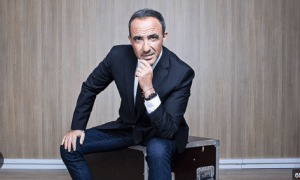
He began his career in journalism and broadcasting in France, initially working in radio and later transitioning into television. His early work focused on cultural programming and youth-oriented media, where his charisma and linguistic versatility stood out. This allowed him to operate seamlessly across French and Greek media markets.
His breakthrough came as the host of “Star Academy,” a major French talent show that gained international attention. The program positioned him as one of France’s most recognizable television hosts, particularly in entertainment and reality television. His ability to manage live performances, emotional storytelling, and contestant narratives contributed to his global recognition.
Aliagas’ legacy is defined by his role in shaping modern talent-based television in France and beyond. He represents the fusion of cultural identity and entertainment broadcasting in the European media landscape.
Key Facts
- Full name of the subject: Nikos Aliagas
- Date of birth: 13 May 1969
- Place of birth: Paris, France
- Family background: Greek immigrant family in France
- Early childhood experiences: Bicultural upbringing in France and Greece
- Education history: Journalism and media studies
- Influences and mentors: French and Greek broadcasting traditions
- Career beginnings: Radio and cultural television programming
- Major achievements: Hosting “Star Academy”
- Challenges and obstacles faced: Navigating dual media markets and cultural expectations
- Turning points in life: Becoming a national entertainment television host
- Contributions to society: Popularized talent-based television formats
- Personal life (marriage, children, relationships): Family-oriented private life
- Awards and recognitions: Television hosting awards in France and Greece
- Beliefs, values, or philosophy: Cultural identity and storytelling through media
- Legacy and impact: Key figure in European talent television
- Historical or cultural significance: Bridge between French and Greek media industries
Notable Works: “Star Academy,” entertainment specials, cultural documentaries
Controversies: Nikos Aliagas has largely avoided major controversies, though occasional debates have arisen regarding the commercialization of talent-based reality television programs he has hosted. Critics argue that such formats may place excessive emotional pressure on contestants, while supporters view them as legitimate entertainment and career-launching platforms. Key stakeholders include broadcasters, contestants, production companies, and audience advocacy groups. Aliagas has consistently maintained that his role is to present and facilitate rather than determine outcomes. No formal disciplinary actions or regulatory findings have been associated with his hosting career.
Claire Chazal
Claire Chazal was born in a cultivated French household that valued literature, language, and intellectual discipline. From an early age, she demonstrated strong academic ability and a natural inclination toward structured communication. Her upbringing in post-war France exposed her to the growing importance of television as a national information medium, which later influenced her career direction.
She pursued higher education in economics and journalism, a combination that equipped her with both analytical precision and communication clarity. Her early professional years were marked by rigorous newsroom training, where she developed a reputation for composure and editorial accuracy. She entered French public broadcasting at a time when news presentation was becoming increasingly visual and personality-driven.
Her breakthrough came when she became the face of major national news broadcasts, particularly on TF1, where she anchored prime-time news for decades. Her calm delivery, authoritative tone, and understated elegance made her one of the most recognizable journalists in France. Internationally, she became a symbol of French news presentation style measured, polished, and deeply professional.
Chazal’s legacy is defined by longevity, credibility, and the institutional trust she built with audiences. She helped shape the modern identity of French television journalism, particularly in the realm of prime-time news anchoring.
Key Facts
- Full name of the subject: Claire Chazal
- Date of birth: 1 December 1956
- Place of birth: Thiers, France
- Family background: Educated middle-class French family
- Early childhood experiences: Strong academic and literary exposure
- Education history: Studied economics and journalism
- Influences and mentors: French public broadcasting journalists
- Career beginnings: Economic journalism and newsroom reporting
- Major achievements: Long-term TF1 prime-time news anchor
- Challenges and obstacles faced: Gender expectations in high-profile journalism
- Turning points in life: Appointment as main news presenter on TF1
- Contributions to society: Elevated credibility of televised news presentation
- Personal life (marriage, children, relationships): Mother, private personal life
- Awards and recognitions: Multiple French journalism honors
- Beliefs, values, or philosophy: Accuracy, neutrality, and professionalism
- Legacy and impact: One of France’s most trusted news presenters
- Historical or cultural significance: Icon of French television journalism
Notable Works: TF1 evening news, special political coverage, interviews
Controversies: Claire Chazal has occasionally been part of public debate surrounding editorial decisions during her tenure as a leading news anchor, particularly regarding perceived neutrality in political coverage. The central issue involved discussions about whether flagship news programs maintained sufficient balance during election cycles. The context of these debates lies in the highly scrutinized nature of French public information broadcasting. Key stakeholders included political parties, media regulators, journalists’ unions, and audience watchdog groups. Chazal consistently maintained that editorial decisions were managed by newsroom leadership rather than individual anchors. No formal wrongdoing or regulatory sanctions were attributed to her personally, and her professional reputation remained largely intact throughout her career.
Patrick Poivre d’Arvor
Patrick Poivre d’Arvor was born in a highly educated French family that fostered strong intellectual curiosity and a passion for literature. His early years were shaped by academic discipline and exposure to political and cultural discourse, which later informed his journalistic approach. He developed a strong interest in storytelling and current affairs from a young age.
He entered journalism through radio and print before transitioning into television, where his articulate presentation style quickly gained attention. His early newsroom roles allowed him to refine a narrative-driven approach to news delivery, blending factual reporting with literary expression. This distinctive style helped him stand out in French broadcast journalism.
His breakthrough came as the main anchor of France’s leading news programs, particularly on TF1, where he became one of the most prominent faces in French television history. His long tenure made him synonymous with televised news in France, and his interviews with global political leaders further elevated his international recognition.
His legacy is complex yet significant, defined by decades of influence on French political journalism and television news presentation. He helped shape modern expectations of anchor authority and narrative depth in broadcast journalism.
Key Facts
- Full name of the subject: Patrick Poivre d’Arvor
- Date of birth: 20 September 1947
- Place of birth: Reims, France
- Family background: Intellectual and academically oriented family
- Early childhood experiences: Strong literary and political exposure
- Education history: Studied law and political science
- Influences and mentors: French political journalism traditions
- Career beginnings: Radio and print journalism
- Major achievements: TF1 main news anchor and political interviewer
- Challenges and obstacles faced: Public scrutiny and legal disputes later in career
- Turning points in life: Appointment as leading national news anchor
- Contributions to society: Influenced French political journalism style
- Personal life (marriage, children, relationships): Family life with public attention
- Awards and recognitions: Journalism awards and state honors
- Beliefs, values, or philosophy: Narrative-driven journalism
- Legacy and impact: Major figure in French broadcast journalism history
- Historical or cultural significance: Defined French TV news anchoring for decades
Notable Works: TF1 news broadcasts, political interviews, written publications
Controversies: Patrick Poivre d’Arvor has been associated with significant controversies, particularly allegations of sexual misconduct and professional misconduct that emerged publicly in later years. The central issue involves multiple allegations brought forward by individuals accusing him of inappropriate behavior during his tenure in media institutions. The context includes broader societal reassessment of workplace conduct in media industries, particularly under movements emphasizing accountability and institutional reform. Key stakeholders include alleged accusers, media organizations, legal authorities, and advocacy groups. Poivre d’Arvor has denied many of the allegations, and several claims have been subject to legal review and judicial procedures, with outcomes varying across cases. Some proceedings have been dismissed or remain unresolved, reflecting the complexity of the legal landscape. The controversies have significantly impacted his public image and legacy, leading to reassessment of his long-standing career achievements within French media history.
Laurence Ferrari
Laurence Ferrari was born in France into a politically aware and professionally structured family environment. Her early upbringing emphasized communication, discipline, and academic achievement. She developed an early interest in journalism and public affairs, which shaped her educational and career trajectory.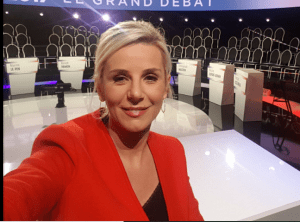
She studied journalism and entered the media industry through reporting and early newsroom assignments. Her initial roles in television news production allowed her to build credibility as a serious journalist with strong editorial discipline. She quickly progressed into more visible presenting roles due to her clarity and composure on screen.
Her breakthrough came when she became a leading news anchor on French national television, where she presented major political and international news programs. Her tenure in prime-time news established her as one of France’s most recognized television journalists, with interviews spanning global political leaders and major international events.
Ferrari’s legacy is defined by her professionalism and adaptability in a rapidly evolving media landscape. She represents a generation of French journalists who transitioned from traditional broadcast models to modern, multi-platform news environments.
Key Facts
- Full name of the subject: Laurence Ferrari
- Date of birth: 5 July 1966
- Place of birth: Aix-les-Bains, France
- Family background: Educated French family with political awareness
- Early childhood experiences: Exposure to civic and media culture
- Education history: Journalism training and communication studies
- Influences and mentors: French broadcast journalism institutions
- Career beginnings: News reporting and television production roles
- Major achievements: National news anchor on major French channels
- Challenges and obstacles faced: High-pressure political journalism environment
- Turning points in life: Appointment as prime-time news presenter
- Contributions to society: Strengthened political news accessibility in France
- Personal life (marriage, children, relationships): Married with children
- Awards and recognitions: Journalism and media awards in France
- Beliefs, values, or philosophy: Clarity, accuracy, and professional neutrality
- Legacy and impact: Prominent figure in modern French news broadcasting
- Historical or cultural significance: Part of evolution of televised political journalism in France
Notable Works: National news broadcasts, political interviews, special reports
Controversies: Laurence Ferrari has faced occasional controversy primarily related to editorial decisions and perceived framing of political interviews during her tenure as a prime-time news anchor. The core issue involved public debate over whether certain interviews demonstrated sufficient neutrality or critical depth in politically sensitive contexts. The situation arose within the broader framework of French political journalism, where anchors often face scrutiny during election cycles and major policy debates. Key stakeholders included political figures, media regulators, newsroom editors, and audience advocacy groups. Ferrari has consistently maintained that editorial direction lies within newsroom governance structures rather than individual presenters. No formal sanctions or confirmed misconduct findings have been recorded against her, and her career remains institutionally respected despite periodic public debate.
Notable Mentions:
Anne-Sophie Lapix
Stéphane Bern
Nagui
Arthur (Jacques Essebag)
Yann Barthès
Thierry Ardisson
Christine Ockrent
Léa Salamé
Harry Roselmack
Virginie Efira