Top 10 Hollywood Legends of the 90s
Top 10 Hollywood Legends of the 90s
In This Content
1. Tom Hanks
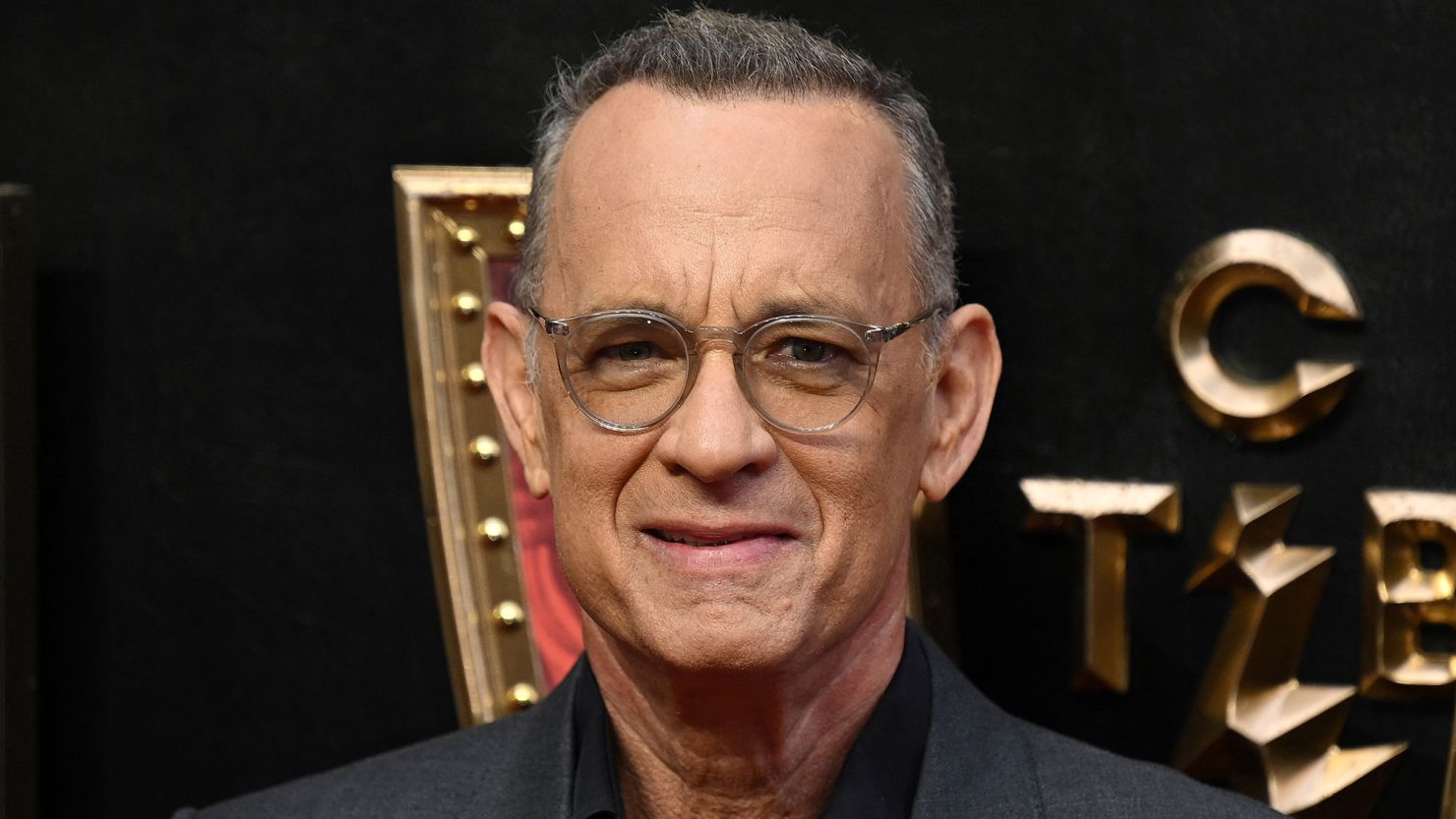
Tom Hanks emerged in the 1990s as the defining symbol of emotional intelligence in Hollywood cinema. Born in Concord, California, he grew up in a fragmented family environment that shaped his introspective personality and deep empathy, which later became central to his acting identity.
He began his career in television sitcoms in the early 1980s, but his transition into film comedy and drama set the stage for his dominance in the 90s. Early successes like “Big” revealed his ability to balance childlike charm with emotional maturity, a rare combination that made him instantly relatable to global audiences.
The 1990s marked his peak artistic transformation. Films such as “Philadelphia” and “Forrest Gump” established him as a dramatic powerhouse capable of portraying vulnerability, resilience, and moral clarity. His performances were defined by restraint, emotional precision, and an ability to communicate profound humanity without excess theatricality.
By the end of the decade, Hanks had become the embodiment of the “everyman hero,” influencing global storytelling and setting a new standard for character-driven cinema. His legacy from this era continues to define Hollywood’s emotional narrative style.
Key Facts
- Full name of the subject: Thomas Jeffrey Hanks
- Date of birth: 9 July 1956
- Place of birth: Concord, California, USA
- Family background: Divorced household, working-class upbringing
- Early childhood experiences: Frequent relocation during childhood
- Education history: California State University, Sacramento (Theatre Arts)
- Influences and mentors: American theatre actors and classical cinema
- Career beginnings: Television sitcoms and early film roles
- Major achievements: Oscar-winning performances in the 1990s
- Challenges and obstacles faced: Early career instability and typecasting
- Turning points in life: Breakthrough with Big and Philadelphia
- Contributions to society: Humanitarian work and storytelling influence
- Personal life (marriage, children, relationships): Married with children
- Awards and recognitions: Academy Awards, Golden Globes
- Beliefs, values, or philosophy: Emotional authenticity and moral storytelling
- Legacy and impact: Defined modern dramatic acting in Hollywood
- Historical or cultural significance: 1990s cinematic emotional standard bearer
Notable Works: Forrest Gump, Philadelphia, Saving Private Ryan, Apollo 13, Big
Tom Hanks’ Deepest Controversies
COVID-19 Diagnosis & Early Pandemic Spotlight
In 2020, Hanks and his wife Rita Wilson were among the first major celebrities to publicly confirm having COVID-19.
- They were on the Gold Coast during filming
- Their announcement drew massive global attention
Controversy:
- Some conspiracy groups falsely claimed their diagnosis was part of a larger agenda
- These claims had no evidence but spread widely online
Political Views & Backlash
Hanks has been openly supportive of liberal political causes in the U.S.
- This led to criticism from some conservative audiences
- Occasional calls for boycotts of his films
Not a scandal, but:
- It made him a target in political culture wars
Hosting & Media Appearances Criticism
During appearances like Saturday Night Live and public speeches:
- Some viewers felt his portrayals (e.g., political sketches) were biased or mocking
- Others praised them as satire
Example: His roles in political sketches sparked debate depending on the audience’s perspective.
Conspiracy Theories (Unfounded)
Hanks has been a frequent target of internet conspiracy theories.
- False claims linking him to secret networks or crimes
- Viral misinformation campaigns during the pandemic
Important:
- There is no credible evidence supporting any of these claims
- They have been widely debunked
Career Criticism (Creative Choices)
Some critics have pointed to:
- Overly “safe” or “predictable” roles in later years
- Decline in risk-taking compared to earlier performances
This is more of an artistic critique than a controversy.
2. Julia Roberts
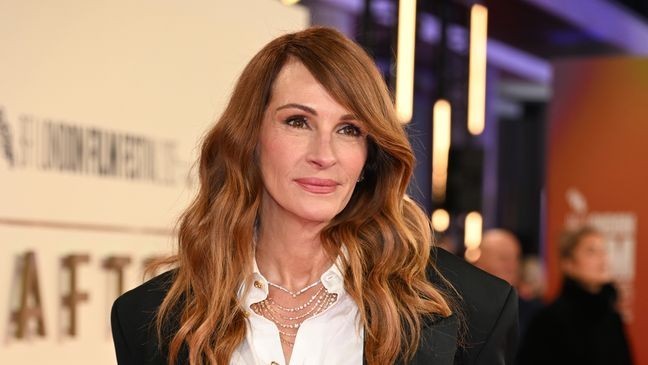
Julia Roberts became the defining female star of 1990s Hollywood, celebrated for her radiant screen presence, emotional warmth, and charismatic romantic-comedy performances. Born in Smyrna, Georgia, she grew up in a creative family that encouraged artistic expression, shaping her early confidence in performance.
She entered Hollywood in the late 1980s, but her breakthrough came with “Pretty Woman,” which transformed her into an international superstar. Her expressive smile, natural charm, and grounded emotional delivery made her one of the most bankable actresses of the decade.
Throughout the 1990s, Roberts balanced romantic comedies with dramatic roles, demonstrating remarkable versatility. Films like “Erin Brockovich” showcased her ability to embody strong, complex women, earning critical acclaim and industry respect beyond her earlier “rom-com queen” image.
By the end of the decade, she had become a global cultural icon, influencing fashion, beauty standards, and the global perception of Hollywood femininity.
Key Facts
- Full name of the subject: Julia Fiona Roberts
- Date of birth: 28 October 1967
- Place of birth: Smyrna, Georgia, USA
- Family background: Artistic family (actors and writers)
- Early childhood experiences: Grew up in a theatre-influenced environment
- Education history: Campbell High School
- Influences and mentors: American theatre and romantic cinema traditions
- Career beginnings: Small film roles in the late 1980s
- Major achievements: Pretty Woman’s global success and Oscar win
- Challenges and obstacles faced: Media scrutiny and typecasting
- Turning points in life: Breakthrough in Pretty Woman
- Contributions to society: Humanitarian and charity work
- Personal life (marriage, children, relationships): Married with children
- Awards and recognitions: Academy Award, Golden Globe Awards
- Beliefs, values, or philosophy: Strength through authenticity and emotional openness
- Legacy and impact: Redefined modern romantic comedy heroine
- Historical or cultural significance: 1990s global female superstar icon
Notable Works: Pretty Woman, Erin Brockovich, Notting Hill, Runaway Bride, My Best Friend’s Wedding.
Julia Roberts’ Deepest Controversies
The “A Low Vera” T-Shirt Scandal
In 2002, Julia Roberts wore a homemade T-shirt reading “A Low Vera” (a pun on “Allo vera”) to publicly criticise Vera Steimberg, the estranged wife of Roberts’ then-boyfriend, Danny Moder. The scandal highlighted a heated love triangle, with the shirt intended to pressure Steimberg into signing divorce papers.
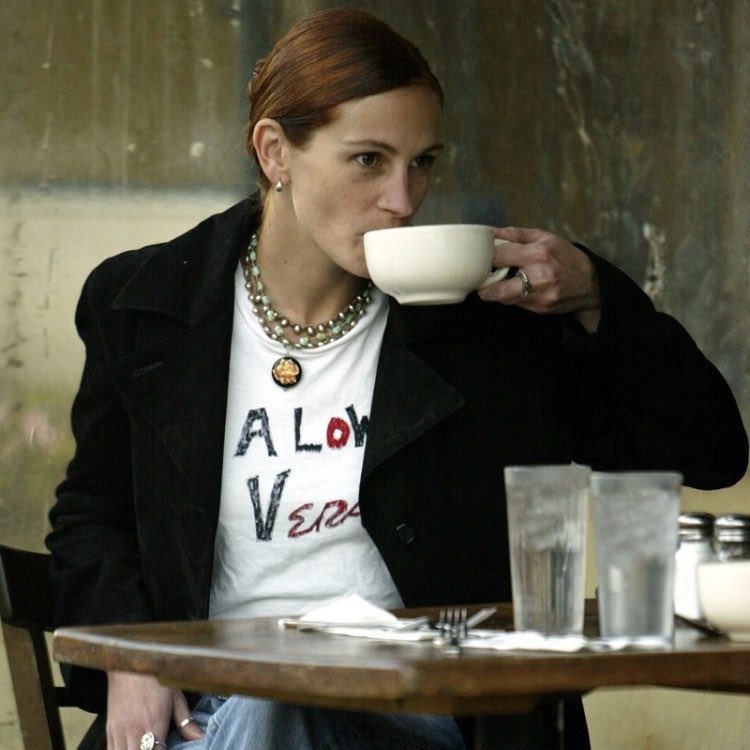
- At the time, Moder was still married to his wife, Vera Steimberg
- Roberts was photographed wearing a shirt that read “A Low Vera”
- Many interpreted it as a jab at Vera Steimberg
This sparked backlash, with critics calling it:
- Insensitive
- Publicly humiliating
Roberts later married Moder, but the incident remains a stain on her public image.
Relationship Timeline Controversy
Closely tied to the above:
- Critics questioned when her relationship with Daniel Moder began
- There were accusations of overlapping timelines with his marriage
While nothing illegal occurred, it fueled a narrative of:
- Poor judgment
- Disrespect toward his previous relationship
Reputation for Being “Difficult”
Throughout the late 90s and early 2000s, Roberts gained a reputation in some circles for being:
- Hard to work with
- Demanding on set
While many co-stars have praised her, industry rumours painted a mixed picture.
Family Feud with Eric Roberts
Her relationship with her brother, actor Eric Roberts, has been publicly strained.
- They were reportedly estranged for years
- Disagreements involved family issues and personal conflicts
The feud became public through interviews and media coverage.
Oscar Campaign Criticism (Erin Brockovich Era)
During her campaign for the film Erin Brockovich:
- Some critics felt her campaign was overly aggressive
- Media attention around her salary and influence stirred debate
She won the Oscar, but discussions about:
- Pay disparity
- Hollywood power dynamics
were reignited.
Cultural Sensitivity Backlash
At different times, Roberts has faced criticism for:
- Roles or portrayals seen as culturally insensitive
- Comments interpreted as tone-deaf in certain contexts
These didn’t become major scandals, but contributed to periodic criticism.
3. Tom Cruise
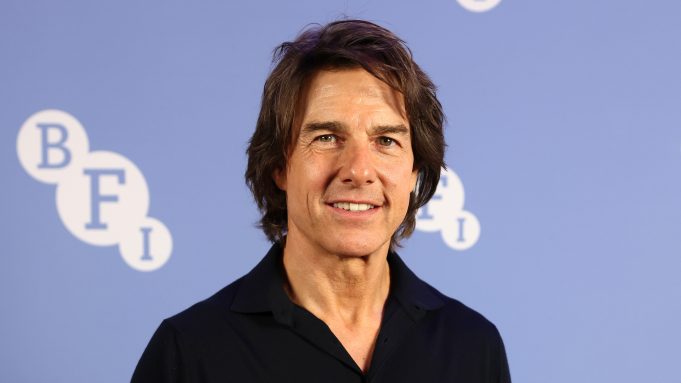
Tom Cruise became one of the most dominant action and drama stars of the 1990s, known for his intense screen presence, physical commitment, and charismatic leading-man energy. Born in Syracuse, New York, he experienced a challenging childhood marked by instability, which later fueled his drive for discipline and control.
He began acting in the early 1980s, but his global dominance truly emerged in the 1990s, with blockbuster franchises and critically acclaimed performances. Films such as “Mission: Impossible” redefined modern action cinema and established him as a global box office force.
Cruise’s performance style is characterised by high physical intensity, meticulous preparation, and emotional control. He became known for performing his own stunts, adding authenticity and adrenaline to his roles, which elevated audience engagement worldwide.
By the end of the decade, he had successfully balanced commercial success with critical acclaim, becoming one of Hollywood’s most influential and bankable stars.
Key Facts
- Full name of the subject: Thomas Cruise Mapother IV
- Date of birth: 3 July 1962
- Place of birth: Syracuse, New York, USA
- Family background: Working-class, unstable family upbringing
- Early childhood experiences: Frequent relocation and financial instability
- Education history: Glen Ridge High School
- Influences and mentors: Method acting traditions and Hollywood action cinema
- Career beginnings: Early 1980s film roles
- Major achievements: Mission: Impossible franchise success
- Challenges and obstacles faced: Media scrutiny and intense public attention
- Turning points in life: Breakthrough with Top Gun and Mission Impossible
- Contributions to society: Film production and entertainment innovation
- Personal life (marriage, children, relationships): Multiple marriages and children
- Awards and recognitions: Golden Globe Awards and global box office records
- Beliefs, values, or philosophy: Discipline, control, and perfection in craft
- Legacy and impact: Defined the modern Hollywood action hero archetype
- Historical or cultural significance: 1990s global action cinema leader
Notable Works: Top Gun, Mission: Impossible, Jerry Maguire, A Few Good Men, Rain Man
Tom Cruise’s Deepest Controversies
Scientology Involvement
Cruise is the most famous public face of the Church of Scientology.
- He has strongly promoted Scientology in interviews
- Critics accuse the organisation of:
- Controlling members
- Harassment of former followers
Cruise’s deep involvement has led to:
- Public backlash
- Media scrutiny
- Questions about influence over his personal life
The Oprah Couch Jump (2005)

During an interview on The Oprah Winfrey Show:
- Cruise jumped on the couch while declaring love for Katie Holmes
- The moment went viral and shocked audiences
It led to:
- Questions about his mental state
- A shift in public perception at the time
Psychiatry & Medication Controversy
Cruise publicly criticised psychiatry, especially:
- Antidepressants
- ADHD medications
In a heated exchange with Brooke Shields:
- He said medication was unnecessary
- Shields defended her use of antidepressants for postpartum depression
This sparked:
- Medical backlash
- Public criticism of misinformation
Divorce from Katie Holmes
His split from Katie Holmes in 2012 raised many questions.
- Holmes reportedly sought to protect their daughter from Scientology influence
- The divorce was sudden and highly secretive
It fueled speculation about:
- Control within relationships
- Influence of Scientology on family life
Relationship with Daughter Suri Cruise
Cruise’s relationship with his daughter has been widely discussed.
- Reports suggest limited public contact over the years
- Some link this to Scientology policies
This remains largely private but heavily speculated on.
Allegations About Scientology Practices
Though not directly accused personally, Cruise has been tied to controversies involving Scientology, including:
- Claims of special treatment within the organisation
- Allegations (from former members) that:
- Staff catered heavily to him
- Auditions were influenced by his preferences
These claims are disputed but widely reported.
On-Set COVID-19 Rant (2020)
During the filming of Mission: Impossible – Dead Reckoning Part One:
- Audio leaked of Cruise angrily confronting crew over COVID rule violations
- He emphasised the importance of safety and keeping production running
Reaction was mixed:
- Some praised his leadership
- Others criticised his tone
4. Robin Williams
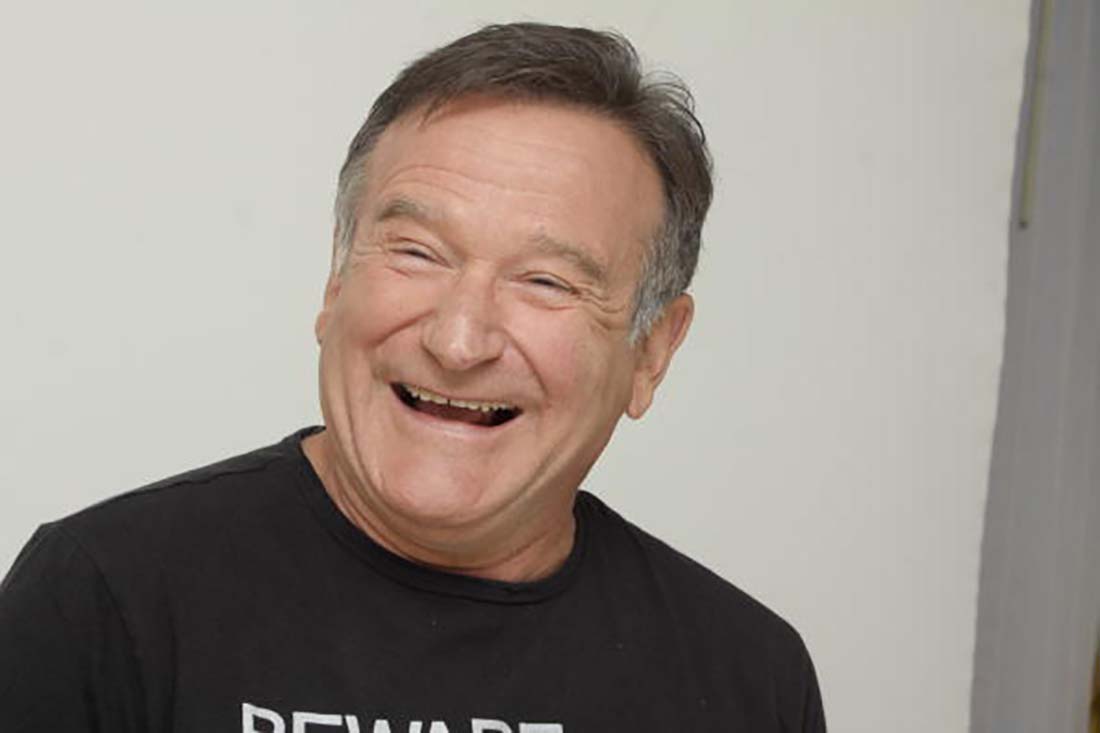
Robin Williams was one of the most electrifying and emotionally versatile performers of the 1990s, known for his unmatched improvisational genius and deeply human storytelling. Born in Chicago, Illinois, he grew up in a privileged yet emotionally complex household, where humour became both an escape and a form of emotional expression.
He began his career in stand-up comedy before rising to fame in the television series “Mork & Mindy,” where his rapid-fire improvisation and unpredictable energy captivated audiences. By the 1990s, he had successfully transitioned into film, balancing comedic brilliance with deeply emotional dramatic performances.
His 90s career was defined by iconic films such as “Dead Poets Society,” “Mrs. Doubtfire,” and “Good Will Hunting,” the latter of which earned him an Academy Award. His ability to shift between chaotic humour and profound emotional depth made him one of the most unique actors in Hollywood history.
Williams’ influence extended beyond entertainment; he redefined how comedy and tragedy could coexist in cinema. His legacy remains deeply embedded in global film culture, where he is remembered as both a comedic genius and a profoundly empathetic storyteller.
Key Facts
- Full name of the subject: Robin McLaurin Williams
- Date of birth: 21 July 1951
- Place of birth: Chicago, Illinois, USA
- Family background: Upper-middle-class American family
- Early childhood experiences: Grew up with introverted tendencies and imaginative play
- Education history: Juilliard School (Drama)
- Influences and mentors: Classical theatre and improvisational comedy pioneers
- Career beginnings: Stand-up comedy and television, “Mork & Mindy”
- Major achievements: Academy Award-winning performance in Good Will Hunting
- Challenges and obstacles faced: Mental health struggles and addiction
- Turning points in life: Breakthrough in television and dramatic film success
- Contributions to society: Charity work and veteran support advocacy
- Personal life (marriage, children, relationships): Married with children
- Awards and recognitions: Academy Award, Golden Globes
- Beliefs, values, or philosophy: Compassion, creativity, and emotional honesty
- Legacy and impact: Redefined emotional depth in comedic acting
- Historical or cultural significance: The 1990s bridge between comedy and dramatic cinema
Notable Works: Mrs. Doubtfire, Good Will Hunting, Dead Poets Society, Aladdin, Jumanji
Robin Williams’ Deepest Controversies
Joke “Borrowing” Allegations
One of the most persistent criticisms in his career:
- Williams was accused by some comedians of using or adapting others’ jokes
- In stand-up, he improvised heavily, which sometimes overlapped with existing material
Notable context:
- Comedians like David Letterman and others joked about it publicly
- Williams himself addressed it and reportedly:
- Paid writers when overlaps happened
- Avoided performing in certain comedy clubs to prevent issues
This became more of an industry-known quirk than a formal scandal.
Substance Abuse Struggles
Williams openly battled addiction:
- Cocaine use in the late 1970s–early 80s
- Alcohol relapse later in life
Key moment:
- The death of John Belushi in 1982 had a major impact on him
- He later committed to sobriety, though he relapsed decades later
This wasn’t scandalous in a malicious sense, but it was highly public and personal.
Disney Fallout – Aladdin Dispute
A major industry controversy involved The Walt Disney Company.
- Williams voiced the Genie in Aladdin
- He agreed to a lower salary on the condition that his voice would not be heavily used for marketing
Disney broke that agreement:
- His voice was widely used in promotions and merchandise
Result:
- Williams refused to work with Disney for years
- Later reconciled after a leadership change
Criticism Over Humour Style
Williams’ rapid-fire comedic style sometimes drew criticism:
- Some felt it was overwhelming or chaotic
- Others said it blurred the lines between originality and improvisation
Still, many saw this as part of his genius rather than a flaw.
Misunderstanding Around His Death
His death in 2014 led to widespread confusion:
- Initially reported as a suicide linked to depression
- Later revealed that he suffered from Lewy Body Dementia
This sparked:
- Debate about mental health awareness
- Misreporting by media outlets
5. Will Smith

Will Smith emerged in the 1990s as one of Hollywood’s most dynamic crossover stars, transitioning from music into acting with extraordinary success. Born in Philadelphia, Pennsylvania, he grew up in a disciplined household that emphasised structure, responsibility, and ambition.
He first gained fame as a rapper under “The Fresh Prince,” but his acting breakthrough came with the hit sitcom “The Fresh Prince of Bel-Air.” His natural charisma, comedic timing, and relatable personality quickly made him a household name.
Throughout the 1990s, Smith successfully transitioned into blockbuster films such as “Independence Day” and “Men in Black,” where his energetic screen presence and action-comedy blend appealed to global audiences. He became one of the few actors capable of dominating both television and the global box office.
By the end of the decade, he had established himself as a leading Hollywood star with cross-generational appeal, setting the foundation for one of the most successful film careers in modern entertainment history.
Key Facts
- Full name of the subject: Willard Carroll Smith Jr.
- Date of birth: 25 September 1968
- Place of birth: Philadelphia, Pennsylvania, USA
- Family background: Middle-class African-American family
- Early childhood experiences: Grew up in West Philadelphia with strong discipline
- Education history: Overbrook High School
- Influences and mentors: Hip-hop culture and Hollywood entertainers
- Career beginnings: Rap music and a television sitcom
- Major achievements: Independence Day global success
- Challenges and obstacles faced: Transition from music to film credibility
- Turning points in life: Success of The Fresh Prince of Bel-Air
- Contributions to society: Youth inspiration and philanthropy
- Personal life (marriage, children, relationships): Married with children
- Awards and recognitions: Grammy Awards and Golden Globe Awards
- Beliefs, values, or philosophy: Hard work, positivity, and self-belief
- Legacy and impact: Defined modern Hollywood crossover stardom
- Historical or cultural significance: 1990s pop culture icon
Notable Works: Men in Black, Independence Day, Bad Boys, Enemy of the State, The Fresh Prince of Bel-Air
Will Smith’s Deepest Controversies
The Oscars Slap (2022)
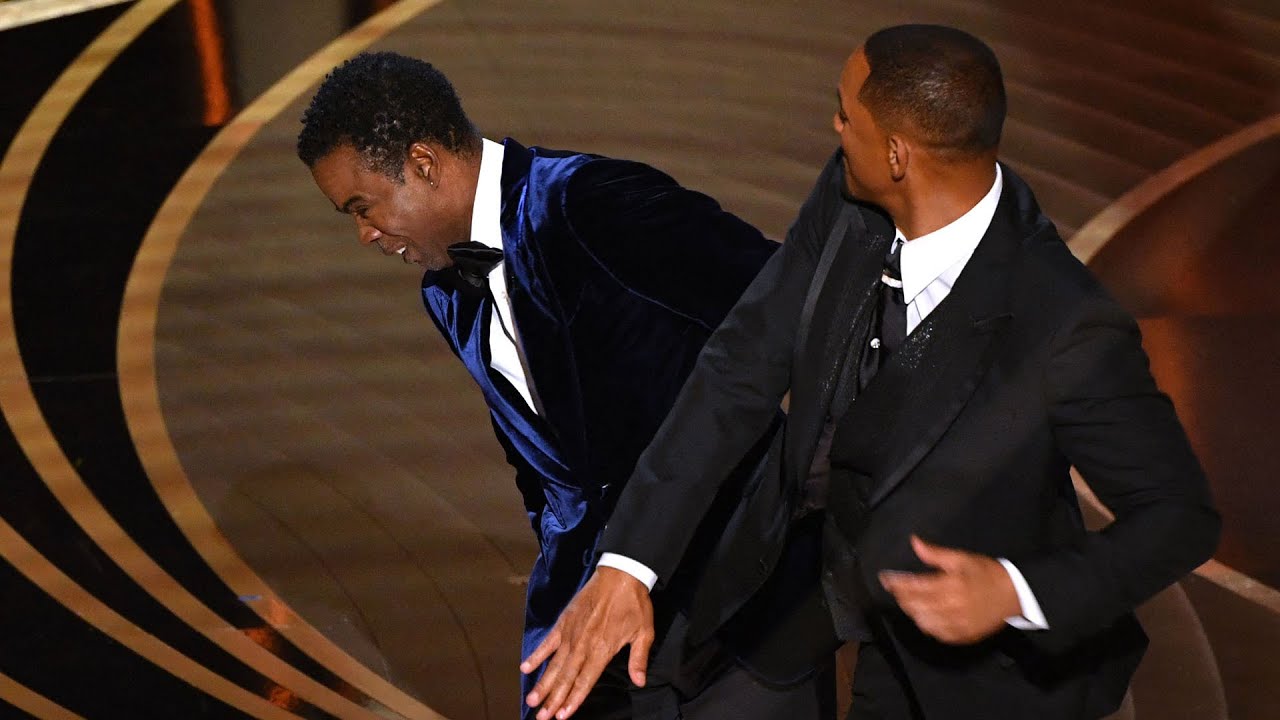
This is by far his most serious and career-defining controversy.
- During the Academy Awards, Smith walked on stage and slapped Chris Rock
- The incident followed a joke about Jada Pinkett Smith
Fallout:
- Smith publicly apologised
- He resigned from the Academy of Motion Picture Arts and Sciences
- Received a 10-year ban from attending the Oscars
Impact:
- Global backlash
- Damaged his long-standing “good guy” image
Open Marriage & Relationship Controversy
Smith’s marriage became a major public topic:
- Jada Pinkett Smith revealed an “entanglement” with August Alsina
- The discussion happened publicly on Red Table Talk
Reaction:
- Mixed public opinion
- Memes and intense media scrutiny
- Questions about their relationship dynamics
Public Oversharing & Memoir Revelations
With his memoir Will and interviews:
- Smith revealed deeply personal details about:
- His marriage
- Childhood trauma
- Emotional struggles
Controversy:
- Some praised his honesty
- Others felt it damaged his image or was excessive
Scientology Rumours (Denied)
Smith was once linked to the Church of Scientology.
- Reports suggested involvement or interest
- Smith repeatedly denied being a member
Still:
- Rumours persisted for years
Professional Ego & Control Allegations
At different points in his career:
- Critics claimed Smith carefully controlled his image and roles
- Some former collaborators hinted at:
- Strong influence over productions
- Preference for “safe blockbuster” roles
Not a scandal, but a recurring criticism.
Parenting Criticism
Smith and Jada’s parenting style has faced public scrutiny:
- Their children, Jaden Smith and Willow Smith, were raised in a very unconventional way
Criticism included:
- Too much freedom at a young age
- Public exposure
6. Brad Pitt
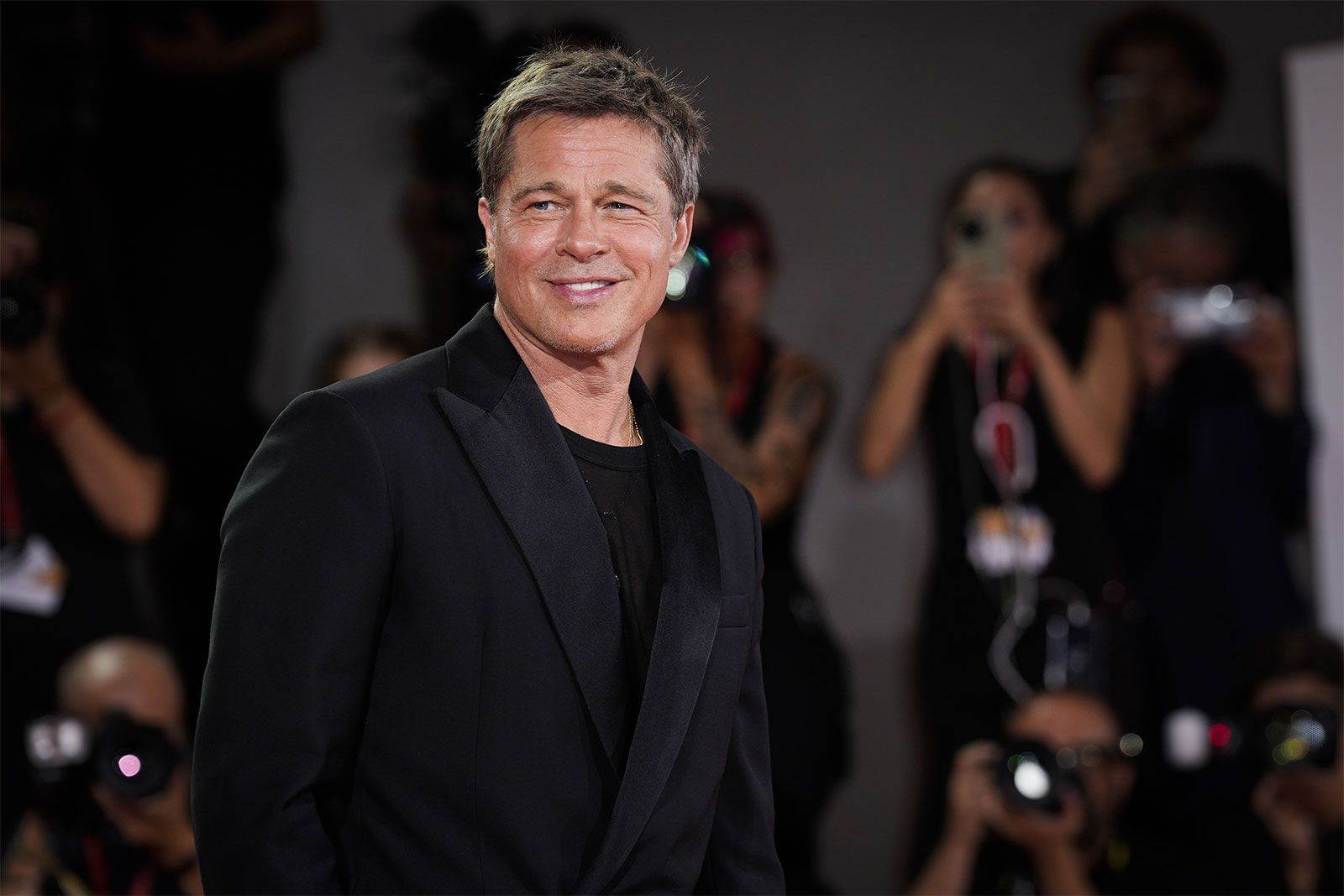
Brad Pitt rose in the 1990s as one of Hollywood’s most recognisable leading men, known for his magnetic screen presence, versatility, and evolving artistic depth. Born in Shawnee, Oklahoma, and raised in Missouri, he grew up in a conservative household that shaped his grounded personality and strong work ethic.
He began his acting career with small television roles before gaining attention in “Thelma & Louise,” where his brief appearance created a cultural sensation. This breakthrough positioned him as one of Hollywood’s most promising young actors.
Throughout the 1990s, Pitt expanded his range by taking on diverse roles in films such as “Fight Club” and “Seven,” demonstrating a shift from conventional heartthrob roles to psychologically complex characters. His performances became increasingly layered, earning him critical respect.
By the end of the decade, he had successfully transitioned from rising star to serious actor, establishing a long-term career trajectory defined by artistic risk-taking and global appeal.
Key Facts
- Full name of the subject: William Bradley Pitt
- Date of birth: 18 December 1963
- Place of birth: Shawnee, Oklahoma, USA
- Family background: Conservative Midwestern family
- Early childhood experiences: Raised in Springfield, Missouri
- Education history: University of Missouri (Journalism, Theatre)
- Influences and mentors: Classic Hollywood actors and method acting traditions
- Career beginnings: Television guest roles in the late 1980s
- Major achievements: Breakthrough in Thelma & Louise
- Challenges and obstacles faced: Typecasting as a “pretty boy” actor
- Turning points in life: The success of Fight Club and Seven
- Contributions to society: Humanitarian work and film production
- Personal life (marriage, children, relationships): High-profile marriages and children
- Awards and recognitions: Academy Award winner
- Beliefs, values, or philosophy: Artistic evolution and emotional depth
- Legacy and impact: Redefined Hollywood leading-man complexity
- Historical or cultural significance: 1990s global male film icon
Notable Works: Fight Club, Seven, Thelma & Louise, Legends of the Fall, Interview with the Vampire
Brad Pitt’s Major Controversies
Jennifer Aniston – Angelina Jolie Love Triangle
One of Hollywood’s most famous relationship scandals:
- Pitt was married to Jennifer Aniston
- While filming Mr. & Mrs. Smith, he grew close to Angelina Jolie
Controversy:
- The timeline of the relationship raised questions about the overlap
- The media painted it as a high-profile love triangle
Outcome:
- Pitt and Aniston divorced in 2005
- He later formed a long-term relationship with Jolie
Divorce from Angelina Jolie & Abuse Allegations
His split from Angelina Jolie became highly controversial.
- Jolie filed for divorce in 2016
- Allegations surfaced about an incident on a private plane involving their children
Key facts:
- Investigations were conducted by the authorities
- Pitt was not charged after the investigations
Still:
- The situation led to:
- Ongoing legal battles
- Custody disputes
- Public scrutiny
Substance Abuse & Personal Struggles
Pitt has openly discussed his past:
- Heavy alcohol use during parts of his life
- Entered sobriety following his divorce
He later credited recovery programs for helping him:
- Rebuild his life
- Improve relationships
Make It Right Foundation Criticism
Pitt founded the Make It Right Foundation to build homes in the aftermath of Hurricane Katrina.
Controversy:
- Some homeowners reported:
- Poor construction
- Mould and structural issues
Legal issues followed:
- Lawsuits were filed
- Pitt distanced himself from direct management but remained linked publicly
Legal Battles Over French Winery
Dispute with Angelina Jolie over their shared winery:
- Château Miraval became a legal battleground
- Disagreements over ownership and the sale of shares
Result:
- Ongoing lawsuits and public legal filings
Image vs Reality Criticism
For years, Pitt had a “cool, laid-back” image.
Critics argue:
- His personal life controversies contrast with that image
- The media sometimes protected or softened coverage
7. Leonardo DiCaprio
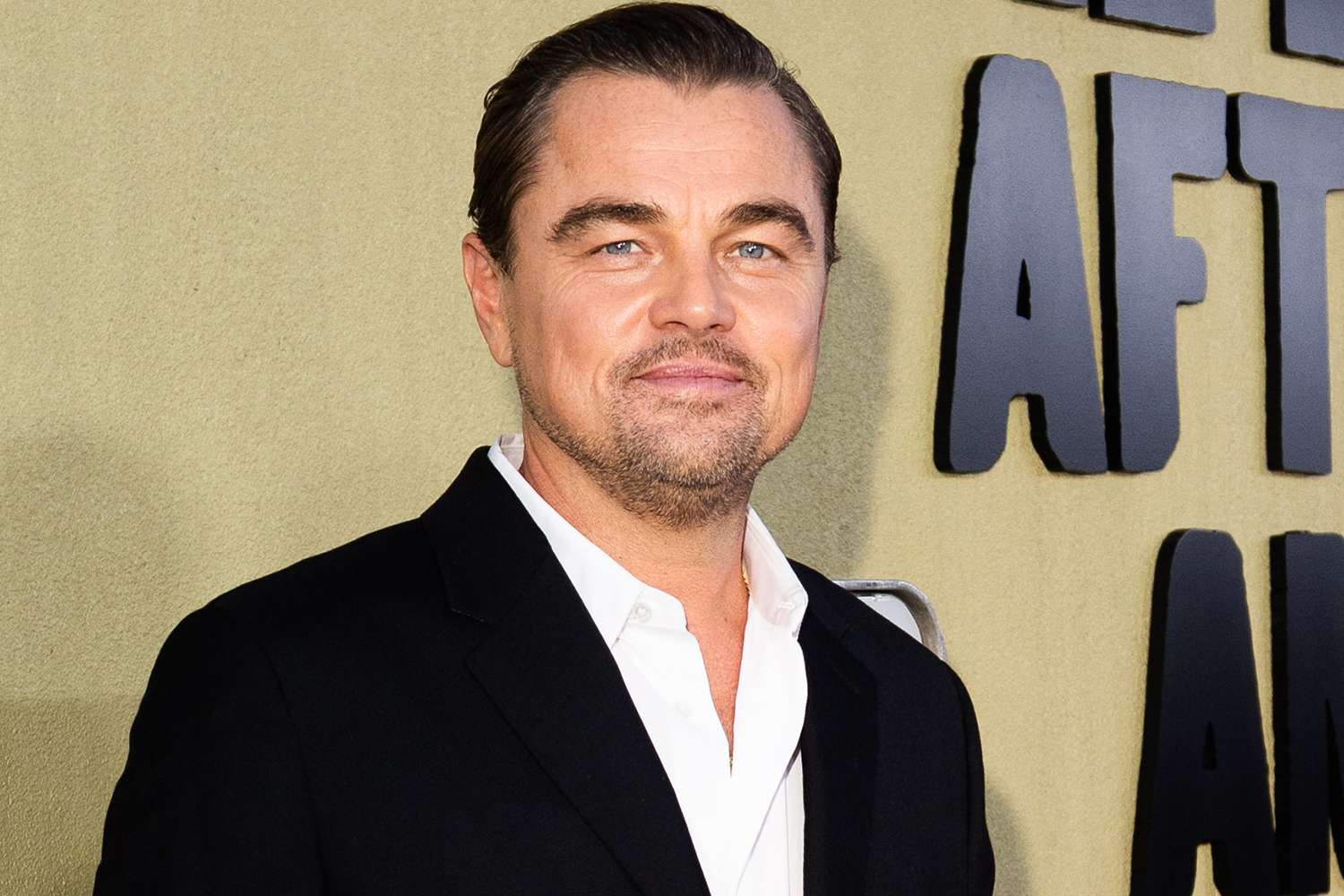
Leonardo DiCaprio became one of the defining actors of the late 1990s, representing a new generation of Hollywood talent known for emotional intensity and youthful charisma. Born in Los Angeles, California, he grew up in a creative environment that encouraged artistic exploration from an early age.
He began acting in television commercials and series before gaining recognition in “What’s Eating Gilbert Grape,” where his performance earned him an Academy Award nomination at a young age. This role established him as a serious dramatic talent.
His global breakthrough came with “Titanic,” one of the highest-grossing films of all time, which turned him into an international cultural phenomenon. His portrayal of Jack Dawson made him a global icon and redefined modern celebrity culture.
By the end of the 1990s, DiCaprio had already transitioned from child actor to global superstar, setting the foundation for a career defined by artistic ambition and long-term collaboration with visionary directors.
Key Facts
- Full name of the subject: Leonardo Wilhelm DiCaprio
- Date of birth: 11 November 1974
- Place of birth: Los Angeles, California, USA
- Family background: Middle-class artistic family
- Early childhood experiences: Raised in Los Angeles creative neighbourhoods
- Education history: John Marshall High School
- Influences and mentors: Martin Scorsese and classic Hollywood cinema
- Career beginnings: Commercials and TV roles
- Major achievements: Titanic global success
- Challenges and obstacles faced: Early typecasting as a teen actor
- Turning points in life: Breakthrough in the movie “Titanic”
- Contributions to society: Environmental activism and philanthropy
- Personal life (marriage, children, relationships): Private personal relationships
- Awards and recognitions: Academy Award winner
- Beliefs, values, or philosophy: Artistic integrity and environmental responsibility
- Legacy and impact: Defined late-90s global youth stardom
- Historical or cultural significance: Titanic-era cultural phenomenon
Notable Works: Titanic, Romeo + Juliet, What’s Eating Gilbert Grape, The Beach, Catch Me If You Can
Leonardo DiCaprio’s Major Controversies
Dating Pattern & Age Gap Criticism
One of the most talked-about aspects of DiCaprio’s personal life:
- He has frequently dated much younger women, often models
- Relationships reportedly tend to end when partners reach their mid-20s
Public reaction:
- Became a widespread internet meme
- Criticism about age gaps and power dynamics
Not illegal—but a major reputational talking point.
1MDB Scandal Connections
DiCaprio was indirectly linked to the massive financial scandal involving Malaysia’s 1MDB fund.
- The fund was allegedly looted by associates including Jho Low
- Money from the scheme helped finance The Wolf of Wall Street
Key points:
- DiCaprio was not charged with wrongdoing
- He cooperated with investigators
- Returned gifts linked to the scandal
Still:
- Raised questions about celebrity proximity to financial misconduct
Environmental Activism Criticism
DiCaprio is a major climate activist, but:
- Critics accuse him of hypocrisy
- Focus points include:
- Private jet usage
- Yacht vacations
Supporters argue:
- His foundation has donated millions to environmental causes
- His advocacy has global impact
Oscar Campaign Narratives
Before winning for The Revenant:
- There was a long-running narrative that he was “overdue” for an Oscar
- Some critics felt media sympathy influenced the conversation
Not a scandal, but:
- Sparked debate about awards politics
Early Career Rumors & Party Culture
In the 90s and early 2000s:
- DiCaprio was part of a group dubbed the “Pussy Posse”
- Known for a wild party lifestyle alongside other young stars
Criticism:
- Immaturity
- Excessive celebrity culture
Associations with Controversial Figures
At times, DiCaprio has been photographed or linked socially to powerful or controversial individuals.
While not implicated in wrongdoing:
- These associations occasionally trigger public scrutiny
8. Denzel Washington
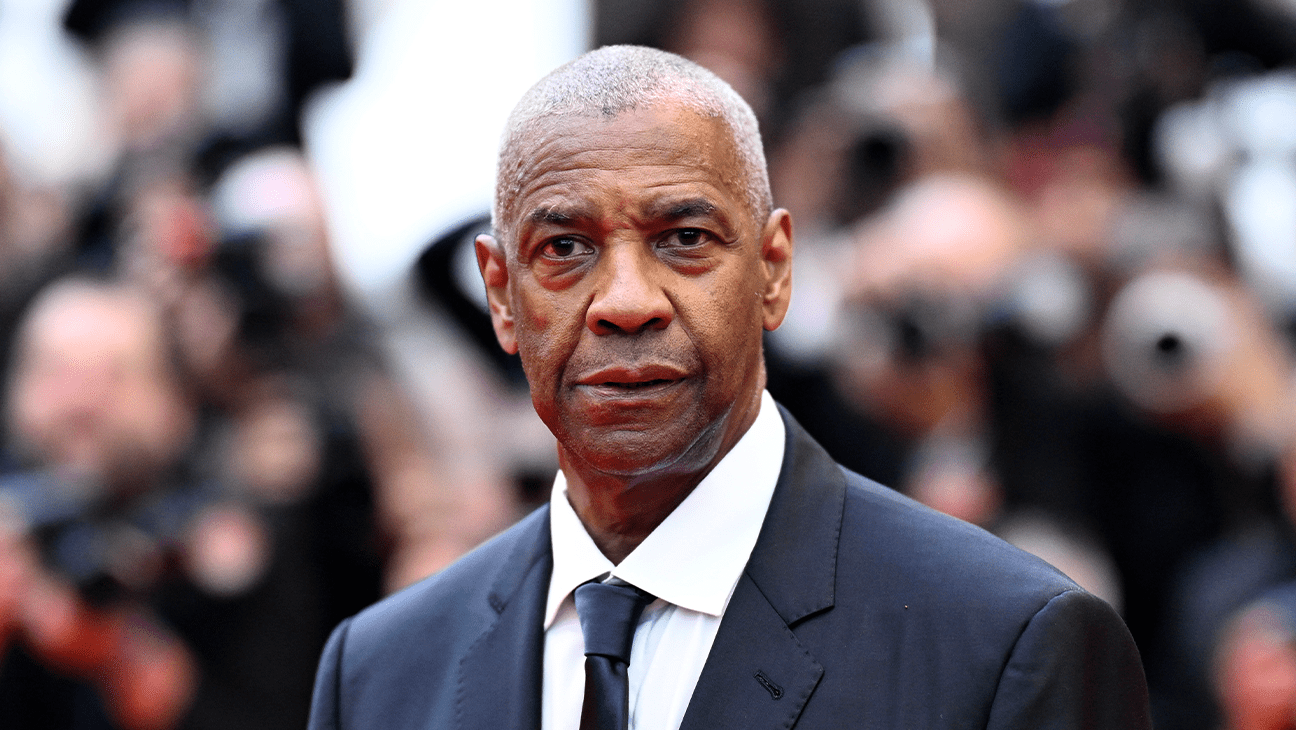
Denzel Washington stood as one of the most commanding dramatic forces of the 1990s, defined by his intense screen presence, disciplined performance style, and moral complexity in character interpretation. Born in Mount Vernon, New York, he grew up in a disciplined household shaped by strong parental values and a deep sense of responsibility, which later influenced his grounded approach to acting.
He began his career in theatre before transitioning into television and film, gradually building a reputation for emotional precision and powerful restraint. By the early 1990s, Washington had already established himself as a serious dramatic actor, capable of portraying both historical figures and deeply conflicted modern characters.
His 90s breakthrough included critically acclaimed performances in films such as “Malcolm X,” where his transformation into the civil rights leader became one of the most respected biographical portrayals in film history. His performances were marked by intellectual depth, controlled intensity, and emotional authenticity.
By the end of the decade, he had become one of Hollywood’s most respected actors, balancing commercial success with artistic credibility. His influence extended beyond film into cultural discussions on representation, leadership, and dignity in Black cinema.
Key Facts
- Full name of the subject: Denzel Hayes Washington Jr.
- Date of birth: 28 December 1954
- Place of birth: Mount Vernon, New York, USA
- Family background: Middle-class African-American family
- Early childhood experiences: Raised with strong discipline and church influence
- Education history: Fordham University (Journalism, Acting training)
- Influences and mentors: Stage theatre, classical acting traditions
- Career beginnings: Theatre and early television roles
- Major achievements: Malcolm X performance and Academy Award recognition
- Challenges and obstacles faced: Racial barriers in early Hollywood casting
- Turning points in life: Breakthrough in historical biographical roles
- Contributions to society: Advocacy for education and youth development
- Personal life (marriage, children, relationships): Married with children
- Awards and recognitions: Academy Awards, Golden Globes
- Beliefs, values, or philosophy: Discipline, integrity, and purpose-driven living
- Legacy and impact: Redefined Black excellence in Hollywood cinema
- Historical or cultural significance: 1990s representation of powerful Black protagonists
Notable Works: Malcolm X, Philadelphia, Crimson Tide, The Pelican Brief, Devil in a Blue Dress
Denzel Washington’s Controversies & Criticisms
Comments on Race, Media & Responsibility
Washington has made bold statements in interviews about:
- Personal responsibility within communities
- Media influence and narratives around race
Example:
- In a well-known interview, he emphasised family structure and accountability over systemic blame
Reaction:
- Praised by some for honesty
- Criticised by others as oversimplifying complex issues
Tense Interview Moments
Denzel has had a few awkward or confrontational interviews, including:
- A widely shared red carpet interview where he pushed back on a reporter’s tone
- Moments where he corrected journalists directly
Public reaction:
- Some saw professionalism and assertiveness
- Others viewed it as dismissive or harsh
Oscar Snubs & Industry Debate
Despite his success, Washington has been at the centre of discussions about:
- Whether he deserved more Academy Awards
- Broader debates about the recognition of Black actors
Not a controversy caused by him, but:
- His career has been part of larger industry conversations
Role Choices & Typecasting Criticism
At times, critics have pointed out:
- A pattern of playing intense authority figures or morally complex characters
- Concerns about limited variety (though many disagree)
Others argue:
- His consistency is part of his greatness
Low-Drama Public Image (Rare Scandals)
Unlike many celebrities:
- No major legal scandals
- No widely confirmed personal controversies
Which has led to:
- A reputation for discipline and privacy
- Occasional skepticism from those expecting controversy
9. Bruce Willis
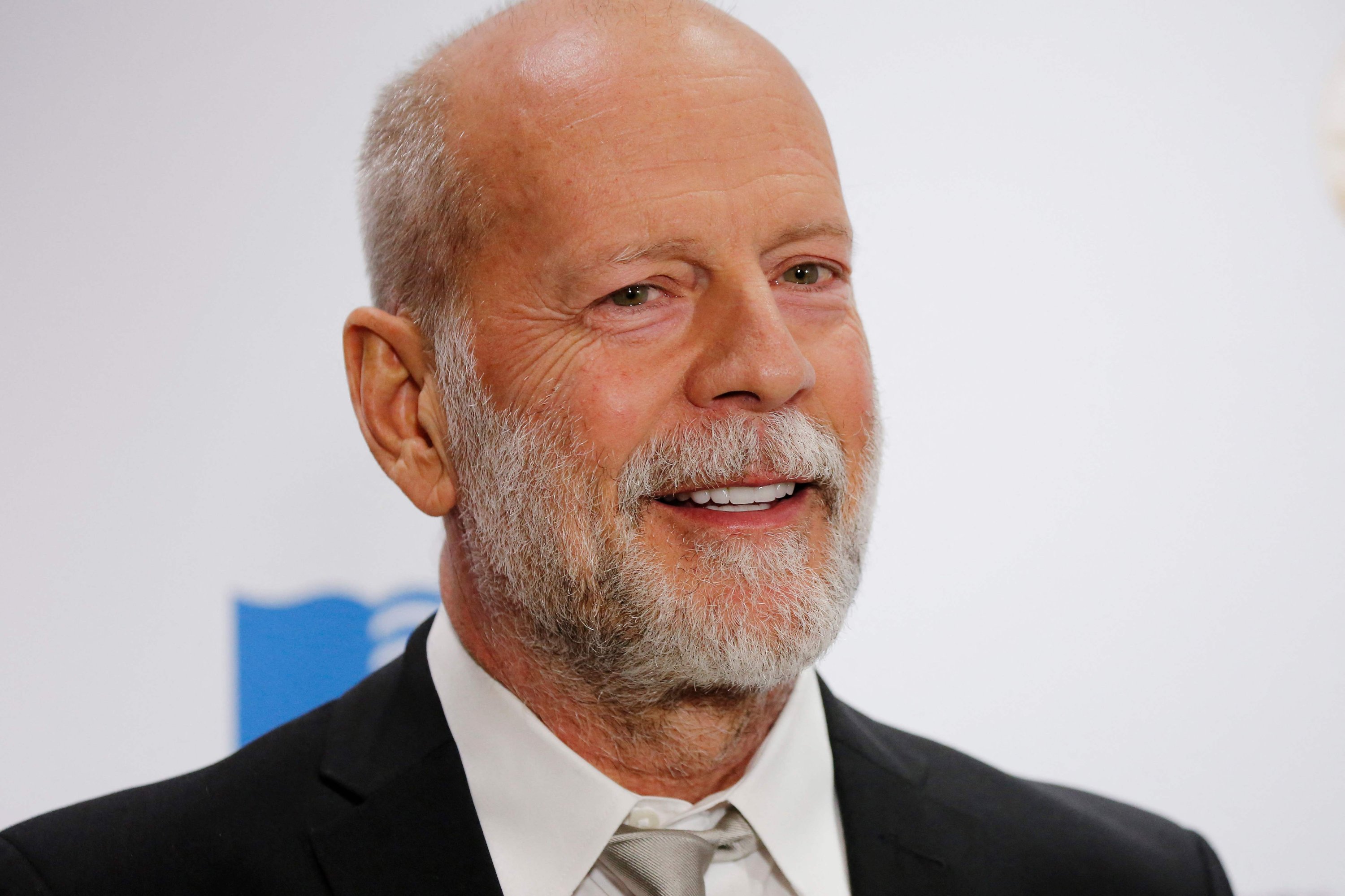
Bruce Willis became one of the defining action stars of the 1990s, known for his rugged charisma, understated humour, and everyman hero persona. Born in Idar-Oberstein, Germany, and raised in New Jersey, he grew up in a working-class environment that shaped his grounded personality and relatable screen presence.
He began his career in theatre and television, gaining early fame through the series “Moonlighting,” where his comedic timing and chemistry with co-stars made him a breakout star. This foundation allowed him to transition seamlessly into blockbuster action films.
The 1990s solidified his global status through the “Die Hard” franchise, where his portrayal of John McClane redefined the modern action hero as vulnerable, witty, and human rather than invincible. His performances combined physical resilience with emotional realism.
By the end of the decade, Willis had become a cornerstone of Hollywood action cinema, influencing countless action films and establishing a legacy built on authenticity and relatability.
Key Facts
- Full name of the subject: Walter Bruce Willis
- Date of birth: 19 March 1955
- Place of birth: Idar-Oberstein, Germany
- Family background: Working-class American family
- Early childhood experiences: Grew up in New Jersey after moving from Germany
- Education history: Montclair State University (Theatre)
- Influences and mentors: Classic action cinema and theatre traditions
- Career beginnings: Television series Moonlighting
- Major achievements: Die Hard franchise global success
- Challenges and obstacles faced: Typecasting in action roles
- Turning points in life: Breakthrough as John McClane
- Contributions to society: Film production and entertainment legacy
- Personal life (marriage, children, relationships): Married with children
- Awards and recognitions: Emmy Awards and action film honours
- Beliefs, values, or philosophy: Resilience and grounded heroism
- Legacy and impact: Redefined modern Hollywood action archetype
- Historical or cultural significance: 1990s action cinema transformation
Notable Works: Die Hard, Pulp Fiction, Armageddon, The Sixth Sense, Twelve Monkeys
Bruce Willis’ Controversies & Criticisms
Reputation for Being Difficult on Set
One of the most persistent industry criticisms:
- Willis was often described as hard to work with
- Reports included:
- Limited cooperation during filming
- Preference for fewer takes
- Tension with directors and crew
Notable example:
- Director Kevin Smith publicly criticised working with him on Cop Out
Still:
- Many co-stars also had positive experiences, so opinions are mixed.
Decline in Film Quality (Late Career)
In the 2010s–early 2020s:
- Willis appeared in many low-budget, direct-to-video films
- Critics noted:
- Minimal screen time
- Repetitive roles
Controversy:
- Some felt his reputation was being diluted
- Questions arose about why he was taking so many roles
Health Concerns Revealed Later
In 2022, his family announced:
- Willis was diagnosed with aphasia, later specified as Frontotemporal Dementia
After this:
- Reports suggested he had been:
- Using earpieces on set
- Struggling with dialogue
Industry reaction:
- Debate over whether he should have continued acting
- Greater sympathy once his condition became public
Payday Film Allegations
Related to his late-career work:
- Reports claimed Willis was paid large sums for:
- Very short appearances (sometimes just a few days of filming)
Criticism:
- Seen by some as “cash grab” projects
- Others defended it as a practical decision given his health
Media & Interview Moments
Willis has had a few awkward or tense interviews:
- Appearing uninterested or blunt
- Giving short or dismissive answers
These moments contributed to:
- His “gruff” public persona
10. Jim Carrey
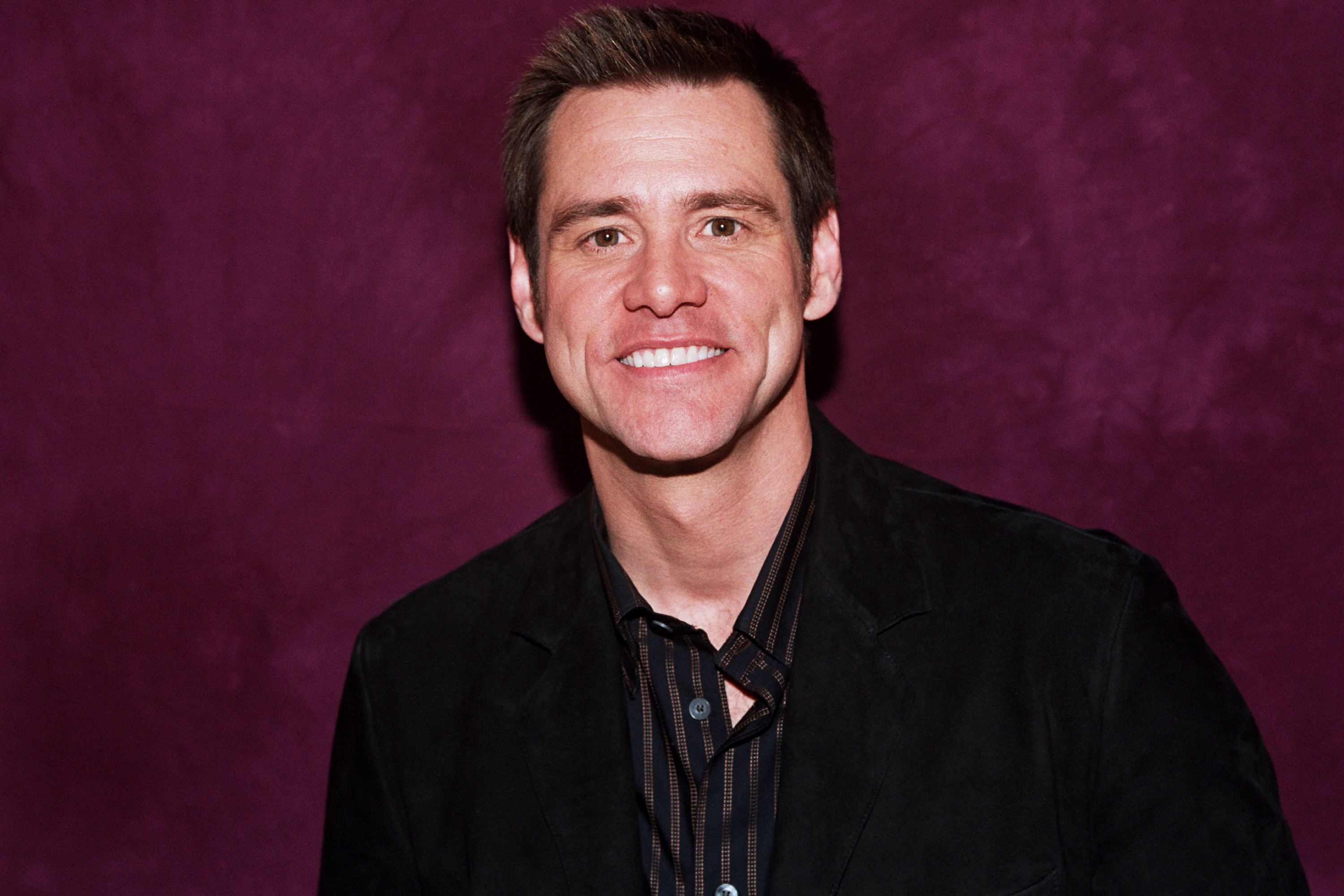
Jim Carrey emerged in the 1990s as one of the most physically expressive and energetically explosive comedic actors in Hollywood history. Born in Ontario, Canada, he grew up in a financially unstable household, which deeply influenced his resilience and comedic drive.
He began performing stand-up comedy as a teenager, developing an exaggerated physical style that quickly set him apart. His breakthrough came through “In Living Color,” where his elastic facial expressions and improvisational genius made him a standout performer.
The 1990s became his defining decade, with blockbuster comedies such as “Ace Ventura,” “The Mask,” and “Dumb and Dumber,” which showcased his unmatched ability to transform physically and his comedic unpredictability. He later expanded into dramatic roles, proving his emotional depth.
By the end of the decade, Carrey had become a global comedy phenomenon, redefining what physical comedy could achieve in modern cinema and influencing generations of performers.
Key Facts
- Full name of the subject: James Eugene Carrey
- Date of birth: 17 January 1962
- Place of birth: Newmarket, Ontario, Canada
- Family background: Working-class Canadian family
- Early childhood experiences: Financial hardship and early comedic expression
- Education history: Agincourt Collegiate Institute
- Influences and mentors: Stand-up legends and slapstick performers
- Career beginnings: Canadian stand-up comedy circuit
- Major achievements: Global success with 1990s comedy blockbusters
- Challenges and obstacles faced: Early career poverty and instability
- Turning points in life: Breakthrough in In Living Colour
- Contributions to society: Comedy innovation and mental health awareness
- Personal life (marriage, children, relationships): Married with children
- Awards and recognitions: Golden Globes and international comedy awards
- Beliefs, values, or philosophy: Creativity through expression and emotional honesty
- Legacy and impact: Defined the modern physical comedy era
- Historical or cultural significance: 1990s global comedy revolution figure
Notable Works: Ace Ventura, The Mask, Dumb and Dumber, Liar Liar, The Truman Show
Jim Carrey’s Major Controversies
Anti-Vaccination Controversy
One of his most widely criticised positions:
- Carrey became associated with anti-vaccine activism alongside Jenny McCarthy
- He publicly opposed certain vaccine policies, especially regarding children
Reaction:
- Strong backlash from the medical community
- Accusations of spreading misinformation
Important:
- Carrey later clarified he was against specific ingredients/policies, not all vaccines, but criticism remained.
Lawsuit Over Cathriona White’s Death
A serious and sensitive controversy:
- Carrey’s ex-girlfriend, Cathriona White, died in 2015
- Her family filed a wrongful death lawsuit against him
Allegations:
- Providing prescription drugs
- Emotional distress
Outcome:
- Carrey denied all allegations
- The case was eventually dismissed in his favour
Political Art & Trump Criticism
Carrey became very vocal politically, especially during the Trump era:
- Created controversial paintings criticising Donald Trump and others
- Shared them widely on social media
Reaction:
- Support from some audiences
- Strong backlash from others
Erratic Public Behaviour & Interviews
At various times, Carrey displayed unusual or philosophical behaviour:
- Bizarre red carpet interviews (e.g., at New York Fashion Week)
- Statements questioning identity, reality, and fame
Public reaction:
- Some saw it as deep or spiritual
- Others viewed it as confusing or erratic
Hollywood Criticism & Awards Speech
At an event, Carrey mocked Hollywood culture and award shows:
- Made sarcastic remarks about fame and validation
Impact:
- Praised for honesty by some
- Seen as disrespectful by others
Mental Health & Personal Struggles
Carrey has openly discussed:
- Depression
- Emotional struggles behind his comedic persona
While not a “controversy” in a negative sense:
- His openness sparked broader conversations about mental health
Notable Mentions:
Johnny Depp
Matt Damon
Morgan Freeman
Sandra Bullock
Anthony Hopkins