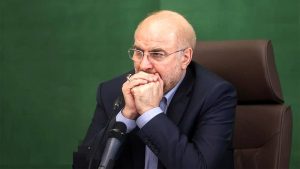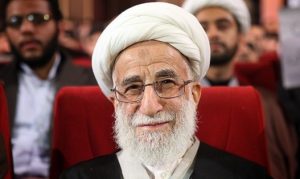
[People Profile] All We Know About Gholam-Hossein Mohseni-Ejei Biography, Life, Career and Military
All We Know About Gholam-Hossein Mohseni-Ejei Biography, Life, Career and Military
In This Content

Gholam-Hossein Mohseni-Ejei — Full Biography
Basic Profile
-
Full name: Gholam-Hossein Mohseni-Ejei
-
Born: 1956
-
Birthplace: Ejeh (near Isfahan), Iran
-
Profession: Cleric, jurist, intelligence official
-
Current role: Chief Justice of Iran (since 2021)
A hardline insider deeply tied to Iran’s intelligence and judicial systems.
Early Life & Religious Education
-
Studied in religious seminaries in Qom, Iran’s clerical center
-
Trained in Islamic jurisprudence
His rise is rooted in religious authority, not military background
Early Career — Intelligence & Security
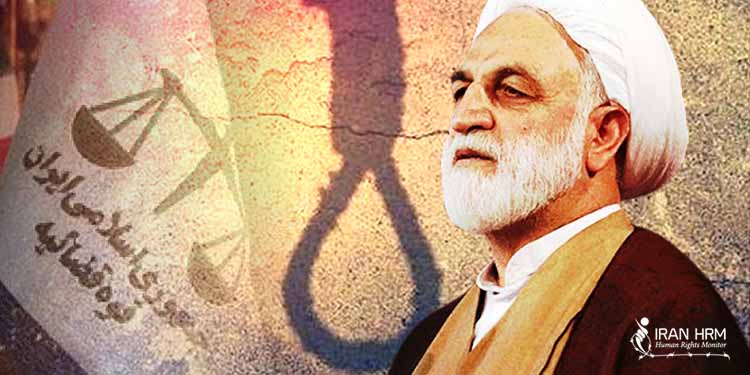
Ministry of Intelligence
-
Served in Iran’s intelligence apparatus after the
Iranian Revolution
Key role:
-
Minister of Intelligence (2005–2009) under
Mahmoud Ahmadinejad
This placed him at the center of:
-
Surveillance
-
Counterintelligence
-
Political security
Judicial Career
Prosecutor-General & Judiciary Roles
-
Held multiple high-ranking positions:
-
Tehran prosecutor
-
National Prosecutor-General
-
Judiciary spokesperson
-
Chief Justice of Iran (2021–Present)

-
Appointed by the Supreme Leader
-
Oversees:
-
Courts
-
Prosecutions
-
Legal enforcement
-
One of the most powerful unelected roles in Iran
Power & Influence
Mohseni-Ejei controls:
-
Judicial decisions
-
Political prosecutions
-
Legal interpretation of Islamic law
Plays a key role in:
-
Maintaining regime authority
-
Handling dissent and opposition
Major Controversies & Allegations
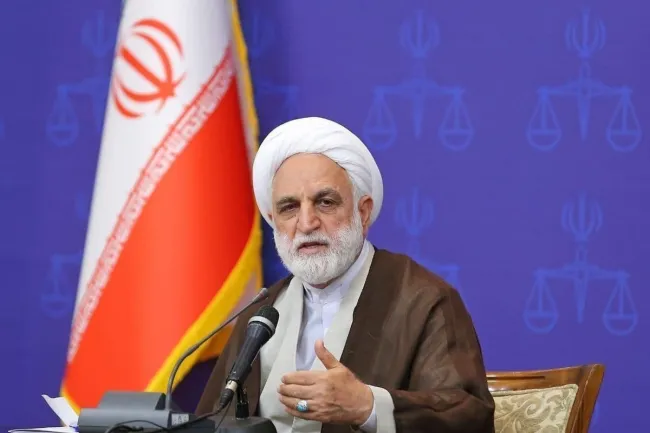
1. Role in Political Repression
2009 Protests (Green Movement)
-
2009 Iranian presidential election protests
Allegations:
-
Oversaw or supported:
-
Arrests of protesters
-
Interrogations
-
Harsh sentencing
-
Critics accuse him of enabling systematic repression
2. Crackdowns on Activists & Journalists
-
Accused of targeting:
-
Journalists
-
Human rights activists
-
Political dissidents
-
Often through:
-
Arrests
-
Trials with limited transparency
3. Intelligence Ministry Abuses
During his time as Intelligence Minister:
Allegations include:
-
Forced confessions
-
Arbitrary detentions
-
Suppression of political opposition
These claims are widely reported by human rights groups
Iranian authorities reject or justify them as national security measures
4. Corruption Accusations (Indirect)
-
Linked to broader allegations within Iran’s judiciary:
-
Lack of transparency
-
Political favoritism
-
No widely confirmed personal conviction, but:
-
Criticized as part of a system seen as opaque
5. International Sanctions
-
Sanctioned by:
-
European Union
-
United States
-
Reasons cited:
-
Alleged human rights violations
-
Role in repression and judicial actions
Personality & Leadership Style
-
Known for being:
-
Hardline
-
Reserved
-
Security-focused
-
-
Emphasizes:
-
Stability
-
Loyalty to the system
-
Strong judiciary control
-
Not a public-facing populist—more of a behind-the-scenes enforcer
Supporters vs Critics
Supporters say:
-
Defends Iran’s legal system
-
Protects national security
-
Maintains order
Critics say:
-
Instrumental in:
-
Political repression
-
Limiting freedoms
-
-
Represents:
-
Judiciary lacking independence
-
Why He Matters
Mohseni-Ejei is important because:
-
He sits at the intersection of:
-
Law
-
Intelligence
-
Politics
-
His decisions directly affect:
-
Political prisoners
-
Protest outcomes
-
Freedom of expression
Facts
-
Cleric and intelligence official
-
Former Intelligence Minister
-
Now Chief Justice of Iran
-
Key figure in judicial and security systems
-
Associated with crackdowns and human rights criticisms