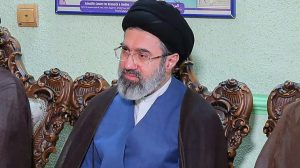
How Iran Selects Their Ayatollah
How Iran Selects Their Ayatollah
In This Content
Unlike how a nation elects a president, Iran does not directly elect an “Ayatollah.” Religious leaders oversee the indirect process.
This is how it actually functions:
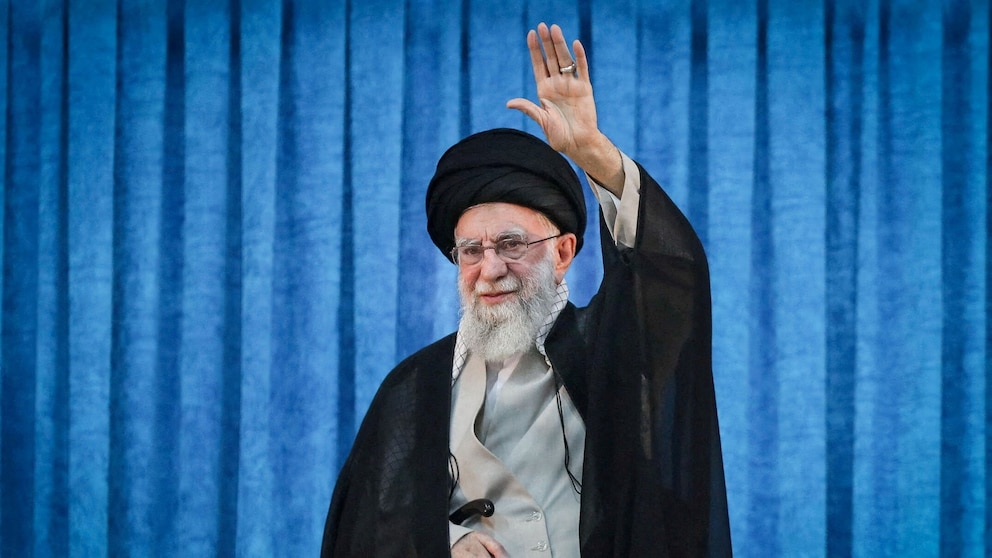
1. The role to which you are referring
The Supreme Leader, who is currently (as of recent history) Ali Khamenei, is the highest-ranking leader.
He is typically an Ayatollah or other eminent Shia cleric.
However, the term “Ayatollah” is religious in nature and is not chosen by the general people.
2. The Assembly of Experts is the crucial entity
The Supreme Leader is truly chosen by this group.
Approximately 88 Islamic academics and clergy
Every eight years, the public elects them.
However, only those who have received approval from another authority are eligible to run (more on that below).
3. Who is eligible to run for the Assembly in Iran?
The Guardian Council must screen applicants.
Candidates are approved or rejected by this council.
The Supreme Leader himself appoints some of them.
Thus, it indirectly determines who is eligible to vote.
4. The selection process for the Supreme Leader
When a post becomes open due to a death, resignation, etc.
The Experts’ Assembly convenes.
They assess candidates who are senior clerics with both political and religious credentials.
They cast internal votes.
The next leader is chosen by a majority vote.
5. The leader’s requirements
The selected individual needs to:
Become a prominent Islamic jurist, usually an Ayatollah.
Be regarded as informed, politically astute, and devout.
Possess influence and leadership skills.
[People Profile] All We Know About Ali Khamenei, Iran Supreme Leader Biography

6. A crucial fact
The Supreme Leader is not directly elected by the people.
The system is carefully regulated and indirect.
The existing leadership has an impact on the same system that chooses the Assembly.
An easy method to comprehend it
Consider it this way:
The Supreme Leader is chosen by clerics, who are elected by the people.