All We Know About The Quds and What They Actually Do
All We Know About The Quds and What They Actually Do
In This Content

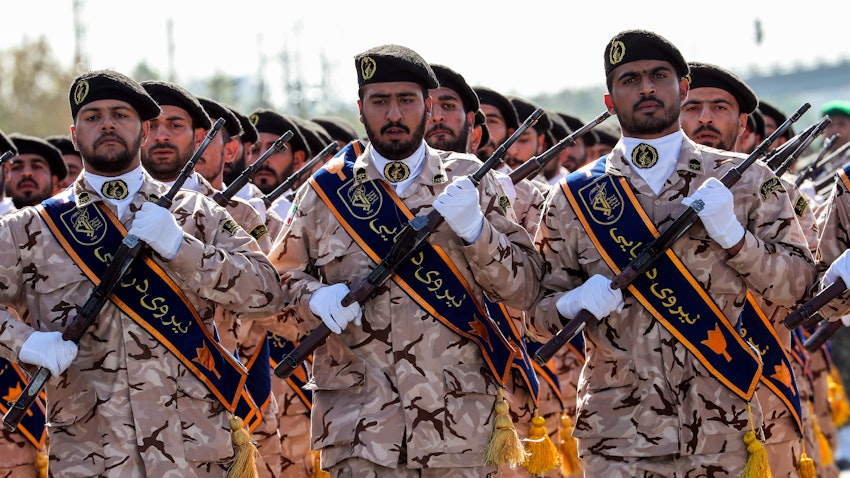
What the Quds Force Actually Does
Think of the Quds Force as Iran’s external power arm—a mix of:
-
Intelligence agency
-
Special forces unit
-
Covert operations network
-
Foreign policy tool
It operates outside Iran, often in secrecy.
Core Strategy: “Indirect Power.”
Instead of direct wars, the Quds Force uses:
-
Proxy groups
-
Militias
-
Political influence
-
Covert operations
This approach is often called asymmetric warfare—fighting stronger enemies indirectly.
Regions & Groups Influenced by the Quds Force
🇱🇧 Lebanon — Hezbollah
-
Hezbollah
Role:
-
Iran’s most successful proxy
-
Quds Force provides:
-
Training
-
Weapons
-
Funding
-
Hezbollah acts as a deterrent against Israel
🇮🇶 Iraq — Shia Militias
-
Groups like:
-
Kata’ib Hezbollah
-
Badr Organization
-
Role:
-
Influence Iraqi politics
-
Fight ISIS (historically)
-
Counter U.S. presence
Iraq is one of Iran’s most important influence zones
🇸🇾 Syria — Assad Government
-
Bashar al-Assad
Role:
-
Quds Force helped:
-
Keep Assad in power during the civil war
-
Coordinate foreign fighters
-
Syria is a strategic bridge linking Iran to Lebanon
🇾🇪 Yemen — Houthi Movement
-
Houthi movement
Role:
-
Support includes:
-
Weapons technology
-
Training
-
Gives Iran influence near Saudi Arabia and the Red Sea routes

🇵🇸 Palestinian Territories
-
Groups like:
-
Hamas
-
Palestinian Islamic Jihad
-
Role:
-
Financial and military support
-
Anti-Israel strategy
How the Quds Force Operates (Mechanics)
1. Training & Arming
-
Sets up camps
-
Transfers weapons and missile tech
2. Funding Networks
-
Uses:
-
Front companies
-
Smuggling routes
-
Informal financial systems
-
3. Intelligence & Covert Ops
-
Surveillance abroad
-
Assassinations (alleged)
-
Cyber activities
4. Political Influence
-
Backs friendly politicians
-
Helps allied groups enter governments
This is key: influence isn’t just military—it’s political penetration
The “Axis of Resistance.”
This network is often called:
Iran’s regional alliance system
Includes:
-
Iran
-
Hezbollah
-
Iraqi militias
-
Syrian government
-
Houthis
The goal:
-
Counter the U.S.
-
Counter Israel
-
Expand Iranian influence
Ahmad Vahidi’s Role in All This
As an early commander of the Quds Force:
-
Helped build its structure
-
Shaped its:
-
Strategy
-
Foreign alliances
-
-
Set the foundation later expanded by
Qasem Soleimani
If Soleimani made it famous, Vahidi helped create the system
Why This Matters Globally
The Quds Force is controversial because:
-
The U.S. designates the IRGC as a terrorist organization
-
Many of its actions are:
-
Covert
-
Deniable
-
Hard to trace
-
Supporters say it defends Iran
Critics say it destabilizes the region.
-
The Quds Force is Iran’s global operations unit
-
It uses proxies instead of direct war
-
Operates across the Middle East
-
Combines:
-
Military
-
Intelligence
-
Political strategy
-
And Ahmad Vahidi was one of the key architects behind this entire system.
Major Operations & Alleged Activities
🇦🇷 1. Buenos Aires Bombings (1990s)
Key event:
-
AMIA bombing
-
85 killed
Allegation:
-
Argentine investigators claim:
-
Iranian officials approved the attack
-
The Quds Force coordinated execution via Hezbollah
-
This is the most serious international accusation, linked to figures like
Ahmad Vahidi
🇮🇶 2. Iraq War (2003–2011)
Activities:
-
Supplying:
-
Roadside bombs (EFPs)
-
Weapons to militias
-
-
Supporting groups like:
-
Kata’ib Hezbollah
-
Impact:
-
U.S. officials accused the Quds Force of contributing to American troop casualties
Iran framed this as supporting resistance to the occupation.
🇱🇧 3. Hezbollah Military Build-Up
Long-term operation:
-
Continuous support for
Hezbollah
Includes:
-
Missile technology
-
Training
-
Intelligence
Result:
-
Hezbollah evolved into a hybrid army, not just a militia
Seen as Iran’s most successful foreign project
🇸🇾 4. Syrian Civil War Intervention
Objective:
-
Keep Bashar al-Assad in power
Actions:
-
Coordinated:
-
Iranian advisors
-
Hezbollah fighters
-
Foreign Shia militias
-
Key figure:
-
Qasem Soleimani personally led operations
This intervention changed the course of the war
🇸🇦 / 🇺🇸 5. Alleged Assassination Plot (2011)
Target:
-
Saudi ambassador to the U.S.
Claim:
-
U.S. authorities said Quds Force operatives tried to:
-
Hire cartel members
-
Carry out an assassination in Washington, D.C.
-
👉 Iran denied involvement
👉 Widely cited as an example of global reach
🇾🇪 6. Houthi Missile & Drone Program
Activities:
-
Support for
Houthi movement
Includes:
-
Drone technology
-
Ballistic missile assistance
Result:
-
Houthis gained the ability to:
-
Strike Saudi infrastructure
-
Disrupt Red Sea shipping
-
🇮🇱 7. Shadow War with Israel
Ongoing covert conflict
Includes:
-
Alleged:
-
Cyber attacks
-
Assassination attempts
-
Weapons transfers
-
Israel has responded with:
-
Airstrikes on Quds Force positions in Syria
This is a continuous low-intensity war
8. Cyber & Intelligence Operations
Activities:
-
Hacking campaigns
-
Surveillance of dissidents abroad
-
Influence operations
Targets:
-
Governments
-
Corporations
-
Opposition figures
Patterns Across These Operations
1. Plausible Deniability
-
Rarely acts directly
-
Uses:
-
Militias
-
Intermediaries
-
Makes attribution difficult
2. Long-Term Strategy
-
Builds influence over years or decades
-
Not quick, high-visibility wins.
3. Blending War & Politics
-
Military support + political influence
-
Turns militias into:
-
Political parties
-
Government actors
-
The Soleimani Era (Turning Point)
Under
Qasem Soleimani:
-
Operations became:
-
More coordinated
-
More aggressive
-
-
Iran built a regional network of influence
His killing in 2020 by the U.S. was a major shock to the system
Global Perception
Critics say:
-
The Quds Force:
-
Fuels instability
-
Supports militant groups
-
Undermines governments
-
Supporters say:
-
It:
-
Protects Iran from threats
-
Counters Western and regional rivals
-
Supports allied governments
-
The Quds Force operates as:
-
A shadow foreign policy engine
-
A builder of proxy networks
-
A force that avoids direct war but shapes outcomes behind the scenes