All We Know About Iran’s IRGC
All We Know About Iran’s IRGC
In This Content
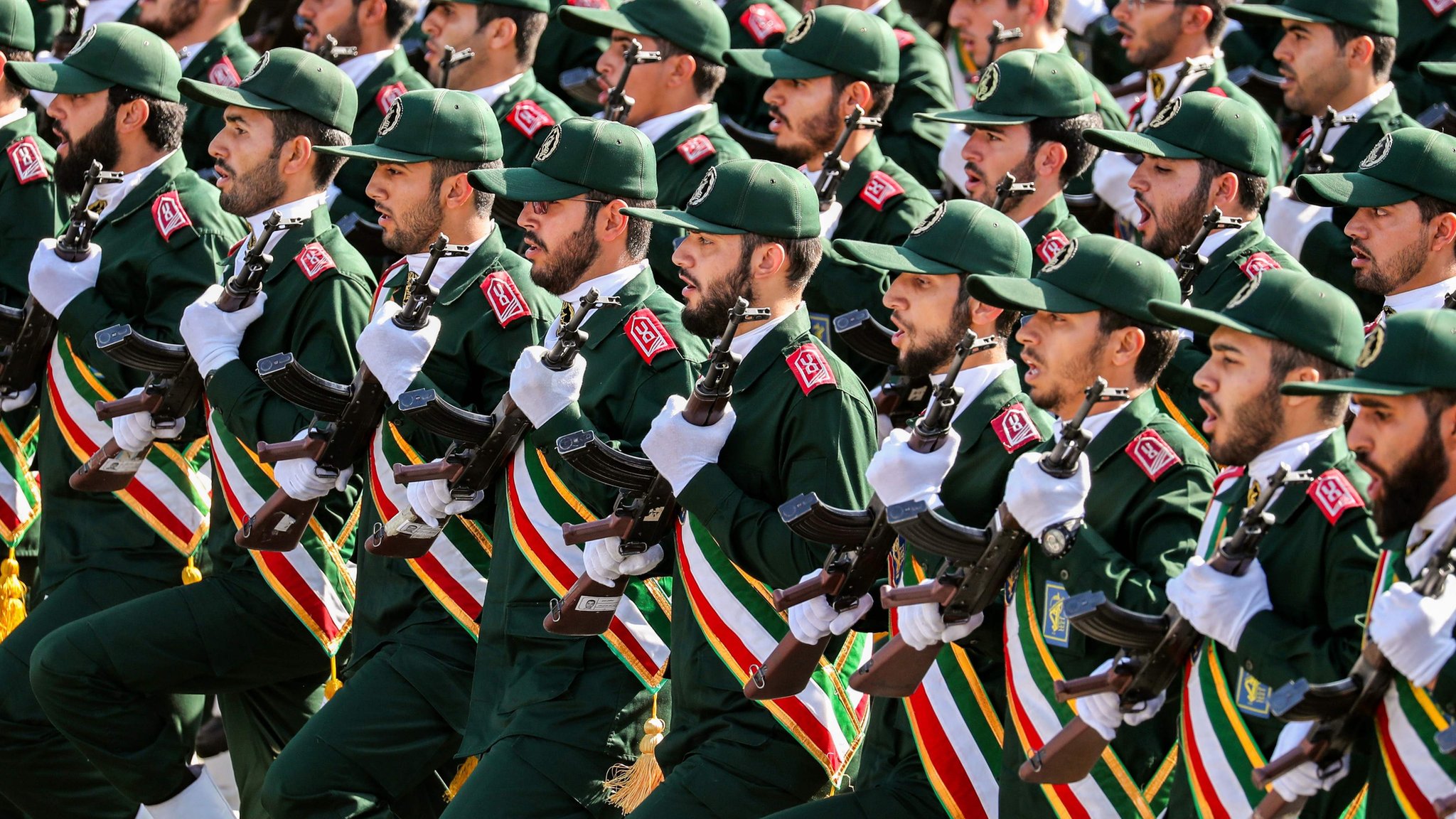
Where the IRGC came from:
It was started following the Iranian Revolution in 1979.
Ruhollah Khomeini set up the Islamic Revolutionary Guard Corps in April–May 1979.
- To keep the new Islamic government safe
- To stop a coup by the military
- To fight Iran’s regular army, which had been loyal to the Shah
- To bring together revolutionary militias into one group
The main principle behind its making
Khomeini didn’t have faith in the regular army.
So he formed a second army that was dedicated to the revolution and its ideas, not the state.
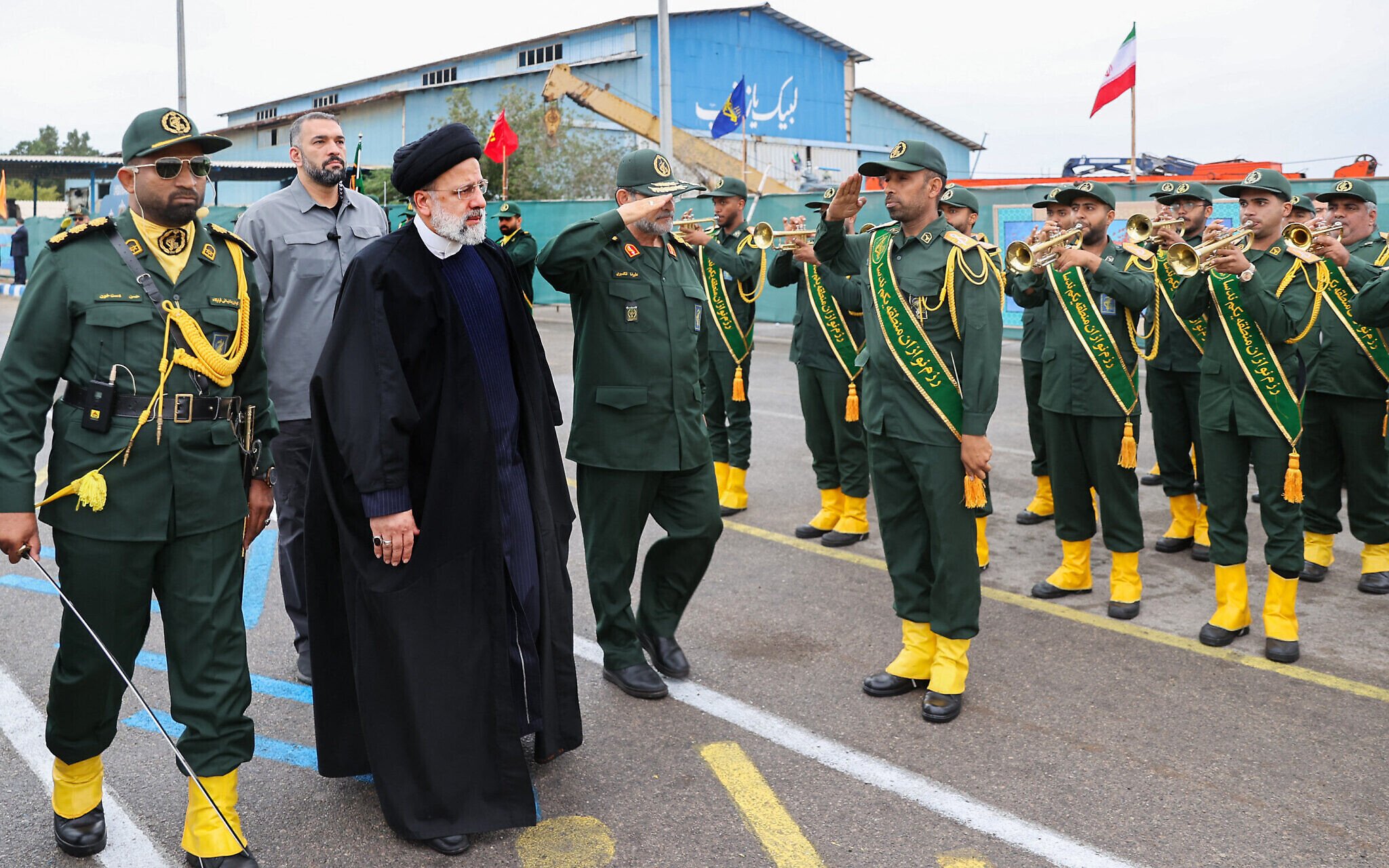
This is why Iran has:
Army (Artesh)
AND the IRGC (politically stronger)
Growth during the Iran–Iraq War (1980–1988)
The war changed the IRGC:
Grew from a militia to a full military force
IRGC Gained:
- Structure
- Funding
- Political influence
This is when it became permanent and powerful
How the IRGC Operates
1. Separate from the regular military
The IRGC:
Has its own command structure
Reports directly to the Supreme Leader
Operates independently of the president
It is essentially a state within a state
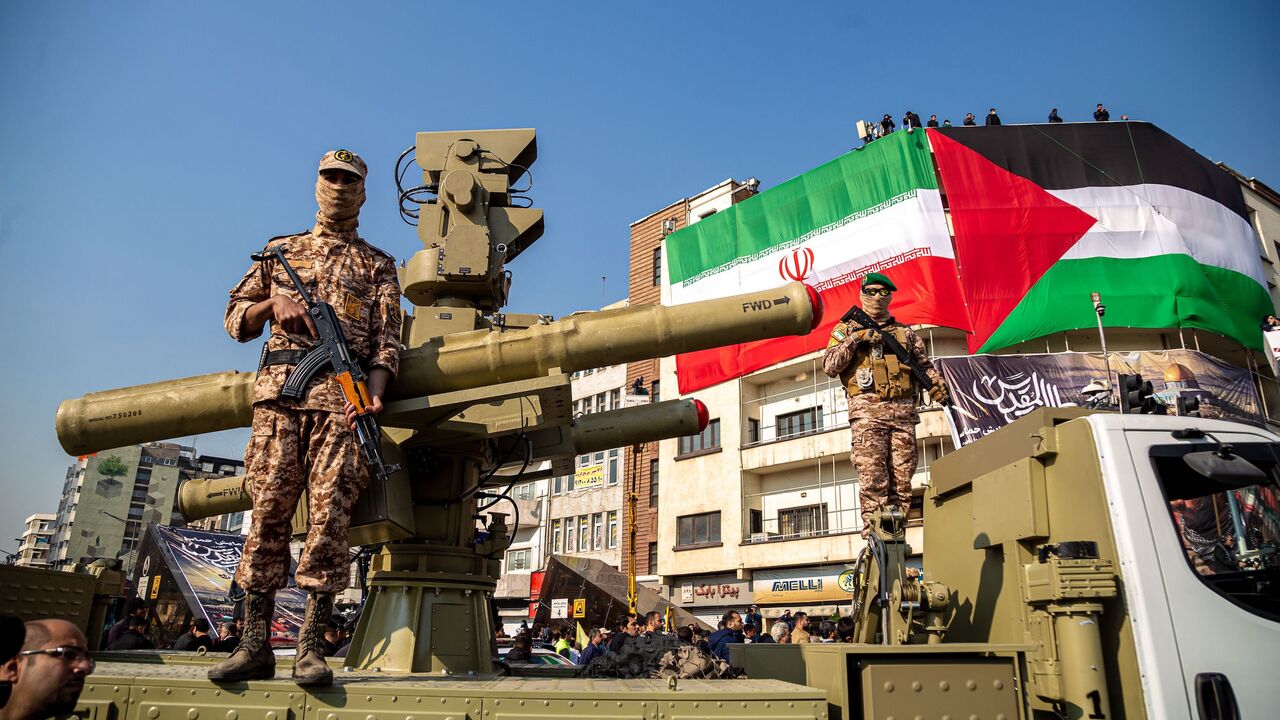
2. Its internal structure
The IRGC is not just one force—it’s a complex system:
🪖 Ground Forces
Control internal security across Iran
Stationed nationwide
Navy
Focuses on:
Persian Gulf
Strait of Hormuz (critical oil route)
Aerospace Force
Runs Iran’s:
Missile program
Strategic deterrence
Intelligence & Cyber Units
Surveillance
Cyber warfare
Propaganda operations
Basij (Paramilitary Force)
Massive volunteer militia
Used for:
Protest suppression
Internal control
Can mobilize hundreds of thousands of people
Quds Force (Foreign Operations)
Handles operations outside Iran
IRGC supports allied groups in:
- Iraq
- Lebanon
- Syria
- Yemen
This is how Iran projects power globally
3. Their Core Missions
A. Protect the regime
Crush protests
Monitor dissent
Enforce ideological control
B. Expand influence abroad
Train and fund allied groups
Build regional alliances
Counter Western and Israeli influence
C. Control parts of the economy
The IRGC:
Owns or controls businesses in:
Oil & gas
Construction
Telecoms
This gives them financial independence and power
D. Influence politics
Many former IRGC members become:
Ministers
Governors
Parliament members
They shape policy from inside the system
How Powerful Are They Really?

Today, the IRGC is:
The most powerful military force in Iran
A political kingmaker
A major economic empire
Recent developments even suggest they are becoming the dominant power center, especially in times of crisis
Why They’re So Unique
Most countries have a military that serves the government.
The IRGC is different:
It serves the ideology of the Islamic Republic
It answers directly to the Supreme Leader—not elected officials
It operates in:
Military
Politics
Economy
Foreign policy
Facts:
- Created in 1979 to protect the revolution
- Built as a counterweight to the regular army
- Expanded during war into a full military + political force
- Now operates as:
- Military
- Intelligence agency
- Economic powerhouse
- Foreign operations network