
Top 10 Rising Streaming Platform Stars Making Major Impact in Web Series Today In Middle East
Top 10 Rising Streaming Platform Stars Making Major Impact in Web Series Today in the Middle East
In This Content
Quick List
Andria Tayeh
Ahmed Malek
Maria Bahrawi
Yara Mustafa
Yasmina El-Abd
Ida Alkusay
Noor Taher
Essam Omar
Lamar Feddan
Joanna Arida
1. Andria Tayeh
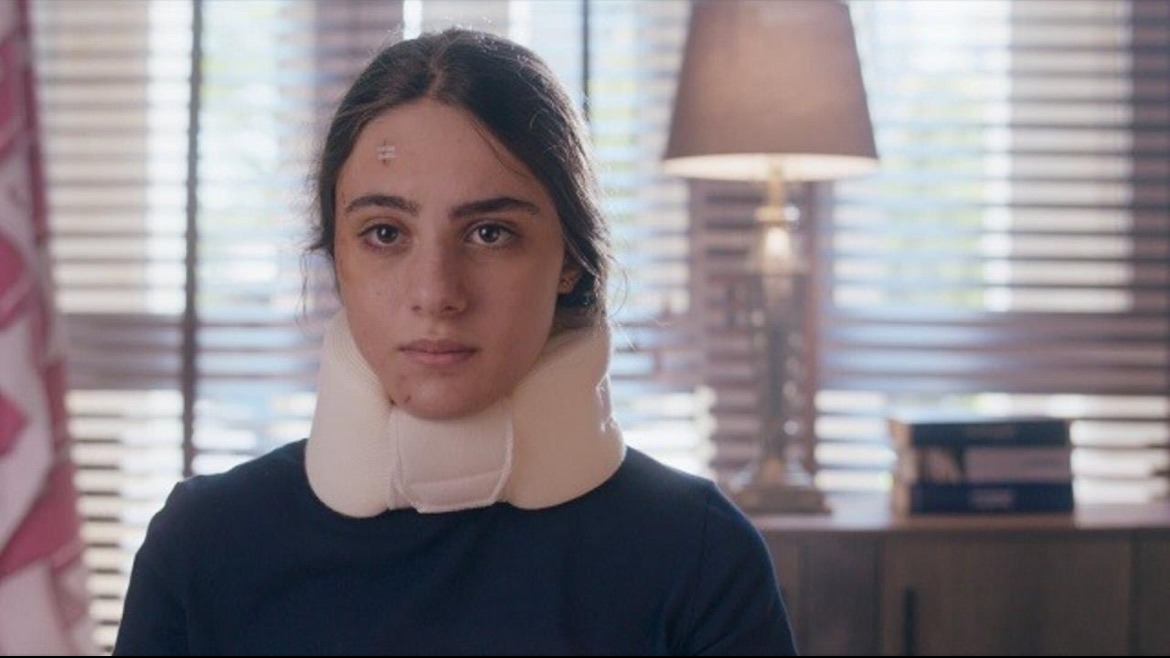
The emergence of Andria Tayeh within the Middle Eastern streaming ecosystem represents a defining shift in how Arab youth culture is portrayed on-screen. At a time when regional streaming platforms increasingly seek stories grounded in emotional realism rather than melodrama, Tayeh has become emblematic of a generation of performers capable of balancing vulnerability with sharp psychological intensity. Her performances resonate not merely because of technical ability, but because they mirror the anxieties, aspirations, and social contradictions facing young audiences across the Arab world. In an era dominated by binge-watch storytelling, she has established herself as one of the most compelling young faces shaping the identity of modern Arabic web series.
Born into a culturally aware Jordanian environment, Tayeh’s early life exposed her to the evolving intersections between traditional Middle Eastern values and the rapid globalization of entertainment. Her formative years were marked by strong artistic curiosity and a deep engagement with literature, cinema, and contemporary youth discourse. Unlike many actors who entered the entertainment industry through conventional television pathways, Tayeh emerged at a time when streaming platforms were beginning to disrupt regional casting structures. This timing proved crucial. Her early experiences in independent productions and youth-centered dramatic roles helped cultivate a naturalistic acting style rooted in restraint rather than theatrical exaggeration.
Her breakthrough arrived through streaming-oriented dramatic productions that prioritized character complexity over formulaic scripting. Tayeh’s screen presence quickly distinguished her from many contemporaries. She demonstrated a rare ability to communicate emotional fragmentation through silence, facial tension, and understated reactions. Critics increasingly noted that her performances reflected a cinematic realism more commonly associated with European prestige television than traditional Arabic serial drama. As streaming platforms across the Middle East expanded investments in original programming, Tayeh became one of the performers most closely associated with the new era of Arab digital storytelling.
What ultimately separates Tayeh from many rising stars is the cultural symbolism attached to her career trajectory. She represents a generation of Arab actresses redefining femininity on-screen without relying on conventional stereotypes. Her artistic identity aligns with broader industry changes emphasizing psychological authenticity, youth alienation, and social introspection. In many ways, her rise mirrors the evolution of Middle Eastern streaming itself: ambitious, globally conscious, and increasingly fearless in confronting complex emotional realities. As regional productions continue to attract international attention, Tayeh’s influence appears poised to extend well beyond Arabic-language entertainment.
Key Facts
- Full name of the subject: Andria Tayeh
- Date of birth: 2001
- Place of birth: Jordan
- Family background: Raised in a culturally supportive Jordanian family environment
- Early childhood experiences: Developed interest in storytelling, literature, and performance arts during adolescence
- Education history: Pursued academic studies alongside artistic development
- Influences and mentors: Influenced by contemporary Arab cinema and global streaming-era storytelling
- Career beginnings: Started through youth-oriented dramatic productions and independent screen work
- Major achievements: Became one of the breakout young actresses associated with Middle Eastern streaming drama
- Challenges and obstacles faced: Navigating typecasting pressures and evolving industry expectations for young Arab actresses
- Turning points in life: Securing emotionally layered streaming roles that expanded her regional visibility
- Contributions to society: Helped normalize realistic portrayals of Arab youth identity and emotional complexity
- Personal life (marriage, children, relationships): Maintains relatively private personal affairs
- Awards and recognitions: Earned growing critical recognition for nuanced performances in streaming productions
- Beliefs, values, or philosophy: Strong emphasis on authenticity and emotionally truthful storytelling
- Legacy and impact: Seen as part of the generation redefining Arab female representation in streaming entertainment
- Historical or cultural significance: Represents the rise of psychologically grounded Arab web-series acting
Notable Works: Youth-focused streaming dramas, socially conscious regional productions, contemporary Arabic web series exploring identity and generational change
Controversies: One recurring debate surrounding Andria Tayeh’s career concerns the increasing portrayal of emotionally sensitive and socially unconventional female characters in modern Arab streaming productions. Critics from more conservative audiences argued that some of the themes explored in youth-centered dramas challenged traditional representations of Arab family structures and gender expectations. Supporters, however, viewed these performances as necessary reflections of the changing realities among younger generations in the Middle East. Industry observers noted that the criticism was less about Tayeh personally and more about the broader transformation of Arabic streaming content. No official violations or misconduct allegations emerged from these discussions, but the debate highlighted the cultural tensions accompanying the modernization of regional entertainment. The controversy ultimately elevated her profile as a symbolic figure in conversations about artistic freedom and evolving norms in Arab storytelling.
2. Ahmed Malek

Ahmed Malek’s rise from promising child performer to one of the defining male actors of the Middle East’s streaming generation reflects both personal artistic evolution and structural industry transformation. Unlike many actors whose fame is tied solely to traditional television, Malek successfully bridged multiple entertainment eras, transitioning from broadcast drama into the sophisticated, internationally visible world of digital streaming. His career trajectory illustrates how modern Arab actors are increasingly expected to embody cinematic versatility, emotional realism, and cross-cultural accessibility simultaneously.
Born in Cairo, Egypt, Malek entered the entertainment world at a young age, initially gaining exposure through television and commercial work. Growing up in one of the Arab world’s most influential cultural capitals gave him early access to Egypt’s longstanding artistic ecosystem. Yet his career matured during a period of profound disruption in Middle Eastern media consumption. Streaming platforms began prioritizing shorter, more psychologically layered storytelling formats, demanding a more restrained and globally adaptable acting style. Malek proved exceptionally capable of navigating this transition. His early performances already demonstrated unusual emotional intelligence, but streaming-era productions allowed him to fully expand his artistic identity.
Malek’s breakthrough into regional streaming prominence came through projects that blended social realism with cinematic pacing. His performances often center on emotionally conflicted young men confronting systemic pressures, identity crises, or moral ambiguity. Rather than relying on overt dramatics, Malek cultivated a style defined by controlled intensity and internalized conflict. Critics across the Arab world frequently compare his screen presence to international prestige-drama actors because of his ability to sustain psychological tension through subtle behavioral shifts. This acting approach positioned him perfectly for the streaming age, where audiences increasingly value authenticity over performance exaggeration.
Beyond individual projects, Malek’s significance lies in how he expanded the image of the contemporary Arab male lead. He helped move regional entertainment away from one-dimensional masculinity toward more emotionally layered portrayals. His success also demonstrated the growing international viability of Middle Eastern streaming talent. Through festival appearances, multilingual collaborations, and streaming distribution, Malek became part of a wider movement introducing Arab performers to global audiences without requiring them to abandon cultural specificity. His career now stands as evidence that Middle Eastern actors can achieve international resonance while remaining deeply rooted in regional narratives.
Key Facts
- Full name of the subject: Ahmed Malek
- Date of birth: September 29, 1995
- Place of birth: Cairo, Egypt
- Family background: Raised in an Egyptian middle-class family supportive of artistic pursuits
- Early childhood experiences: Entered acting at a young age through television and commercial appearances
- Education history: Balanced formal education with early professional acting commitments
- Influences and mentors: Influenced by Egyptian cinema traditions and internationally acclaimed dramatic performers
- Career beginnings: Started as a child actor in Egyptian television dramas
- Major achievements: Transitioned successfully into leading streaming-era dramatic roles with international recognition
- Challenges and obstacles faced: Overcoming child-star stereotyping while adapting to evolving streaming demands
- Turning points in life: Participation in critically acclaimed dramatic productions that expanded his artistic range
- Contributions to society: Elevated realistic portrayals of young Arab masculinity and social pressure
- Personal life (marriage, children, relationships): Maintains a relatively guarded personal life despite public visibility
- Awards and recognitions: Received critical acclaim and regional acting honors for dramatic performances
- Beliefs, values, or philosophy: Advocates authenticity, realism, and emotionally grounded storytelling
- Legacy and impact: Regarded as one of the defining male faces of Middle Eastern streaming drama
- Historical or cultural significance: Helped transition Egyptian acting traditions into globally competitive streaming narratives
Notable Works: Prestige Egyptian streaming dramas, internationally distributed Arab series, youth-centered social realism productions
Controversies: Ahmed Malek faced significant public criticism following a satirical video incident early in his career that many viewers found disrespectful toward public institutions. The incident triggered widespread debate across Egyptian media regarding celebrity responsibility, the boundaries of satire, and youth culture in digital spaces. Critics argued that the content reflected poor judgment from a rising public figure, while supporters defended it as immature humor amplified beyond proportion by media outrage. Malek later acknowledged the backlash and publicly expressed regret. Industry insiders observed that the controversy temporarily affected brand relationships and public perception, yet it also became a defining moment of maturity in his career. Over time, his disciplined artistic growth and critically respected performances helped shift public attention away from the controversy and toward his professional accomplishments.
3. Maria Bahrawi
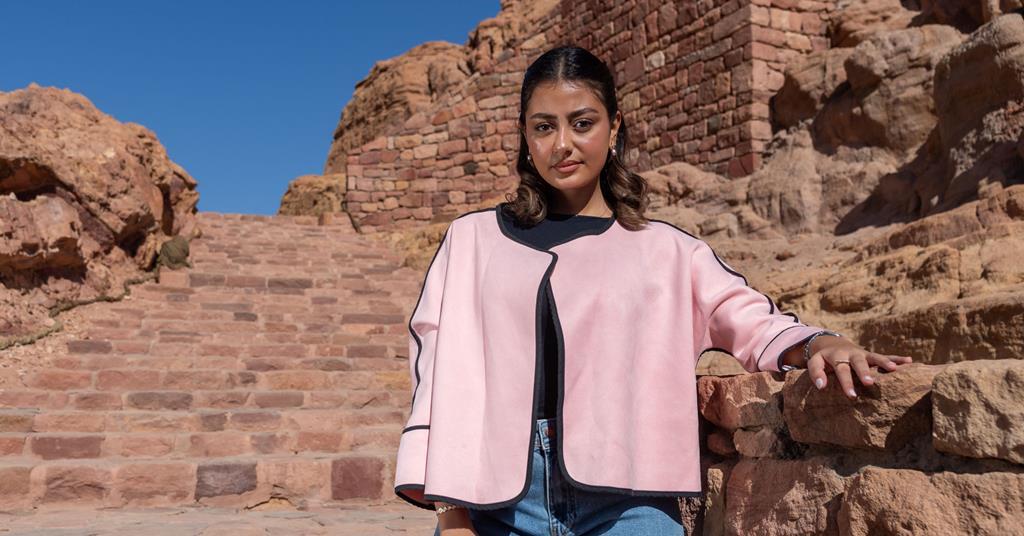
Maria Bahrawi’s rise within Middle Eastern streaming culture symbolizes the increasing demand for multidimensional female performers capable of navigating both commercial entertainment and socially conscious storytelling. As digital platforms continue reshaping Arab entertainment consumption, Bahrawi has emerged as part of a new generation of actresses whose appeal stems not only from charisma, but from emotional precision and intellectual screen presence. Her work reflects a broader transformation occurring across Middle Eastern web series, where younger audiences increasingly gravitate toward characters who embody contradiction, vulnerability, and contemporary social tension.
Raised within Saudi Arabia’s rapidly evolving cultural environment, Bahrawi came of age during one of the most transformative periods in modern Gulf entertainment history. The expansion of Saudi media investment and streaming infrastructure opened opportunities that scarcely existed for previous generations of actresses. Bahrawi’s early artistic development unfolded alongside these societal changes, giving her career a uniquely symbolic dimension. She entered the industry at a moment when regional audiences were beginning to embrace more complex portrayals of women, youth identity, and social ambition.
Her breakthrough performances demonstrated an unusual ability to balance elegance with emotional realism. Bahrawi developed a performance style rooted in controlled emotional layering rather than exaggerated dramatics. Directors increasingly cast her in roles requiring intellectual nuance, emotional restraint, and psychological progression across serialized narratives. This adaptability made her especially valuable within streaming formats, where long-form storytelling demands sustained character development over multiple episodes. Her performances often explore themes of personal autonomy, generational expectations, and social reinvention, all of which resonate strongly with younger Gulf audiences navigating changing cultural realities.
Bahrawi’s influence extends beyond entertainment metrics. She represents the emergence of a more globally conscious Saudi artistic identity—one that remains culturally grounded while engaging international storytelling standards. As streaming services continue to invest heavily in Gulf-produced content, performers like Bahrawi are helping to redefine external perceptions of Middle Eastern entertainment. Her growing reputation reflects not merely personal success, but the broader rise of a sophisticated Gulf streaming industry increasingly capable of competing on an international creative level.
Key Facts
- Full name of the subject: Maria Bahrawi
- Date of birth: Early 2000s
- Place of birth: Saudi Arabia
- Family background: Raised within a culturally evolving Saudi environment supportive of modern educational advancement
- Early childhood experiences: Developed strong interest in media, storytelling, and performance during youth
- Education history: Pursued formal education alongside emerging artistic opportunities
- Influences and mentors: Influenced by Gulf cinema expansion and contemporary international streaming dramas
- Career beginnings: Entered entertainment through modern Saudi media productions and digital storytelling projects
- Major achievements: Became recognized as one of the prominent young actresses in Gulf streaming entertainment
- Challenges and obstacles faced: Navigating rapid industry growth alongside evolving public expectations of female performers
- Turning points in life: Landing emotionally layered roles that expanded her visibility across regional streaming audiences
- Contributions to society: Helped normalize contemporary portrayals of ambitious and emotionally complex Gulf women
- Personal life (marriage, children, relationships): Keeps personal relationships largely away from public scrutiny
- Awards and recognitions: Earned increasing regional recognition for dramatic performances and digital-era visibility
- Beliefs, values, or philosophy: Advocates artistic authenticity and culturally grounded storytelling
- Legacy and impact: Seen as part of the generation redefining Saudi entertainment’s global image
- Historical or cultural significance: Represents the modernization of Gulf female representation in streaming media
Notable Works: Saudi streaming dramas, Gulf youth-centered web series, socially reflective digital productions
Controversies: Maria Bahrawi became part of broader public debates surrounding the rapid liberalization of Gulf entertainment industries, particularly regarding the visibility of young actresses in streaming productions addressing modern social themes. Some conservative commentators criticized aspects of contemporary Saudi entertainment, arguing that streaming narratives increasingly mirrored Western dramatic conventions. Others defended the creative shift as a necessary evolution that reflects real societal transformation and expands artistic freedom. Bahrawi herself was not accused of professional misconduct, but discussions surrounding her projects frequently became symbolic battlegrounds within wider cultural debates about modernization, identity, and media influence in the Gulf region. Analysts observed that these controversies often reflected larger generational anxieties rather than specific objections to her conduct. In practice, the debates significantly increased public interest in her projects and reinforced her status as a prominent face of Saudi Arabia’s entertainment transition.
4. Yara Mustafa
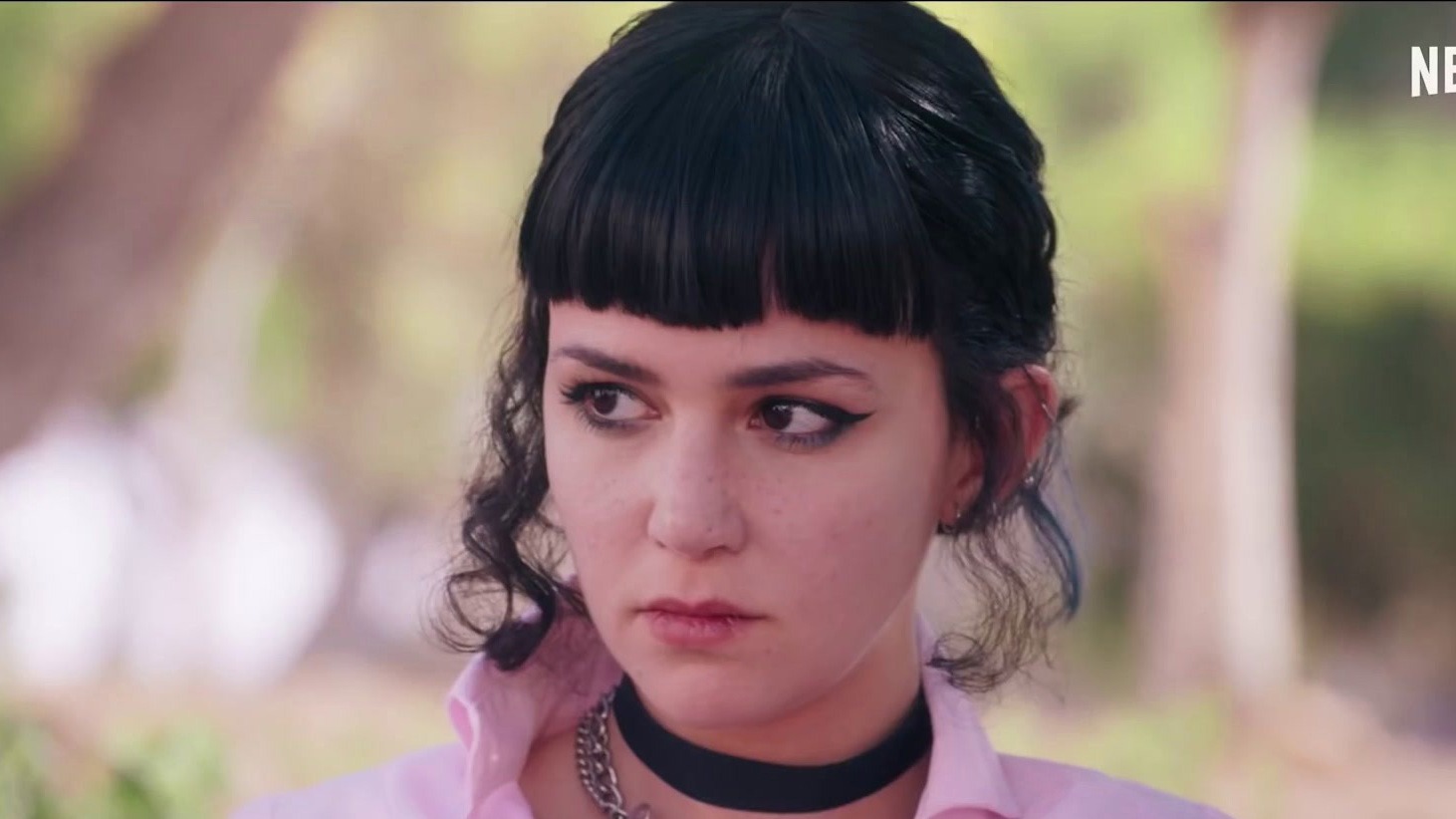
Yara Mustafa has steadily emerged as one of the most emotionally resonant young performers in Middle Eastern streaming entertainment, representing a generation of actors whose careers are deeply intertwined with the rise of digitally distributed Arab storytelling. In an industry historically dominated by long-running television serials and conventional dramatic structures, Mustafa’s presence reflects a shift toward more intimate, psychologically layered narratives designed for streaming audiences seeking realism and relatability. Her growing reputation stems from an ability to portray emotional uncertainty with unusual sincerity, making her particularly compelling in youth-centered web series exploring identity, ambition, and social pressure.
Born into a culturally aware environment in the Levant region, Mustafa’s early years were shaped by exposure to both traditional Arab storytelling and the rapidly expanding influence of global entertainment platforms. She developed an early interest in performance arts, literature, and visual media, gravitating toward emotionally driven narratives that examined human vulnerability rather than spectacle. As Middle Eastern streaming platforms began investing heavily in original productions aimed at younger demographics, Mustafa entered the industry at a strategically transformative moment. Her earliest roles demonstrated an instinctive understanding of naturalistic acting, favoring subtle emotional transitions over exaggerated dramatics.
Her breakthrough came through streaming dramas that focused on the emotional realities of Arab youth as they navigate societal expectations, generational conflict, and personal reinvention. Mustafa quickly distinguished herself through a screen presence defined by quiet emotional tension and intellectual sensitivity. Directors increasingly recognized her ability to sustain character depth across serialized storytelling formats, particularly in scenes requiring restrained psychological complexity. Rather than presenting polished archetypes, her performances often highlight uncertainty, emotional fragmentation, and internal conflict qualities that resonate strongly with younger audiences across the Middle East.
Mustafa’s broader cultural impact lies in her role within a creative movement redefining how young Arab women are represented in digital entertainment. Her performances challenge simplistic portrayals by emphasizing individuality, emotional intelligence, and social nuance. In doing so, she contributes to the larger evolution of Middle Eastern streaming content toward more globally competitive storytelling standards. As regional productions continue gaining international visibility, Mustafa’s career trajectory suggests she may become one of the defining dramatic voices of her generation within Arabic-language entertainment.
Key Facts
- Full name of the subject: Yara Mustafa
- Date of birth: Early 2000s
- Place of birth: Levant region, Middle East
- Family background: Raised in a culturally engaged family environment supportive of creative interests
- Early childhood experiences: Developed interest in storytelling, acting, and contemporary media culture during adolescence
- Education history: Balanced academic studies with artistic development and screen training
- Influences and mentors: Influenced by modern Arab cinema and internationally acclaimed streaming dramas
- Career beginnings: Entered the entertainment industry through youth-oriented digital productions
- Major achievements: Established herself as a rising actress associated with emotionally realistic streaming narratives
- Challenges and obstacles faced: Managing growing visibility while navigating industry expectations for young female performers
- Turning points in life: Receiving breakout streaming roles centered on psychological and emotional realism
- Contributions to society: Expanded realistic portrayals of Arab female youth experiences in digital storytelling
- Personal life (marriage, children, relationships): Maintains privacy regarding personal relationships and family matters
- Awards and recognitions: Earned critical attention for emotionally layered performances in streaming productions
- Beliefs, values, or philosophy: Advocates authenticity, emotional honesty, and socially grounded storytelling
- Legacy and impact: Seen as part of a generation reshaping female representation in Middle Eastern web series
- Historical or cultural significance: Represents the evolution of youth-focused Arab streaming entertainment
Notable Works: Contemporary Arab web dramas, youth-centered streaming productions, emotionally driven serialized storytelling projects
Controversies: Yara Mustafa became indirectly involved in broader debates about the growing emotional openness and social realism in modern Arab streaming dramas. Critics from conservative circles argued that some youth-focused productions normalized themes traditionally considered private or culturally sensitive, including mental health struggles, generational rebellion, and interpersonal conflict. Supporters countered that these narratives reflected authentic experiences facing younger audiences across the region and represented an important maturation of Arabic storytelling. Mustafa herself was not personally accused of misconduct, but several of her projects became focal points within discussions about evolving social values in entertainment media. Industry analysts emphasized that the controversy reflected larger cultural negotiations taking place throughout Middle Eastern digital entertainment rather than isolated objections to her performances. Ultimately, the debate contributed to increased visibility for her work and reinforced her status as an emerging symbol of modern Arab storytelling.
5. Yasmina El-Abd
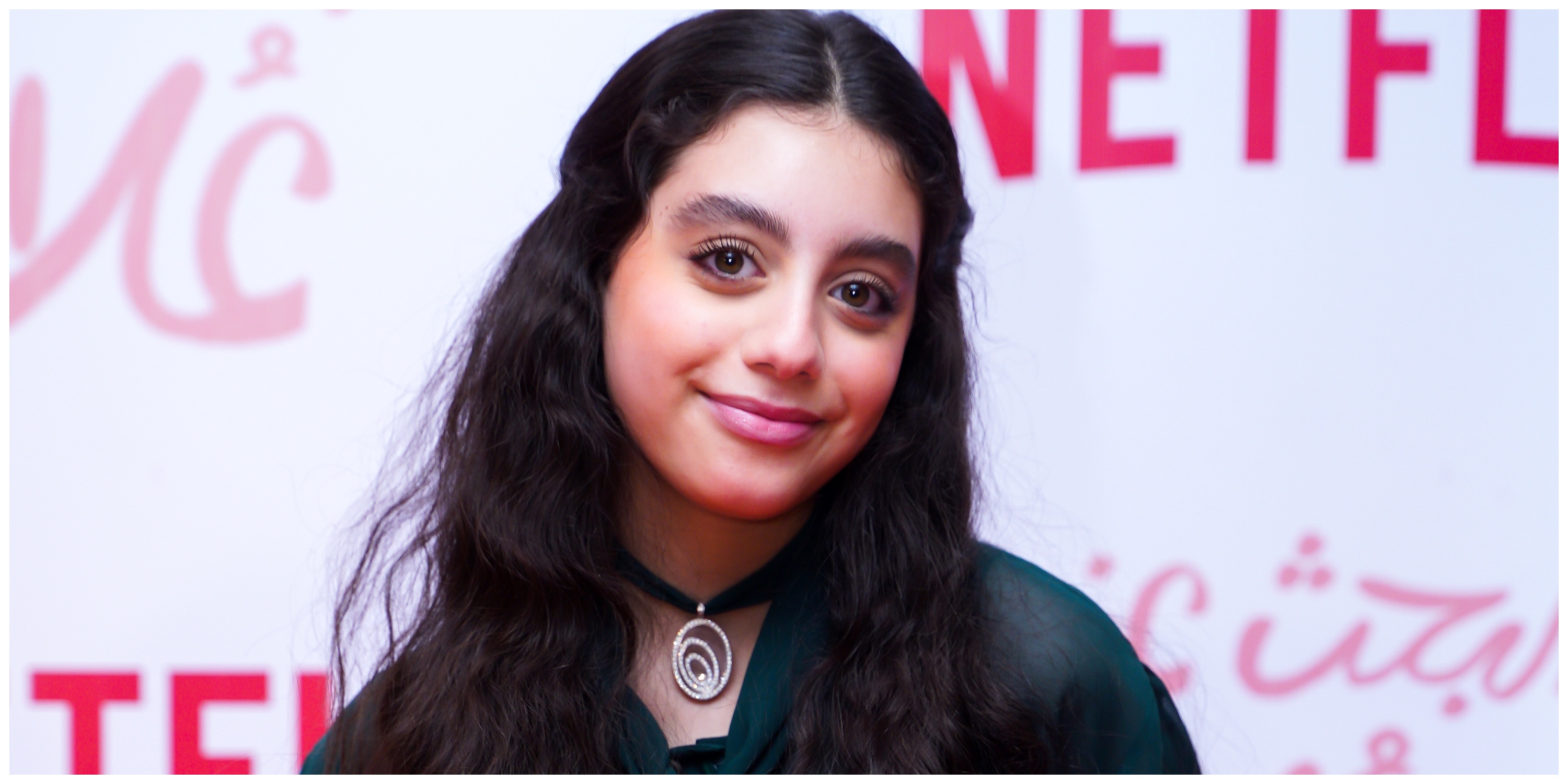
Yasmina El-Abd occupies a distinctive position within the rapidly expanding landscape of Middle Eastern streaming entertainment. Unlike performers whose careers evolved gradually through traditional television systems, El-Abd emerged during a transformative period in which Arab audiences increasingly embraced digital-first storytelling. Her rise reflects the streaming era’s preference for emotionally intelligent performers capable of navigating subtle psychological realism while maintaining broad cultural relatability. Through a carefully evolving body of work, she has become associated with sophisticated portrayals of contemporary Arab youth navigating identity, ambition, and social transition.
Raised in Egypt in an environment shaped by both artistic heritage and the expansion of modern media, El-Abd developed an early awareness of performance and narrative construction. Egypt’s longstanding role as the cultural epicenter of Arab entertainment provided a powerful backdrop for her artistic development. Yet unlike earlier generations shaped primarily by cinematic melodrama or serialized television conventions, El-Abd matured creatively during a period heavily influenced by global streaming aesthetics. This environment encouraged more restrained acting styles, character-driven narratives, and emotionally layered storytelling techniques that would later define her professional identity.
Her career breakthrough emerged through productions that demanded vulnerability rather than theatricality. El-Abd’s performances are frequently characterized by their emotional precision and understated intensity. She excels at portraying characters experiencing internal conflict beneath socially constructed exteriors, a dynamic that is increasingly central to contemporary streaming dramas. Critics often point to her ability to communicate emotional complexity through minimal gestures and controlled expressions, qualities that align strongly with international prestige-drama traditions. As streaming platforms invested in higher production standards and globally marketable narratives, El-Abd became one of the young actresses most associated with this artistic transition.
Beyond acting itself, El-Abd’s significance lies in how she represents a broader generational shift in Arab female storytelling. Her work frequently centers on themes of autonomy, identity negotiation, and emotional resilience, reflecting the realities of younger Middle Eastern audiences confronting rapidly changing social landscapes. She has become emblematic of a new era in which Arab actresses are increasingly evaluated not solely by popularity, but by artistic credibility and emotional authenticity. In the long term, her influence may be measured not only through successful productions, but through her contribution to raising the dramatic standards of Middle Eastern streaming entertainment overall.
Key Facts
- Full name of the subject: Yasmina El-Abd
- Date of birth: Mid-2000s
- Place of birth: Cairo, Egypt
- Family background: Raised in an educated Egyptian family with strong exposure to media and culture
- Early childhood experiences: Demonstrated early creative interests in storytelling and screen performance
- Education history: Continued formal education alongside acting commitments
- Influences and mentors: Influenced by Egyptian cinema traditions and contemporary international streaming drama techniques
- Career beginnings: Began appearing in youth-focused productions and digital storytelling projects
- Major achievements: Became recognized as one of the standout young actresses in Egyptian streaming entertainment
- Challenges and obstacles faced: Navigating intense public visibility at a young age within a rapidly evolving media industry
- Turning points in life: Landing emotionally demanding streaming roles that expanded her critical reputation
- Contributions to society: Advanced realistic portrayals of Arab female adolescence and emotional complexity
- Personal life (marriage, children, relationships): Maintains strong privacy concerning personal relationships
- Awards and recognitions: Earned critical acclaim for nuanced performances in modern streaming productions
- Beliefs, values, or philosophy: Values emotionally truthful storytelling and artistic discipline
- Legacy and impact: Considered part of the generation redefining Arab youth performance in streaming media
- Historical or cultural significance: Symbolizes Egypt’s adaptation to modern digital entertainment trends
Notable Works: Egyptian streaming dramas, youth-centered digital productions, socially reflective serialized narratives
Controversies: Yasmina El-Abd became part of ongoing public discussions about the pressures placed on young performers in the expanding Middle Eastern streaming industry. Some critics questioned whether streaming platforms increasingly relied on emotionally intense youth narratives, exposing younger actors to excessive scrutiny and online commentary. Supporters argued that performers like El-Abd represented a healthier evolution toward realistic storytelling and more emotionally sophisticated acting standards. Media analysts noted that the debates were largely systemic rather than personal, focusing on broader concerns about fame, privacy, and artistic maturity in the digital era. El-Abd herself maintained a relatively measured public approach, avoiding inflammatory responses and emphasizing professionalism. While no major verified misconduct allegations emerged, the discourse surrounding her career reflected ongoing anxieties about youth celebrity culture within rapidly modernizing Arab entertainment industries.
6. Ida Alkusay
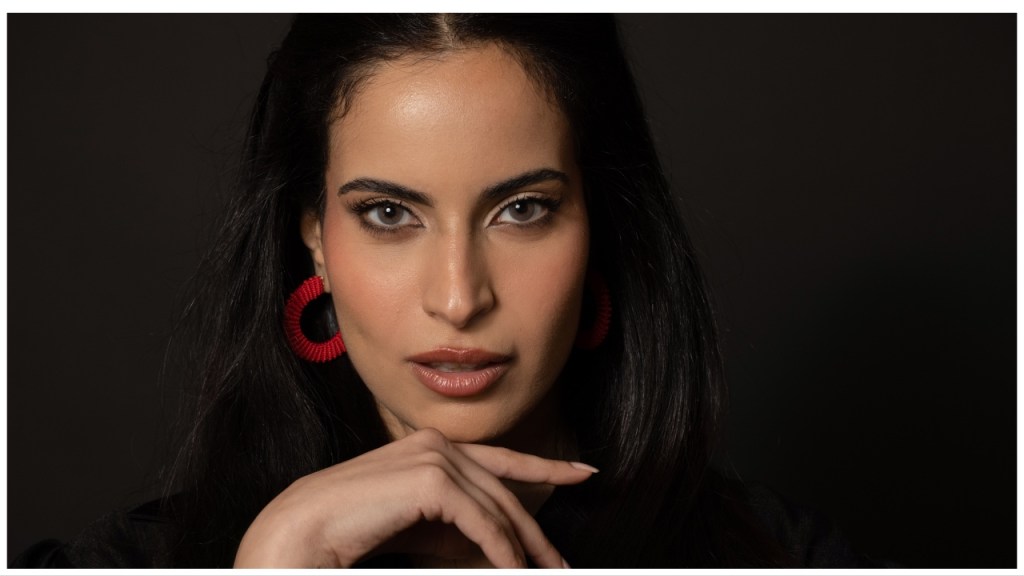
Ida Alkusay has emerged as one of the Gulf region’s most intriguing streaming-era performers, embodying the transition from traditional regional entertainment models toward more globally conscious digital storytelling. Her rise comes during a period when Middle Eastern streaming platforms are increasingly prioritizing nuanced character development, cinematic realism, and socially relevant narratives over formula-driven television conventions. Within this changing landscape, Alkusay has distinguished herself through performances marked by emotional intelligence, measured restraint, and an unmistakable screen presence that balances vulnerability with quiet authority.
Born and raised in Saudi Arabia, Alkusay’s early life unfolded during a transformative period for Gulf cultural industries. As Saudi Arabia gradually expanded opportunities for entertainment, media production, and female artistic participation, a new generation of performers emerged with ambitions extending beyond regional television formulas. Alkusay developed her artistic sensibilities amid this social and cultural transition, drawing inspiration from both Arabic storytelling traditions and the narrative sophistication of international streaming content. Her formative years reflected a generation increasingly connected to global media conversations while remaining deeply rooted in local identity.
Her entry into professional acting coincided with the dramatic expansion of Gulf-produced streaming content. Alkusay quickly attracted attention for her ability to portray emotionally layered characters without relying on overt dramatization. Her acting style favors psychological realism, often emphasizing the emotional contradictions experienced by women navigating modern Gulf societies. This subtle performance technique proved especially effective within streaming formats, where long-form storytelling rewards gradual character evolution and emotional continuity. Directors and producers increasingly viewed her as part of a new class of Gulf actresses capable of carrying sophisticated serialized narratives with international appeal.
Alkusay’s cultural significance extends beyond individual performances. She represents the emergence of a modern Saudi and Gulf entertainment identity that seeks to balance tradition with artistic experimentation. Her work helps change perceptions of Gulf female performers, both within the region and internationally. As streaming platforms continue positioning Middle Eastern productions for global audiences, Alkusay’s growing influence reflects the broader creative ambitions of a rapidly evolving Arab entertainment industry. Her career stands as evidence that Gulf storytelling is entering a period of unprecedented complexity, ambition, and international visibility.
Key Facts
- Full name of the subject: Ida Alkusay
- Date of birth: Early 2000s
- Place of birth: Saudi Arabia
- Family background: Raised in a socially progressive environment supportive of educational and artistic pursuits
- Early childhood experiences: Developed strong interest in cinema, storytelling, and modern media culture
- Education history: Pursued academic studies while developing acting and creative performance skills
- Influences and mentors: Influenced by Gulf entertainment expansion and globally recognized dramatic storytelling
- Career beginnings: Entered the entertainment industry through Saudi digital productions and streaming projects
- Major achievements: Became recognized as a rising Gulf actress associated with emotionally nuanced performances
- Challenges and obstacles faced: Navigating industry transformation during a period of rapid cultural change in Saudi Arabia
- Turning points in life: Securing leading streaming roles that expanded her regional profile
- Contributions to society: Contributed to more multidimensional portrayals of Gulf women in entertainment
- Personal life (marriage, children, relationships): Keeps personal matters largely private
- Awards and recognitions: Earned growing industry recognition for dramatic authenticity and screen presence
- Beliefs, values, or philosophy: Emphasizes authenticity, cultural respect, and emotional realism in storytelling
- Legacy and impact: Viewed as part of the generation modernizing Gulf entertainment narratives
- Historical or cultural significance: Represents the rise of Saudi streaming-era artistic influence
Notable Works: Gulf streaming dramas, Saudi digital productions, emotionally driven serialized web series
Controversies: Ida Alkusay’s growing visibility coincided with broader debates surrounding cultural modernization in Gulf entertainment industries. Some conservative commentators questioned the rapid expansion of streaming narratives addressing themes such as female independence, social ambition, and generational change. Critics argued that portions of the new entertainment landscape risked moving too quickly away from traditional social norms, while supporters maintained that the industry was finally reflecting contemporary realities experienced by younger Gulf audiences. Alkusay herself was not formally implicated in misconduct or legal disputes, but several productions associated with her career became part of wider public discussions regarding artistic freedom and cultural identity. Analysts consistently noted that these debates reflected structural societal transformation rather than controversies centered on her personal conduct. In many respects, the public discourse surrounding her projects elevated her symbolic role within the modernization of Saudi entertainment.
7. Noor Taher

Noor Taher has become one of the defining young faces of Middle Eastern streaming entertainment, representing a generation of actors whose careers evolved alongside the region’s digital storytelling revolution. Her rise reflects a major transformation in Arab entertainment, where audiences increasingly seek emotionally authentic characters that reflect the uncertainties and contradictions of contemporary youth life. Taher’s performances resonate because they combine accessibility with emotional sophistication, allowing her to connect deeply with younger viewers across diverse cultural contexts within the Middle East.
Born in Jordan and raised within an environment shaped by cultural openness and evolving media consumption habits, Taher demonstrated artistic inclinations from an early age. She came of age during a period in which streaming services dramatically altered audience expectations throughout the Arab world. Traditional melodramatic performance styles gradually gave way to more restrained, psychologically grounded acting approaches influenced by global prestige television. Taher adapted naturally to this shift. Her early exposure to digital storytelling cultures and socially conscious narratives helped shape a performance identity rooted in realism and emotional subtlety.
Taher’s breakthrough arrived through youth-centered streaming dramas that captured the complexities of adolescence, identity formation, and generational conflict. She quickly became known for her ability to portray emotional vulnerability without sacrificing character strength. Critics frequently praised her nuanced facial expressions, conversational realism, and ability to communicate internal conflict through understated performance choices. Unlike performers dependent on dramatic spectacle, Taher built her reputation through emotional precision and relatability. This made her especially effective in serialized web dramas where long-term audience investment depends heavily on believable character development.
As her influence expanded, Taher emerged as more than simply a successful actress; she became symbolic of a new era in Arab youth representation. Her performances often challenge outdated portrayals of young Middle Eastern women by emphasizing emotional agency, individuality, and social complexity. Streaming platforms seeking internationally competitive Arabic content increasingly recognized performers like Taher as central to the future of regional entertainment. Her career now stands at the intersection of cultural modernization, youth storytelling, and the globalization of Middle Eastern media production.
Key Facts
- Full name of the subject: Noor Taher
- Date of birth: November 2, 1999
- Place of birth: Jordan
- Family background: Raised in a culturally supportive Jordanian household with strong educational values
- Early childhood experiences: Developed interest in acting, storytelling, and performance during adolescence
- Education history: Balanced academic studies with growing professional acting responsibilities
- Influences and mentors: Influenced by realistic Arab cinema and modern streaming drama formats
- Career beginnings: Started appearing in youth-centered productions and streaming-oriented series
- Major achievements: Became one of the breakout stars of contemporary Arab streaming entertainment
- Challenges and obstacles faced: Managing public attention while transitioning into more mature dramatic roles
- Turning points in life: Securing major streaming projects that connected strongly with regional youth audiences
- Contributions to society: Expanded realistic portrayals of Arab adolescence and emotional mental-health awareness
- Personal life (marriage, children, relationships): Maintains privacy concerning personal relationships and family life
- Awards and recognitions: Received widespread praise for emotionally grounded performances in youth dramas
- Beliefs, values, or philosophy: Supports authenticity, emotional transparency, and socially reflective storytelling
- Legacy and impact: Considered one of the defining actresses of Middle Eastern streaming youth drama
- Historical or cultural significance: Represents the modernization of Arab female youth representation in digital entertainment
Notable Works: Youth streaming dramas, Jordanian digital productions, socially reflective Arabic web series
Controversies: Noor Taher became associated with broader public debates concerning the portrayal of teenage and young adult experiences in modern Arab streaming dramas. Some critics argued that certain productions featuring youth-focused themes introduced discussions about emotional trauma, identity struggles, and generational tension in ways they considered culturally sensitive or controversial. Supporters, however, praised the narratives for confronting issues often ignored in traditional television formats, including mental health, peer pressure, and social isolation among Arab youth. Taher herself maintained a professional stance throughout these discussions and avoided inflammatory public commentary. Industry observers emphasized that the debates were primarily reflective of changing audience expectations and shifting cultural norms rather than any verified misconduct or personal scandal involving the actress. Ultimately, the controversy reinforced the cultural relevance of the projects she participated in and strengthened her reputation as a defining face of modern Arab streaming storytelling.
8. Essam Omar
Essam Omar has rapidly evolved into one of the most compelling male performers associated with the rise of Middle Eastern streaming drama, bringing a distinctive blend of emotional realism, intellectual intensity, and understated charisma to a new generation of Arabic web series. In an industry increasingly shaped by digital audiences and binge-driven storytelling, Omar’s success reflects the growing appetite for nuanced male characters who move beyond traditional heroic archetypes. His performances often explore emotional contradictions, social pressures, and psychological complexities, qualities that have positioned him as one of the defining actors of the streaming era in the Arab world.
Born and raised in Egypt, Omar came of age within one of the region’s most historically influential entertainment industries. Egyptian cinema and television have long shaped Arab cultural consciousness, yet Omar’s artistic development occurred during a period of major transformation. Streaming platforms were beginning to reshape narrative pacing, production standards, and audience expectations. Rather than inheriting the melodramatic traditions that dominated earlier television eras, Omar gravitated toward naturalistic performance styles influenced by international prestige drama and socially grounded storytelling. His early years were marked by a fascination with literature, cinema, and psychologically driven narratives that emphasized human vulnerability over spectacle.
Omar’s career beginnings reflected the gradual shift occurring across Arab entertainment. He initially appeared in supporting and independent roles that allowed him to experiment with restrained acting techniques and emotionally layered characterization. His breakthrough emerged through streaming-oriented productions that required sustained emotional realism rather than episodic theatricality. Critics quickly noted his ability to portray emotionally conflicted characters with remarkable subtlety. Whether playing ambitious young men confronting social expectations or morally uncertain figures navigating personal crises, Omar consistently demonstrated the ability to convey psychological depth through controlled expression and conversational authenticity.
What distinguishes Omar from many contemporaries is the intellectual seriousness he brings to his performances. He represents a broader movement within Middle Eastern streaming entertainment toward more cinematic acting standards and globally competitive storytelling. His rise also reflects changing audience expectations regarding masculinity in Arab media. Rather than embodying invulnerable stereotypes, his characters frequently display uncertainty, emotional fragility, and ethical complexity. This evolution has made him particularly influential among younger viewers who increasingly seek realism and emotional truth in regional storytelling. As streaming platforms continue to invest in ambitious Arabic-language productions, Omar appears poised to become one of the enduring dramatic figures shaping the future of Arab digital entertainment.
Key Facts
- Full name of the subject: Essam Omar
- Date of birth: Mid-1990s
- Place of birth: Egypt
- Family background: Raised in a culturally aware Egyptian family with appreciation for arts and education
- Early childhood experiences: Developed interest in cinema, storytelling, and performance during adolescence
- Education history: Pursued higher education while exploring creative and dramatic interests
- Influences and mentors: Influenced by Egyptian cinematic traditions and international prestige television acting styles
- Career beginnings: Started with supporting dramatic roles before transitioning into streaming-centered productions
- Major achievements: Became recognized as one of the strongest rising male actors in Arabic streaming entertainment
- Challenges and obstacles faced: Navigating intense competition within Egypt’s evolving entertainment industry
- Turning points in life: Breakthrough performances in psychologically driven streaming dramas
- Contributions to society: Helped normalize emotionally layered portrayals of Arab masculinity
- Personal life (marriage, children, relationships): Keeps personal relationships and family matters largely private
- Awards and recognitions: Received growing critical acclaim for dramatic realism and screen versatility
- Beliefs, values, or philosophy: Emphasizes authenticity, realism, and character depth in storytelling
- Legacy and impact: Viewed as part of the generation modernizing male representation in Arab web series
- Historical or cultural significance: Represents the transition of Egyptian drama into the streaming era
Notable Works: Egyptian streaming dramas, socially reflective digital productions, psychologically driven Arabic web series
Controversies: Essam Omar became indirectly involved in broader debates about the growing realism and social criticism in modern Egyptian streaming productions. Some commentators argued that contemporary web series featuring morally ambiguous characters and emotionally troubled protagonists risked presenting overly pessimistic portrayals of youth culture and urban life. Supporters countered that such narratives reflected genuine societal pressures facing younger generations and represented a long-overdue shift toward mature storytelling. Omar himself was not formally accused of misconduct or professional wrongdoing, but several of his performances became central to discussions regarding artistic freedom and the changing tone of Arabic entertainment. Analysts noted that the controversy largely reflected generational divides in audience expectations rather than disputes tied specifically to the actor. Ultimately, the public conversations surrounding his projects elevated his profile as a serious dramatic performer associated with the modernization of Arab streaming narratives.
9. Lamar Feddan
Lamar Feddan’s emergence in Middle Eastern streaming entertainment reflects the growing prominence of actresses who combine emotional sensitivity with modern cultural relevance. As regional digital platforms continue prioritizing youth-oriented storytelling and socially grounded narratives, Feddan has developed a reputation for performances that feel deeply contemporary while remaining culturally resonant. Her rise symbolizes the transformation of Arab entertainment away from formulaic characterization and toward more psychologically nuanced portrayals of young women navigating ambition, identity, and rapidly changing social realities.
Raised within the Levantine cultural sphere, Feddan’s formative years unfolded during a period of dramatic media globalization across the Middle East. Exposure to both Arabic dramatic traditions and international streaming culture helped shape her artistic instincts early on. She demonstrated strong creative inclinations during adolescence, particularly toward emotionally driven storytelling and character-centered narratives. Unlike earlier generations of performers who often entered entertainment through highly centralized television systems, Feddan emerged through a more digitally interconnected landscape in which streaming platforms created new opportunities for young regional talent to gain visibility beyond national borders.
Her early career featured supporting roles and youth-centered projects that highlighted her ability to portray emotional vulnerability with remarkable sincerity. Directors increasingly recognised her capacity for naturalistic performance, especially in scenes that require quiet psychological complexity rather than overt dramatisation. Feddan’s breakthrough came through streaming productions exploring generational conflict, personal aspiration, and emotional resilience among Arab youth. Her acting style relies heavily on emotional restraint and subtle behavioral detail, qualities that align closely with the narrative demands of contemporary serialized streaming dramas.
Beyond individual performances, Feddan’s significance lies in her contribution to a broader redefinition of female identity within Middle Eastern entertainment. Her characters frequently reject simplistic stereotypes, instead embodying emotional contradiction, independence, and intellectual depth. As Arab streaming content increasingly seeks international audiences, performers like Feddan are helping establish a more globally recognizable dramatic language rooted in regional authenticity. Her growing influence reflects not only personal career success, but the broader maturation of Middle Eastern web-series storytelling itself.
Key Facts
- Full name of the subject: Lamar Feddan
- Date of birth: Early 2000s
- Place of birth: Levant region, Middle East
- Family background: Raised in a culturally supportive environment with appreciation for creative arts
- Early childhood experiences: Developed interest in storytelling, acting, and media culture during youth
- Education history: Continued formal education alongside artistic development and performance training
- Influences and mentors: Influenced by contemporary Arab cinema and global streaming narratives
- Career beginnings: Entered entertainment through youth-oriented digital productions and web dramas
- Major achievements: Became recognized as a rising female talent in Middle Eastern streaming entertainment
- Challenges and obstacles faced: Balancing growing public attention with artistic development in a rapidly evolving industry
- Turning points in life: Landing major streaming roles centered on emotional realism and youth identity
- Contributions to society: Expanded multidimensional portrayals of Arab female youth experiences
- Personal life (marriage, children, relationships): Maintains strong privacy regarding personal matters
- Awards and recognitions: Earned critical praise for emotionally nuanced performances
- Beliefs, values, or philosophy: Supports authentic storytelling and emotionally grounded performance
- Legacy and impact: Seen as part of a generation reshaping Arab female representation in digital entertainment
- Historical or cultural significance: Represents the growing sophistication of Levantine streaming storytelling
Notable Works: Youth streaming dramas, Levantine digital productions, socially reflective serialized web series
Controversies: Lamar Feddan became associated with broader conversations regarding the representation of modern youth culture in Arab streaming content. Critics from conservative sectors argued that some contemporary web dramas emphasized themes of emotional rebellion, personal autonomy, and social tension in ways they believed challenged traditional cultural expectations. Others defended the productions as accurate portrayals of generational realities facing younger audiences throughout the region. Feddan herself avoided direct involvement in ideological debates and maintained a largely professional public image. Media analysts consistently emphasized that the controversy centered more on shifting entertainment norms than on any personal allegation or verified misconduct involving the actress. The discussions nevertheless increased public attention toward her projects and highlighted the increasingly influential role streaming platforms play in shaping modern Arab cultural discourse.
10. Joanna Arida
Joanna Arida has established herself as one of the Middle East’s most internationally recognizable streaming-era actresses, embodying the convergence of Arab storytelling, global streaming culture, and modern cinematic performance standards. Her rise reflects a broader transformation in regional entertainment, where performers are no longer confined to national industries but increasingly operate in transnational digital ecosystems. Arida’s ability to move fluidly between culturally specific narratives and globally accessible emotional storytelling has made her one of the most intriguing figures in contemporary Middle Eastern web series.
Born in Lebanon, Arida grew up within a society historically shaped by artistic diversity, political complexity, and deep engagement with media culture. Lebanon’s longstanding connection to fashion, cinema, advertising, and the performing arts exposed her to the creative industries from an early age. Her formative years coincided with the rapid expansion of digital entertainment platforms throughout the Arab world, creating opportunities unavailable to earlier generations of Lebanese actresses. She developed an artistic identity influenced equally by Arab dramatic traditions and international prestige television, resulting in a performance style that feels simultaneously regional and globally adaptable.
Arida initially gained attention through modeling and media appearances before transitioning into dramatic acting. This early visibility gave her familiarity with public scrutiny and visual storytelling, but her breakthrough as a serious performer came through streaming productions requiring emotional complexity and psychological depth. Critics quickly recognized that her appeal extended beyond aesthetics. Her performances demonstrated strong emotional control, subtle character development, and the ability to portray modern Arab women navigating ambition, vulnerability, and social transformation. Streaming audiences responded particularly strongly to her combination of sophistication and emotional accessibility.
What ultimately distinguishes Arida is her symbolic importance within the globalization of Middle Eastern entertainment. She represents a generation of Arab actresses increasingly capable of attracting both regional admiration and international curiosity without abandoning cultural specificity. Her career reflects the ambitions of modern Arabic streaming platforms seeking stories that resonate globally while remaining rooted in authentic regional experiences. As Middle Eastern productions continue gaining visibility on international streaming services, Arida’s trajectory positions her as one of the leading faces of the Arab entertainment industry’s expanding global influence.
Key Facts
- Full name of the subject: Joanna Arida
- Date of birth: 1990s
- Place of birth: Lebanon
- Family background: Raised in a culturally vibrant Lebanese environment connected to media and creative industries
- Early childhood experiences: Developed early exposure to fashion, media, and visual storytelling culture
- Education history: Pursued formal education while participating in creative and media-oriented activities
- Influences and mentors: Influenced by Lebanese artistic culture and internationally acclaimed cinematic storytelling
- Career beginnings: Started in modeling and media before transitioning into acting and streaming productions
- Major achievements: Became recognized as one of the Middle East’s internationally visible streaming actresses
- Challenges and obstacles faced: Transitioning from public-image visibility into critically respected dramatic acting
- Turning points in life: Securing streaming roles that demonstrated emotional depth and dramatic credibility
- Contributions to society: Expanded nuanced portrayals of modern Arab women in digital entertainment
- Personal life (marriage, children, relationships): Maintains a relatively private approach to personal relationships
- Awards and recognitions: Earned regional recognition for streaming performances and growing international visibility
- Beliefs, values, or philosophy: Advocates authenticity, artistic growth, and culturally grounded storytelling
- Legacy and impact: Viewed as a symbol of the globalization of Middle Eastern streaming entertainment
- Historical or cultural significance: Represents Lebanon’s continuing influence on modern Arab media culture
Notable Works: Lebanese streaming dramas, internationally distributed Arabic web series, emotionally driven digital productions
Controversies: Joanna Arida became part of broader public conversations about celebrity culture, image branding, and authenticity in the rapidly expanding Arab streaming industry. Some critics questioned whether performers transitioning from modeling and social visibility into dramatic acting received opportunities influenced more by marketability than artistic merit. Supporters argued that Arida’s performances demonstrated substantial emotional depth and reflected the evolving multimedia nature of modern entertainment careers. Industry observers noted that the debate mirrored similar conversations taking place globally as streaming services increasingly blended celebrity branding with narrative storytelling. No verified allegations of professional misconduct emerged against Arida, and much of the discussion remained rooted in broader industry perceptions rather than factual disputes. Over time, her consistent dramatic performances helped strengthen her credibility and reposition public attention toward her acting capabilities rather than questions surrounding image-driven casting.
Notable Mentions
Taha Dessouky
Muath Al-Jummaiah
Tara Abboud
Asma Abulyazeed
Sumaya Rida
Salsabiela A.
Aya Samaha
Fay Fuad
Sarah Yousef
Amir El-Masry