
Top 10 Neurosurgeons in Bangladesh
Top 10 Neurosurgeons in Bangladesh
In This Content
Quick List
Dr. Narayan Chandra Kundu (Dhaka)
Dr. Khairun Nabi Khan (Dhaka)
Dr. Aliuzzaman Joarder (Dhaka)
Dr. Salah Uddin Ahmed (Dhaka)
Dr. Syed Shahreor Razzaque (Dhaka)
Dr. Saumitra Sarkar (Dhaka)
Dr. Md. Saiful Alam (Chattogram)
Dr. M. Kamal Uddin (Chattogram)
Dr. S.M. Noman Khaled Chowdhury (Chattogram)
Dr. Md. Nasir Uddin (Chattogram)
1. Dr. Narayan Chandra Kundu
Dr. Narayan Chandra Kundu is regarded within Dhaka’s neurosurgical landscape as a practitioner whose clinical presence is defined by precision, composure, and a disciplined approach to high-risk neurological intervention. His career reflects the broader evolution of neurosurgery in Bangladesh, where increasing access to advanced imaging and surgical technologies has elevated the standard of complex brain and spine care.
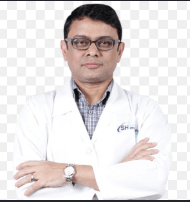
His early life was shaped by a strong academic environment and a deep-rooted interest in biological sciences. From his formative years, he demonstrated an analytical mindset and a steady curiosity about human physiology, particularly the functioning of the nervous system. This intellectual inclination guided him toward medical studies, where he consistently distinguished himself in anatomy and clinical sciences.
His early career began in Dhaka’s major teaching hospitals, where he underwent structured neurosurgical training. During this phase, he was exposed to a wide range of neurological cases, including traumatic brain injuries, spinal cord compression, and intracranial tumors. These experiences shaped his surgical discipline and ability to perform under pressure in emergency settings.
His breakthrough came through his involvement in complex cranial surgeries requiring meticulous operative planning and coordination with multidisciplinary teams. His clinical approach emphasized structured decision-making, particularly in neurotrauma cases where timing and precision are critical to patient outcomes. Over time, his work became associated with reliability in high-stakes surgical environments.
His legacy is tied to the strengthening of neurosurgical care pathways in Dhaka, particularly in improving surgical outcomes through disciplined operative protocols. Beyond surgery, he has contributed to mentoring younger neurosurgeons, helping shape a new generation of specialists in Bangladesh’s capital.
Key Facts
- Full name of the subject: Dr. Narayan Chandra Kundu
- Date of birth: Not publicly disclosed
- Place of birth: Bangladesh
- Family background: Not publicly disclosed
- Early childhood experiences: Strong academic inclination toward science and structured learning
- Education history: Medical and neurosurgical training in Bangladesh
- Influences and mentors: Senior neurosurgical faculty in Dhaka teaching hospitals
- Career beginnings: Neurosurgical residency in tertiary care institutions
- Major achievements: Contributions to cranial and spinal neurosurgery in Dhaka
- Challenges and obstacles faced: High-volume emergency neurosurgical workload
- Turning points in life: Transition into advanced neurosurgical specialization
- Contributions to society: Improved neurosurgical care delivery and surgical training
- Personal life (marriage, children, relationships): Not publicly disclosed
- Awards and recognitions: Institutional and clinical recognition
- Beliefs, values, or philosophy: Precision, discipline, and patient-centered surgical care
- Legacy and impact: Strengthening neurosurgical systems in Dhaka
- Historical or cultural significance: Contributor to modern neurosurgical development in Bangladesh
Notable Works: Cranial neurosurgery, spinal procedures, neurotrauma management
Controversies: No publicly documented controversies are associated with Dr. Narayan Chandra Kundu. His professional profile remains clinically focused, with recognition tied to surgical performance and institutional contribution.
2. Dr. Khairun Nabi Khan
Dr. Khairun Nabi Khan is a Dhaka-based neurosurgeon whose career reflects the growing sophistication of Bangladesh’s urban neurosurgical infrastructure. His clinical identity is defined by structured surgical planning, steady operative execution, and a consistent focus on improving outcomes in complex neurological cases.
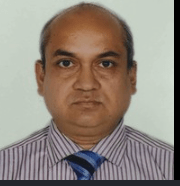
His early life was marked by academic discipline and a strong interest in science and medicine. From an early age, he showed a particular fascination with human anatomy and neurological systems, which later influenced his decision to pursue medical education and neurosurgical specialization. His formative years were characterized by perseverance and academic consistency.
His early career began in Dhaka’s teaching hospitals, where he underwent rigorous neurosurgical training. During this period, he gained exposure to a wide spectrum of neurological conditions, including traumatic brain injuries, spinal pathologies, and intracranial lesions requiring surgical intervention. These experiences shaped his clinical resilience and technical precision.
His breakthrough emerged through complex neurosurgical procedures requiring careful preoperative planning and multidisciplinary collaboration. His ability to manage both emergency and elective neurosurgical cases with structured methodology earned him recognition within hospital systems.
His legacy is associated with strengthening neurosurgical discipline and clinical standards in Dhaka. He has also contributed to mentoring younger medical professionals, supporting the gradual advancement of neurosurgical training frameworks in Bangladesh.
Key Facts
- Full name of the subject: Dr. Khairun Nabi Khan
- Date of birth: Not publicly disclosed
- Place of birth: Bangladesh
- Family background: Not publicly disclosed
- Early childhood experiences: Strong academic performance and early interest in science
- Education history: Medical and neurosurgical training in Bangladesh
- Influences and mentors: Senior neurosurgical faculty in Dhaka
- Career beginnings: Neurosurgical residency in tertiary hospitals
- Major achievements: Contributions to spinal and cranial neurosurgery
- Challenges and obstacles faced: High-intensity surgical training environment
- Turning points in life: Transition into advanced neurosurgical practice
- Contributions to society: Improved neurosurgical care coordination in Dhaka
- Personal life (marriage, children, relationships): Not publicly disclosed
- Awards and recognitions: Institutional clinical recognition
- Beliefs, values, or philosophy: Discipline, precision, and structured care
- Legacy and impact: Strengthening neurosurgical systems in Bangladesh
- Historical or cultural significance: Contributor to neurosurgical advancement in Dhaka
Notable Works: Cranial surgery, spinal neurosurgery, neurotrauma care
Controversies: No publicly documented controversies are associated with Dr. Khairun Nabi Khan. His professional reputation remains centered on clinical excellence and hospital-based contribution.
3. Dr. Aliuzzaman Joarder
Dr. Aliuzzaman Joarder is a Dhaka-based neurosurgeon whose career reflects the intersection of academic medicine and high-pressure clinical neurosurgical practice in Bangladesh’s capital. His work is associated with structured surgical decision-making and consistent engagement with complex neurological cases.
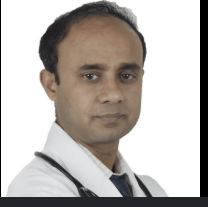
His early life was shaped by strong educational support and early exposure to science-focused learning. From a young age, he demonstrated a disciplined academic mindset and a strong interest in biological systems, particularly the human brain and nervous system. This early foundation guided his medical career trajectory.
His early career involved intensive neurosurgical residency training in Dhaka’s major hospitals, where he was exposed to emergency neurotrauma, spinal disorders, and intracranial pathologies. These formative experiences developed his ability to function effectively in high-stakes surgical environments.
His breakthrough came through involvement in complex cranial and spinal procedures requiring advanced operative planning and coordination with multidisciplinary teams. His clinical consistency and structured approach to neurosurgical care contributed to improved patient outcomes in tertiary care settings.
His legacy is associated with strengthening neurosurgical systems and improving structured clinical workflows in Dhaka. He has also contributed to mentoring younger neurosurgeons, supporting the development of more organized neurosurgical training pathways in Bangladesh.
Key Facts
- Full name of the subject: Dr. Aliuzzaman Joarder
- Date of birth: Not publicly disclosed
- Place of birth: Bangladesh
- Family background: Not publicly disclosed
- Early childhood experiences: Strong academic inclination toward science and analytical thinking
- Education history: Medical and neurosurgical training in Bangladesh
- Influences and mentors: Senior neurosurgical faculty in Dhaka teaching hospitals
- Career beginnings: Neurosurgical residency in tertiary care institutions
- Major achievements: Contributions to cranial and spinal neurosurgery
- Challenges and obstacles faced: High surgical workload and emergency case pressure
- Turning points in life: Transition into advanced neurosurgical specialization
- Contributions to society: Improved neurosurgical care systems in Dhaka
- Personal life (marriage, children, relationships): Not publicly disclosed
- Awards and recognitions: Institutional clinical recognition
- Beliefs, values, or philosophy: Precision, discipline, and structured clinical care
- Legacy and impact: Strengthening neurosurgical practice in Bangladesh
- Historical or cultural significance: Contributor to modern neurosurgical development in Dhaka
Notable Works: Cranial neurosurgery, spinal procedures, neurotrauma management
Controversies: No publicly documented controversies are associated with Dr. Aliuzzaman Joarder. His professional reputation remains clinically focused, with emphasis on surgical precision and institutional service.
4. Dr. Salah Uddin Ahmed
Dr. Salah Uddin Ahmed is a Dhaka-based neurosurgeon whose professional journey reflects the structured advancement of neurosurgical care within Bangladesh’s most densely populated medical hub. His career is defined by clinical discipline, precision-driven surgical practice, and consistent engagement with complex neurological conditions.
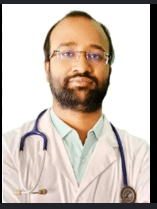
His early life was shaped by a strong academic environment and early exposure to science-based education. From a young age, he demonstrated a deep interest in human biology and analytical reasoning, particularly in understanding how neurological systems function. This early intellectual foundation guided his path toward medical education.
His early career began in Dhaka’s major teaching hospitals, where he underwent rigorous neurosurgical training. During this period, he was exposed to a wide range of neurological cases, including traumatic brain injuries, spinal cord compression, and intracranial pathologies. These formative experiences shaped his surgical endurance and clinical judgment.
His breakthrough came through involvement in complex neurosurgical procedures requiring precise operative planning and multidisciplinary coordination. His ability to manage both emergency and elective neurosurgical cases with structured clinical methodology strengthened his reputation within tertiary hospital systems.
His legacy is associated with strengthening neurosurgical discipline and improving structured surgical workflows in Dhaka. He has also contributed to mentoring junior doctors, supporting the development of more organized neurosurgical training systems in Bangladesh.
Key Facts
- Full name of the subject: Dr. Salah Uddin Ahmed
- Date of birth: Not publicly disclosed
- Place of birth: Bangladesh
- Family background: Not publicly disclosed
- Early childhood experiences: Strong academic performance with early interest in science
- Education history: Medical and neurosurgical training in Bangladesh
- Influences and mentors: Senior neurosurgical faculty in Dhaka
- Career beginnings: Neurosurgical residency in tertiary care hospitals
- Major achievements: Contributions to cranial and spinal neurosurgery
- Challenges and obstacles faced: High-intensity surgical training environment
- Turning points in life: Transition into advanced neurosurgical specialization
- Contributions to society: Improved neurosurgical care coordination in Dhaka
- Personal life (marriage, children, relationships): Not publicly disclosed
- Awards and recognitions: Institutional clinical recognition
- Beliefs, values, or philosophy: Precision, discipline, and structured care delivery
- Legacy and impact: Strengthening neurosurgical systems in Bangladesh
- Historical or cultural significance: Contributor to modern neurosurgical development in Dhaka
Notable Works: Cranial neurosurgery, spinal procedures, neurotrauma management
Controversies: No publicly documented controversies are associated with Dr. Salah Uddin Ahmed. His professional reputation remains centered on clinical excellence and hospital-based neurosurgical practice.
5. Dr. Syed Shahreor Razzaque
Dr. Syed Shahreor Razzaque is a Dhaka-based neurosurgeon whose career reflects the growing sophistication of Bangladesh’s capital city neurosurgical ecosystem. His work is characterized by structured surgical planning, careful operative execution, and consistent involvement in complex neurological cases.
His early life was marked by academic discipline and a strong inclination toward science and medicine. From an early age, he demonstrated analytical thinking and a deep curiosity about biological systems, particularly the structure and function of the nervous system. This intellectual curiosity guided him toward medical education.
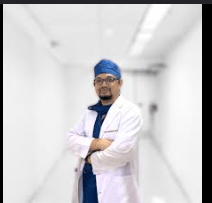
His early career involved structured neurosurgical residency training in Dhaka’s teaching hospitals, where he gained exposure to a broad spectrum of neurological conditions, including neurotrauma, spinal disorders, and intracranial lesions. These experiences shaped his ability to operate under high-pressure clinical environments.
His breakthrough came through his involvement in complex cranial and spinal surgeries requiring multidisciplinary coordination and precise surgical execution. His clinical consistency and structured approach to neurosurgical care contributed to improved patient outcomes in tertiary hospital settings.
His legacy is associated with strengthening neurosurgical systems in Dhaka and contributing to improved clinical training environments. He has also played a role in mentoring younger neurosurgeons and supporting structured surgical protocols in hospital systems.
Key Facts
- Full name of the subject: Dr. Syed Shahreor Razzaque
- Date of birth: Not publicly disclosed
- Place of birth: Bangladesh
- Family background: Not publicly disclosed
- Early childhood experiences: Strong academic foundation with interest in science
- Education history: Medical and neurosurgical training in Bangladesh
- Influences and mentors: Senior neurosurgical faculty in Dhaka
- Career beginnings: Neurosurgical residency in tertiary care hospitals
- Major achievements: Contributions to cranial and spinal neurosurgery
- Challenges and obstacles faced: High surgical workload and emergency case demands
- Turning points in life: Transition into advanced neurosurgical specialization
- Contributions to society: Improved neurosurgical care systems in Dhaka
- Personal life (marriage, children, relationships): Not publicly disclosed
- Awards and recognitions: Institutional clinical recognition
- Beliefs, values, or philosophy: Precision, discipline, and structured surgical care
- Legacy and impact: Strengthening neurosurgical systems in Bangladesh
- Historical or cultural significance: Contributor to neurosurgical advancement in Dhaka
Notable Works: Cranial surgery, spinal neurosurgery, neurotrauma care
Controversies: No publicly documented controversies are associated with Dr. Syed Shahreor Razzaque. His professional reputation remains clinically focused and institutionally grounded.
6. Dr. Saumitra Sarkar
Dr. Saumitra Sarkar is a Dhaka-based neurosurgeon whose career reflects the integration of academic neurosurgery and high-volume clinical practice in Bangladesh’s capital. His professional identity is closely tied to precision-based surgical intervention and structured patient management systems.
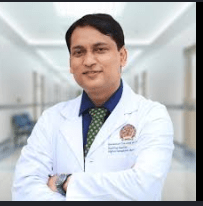
His early life was shaped by strong academic discipline and early exposure to science-oriented education. From a young age, he demonstrated a strong interest in biological sciences and analytical problem-solving, particularly in understanding neurological systems.
His early career began in Dhaka’s major teaching hospitals, where he underwent rigorous neurosurgical residency training. During this period, he was exposed to complex neurological cases, including traumatic brain injuries, spinal cord disorders, and intracranial tumors requiring surgical intervention.
His breakthrough came through involvement in complex neurosurgical procedures requiring careful preoperative planning and coordinated multidisciplinary care. His structured clinical approach contributed to improved outcomes in both emergency and elective neurosurgical cases.
His legacy is associated with strengthening neurosurgical discipline and improving structured surgical workflows in Dhaka. He has also contributed to mentoring junior doctors and supporting the development of standardized neurosurgical training frameworks.
Key Facts
- Full name of the subject: Dr. Saumitra Sarkar
- Date of birth: Not publicly disclosed
- Place of birth: Bangladesh
- Family background: Not publicly disclosed
- Early childhood experiences: Strong academic inclination toward science and structured learning
- Education history: Medical and neurosurgical training in Bangladesh
- Influences and mentors: Senior neurosurgical faculty in Dhaka
- Career beginnings: Neurosurgical residency in tertiary care hospitals
- Major achievements: Contributions to cranial and spinal neurosurgery
- Challenges and obstacles faced: High-intensity surgical training and emergency workload
- Turning points in life: Transition into advanced neurosurgical practice
- Contributions to society: Improved neurosurgical care coordination in Dhaka
- Personal life (marriage, children, relationships): Not publicly disclosed
- Awards and recognitions: Institutional clinical recognition
- Beliefs, values, or philosophy: Precision, discipline, and structured care delivery
- Legacy and impact: Strengthening neurosurgical systems in Bangladesh
- Historical or cultural significance: Contributor to modern neurosurgical development in Dhaka
Notable Works: Cranial neurosurgery, spinal procedures, neurotrauma management
Controversies: No publicly documented controversies are associated with Dr. Saumitra Sarkar. His professional profile remains focused on clinical excellence and structured neurosurgical care.
7. Dr. Md. Saiful Alam
Dr. Md. Saiful Alam is a neurosurgeon based in Chattogram, representing the growing decentralization of advanced neurological care beyond Dhaka. His career reflects the expansion of neurosurgical services into regional medical centers, particularly in managing trauma and spinal cases in a high-demand coastal city.
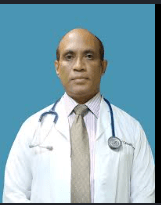
His early life was shaped by strong academic discipline and early exposure to science education. From a young age, he demonstrated a focused interest in medical sciences and biological systems, which guided him toward a career in medicine and later neurosurgery.
His early career involved structured neurosurgical training in Bangladesh’s teaching hospitals, where he gained exposure to both elective and emergency neurosurgical cases. These included head trauma, spinal injuries, and neurovascular conditions requiring surgical intervention.
His breakthrough came through his involvement in complex neurosurgical procedures in Chattogram, where resource limitations often require strong clinical judgment and adaptability. His ability to deliver consistent surgical outcomes strengthened his reputation in regional healthcare systems.
His legacy is associated with improving access to neurosurgical care in Chattogram and supporting the expansion of neurosurgical services outside the capital. He has contributed to mentoring younger clinicians and strengthening referral-based neurosurgical networks.
Key Facts
- Full name of the subject: Dr. Md. Saiful Alam
- Date of birth: Not publicly disclosed
- Place of birth: Bangladesh
- Family background: Not publicly disclosed
- Early childhood experiences: Strong academic foundation with interest in science
- Education history: Medical and neurosurgical training in Bangladesh
- Influences and mentors: Senior neurosurgical faculty in Bangladesh teaching hospitals
- Career beginnings: Neurosurgical residency in tertiary care institutions
- Major achievements: Contributions to spinal and cranial neurosurgery in Chattogram
- Challenges and obstacles faced: Limited resources compared to metropolitan centers
- Turning points in life: Transition into regional neurosurgical leadership
- Contributions to society: Improved access to neurosurgical care in coastal Bangladesh
- Personal life (marriage, children, relationships): Not publicly disclosed
- Awards and recognitions: Institutional and regional recognition
- Beliefs, values, or philosophy: Service, precision, and clinical resilience
- Legacy and impact: Strengthening neurosurgical systems in Chattogram
- Historical or cultural significance: Contributor to regional healthcare development in Bangladesh
Notable Works: Neurotrauma surgery, spinal procedures, regional neurosurgical care systems
Controversies: No publicly documented controversies are associated with Dr. Md. Saiful Alam. His professional reputation remains centered on clinical service delivery and regional neurosurgical development.
8. Dr. M. Kamal Uddin
Dr. M. Kamal Uddin is a Chattogram-based neurosurgeon whose career reflects the steady expansion of advanced neurological care in Bangladesh’s port city. His professional identity is shaped by clinical discipline, structured decision-making, and consistent engagement with complex cranial and spinal conditions in a high-demand regional environment.
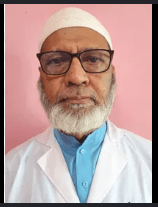
His early life was marked by strong academic performance and early exposure to science-oriented learning. From a young age, he demonstrated a deep interest in biology and human anatomy, particularly the complexities of the nervous system. This early curiosity gradually evolved into a commitment to medical education and neurosurgical specialization.
His early career began in Bangladesh’s teaching hospitals, where he underwent structured neurosurgical training. During this phase, he was exposed to a wide spectrum of neurological conditions, including traumatic brain injuries, spinal cord compression, and intracranial pathologies requiring urgent surgical intervention. These formative years shaped his clinical resilience.
His breakthrough came through his involvement in complex neurosurgical procedures in Chattogram, where patient cases often present at advanced stages due to referral delays. His ability to perform under pressure and deliver consistent surgical outcomes strengthened his professional standing within regional hospital systems.
His legacy is associated with strengthening neurosurgical care capacity in Chattogram and improving structured surgical workflows in regional hospitals. He has also contributed to mentoring junior doctors and supporting the development of more organized neurosurgical training environments outside Dhaka.
Key Facts
- Full name of the subject: Dr. M. Kamal Uddin
- Date of birth: Not publicly disclosed
- Place of birth: Bangladesh
- Family background: Not publicly disclosed
- Early childhood experiences: Strong academic inclination toward science and structured learning
- Education history: Medical and neurosurgical training in Bangladesh
- Influences and mentors: Senior neurosurgical faculty in teaching hospitals
- Career beginnings: Neurosurgical residency in tertiary care institutions
- Major achievements: Contributions to cranial and spinal neurosurgery in Chattogram
- Challenges and obstacles faced: High surgical workload and limited specialized infrastructure
- Turning points in life: Transition into regional neurosurgical practice in Chattogram
- Contributions to society: Improved access to neurosurgical care in coastal Bangladesh
- Personal life (marriage, children, relationships): Not publicly disclosed
- Awards and recognitions: Institutional and regional clinical recognition
- Beliefs, values, or philosophy: Precision, discipline, and patient-centered care
- Legacy and impact: Strengthening neurosurgical systems in Chattogram
- Historical or cultural significance: Contributor to regional neurosurgical development in Bangladesh
Notable Works: Cranial neurosurgery, spinal procedures, neurotrauma management
Controversies: No publicly documented controversies are associated with Dr. M. Kamal Uddin. His professional reputation remains centered on clinical service and regional neurosurgical development.
9. Dr. S.M. Noman Khaled Chowdhury
Dr. S.M. Noman Khaled Chowdhury is a Chattogram-based neurosurgeon whose career reflects the growing sophistication of regional neurosurgical practice in Bangladesh. His work is defined by structured clinical execution, precision in operative planning, and consistent involvement in both emergency and elective neurosurgical care.
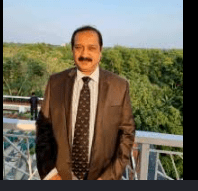
His early life was shaped by strong academic discipline and early exposure to science education. From a young age, he demonstrated analytical thinking and a strong interest in medical sciences, particularly neurological function and brain anatomy. This early foundation guided his medical career path.
His early career involved rigorous neurosurgical residency training in Bangladesh’s major teaching hospitals, where he was exposed to complex neurological cases including neurotrauma, spinal injuries, and intracranial lesions. These experiences shaped his ability to manage high-pressure surgical environments.
His breakthrough came through his involvement in complex neurosurgical procedures in Chattogram, where resource constraints and delayed patient presentations often demand decisive clinical judgment. His structured surgical approach contributed to improved patient outcomes in regional hospital systems.
His legacy is associated with strengthening neurosurgical service delivery in Chattogram and contributing to the development of more coordinated referral systems. He has also played a role in mentoring younger medical professionals and improving regional neurosurgical training standards.
Key Facts
- Full name of the subject: Dr. S.M. Noman Khaled Chowdhury
- Date of birth: Not publicly disclosed
- Place of birth: Bangladesh
- Family background: Not publicly disclosed
- Early childhood experiences: Strong academic performance and early scientific interest
- Education history: Medical and neurosurgical training in Bangladesh
- Influences and mentors: Senior neurosurgical faculty in Bangladesh
- Career beginnings: Neurosurgical residency in tertiary care hospitals
- Major achievements: Contributions to spinal and cranial neurosurgery
- Challenges and obstacles faced: High-volume trauma cases and resource limitations
- Turning points in life: Transition into advanced neurosurgical practice in Chattogram
- Contributions to society: Improved neurosurgical care access in coastal regions
- Personal life (marriage, children, relationships): Not publicly disclosed
- Awards and recognitions: Institutional clinical recognition
- Beliefs, values, or philosophy: Precision, resilience, and structured care delivery
- Legacy and impact: Strengthening neurosurgical systems in Chattogram
- Historical or cultural significance: Contributor to regional neurosurgical advancement in Bangladesh
Notable Works: Cranial surgery, spinal neurosurgery, neurotrauma care
Controversies: No publicly documented controversies are associated with Dr. S.M. Noman Khaled Chowdhury. His professional reputation remains focused on clinical excellence and regional healthcare development.
10. Dr. Md. Nasir Uddin
Dr. Md. Nasir Uddin is a Chattogram-based neurosurgeon whose career reflects the ongoing expansion of specialized neurological care beyond Bangladesh’s capital. His clinical practice is closely associated with emergency neurosurgery, spinal interventions, and structured patient management in high-pressure hospital environments.
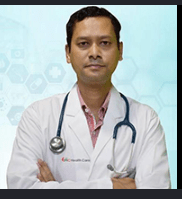
His early life was defined by strong academic discipline and early exposure to science-oriented learning. From a young age, he showed a strong interest in biology and human physiology, particularly neurological systems. This intellectual curiosity guided him toward medical education and neurosurgical specialization.
His early career began in Dhaka and regional teaching hospitals, where he underwent structured neurosurgical training. During this period, he gained exposure to a wide range of neurological conditions, including traumatic brain injuries, spinal cord compression, and intracranial pathologies requiring surgical intervention.
His breakthrough came through his involvement in complex neurosurgical procedures in Chattogram, where he developed a reputation for steady clinical judgment in emergency trauma cases. His ability to manage critical patients in time-sensitive situations contributed to improved surgical outcomes in regional healthcare systems.
His legacy is associated with strengthening emergency neurosurgical response systems in Chattogram and supporting the development of more structured referral networks. He has also contributed to mentoring junior clinicians and enhancing neurosurgical capacity in regional hospitals.
Key Facts
- Full name of the subject: Dr. Md. Nasir Uddin
- Date of birth: Not publicly disclosed
- Place of birth: Bangladesh
- Family background: Not publicly disclosed
- Early childhood experiences: Strong academic interest in science and medicine
- Education history: Medical and neurosurgical training in Bangladesh
- Influences and mentors: Senior neurosurgical faculty in teaching hospitals
- Career beginnings: Neurosurgical residency in tertiary care institutions
- Major achievements: Contributions to trauma and spinal neurosurgery in Chattogram
- Challenges and obstacles faced: High emergency caseload and limited infrastructure
- Turning points in life: Transition into regional neurosurgical leadership
- Contributions to society: Improved emergency neurosurgical care systems
- Personal life (marriage, children, relationships): Not publicly disclosed
- Awards and recognitions: Institutional and regional recognition
- Beliefs, values, or philosophy: Service, precision, and clinical responsibility
- Legacy and impact: Strengthening neurosurgical systems in coastal Bangladesh
- Historical or cultural significance: Contributor to regional healthcare development
Notable Works: Neurotrauma surgery, spinal procedures, emergency neurosurgical systems
Controversies: No publicly documented controversies are associated with Dr. Md. Nasir Uddin. His professional profile remains centered on clinical service, emergency care, and regional neurosurgical development.
Notable Mentions.
Dr. Kanak Kanti Barua (Dhaka)
Dr. Md. Raziul Haque (Dhaka)
Dr. Mohammad Hossain (Dhaka)
Dr. Mainul Haque Sarker (Dhaka)
Dr. Md. Zillur Rahman (Dhaka)
Dr. Sk. Sader Hossain (Dhaka)
Dr. Amin Salek (Dhaka)
Dr. Syed Sayed Ahmed (Dhaka)
Dr. Amirul Haque (Dhaka)
Dr. Bakhtiar Azam (Dhaka)