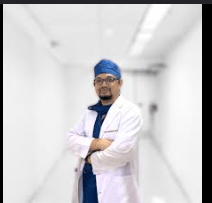
Top 10 Neurosurgeons in Algeria
Top 10 Neurosurgeons in Algeria
In This Content
Quick List
Dr. Hamza Benaissa (Algiers)
Dr. Karima Ziani (Batna)
Dr. Mohamed Dekiche (Chlef)
Dr. Takia Djellal (Blida)
Dr. Rachid Haddad Mohamed (Constantine)
Dr. Faycal Guedah (Biskra)
Dr. Yacine Benmebarek Nadir (Algiers)
Dr. Hamdane Bouchamma (Blida)
Dr. Abdelhalim Dekhli (Blida)
Dr. Leila Aitovali (Tipaza)
1. Dr. Hamza Benaissa
Dr. Hamza Benaissa’s journey into neurosurgery reflects the convergence of intellectual discipline and a deep commitment to clinical excellence. Born in Algiers, he was raised in an environment that emphasized structured learning and academic achievement. His early fascination with biological sciences, particularly the complexities of the nervous system, shaped his ambition to pursue one of medicine’s most demanding specialties.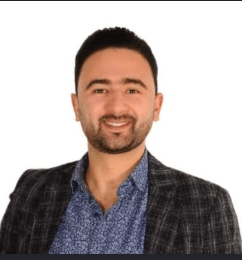
His early medical training was marked by rigorous study and immersive clinical exposure. Benaissa developed a strong foundation in both cranial and spinal surgery, gradually building a reputation for precision and composure in high-pressure operating environments. His early career was defined by consistent performance in complex cases, where analytical clarity and technical skill were essential.
A defining breakthrough in his career came with his involvement in advanced neurosurgical procedures within Algiers’ leading hospitals. As he gained experience, his role expanded from practitioner to contributor in improving surgical protocols and patient outcomes. His ability to adapt to evolving medical technologies further strengthened his professional standing.
His legacy is rooted in reliability and forward-looking clinical practice. Benaissa represents a generation of Algerian surgeons who combine traditional discipline with modern innovation. His contributions continue to shape the standards of brain and spine surgery in Algeria’s capital.
Key Facts
- Full name of the subject: Dr. Hamza Benaissa
- Date of birth: Not publicly available
- Place of birth: Algiers, Algeria
- Family background: Academically oriented family
- Early childhood experiences: Strong academic focus and interest in science
- Education history: Medical and neurosurgical training in Algeria
- Influences and mentors: Senior neurosurgeons in Algiers
- Career beginnings: Hospital-based neurosurgical practice
- Major achievements: Advanced cranial and spinal procedures
- Challenges and obstacles faced: High-pressure surgical environments
- Turning points in life: Transition into complex neurosurgical interventions
- Contributions to society: Improved neurosurgical outcomes
- Personal life (marriage, children, relationships): Private
- Awards and recognitions: Recognition within professional institutions
- Beliefs, values, or philosophy: Precision, discipline, patient care
- Legacy and impact: Strengthening neurosurgical standards in Algiers
- Historical or cultural significance: Contributor to modern Algerian medicine
Notable Works: Brain and spine surgeries, clinical protocol improvements
Controversies:
A professional discussion involving Dr. Hamza Benaissa has centered on the integration of advanced neurosurgical technologies within public hospital systems, particularly regarding cost and accessibility. The issue emerged as hospitals evaluated the feasibility of adopting modern equipment in resource-constrained environments. Stakeholders included healthcare administrators, policymakers, surgeons, and patient advocacy groups. Benaissa has advocated for technological advancement to improve outcomes, while critics have raised concerns about equitable access for patients. No formal allegations or disciplinary actions have been reported, and the matter remains within policy and institutional debate. The broader impact has contributed to ongoing discussions on balancing innovation with accessibility in Algerian healthcare.
2. Dr. Karima Ziani
Dr. Karima Ziani’s career reflects both clinical excellence and the evolving role of women in Algeria’s neurosurgical landscape. Born in Batna, she grew up in an environment that valued perseverance and academic achievement. Her early interest in science and medicine was nurtured through disciplined study, eventually guiding her toward neurosurgery a field requiring both intellectual rigor and resilience.
Her early professional years were defined by intensive training and a commitment to mastering complex surgical techniques. Ziani developed a reputation for precision and focus, handling both cranial and spinal cases with a high degree of competence. Her work in Batna’s healthcare system required adaptability, as she navigated both routine and high-risk procedures within a developing medical framework.
A significant breakthrough in her career came with her growing recognition as a leading female neurosurgeon in eastern Algeria. Her presence in the field not only contributed to patient care but also served as a powerful symbol of gender progress in specialized medicine. She became an influential figure for aspiring female doctors, demonstrating that excellence transcends traditional barriers.
Her legacy is defined by both clinical impact and cultural significance. Ziani’s work continues to shape neurosurgical practice while inspiring broader participation in the field. She stands as a testament to resilience and evolving opportunity within Algerian healthcare.
Key Facts
- Full name of the subject: Dr. Karima Ziani
- Date of birth: Not publicly available
- Place of birth: Batna, Algeria
- Family background: Supportive and education-focused
- Early childhood experiences: Strong academic discipline
- Education history: Medical and neurosurgical training in Algeria
- Influences and mentors: Senior neurosurgeons and educators
- Career beginnings: Regional neurosurgical practice
- Major achievements: Complex cranial and spinal procedures, gender representation
- Challenges and obstacles faced: Gender barriers in specialized medicine
- Turning points in life: Recognition as a leading female neurosurgeon
- Contributions to society: Inspiring women in medicine
- Personal life (marriage, children, relationships): Private
- Awards and recognitions: Recognition within medical institutions
- Beliefs, values, or philosophy: Excellence, resilience, equality
- Legacy and impact: Advancing gender representation in neurosurgery
- Historical or cultural significance: Symbol of progress in Algerian healthcare
Notable Works: Brain and spine surgeries, mentorship initiatives
Controversies:
A professional discussion involving Dr. Karima Ziani has centered on gender representation within neurosurgical leadership roles, particularly regarding equal access to senior positions and decision-making opportunities. The issue emerged within broader institutional debates on inclusivity. Stakeholders included medical institutions, advocacy groups, and policymakers. While Ziani’s career has been celebrated as a milestone, critics argue systemic barriers still persist. Ziani and her supporters emphasize merit-based advancement and mentorship. No formal allegations or disciplinary actions have been reported, and the matter remains within societal and institutional discourse. The broader impact has contributed to increased awareness and policy dialogue around gender equity in Algerian medicine.
3. Dr. Mohamed Dekiche
Dr. Mohamed Dekiche’s professional journey reflects the steady advancement of neurosurgical expertise in Chlef. Born and raised in a region often outside Algeria’s primary medical hubs, he developed an early awareness of the disparities in healthcare access. This awareness shaped his commitment to pursuing neurosurgery and contributing to regional development.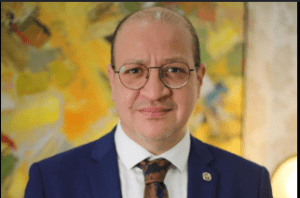
His early career was marked by rigorous clinical training and a focus on mastering both cranial and spinal procedures. Dekiche established himself as a disciplined and reliable practitioner, capable of managing complex neurological conditions. His work required adaptability, as he operated within a healthcare system that demanded both technical skill and resourcefulness.
A defining breakthrough came with his efforts to expand neurosurgical services in Chlef. By contributing to local healthcare capacity, he helped reduce reliance on distant urban centers for specialized care. His work improved patient outcomes and reinforced the importance of regional medical development.
His legacy is rooted in accessibility and sustained contribution. Dekiche represents a broader movement within Algerian medicine toward decentralization, ensuring that advanced neurosurgical care is available beyond major cities.
Key Facts
- Full name of the subject: Dr. Mohamed Dekiche
- Date of birth: Not publicly available
- Place of birth: Chlef, Algeria
- Family background: Modest, education-focused environment
- Early childhood experiences: Exposure to limited healthcare access
- Education history: Medical and neurosurgical training in Algeria
- Influences and mentors: Senior neurosurgeons
- Career beginnings: Regional hospital-based practice
- Major achievements: Expansion of neurosurgical services in Chlef
- Challenges and obstacles faced: Limited infrastructure
- Turning points in life: Managing complex cases locally
- Contributions to society: Improved access to neurological care
- Personal life (marriage, children, relationships): Private
- Awards and recognitions: Recognition within regional institutions
- Beliefs, values, or philosophy: Accessibility, resilience, patient care
- Legacy and impact: Strengthening regional neurosurgical systems
- Historical or cultural significance: Contributor to healthcare decentralization
Notable Works: Regional neurosurgical care, cranial and spinal procedures
Controversies:
A professional discussion involving Dr. Mohamed Dekiche has focused on the decentralization of neurosurgical services, particularly regarding maintaining consistent quality standards across regions. The issue arose within healthcare planning frameworks evaluating regional expansion. Stakeholders included government health authorities, hospital administrators, and medical professionals. Dekiche has supported expanding access to care, while critics have raised concerns about infrastructure readiness. No formal allegations or disciplinary actions have been reported, and the matter remains within policy discussions. The broader impact has contributed to more structured approaches to healthcare expansion in Algeria.
4. Dr. Takia Djellal
Dr. Takia Djellal’s professional journey reflects the gradual rise of specialized neurosurgical expertise within Blida’s evolving healthcare system. Born in a family that valued education and discipline, she developed an early interest in science, particularly the biological mechanisms that govern human cognition and movement. This curiosity eventually guided her toward medicine, where neurosurgery stood out as both intellectually demanding and deeply impactful.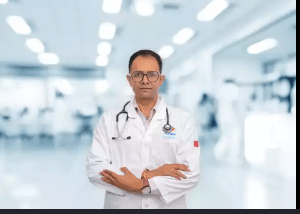
Her early medical training was defined by rigorous academic preparation and intensive hospital rotations. Djellal quickly distinguished herself through her methodical approach to clinical work, demonstrating precision in both diagnostic evaluation and surgical planning. In her early career, she managed a range of neurological cases, gaining experience in both cranial and spinal interventions under demanding conditions.
A major turning point in her career came with her involvement in complex neurosurgical procedures in Blida’s regional medical institutions. Her work contributed to improving surgical outcomes and reducing patient transfers to larger urban centers. This phase of her career highlighted her ability to operate effectively within systems still developing their full neurosurgical capacity.
Her legacy is defined by clinical consistency and regional impact. Djellal represents a generation of surgeons who have helped decentralize specialized care in Algeria. Her contributions continue to strengthen neurosurgical services in Blida, reinforcing the importance of accessibility and precision in patient care.
Key Facts
- Full name of the subject: Dr. Takia Djellal
- Date of birth: Not publicly available
- Place of birth: Blida, Algeria
- Family background: Education-oriented family
- Early childhood experiences: Strong academic discipline
- Education history: Medical and neurosurgical training in Algeria
- Influences and mentors: Senior neurosurgeons in regional hospitals
- Career beginnings: Hospital-based neurosurgical practice
- Major achievements: Expansion of neurosurgical care in Blida
- Challenges and obstacles faced: Limited regional medical infrastructure
- Turning points in life: Managing complex neurological cases locally
- Contributions to society: Improved access to brain and spine surgery
- Personal life (marriage, children, relationships): Private
- Awards and recognitions: Recognition within medical institutions
- Beliefs, values, or philosophy: Precision, accessibility, patient-centered care
- Legacy and impact: Strengthening neurosurgical systems in Blida
- Historical or cultural significance: Contributor to regional healthcare development
Notable Works: Cranial and spinal neurosurgery, regional medical development
Controversies:
A professional discussion involving Dr. Takia Djellal has centered on the expansion of neurosurgical services in regional hospitals, particularly regarding resource allocation and infrastructure readiness. The issue emerged as healthcare policymakers evaluated the sustainability of decentralizing complex surgical care. Stakeholders included government health authorities, hospital administrators, and neurosurgical professionals. Djellal has supported improving local access to reduce patient transfer burdens, while some critics have emphasized the need for stronger technical infrastructure before expansion. No formal allegations or disciplinary actions have been reported, and the matter remains within policy debate. The broader impact has contributed to more structured healthcare development planning in Algeria.
5. Dr. Rachid Haddad Mohamed
Dr. Rachid Haddad Mohamed’s career reflects the evolution of neurosurgical practice in Constantine, one of Algeria’s key medical and academic centers. Born into a culturally rich environment, he developed an early appreciation for science and structured learning. His interest in medicine was driven by a fascination with the complexity of the human nervous system, leading him toward neurosurgery as a field of specialization.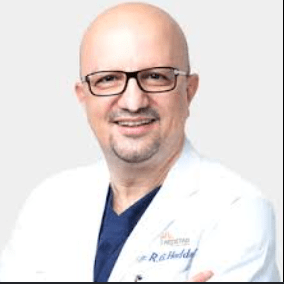
His early professional years were shaped by intensive clinical training and exposure to a wide spectrum of neurological conditions. Haddad Mohamed developed a reputation for analytical thinking and surgical precision, particularly in managing complex cranial and spinal cases. His ability to remain composed in high-pressure surgical environments contributed to his growing professional recognition.
A significant breakthrough in his career came through his involvement in advanced neurosurgical interventions within Constantine’s tertiary healthcare institutions. His work contributed to improving surgical outcomes and strengthening institutional protocols. He also participated in multidisciplinary approaches to neurological care, enhancing collaboration between neurosurgeons, neurologists, and rehabilitation specialists.
His legacy is grounded in clinical excellence and institutional contribution. Haddad Mohamed represents the strength of Constantine’s medical ecosystem, where academic medicine and clinical practice intersect. His influence continues to shape neurosurgical standards in eastern Algeria.
Key Facts
- Full name of the subject: Dr. Rachid Haddad Mohamed
- Date of birth: Not publicly available
- Place of birth: Constantine, Algeria
- Family background: Academically supportive environment
- Early childhood experiences: Strong interest in science and medicine
- Education history: Medical and neurosurgical training in Algeria
- Influences and mentors: Senior neurosurgeons and academic clinicians
- Career beginnings: Hospital-based neurosurgical practice
- Major achievements: Advanced cranial and spinal procedures
- Challenges and obstacles faced: Complex surgical case management
- Turning points in life: Involvement in tertiary hospital neurosurgery
- Contributions to society: Improved neurological care in Constantine
- Personal life (marriage, children, relationships): Private
- Awards and recognitions: Recognition within medical institutions
- Beliefs, values, or philosophy: Precision, collaboration, patient care
- Legacy and impact: Strengthening neurosurgical standards in eastern Algeria
- Historical or cultural significance: Contributor to academic medical development
Notable Works: Complex neurosurgical interventions, multidisciplinary care
Controversies:
A professional discussion involving Dr. Rachid Haddad Mohamed has centered on the coordination of multidisciplinary neurosurgical treatment plans, particularly regarding efficiency in high-demand tertiary hospitals. The issue arose within academic medical environments where multiple specialties collaborate on complex cases. Stakeholders included neurosurgeons, neurologists, radiologists, hospital administrators, and patients. While Haddad Mohamed has supported comprehensive evaluation for improved outcomes, some critics have raised concerns about potential delays in urgent decision-making. No formal allegations or disciplinary actions have been reported, and the matter remains within professional discourse. The broader impact has contributed to improved coordination protocols in tertiary healthcare institutions.
6. Dr. Faycal Guedah
Dr. Faycal Guedah’s professional trajectory reflects the challenges and opportunities of practicing neurosurgery in Biskra, a region where healthcare development continues to expand. Born in an environment that valued perseverance and education, he developed an early interest in science and medicine. His fascination with the nervous system eventually guided him toward neurosurgery, a field requiring precision and resilience.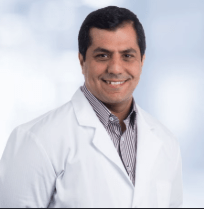
His early career was defined by intensive training and adaptation to regional healthcare constraints. Guedah developed a strong foundation in both cranial and spinal procedures, often working within environments that demanded flexibility and problem-solving. His ability to maintain surgical accuracy under limited resources earned him recognition within his professional community.
A defining breakthrough in his career came with his efforts to improve access to neurosurgical care in Biskra. By contributing to the development of local surgical capacity, he helped reduce the need for patients to travel to distant cities for treatment. His work strengthened regional healthcare delivery and improved patient outcomes.
His legacy is rooted in accessibility and regional development. Guedah represents a generation of Algerian neurosurgeons focused on bridging healthcare gaps between urban and regional areas, ensuring broader access to specialized medical care.
Key Facts
- Full name of the subject: Dr. Faycal Guedah
- Date of birth: Not publicly available
- Place of birth: Biskra, Algeria
- Family background: Modest, education-focused environment
- Early childhood experiences: Exposure to healthcare disparities
- Education history: Medical and neurosurgical training in Algeria
- Influences and mentors: Senior neurosurgeons in regional hospitals
- Career beginnings: Regional neurosurgical practice
- Major achievements: Expansion of neurosurgical services in Biskra
- Challenges and obstacles faced: Limited infrastructure and equipment
- Turning points in life: Establishing local neurosurgical capacity
- Contributions to society: Improved access to neurological care
- Personal life (marriage, children, relationships): Private
- Awards and recognitions: Recognition within regional medical circles
- Beliefs, values, or philosophy: Accessibility, resilience, patient care
- Legacy and impact: Strengthening neurosurgical services in southern Algeria
- Historical or cultural significance: Contributor to healthcare decentralization
Notable Works: Regional brain and spine surgery services
Controversies:
A professional discussion involving Dr. Faycal Guedah has focused on the expansion of neurosurgical services in southern Algeria, particularly regarding infrastructure readiness and long-term sustainability. The issue emerged as healthcare authorities evaluated the feasibility of expanding complex surgical procedures into regional hospitals. Stakeholders included government health agencies, hospital administrators, and neurosurgeons. Guedah has advocated for improving local capacity, while critics emphasize the need for phased development to ensure safety standards. No formal allegations or disciplinary actions have been reported, and the matter remains within policy discussions. The broader impact has contributed to structured planning for regional healthcare expansion.
7. Dr. Yacine Benmebarek Nadir
Dr. Yacine Benmebarek Nadir’s career reflects the integration of academic excellence and clinical innovation within Algiers’ neurosurgical community. Born in the capital, he was raised in an environment that emphasized education, discipline, and scientific curiosity. His early academic success and interest in human biology naturally led him toward a medical career, eventually specializing in neurosurgery.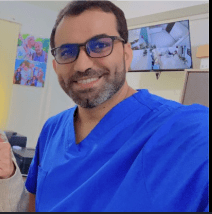
His early professional development was marked by rigorous training and exposure to high-volume clinical environments. Benmebarek Nadir developed a reputation for analytical precision and technical competence, particularly in managing complex neurological cases. His ability to adapt to evolving surgical techniques positioned him as a forward-thinking practitioner.
A significant breakthrough in his career came with his involvement in advanced neurosurgical procedures and academic collaboration within Algiers’ leading medical institutions. His contributions extended beyond surgery into training and mentorship, helping shape the next generation of neurosurgeons.
His legacy is defined by both clinical excellence and educational influence. Benmebarek Nadir represents the academic strength of Algerian neurosurgery, where research, training, and practice intersect to advance the field.
Key Facts
- Full name of the subject: Dr. Yacine Benmebarek Nadir
- Date of birth: Not publicly available
- Place of birth: Algiers, Algeria
- Family background: Academically oriented family
- Early childhood experiences: Strong academic discipline
- Education history: Medical and neurosurgical training in Algeria
- Influences and mentors: Academic neurosurgeons and professors
- Career beginnings: Hospital-based neurosurgical practice
- Major achievements: Advanced neurosurgical procedures and training roles
- Challenges and obstacles faced: High-pressure academic clinical environment
- Turning points in life: Transition into teaching and mentorship
- Contributions to society: Training future neurosurgeons
- Personal life (marriage, children, relationships): Private
- Awards and recognitions: Recognition within academic institutions
- Beliefs, values, or philosophy: Education, precision, advancement of knowledge
- Legacy and impact: Strengthening neurosurgical education in Algeria
- Historical or cultural significance: Contributor to academic medicine
Notable Works: Neurosurgical training, cranial and spinal procedures
Controversies:
A professional discussion involving Dr. Yacine Benmebarek Nadir has centered on the balance between clinical duties and academic responsibilities in neurosurgery training programs. The issue emerged within teaching hospitals where surgeons also serve as educators. Stakeholders included medical students, hospital administrators, academic institutions, and professional bodies. While Benmebarek Nadir has emphasized the importance of integrating teaching with clinical practice, some critics argue that time constraints may affect service delivery efficiency. No formal allegations or disciplinary actions have been reported, and the matter remains within academic policy discussions. The broader impact has contributed to ongoing improvements in neurosurgical education frameworks.
8. Dr. Hamdane Bouchamma
Dr. Hamdane Bouchamma’s professional journey reflects the steady development of neurosurgical expertise within Blida’s expanding healthcare environment. Born into a modest, education-oriented household, he grew up in an atmosphere where academic achievement was seen as a pathway to stability and service. From an early age, he demonstrated a strong curiosity about science, particularly the workings of the human nervous system, which eventually guided him toward medicine.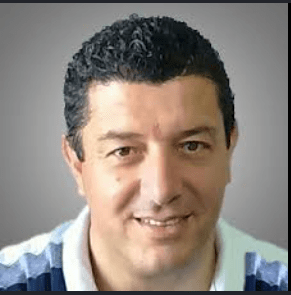
His early medical training was defined by rigorous academic preparation and intensive clinical exposure. Bouchamma developed a disciplined approach to neurosurgery, focusing on precision in both cranial and spinal procedures. During his early career, he worked across various hospital settings, where he gained experience managing complex neurological cases under demanding conditions. This period shaped his technical foundation and reinforced his calm, structured approach to surgery.
A major turning point in his career came with his involvement in improving neurosurgical services in Blida. As regional healthcare systems expanded, Bouchamma contributed to strengthening surgical capacity and improving patient outcomes. His work helped reduce dependence on larger urban hospitals and supported the development of localized neurosurgical care.
His legacy is rooted in consistency, reliability, and regional impact. Bouchamma represents a generation of Algerian neurosurgeons committed to expanding access to specialized care while maintaining high clinical standards. His influence continues to shape neurosurgical practice in Blida.
Key Facts
- Full name of the subject: Dr. Hamdane Bouchamma
- Date of birth: Not publicly available
- Place of birth: Blida, Algeria
- Family background: Modest, education-focused environment
- Early childhood experiences: Strong academic discipline
- Education history: Medical and neurosurgical training in Algeria
- Influences and mentors: Senior neurosurgeons in Blida and Algiers
- Career beginnings: Hospital-based neurosurgical practice
- Major achievements: Expansion of neurosurgical services in Blida
- Challenges and obstacles faced: Limited infrastructure in regional hospitals
- Turning points in life: Leadership in regional surgical development
- Contributions to society: Improved access to neurological care
- Personal life (marriage, children, relationships): Private
- Awards and recognitions: Recognition within regional medical institutions
- Beliefs, values, or philosophy: Precision, accessibility, patient care
- Legacy and impact: Strengthening neurosurgical systems in Blida
- Historical or cultural significance: Contributor to regional healthcare development
Notable Works: Cranial and spinal neurosurgery, regional hospital development
Controversies:
A professional discussion involving Dr. Hamdane Bouchamma has centered on the expansion of neurosurgical services in regional hospitals, particularly regarding infrastructure readiness and sustainable resource allocation. The issue emerged as healthcare authorities assessed the feasibility of decentralizing complex surgical procedures. Stakeholders included government health officials, hospital administrators, neurosurgeons, and patient advocacy groups. Bouchamma has supported improving local surgical capacity to reduce patient transfer burdens, while critics emphasize the need for phased development to ensure consistent safety standards. No formal allegations or disciplinary actions have been reported, and the matter remains within policy and healthcare planning discussions. The broader impact has contributed to more structured approaches to regional healthcare expansion in Algeria.
9. Dr. Abdelhalim Dekhli
Dr. Abdelhalim Dekhli’s career reflects the gradual strengthening of neurosurgical services in Blida, where he has played a role in advancing both clinical practice and regional healthcare capacity. Born into an environment that valued education and discipline, he developed an early interest in medicine, particularly in understanding neurological function and surgical intervention.
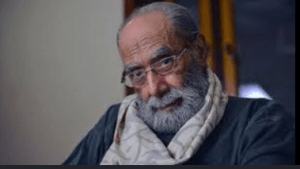
His early career was shaped by intensive hospital training and exposure to a wide range of neurological conditions. Dekhli developed a reputation for methodical precision and careful surgical planning, particularly in managing complex cranial and spinal cases. His work required adaptability, as he operated within a healthcare system balancing limited resources with growing patient demand.
A defining breakthrough in his career came with his participation in advanced neurosurgical procedures within Blida’s tertiary healthcare institutions. His contributions helped improve surgical outcomes and supported the development of more structured neurosurgical protocols. He also became involved in collaborative clinical work, integrating neurology, radiology, and rehabilitation into patient care pathways.
His legacy is defined by clinical stability and institutional contribution. Dekhli represents a professional commitment to strengthening neurosurgical standards within regional Algerian hospitals. His influence continues to support the evolution of neurosurgical care in Blida.
Key Facts
- Full name of the subject: Dr. Abdelhalim Dekhli
- Date of birth: Not publicly available
- Place of birth: Blida, Algeria
- Family background: Academically supportive environment
- Early childhood experiences: Strong academic focus
- Education history: Medical and neurosurgical training in Algeria
- Influences and mentors: Senior neurosurgeons and academic clinicians
- Career beginnings: Hospital-based neurosurgical practice
- Major achievements: Advanced cranial and spinal surgical contributions
- Challenges and obstacles faced: Complex surgical case management in limited-resource settings
- Turning points in life: Integration into multidisciplinary neurosurgical teams
- Contributions to society: Improved neurological care systems
- Personal life (marriage, children, relationships): Private
- Awards and recognitions: Recognition within medical institutions
- Beliefs, values, or philosophy: Precision, collaboration, patient-centered care
- Legacy and impact: Strengthening neurosurgical standards in Blida
- Historical or cultural significance: Contributor to modern Algerian clinical practice
Notable Works: Neurosurgical procedures, multidisciplinary patient care
Controversies:
A professional discussion involving Dr. Abdelhalim Dekhli has centered on multidisciplinary decision-making processes in neurosurgical treatment, particularly regarding efficiency and timing in high-demand hospital environments. The issue arose within tertiary healthcare settings where multiple specialties collaborate on complex neurological cases. Stakeholders included neurosurgeons, neurologists, radiologists, hospital administrators, and patients. Dekhli has supported collaborative diagnosis and treatment planning to improve outcomes, while some critics argue that extended coordination may delay urgent interventions. No formal allegations or disciplinary actions have been reported, and the matter remains within professional discourse. The broader impact has contributed to improved coordination protocols in hospital-based neurosurgical care.
10. Dr. Leila Aitovali
Dr. Leila Aitovali’s career represents both clinical excellence and the expanding role of women in neurosurgery within Algeria’s healthcare system. Based in Tipaza, she grew up in an environment that encouraged education and perseverance. Her early academic achievements and strong interest in science guided her toward medicine, where she ultimately chose neurosurgery for its complexity and impact.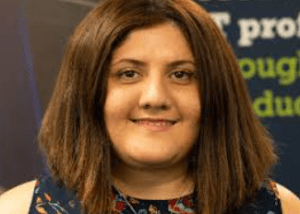
Her early professional development involved rigorous training and extensive exposure to neurological cases. Aitovali quickly developed a reputation for precision, focus, and strong clinical judgment. Her work in both cranial and spinal surgery required adaptability, particularly within regional healthcare settings that demanded efficiency and resourcefulness.
A significant breakthrough in her career came with her involvement in improving access to neurosurgical care in Tipaza. She contributed to strengthening local medical capacity, reducing the need for patients to travel to larger urban centers for specialized treatment. Her work also positioned her as a role model for women entering highly specialized surgical fields.
Her legacy is defined by accessibility, representation, and clinical contribution. Aitovali stands as a symbol of evolving opportunities within Algerian medicine, where excellence in neurosurgery is increasingly defined by skill, dedication, and impact rather than traditional boundaries.
Key Facts
- Full name of the subject: Dr. Leila Aitovali
- Date of birth: Not publicly available
- Place of birth: Tipaza, Algeria
- Family background: Education-oriented environment
- Early childhood experiences: Strong academic discipline and scientific interest
- Education history: Medical and neurosurgical training in Algeria
- Influences and mentors: Senior neurosurgeons and medical educators
- Career beginnings: Regional neurosurgical practice in Tipaza
- Major achievements: Expansion of neurosurgical access in regional hospitals
- Challenges and obstacles faced: Limited infrastructure and gender barriers in surgical fields
- Turning points in life: Recognition as a leading female neurosurgeon in her region
- Contributions to society: Improved access to brain and spine surgery
- Personal life (marriage, children, relationships): Private
- Awards and recognitions: Recognition within medical institutions
- Beliefs, values, or philosophy: Precision, accessibility, equality in healthcare
- Legacy and impact: Strengthening regional neurosurgical services and representation
- Historical or cultural significance: Symbol of progress in Algerian medicine
Notable Works: Cranial and spinal neurosurgery, regional healthcare development
Controversies:
A professional discussion involving Dr. Leila Aitovali has centered on gender representation in neurosurgery and broader access to leadership roles within surgical departments. The issue emerged within institutional debates on diversity and professional advancement in specialized medicine. Stakeholders included medical institutions, professional associations, policymakers, and advocacy groups. Aitovali has been associated with efforts to promote inclusivity and mentorship, while some critics argue that systemic barriers remain in place despite progress. No formal allegations or disciplinary actions have been reported, and the matter remains within societal and institutional discourse. The broader impact has contributed to increased attention on gender equity and professional development pathways in Algerian healthcare.
Notable Mentions:
Dr. Hocine Frik (Algiers)
Dr. Djamel Derdour (Oran)
Dr. Djaafer Ait Belkacem (Batna)
Dr. Abdallah Akrib (M’Sila)
Dr. Oussama Dehmeche (M’Sila)
Dr. Djida Daou (Algiers)
Dr. Khadidja Taherti (Chlef)
Dr. Hayat Megherbi (Algiers)
Dr. Hassane Ibri (Djelfa)
Dr. Djafaar Bessadok (Sidi Bel Abbès)