
Top 10 Neurosurgeons in South Africa
Top 10 Neurosurgeons in South Africa
In This Content
Quick List
Prof. Graham Fieggen (Cape Town)
Prof. Anthony Figaji (Cape Town)
Assoc. Prof. Allan Taylor (Cape Town)
Assoc. Prof. David Le Feuvre (Cape Town)
Assoc. Prof. Johannes Enslin (Cape Town)
Dr. Nqobile Thango (Cape Town)
Dr. Sally-Jane Rothemeyer (Cape Town)
Dr. Adriaan Liebenberg (Cape Town)
Prof. Christos Profyris (Johannesburg)
Dr. Andrew Mathole (Sandton)
1. Graham Fieggen
Prof. Graham Fieggen stands as one of South Africa’s most respected figures in academic neurosurgery, particularly within the Cape Town medical ecosystem. His early academic development was shaped by a strong foundation in medical sciences, followed by specialized neurosurgical training that positioned him within the University of Cape Town’s leading clinical and research environment. From the outset of his career, his work reflected a dual commitment: advancing surgical precision in the operating theatre while simultaneously contributing to neurosurgical education and system-wide capacity building.
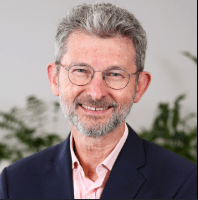
His career trajectory gained momentum through his association with tertiary referral centers where complex cranial and spinal cases are routinely managed. Over time, he became known for his measured surgical technique, emphasizing meticulous planning, intraoperative safety, and evidence-based decision-making. His contributions extended beyond clinical practice into neurosurgical training, where he helped shape curricula and mentor younger surgeons navigating one of medicine’s most demanding disciplines.
A defining feature of Prof. Fieggen’s professional identity is his influence on neurosurgical accessibility and academic development in South Africa. His work has been closely tied to strengthening neurosurgical infrastructure in public health systems, particularly in resource-constrained environments. This blend of academic rigor and system-level engagement has cemented his reputation as both a clinician and an institutional builder in modern African neurosurgery.
Key Facts
- Full name of the subject: Graham Fieggen
- Date of birth: Not publicly disclosed
- Place of birth: South Africa (exact location not publicly disclosed)
- Family background: Not publicly documented
- Early childhood experiences: Not publicly documented
- Education history: Medical and neurosurgical training in South Africa (institutional details widely associated with University of Cape Town)
- Influences and mentors: Senior South African neurosurgical academics and global neurosurgical training frameworks
- Career beginnings: Academic and clinical neurosurgery in Cape Town tertiary hospitals
- Major achievements: Leadership in academic neurosurgery and neurosurgical training development
- Challenges and obstacles faced: High burden of complex neurosurgical cases within resource-limited public health settings
- Turning points in life: Appointment into senior academic neurosurgical leadership roles
- Contributions to society: Advancement of neurosurgical education and improved access to specialist brain surgery in South Africa
- Personal life (marriage, children, relationships): Not publicly disclosed
- Awards and recognitions: Academic and professional recognition within neurosurgical institutions
- Beliefs, values, or philosophy: Commitment to precision surgery, teaching, and equitable healthcare access
- Legacy and impact: Strong influence on neurosurgical training and institutional development in South Africa
- Historical or cultural significance: Key contributor to modern academic neurosurgery in the Western Cape region
Notable Works:
Advanced cranial neurosurgery cases, academic publications in neurosurgery, surgical training program development, hospital-based neurosurgical system strengthening initiatives
Controversies:
No major publicly documented controversies have been associated with Prof. Graham Fieggen in available academic or clinical records. His professional profile has remained largely within the domain of institutional medicine, where peer-reviewed performance and academic contribution are the primary measures of evaluation. While high-level surgical leadership often attracts scrutiny regarding healthcare resource allocation and public sector capacity, no formal allegations, disciplinary proceedings, or institutional disputes have been publicly recorded in relation to his career. His reputation remains primarily defined by academic contribution and clinical leadership rather than public controversy.
2. Anthony Figaji
Prof. Anthony Figaji has emerged as one of South Africa’s most influential pediatric neurosurgeons, with a career deeply rooted in both clinical innovation and scientific research. His early development in medicine was marked by a strong academic inclination toward neuroscience, ultimately leading him into the highly specialized field of pediatric neurosurgery. His formative training years were defined by exposure to complex neurological disorders affecting children, which shaped his long-term focus on brain development, injury, and recovery.
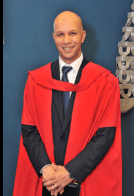
As his career progressed, Prof. Figaji became closely associated with pioneering work in pediatric traumatic brain injury and neurocritical care. His surgical approach is characterized by precision combined with an evidence-driven methodology that integrates neurosurgical intervention with intensive care neuroscience. This dual expertise has positioned him as a leading voice in understanding how early brain injuries affect long-term cognitive development in children.
Beyond the operating theatre, his research contributions have significantly influenced global pediatric neurosurgery literature. His work has helped bridge clinical neurosurgery and translational neuroscience, particularly in low- and middle-income country contexts where pediatric head injury remains a major public health concern. Through academic leadership and international collaboration, he has elevated South Africa’s profile in global neurosurgical research networks.
Key Facts
- Full name of the subject: Anthony Figaji
- Date of birth: Not publicly disclosed
- Place of birth: South Africa (not publicly specified)
- Family background: Not publicly documented
- Early childhood experiences: Not publicly documented
- Education history: Medical and neurosurgical training in South Africa with specialization in pediatric neurosurgery
- Influences and mentors: Pediatric neurosurgery and neurocritical care pioneers
- Career beginnings: Clinical neurosurgery with focus on pediatric brain injury
- Major achievements: Leading research in pediatric traumatic brain injury and neurocritical care systems
- Challenges and obstacles faced: High burden of pediatric neurological trauma cases and limited critical care resources
- Turning points in life: Transition into academic leadership and pediatric neurosurgery specialization
- Contributions to society: Improved understanding and treatment of childhood brain injuries
- Personal life (marriage, children, relationships): Not publicly disclosed
- Awards and recognitions: Academic and clinical neurosurgical recognition
- Beliefs, values, or philosophy: Integration of clinical care with scientific research to improve outcomes
- Legacy and impact: Significant influence on pediatric neurosurgery research and practice in Africa
- Historical or cultural significance: Contributor to global pediatric neurosurgical knowledge from a South African base
Notable Works:
Pediatric traumatic brain injury research, neurocritical care protocols, academic neurosurgical publications, clinical training development programs
Controversies:
There are no widely documented public controversies linked to Prof. Anthony Figaji. His career has largely been situated within academic medicine and clinical research environments, where evaluation is based on peer-reviewed output and institutional performance. While debates in the broader field of pediatric neurotrauma sometimes include discussions on treatment protocols and resource disparities between healthcare systems, there are no specific disputes, allegations, or disciplinary issues recorded against him in professional or public records.
3. Allan Taylor
Assoc. Prof. Allan Taylor has built a distinguished career in South African neurosurgery through a blend of clinical expertise, academic involvement, and surgical innovation. His early academic path reflected a strong inclination toward complex neurological sciences, leading him into neurosurgical specialization where he developed a focus on spinal and cranial surgical conditions. His training years were marked by exposure to high-volume neurosurgical centers in Cape Town, where he refined his technical and diagnostic capabilities.
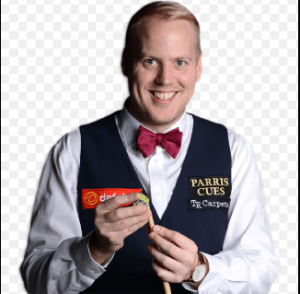
Throughout his career, he has been recognized for his structured and methodical surgical approach, particularly in spine-related neurosurgical procedures. His work often emphasizes patient safety, long-term functional outcomes, and minimally disruptive surgical techniques where appropriate. This approach has contributed to improved recovery outcomes for patients undergoing complex spinal interventions.
In addition to clinical practice, Assoc. Prof. Taylor has played a role in academic mentorship and surgical training. His influence extends into shaping younger neurosurgeons, particularly in understanding the balance between surgical innovation and evidence-based medical practice. His contributions have reinforced Cape Town’s position as a center for neurosurgical excellence in the region.
Key Facts
- Full name of the subject: Allan Taylor
- Date of birth: Not publicly disclosed
- Place of birth: South Africa (not publicly documented)
- Family background: Not publicly documented
- Early childhood experiences: Not publicly documented
- Education history: Medical and neurosurgical training in South Africa
- Influences and mentors: Senior spinal and cranial neurosurgical academics
- Career beginnings: Clinical neurosurgery training in Cape Town tertiary hospitals
- Major achievements: Contributions to spinal neurosurgery and academic training
- Challenges and obstacles faced: Managing complex spinal cases in high-demand clinical environments
- Turning points in life: Appointment into academic associate professorship roles
- Contributions to society: Advancement of spinal neurosurgical care and training
- Personal life (marriage, children, relationships): Not publicly disclosed
- Awards and recognitions: Academic and institutional recognition in neurosurgery
- Beliefs, values, or philosophy: Emphasis on precision, safety, and surgical education
- Legacy and impact: Influence on spinal neurosurgery practice and mentorship in South Africa
- Historical or cultural significance: Contributor to the development of modern spinal neurosurgery training frameworks in Cape Town
Notable Works:
Spinal neurosurgery procedures, academic publications, surgical training contributions, hospital-based neurosurgical development
Controversies:
No significant public controversies have been documented in relation to Assoc. Prof. Allan Taylor. His professional record remains primarily within academic and clinical settings, where contributions are assessed through surgical outcomes, teaching roles, and research output. While spinal neurosurgery as a field often involves debate over surgical approaches and technological adoption, there are no recorded formal disputes or institutional investigations linked to his professional practice.
4. David Le Feuvre
Assoc. Prof. David Le Feuvre represents a generation of South African neurosurgeons whose careers are defined by a balance between surgical precision and academic stewardship. His early medical training laid a strong foundation in neurological sciences, eventually guiding him toward neurosurgery at a time when South Africa’s specialist surgical landscape was undergoing rapid institutional development. From the beginning, his trajectory reflected an interest not only in operative technique but also in the systems that support high-level neurosurgical care.
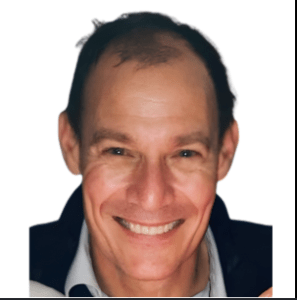
His clinical career developed within Cape Town’s tertiary hospital environment, where exposure to complex cranial and spinal conditions sharpened his diagnostic and surgical capabilities. Over time, he became known for a disciplined and conservative surgical philosophy, prioritizing patient safety, structured decision-making, and long-term neurological outcomes over procedural aggressiveness. This approach earned him respect in multidisciplinary neurosurgical teams where precision and restraint are often as critical as technical skill.
Beyond the operating room, Assoc. Prof. Le Feuvre has contributed significantly to neurosurgical education and institutional knowledge-building. His academic involvement reflects a commitment to training the next generation of neurosurgeons within South Africa’s public health system, where resource limitations demand both innovation and adaptability. His influence is particularly evident in structured neurosurgical training pathways and mentorship frameworks within Cape Town’s medical institutions.
Key Facts
- Full name of the subject: David Le Feuvre
- Date of birth: Not publicly disclosed
- Place of birth: South Africa (not publicly documented)
- Family background: Not publicly documented
- Early childhood experiences: Not publicly documented
- Education history: Medical and neurosurgical training in South Africa
- Influences and mentors: Academic neurosurgical leaders in Cape Town
- Career beginnings: Neurosurgical residency and early clinical practice in Cape Town
- Major achievements: Contributions to cranial neurosurgery and surgical education
- Challenges and obstacles faced: High complexity neurosurgical workload in public hospitals
- Turning points in life: Transition into academic associate professorship
- Contributions to society: Advancement of neurosurgical training and patient care systems
- Personal life (marriage, children, relationships): Not publicly disclosed
- Awards and recognitions: Academic recognition in neurosurgical education and clinical service
- Beliefs, values, or philosophy: Emphasis on precision, safety, and structured clinical reasoning
- Legacy and impact: Strengthening neurosurgical training and clinical standards in South Africa
- Historical or cultural significance: Contributor to academic neurosurgery development in Cape Town
Notable Works:
Neurosurgical education programs, cranial surgery cases, clinical training supervision, academic publications
Controversies:
There are no publicly documented controversies associated with Assoc. Prof. David Le Feuvre. His professional profile is largely embedded within academic medicine and hospital-based neurosurgical practice, where performance is assessed through teaching, surgical outcomes, and research contributions. While neurosurgical care systems in South Africa occasionally face public scrutiny regarding resource allocation and waiting times, no direct allegations, disciplinary actions, or institutional disputes have been recorded in relation to his career.
5. Johannes Enslin
Assoc. Prof. Johannes Enslin has built a career defined by technical refinement and clinical consistency within South African neurosurgery. His early academic pathway reflected a strong foundation in biomedical sciences, which later evolved into a focused pursuit of neurosurgical specialization. His training occurred during a period of increasing sophistication in South Africa’s neurosurgical services, particularly within tertiary academic hospitals in Cape Town.
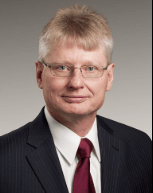
His clinical work has been closely associated with both cranial and spinal neurosurgical interventions, where he developed a reputation for structured operative planning and careful intraoperative execution. His surgical philosophy emphasizes minimizing neurological risk while optimizing functional recovery, particularly in complex cases requiring multidisciplinary coordination. This has positioned him as a reliable figure within high-stakes neurosurgical environments.
In addition to his clinical contributions, Assoc. Prof. Enslin has played a role in academic development and surgical mentorship. His work in training junior neurosurgeons reflects a commitment to sustainability in specialist care, particularly within South Africa’s public healthcare system. His influence extends through teaching hospitals where he contributes to shaping the next generation of neurosurgical practitioners.
Key Facts
- Full name of the subject: Johannes Enslin
- Date of birth: Not publicly disclosed
- Place of birth: South Africa (not publicly documented)
- Family background: Not publicly documented
- Early childhood experiences: Not publicly documented
- Education history: Medical and neurosurgical training in South Africa
- Influences and mentors: Senior neurosurgical academics in Cape Town
- Career beginnings: Clinical neurosurgical training in tertiary hospitals
- Major achievements: Contributions to cranial and spinal neurosurgical care
- Challenges and obstacles faced: High patient load and complex neurosurgical case management
- Turning points in life: Advancement into associate professorship
- Contributions to society: Neurosurgical service delivery and medical training
- Personal life (marriage, children, relationships): Not publicly disclosed
- Awards and recognitions: Academic recognition in neurosurgical practice and education
- Beliefs, values, or philosophy: Commitment to precision surgery and clinical discipline
- Legacy and impact: Strengthening neurosurgical training and clinical systems
- Historical or cultural significance: Contributor to modern neurosurgical education in South Africa
Notable Works:
Cranial and spinal surgeries, academic teaching programs, neurosurgical supervision, institutional training contributions
Controversies:
No public controversies have been recorded in relation to Assoc. Prof. Johannes Enslin. His professional activity remains within structured clinical and academic environments, where performance evaluation is based on surgical outcomes and educational contributions. While broader healthcare system challenges such as surgical backlogs and resource constraints are frequently discussed in South African medical discourse, there are no documented allegations or institutional investigations tied to his practice.
6. Nqobile Thango
Dr. Nqobile Thango represents a newer generation of neurosurgeons contributing to South Africa’s evolving specialist landscape. Her early academic journey was shaped by a strong commitment to medical sciences, with particular interest in neurological disorders and surgical intervention. Her pathway into neurosurgery reflects both academic excellence and determination within one of medicine’s most demanding specialties.
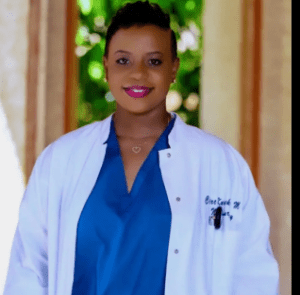
Her clinical development has been closely tied to Cape Town’s tertiary healthcare environment, where she gained exposure to a wide spectrum of neurosurgical cases. Over time, she developed a clinical approach that emphasizes patient-centered care, careful surgical planning, and interdisciplinary collaboration. This approach has been particularly important in managing complex neurological cases requiring coordination between neurosurgery, neurology, and intensive care teams.
Dr. Thango’s growing influence lies in her contribution to expanding representation within South African neurosurgery, while also participating in the ongoing modernization of surgical practice. Her role reflects both clinical competence and the broader evolution of a more diverse neurosurgical workforce in the country.
Key Facts
- Full name of the subject: Nqobile Thango
- Date of birth: Not publicly disclosed
- Place of birth: South Africa (not publicly documented)
- Family background: Not publicly documented
- Early childhood experiences: Not publicly documented
- Education history: Medical and neurosurgical training in South Africa
- Influences and mentors: Senior neurosurgical consultants in Cape Town
- Career beginnings: Neurosurgical residency and clinical training in tertiary hospitals
- Major achievements: Contributions to clinical neurosurgical care and training environments
- Challenges and obstacles faced: High-demand surgical training environment and complex case exposure
- Turning points in life: Entry into formal neurosurgical specialization
- Contributions to society: Patient care and participation in neurosurgical service delivery
- Personal life (marriage, children, relationships): Not publicly disclosed
- Awards and recognitions: Professional recognition within training and clinical environments
- Beliefs, values, or philosophy: Patient-centered care and evidence-based surgery
- Legacy and impact: Emerging contribution to South African neurosurgical practice
- Historical or cultural significance: Part of a new generation of neurosurgeons shaping future practice
Notable Works:
Clinical neurosurgical procedures, hospital-based training involvement, multidisciplinary case management
Controversies:
There are no publicly documented controversies associated with Dr. Nqobile Thango. As an early-career neurosurgeon, her professional visibility is primarily within clinical training and hospital-based practice. While the neurosurgical field can involve institutional pressures and high-stakes decision-making environments, no formal disputes, allegations, or disciplinary records have been reported in relation to her work.
7. Sally-Jane Rothemeyer
Dr. Sally-Jane Rothemeyer has established her place within South African neurosurgery through a career shaped by clinical discipline and progressive specialization. Her early academic development reflected a strong foundation in medical sciences, leading to her eventual entry into neurosurgical training within Cape Town’s competitive academic hospitals. From the beginning, her focus was defined by a commitment to mastering complex neurological procedures.

Her clinical career has been marked by steady progression through highly demanding neurosurgical environments, where she developed expertise in managing both elective and emergency neurosurgical cases. Her surgical approach is characterized by careful evaluation, structured decision-making, and a strong emphasis on minimizing patient risk during complex procedures.
In addition to her clinical responsibilities, Dr. Rothemeyer contributes to collaborative medical practice within multidisciplinary teams. Her work reflects the increasing integration of neurosurgery with broader neurological care systems, particularly in tertiary hospitals where patient outcomes depend on coordinated specialist input. Her career reflects both technical skill and adaptability within South Africa’s evolving healthcare system.
Key Facts
- Full name of the subject: Sally-Jane Rothemeyer
- Date of birth: Not publicly disclosed
- Place of birth: South Africa (not publicly documented)
- Family background: Not publicly documented
- Early childhood experiences: Not publicly documented
- Education history: Medical and neurosurgical training in South Africa
- Influences and mentors: Senior neurosurgical faculty in Cape Town
- Career beginnings: Neurosurgical residency in tertiary hospitals
- Major achievements: Clinical neurosurgical practice and multidisciplinary collaboration
- Challenges and obstacles faced: Intensive surgical training and high-acuity case management
- Turning points in life: Completion of neurosurgical specialization training
- Contributions to society: Delivery of neurosurgical care within public and academic hospitals
- Personal life (marriage, children, relationships): Not publicly disclosed
- Awards and recognitions: Professional recognition within neurosurgical training systems
- Beliefs, values, or philosophy: Precision, patient safety, and teamwork in surgical care
- Legacy and impact: Contribution to clinical neurosurgical service delivery in South Africa
- Historical or cultural significance: Part of contemporary neurosurgical workforce development
Notable Works:
Neurosurgical case management, clinical training participation, hospital-based surgical contributions
Controversies:
No public controversies have been documented in relation to Dr. Sally-Jane Rothemeyer. Her professional activity remains within structured hospital systems, where evaluation is based on clinical performance and training participation. While neurosurgical practice often involves high-stakes decision-making and systemic healthcare pressures, there are no recorded allegations or institutional disputes associated with her career.
8. Adriaan Liebenberg
Dr. Adriaan Liebenberg has built his neurosurgical career within South Africa’s demanding clinical landscape, where precision and adaptability define success in complex neurological care. His early academic pathway reflected strong aptitude in medical sciences, eventually leading him into neurosurgical specialization during a period when South Africa’s tertiary healthcare system was expanding its specialist surgical capacity. From the outset, his trajectory was shaped by exposure to high-acuity neurological cases that demanded both technical skill and composure under pressure.
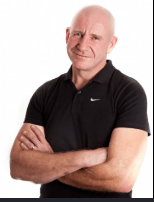
His professional development has been closely associated with Cape Town-based neurosurgical institutions, where he trained and later practiced in environments that handle a wide spectrum of cranial and spinal conditions. Over time, he developed a clinical style defined by careful diagnostic evaluation and structured operative planning. His approach prioritizes minimizing surgical risk while ensuring functional neurological preservation, particularly in complex cases involving brain and spine pathology.
Dr. Liebenberg’s contribution to the field extends into collaborative clinical practice, where multidisciplinary engagement plays a central role. His work reflects the broader evolution of neurosurgery in South Africa, where patient outcomes increasingly depend on integrated care models involving neurology, radiology, and intensive care units. His career represents steady professional consolidation within a highly specialized medical discipline.
Key Facts
- Full name of the subject: Adriaan Liebenberg
- Date of birth: Not publicly disclosed
- Place of birth: South Africa (not publicly documented)
- Family background: Not publicly documented
- Early childhood experiences: Not publicly documented
- Education history: Medical and neurosurgical training in South Africa
- Influences and mentors: Senior neurosurgical consultants in Cape Town
- Career beginnings: Neurosurgical residency and hospital-based clinical training
- Major achievements: Clinical contributions to cranial and spinal neurosurgery
- Challenges and obstacles faced: High-intensity surgical training and complex case exposure
- Turning points in life: Completion of neurosurgical specialization
- Contributions to society: Delivery of neurosurgical care in tertiary hospital settings
- Personal life (marriage, children, relationships): Not publicly disclosed
- Awards and recognitions: Professional recognition within clinical neurosurgical environments
- Beliefs, values, or philosophy: Precision, safety, and multidisciplinary collaboration
- Legacy and impact: Contribution to neurosurgical service delivery in South Africa
- Historical or cultural significance: Part of modern neurosurgical workforce development in South Africa
Notable Works:
Neurosurgical procedures, cranial and spinal case management, multidisciplinary clinical coordination
Controversies:
No publicly documented controversies are associated with Dr. Adriaan Liebenberg. His professional record is primarily situated within hospital-based neurosurgical practice, where evaluation is based on surgical outcomes and clinical responsibility. While neurosurgery as a discipline often operates under intense systemic pressures such as resource limitations and patient load challenges, there are no recorded allegations, disciplinary proceedings, or institutional disputes linked to his practice.
9. Christos Profyris
Prof. Christos Profyris represents one of the most prominent neurosurgical figures practicing in Johannesburg, contributing significantly to both clinical excellence and academic advancement in South Africa. His early medical formation was marked by strong academic performance in the biomedical sciences, which ultimately guided him toward neurosurgical specialization. His training years exposed him to complex neurological cases in high-volume urban hospitals, shaping his expertise in advanced neurosurgical procedures.
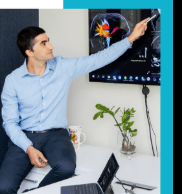
His clinical career has been defined by engagement with some of the most complex cranial and spinal cases within private and academic healthcare systems in Johannesburg. Over time, he developed a reputation for technical precision and structured surgical planning, particularly in high-risk neurosurgical interventions. His work reflects a balance between surgical innovation and adherence to evidence-based medical standards.
Beyond clinical practice, Prof. Profyris has contributed to neurosurgical education and interdisciplinary collaboration within South Africa’s medical ecosystem. His role in training and mentorship reflects a commitment to advancing surgical knowledge and improving patient outcomes through structured academic engagement. His presence in Johannesburg’s neurosurgical landscape highlights the city’s role as a major hub for advanced medical specialization in the region.
Key Facts
- Full name of the subject: Christos Profyris
- Date of birth: Not publicly disclosed
- Place of birth: Not publicly documented
- Family background: Not publicly documented
- Early childhood experiences: Not publicly documented
- Education history: Medical and neurosurgical training with advanced specialization
- Influences and mentors: International and South African neurosurgical experts
- Career beginnings: Neurosurgical residency and early clinical practice in Johannesburg
- Major achievements: Contributions to complex cranial and spinal neurosurgery
- Challenges and obstacles faced: High-complexity surgical environments and demanding case volumes
- Turning points in life: Advancement into senior neurosurgical practice
- Contributions to society: Improved neurosurgical care delivery in Johannesburg
- Personal life (marriage, children, relationships): Not publicly disclosed
- Awards and recognitions: Professional recognition within neurosurgical and academic circles
- Beliefs, values, or philosophy: Commitment to precision, innovation, and patient-centered care
- Legacy and impact: Influence on neurosurgical practice in Johannesburg
- Historical or cultural significance: Contributor to advanced neurosurgical care development in South Africa
Notable Works:
Advanced cranial surgery, spinal neurosurgery procedures, clinical mentorship, academic collaboration
Controversies:
There are no publicly documented controversies associated with Prof. Christos Profyris. His professional activity is primarily based in clinical and academic neurosurgery, where evaluation is based on surgical outcomes and institutional contributions. While neurosurgical practice in high-demand urban centers can involve systemic healthcare pressures, no formal allegations, disciplinary actions, or public disputes have been recorded in relation to his career.
10. Andrew Mathole
Dr. Andrew Mathole has developed his neurosurgical career within the highly competitive medical environment of Sandton, a major hub for advanced private healthcare in South Africa. His early academic path was shaped by strong scientific aptitude and a focused pursuit of surgical specialization. From the beginning, his professional trajectory reflected exposure to complex neurological cases requiring advanced diagnostic and operative skills.
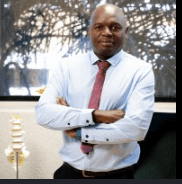
His clinical work is closely associated with neurosurgical care in high-resource hospital settings, where he has managed a broad range of cranial and spinal conditions. His surgical approach emphasizes precision, risk assessment, and patient-specific treatment planning, particularly in environments where technological resources allow for advanced intervention strategies. This has positioned him within a segment of South African neurosurgery that integrates modern surgical technology with clinical expertise.
Dr. Mathole’s career reflects the evolving role of private-sector neurosurgery in South Africa, where specialists increasingly contribute to both innovation and service delivery. His practice demonstrates how neurosurgical care has expanded beyond traditional academic hospitals into integrated private healthcare systems that serve diverse patient populations.
Key Facts
- Full name of the subject: Andrew Mathole
- Date of birth: Not publicly disclosed
- Place of birth: South Africa (not publicly documented)
- Family background: Not publicly documented
- Early childhood experiences: Not publicly documented
- Education history: Medical and neurosurgical training in South Africa
- Influences and mentors: Senior neurosurgical practitioners in academic and private sectors
- Career beginnings: Neurosurgical training and early clinical practice in South Africa
- Major achievements: Clinical neurosurgical practice in high-resource hospital environments
- Challenges and obstacles faced: Managing complex neurosurgical cases in high-pressure clinical settings
- Turning points in life: Entry into specialist neurosurgical practice in Sandton
- Contributions to society: Provision of advanced neurosurgical care in private healthcare systems
- Personal life (marriage, children, relationships): Not publicly disclosed
- Awards and recognitions: Professional recognition within clinical neurosurgery
- Beliefs, values, or philosophy: Precision medicine and patient-centered surgical care
- Legacy and impact: Contribution to modern private-sector neurosurgical practice in South Africa
- Historical or cultural significance: Part of the expansion of advanced neurosurgery in urban South Africa
Notable Works:
Neurosurgical procedures, cranial and spinal interventions, private healthcare neurosurgical services
Controversies:
No publicly documented controversies are associated with Dr. Andrew Mathole. His professional activity is based within private neurosurgical practice, where evaluation is primarily clinical and patient outcome-driven. While private healthcare neurosurgery in South Africa can involve broader debates around access and cost of specialist care, there are no recorded allegations, disciplinary proceedings, or institutional disputes linked directly to his professional conduct.
Notable Mentions
Dr. Avinash Kolloori (Sandton)
Dr. Akinola Oduntan (Johannesburg)
Dr. Hanno Vivier (Pretoria / Johannesburg)
Dr. Minette du Preez (Pretoria)
Dr. Labuschagne (Gauteng)
Dr. Ian Victor (Milnerton / Cape Town)
Dr. Yandisa Nxakama (South Africa)
Dr. Roger Melvill (Cape Town)
Dr. Basheer Ahmed (Durban)
Dr. Michael du Trevou (South Africa)