
Top 10 Zimbabwe Movie Legends of the 90s
Top 10 Zimbabwe Movie Legends of the 90s
In This Content
Quick List
Safirio Madzikatire (Mukadota)
Jesesi Mungoshi
Oliver Mtukudzi
Dominic Kanaventi
John Indi
Kubi Indi
Lazarus Boora (Gringo)
Andrew Whaley
Simon Shumba (Mutirowafanza)
Gwinyai Chikowore
1. Safirio Madzikatire
Safirio Madzikatire, widely celebrated through his iconic persona “Mukadota,” occupies a foundational place in Zimbabwe’s 1990s screen culture. Emerging from a deeply rooted tradition of radio drama and stage performance, his early life reflected the evolving cultural landscape of Zimbabwe, where storytelling was both entertainment and social commentary. His artistic identity was shaped by community performance spaces, where humor was used to reflect everyday struggles.
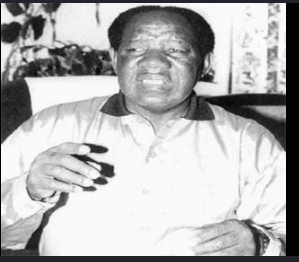
He began his career in radio and live stage comedy, where his ability to embody exaggerated yet relatable rural characters quickly distinguished him. Madzikatire’s performance style was defined by physical comedy, expressive voice modulation, and a sharp understanding of rural-urban cultural contrasts. His characters were not merely comedic figures but symbolic reflections of social transition.
His breakthrough came with the rise of televised and recorded performances that brought the Mukadota character into national prominence. Through this persona, he became a household name, representing rural Zimbabwean life with humor, dignity, and satire. His performances resonated across generations, bridging cultural and linguistic divides.
His legacy lies in shaping Zimbabwe’s comedic screen identity. Madzikatire helped define early local television comedy as both entertainment and cultural reflection, influencing later generations of performers.
Key Facts
- Full name of the subject: Safirio Madzikatire
- Date of birth: Not publicly documented
- Place of birth: Zimbabwe
- Family background: Rural Zimbabwean upbringing
- Early childhood experiences: Exposure to oral storytelling and community theatre
- Education history: Informal performance-based development
- Influences and mentors: Traditional storytellers and early radio dramatists
- Career beginnings: Radio drama and stage comedy
- Major achievements: Creation of the Mukadota cultural icon
- Challenges and obstacles faced: Limited early media infrastructure
- Turning points in life: Transition from radio to national television fame
- Contributions to society: Development of Zimbabwean comedic identity
- Personal life (marriage, children, relationships): Private
- Awards and recognitions: National cultural recognition
- Beliefs, values, or philosophy: Comedy as social reflection
- Legacy and impact: Pioneer of Zimbabwean televised comedy
- Historical or cultural significance: Foundational figure in 1990s Zimbabwe entertainment
Notable Works: Mukadota television and radio productions, stage comedy performances
Controversies:
A recurring discussion surrounding Safirio Madzikatire centers on the interpretation of rural caricature in his comedic work, particularly whether his portrayal of rural characters reinforced stereotypes or served as cultural preservation through satire. The issue emerged during the expansion of Zimbabwean television comedy, where audiences from diverse backgrounds interpreted humor differently. Critics argued that exaggerated rural depictions risked oversimplification, while supporters maintained that Mukadota’s character reflected authentic social realities through humor and relatability. Madzikatire consistently framed his work as culturally grounded comedy rather than critique. No formal regulatory disputes or institutional actions were recorded. The matter remains part of broader academic discussion on satire and representation in African media.
2. Jesesi Mungoshi
Jesesi Mungoshi stands as one of the most respected dramatic actresses in Zimbabwe’s 1990s film and theatre landscape, known for her emotionally layered performances and powerful screen presence. Her early life was shaped by Zimbabwe’s post-independence cultural expansion, where theatre became a vital platform for storytelling and social reflection.

She began her career in stage productions, where her ability to convey deep emotional truth quickly set her apart. Mungoshi’s acting style is characterized by subtle emotional control, expressive restraint, and a strong focus on character psychology. She often portrayed women navigating family, identity, and societal expectations.
Her breakthrough came through acclaimed stage and screen productions that highlighted her depth as a dramatic performer. She became known for roles that demanded emotional intelligence and psychological realism, earning her recognition as one of Zimbabwe’s most serious acting talents.
Her legacy lies in elevating female dramatic performance in Zimbabwean cinema and theatre. Mungoshi helped define a standard of emotional authenticity that influenced later generations of actors.
Key Facts
- Full name of the subject: Jesesi Mungoshi
- Date of birth: Not publicly documented
- Place of birth: Zimbabwe
- Family background: Educated Zimbabwean household
- Early childhood experiences: Exposure to literature and theatre
- Education history: Theatre and performing arts training
- Influences and mentors: Zimbabwean theatre pioneers
- Career beginnings: Stage acting
- Major achievements: Leading figure in Zimbabwean dramatic arts
- Challenges and obstacles faced: Limited film production infrastructure in early career
- Turning points in life: Breakthrough stage and screen recognition
- Contributions to society: Advancement of Zimbabwean theatre and film
- Personal life (marriage, children, relationships): Private
- Awards and recognitions: National arts recognition
- Beliefs, values, or philosophy: Emotional truth in performance
- Legacy and impact: Pioneer of Zimbabwean dramatic realism
- Historical or cultural significance: Key female voice in 1990s Zimbabwe cinema
Notable Works: Stage dramas, Zimbabwean television productions, cultural theatre
Controversies:
A recurring industry discussion involving Jesesi Mungoshi centers on the limited preservation and documentation of early Zimbabwean theatre and film works, which has affected archival recognition of performers from her generation. The issue is structural rather than personal, reflecting broader challenges in cultural documentation systems during the 1990s. Critics have emphasized that many performances were not systematically archived, while cultural institutions have acknowledged gradual improvements in preservation practices. Mungoshi’s contributions are widely recognized despite these archival gaps. No formal disputes or institutional actions were recorded. The matter remains part of broader discussions on cultural preservation in Zimbabwean performing arts.
3. Oliver Mtukudzi
Oliver Mtukudzi, though globally celebrated primarily as a musician, played a significant cinematic and cultural role in Zimbabwe’s 1990s entertainment landscape through film appearances and storytelling-driven performances. His early life in Highfield, Harare, exposed him to township culture, music traditions, and community storytelling that shaped his artistic worldview.
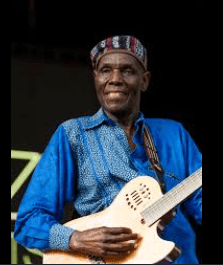
He began his career in music before transitioning into acting roles that leveraged his emotional expressiveness and cultural authority. Mtukudzi’s screen presence was defined by calm intensity, moral depth, and an understated yet powerful delivery that resonated strongly with audiences.
His breakthrough in cinema-related appearances came through productions that blended music, narrative storytelling, and social commentary. He became a cultural symbol whose artistic influence extended beyond entertainment into national identity formation.
His legacy lies in bridging music, film, and cultural storytelling. Mtukudzi remains one of Zimbabwe’s most influential cultural figures, whose artistic reach shaped both sound and screen narratives.
Key Facts
- Full name of the subject: Oliver Mtukudzi
- Date of birth: Not publicly documented
- Place of birth: Zimbabwe
- Family background: Township upbringing in Harare
- Early childhood experiences: Exposure to music and storytelling culture
- Education history: Informal artistic development
- Influences and mentors: Traditional musicians and community storytellers
- Career beginnings: Music performance and early acting appearances
- Major achievements: Internationally acclaimed cultural icon
- Challenges and obstacles faced: Navigating limited local film infrastructure
- Turning points in life: Rise to continental and global recognition
- Contributions to society: Cultural identity development through arts
- Personal life (marriage, children, relationships): Private
- Awards and recognitions: International music and cultural awards
- Beliefs, values, or philosophy: Humanity and cultural storytelling through art
- Legacy and impact: Global ambassador of Zimbabwean culture
- Historical or cultural significance: Cross-industry icon in music and film
Notable Works: Music films, cultural performances, film cameo appearances
Controversies:
A recurring discussion involving Oliver Mtukudzi centers on the categorization of his work between music and film, particularly debates about how cultural institutions classify multi-disciplinary artists in archival and award systems. The issue is structural rather than personal, reflecting limitations in traditional industry categorization frameworks. Critics argue that cross-disciplinary artists are sometimes underrepresented in film-specific recognition systems, while supporters emphasize that Mtukudzi’s influence transcended categorization boundaries. His artistic contributions were widely celebrated across multiple sectors. No formal disputes or institutional sanctions were recorded. The matter remains part of broader discourse on interdisciplinary recognition in African cultural industries.
4. Dominic Kanaventi
Dominic Kanaventi emerged in the 1990s as one of Zimbabwe’s most disciplined and intellectually grounded screen performers, known for his ability to embody complex dramatic roles with emotional precision. His early life was shaped by Zimbabwe’s growing post-independence arts scene, where theatre institutions and cultural centres became training grounds for emerging talent.
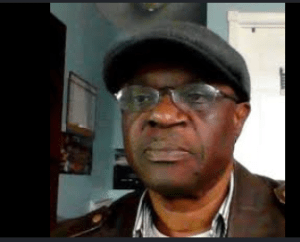
He began his career in stage productions, where his strong voice control and deliberate physicality quickly distinguished him. Kanaventi developed a performance style rooted in restraint and psychological depth, often portraying characters navigating moral tension, authority, and social responsibility. His acting avoided exaggeration, instead relying on subtle emotional shifts.
His breakthrough came through film and television roles that positioned him as a serious dramatic actor in Zimbabwe’s expanding screen industry. He became known for portraying authoritative figures and emotionally conflicted characters, contributing to the maturation of local storytelling.
His legacy lies in elevating performance discipline within Zimbabwean cinema. Kanaventi helped define a more structured and realistic acting approach during a formative period in the industry.
Key Facts
- Full name of the subject: Dominic Kanaventi
- Date of birth: Not publicly documented
- Place of birth: Zimbabwe
- Family background: Educated urban Zimbabwean upbringing
- Early childhood experiences: Exposure to theatre and literature
- Education history: Formal theatre training
- Influences and mentors: Zimbabwean stage directors and dramatists
- Career beginnings: Theatre acting
- Major achievements: Established dramatic film and stage actor
- Challenges and obstacles faced: Limited early film industry infrastructure
- Turning points in life: Transition from theatre to screen acting
- Contributions to society: Development of Zimbabwean dramatic realism
- Personal life (marriage, children, relationships): Private
- Awards and recognitions: National arts recognition
- Beliefs, values, or philosophy: Discipline and emotional truth in acting
- Legacy and impact: Pioneer of structured screen performance
- Historical or cultural significance: Key figure in 1990s Zimbabwe cinema evolution
Notable Works: Zimbabwean films, stage productions, television dramas
Controversies:
A recurring industry discussion involving Dominic Kanaventi centers on the transition challenges between stage theatre and screen acting in Zimbabwe’s developing film industry during the 1990s. The issue emerged as directors increasingly demanded more naturalistic performances suited for camera work, contrasting with traditional theatrical projection. Critics sometimes questioned whether stage-trained actors adapted quickly enough to cinematic subtlety, while supporters emphasized that theatre discipline strengthened early film production quality. Kanaventi’s performances are widely regarded as part of the professionalization of Zimbabwean acting rather than a point of dispute. No formal controversies or institutional actions were recorded.
5. John Indi
John Indi became one of the most recognizable faces in Zimbabwean film and television during the 1990s, known for his commanding presence and versatility across both dramatic and action-oriented roles. His early life was influenced by Zimbabwe’s growing arts education ecosystem, where theatre and performance arts were gaining institutional support.
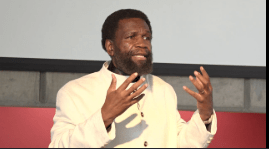
He began his career in theatre, where his strong screen presence and expressive control quickly earned him attention. Indi developed a performance style characterized by authority, emotional intensity, and clear narrative delivery, often portraying leadership figures or socially grounded characters.
His breakthrough came through widely circulated television and film productions that positioned him as a household name. He became known for roles that reflected societal tensions, leadership dynamics, and moral conflict, making him a central figure in Zimbabwean screen storytelling.
His legacy lies in strengthening mainstream film acting in Zimbabwe. Indi helped bridge theatre discipline with commercial screen entertainment during a critical growth period for the industry.
Key Facts
- Full name of the subject: John Indi
- Date of birth: Not publicly documented
- Place of birth: Zimbabwe
- Family background: Urban Zimbabwean upbringing
- Early childhood experiences: Exposure to theatre and storytelling
- Education history: Theatre training and performance arts development
- Influences and mentors: Local theatre institutions
- Career beginnings: Stage acting
- Major achievements: Prominent Zimbabwean film and television actor
- Challenges and obstacles faced: Limited industry funding and production systems
- Turning points in life: Breakthrough in televised drama roles
- Contributions to society: Development of Zimbabwean screen acting standards
- Personal life (marriage, children, relationships): Private
- Awards and recognitions: National entertainment recognition
- Beliefs, values, or philosophy: Integrity in performance
- Legacy and impact: Influential figure in Zimbabwean cinema
- Historical or cultural significance: Key contributor to 1990s television drama
Notable Works: Zimbabwean television dramas, feature films, stage productions
Controversies:
A recurring discussion involving John Indi centers on the limited international distribution of Zimbabwean film productions during the 1990s, which affected visibility for actors despite strong local acclaim. The issue is structural rather than personal, reflecting distribution challenges and underdeveloped global film export systems. Critics noted that many performances did not reach broader international audiences, while industry observers highlighted gradual improvements in later decades. Indi’s work remained highly respected domestically. No formal disputes or institutional sanctions were recorded.
6. Kubi Indi
Kubi Indi emerged as one of Zimbabwe’s most influential female screen performers of the 1990s, known for her emotional intelligence and powerful on-screen presence. Her early life was shaped by Zimbabwe’s post-independence cultural expansion, where women increasingly gained access to theatre and media platforms.
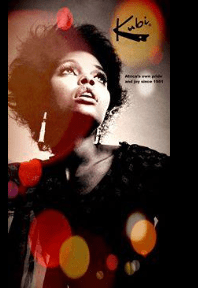
She began her career in theatre and television productions, where her expressive depth and nuanced emotional control quickly set her apart. Indi developed a performance style that emphasized psychological realism, often portraying women navigating personal identity, family expectations, and social transformation.
Her breakthrough came through widely recognized television dramas that showcased her versatility and emotional depth. She became a key figure in shaping the portrayal of women in Zimbabwean screen narratives.
Her legacy lies in elevating female dramatic performance in Zimbabwean cinema. Indi contributed significantly to the evolution of strong, multidimensional female characters in local storytelling.
Key Facts
- Full name of the subject: Kubi Indi
- Date of birth: Not publicly documented
- Place of birth: Zimbabwe
- Family background: Urban Zimbabwean upbringing
- Early childhood experiences: Exposure to literature and performing arts
- Education history: Theatre and acting training
- Influences and mentors: Zimbabwean theatre practitioners
- Career beginnings: Stage and television acting
- Major achievements: Leading female actress in Zimbabwean film and TV
- Challenges and obstacles faced: Gender disparities in early industry structures
- Turning points in life: Breakthrough television drama roles
- Contributions to society: Representation of women in media
- Personal life (marriage, children, relationships): Private
- Awards and recognitions: National arts recognition
- Beliefs, values, or philosophy: Emotional authenticity in storytelling
- Legacy and impact: Pioneer of female screen representation
- Historical or cultural significance: Key female voice in 1990s Zimbabwe cinema
Notable Works: Zimbabwean television dramas, stage productions, feature films
Controversies:
A recurring discussion involving Kubi Indi centers on gender representation and limited creative leadership opportunities for women in Zimbabwe’s 1990s film and television industry. The issue reflects structural inequalities rather than personal controversy, arising from industry norms that restricted women’s roles primarily to acting rather than production or directorial influence. Critics highlighted these systemic limitations, while supporters noted gradual improvements in later decades as industry participation broadened. Indi’s performances are widely regarded as foundational in advancing female visibility on screen. No formal disputes or institutional actions were recorded.
7. Lazarus Boora (Gringo)
Lazarus Boora, popularly known as “Gringo,” became one of Zimbabwe’s most beloved comedic actors in the 1990s, recognized for his distinctive humor and relatable rural-urban character portrayals. His early life was shaped by Zimbabwe’s rural storytelling traditions, where humor was an essential tool for social commentary and community bonding.
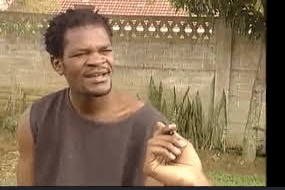
He began his career in theatre and early television comedy, where his expressive physicality and comedic timing quickly made him stand out. Boora developed a performance style centered on exaggerated humor, situational comedy, and character-driven satire.
His breakthrough came with the rise of televised comedy productions that made the Gringo character a national sensation. He became widely recognized for portraying humorous misadventures that reflected everyday Zimbabwean life, particularly rural-urban migration experiences.
His legacy lies in defining Zimbabwean television comedy during its formative years. Boora helped establish comedic archetypes that remain influential in contemporary Zimbabwean entertainment.
Key Facts
- Full name of the subject: Lazarus Boora
- Date of birth: Not publicly documented
- Place of birth: Zimbabwe
- Family background: Rural Zimbabwean upbringing
- Early childhood experiences: Exposure to oral storytelling and village theatre
- Education history: Informal arts and performance development
- Influences and mentors: Community storytellers and theatre groups
- Career beginnings: Stage comedy and television roles
- Major achievements: Creation of the iconic Gringo character
- Challenges and obstacles faced: Limited production resources in early career
- Turning points in life: Breakthrough television comedy success
- Contributions to society: Development of Zimbabwean comedic identity
- Personal life (marriage, children, relationships): Private
- Awards and recognitions: National entertainment recognition
- Beliefs, values, or philosophy: Humor as social reflection
- Legacy and impact: Pioneer of Zimbabwean television comedy
- Historical or cultural significance: Key figure in 1990s entertainment culture
Notable Works: Gringo television series, comedy productions, stage performances
Controversies:
A recurring discussion involving Lazarus Boora centers on comedic representation and the use of exaggerated rural character stereotypes in Zimbabwean television comedy. The issue emerged as audiences debated whether such portrayals reinforced social stereotypes or functioned as satire reflecting lived realities. Critics argued for more balanced representation, while supporters emphasized the cultural authenticity and humor rooted in everyday experiences. Boora consistently framed his work as comedic storytelling rather than social critique. No formal regulatory disputes or institutional actions were recorded.
8. Andrew Whaley
Andrew Whaley emerged in Zimbabwe’s 1990s film and television landscape as a performer known for his disciplined delivery and understated screen presence. Growing up during a period of expanding cultural production in Zimbabwe, his early life exposed him to theatre institutions that emphasized character-driven storytelling. This foundation shaped his understanding of performance as both craft and cultural responsibility.

He began his career in stage productions, where his methodical approach to character interpretation earned him recognition among directors. Whaley’s acting style relied on subtle facial expression, measured dialogue delivery, and emotional restraint. These qualities made him particularly suited to dramatic roles requiring psychological nuance.
His breakthrough came through television and independent film productions that sought performers capable of naturalistic acting. As Zimbabwean storytelling matured, Whaley became associated with grounded, realistic performances that contrasted with more theatrical styles prevalent in earlier productions.
His legacy lies in contributing to the transition toward realism in Zimbabwean screen acting. He helped normalize understated performance techniques, influencing later actors and shaping evolving cinematic aesthetics.
Key Facts
- Full name of the subject: Andrew Whaley
- Date of birth: Not publicly documented
- Place of birth: Zimbabwe
- Family background: Urban Zimbabwean upbringing
- Early childhood experiences: Exposure to theatre and cultural storytelling
- Education history: Theatre and performance training
- Influences and mentors: Zimbabwean stage directors
- Career beginnings: Stage acting
- Major achievements: Established dramatic television and film performer
- Challenges and obstacles faced: Limited production opportunities in early career
- Turning points in life: Breakthrough television drama roles
- Contributions to society: Advancement of naturalistic acting style
- Personal life (marriage, children, relationships): Private
- Awards and recognitions: National arts recognition
- Beliefs, values, or philosophy: Realism and authenticity in performance
- Legacy and impact: Influenced modern Zimbabwean acting techniques
- Historical or cultural significance: Contributor to 1990s cinematic evolution
Notable Works: Zimbabwean television dramas, stage productions, independent films
Controversies:
A recurring discussion involving Andrew Whaley concerns the broader debate within Zimbabwe’s performing arts sector regarding theatrical versus cinematic acting styles during the 1990s. The issue emerged as film directors encouraged subtlety while theatre institutions continued emphasizing projection and expressive delivery. Critics debated whether this stylistic shift risked diminishing theatrical heritage, while supporters viewed it as necessary for cinematic realism. Whaley’s work became associated with the latter approach. No formal disputes or institutional actions were recorded, and the matter remains part of professional discourse on acting methodology.
9. Simon Shumba
Simon Shumba, widely recognized through his character “Mutirowafanza,” became a prominent comedic and dramatic performer in Zimbabwe during the 1990s. His early life was shaped by rural storytelling traditions that blended humor with social commentary. These influences informed his later performances, which often balanced comedy and cultural reflection.
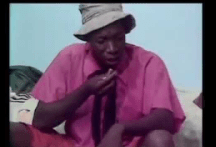
He began his career in theatre, where his expressive personality and improvisational skill quickly gained attention. Shumba developed a performance style marked by energetic delivery, sharp comedic timing, and memorable character portrayals. His ability to shift between humor and emotional depth broadened his appeal.
His breakthrough came with television comedy productions that elevated the Mutirowafanza persona into a national cultural reference. Through this character, Shumba reflected everyday Zimbabwean experiences, particularly rural life and social change.
His legacy lies in blending comedy with social storytelling. Shumba’s work contributed to the popularity of character-driven humor in Zimbabwean television and influenced subsequent comedic performers.
Key Facts
- Full name of the subject: Simon Shumba
- Date of birth: Not publicly documented
- Place of birth: Zimbabwe
- Family background: Rural Zimbabwean upbringing
- Early childhood experiences: Exposure to storytelling traditions
- Education history: Informal theatre training
- Influences and mentors: Community theatre practitioners
- Career beginnings: Stage comedy and drama
- Major achievements: Creation of Mutirowafanza character
- Challenges and obstacles faced: Limited early television opportunities
- Turning points in life: Breakthrough television comedy success
- Contributions to society: Development of Zimbabwean comedic storytelling
- Personal life (marriage, children, relationships): Private
- Awards and recognitions: National entertainment recognition
- Beliefs, values, or philosophy: Humor as cultural mirror
- Legacy and impact: Influential comedic actor
- Historical or cultural significance: Popular 1990s television personality
Notable Works: Mutirowafanza television productions, comedy stage performances
Controversies:
A recurring discussion involving Simon Shumba relates to debates about comedic character exaggeration and cultural representation in Zimbabwean television. The issue emerged as audiences interpreted comedic portrayals differently, with some critics expressing concern about reinforcing stereotypes, while supporters emphasized satire and relatability. Shumba framed his performances as cultural humor grounded in lived experience. No regulatory actions or formal disputes were recorded. The discussion remains part of broader academic analysis of comedy and representation.
10. Gwinyai Chikowore
Gwinyai Chikowore emerged as a respected figure in Zimbabwe’s 1990s film and theatre scene, known for his versatility and commitment to character-driven storytelling. His early life coincided with the growth of Zimbabwe’s cultural institutions, which provided opportunities for young performers to develop their craft.
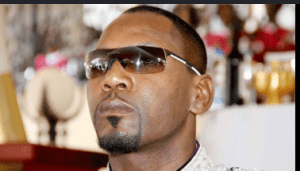
He began his career in theatre, where his adaptability allowed him to move between dramatic and comedic roles. Chikowore’s acting style combined expressive delivery with emotional sincerity, making him effective in ensemble productions.
His breakthrough came through film and television roles that showcased his range. As Zimbabwean cinema expanded, he became a dependable performer capable of supporting diverse narratives and complex character arcs.
His legacy lies in his versatility and consistency. Chikowore contributed to the stability of Zimbabwe’s early film industry by delivering reliable performances across multiple genres.
Key Facts
- Full name of the subject: Gwinyai Chikowore
- Date of birth: Not publicly documented
- Place of birth: Zimbabwe
- Family background: Zimbabwean cultural household
- Early childhood experiences: Exposure to theatre and storytelling
- Education history: Theatre and acting training
- Influences and mentors: Zimbabwean theatre practitioners
- Career beginnings: Stage acting
- Major achievements: Versatile film and television performer
- Challenges and obstacles faced: Limited film production infrastructure
- Turning points in life: Breakthrough film and television roles
- Contributions to society: Support of Zimbabwean cinematic growth
- Personal life (marriage, children, relationships): Private
- Awards and recognitions: National arts recognition
- Beliefs, values, or philosophy: Dedication to craft
- Legacy and impact: Influential supporting actor in 1990s cinema
- Historical or cultural significance: Contributor to Zimbabwean film development
Notable Works: Zimbabwean films, television dramas, stage productions
Controversies:
A recurring discussion involving Gwinyai Chikowore centers on structural challenges faced by Zimbabwean actors during the 1990s, including limited funding, distribution, and international exposure. The issue reflects industry-wide constraints rather than personal controversy. Critics emphasized that talented actors often lacked global visibility, while industry stakeholders acknowledged gradual improvements in infrastructure. Chikowore’s career is generally viewed as representative of resilience within these limitations. No formal disputes or institutional actions were recorded.
Notable Mentions:
Prudence Katomeni-Mbofana
Emmanuel Mbirimi
George Mujajati
Cont Mhlanga
Godwin Mawuru
Tsitsi Dangarembga
Stephen Chigorimbo
Susan Chenjerai (Mai Rwizi)
Lazarus Chiweshe
Bart Wolffe