
Top 10 Zambia Movie Legends of the 90s
Top 10 Zambia Movie Legends of the 90s
In This Content
Quick List
Michael Mataka
Owas Ray Mwape
Becky Ngoma
Augustine Lungu
Graig Lungu
Benne Bandowe
Agnes Mulimbika
Lawrence Thompson
Chris Mwivwan’gi
Bright Banda
1. Michael Mataka
Michael Mataka emerged as one of the early pillars of Zambia’s developing film and television landscape during the 1990s. Raised in a period when Zambia’s performing arts scene was transitioning from stage-centered productions to screen-based storytelling, Mataka’s early life was shaped by community theatre, radio drama, and educational performance initiatives. These formative experiences gave him a strong foundation in expressive storytelling and character development.

He began his career in theatre productions, where his commanding stage presence and confident vocal delivery quickly attracted attention. Mataka developed a performance style rooted in realism, preferring layered characters over exaggerated dramatization. His acting often explored social issues, family dynamics, and the moral complexities of everyday Zambian life. Directors frequently cast him in roles requiring authority, emotional depth, and narrative stability.
His breakthrough came with television productions and early locally produced films that sought credible performers capable of carrying long-form storytelling. Mataka became widely recognized for his ability to anchor ensemble casts, providing emotional continuity and narrative clarity. His performances helped legitimize locally produced content during a period when imported programming dominated Zambian screens.
His legacy lies in his contribution to professionalizing acting standards within Zambia’s early film movement. Mataka influenced a generation of performers who embraced disciplined preparation and character authenticity. His work remains a reference point in discussions about the foundations of Zambia’s cinematic storytelling.
Key Facts
- Full name of the subject: Michael Mataka
- Date of birth: Not publicly documented
- Place of birth: Zambia
- Family background: Middle-class Zambian household
- Early childhood experiences: Exposure to community theatre and storytelling
- Education history: Performing arts workshops and informal training
- Influences and mentors: Local theatre practitioners
- Career beginnings: Stage acting and radio drama
- Major achievements: Early pioneer of Zambian screen acting
- Challenges and obstacles faced: Limited film infrastructure in the 1990s
- Turning points in life: Breakthrough television roles
- Contributions to society: Advancement of local storytelling
- Personal life (marriage, children, relationships): Private
- Awards and recognitions: Cultural arts recognition
- Beliefs, values, or philosophy: Authentic storytelling
- Legacy and impact: Foundational Zambian film actor
- Historical or cultural significance: Contributor to early Zambian cinema
Notable Works: Television dramas, stage productions, early Zambian films
Controversies:
A recurring discussion involving Michael Mataka relates to the broader debate about production funding allocation in Zambia’s early film industry. The issue arose during the 1990s when limited budgets meant that only select productions received support from cultural institutions. Some observers argued that established actors were favored for leading roles, while supporters maintained that experienced performers were necessary to ensure production quality. Mataka’s involvement reflected industry realities rather than personal controversy. No formal disputes or regulatory actions were recorded, and the discussion remains part of historical analysis of early Zambian film development.
2. Owas Ray Mwape
Owas Ray Mwape became a recognizable figure in Zambia’s 1990s entertainment sector through his dynamic screen presence and adaptability across genres. His early life was influenced by Zambia’s growing cultural festivals and youth theatre movements, which provided emerging performers with opportunities to develop their craft.
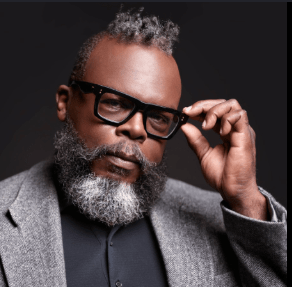
He began his career in stage productions and television drama, where his energetic delivery and emotional accessibility made him a compelling performer. Mwape’s acting style combined expressive physicality with naturalistic dialogue delivery, allowing him to transition seamlessly between comedic and dramatic roles. This versatility contributed to his rising popularity.
His breakthrough came through locally produced television series that showcased his ability to connect with audiences. Mwape’s characters often represented everyday citizens navigating social change, making his performances culturally resonant. He became one of the recognizable faces of Zambia’s growing television landscape.
His legacy lies in expanding the versatility expected of Zambian actors. Mwape’s ability to shift between genres helped shape audience expectations and encouraged more diverse storytelling approaches.
Key Facts
- Full name of the subject: Owas Ray Mwape
- Date of birth: Not publicly documented
- Place of birth: Zambia
- Family background: Urban Zambian upbringing
- Early childhood experiences: Participation in youth theatre groups
- Education history: Informal acting training
- Influences and mentors: Community theatre directors
- Career beginnings: Stage and television acting
- Major achievements: Versatile television and film performer
- Challenges and obstacles faced: Limited production opportunities
- Turning points in life: Breakthrough television role
- Contributions to society: Promotion of local entertainment
- Personal life (marriage, children, relationships): Private
- Awards and recognitions: National arts recognition
- Beliefs, values, or philosophy: Acting as cultural storytelling
- Legacy and impact: Influential television actor
- Historical or cultural significance: Contributor to 1990s Zambian screen culture
Notable Works: Television dramas, stage productions
Controversies:
A recurring industry discussion involving Owas Ray Mwape concerns the challenge of typecasting in Zambia’s early television productions. The issue emerged as actors who gained popularity in specific roles were frequently offered similar characters. Critics argued that typecasting limited creative growth, while producers cited budget constraints and audience familiarity as reasons for casting continuity. Mwape publicly emphasized his interest in diverse roles. No formal disputes or institutional rulings were recorded. The matter remains a common industry discussion regarding actor versatility.
3. Becky Ngoma
Becky Ngoma stands as one of the most influential female performers in Zambia’s 1990s screen landscape. Her early life unfolded during a time when women were increasingly entering performing arts spaces, yet opportunities remained limited. Ngoma’s determination to pursue acting positioned her among the pioneers shaping female representation in local productions.

She began her career in theatre, where her emotional range and expressive delivery quickly earned recognition. Ngoma developed a performance style grounded in psychological realism, often portraying strong women navigating social pressures, family structures, and personal transformation. Her roles emphasized emotional authenticity rather than theatrical exaggeration.
Her breakthrough came through television productions that highlighted her dramatic depth. She became known for leading roles that centered female experiences, contributing to more balanced storytelling in Zambia’s developing film culture.
Her legacy lies in expanding opportunities for female performers. Ngoma’s work helped normalize women in central narrative roles and influenced subsequent generations of actresses.
Key Facts
- Full name of the subject: Becky Ngoma
- Date of birth: Not publicly documented
- Place of birth: Zambia
- Family background: Educated Zambian household
- Early childhood experiences: Exposure to literature and theatre
- Education history: Theatre and performance training
- Influences and mentors: Female theatre pioneers
- Career beginnings: Stage acting
- Major achievements: Leading female television actress
- Challenges and obstacles faced: Gender disparities in early industry
- Turning points in life: Breakthrough dramatic role
- Contributions to society: Advancement of female representation
- Personal life (marriage, children, relationships): Private
- Awards and recognitions: Cultural arts recognition
- Beliefs, values, or philosophy: Authentic portrayal of women’s experiences
- Legacy and impact: Pioneer female performer
- Historical or cultural significance: Key female voice in 1990s Zambian cinema
Notable Works: Television dramas, stage productions
Controversies:
A recurring discussion involving Becky Ngoma centers on gender representation within Zambia’s early film industry. The issue reflects broader structural inequalities where female actors were fewer and often offered limited roles. Critics highlighted the need for more inclusive storytelling, while producers cited resource limitations. Ngoma’s career is widely viewed as part of the movement advocating stronger female narratives. No formal disputes or institutional actions were recorded.
4. Augustine Lungu
Augustine Lungu emerged during the formative years of Zambia’s television and film expansion in the early 1990s, bringing a measured and authoritative acting style to a still-developing industry. His early life was shaped by Zambia’s strong tradition of educational theatre and radio storytelling, which emphasized social messaging alongside entertainment. These influences helped him develop a performance approach grounded in clarity and purpose.

He began his career in stage productions, where his voice projection, calm delivery, and structured character interpretation drew attention from directors seeking disciplined performers. Lungu’s acting style leaned toward understated realism, allowing him to portray authority figures, mentors, and complex patriarchal roles with credibility. His characters often represented moral anchors within ensemble narratives.
His breakthrough came with television productions that sought experienced stage actors capable of adapting to screen work. Lungu quickly became a dependable presence in locally produced dramas, helping establish performance consistency at a time when the industry lacked formal acting schools and structured training.
His legacy lies in promoting professionalism within Zambia’s early screen acting community. Lungu’s work reinforced the importance of preparation, rehearsal discipline, and narrative cohesion in locally produced content.
Key Facts
- Full name of the subject: Augustine Lungu
- Date of birth: Not publicly documented
- Place of birth: Zambia
- Family background: Traditional Zambian household
- Early childhood experiences: Exposure to community theatre and storytelling
- Education history: Informal theatre training
- Influences and mentors: Stage directors and cultural educators
- Career beginnings: Theatre productions
- Major achievements: Prominent television drama actor
- Challenges and obstacles faced: Limited industry training infrastructure
- Turning points in life: Transition from stage to television
- Contributions to society: Development of disciplined acting culture
- Personal life (marriage, children, relationships): Private
- Awards and recognitions: National cultural recognition
- Beliefs, values, or philosophy: Acting as social education
- Legacy and impact: Influential early television performer
- Historical or cultural significance: Contributor to 1990s Zambian screen development
Notable Works: Television dramas, theatre productions
Controversies:
A recurring industry discussion involving Augustine Lungu centers on the adaptation of theatre-trained actors to camera-focused performance techniques during Zambia’s early television era. The issue arose as producers began prioritizing subtle acting styles suited for close-up filming, contrasting with the projection-oriented approach of stage acting. Critics debated whether theatre traditions were being diluted, while supporters argued that evolving cinematic techniques required stylistic adjustments. Lungu’s work reflected a balance between these approaches. No formal disputes or institutional rulings were recorded, and the discussion remains part of broader acting methodology debates.
5. Graig Lungu
Graig Lungu gained prominence in Zambia’s 1990s film movement as a versatile performer capable of navigating both dramatic and comedic roles. His early life coincided with a period of cultural experimentation in Zambia, where theatre groups and youth performance initiatives encouraged new storytelling voices.

He began his career in stage productions, quickly earning recognition for his expressive delivery and adaptability. Lungu’s acting style combined physical expressiveness with conversational realism, making his characters relatable to diverse audiences. He often portrayed energetic individuals confronting social and economic challenges.
His breakthrough came with television dramas that highlighted his flexibility across genres. Directors increasingly relied on him to bring momentum to ensemble casts, particularly in productions addressing contemporary Zambian life.
His legacy lies in his versatility and contribution to genre diversity. Lungu helped demonstrate that local productions could successfully incorporate humor, drama, and social commentary within a single narrative framework.
Key Facts
- Full name of the subject: Graig Lungu
- Date of birth: Not publicly documented
- Place of birth: Zambia
- Family background: Urban Zambian upbringing
- Early childhood experiences: Participation in community drama groups
- Education history: Informal acting development
- Influences and mentors: Local theatre practitioners
- Career beginnings: Stage acting
- Major achievements: Versatile television and film performer
- Challenges and obstacles faced: Limited production funding
- Turning points in life: Breakthrough television role
- Contributions to society: Promotion of local storytelling diversity
- Personal life (marriage, children, relationships): Private
- Awards and recognitions: Cultural arts recognition
- Beliefs, values, or philosophy: Storytelling reflecting everyday life
- Legacy and impact: Influential supporting actor
- Historical or cultural significance: Contributor to genre expansion in Zambian cinema
Notable Works: Television dramas, stage productions
Controversies:
A recurring discussion involving Graig Lungu relates to casting practices in Zambia’s early television productions, particularly debates about recurring performers appearing across multiple series. Critics argued that limited casting pools restricted opportunities for new actors, while producers cited resource constraints and audience familiarity as reasons for repeated collaborations. Lungu’s frequent casting reflected industry conditions rather than personal dispute. No formal controversies or regulatory actions were recorded.
6. Benne Bandowe
Benne Bandowe emerged as a respected performer in Zambia’s 1990s screen environment, known for his thoughtful delivery and strong character interpretation. His early life was shaped by Zambia’s cultural storytelling traditions, where oral narratives and community performances were central to entertainment.
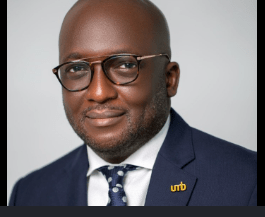
He began his career in theatre, where his calm demeanor and deliberate pacing distinguished him from more energetic performers. Bandowe developed a performance style rooted in introspection, often portraying reflective characters navigating personal dilemmas and societal expectations.
His breakthrough came through television productions that required nuanced performances. Bandowe became recognized for roles that emphasized emotional complexity, contributing to more mature storytelling in Zambia’s early film landscape.
His legacy lies in encouraging character depth and emotional realism. Bandowe helped expand the range of personalities portrayed in Zambian productions.
Key Facts
- Full name of the subject: Benne Bandowe
- Date of birth: Not publicly documented
- Place of birth: Zambia
- Family background: Cultural Zambian household
- Early childhood experiences: Exposure to storytelling traditions
- Education history: Informal theatre training
- Influences and mentors: Community theatre practitioners
- Career beginnings: Stage acting
- Major achievements: Dramatic television performer
- Challenges and obstacles faced: Limited production opportunities
- Turning points in life: Breakthrough television role
- Contributions to society: Promotion of realistic storytelling
- Personal life (marriage, children, relationships): Private
- Awards and recognitions: Cultural recognition
- Beliefs, values, or philosophy: Emotional authenticity
- Legacy and impact: Influential dramatic actor
- Historical or cultural significance: Contributor to 1990s Zambian television
Notable Works: Television dramas, stage productions
Controversies:
A recurring industry discussion involving Benne Bandowe concerns the scarcity of archival preservation for Zambia’s early television productions. The issue affected recognition of performers whose work was not systematically recorded or rebroadcast. Critics highlighted the importance of cultural preservation, while institutions acknowledged infrastructure limitations. Bandowe’s career is often cited in discussions advocating improved archiving. No personal disputes or regulatory actions were recorded.
7. Agnes Mulimbika
Agnes Mulimbika became one of the notable female performers shaping Zambia’s 1990s film and television environment. Her early life unfolded during a period when women were gradually ga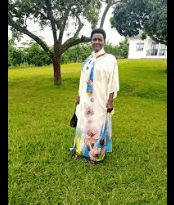 ining more visibility in performing arts, though opportunities remained limited.
She began her career in theatre, where her expressive emotional range and naturalistic dialogue delivery quickly distinguished her. Mulimbika developed a performance style centered on relatable female experiences, portraying mothers, professionals, and community leaders navigating social transformation.
Her breakthrough came with television dramas that highlighted women’s roles within Zambian society. Her performances brought emotional credibility to narratives exploring family, education, and community life.
Her legacy lies in strengthening female representation in Zambia’s early screen productions. Mulimbika helped expand the range of women-centered stories in local media.
Key Facts
- Full name of the subject: Agnes Mulimbika
- Date of birth: Not publicly documented
- Place of birth: Zambia
- Family background: Educated Zambian household
- Early childhood experiences: Exposure to theatre and storytelling
- Education history: Informal acting training
- Influences and mentors: Female theatre practitioners
- Career beginnings: Stage acting
- Major achievements: Prominent female television actress
- Challenges and obstacles faced: Limited female roles
- Turning points in life: Breakthrough dramatic role
- Contributions to society: Representation of women in media
- Personal life (marriage, children, relationships): Private
- Awards and recognitions: Cultural arts recognition
- Beliefs, values, or philosophy: Empowerment through storytelling
- Legacy and impact: Influential female performer
- Historical or cultural significance: Key female voice in 1990s Zambian cinema
Notable Works: Television dramas, stage productions
Controversies:
A recurring discussion involving Agnes Mulimbika centers on gender balance within Zambia’s early film industry, particularly the limited number of women in leading roles. Critics argued that storytelling often prioritized male perspectives, while producers pointed to structural constraints and limited resources. Mulimbika’s performances contributed to increasing female visibility. No formal disputes or institutional actions were recorded.
8. Lawrence Thompson
Lawrence Thompson emerged in Zambia’s 1990s entertainment landscape as a composed and technically disciplined performer. His early life coincided with the growth of educational theatre in Zambia, where schools and community groups used performance as a tool for social education. This environment shaped Thompson’s understanding of acting as both cultural expression and communication.
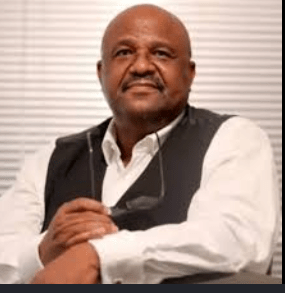
He began his career in theatre, where his articulate delivery and structured character interpretation quickly attracted attention. Thompson’s performance style emphasized clarity, calm authority, and controlled emotional expression. He often portrayed professionals, administrators, and characters navigating institutional settings, bringing credibility to narratives exploring governance, education, and social organization.
His breakthrough came through television productions that required actors capable of conveying complex dialogue and moral dilemmas. Thompson became known for his reliability and ability to anchor serious dramatic scenes, particularly in productions addressing societal transformation during the 1990s.
His legacy lies in reinforcing narrative realism within Zambian television. Thompson’s work helped strengthen character-driven storytelling and demonstrated the value of disciplined acting in emerging film industries.
Key Facts
- Full name of the subject: Lawrence Thompson
- Date of birth: Not publicly documented
- Place of birth: Zambia
- Family background: Educated Zambian household
- Early childhood experiences: Participation in school drama
- Education history: Theatre-based informal training
- Influences and mentors: Community theatre directors
- Career beginnings: Stage acting
- Major achievements: Prominent dramatic television actor
- Challenges and obstacles faced: Limited film production opportunities
- Turning points in life: Breakthrough television drama roles
- Contributions to society: Promotion of realistic storytelling
- Personal life (marriage, children, relationships): Private
- Awards and recognitions: Cultural arts recognition
- Beliefs, values, or philosophy: Acting as educational storytelling
- Legacy and impact: Influential dramatic performer
- Historical or cultural significance: Contributor to 1990s Zambian television realism
Notable Works: Television dramas, stage productions
Controversies:
A recurring discussion involving Lawrence Thompson concerns the limited international exposure of Zambian productions during the 1990s, which affected recognition of actors despite strong domestic influence. Critics argued that distribution limitations restricted career growth, while cultural institutions acknowledged infrastructural challenges. Thompson’s career reflects these broader industry conditions rather than personal dispute. No formal controversies or regulatory actions were recorded.
9. Chris Mwivwan’gi
Chris Mwivwan’gi became a notable figure in Zambia’s evolving film culture through his expressive performance style and versatility. His early life was shaped by Zambia’s community storytelling traditions, where performance was closely tied to social engagement and cultural identity.

He began his career in theatre productions, where his energetic delivery and adaptability allowed him to shift between dramatic and comedic roles. Mwivwan’gi developed a performance style that combined emotional accessibility with strong physical expression, making him a favorite in ensemble productions.
His breakthrough came through locally produced television series that showcased his range. He often portrayed relatable characters navigating economic pressures and changing social norms, resonating with audiences experiencing similar realities.
His legacy lies in contributing to relatable storytelling within Zambia’s early television environment. Mwivwan’gi helped establish character-driven narratives centered on everyday life.
Key Facts
- Full name of the subject: Chris Mwivwan’gi
- Date of birth: Not publicly documented
- Place of birth: Zambia
- Family background: Community-oriented Zambian upbringing
- Early childhood experiences: Exposure to storytelling and performance
- Education history: Informal theatre training
- Influences and mentors: Local theatre groups
- Career beginnings: Stage acting
- Major achievements: Versatile television actor
- Challenges and obstacles faced: Limited production funding
- Turning points in life: Breakthrough television roles
- Contributions to society: Promotion of relatable storytelling
- Personal life (marriage, children, relationships): Private
- Awards and recognitions: Cultural recognition
- Beliefs, values, or philosophy: Performance reflecting community life
- Legacy and impact: Influential supporting actor
- Historical or cultural significance: Contributor to 1990s Zambian screen culture
Notable Works: Television dramas, theatre productions
Controversies:
A recurring industry discussion involving Chris Mwivwan’gi centers on casting limitations within Zambia’s early film industry, particularly the small pool of trained actors. Critics argued that recurring casting limited diversity, while producers cited budget constraints and scheduling challenges. Mwivwan’gi’s frequent appearances reflected industry realities. No formal disputes or institutional actions were recorded.
10. Bright Banda
Bright Banda emerged as one of the recognizable performers in Zambia’s 1990s film and television landscape, known for his charismatic presence and expressive delivery. His early life unfolded during a period when youth theatre and community drama groups were becoming pathways into the entertainment industry.

He began his career in stage productions, where his natural charisma and confident dialogue delivery quickly distinguished him. Banda developed a performance style combining enthusiasm with emotional sincerity, often portraying ambitious young characters navigating social change.
His breakthrough came through television dramas that focused on youth experiences and urban transformation. Banda’s performances resonated with younger audiences, making him a symbol of generational transition within Zambia’s emerging screen culture.
His legacy lies in representing youthful narratives within early Zambian cinema. Banda contributed to diversifying character perspectives and expanding audience demographics.
Key Facts
- Full name of the subject: Bright Banda
- Date of birth: Not publicly documented
- Place of birth: Zambia
- Family background: Urban Zambian upbringing
- Early childhood experiences: Participation in youth drama groups
- Education history: Informal performance training
- Influences and mentors: Community theatre practitioners
- Career beginnings: Stage acting
- Major achievements: Youth-focused television performer
- Challenges and obstacles faced: Limited production opportunities
- Turning points in life: Breakthrough television drama roles
- Contributions to society: Representation of youth narratives
- Personal life (marriage, children, relationships): Private
- Awards and recognitions: Cultural arts recognition
- Beliefs, values, or philosophy: Storytelling for social awareness
- Legacy and impact: Influential youth-oriented actor
- Historical or cultural significance: Contributor to generational storytelling in 1990s Zambia
Notable Works: Television dramas, stage productions
Controversies:
A recurring discussion involving Bright Banda concerns the portrayal of youth culture in Zambia’s early television productions. Critics debated whether dramatized depictions accurately reflected societal realities, while producers emphasized narrative storytelling. Banda’s roles were generally viewed as reflective of contemporary youth experiences. No formal disputes or regulatory actions were recorded.
Notable Mentions:
Henry “BJ” Phiri
Sam Sakala
Cassie Kabwiri
Patrick Salubusa
Danny “Kanambo” Kanengoni
Kangwa Chileshe
Shiela Mumba
Bob Nkosha
Mainza Chipenzi
Chilu Lemba