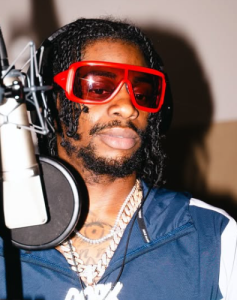
[Grass to Grace] Zlatan Ibile’s Poor Background, Struggles and Rise to Fame
[Grace to Grace] Zlatan Ibile’s Poor Background, Struggles, and Rise to Fame
Omoniyi Temidayo, the Nigerian musician who emerged in the music industry in the late 2000s, is nothing short of a miracle, considering his background and environment. He, like many others who have survived the dungeons of poverty, has had to go through immense suffering and resilience to come out soaring high. Before we delve into this exciting read, if you haven’t yet seen Zlatan’s biography, statistics over the years, network, and progress, please check out all we know about Zlatan Ibile.
Fun Fact: Did you know that Zlatan Ibile’s ambition was to play football professionally for Barcelona?
Zlatan Ibile’s Background and His Struggles
Not much is known about Zlatan’s childhood hood but it is clear that he didn’t have a rosy background. Zlatan Ibile recently opened up about his humble beginnings in a series of heartfelt tweets that touched many of his fans. The “Able God” hitmaker took a moment to reflect on his journey from poverty to stardom, revealing the sacrifices his mother made just to keep the family going during their toughest days.
In a deeply personal post on Twitter, Zlatan recounted how his mother used to collect garri (cassava flakes) on credit and once managed to cook a full pot of okra soup with just ₦150. For many Nigerians, this paints a vivid picture of the kind of daily struggles some families endure just to survive.
“My mama too suffer,” Zlatan wrote.
“I remember how my mum used to collect garri on credit, and with just 150 naira, my mama dey cook better okro soup. If eba no finish, we no dey touch meat. Four children, one meat.”
This glimpse into Zlatan’s upbringing struck a chord with fans who have followed his rise in the Nigerian music industry. From freestyling on the streets to selling out shows and topping charts, his story embodies the grass-to-grace narrative that resonates so deeply in a country where many still struggle to break free from poverty.
Zlatan, whose real name is Omoniyi Temidayo Raphael, didn’t share his past just for sympathy. Instead, he used the opportunity to connect with his fans on a personal level and offer financial support to some of them. In the same thread, he mentioned sending small sums of money to help people who might currently be going through what he once endured.
More Than Music: A Symbol of Resilience
Zlatan’s music has always reflected the streets—raw, energetic, and relatable. But behind the vibrant beats and catchy hooks is a man who knows what it means to hustle for every meal. His story is not just inspirational; it’s a reminder that where you start does not define where you’ll end up.
From struggling to afford basic meals to becoming a household name, Zlatan’s journey continues to inspire a generation of young Nigerians who dream of changing their lives through talent, persistence, and faith.
His tweet went viral, sparking conversations around poverty, sacrifice, and the unseen battles many families face daily. It also serves as a powerful message: Never forget where you came from.
Zlatan Ibile’s Rise to Fame
Success often begins with a single moment—a choice, a risk, or even a small push from someone who believes in you. For Nigerian street-hop sensation Zlatan Ibile, that moment came while he was still a student at Moshood Abiola Polytechnic (Ojere) in Ogun State. What started as a casual music competition turned out to be the launchpad for a life that would later change forever.
The Unbelievable Opportunity
While speaking about his early struggles and breakthrough, Zlatan revealed that during his polytechnic days, a competition was announced where interested participants could enter by purchasing a SIM card for just ₦50. It sounded too good to be true, and like many others, Zlatan was skeptical. But fate had other plans.
A friend, recognizing his talent and potential, didn’t just encourage him—he bought the entry form on Zlatan’s behalf. With nothing to lose, Zlatan reluctantly filled it out and submitted his application.
To his surprise, he won the competition, and with it came a brand-new car.
From SIM Card to Steering Wheel to Stardom
For many, the story might end there. But for Zlatan, the car was not just a prize—it became a tool. Rather than flaunting it, he put it to practical use. He used the car for a cab business, making ends meet while trying to chase his music dreams. It wasn’t glamorous, but it was purposeful.
Although he admits that he didn’t blow up immediately, it took another three years of grind, growth, and relentless faith before he found his place in Nigeria’s vibrant music industry.
“That car, that win… it gave me the drive I needed,” Zlatan once shared in an interview.
“That was when I knew that this music thing could actually change my life.”
Turning Point to Stardom
From that small competition, Zlatan began to take music more seriously. Over the years, he evolved his sound, sharpened his street appeal, and built his brand. Today, Zlatan is known for smash hits like Zanku, Able God, Yeye Boyfriend, and countless collaborations with some of Nigeria’s biggest artists.
His signature dance move, the Zanku (Legwork), became a cultural phenomenon and helped cement his place as a street king with global appeal.
The Power of One Step
Zlatan’s story is more than just a come-up tale—it’s a lesson in opportunity, humility, and delayed success. A ₦50 investment, a friend’s belief, a competition he didn’t believe in, and a car he used as a cab—these were the raw building blocks of what would become a flourishing music career.
For young people struggling with self-doubt or limited resources, Zlatan’s journey is a loud reminder: Start with what you have. Say yes to chances, even if they look small. And don’t be afraid to hustle while you wait for your big break.
A few expo from the Zlatan Ibile BBC Pidgin Interview